

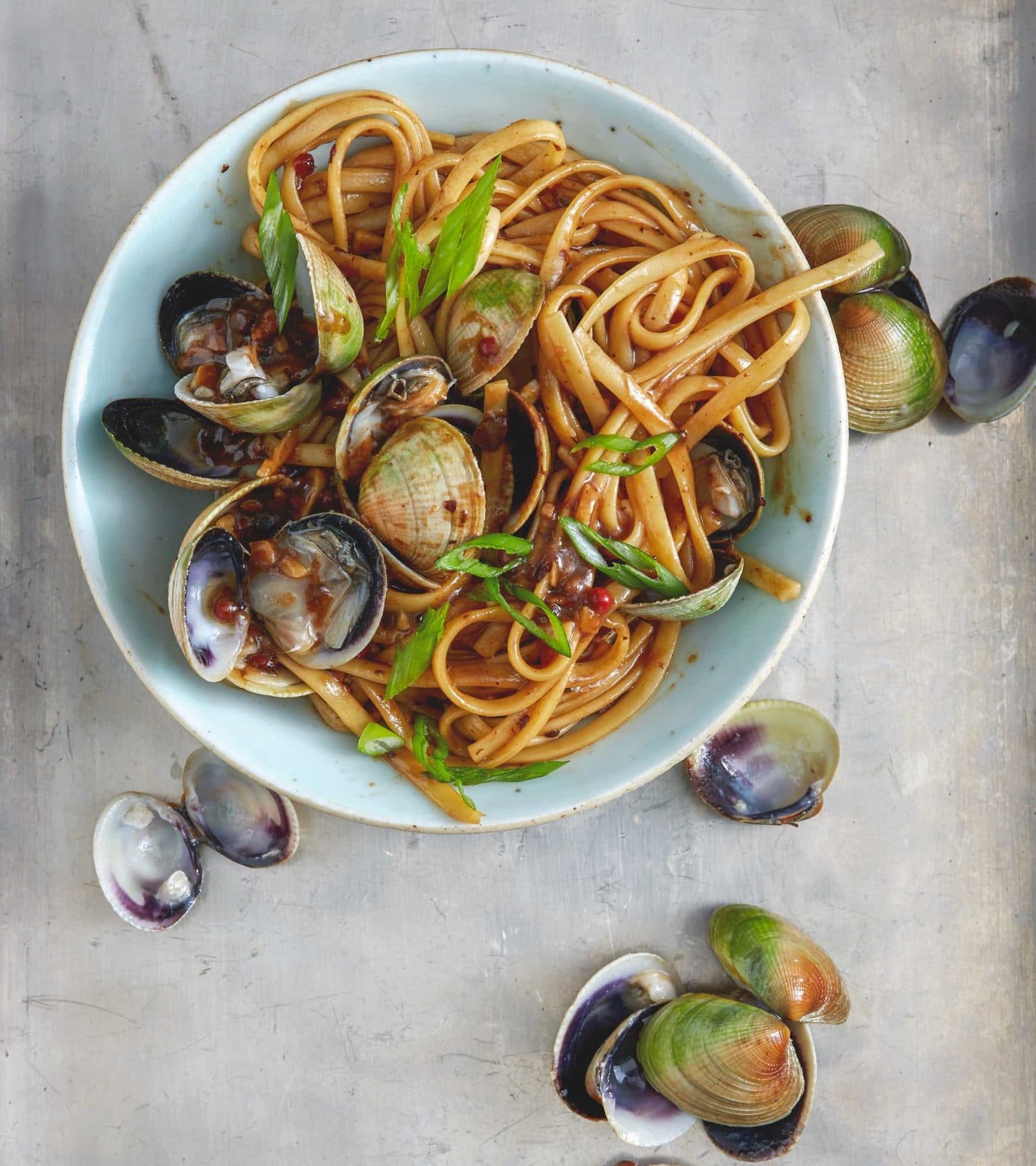
I tell people that I’m a vegetarian, but that’s not completely true. While I don’t eat any vertebrates (and even stay away from dairy most of the time), I eat — and preach the gospel of eating — bivalves. Bivalve is the catch-all term for anything that seems to resemble a clam: Oysters, mussels, and scallops, along with clams themselves and a host of more obscure double-shelled filter feeders all fall into this category.
When I tell people my one exception to an otherwise animal-free diet, I’m usually met with curiosity. I tend to start my explanation with why I don’t eat any other animals. Animal agriculture contributes to 14.5% of the world’s anthropogenic greenhouse gas emissions (with cattle alone contributing two-thirds of that), and is the leading cause of biodiversity loss worldwide. Overconsumption of animal products also leads to a host of health issues such as heart disease, obesity, and diabetes. On top of that, the majority of animal agriculture is exceptionally cruel to animals — and much of it is unpleasant for the humans working in the sector too. For all of these reasons (and even a few more) I decided to stop including animals in my diet.
Bivalves, however, don’t contribute to any of these problems. In fact, farming them actively helps with these issues across the board.
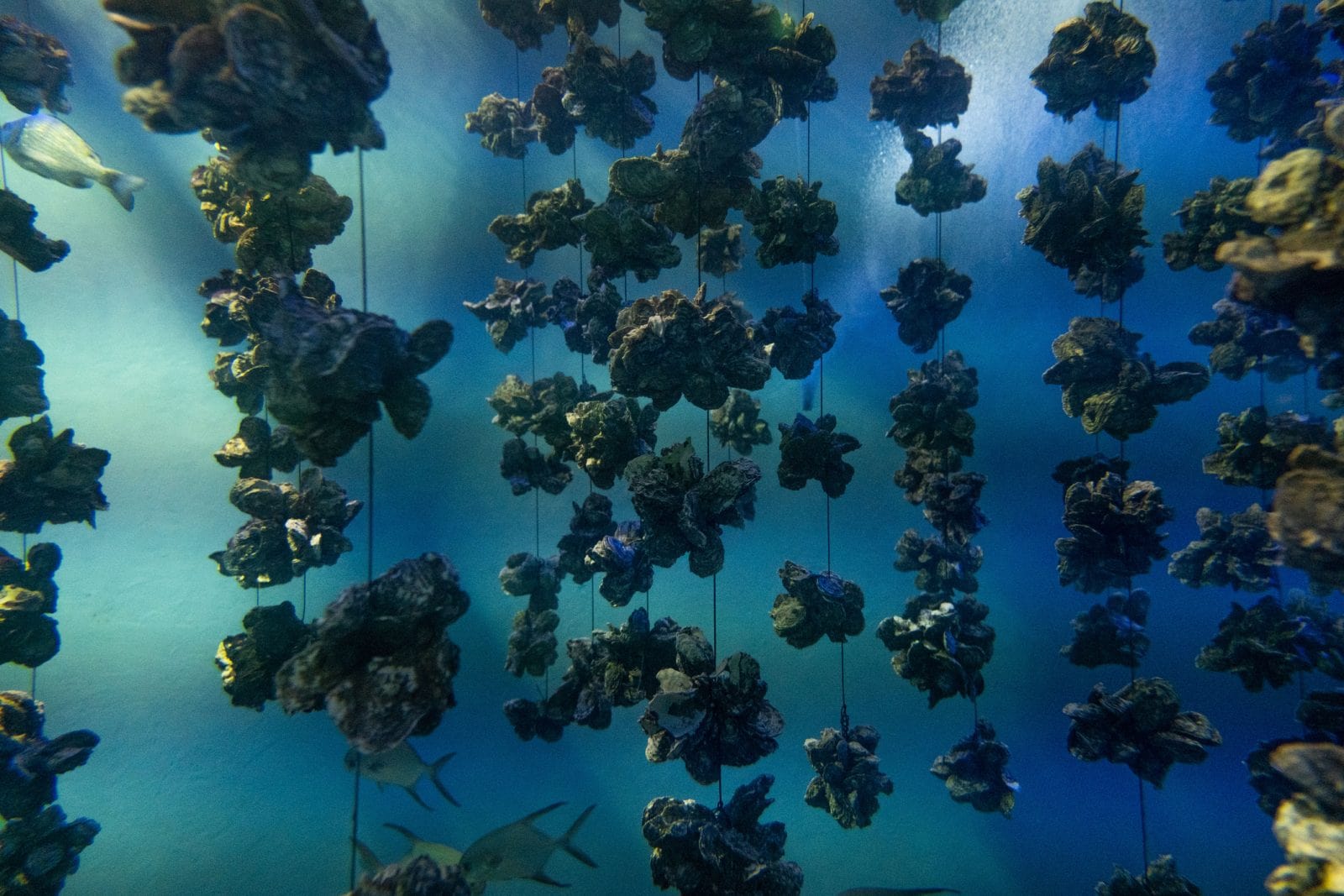
From a climate change perspective, eating bivalves is an easy and guilt-free choice.
The carbon footprint of clams is negligible, and clams actually sequester carbon as they grow. An average of 200 grams of dissolved carbon dioxide from the ocean is immobilized per kilogram of farmed clams, while farming them only emits 39 grams of CO2, resulting in clams sequestering 161 grams of CO2 per kg — potentially even qualifying clam farming as an official carbon sink for carbon credit trading. Clams also beat out even the most sustainable sources of food, such as tofu, which emits 3.2 kg of CO2 per kg. From a climate change perspective, eating bivalves is an easy and guilt-free choice.
But that’s not all. When it comes to overall environmental impact, these sedentary organisms are shelled superstars.
Nearly every food on the planet has some environmental impact, whether that’s agricultural runoff from overfertilization, or cutting down forest to make room for new pastures or farms. As filter feeders, bivalves, too, have an environmental impact. The difference is, it’s a positive one — clams help clean the water they’re in and reduce contamination. A single oyster can filter 50 gallons of water per day, taking out nutrients from the water column that can lead to harmful algal blooms and even fish die-offs. Farming bivalves in estuaries is actually a solution to the harms caused by terrestrial agriculture. 90% of the bivalves eaten in the world are farmed, so increasing demand for bivalves also increases the number that are grown each year. (Techniques used to harvest wild clams on the other hand, such as bottom trawling, can destroy seafloor ecosystems and reduce the total number of bivalves that get to act as beneficial filter feeders, so consumers have to be wary to buy only farmed options.)

Nutritionally, bivalves continue to shine. They are nearly pure protein, with a 100g serving of clams containing 25g of protein, 2g of fat, 5g of carbs and only 150 calories. Unlike other animal proteins, bivalves don’t contribute to heart disease and they likely don’t contribute to obesity, either. From a micronutrient point of view, they also provide a good source of vitamin B12 and iron, which are especially important to include in diets which don’t contain any other animal source foods. Since bivalves don’t prey on other marine animals, they don’t bioaccumulate heavy metals like mercury — you’d have to consume over 53 pounds of clams per week to be at risk, compared with only 3.5 pounds of tuna.
From a scientific point of view, [bivalves’] lack of brains and neural complexity mean that it is unlikely that they create or experience a response that resembles what we think of as pain.
Lastly, we have the question of ethics. While I’m not a neuroscientist or ethicist, I feel confident eating bivalves for two main reasons. First off, because they don’t have the “necessary neurological circuitry” to feel pain. From a scientific point of view, their lack of brains and neural complexity mean that it is unlikely that they create or experience a response that resembles what we think of as pain.
In addition to all this, when it comes to the people working to farm and produce bivalves, while I only have a small sample size, the shell fishermen I have met have loved their jobs. I’ve never personally gone shell fishing as a career, but I love going shell fishing for fun during the summer to collect a dinner from the ocean when I can — in fact, many beaches and mudflats are seeded with clams just for this purpose. If you live in Rhode Island, you actually already have the right to go shell fishing, as long as you follow the right rules and procedures.
Whenever I eat bivalves — as long as they’re farmed and caught locally — I’m confident that my food choice is sustainable, ethical, good for me, and can be made into a number of mouthwatering recipes.
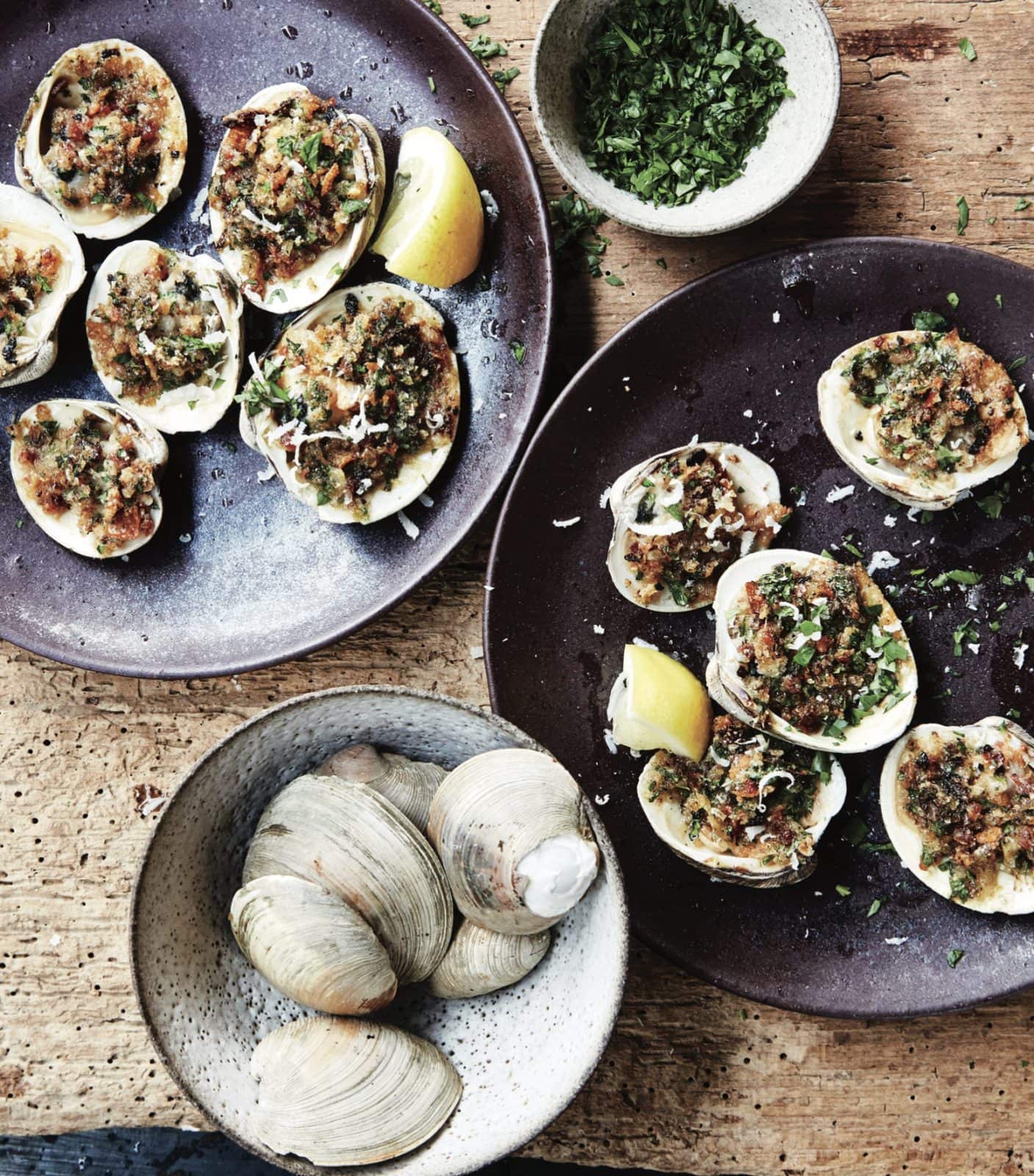
As someone with pretty high standards for the foods I eat, it’s especially exciting when I find food that checks all of my boxes. Whenever I eat bivalves – as long as they’re farmed and caught locally – I’m confident that my food choice is sustainable, ethical, good for me, and can be made into a number of mouthwatering recipes, like the one below.
Jody’s World-Famous Steamer Clams
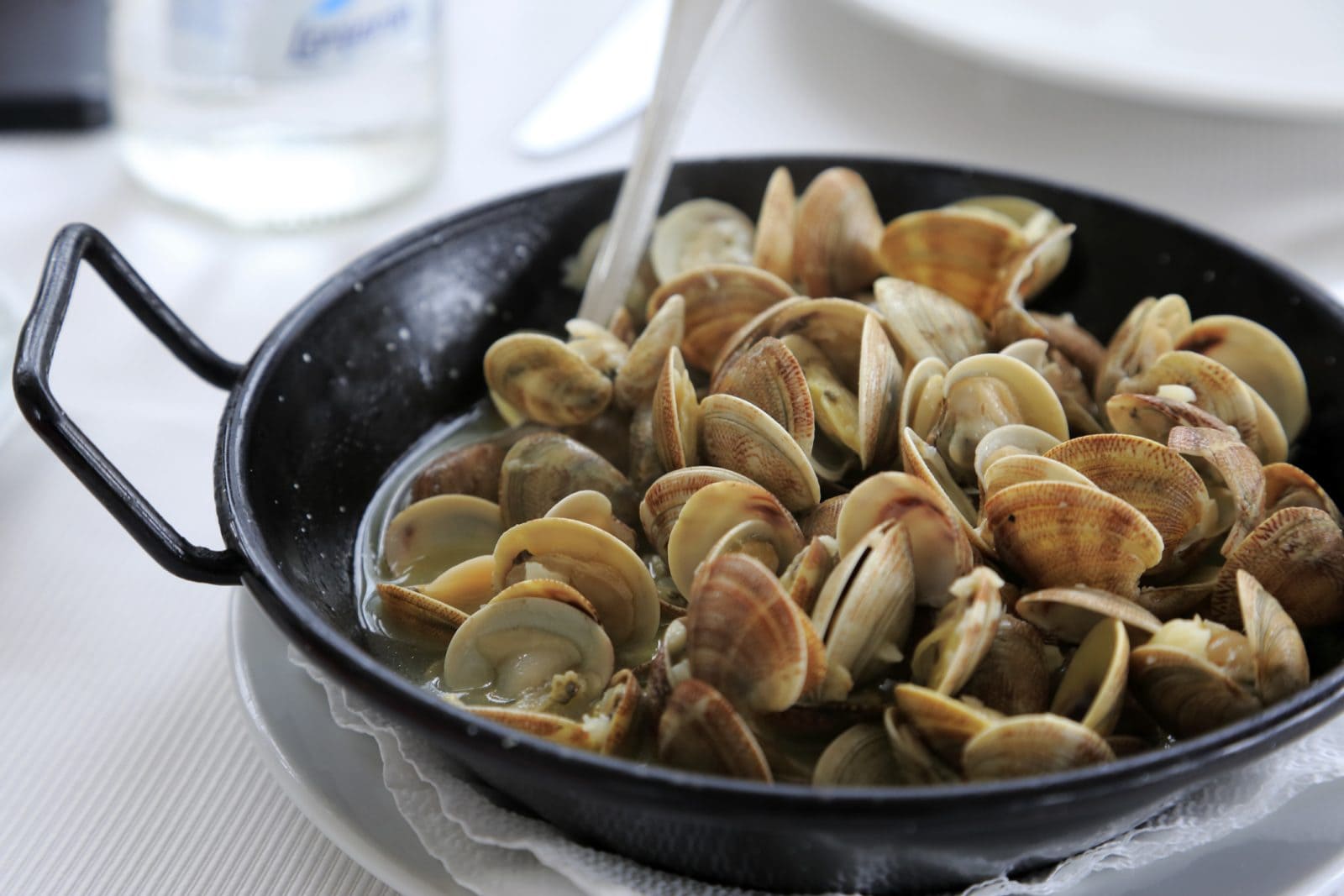
So, how to get started contributing to the environment, your health, and your taste buds by eating clams? Here’s a quick and simple but extremely delicious recipe you can follow – as long as you don’t mind getting your hands dirty. It was given to me by Jody King, the preeminent shell fisherman of Rhode Island, and it is a wonderful way to celebrate soft shell clams. (Check out these other recipes if you’re hooked and want more: clams | mussels | scallops.)
1 Comment