

“Is this a joke?” I ask my husband, Paul, holding up a package of blackened buns. The label describes its contents, scorched beyond salvage: Well Fired Rolls.
“It’s a Scottish thing,” he shrugs.
“You can’t be serious.” I’m incredulous. “Why would anyone pay for burnt bread, let alone eat it?”

We’ve just driven forty minutes through 50-mile-per-hour winds, over icy mountain roads, to get to our nearest proper grocery store, where the situation is dire. Half of the aisles are bare. Rows of empty crates sit where fruits and vegetables would normally be. There’s no lettuce, cucumbers, tomatoes, peppers, or berries. A few zucchini molder next to some browning bags of kale. Heaps of beaten-up turnips and potatoes seem to be the only produce not in short supply. Around the corner, there aren’t any eggs.
It’s the charred baked goods though, that might be my breaking point.
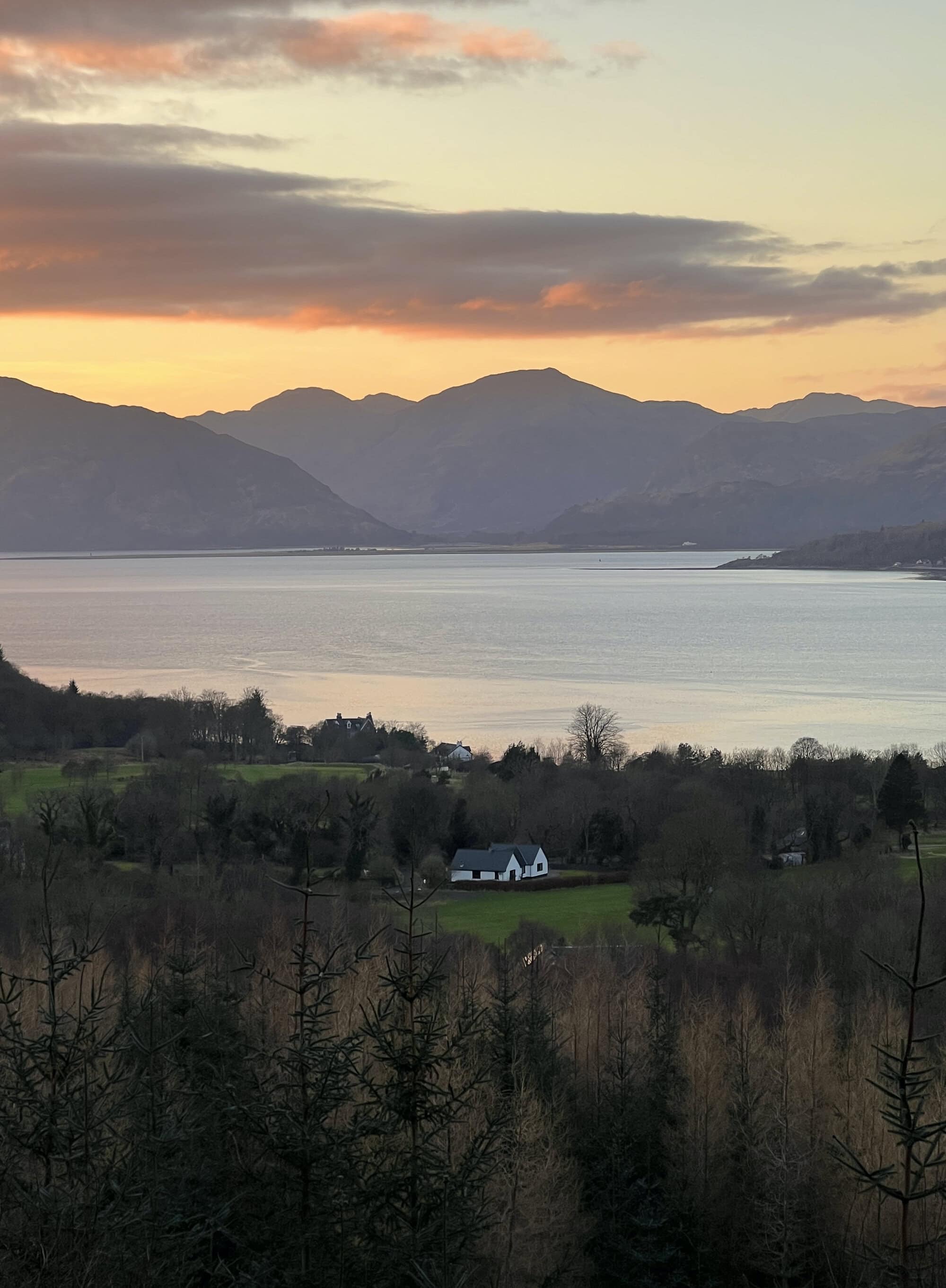
When I moved to the Scottish Highlands, after nearly two decades in New York, I was elated to leave. I’d had enough of the city—its towering stacks of garbage, the concrete and crowds. I wanted nature and silence, a different way of life. So, taking up residence in a small mountain village near Paul’s hometown, 100 miles from any major city or airport, seemed blissfully destined. I’d found love and one of the last truly wild places. A universe of primeval forests, mist-shrouded peaks, and endless expanses of river and sea, where real solitude could still be found.
I knew a remote way of life would have its challenges. Locals told me as much from the moment I arrived. Somehow, I didn’t think that finding high quality food would be one of them. Scotland is famous for its produce, after all. Much of the seafood, game, and dairy products from its pasturelands and lochs are designated Protected Geographical Indication by the EU. In other words, they must meet the most rigorous quality standards if they’re to be worthy of being called Scottish. So, I’ve had a hard time understanding why decent fresh food is hard to come by.
During the spring and summer months—when hikers and tourists in camper vans descend on the small towns and villages here, the outdoor capital of the UK—it’s not unusual to encounter less food at shops by midday. Everyone knows to anticipate an influx of out-of-towners who inevitably cram every bit of bread and bottle of water into backpacks bound for the summit of Ben Nevis or a long-distance trek on the West Highland Way. But even in the off-season lately, barren shelves have lasted for days.
In New York, a substantially plant-based flexitarian diet was easy, with at least one farmers’ market, good health food store, or high-end bodega in every neighborhood. I could have fresh seasonal produce from a local farm—with prepared foods that rivaled most cafés— brought to my door by a grocery delivery service. And when I didn’t want to cook, there was an award-winning restaurant nearby, wherever I went. Because it was so quotidian, I’d taken for granted just how accessible great food was. I’m not sure how to adjust to the opposite.
When I first arrived in the Highlands, I approached these limitations as inspiration. With few restaurants nearby, I did my best at home, perfecting simple preparations of the repetitive items available. When it was my turn to cook, I learned new methods for pan frying, roasting, and braising things like eggplant, sea bass, and fennel. I combined minimal ingredients with pantry staples to make what I could—Spanish tortilla; Bombay aloo; brown rice salad with asparagus and mushrooms; white beans and sautéed kale; avocado toast; lentil soup. “How did you make this with what was in the refrigerator?” Paul often remarked. But it was hard to eat the way I was used to.
Staples of my New York kitchen like quinoa or sherry vinegar or fresh sage were hard to come by, appearing sporadically on shelves, if ever. I started hoarding white miso paste. It wasn’t long before I was sick of food altogether.
At the time of this writing, supermarkets across the UK face shortages of fresh produce and many items are rationed per customer. British farmers have warned of this for months. Some blame Brexit for the scarcity, since nearly half of Britain’s food comes from other countries, and EU exporters are cutting their UK routes to avoid excess paperwork. Here in the UK, rising costs, low pay, and a lack of reliable workforces have caused multiple farming sectors to shrink. One Scottish fruit farmer recently made headlines for giving away his £3 million crop of blueberries to anyone willing to come pick them, because the cost of growing, harvesting, packing, and shipping to local supermarkets would outweigh any profit he might make.
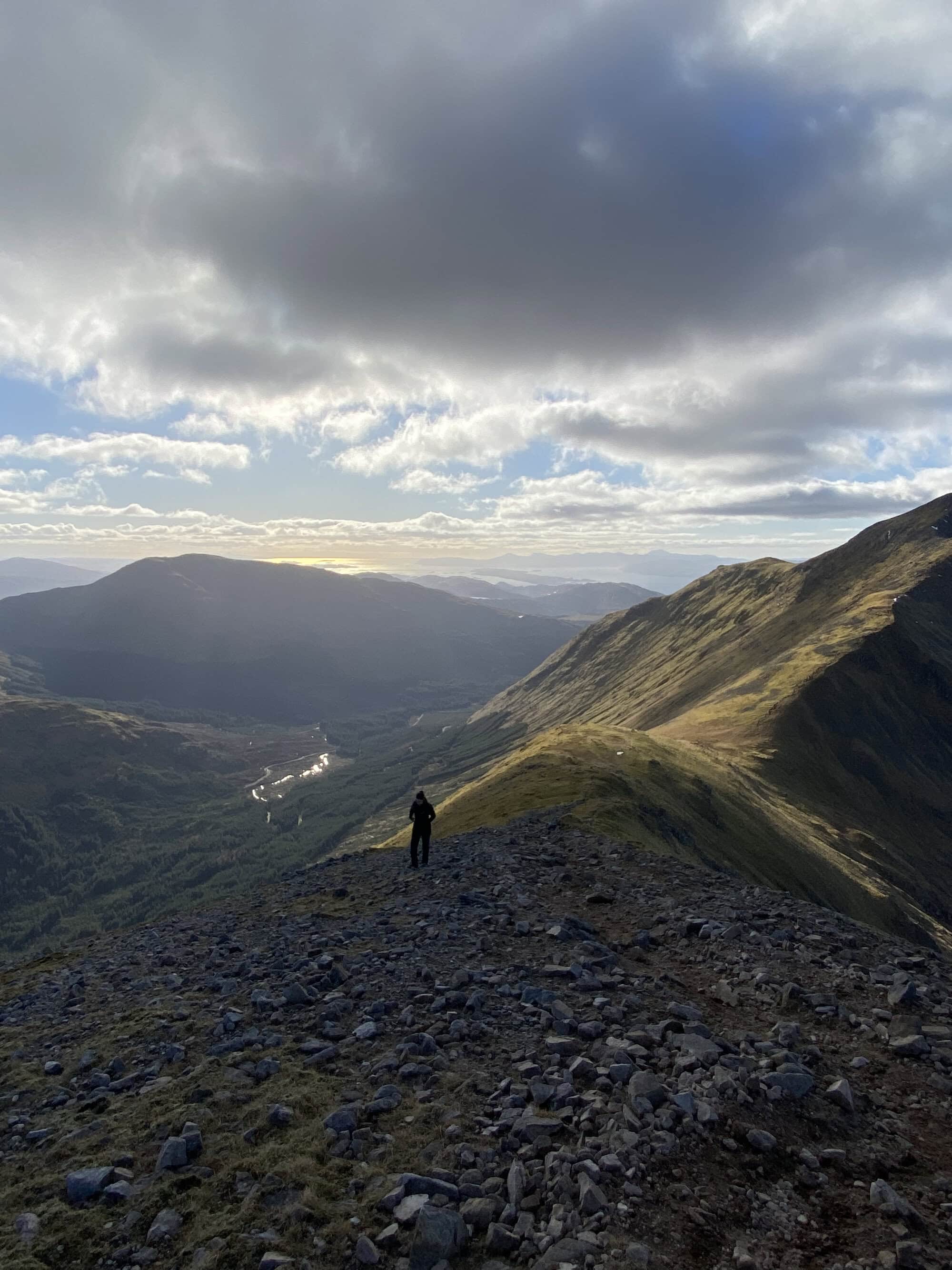
I’ve often wondered how people survived in these parts before there was an established supply chain, when lorries didn’t exist, and the land was all there was to rely on. Remnants of ancient settlements and abandoned crofts dot the landscape and hills everywhere, so the heritage of this remote culture is never far from my mind. Well before Brexit, eating in the Highlands was a labor of resourcefulness, impacted by wherever you happened to be. Weather conditions can be extreme, so farming—even now—is difficult.
In the 18th century, Edmund Burt, a contractor for the British government, detailed the hardships of living here for a friend in London in his Letters from the North of Scotland. He described, in particular, the disparity in food quality from one area to the next: a lack of decent items in some places, while in others, a surfeit of wild trout and salmon, partridge, grouse, and honey. “Sometimes it has been difficult for our Landlady to get anything for us to eat except some sort of food so often reiterated as almost to create a loathing,” he shares. “One day I remember she told us there was nothing at all to be had in the town.”
Hundreds of years later, that sounds awfully familiar. It’s as if you cross an invisible border somewhere between Glasgow and Fort William and everything changes.
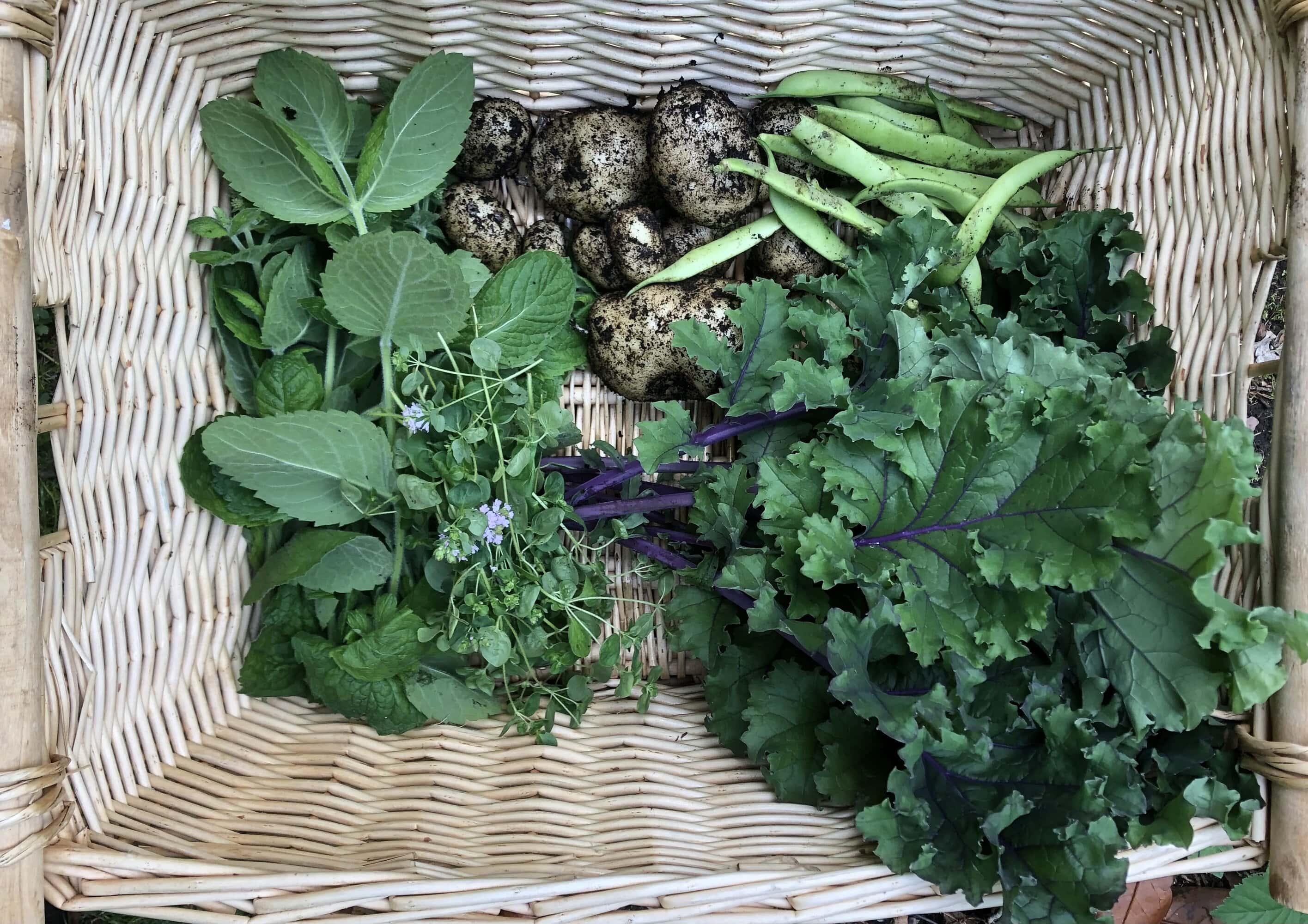
Still, I love it here. The reasons I came are the reasons I’m excited to stay. I’m determined to find ways to adapt to mountain-dwelling. I turn to the work of late Scottish writer and folklorist F. Marian McNeil for guidance. In her 1929 history of cooking, The Scots Kitchen, she writes about Highlanders growing “cabbage and green kail” until they were deprived of plots of land during the Highland Clearances in the 18th and 19th centuries, when many people were evicted from their homes and farms. To survive, they fell back on foraging vegetables like lambsquarter, Queen Anne’s lace, wild mustard, nettles, Scottish lovage, and the roots of the low-growing silverweed. “The people who have lived for generations in a particular region,” she writes, “may be depended upon to wisely and interestingly deal with the products of that region.”
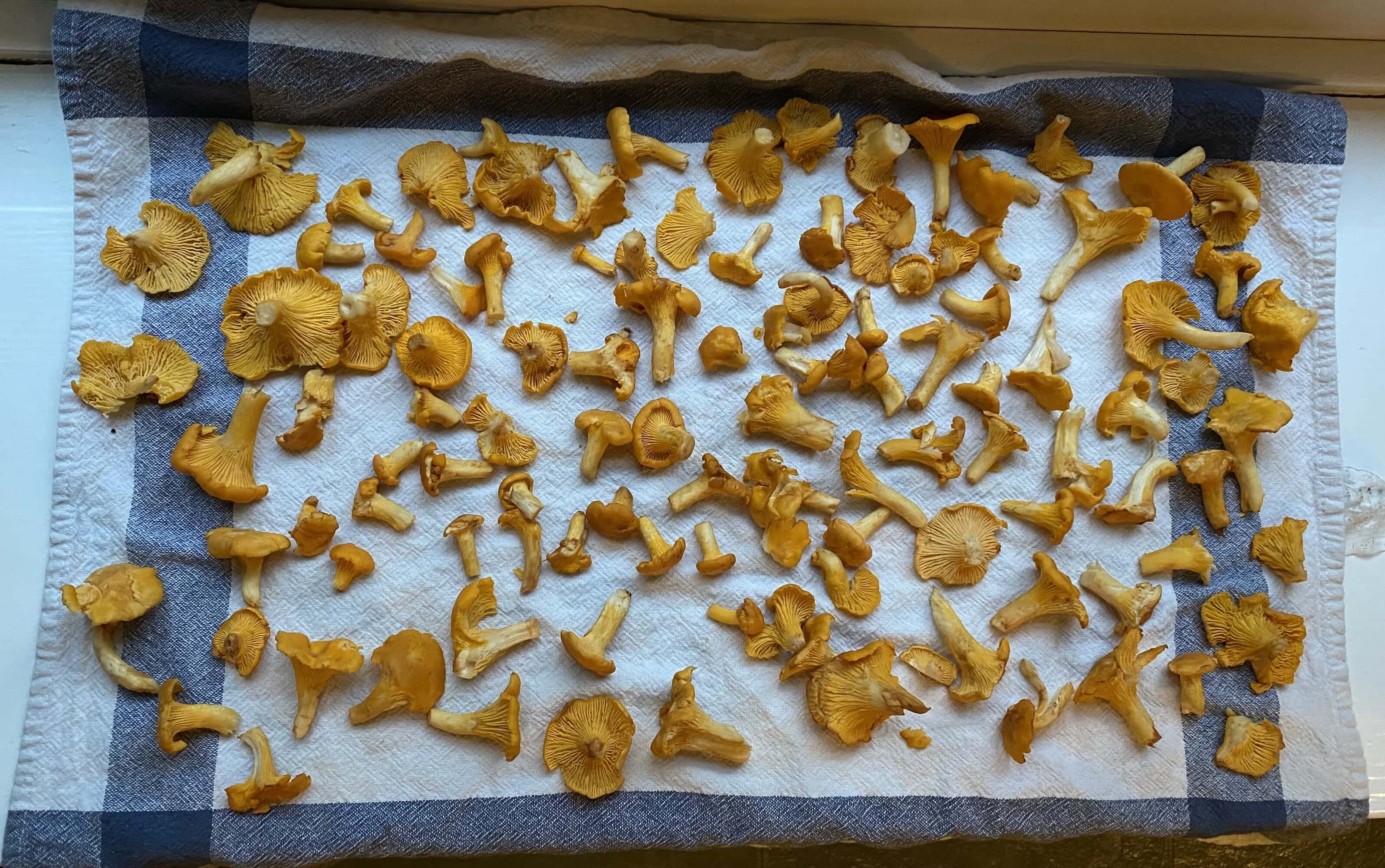
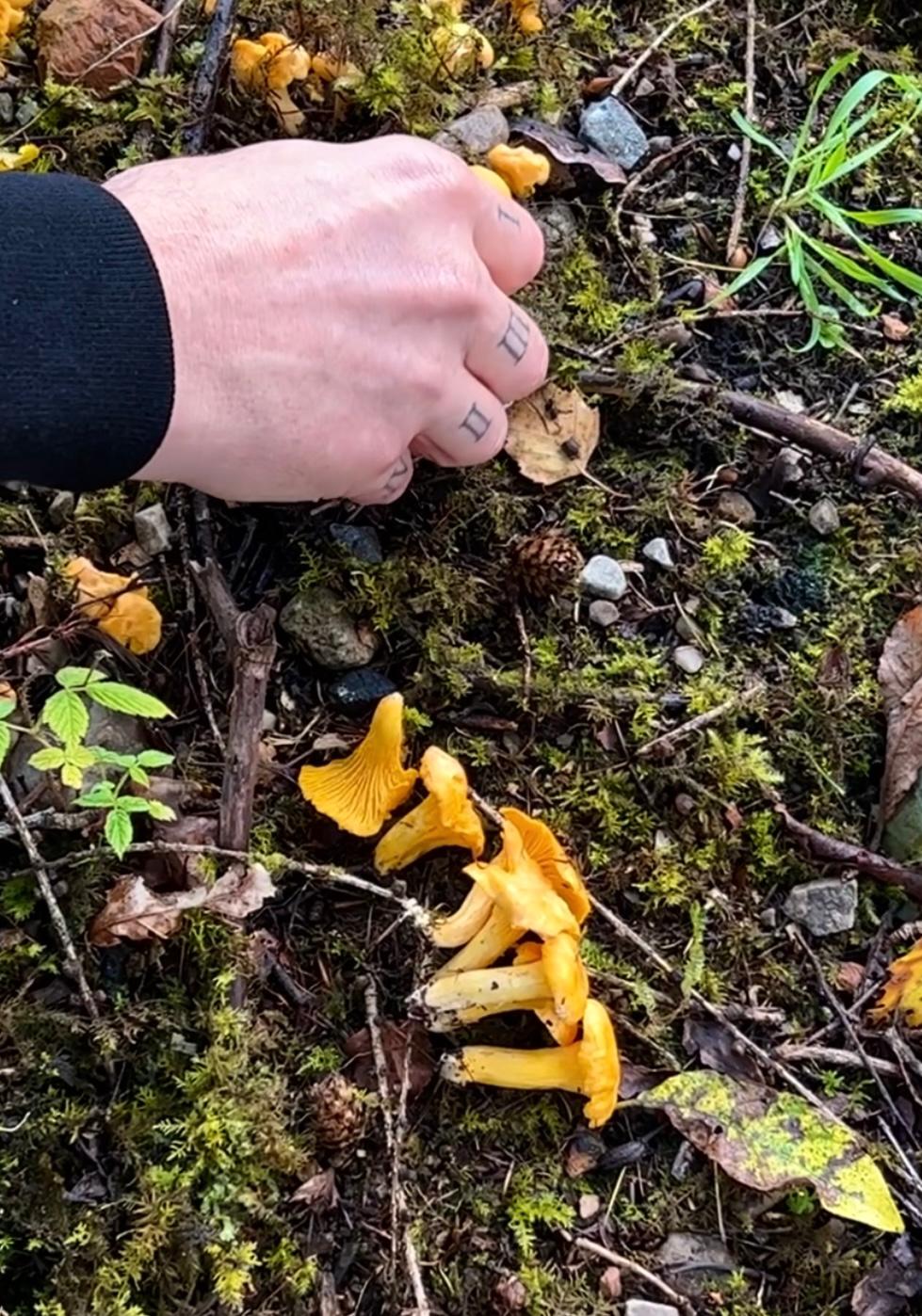
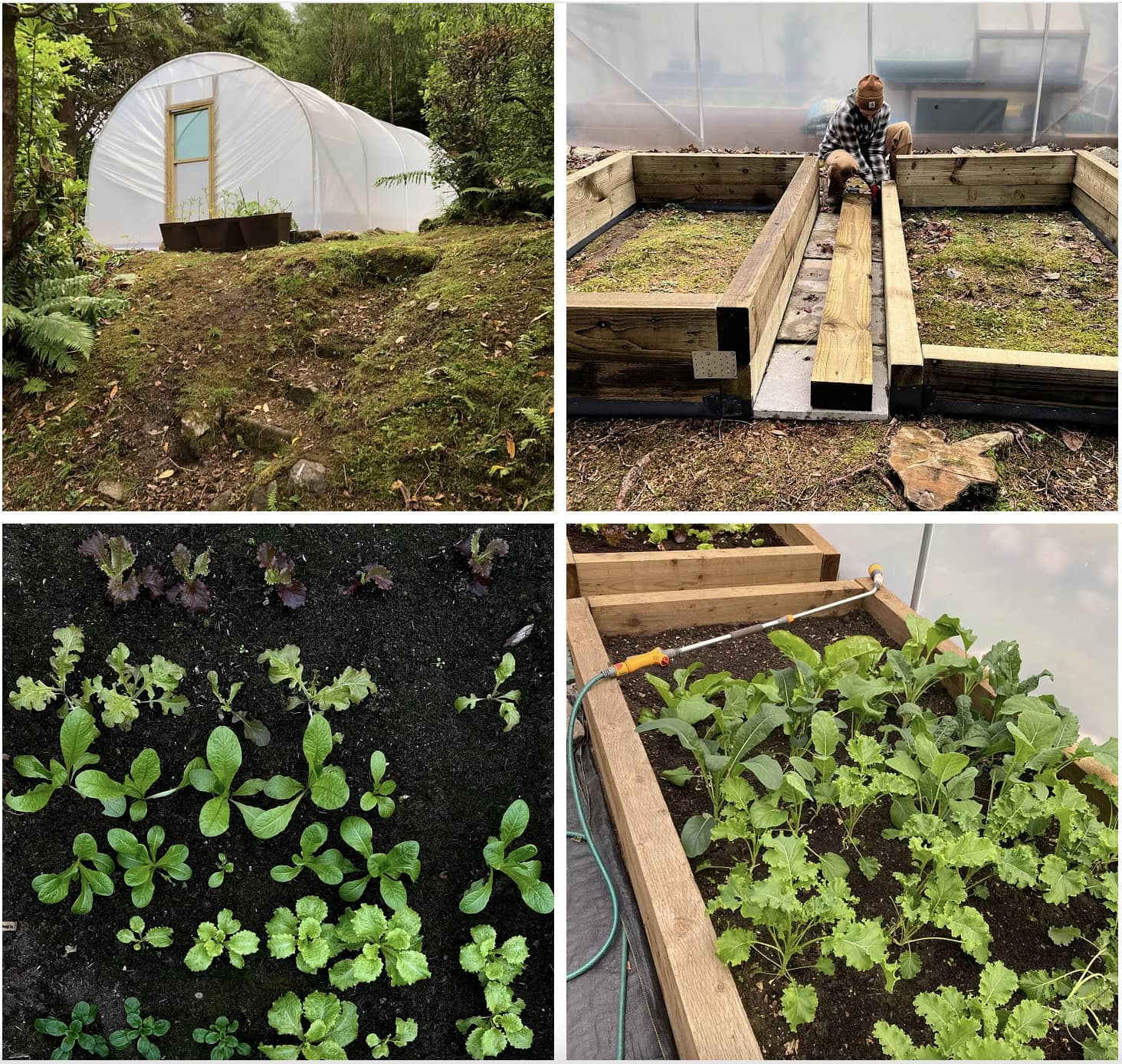
But what about a newcomer? I’m learning that you just have to know where to look. Moss-covered forest floors, like the grassy slopes of hillsides, hide chanterelle mushrooms. Wild raspberries and brambles fill hedges on public land, free to all. A collective of organic crofters trade their locally made and grown wares in a sort of community-supported agriculture. Venison from nearby hills, culled for sustainability, is available to the surrounding communities. There’s a fisherman who sells fresh shellfish—just pulled from the harbor—out of his van; his customers know when and where through word-of-mouth. For the things I can’t find nearby, there are a handful of retailers that ship this far. And when the weather makes it impossible to hike or drive, I mix triple batches of sponge to bake ciabatta, sourdough, and rye to freeze for the ups and downs of tourist season.
And I’ve also learned that, yes, Well Fired Rolls are considered a Scottish delicacy by many.
Comment