Brown Sugar Cinnamon Cookies (Speculoos)

PUBLISHED December 18, 2024

According to some historians, these cookies, often referred to as speculoos, were created in Belgium as a cheaper, spice-free alternative to Dutch speculaas. In the seventeenth century, importing spices into Belgium was more expensive than in the Netherlands. So, instead of spices giving the Belgian cookies their color and flavor, caramelized sugar was used, providing the warming notes characteristic of the Dutch cookie. This style of sugar came about because processed sugar at the time in Belgium was made from sugar beets, and the molasses that came from it (which would typically be added back to white sugar to make “brown sugar”) was so high in nitrogenous waste, it was considered unfit to consume. So, as a workaround to get a brown sugar, regular white sugar was caramelized and turned into rock candy-like sugar called kandij suiker. This caramel sugar gives these cookies their distinctive taste, which is different from the bitter notes provided by the likes of molasses or other brown sugars made from sugarcane.

Another theory for how the cookie came about involves two rival cookie manufacturers. According to the Lotus Biscoff website, a Belgian baker named Jan Boone, Sr., created a caramelized cookie like speculoos and named it Lotus, after the flower that symbolizes purity, and in the 1950s started individually wrapping the cookies and selling them. But at the same time, according to LU (another large cookie manufacturer), a baker in Antwerp named Louis Parein created the “Bastogne cookie”— or Bastognekoeken, the name of this recipe—to commemorate the Battle of Bastogne in World War II. It is, like Biscoff’s Lotus cookie, a caramelized sugar cookie flavored with only cinnamon, but engraved with ridges on the top.

However the cookie came about, it seems the key ingredient is the brown rock candy sugar and the addition of cinnamon, though many other recipes now include a pinch of cloves or nutmeg and some vanilla, too. Modern recipes mix maple syrup or molasses with regular sugar to replicate the specific taste of speculoos, but the authentic syrup would be schenkstroop, a Dutch caramel syrup, which is available online or in some specialty food stores. Many recipes use the kandij suiker and the caramel syrup together; it’s listed as an option in this recipe, but if you use regular white sugar, the caramel flavor will be a little less prominent. – Ben Mims


The following may contain affiliate links for which we earn a small commission. Thank you for supporting us in this way!
Print

Brown Sugar Cinnamon Cookies (Speculoos)

Prevent your screen from going dark

Makes about 30 cookies 1x

Time 45 minutes

Units Scale

Ingredients

  • 2 1/4 cups (315 g) all-purpose (plain) flour
  • 2 teaspoons ground cinnamon
  • 1 teaspoon baking powder
  • 1/4 teaspoon baking soda (bicarbonate of soda)
  • 3/4 teaspoon fine sea salt
  • 1/2 teaspoon freshly grated nutmeg (optional)
  • 1/4 teaspoon ground allspice or cloves (optional)
  • 6 oz (170 g) Dutch brown rock candy sugar or 3/4 cup (150 g) white sugar
  • 1/2 cup (170 g) Dutch schenkstroop, mørk sirup, dark corn syrup, or British golden syrup
  • 1 stick (4 oz/115 g) unsalted butter, softened
  • 1 egg
  • 1 teaspoon pure vanilla extract (optional)

Instructions

  1. Position racks in the top and bottom thirds of the oven and preheat the oven to 350°F (180°C/Gas Mark 4). Line two large baking sheets with parchment paper.
  2. In a medium bowl, whisk together the flour, cinnamon, baking powder, baking soda (bicarb), salt, nutmeg (if using), and allspice/cloves (if using).
  3. In a large bowl, with a hand mixer, combine the sugar, syrup, and butter and beat on medium speed until pale and smooth, 2–3 minutes. Add the egg and vanilla (if using) and beat until smooth. Add the dry ingredients and mix on low speed until a dough forms and there are no dry patches of flour remaining. Cover the bowl with plastic wrap (cling film) and refrigerate the dough for at least 1 hour or overnight.
  4. Divide the dough into 4 equal portions and shape each piece into a log 1/2 inch (13 mm) in diameter. Flatten each log slightly, then rake the tines of a fork along the length of the log or use your pinched thumb and index finger to create two ridges down the length of the logs. Cut the logs crosswise into 21/2-inch (6.5 cm) pieces. Arrange them on the prepared baking sheets, spaced 2 inches (5 cm) apart.
  5. Bake until the cookies are darker brown at the edges and dry to the touch on top, 18–20 minutes, switching racks and rotating the baking sheets front to back halfway through.
  6. Transfer the baking sheets to wire racks. Let the cookies cool on the pans for 1 minute, then transfer them to the racks to cool completely.

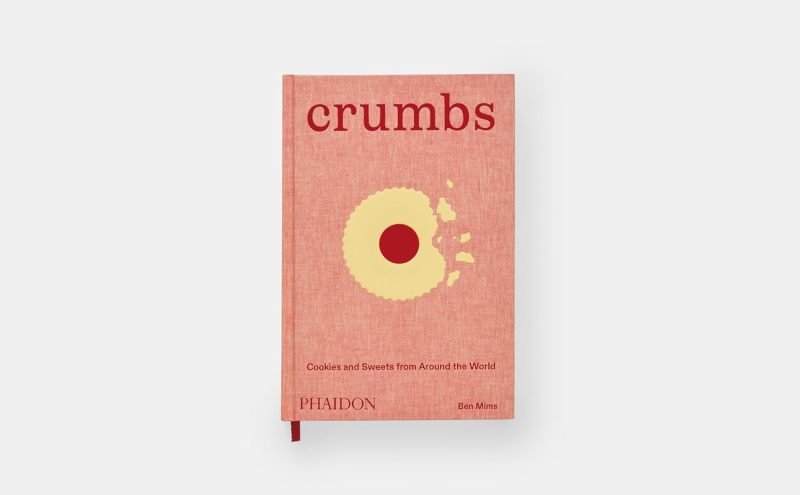
– Excerpted from Crumbs  © 2024 by Ben Mims. Photography © 2024 by Simon Bajada. Reproduced by permission of Phaidon. All rights reserved.

Log in, or become a member today.

Join in: enjoy 7 days free, plus 40% off your first year with access to 1,000+ highly vetted recipes from the How To Cook Everything series and beyond, essays from Mark, and original pieces from our contributors.

GetBetterFasterHealthierSmarterTastier

in the Kitchen

Through our (more than a thousand, and growing) highly vetted recipes from the How to Cook Everything series, original food essays and reporting, thoughtful podcast conversations and introductions to new and responsible food products, we aim to showcase what’s possible, from farm to fork, and power a growing movement that encourages people to think about food not as a commodity, but as central to our health and happiness.

We hope you join us on this journey. We’d love to have you as a part of the Bittman community. As a member, you'll have access to:

  • New recipes every week
  • 1000s of recipes from How to Cook Everything and beyond
  • First access to in-person events with Mark and Kate
  • Exclusive discounts from our favorite brands
  • Q&As with Mark and the team


Subscribe to our free newsletter

Join over 105,000 passionate individuals who receive our weekly emails. It’s 100% free and you can unsubscribe anytime. Plus, we’ll email you a sampling of what premium members receive on a weekly basis.