

Katherine Miller, author of At the Table: The Chef’s Guide to Advocacy, has the answer
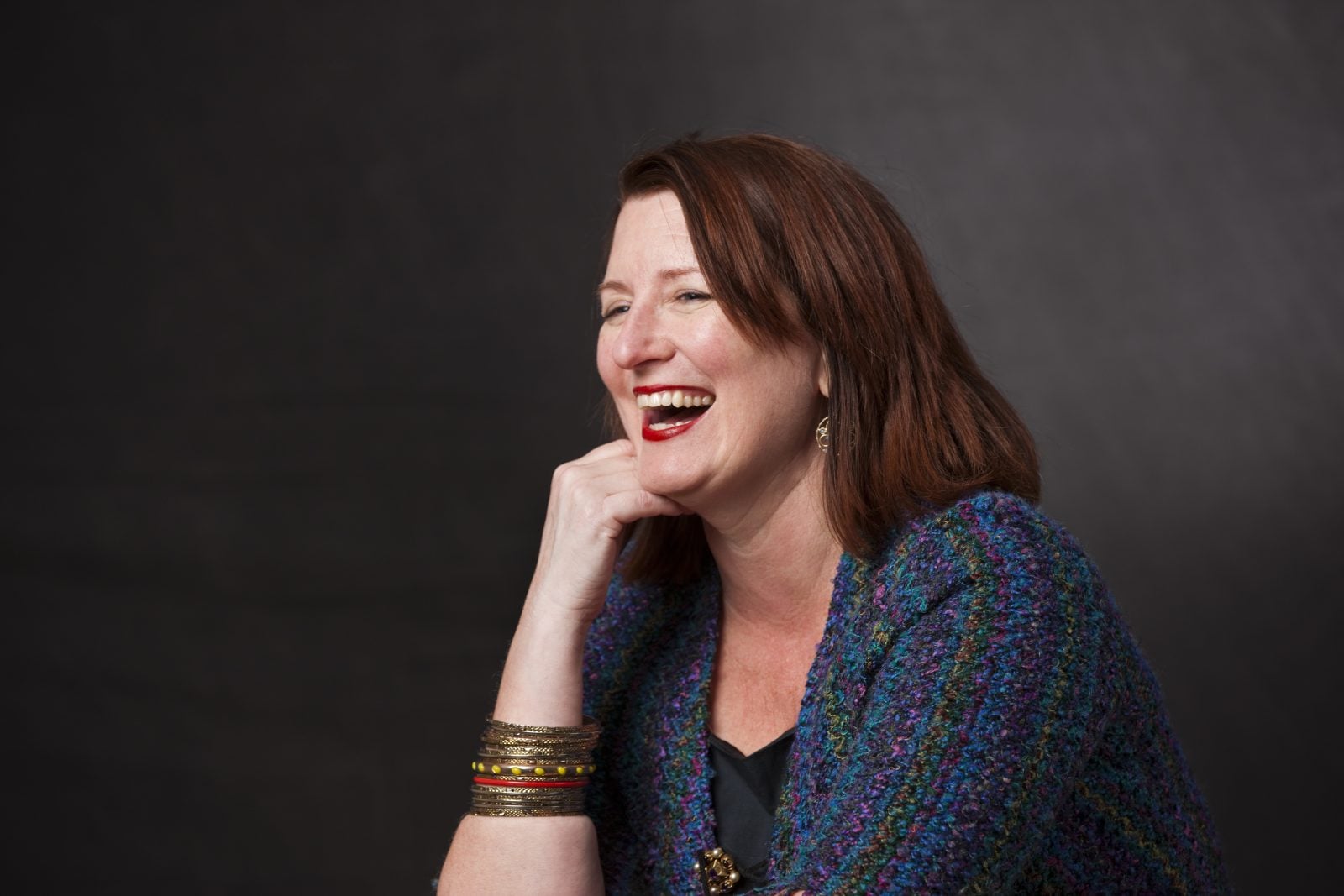
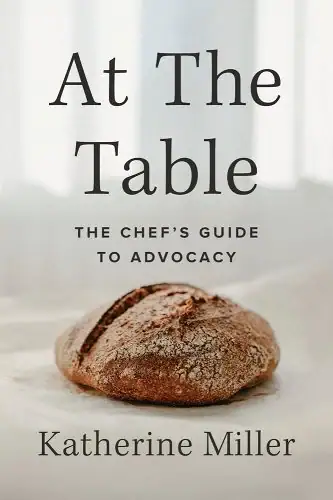
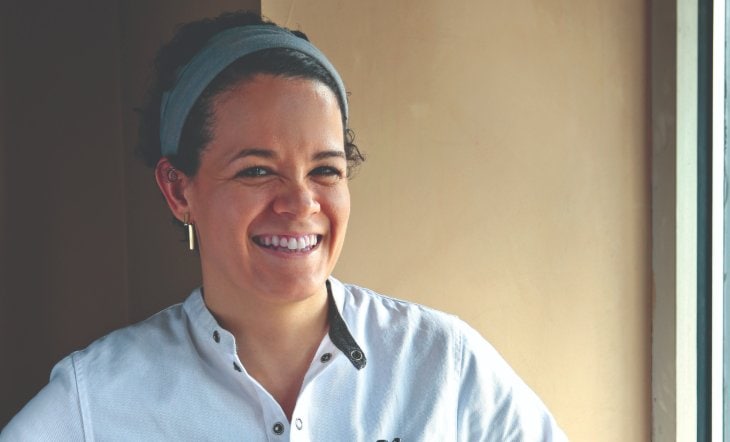
I met Katherine Miller a few years ago at a conference, and in general we were of like minds and became friends. Formerly the senior director of food policy at the James Beard Foundation (JBF), Katherine is the author of the newly-published At the Table: The Chef’s Guide to Advocacy. That’s something she specialized in at the JBF, and has thought about as much as anyone. The occasion of the book’s release makes this an ideal time to chat with her about her work with chefs to make meaningful changes in our food system. (This has been lightly edited for flow.)
“Our choices can either uphold antiquated systems or help create the conditions for change”
MB: You say in your book that “Our food choices impact everything from our personal health to the preservation of the planet.” Why do you believe that?
KM: Food is a singular influence on our lives. Without it, we die. Eat too much of the wrong thing, you can also die. It’s also central to who we are—we all have powerful food memories that drive our cravings and choices. For me, a favorite memory is eating king mackerel that my grandfather caught, cleaned, and grilled. Now when we choose to spend our money directly with a local fisherman instead of, say, a big box store, my husband and I are not only feeding our desire for a delicious meal, we’re also ensuring the fisherman gets a greater percentage of the profit and we’re helping them grow their business. Our choices can either uphold antiquated systems or help create the conditions for change. For me that moves food from something precious or delicious to something powerful.
MB: What led you to focus on chefs as leaders in social change?
KM: Our food system is a mess. It prioritizes and fully subsidizes food choices that aren’t necessarily good for people or the planet. We can’t just throw it out—though sometimes I wish we could. We must balance our responsibility to feed billions of people with the urgent need to fix everything about the system—from wages and production methods to marketing and distribution.
So, the recipe for policy change is really complicated and, for me, that means we must be thinking about it like a political campaign. To be successful, campaigns need a clear message, credible spokespeople, and an army of folks who are willing to organize, make the phone calls, and keep the conversation going. Chefs are well suited to help accelerate the advocacy work. Chefs are prominent members of our communities. They can help translate complicated topics—such as the impact of climate change on the food supply—into something easier to understand. And they have legions of fans that they can engage in the issues. They also have something that others don’t have, and that’s direct and personal access to policy makers and their staff. Restaurants are popular meeting and fundraising spots so chefs can turn the tables and use their access to open discussions around important issues.
“I wasn’t sure that people who were better known for their tattoos and tempers than their views on soil health would be effective advocates”
MB: Can you tell us about Chef Bootcamp—where the idea came from and how it works?
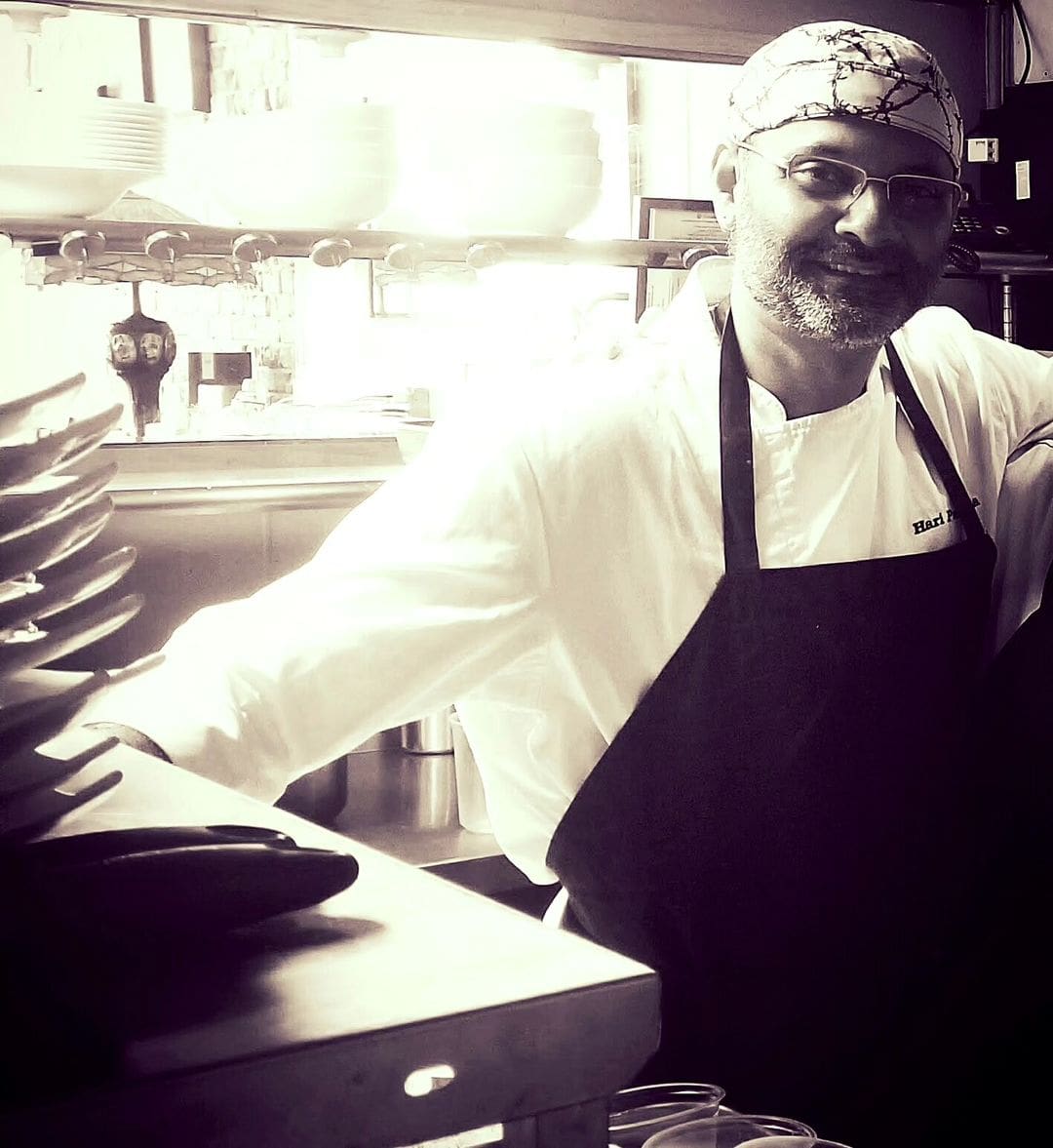
KM: Chef Michel Nischan and Eric Kessler, the founder of Arabella Philanthropic Advisors, created the James Beard Foundation’s Chef Bootcamp for Policy and Change. They knew my work building campaigns around the world focused on complicated policy changes (think ending malaria and election monitoring) and asked me to build out the program for the boot camp. They were really excited about the raw cultural power they saw within the chef community—the celebrity aspects such as media profiles and fans. I was more skeptical, at first. I wasn’t sure that people who were better known for their tattoos and tempers than their views on soil health would be effective advocates. But the penny dropped for me once I realized the chefs had everything the food movement needed to help accelerate change.
To be successful and trusted partners in the work, though, the chefs needed training on how to effectively work in policy and advocacy circles and to build up their understanding of the policies and practices that control the food system. So, we built a three-day policy boot camp that introduces chefs to policy experts, takes them through a curriculum centered on social sciences and narrative techniques, and encourages them to do the hard work of understanding their role as an agent of meaningful change. It’s been so exciting to see the way that chefs now engage in policy change and advocacy. We trained hundreds of chefs around the United States. Then, from the Boot Camps, we created the Chef Action Network that helped coordinate chef involvement and work with existing organizations.
“Chefs have a responsibility to do better—they have too much influence on our food choices and our local economies to just sit on the side lines”
MB: Do you find a conflict for chefs between reforming the food industry and how that would affect their profits?
KM: No. Advocacy isn’t easy, and it should be uncomfortable. Chefs have a responsibility to do better—they have too much influence on our food choices and our local economies to just sit on the side lines. But to be credible and trusted spokespeople and partners in the good food movement, chefs need to do the hard work of building relationships, expertise, and a deep understanding of the policies and systems that are already in place. They also need more information about how their choices impact the lives of others.
One of the most powerful things I saw during our work with chefs on the issue of food waste was how it opened conversations about other problems in kitchens such as low wages and a lack of affordable housing. The staff of a Michelin-star restaurant saw how their chef was talking about waste and climate change and asked him to be part of efforts to lobby for more affordable housing in the city. That conversation might not have happened if they hadn’t seen that he was willing and interested in talking about big issues.
“If you care enough to perfect a recipe, you should understand the politics and history of the food you serve”
MB: Why is it important for chefs to be aware of colonization when advocating for changes in diets or ingredients?
KM: If you care enough to perfect a recipe, you should understand the politics and history of the food you serve. Food is incredibly personal and political. The way our government policies control access to food—including cost, availability, and safety—is something that most Americans don’t realize is happening (or at least don’t focus on). But it is very real. The US government’s campaign to eliminate the American bison and wipe out the food supply of Indigenous people across the country is recent history. These things don’t happen in a vacuum and every chef should know the histories of our food. We should know that a Black man—Augustus Jackson—invented the process to make ice cream. Chefs should know which spices were carried to this country by enslaved people. That education is just as important as knife skills.
MB: What are the top three changes that you think chefs should work on bringing to the food industry in the US?
KM: I think chefs—just like any concerned citizen—need to roll up their sleeves and get into the messy work of changing our food system, especially when it comes raising the level of urgency around climate change. And they should do this alongside farmers, ranchers, and food producers. The chef-farmer combination is so powerful. I worked with National Resources Defense Council’s “Chefs for Healthy Soil” last year, where we arranged for a group of farmers and chefs to meet with members of Congress and talk about the COVER Act. This is a piece of legislation which offers farmers who plant cover crops—a soil health practice with climate, water, and biodiversity benefits—a savings of $5 per acre off their crop insurance bills.
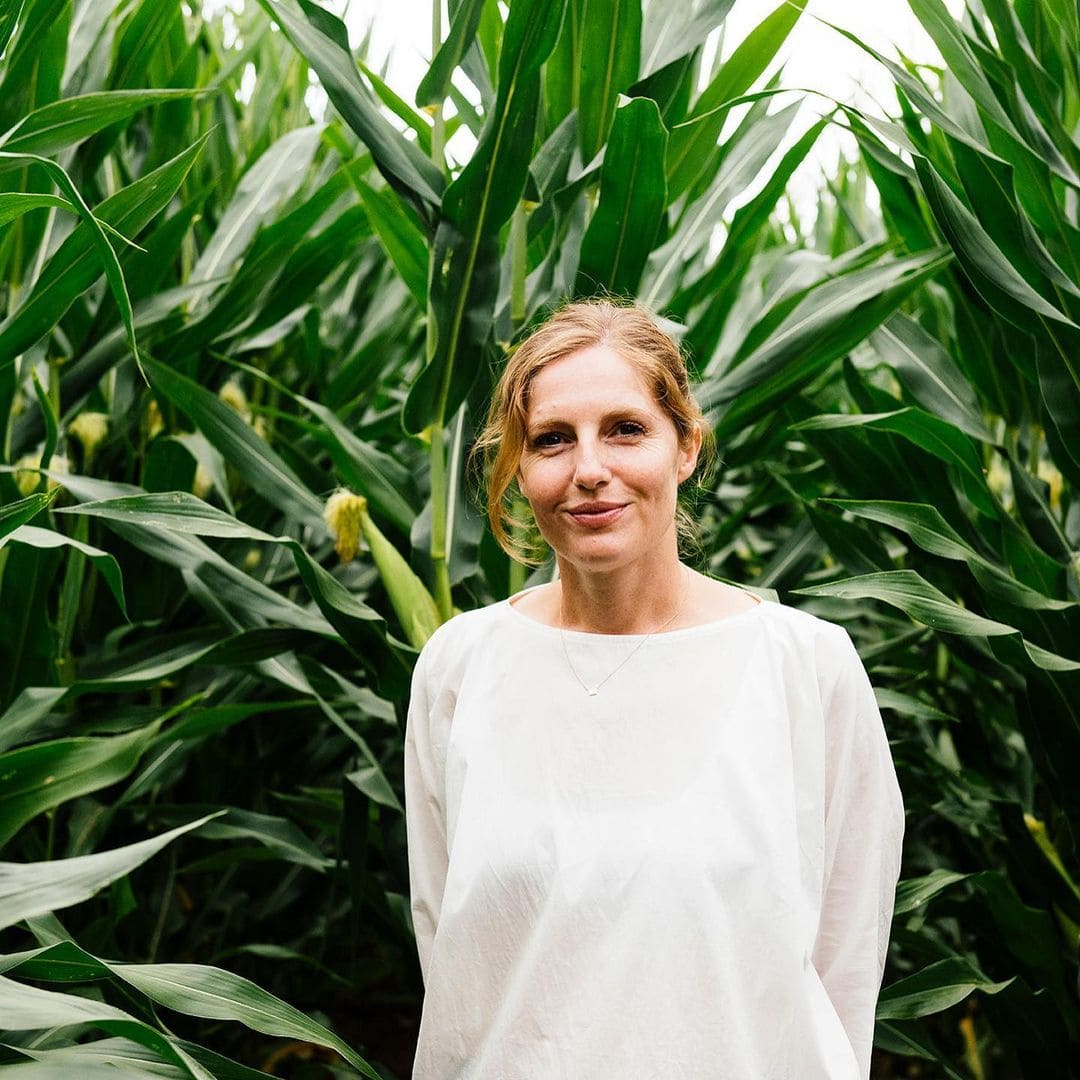
David Borrowman, of Pastvina Acres Farm in Missouri, grows corn on his farm that is used by Marissa Gencarelli and Yoli Tortilleria. Yoli won the 2023 James Beard Award for Outstanding Bakery—one of the most prestigious honors in the American food industry. Watching David and Marissa talk about the benefits of the COVER Act was amazing. They were able to really help policy staff and members of Congress understand that these small savings go a long way in helping David diversify his crops and enabling him to grow corn worthy of being used by a James Beard winner.
In addition to climate change, the most urgent policies are bigger than our food system. As business owners and employers, I would love to see more chefs campaigning for a meaningful increase in the national minimum wage; the elimination of the sub minimum wage for farmers and restaurant workers; and national policies that support families, such as paid family leave and affordable housing. Those changes impact the bottom line of the restaurants, but they are important policy changes that we urgently need.
MB: Where and how should interested chefs get started in being part of this movement for change in the food industry?
KM: Well, they should buy my book, At the Table: The Chef’s Guide to Advocacy. It contains tools and tips on how to be an effective advocate and gives practical advice on getting started. The appendix is a list of organizations that have great relationships with the chef community and work on various policy and advocacy initiatives—everything from mental health care to soil quality to workers’ rights. Whether you’re a chef or just a conscious eater, there are plenty of places where you can get more information and get started. The James Beard Foundation continues to host the Chef Bootcamps. There are also groups like Chefs’ Manifesto that work on policy change with chefs around the world. So, plenty of ways to get started.
Comment