News

Filters

Sort by date

Author

Viewing

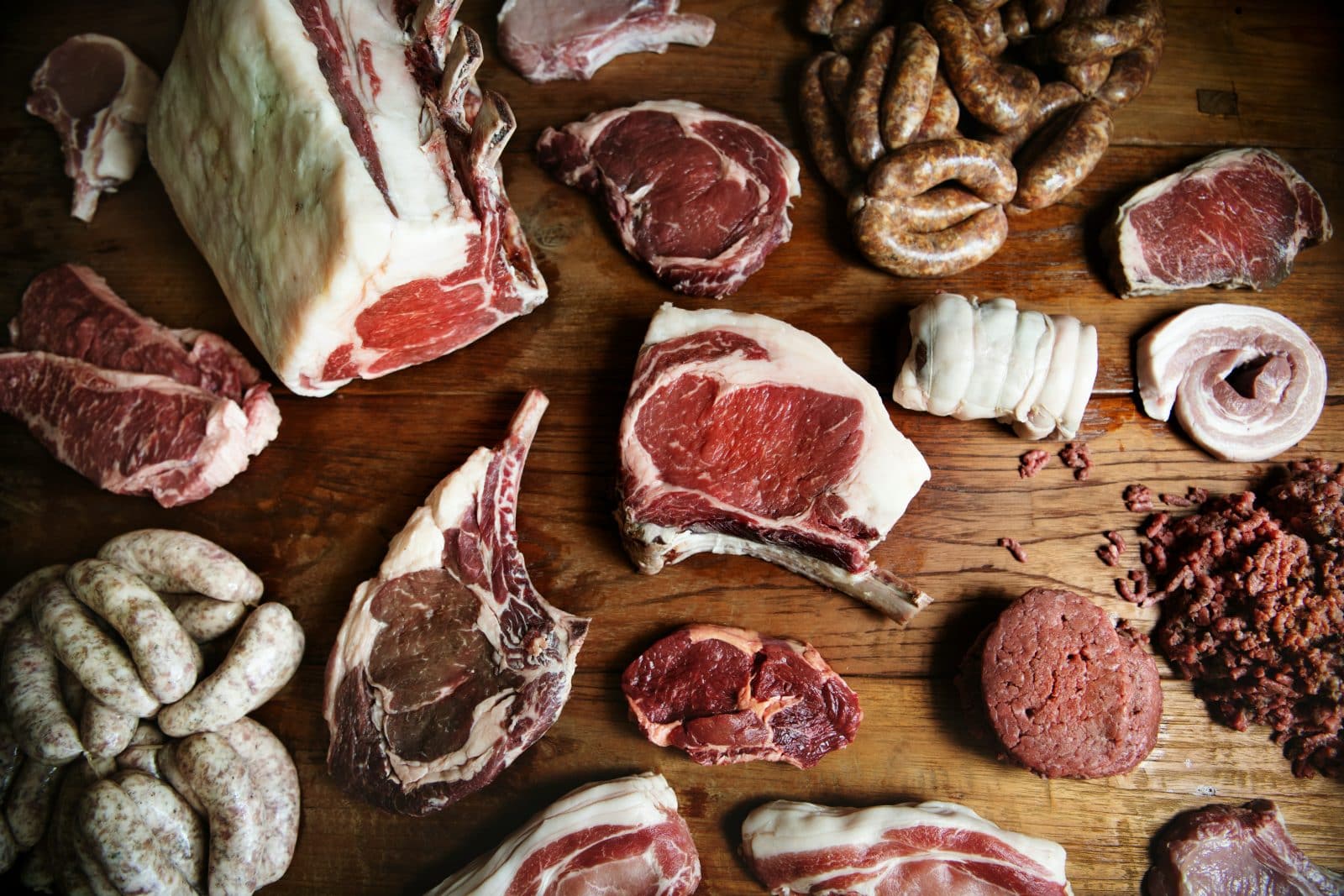
About Those Dietary Guidelines …

Some quite venerable institutions, ​the AMA​ noteworthy among them, are celebrating the release of the ​new​ ​Dietary Guidelines​. I can, up to a point, understand the impulse. I wish, though, that these dietary guidelines had actually conformed to the science on which they are supposed to be based.

What’s It Like to Be a Food-Insecure College Student?

At the University of Virginia, where I am a student, first-years are required to subscribe to an all-access dining hall meal plan at a sticker price of $6,990. After your first year, though, you have the freedom to purchase a variety of meal plans or forgo them altogether and get your food independently. For many, these decisions can be distressing—UVA’s 2024 New Student Survey reported that 38.9% of students indicated concerns about food insecurity, defined broadly as unreliable access to affordable and nutritious food.

Eating Behind Bars

Like every other aspect of life in prison, the food is dreary, monotonous and, with few exceptions, relentlessly bad. It bears little resemblance in color, aroma, taste, and texture to real food. Describing meals in the Northeastern facility where he is incarcerated, Joshua says, “There is no one here who would eat this three times a day by choice or feed it to their family on the outside,” capturing the general sentiment among those who have spent time in prison.

Okay, Fine, Let’s Talk About Seed Oils

What are seed oils, exactly, and are they actually bad? And since the seed oil outcry is obviously a reactionary, misinformed frenzy stirred up and promoted by open supporters of Fascist ideology, can we nevertheless admit that some kernels of truth are embedded in the core of this conspiracy?

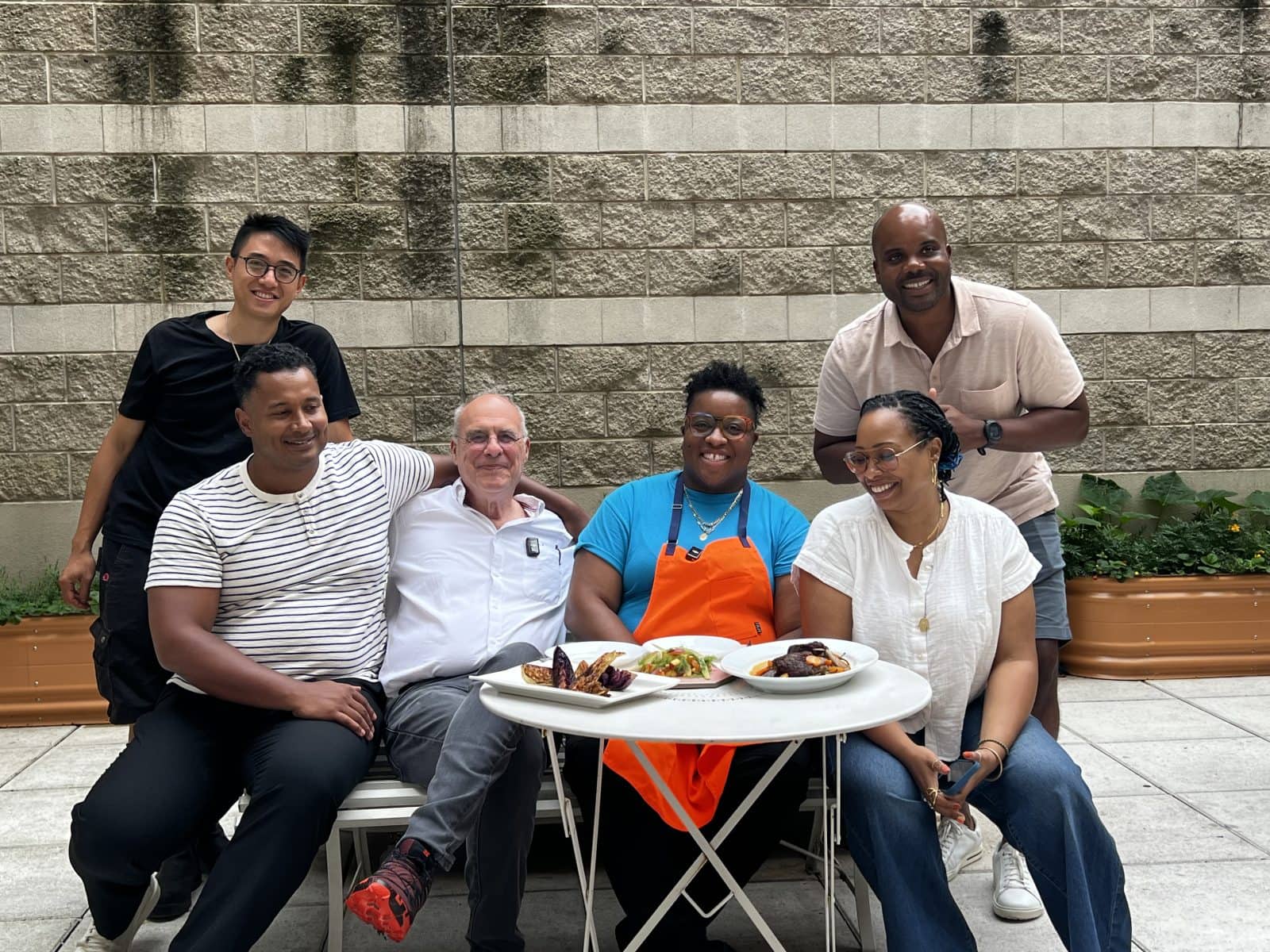
The Most Exciting Restaurant News of the Year

Community Kitchen is uniquely ambitious in its modeling of what a restaurant might look like if profit were taken out of the picture. And that idea points the way to a just food system that could be run for our mutual benefit rather than one that lines the pockets of already rich and uncommonly lucky people.

Are Better Menus a Key to Fighting Climate Change?

Our meal choices are highly influenced not just by what they are but by how they’re presented to us. Researchers at Stanford University have developed a way to encourage meal choices which optimize for consumer satisfaction, reduced carbon emissions, and improved animal welfare—all just by changing menus.

WhatsApp Is a Vital Resource in Global Agriculture. But Is It in Danger?

Globally, WhatsApp has given farmers a way to alert customers to what’s available, what’s in short supply, and why the price of eggs has crept up yet again; price increases come with transparency on the reasons why. This communication has made the app indispensable for many working in global agriculture—can it continue to run this way?

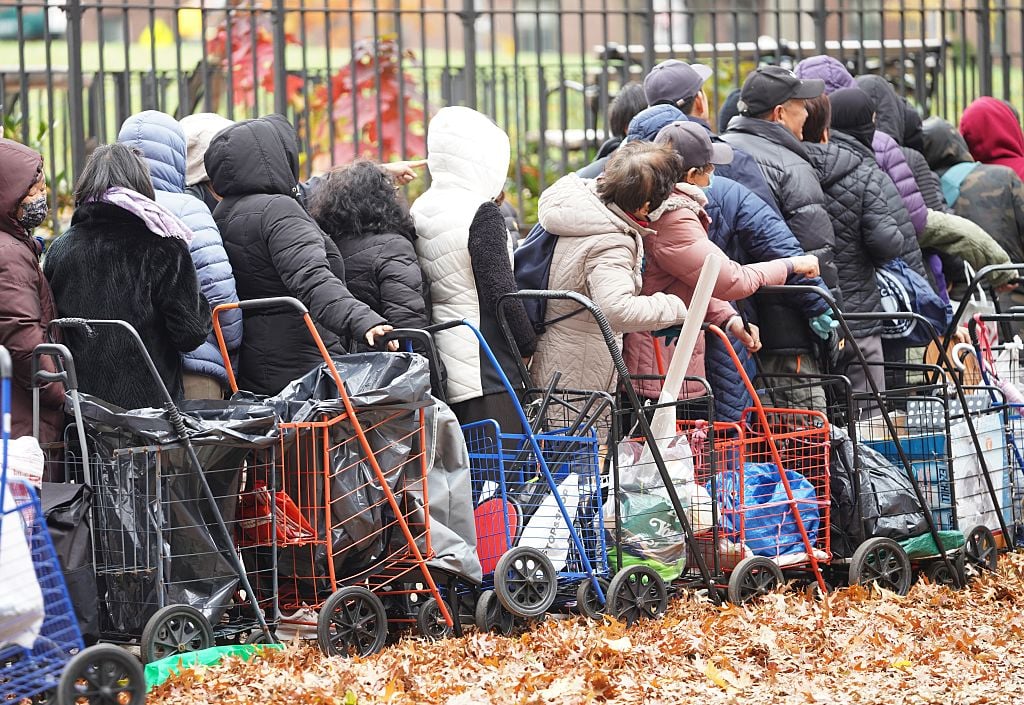
42 Million Americans Without Food?

Fears of households who rely on federal nutrition programs are inching towards reality, and anti-hunger advocates and folks who rely on federal nutrition programs are saying the uncertainty about the impact of these cuts is at an unprecedented high. But the ultimate devastating result of cutting some portion or all of these programs is the fear that they might never come back.

A More Sustainable Beef?

In the United States, dairy cows are almost exclusively raised for dairy production. In other parts of the world, though, meat from dairy herds is prized for its flavor and texture—plus, there’s an idea that it’s a more sustainable option, because you’re getting more food for the resources used. Is the US finally catching on?

The Truth About Raw Milk

Everything you need to know about the beverage in the spotlight.

We Love Them, but They’re Walking Climate Disasters

Pets are major contributors to carbon emissions and resource over-use.

The Rise Of Big Potato

Allegations of price collusions among the potato cartel reveal the new, sophisticated methods food corporations are using to keep prices high.

​​Is This the Key to Improving Prison Life—and Climate Change?

Kelton O’Connor wants inmates to form cooperatives, helping them to become regenerative farmers, sea urchin foragers, and kelp forest restorers working on prison land in California’s prime Mediterranean climate.

Is Aquaculture the New Factory Farming?

Industrialization has turned an ancient, sustainable practice into an ecological and social disaster. Can this be changed?

Some Clarity, From Leading Voices in Food

Words of hope, intelligence, and know-how from Michael Pollan, Teresa Romero, Ashanté M. Reese, and more.

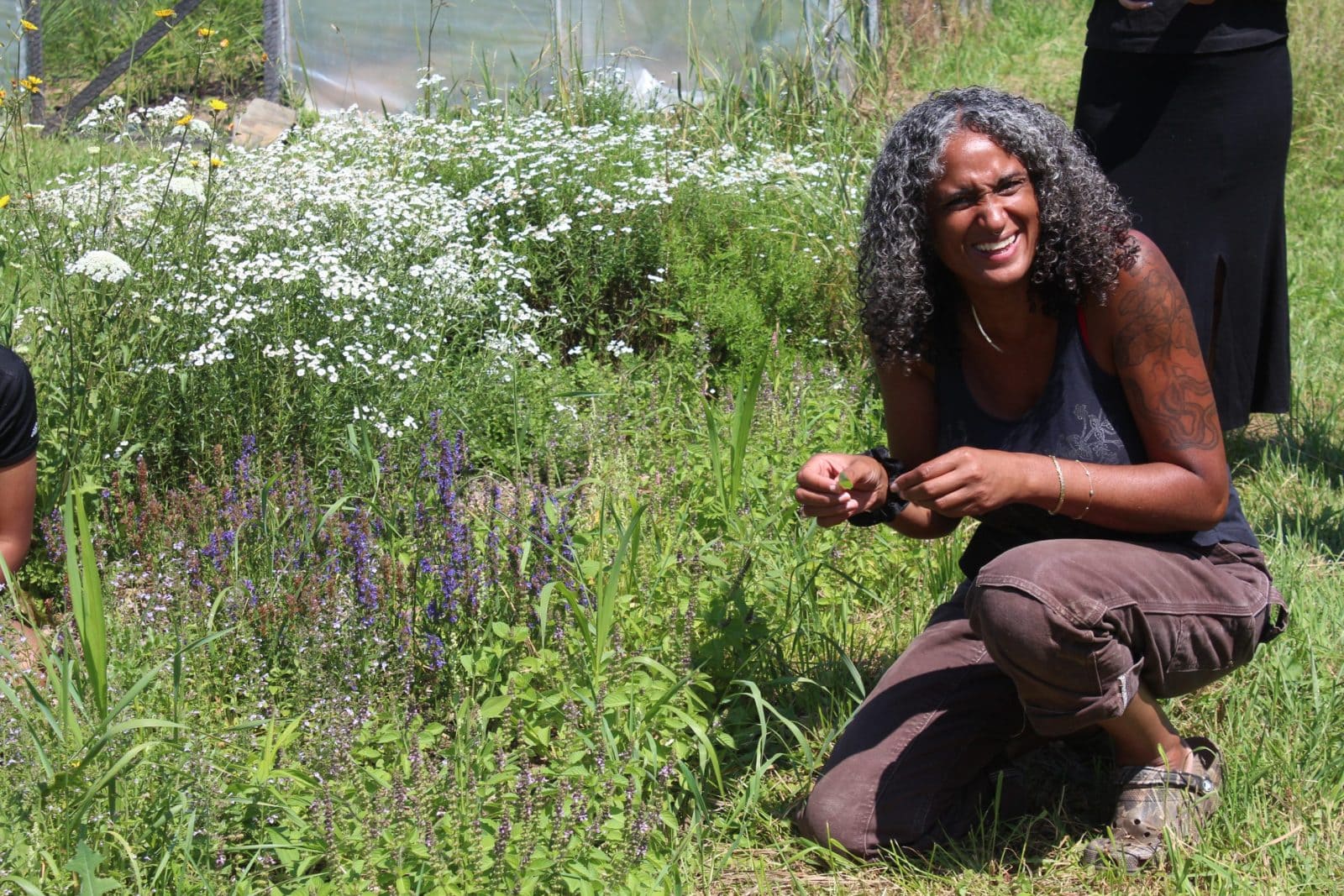
Amanda David’s Garden Sanctuary Has Become a Nightmare

A gardener and community herbalist in Ithaca, New York, ​Amanda​ is the creator of ​Rootwork Herbals​ and ​​part of ​Black Farmer Fund​’s first cohort of fundees. She is laser focused on creating places where BIPOC communities can reconnect with the land, plants, and themselves, but for years has endured horrible racist and sexist discrimination and harassment on her farm, from no other than her next door neighbor.

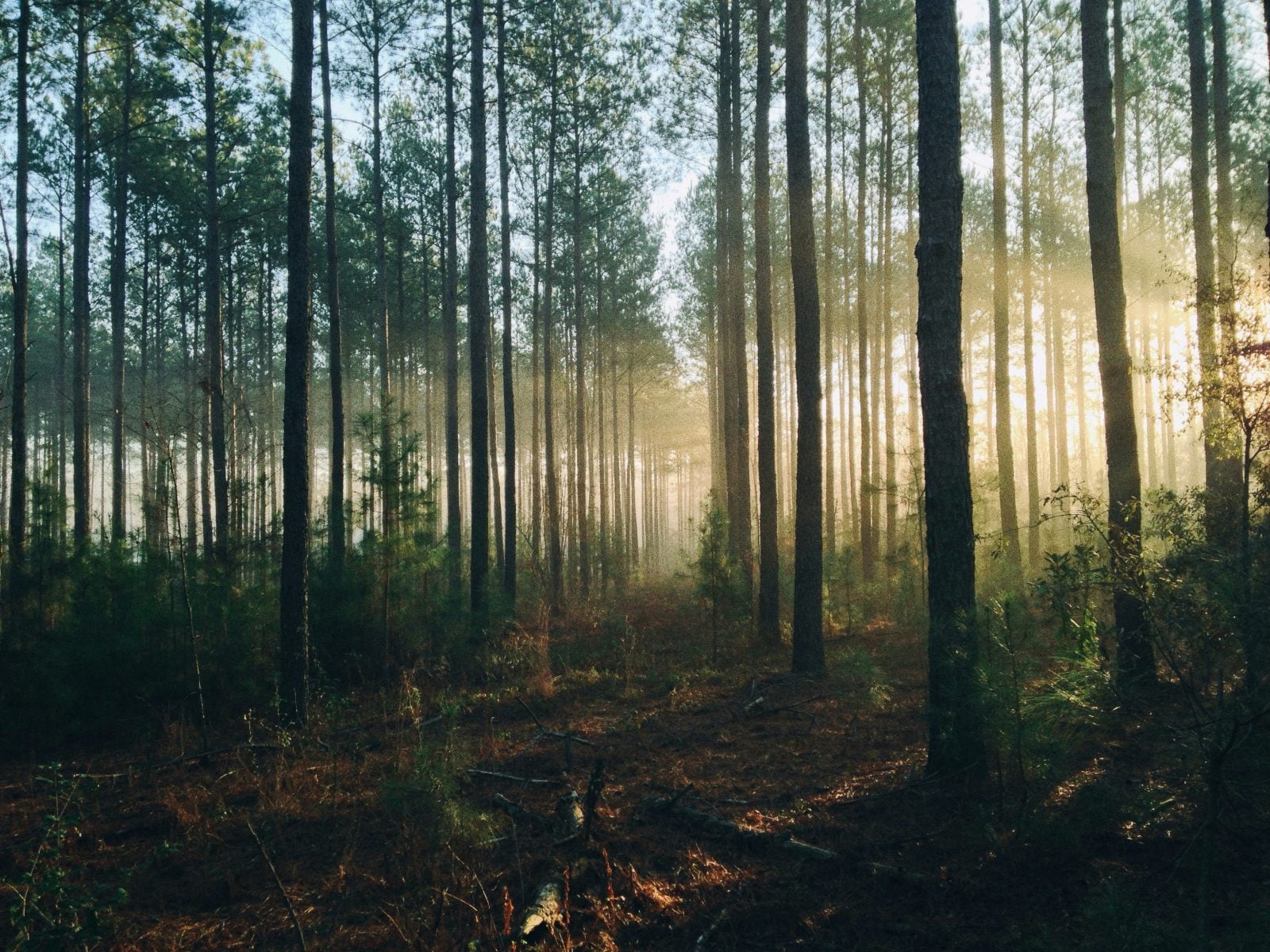
The Huge Potential and Potential Harm of Rewilding

The practice of developing untouched forests makes the food system the leading cause of biodiversity loss worldwide. “Rewilding” is the process of converting farmland back into the natural ecosystem, and it has great potential to prevent extinctions and sequester CO2 emitted into the atmosphere by human activities. But the process is time consuming, complex, and can be harmful if done without proper considerations.

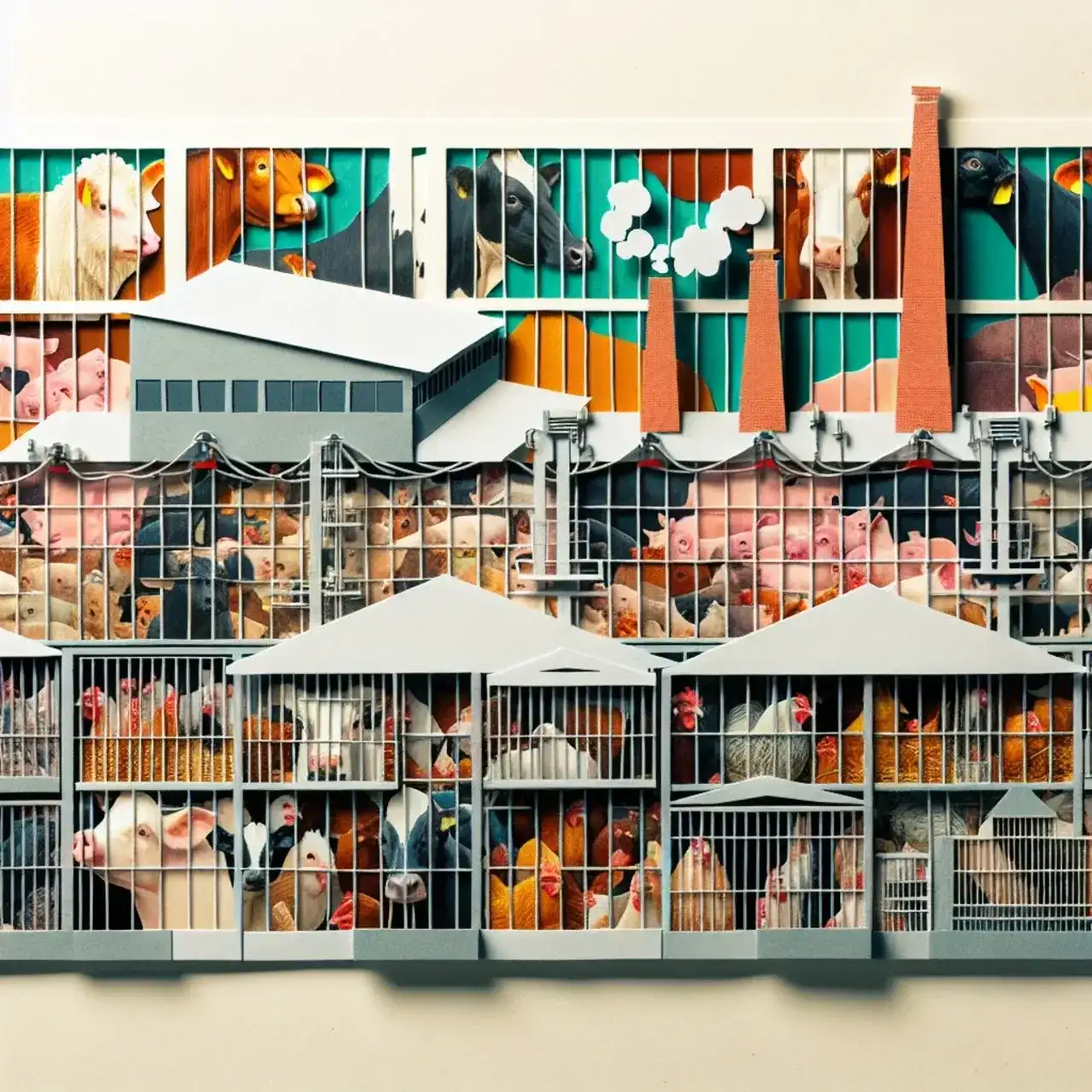
Factory Farms Make Bad Neighbors. Meet the People Who Are Fighting Back

An estimate, informed by USDA data, suggests that ​99 percent​ of livestock grown in the US is raised in a CAFO—a concentrated animal feeding operation. This industry presents itself as a way to produce a lot of food while keeping costs down. But any cost saved by the consumer is a cost borne by the CAFOs’ neighboring communities, the environment, local economies, and even the contracted farmers themselves. All across the country, communities are pushing back.

Your Food is Less Nutritious Than It Used to Be

When it comes to how climate change is impacting our food, there are the short-, medium-, and long-term impacts, all of which are different, but the fact remains: the very earth in which we grow our food is less equipped for the job than it was last century. Still, as our atmosphere gets more carbon-rich, all is not lost.

Where’s the Money?

The food system contributes 1/3 of all greenhouse gas emissions worldwide, yet it’s drastically underfunded when it comes to climate change solutions. Why? Unsurprisingly, there’s no single reason; rather, a host of factors contribute to this neglect, including economics, political will, consumer behavior, and the broad nature of the global food system.