


No podcast today! We’re back next week — Bill McKibben will be joining Mark for a brand new Earth Day episode. —kb
Like most great cities, Tokyo seems endlessly fascinating, and one thing about it is almost immediately clear, even on a five-day visit: It is more livable than any other large city, especially since it’s actually the world’s biggest, with over 37 million people. I would imagine the urban studies types have a blast here. Neighborhoods are built around walking streets, on-street parking is practically nonexistent (you need to demonstrate that you own or have a long-term lease on a parking space in order to buy a car), the subway/train service is superb, the shops are mostly quite small (of course there are big-box and stupid designer stores as well, and the rents are relatively low.
We visited our friends Nina and Kenshin in the neighborhood of Setagaya-ku, and had a wonderful time just walking around what feels like a true community, a half-hour from the center of town. It’s a kind of urban community that is increasingly hard to find in cities in the States, especially affordably. We shopped, and cooked, again a welcome relief from the never-ending stream of restaurants.
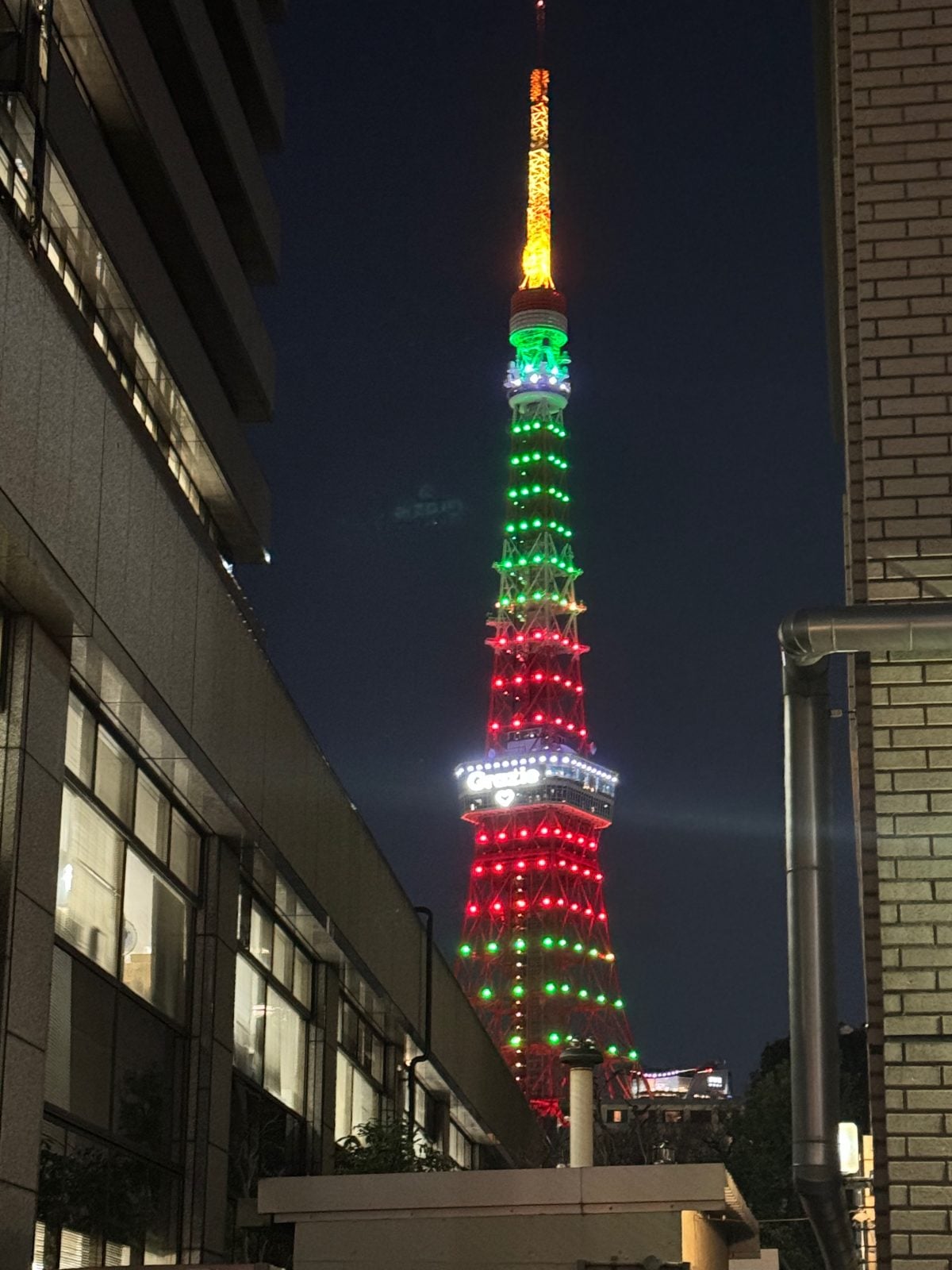
We stayed at the efficient, pleasant, and well-located Shiba Park Hotel, in a neighborhood with a park dominated by the famous Tokyo Tower, a big hulking nothing. Shiba Park itself is just big enough for running (and for viewing a lovely flock of pinwheel Buddhas) and – like most neighborhoods – has countless restaurants, many Chinese, many, many Italian. We ate couscous one night, which was more than a nice change of pace, it seemed like an explosion of flavor. This wasn’t because the stew was so terrific, though it was good; it was the welcome-ness in the variety of spicing, the cilantro, the cumin, the chile, garlic … things that make your mouth sing. I like miso and dashi and soy a lot, but they don’t make me happy in the way highly-spiced cuisines do.
Although we ran there almost every day, we didn’t spend much time in Shiba Park; mostly we walked and subway’d around. Lauren Shannon, who also was referred to us by Marian Goldberg, took us around for a day. Lauren is the general manager and one of the owners of Arigato Travel, a culinary and cultural company working to welcome travelers from around the world to Japan. She’s lived in Tokyo most of her adult life and — assuming that this day was representative — she really knows what she’s doing. We visited a couple of shrines, some of the few remaining old Tokyo wooden buildings, an art gallery, and an indigo shop, mostly in the Yanaka neighborhood.
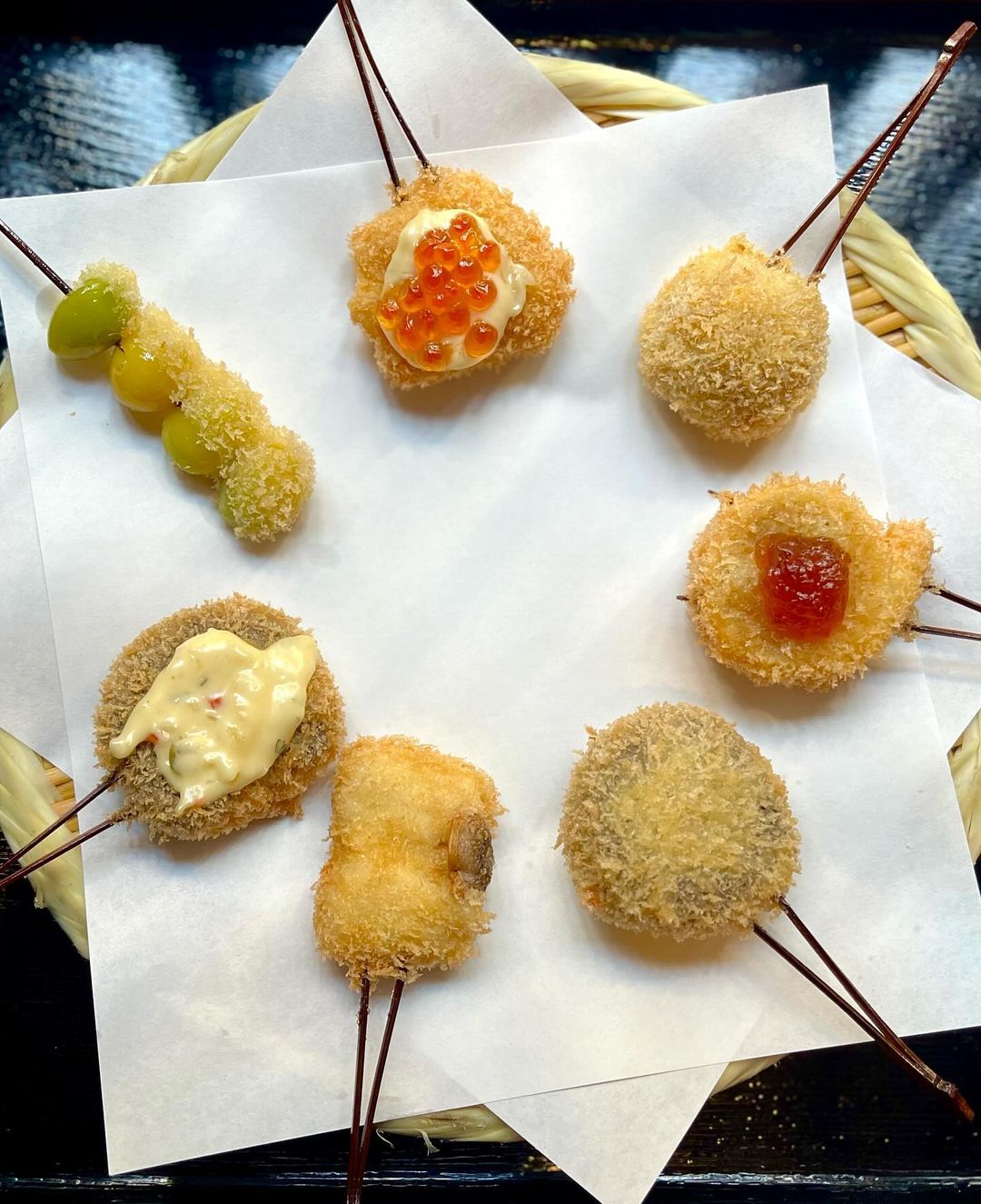
We also had lunch at Hantei (also in a beautiful wooden building), a hundred-year-old restaurant that serves kushiage, a lighter, breaded version of tempura. Kushiage is normally street food, but here it’s elevated — perfectly done bits of meat, fish, vegetables served a few sticks at a time. Lovely and extremely popular, so get a reservation if you want to go.
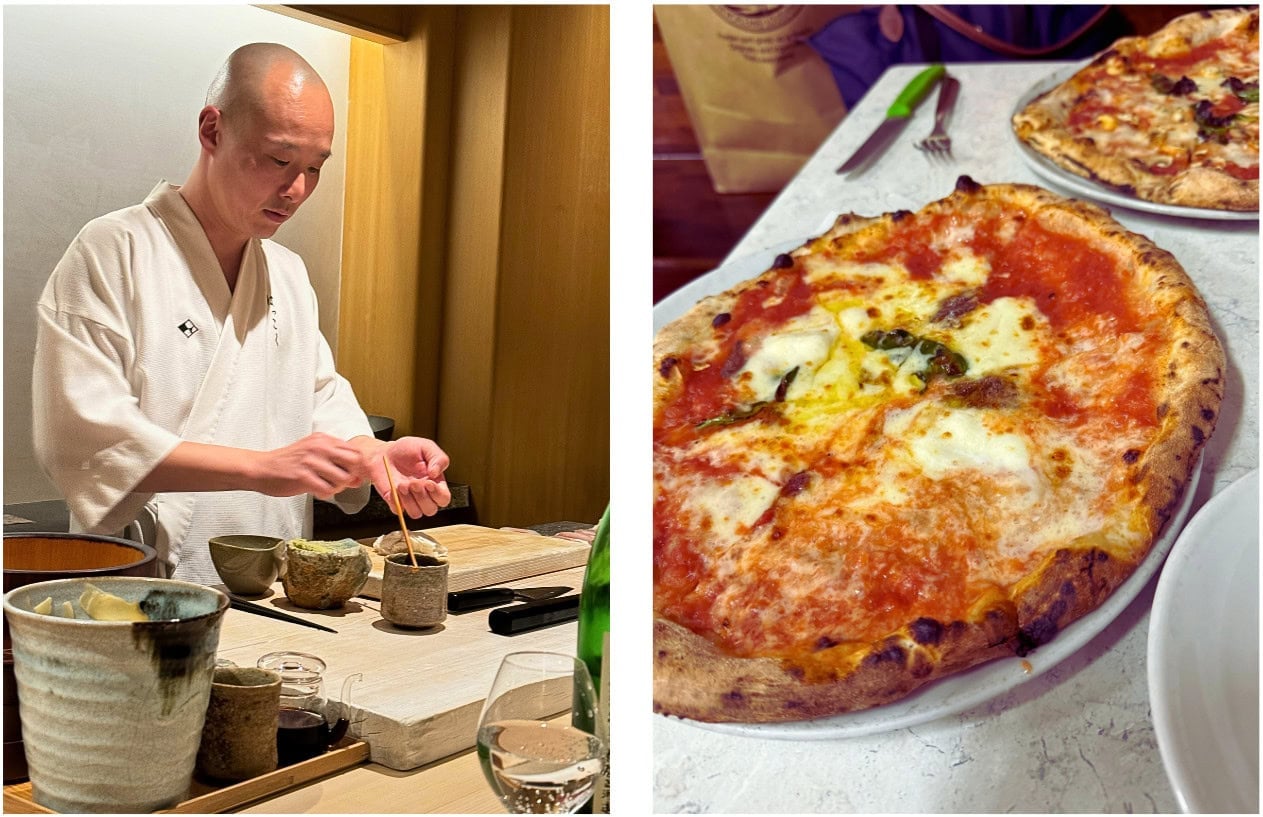
In addition to Hantei, we also ate at two other notable restaurants: the highly rated, expensive, beautiful, but at the end of the day fish-on-rice sushi restaurant, Hakkoku. If you like expensive, very high-quality sushi in a comfortable setting, with great service and sake and even good wine, along with a touch of theater, you’ll love the place. Just be prepared to spend something like $300 per person. We also had pizza, at Trattoria da Isa because, you know, “Whenever the Japanese do something, they do it well.” It was Neapolitan style (not my favorite, however important it might be), and good.
The eating highlight of the week, though, and among the best of the month, was at Pignon, which we were told was a “North African” restaurant. That would have been fine with me, but the food is actually more complicated than that, tempered by chef-owner Rimpei Yoshikawa’s globetrotting and highly influenced by Mediterranean food. Thus lamb merguez (see above), fritto misto that isn’t tempura, squid salad that was dominated more by vinaigrette flavors than by those of dashi (with elements of both), gorgeous beef on a bed of mashed potatoes with a red-wine demiglace (can’t remember the last time I had that!). A mashup, but a good one, in a super-informal, bar-like setting, the chef — and the rest of the staff too — working as hard as any I’ve ever seen. Rimpei is a machine, or acts like one, and he is a machine that just pumps out great-tasting stuff.
“Cooking has to be natural; since the ingredients are from nature, I need to adjust to their nature. I’m always trying to feel the customer’s energy and vibes and adjust the menus to that customer; I put different energy into each dish.”
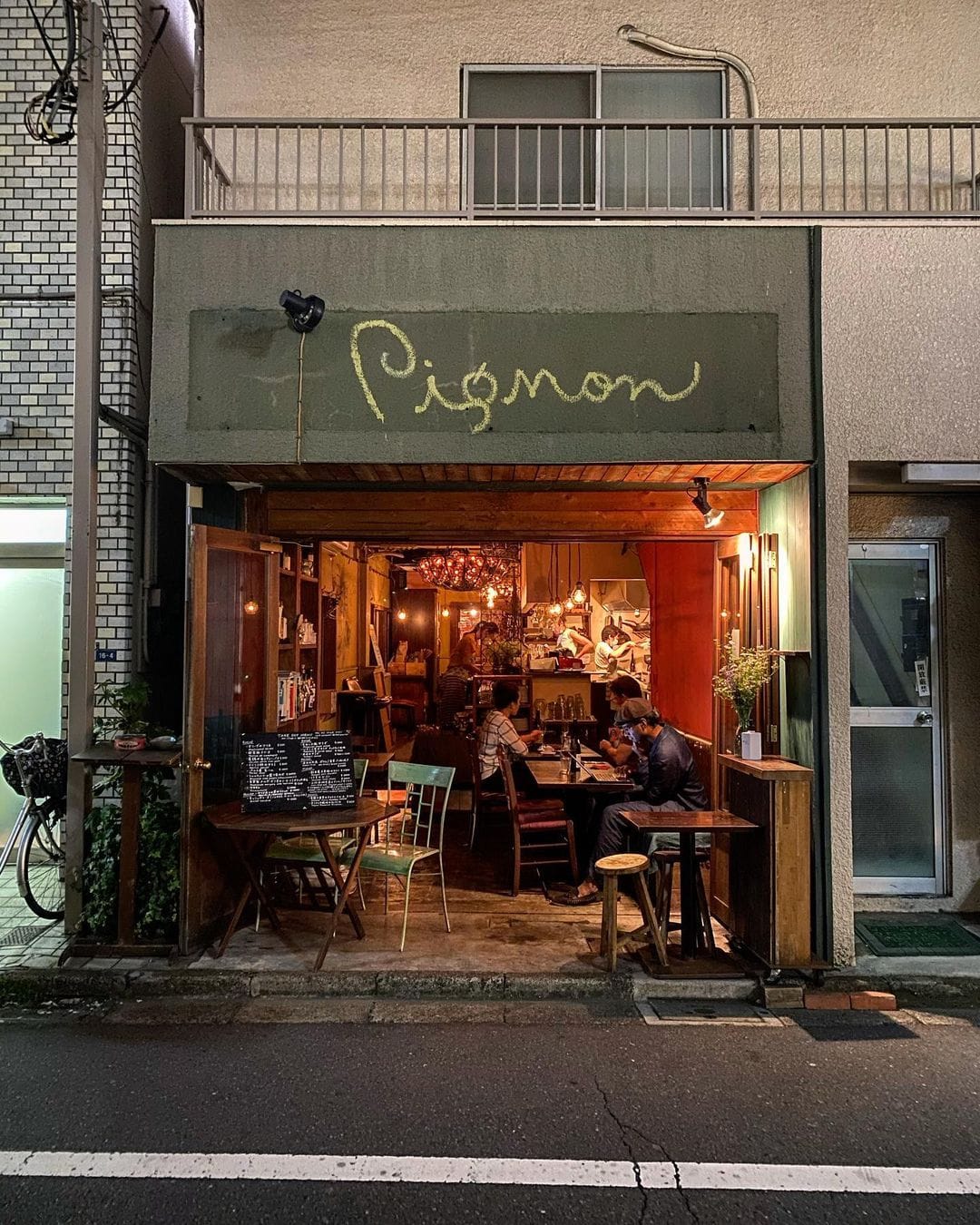
I asked him about his background, and learned this: After stints in Bordeaux and California, Rimpei worked at several restaurants in Tokyo before opening Pignon. He’s focused on local product, maintains relationships with several farmers, fishers, and other producers. But the most unusual part of his philosophy is this, as he said to me. “Cooking has to be natural; since the ingredients are from nature, I need to adjust to their nature. I’m always trying to feel the customer’s energy and vibes and adjust the menus to that customer; I put different energy into each dish.”
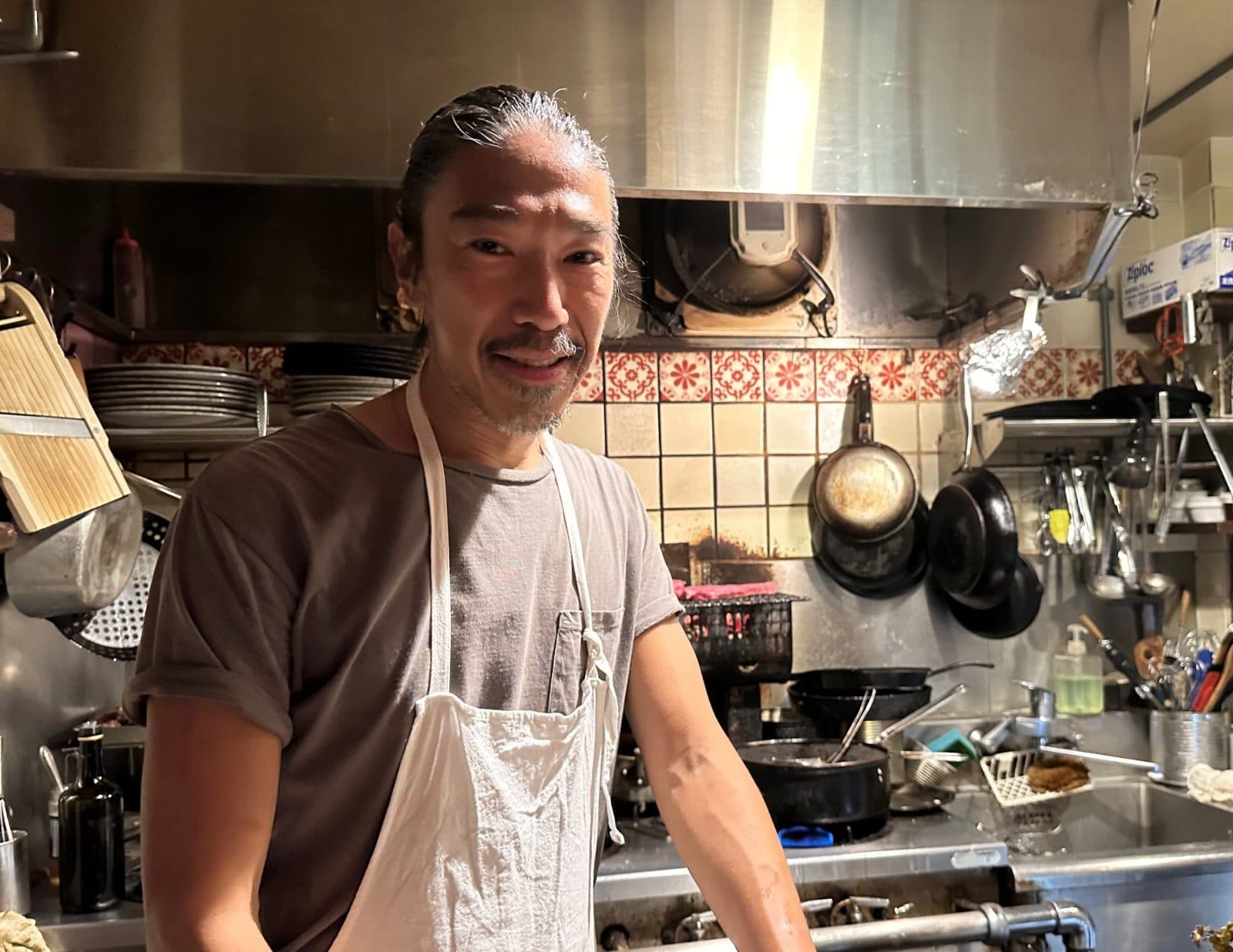
That’s a new one. And the food is both unusual and delicious. If you’re in Tokyo … I know I won’t be there without going back to Pignon.
Thoughts on leaving Japan
A month is a long time to spend in one country — for me, at least — but really not long enough to understand much of anything. Still, I have some observations. And that’s all they are; really, I don’t “know” much.
Japan appears to be the most cooperative, communal country I’ve ever visited.
1. Japan appears to be the most cooperative, communal country I’ve ever visited. One of our hosts referred to it as “communist,” which is a bit strong, but “communalist” isn’t: There is a feeling of community, much of which is reflected in the points made below. I can’t claim to have much knowledge about how this happened, or what goes on nationally, but everyone I spoke with who lives here, and everyone I know who’s visited for an extended period has this same sense. Obviously, there are a host of traditions you’d have to study in a scholarly way in order to understand this phenomenon.
The first thing you notice is that the Japanese follow rules. For example, there is little to no jaywalking. This means that you can be standing at a corner with a traffic light miles from any city, in the middle of nowhere, with no cars in sight in either direction and – at least if there’s another person there – you will wait for the light to change.
This is extremely hard for me to deal with. I was standing with a friend at a ridiculously long red light the other day, with no cars coming in any direction, and no one was jaywalking. I said to my friend, “Can’t we go?” He’s an expat New Yorker, and he said, “I don’t. The rules are why this society works; it’s better not to break them.”
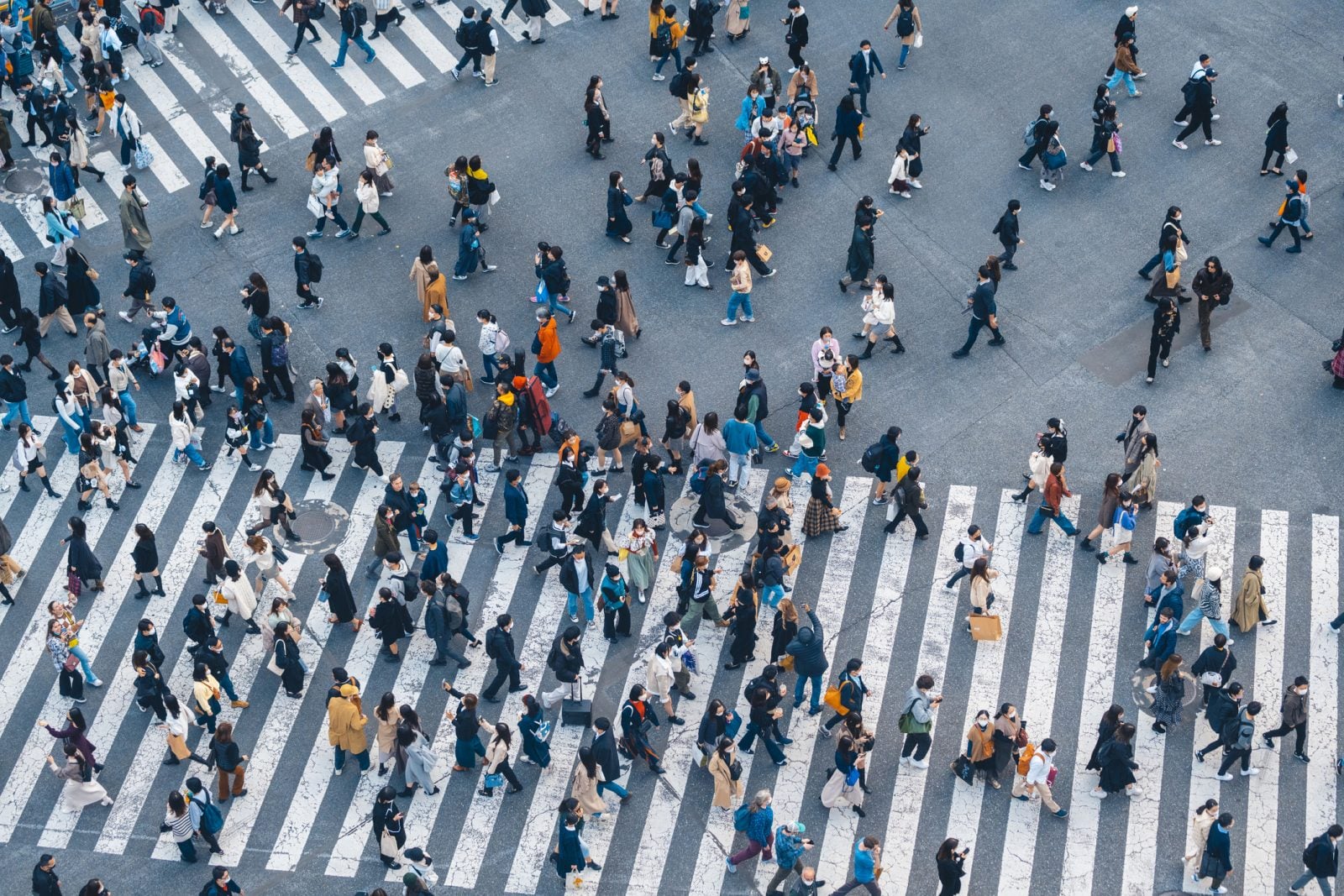
2. That’s representative: (Almost) no one cuts into line; (almost) no one is rude; (almost) everyone except ignorant foreigners walks on the left; there are no maniacs on the highways; there are no cigarette butts, or any other debris on the street. Almost none. (In Tokyo you very occasionally will see a piece of paper on the street; but not even once a day.) At first you can’t believe it, but you quickly get used to it. A friend said, “I saw a cigarette butt on the street the other day and I thought, “Who would do that?”
If you spend time here you cannot help but feel that America is chaotic, anarchic.
There is virtually no crime, according to all reports. If you lose something like a cell phone or a wallet, you assume it will be returned, and it is; a friend lost her wallet and it was at her home before she was. Locking your bike seems optional, and even if you choose to do so, it’s with the kind of lock that would be broken in less than five seconds in most American cities.
Again, I don’t pretend to understand how this works. But if you spend time here you cannot help but feel that America is chaotic, anarchic.
3. The trains run on time; even the subways run on time, and often. There was a scandal a while ago, when a train left one minute early; the director of the national railroad system had to publicly apologize. The trains we took arrived, quite literally, within fifteen seconds of their scheduled time. In one day, we left Kyoto at 8:30, traveled halfway to Tokyo, took a local train, visited with friends for lunch, took the local train again, took the bullet train to Tokyo, and arrived at our hotel well before five. Distance traveled: about 300 miles. (Try going from New York to somewhere outside of New Haven and then on to Boston with a four-hour break in the middle.) Every train was on time, clean, pleasant.
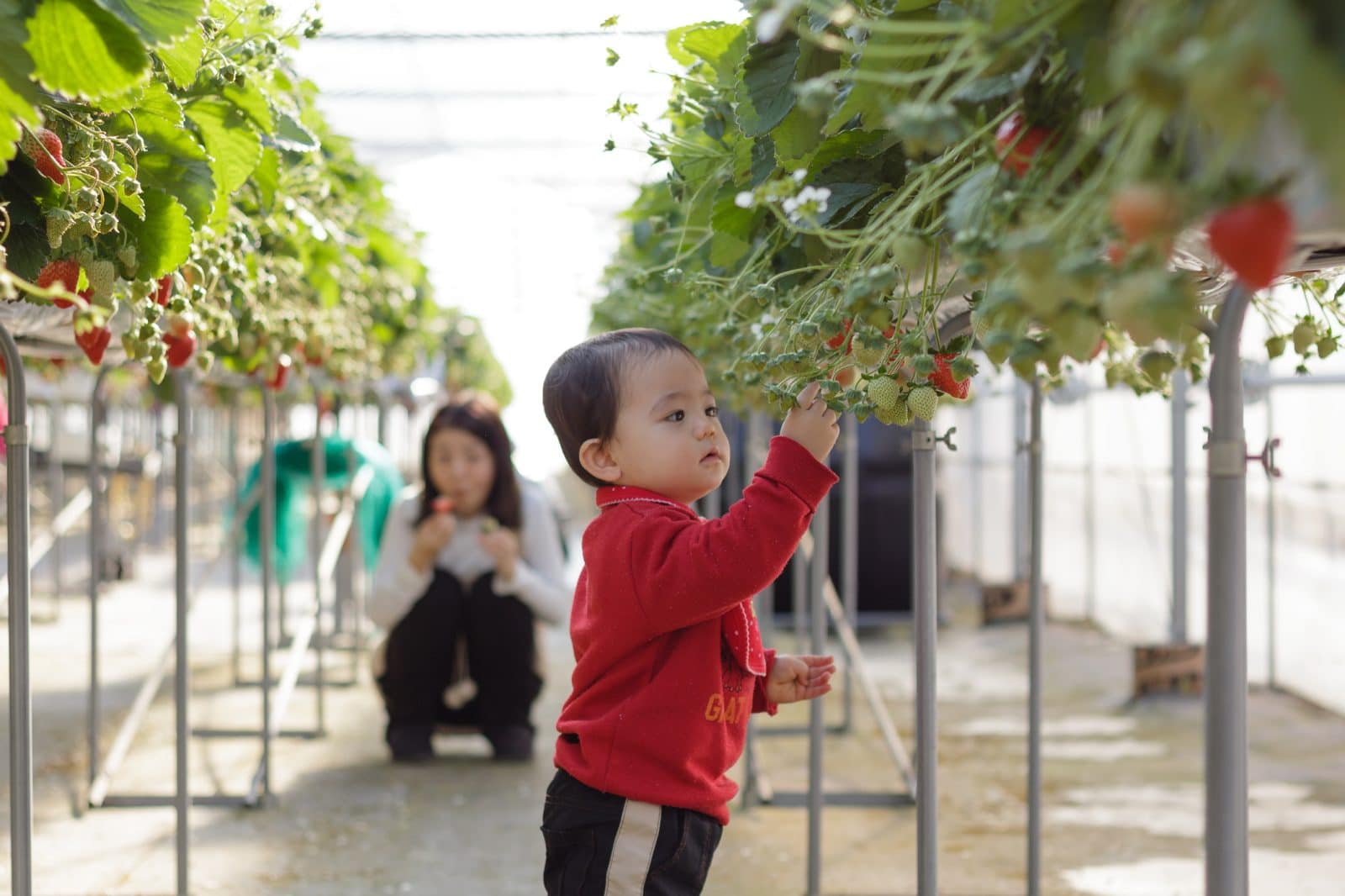
4. The valleys are filled with farms. (There are lots of mountains; they don’t end.) And they’re small farms, because there’s not much flatland, so industrial agriculture is not as industrial. Yes, they use chemicals and machines; but they also use hoes. Maybe this isn’t so interesting; but the greenhouse-grown strawberries taste way better than ours. In general, the everyday food is higher quality than ours.
The cooking ranges from incredible to boring. (Maybe this is true everywhere?) I remember the first time I was here, in 2000, for only five or six days; when I left, I said, “I don’t want to ever smell dashi again.” (I actually craved ketchup.) I’m more accustomed to these flavors now, and they’re a part of my own repertory, but I do find Japanese food easier to get tired of than that of many other places.
There are ingredients I’ve never seen before and probably won’t again. Some of them are amazing; I had a fried yam in an izakaya in Kyoto that had the consistency of mochi — just astonishing, as good a piece of fried food I’ve ever had. (I don’t know what it was, because as good as Google Translate is, it tells you something different every time. (One menu appeared to offer “female scented beef” when we first looked at it; the second translation wasn’t quite as alarming.)
But I could live without the glorified sliminess and mushiness and blandness and just … you know that kind of ice cream cones that are like cardboard? That kind of baked good is holy here. Of course it seems there are also more patisseries per capita than there are in France, at least in the cities; and I had terrific croissants and several better-than-passable baguettes.
Koji is King: It’s the basis of soy sauce, miso, and sake, and so one of your big two flavors. (The other is dashi.) Don’t get me wrong: We had a few fabulous meals, some of them totally simple — you can tell who cares about the depth of flavor of their udon or ramen broth, or about the quality of their rice or soba noodles — but there were also days when I wished I didn’t have to eat Japanese food. I wrote in my Tokyo post about the excitement we experienced in having a simple couscous dish; the friend we visited between Kyoto and Tokyo fed us cheese and bread and olives and figs and minestrone, because She Knew.
I might have more perspective on this in a week or two.
5. Evidently there are problems; everyone says so, and the yen is in the toilet compared to the dollar. But Japan’s is the fourth-largest economy in the world (US, China, Germany); the unemployment rate is low; unquestionably there is poverty and people without homes, but in our trip through both countryside and cities we didn’t see much evidence of it. The government will practically buy you a house and set you up for life if you’re willing to move to the country.
Not spending a trillion dollars a year on national “defense” goes a long way to providing a decent guaranteed lifestyle to almost everyone.
We saw very little ostentation. Other than in Tokyo, we saw no hundred-thousand-dollar cars, no limos, no big houses; it was difficult to tell who’s rich and who isn’t. There’s universal health care of course (not free, but still), free preschool and after-school, and programs for kids when school is closed; great public transportation; and so on. Not spending a trillion dollars a year on national “defense” goes a long way to providing a decent guaranteed lifestyle to almost everyone. And Tokyo is among the more livable cities imaginable, despite it being probably the world’s biggest. (See my Tokyo post.)
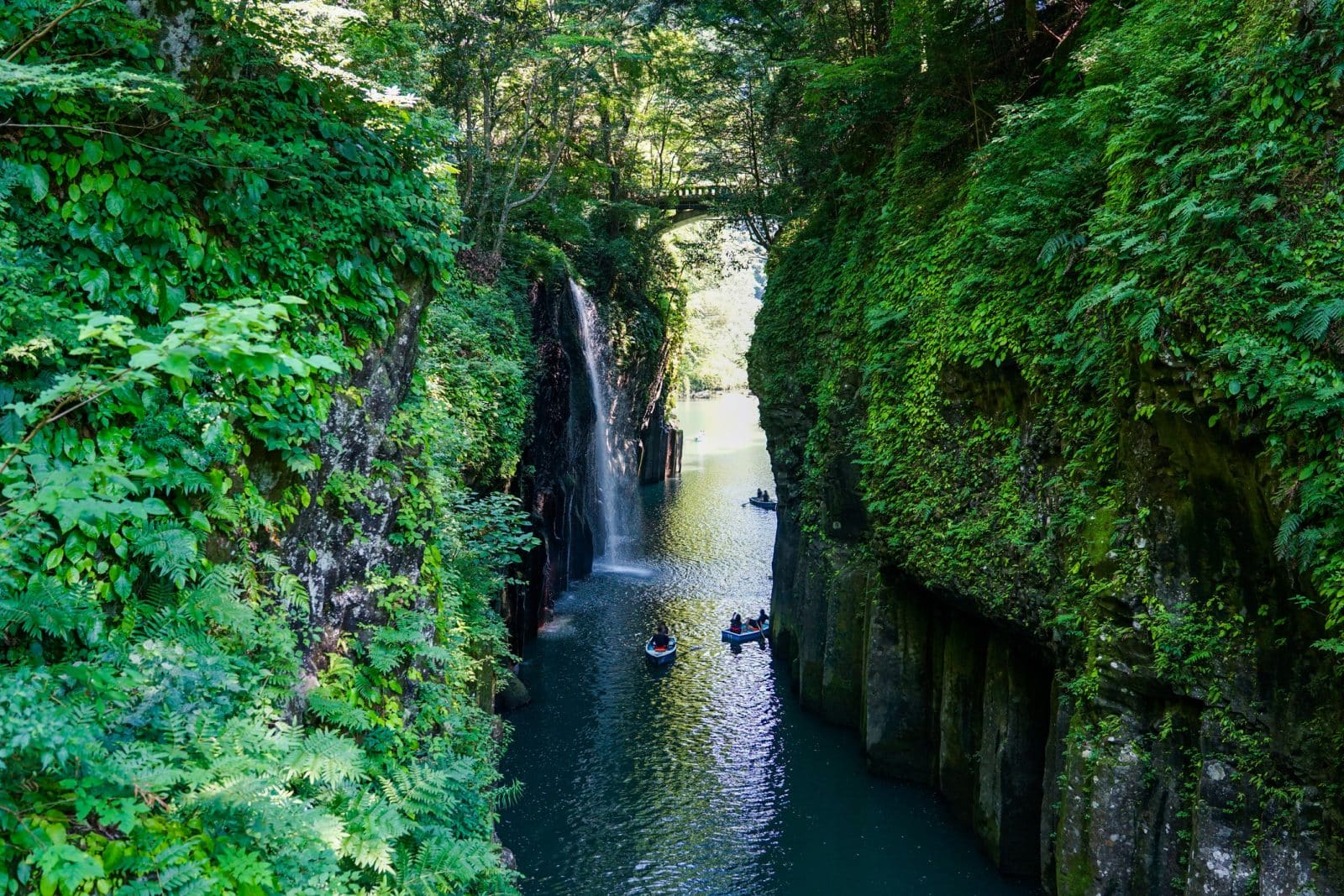
6. Finally, those southern islands – Kyushu and Shikoku – should be on everyone’s life-list. Kyoto is wonderful, but overrun with tourists. Tokyo is amazing, a nicer big city than most, but still a big city. Kyushu, in particular, is varied and beautiful, fantastic for walking (and eating), and filled with onsen (hot springs, and accompanying baths) almost everywhere you go. We will be back.
OK, on to India!
By the way: For those of you who have found our Japan posts interesting, head over to my partner Kat’s blog, where she’s developed a lovely portrait gallery of some of the people we met, and recorded her own musings, which are literate, insightful, and quite different from mine. Take a look.
2 Comments