

In which I am awed by the all-powerful London-based chef
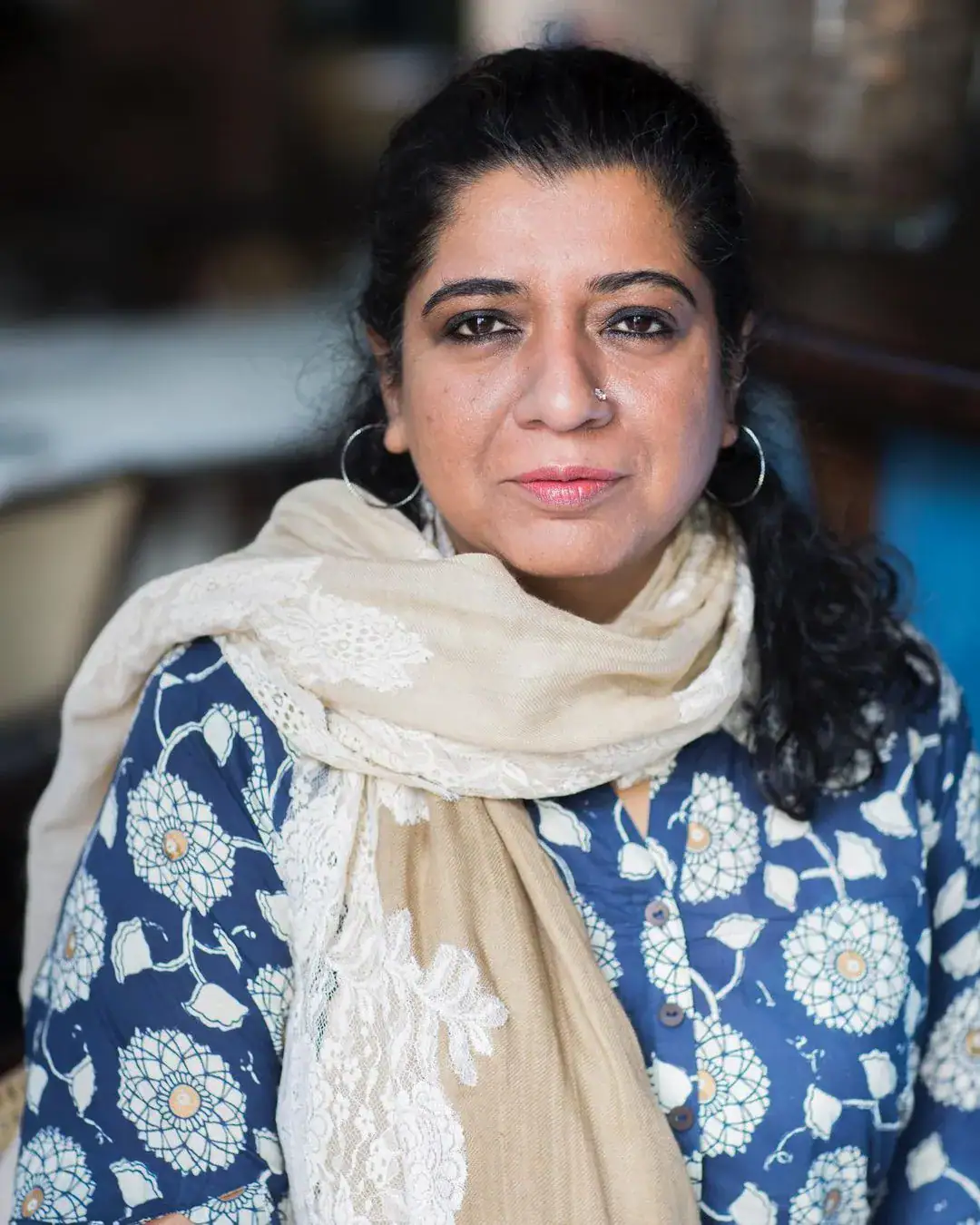
“You may like or dislike the presence of someone on your land. But to disregard their contribution is arrogance. The most traditional Indian dish — Aloo Matar Gobi, which is cauliflower, potatoes, and peas — it’s a British dish. Because they got the potatoes to Bengal and got cauliflower in the 1930s. This is so new, so recent. It doesn’t hurt to say that we are grateful for all these influences. It doesn’t take away anything from who you are.”
My guest today on Food with Mark Bittman is Asma Khan, and this speaks more of me than it does of her, but I wasn’t aware of this great chef until I saw her new cookbook, Ammu: Indian Home-Cooking to Nourish Your Soul. I was intrigued.
Khan has appeared on the much-loved Netflix series, Chef’s Table, which catapulted her into stardom. Paul Rudd, Daniel Levy, and Nigella Lawson have sung her praises, and delighted in her incredible — and incredible-looking — food. Her London restaurant, Darjeeling Express, is totally women-run, and Ammu — a term used mostly in South Asian Muslim homes for their mothers, and which Khan calls her mother — is a beautiful ode with fantastic recipes, for sure, but also an abundance of memories, both food-based and not.
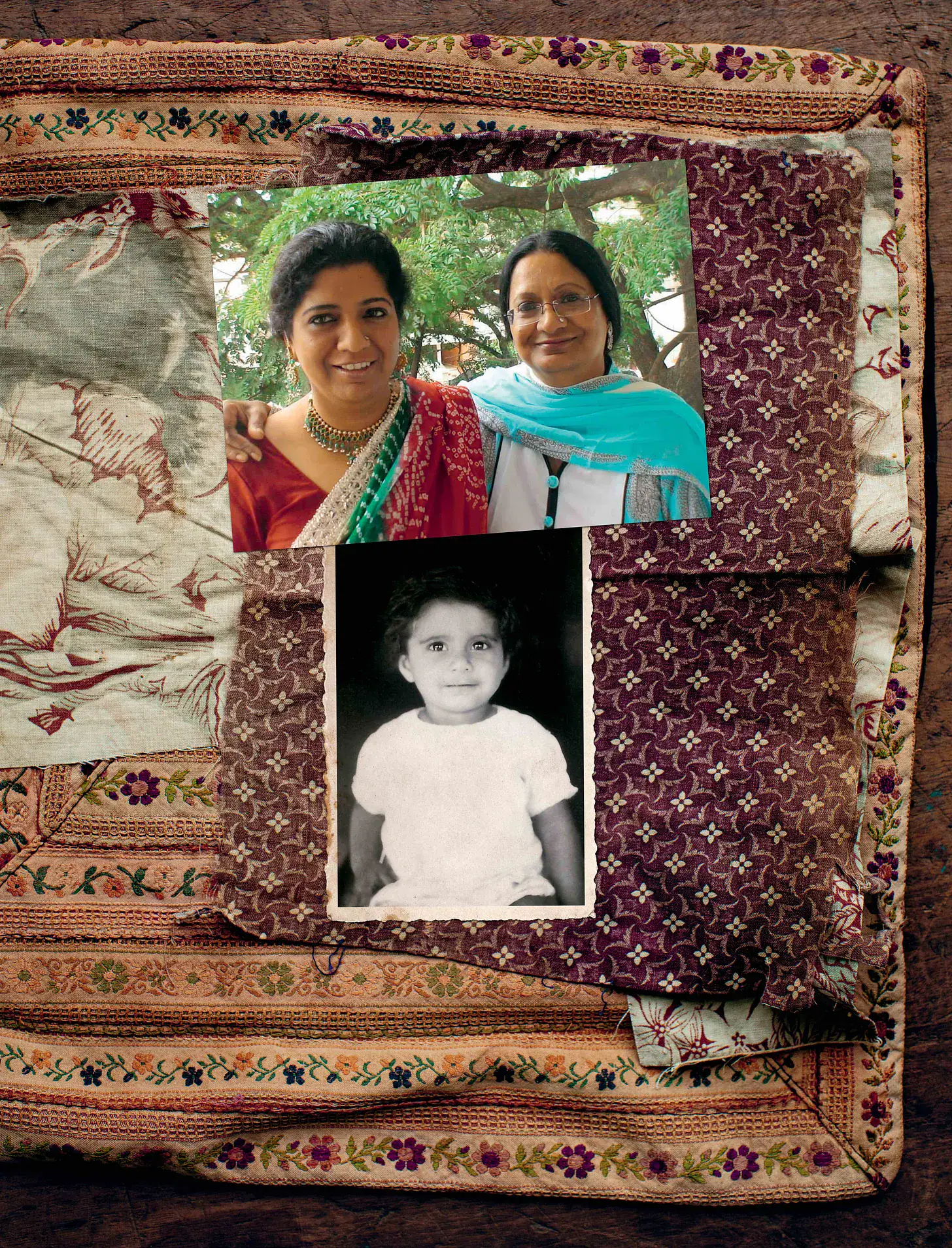
I have to admit that I was a little nervous to talk to Khan at first. She’s such a forceful person, and so obviously a wonderful person — but our conversation is really one of my favorites so far. I hope you find that, too.
The recipe featured in the episode — Khatteh Ande, or Eggs in Tamarind Gravy — is below. Please listen, subscribe, and review! And we’d love to hear your food-related questions, as we’d like to start doing live Q&A: Email us at food@markbittman.com.
Thank you, as always. — Mark
Follow on: Apple Podcasts | Spotify | Overcast | Pocket Casts | Amazon Music
Khatteh Ande (Eggs in Tamarind Gravy)
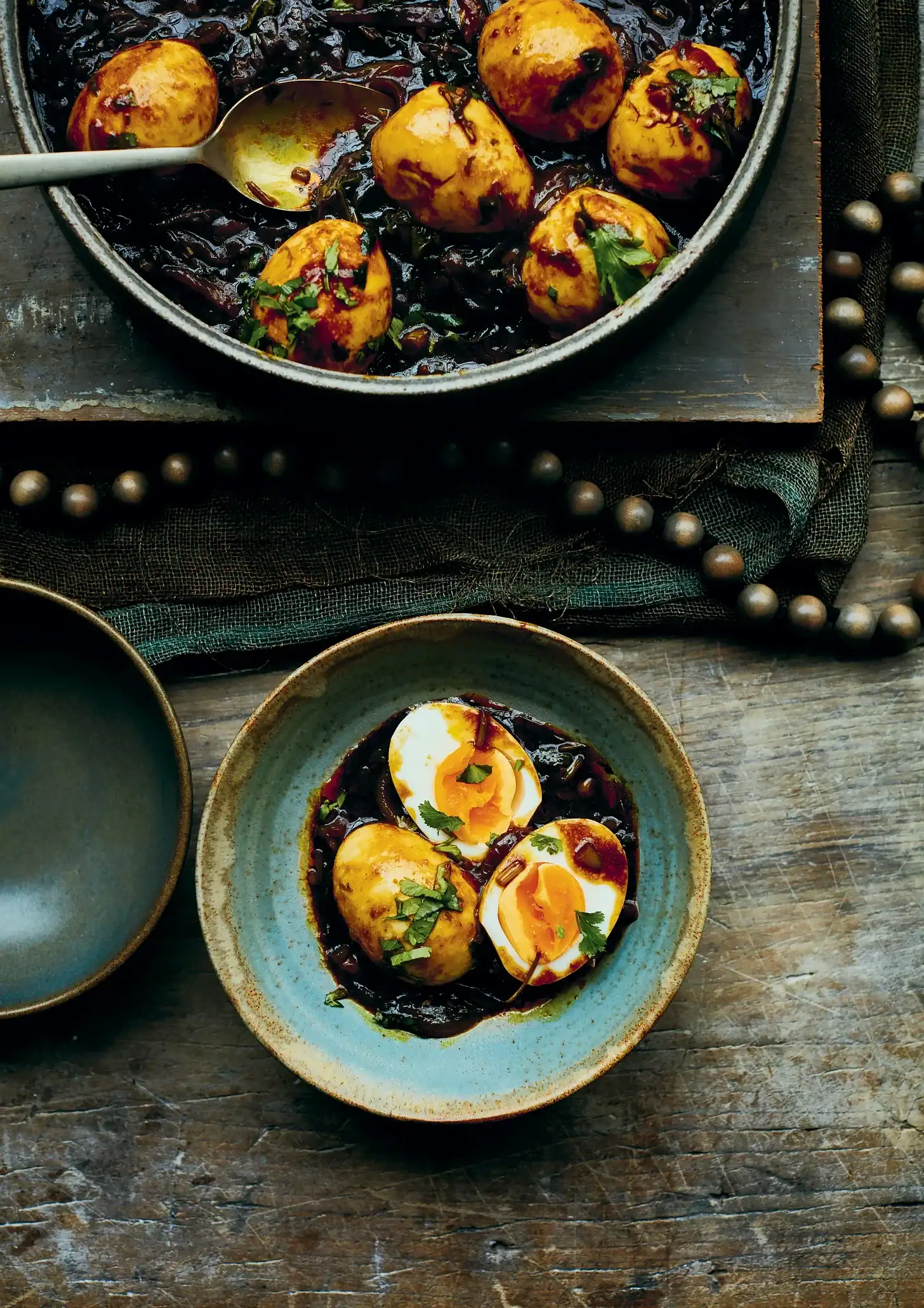
Eggs are monsoon food! When the rainy season began in Calcutta, we waited for the days of relentless rain, because what came after that was waterlogged streets. No school. No electricity for days as the power stations were underwater. Food rationing because the bazaars were closed. But eggs were delivered to us by the anda wallah (the egg man), who would cycle through streets that were knee-deep in water and bring us 24 eggs every other day. At first, everyone got a whole egg, but if the rains continued, we would get only half an egg a day. The eggs were always prepared with great care and mealtimes were something of an occasion, with a lantern at the edge of the table, followed by a long night of storytelling by my father. — Asma Khan
Comment