Mark Bittman

Filters

Sort by date

Content Type

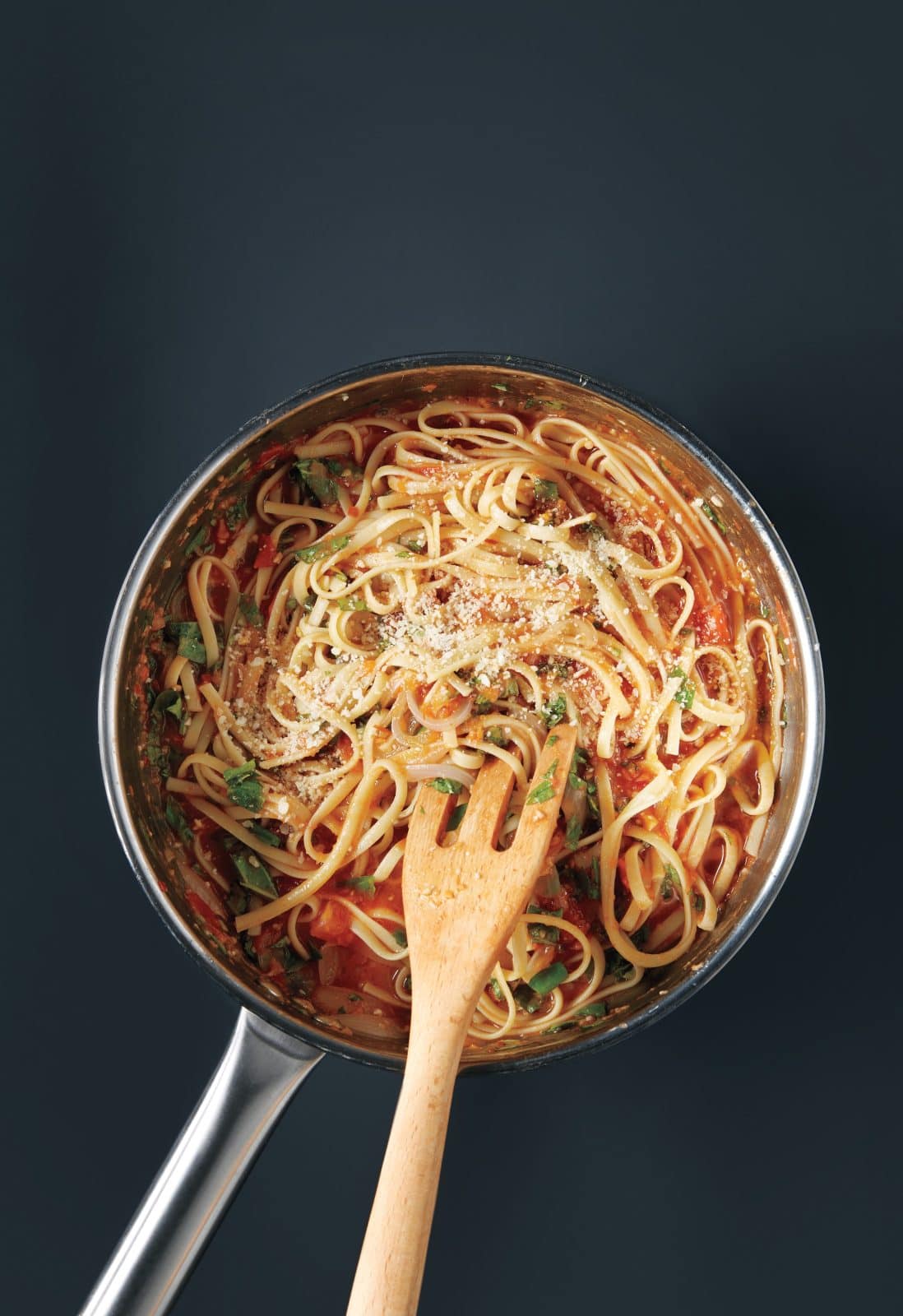
One-Pot Pasta

Easy and infinitely variable. For a more flavorful sauce, use the liquid drained from canned tomatoes or vegetable stock to replace some of the water. Add up to 2 cups chopped vegetables: Greens, mushrooms, eggplant, or cauliflower would all work wonderfully.

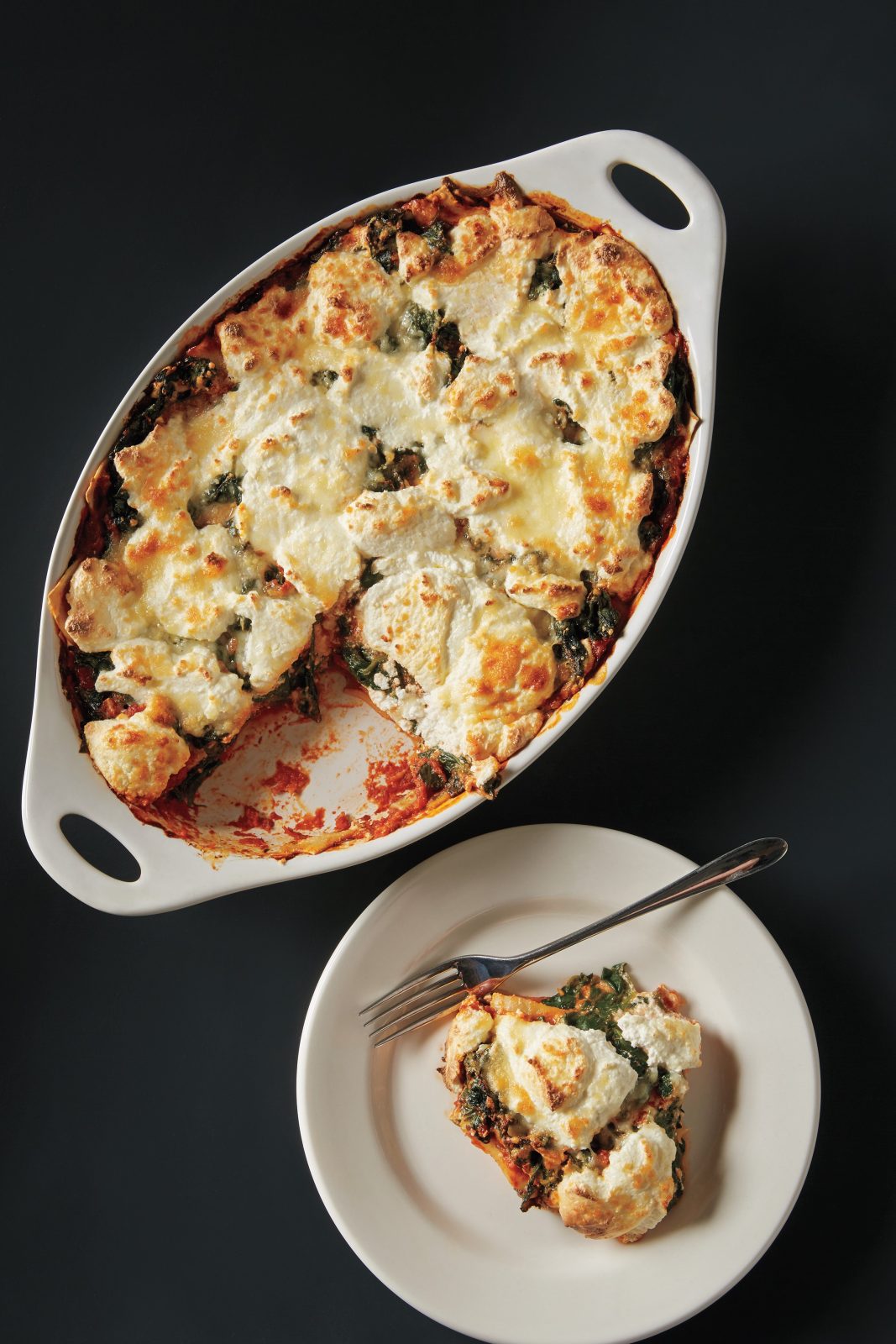
Vegetable Lasagne

At its simplest, lasagne is a baked dish of layered pasta (each sheet is a “lasagna”; lasagne is plural), sauce, and cheese; adding some cooked vegetables like spinach, zucchini, or mushrooms is a no-brainer. Make your lasagne with fresh pasta whenever you can; it’s traditional and completely delicious. However, store-bought noodles are fine, and egg roll wrappers and polenta slices work surprisingly well too.

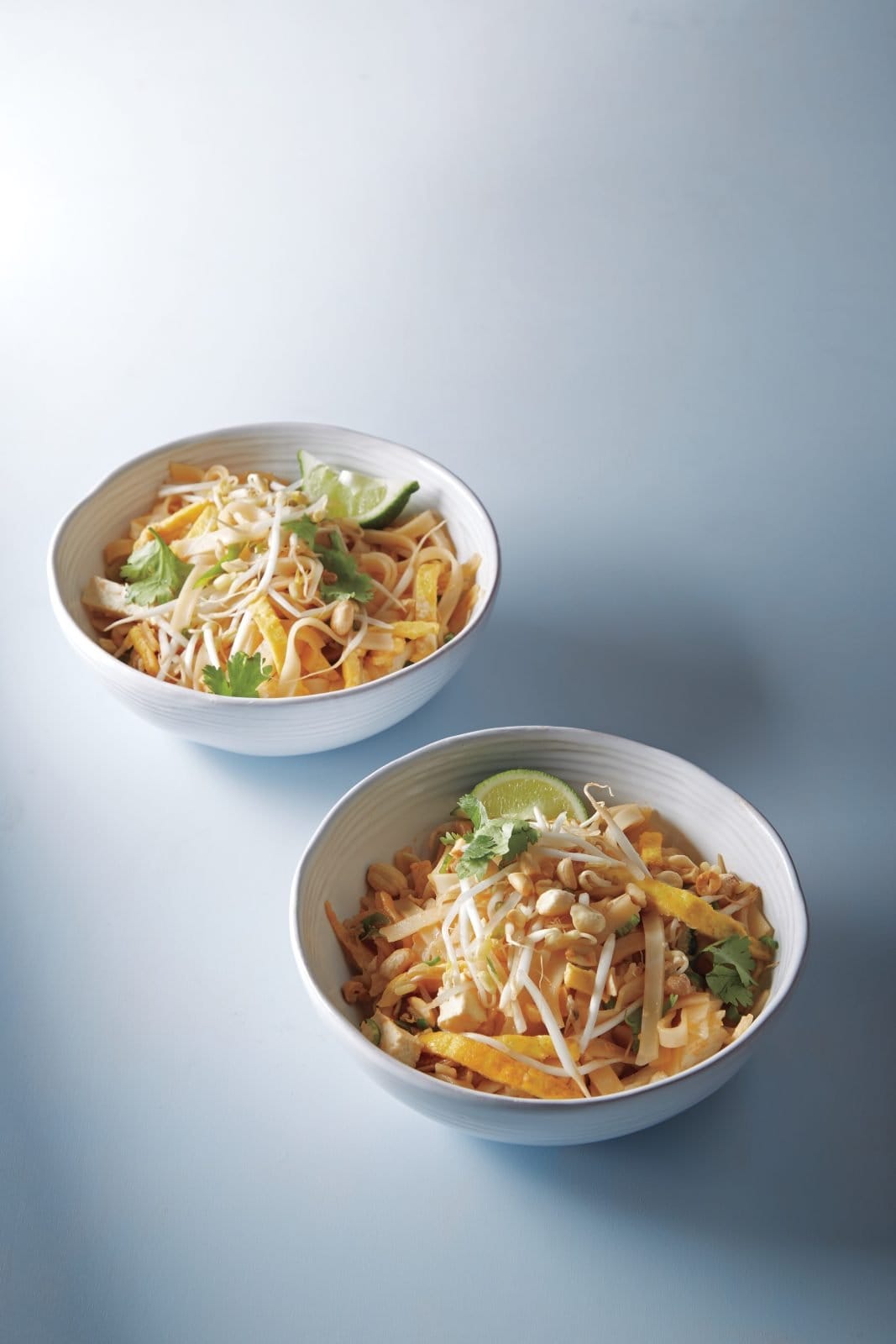
Pad Thai

Though you probably first fell in love with pad Thai in a Thai restaurant, it’s easy to make at home. Cucumber Salad with Soy and Ginger or Edamame Salad with Seaweed “Mayo” would make a great accompaniment.

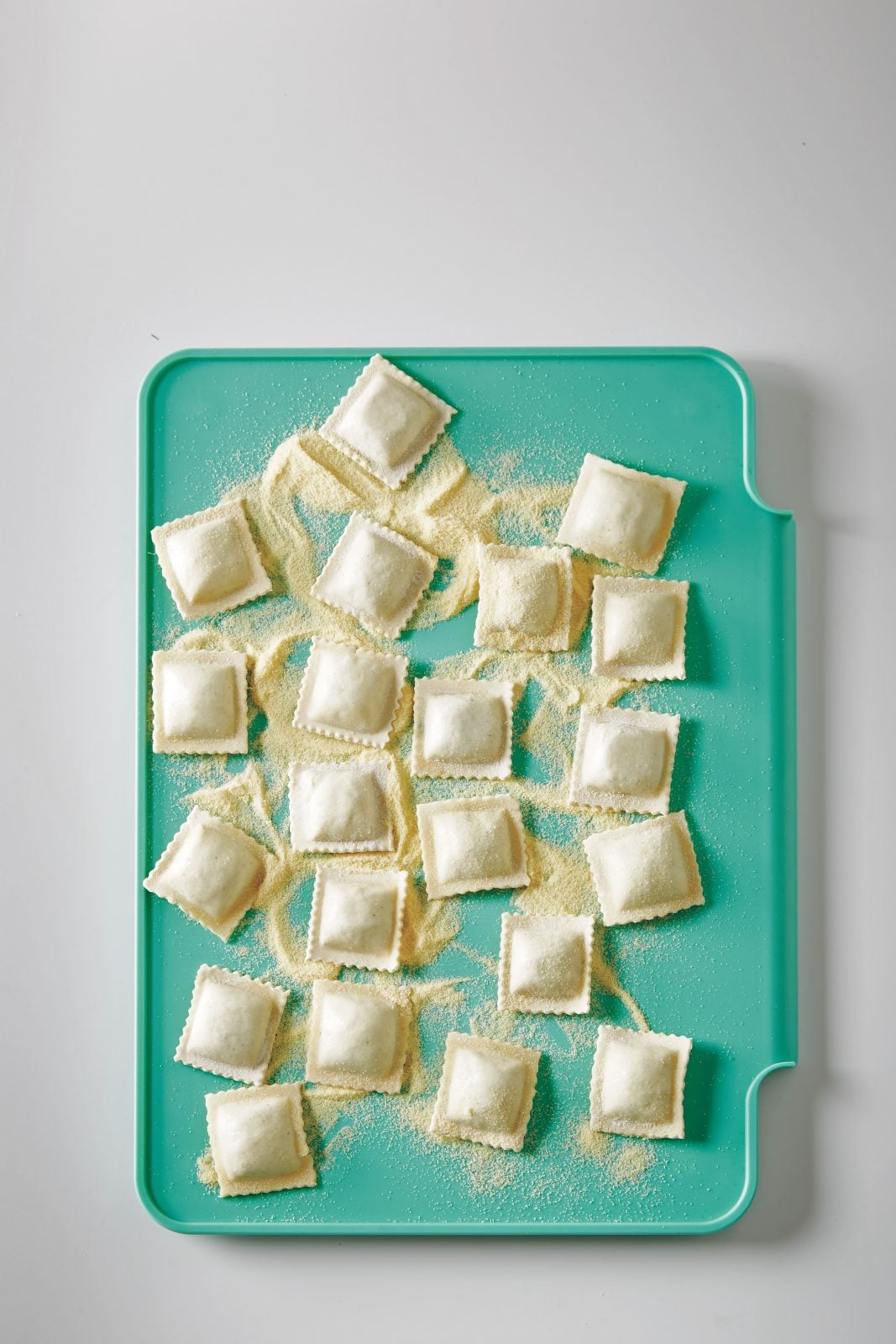
Spinach-Ricotta Ravioli

A standby stuffed pasta; this stuffing is great in cannelloni, too, and between layers of lasagna Serve with Pesto or any of the variations or Fast Tomato Sauce.

Food with Mark Bittman: Secretary of Agriculture Tom Vilsack

The future of farming and food.

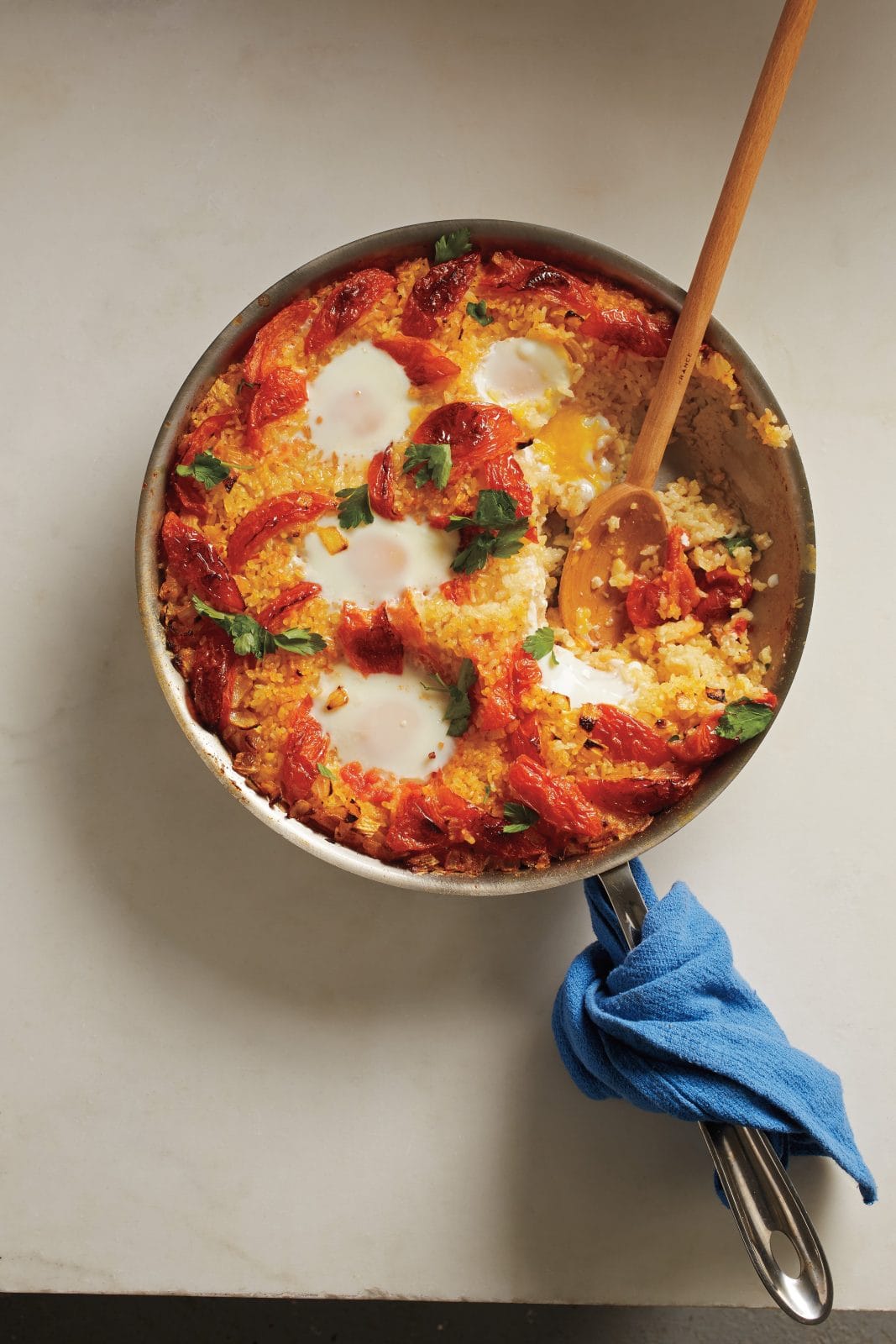
Paella with Tomatoes and Eggs

My vegetarian paella starts with sofrito, a mixture of aromatics, herbs, and tomatoes, sautéed in olive oil until it becomes a thick paste. Saffron is traditional in paella but I also like to add smoked paprika. It’s also traditional to serve it with garlic mayonnaise but try Chimichurri for a deliciously unorthodox alternative. What is not traditional is my addition of eggs, which bake into the savory rice mixture. It’s also delicious without, so I have made them optional. No need for a paellera (a two-handled paella pan), but your pan should be wide enough to hold the grains of rice in a thin layer. This will help develop the crusty bits of rice on the bottom of the pan (called socarrat) that are the best part of the dish. Since most home cooks don’t own such a big pan, I prefer starting paella on the stove in a roasting pan or my largest skillet and moving it to the oven. To properly develop the socarrat, put the pan back on the stove for a couple of minutes before serving.

Food with Mark Bittman: Wolfgang Maier

What’s it like to be a chef on a cruise ship?

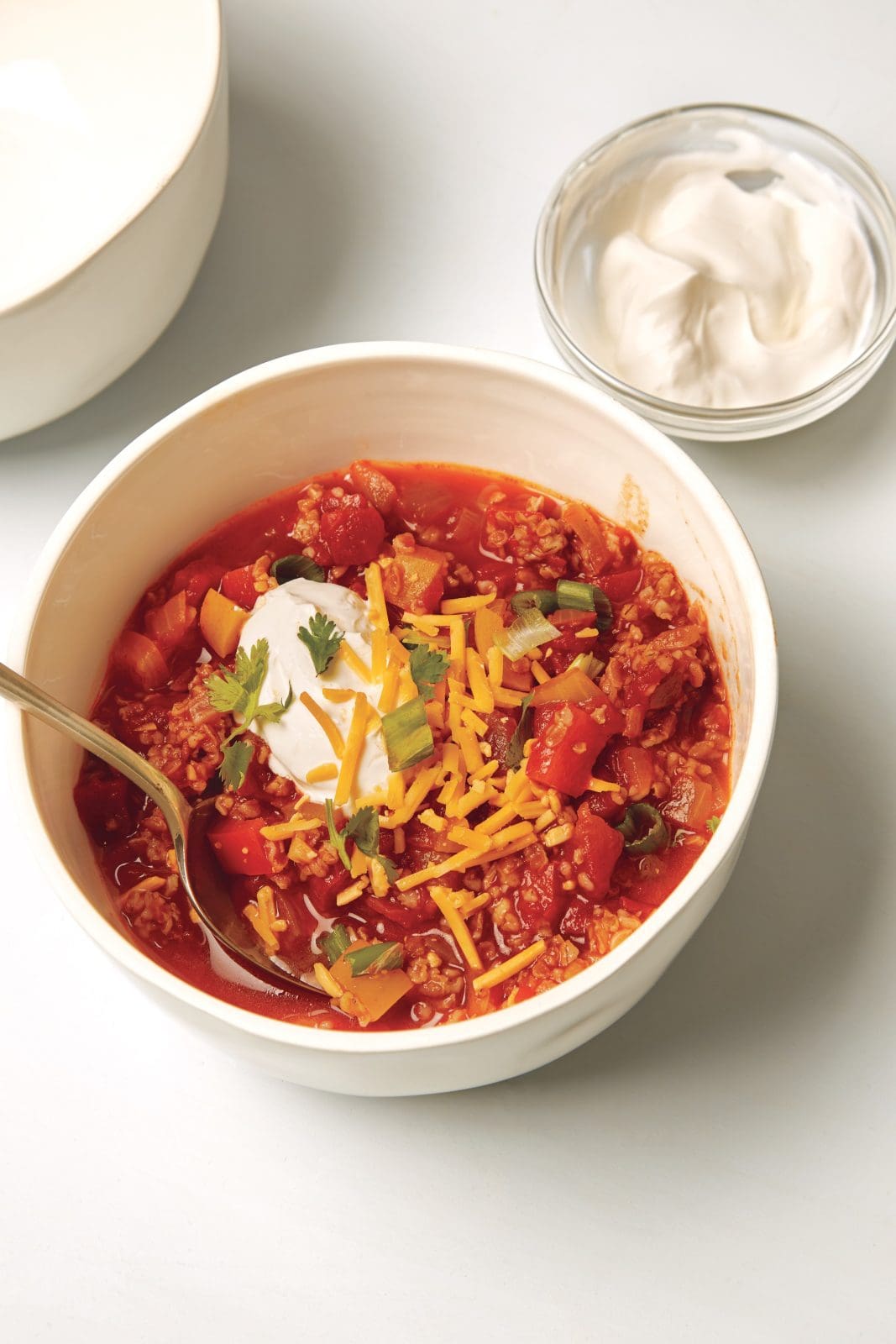
Bulgur Chili

Here bulgur takes the place of ground meat, providing body and thickening power. The preparation and cooking are relatively fast and, like most stews, this will taste better the next day. All sorts of vegetables can be incorporated: corn kernels; chopped zucchini, squash, carrots, celery, and more. Add them in Step 1. Beans are not essential, though they can easily be added (see the first variation).

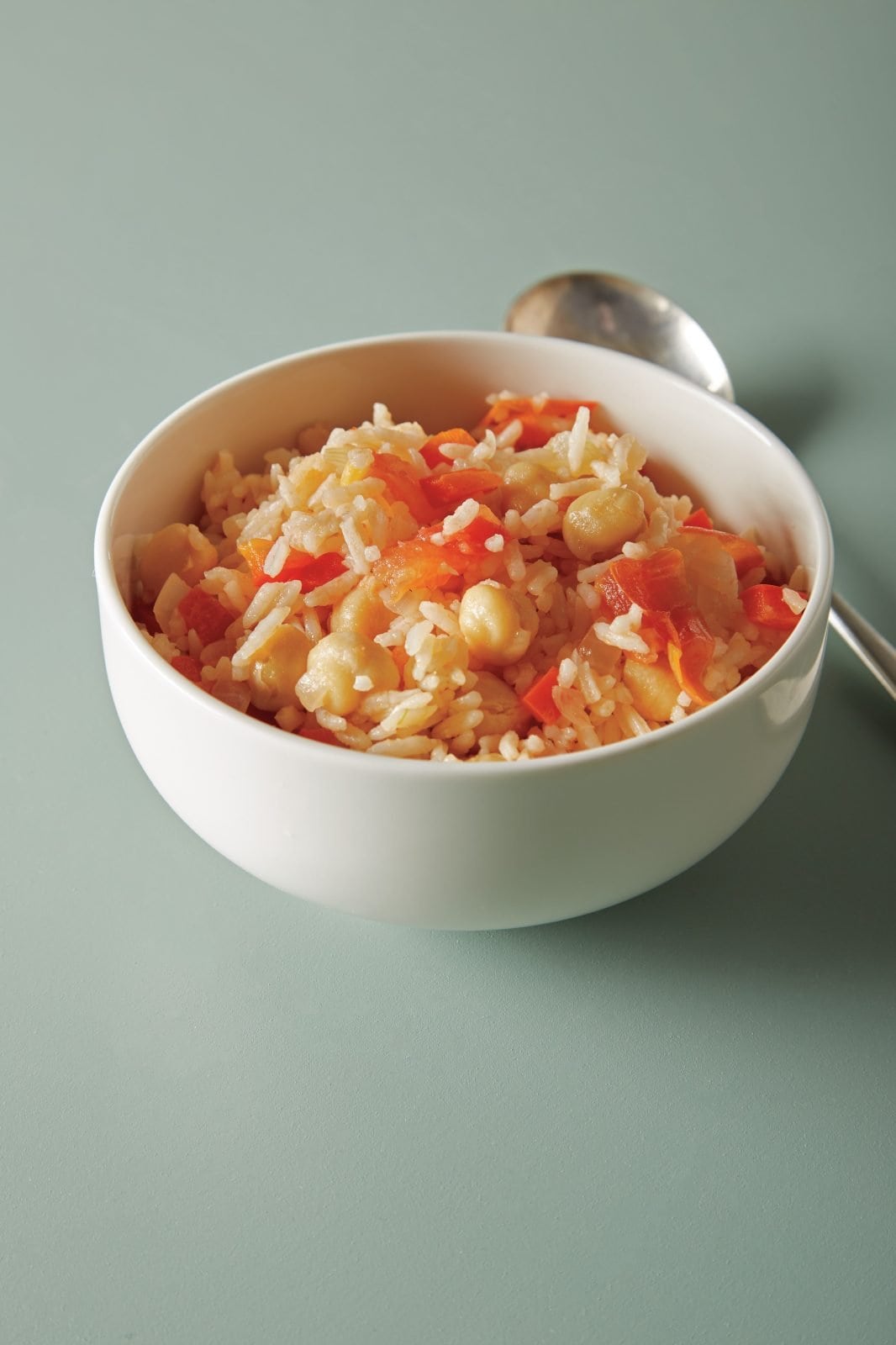
Rice with Chickpeas

Chickpeas are great with rice; they add richness to the cooking liquid and— provided you don’t overcook them—they won’t turn to mush. Add more vegetables or firm tofu to any of these recipes (especially the curried variation) and you have a nice one-pot meal. Other grains you can use: couscous, bulgur, pearled barley, quinoa.

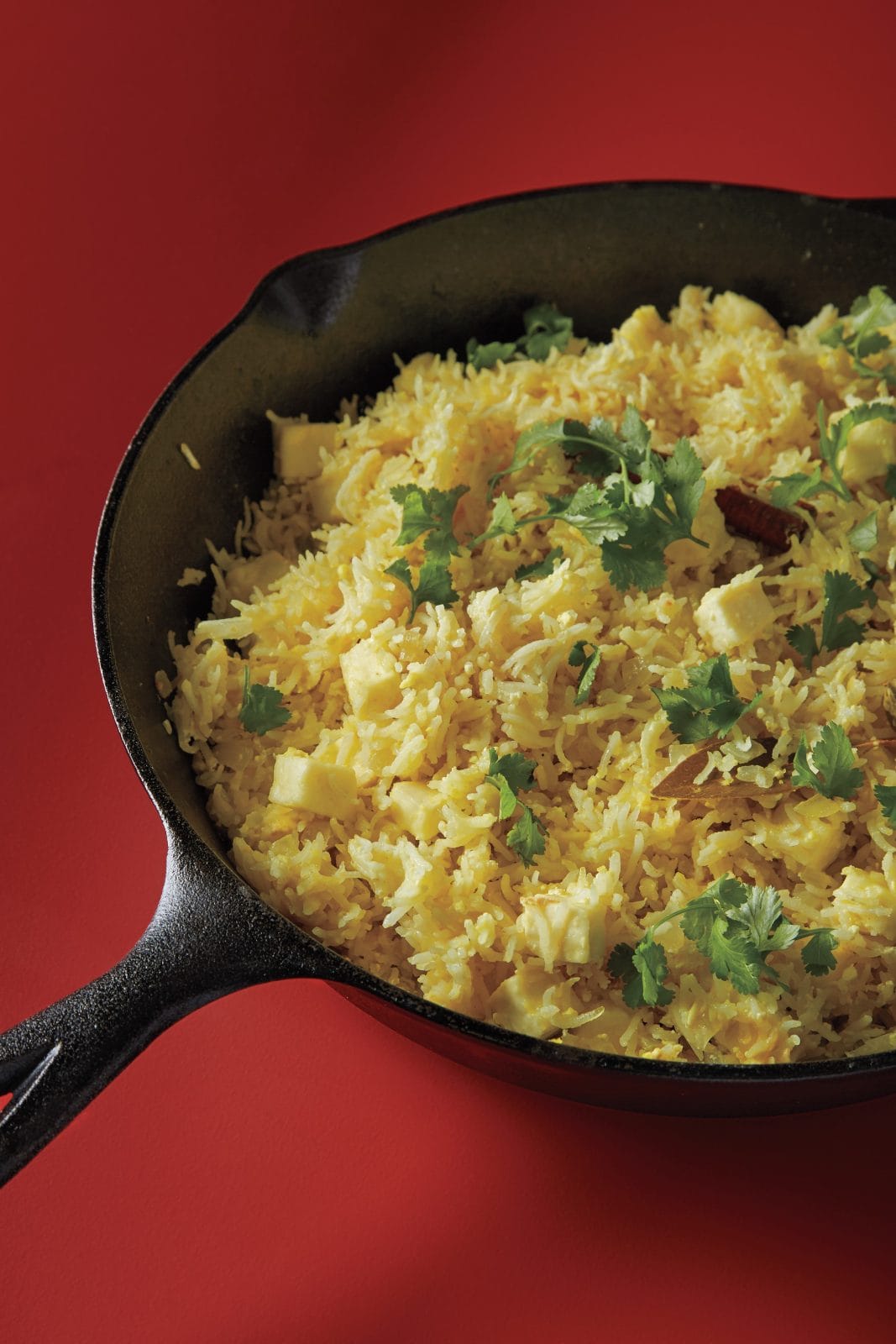
Biryani

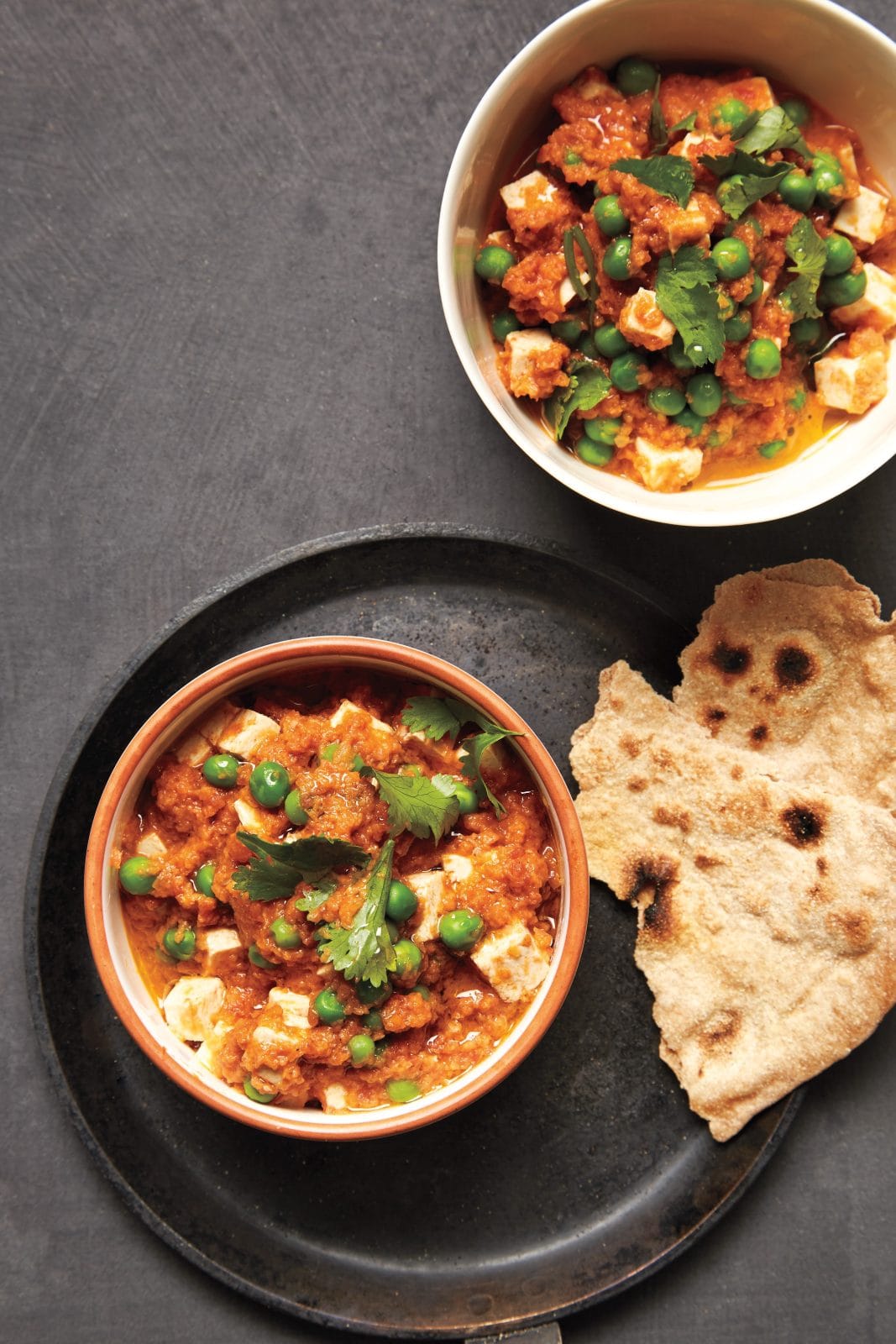
India’s greatest pilaf, almost always made with basmati rice and butter. Here, tofu is much more convenient than paneer (fresh Indian cheese), but you can use either, or no concentrated protein at all.

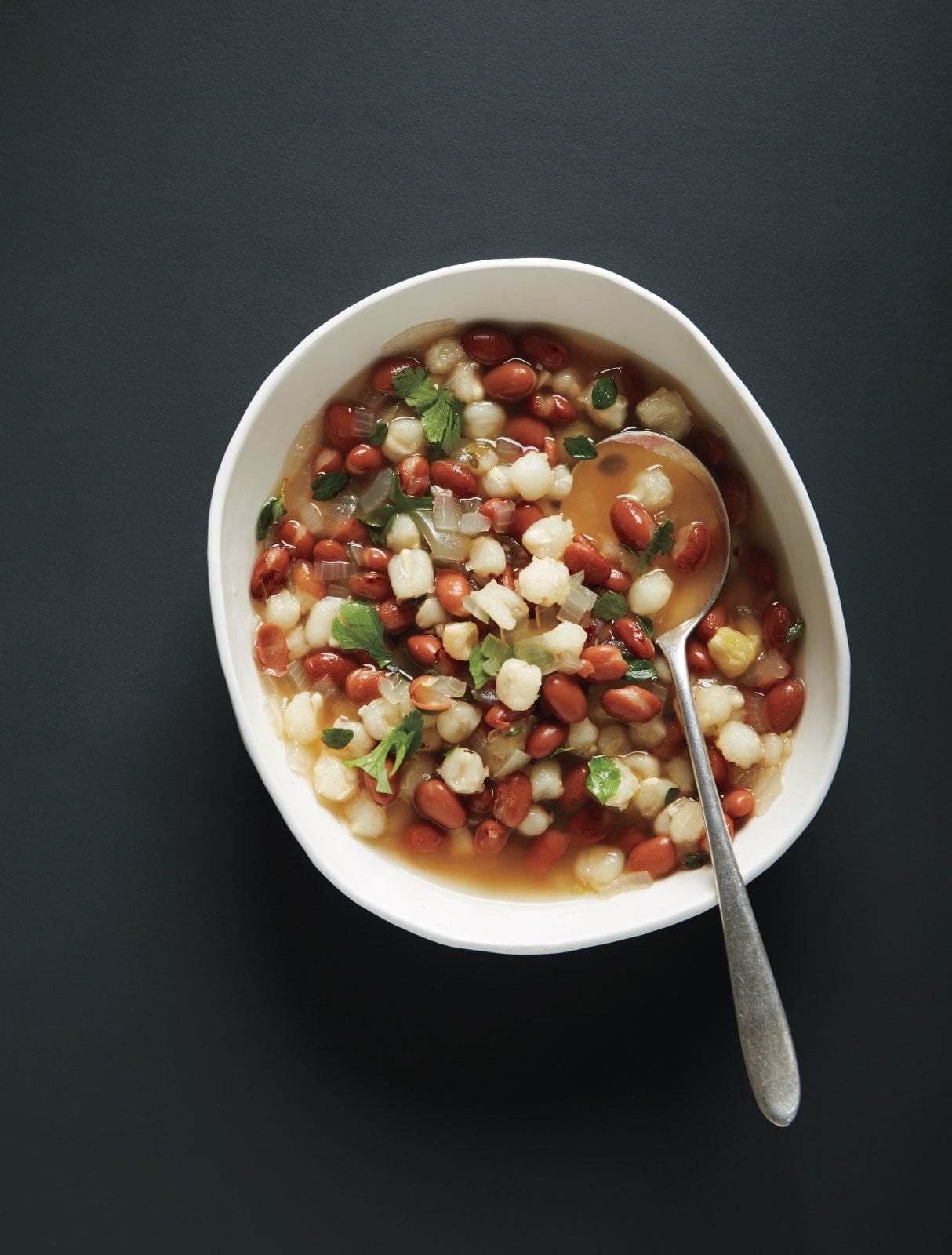
Posole with Beans

Posole (the ingredient) is made and used everywhere there’s corn, and goes by a variety of names, the most common being hominy. It’s got a terrific, corny flavor, but also that distinctively bright, slightly sour taste you probably associate with tortillas. Posole (the dish) is a soupy stew or hearty soup that takes time to cook, though this time can be reduced greatly if you soak the dried kernels first. The kernels are also sold precooked and canned as pozole or hominy.

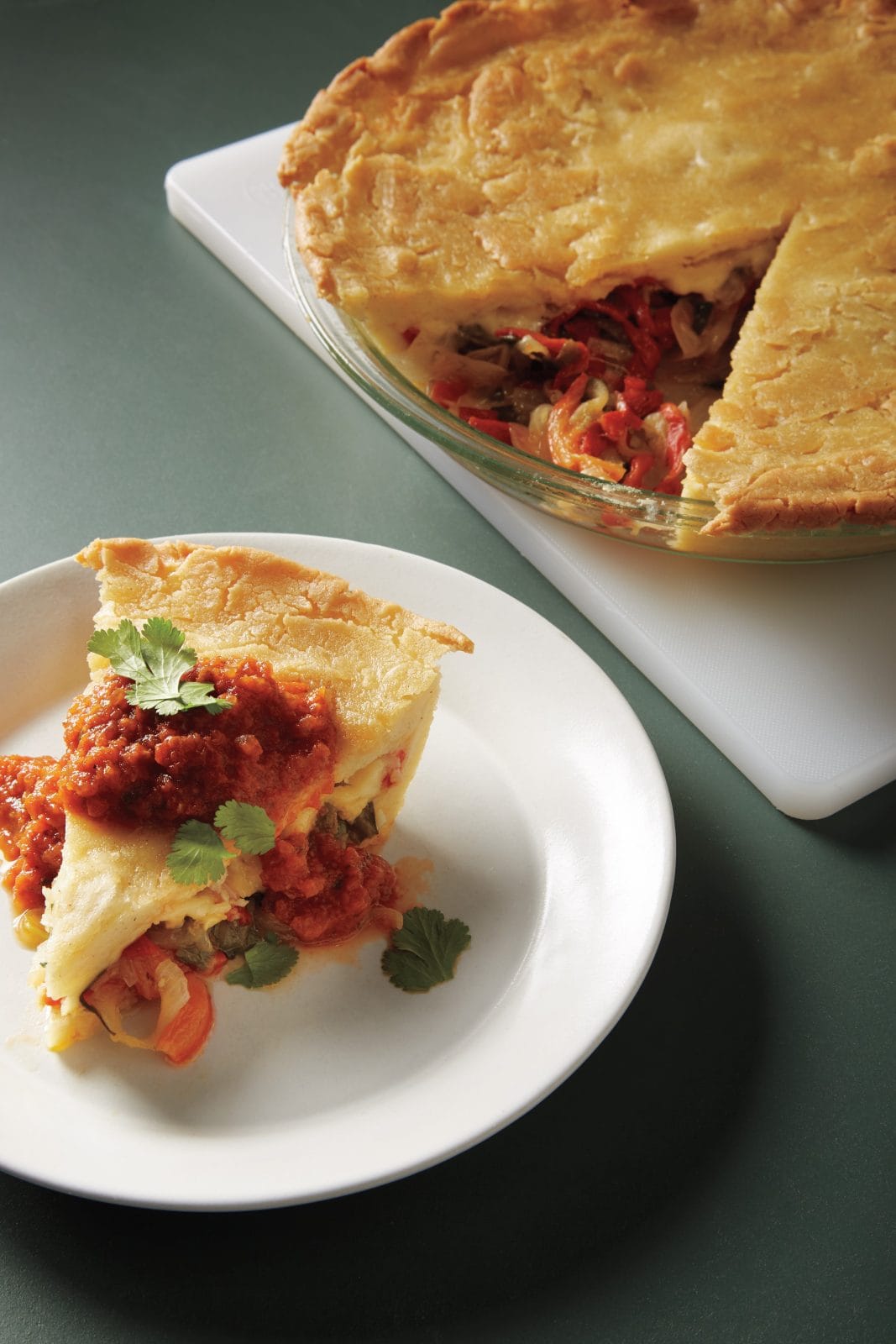
Naked Tamale with Chile-Cheese Filling

This cornhusk-free tamale loaf is for the practical cook, not the purist, though you can make the husk-wrapped variation if you want the real thing. Forming one large tamale in a pan is easier than shaping individual ones, which means you might make it more often. Traditional tamales are made with lard or vegetable shortening, because the creamy texture helps make the dough light and fluffy. The first is made from animal products and the second is fine only if you use non-hydrogenated vegetable shortening made from coconut oil and/or palm oil. The best solution, though, is solidified olive oil, which whips up very nicely, has good flavor, and makes for much lighter tamales than those made with butter (another option). Much of this recipe can be done in advance: Put the oil in the freezer, prepare the onion and pepper mixture or any of the other fillings, and even make the sauce. After that, it’ll take only a little over an hour to get the tamales on the table, and most of that time is unattended. To add more flavor to the filling, you can roast both the red peppers and poblanos, then peel, seed, and slice, but that’s totally optional.

Crunchy Amaranth Griddlecakes

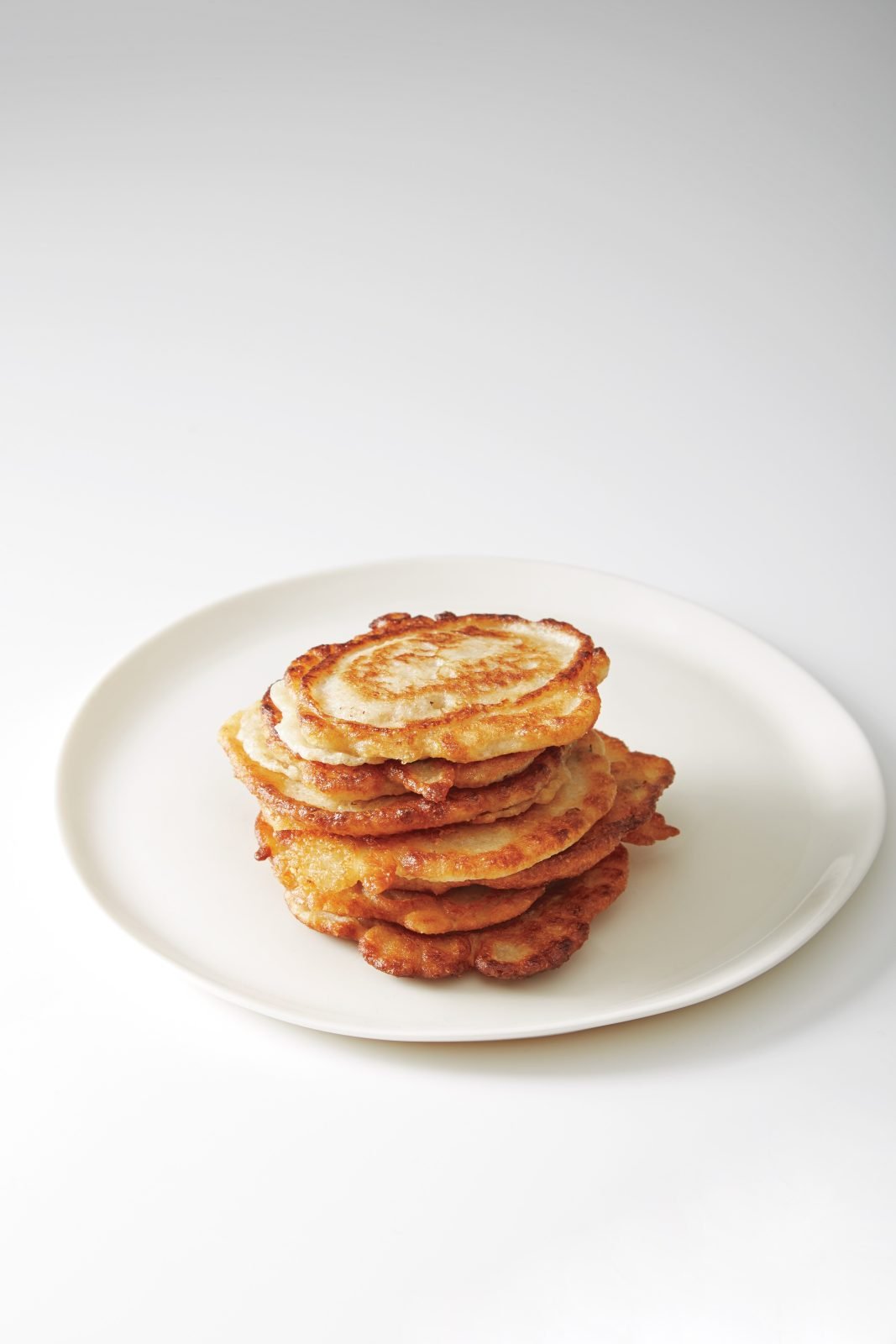
Amaranth works best as an ingredient, not a standalone grain, because even when fully cooked it retains a super-firm texture. And that’s what makes these simple griddle cakes special. Serve with Beans and Greens or as part of any grilled vegetable meal with your favorite yogurt sauce. Since you’re starting with cooked amaranth, you can substitute most any cooked grains, though they won’t be quite as crunchy as amaranth; I would recommend bulgur, regular or whole wheat couscous, cracked wheat, kasha, millet, quinoa, wheat berries, or wild rice.

Braised Tofu and Peas in Curried Coconut Milk

Braising is a useful technique for tofu because it provides the moist medium that the tofu needs to absorb seasonings. But whereas braised meat dishes take hours, these take minutes, because tofu needs no tenderizing. If possible, use prepared tofu—fried, pressed, frozen, or whatever method you prefer—because it will absorb even more flavor than straight from the package. This classic Indian technique makes a highly flavored “gravy.” I like peas in this recipe, because they’re easy (I use frozen except in late spring), and I like the way their bright green color stands out. But you can use almost any vegetable. Serve over rice or with Chapati or Paratha.

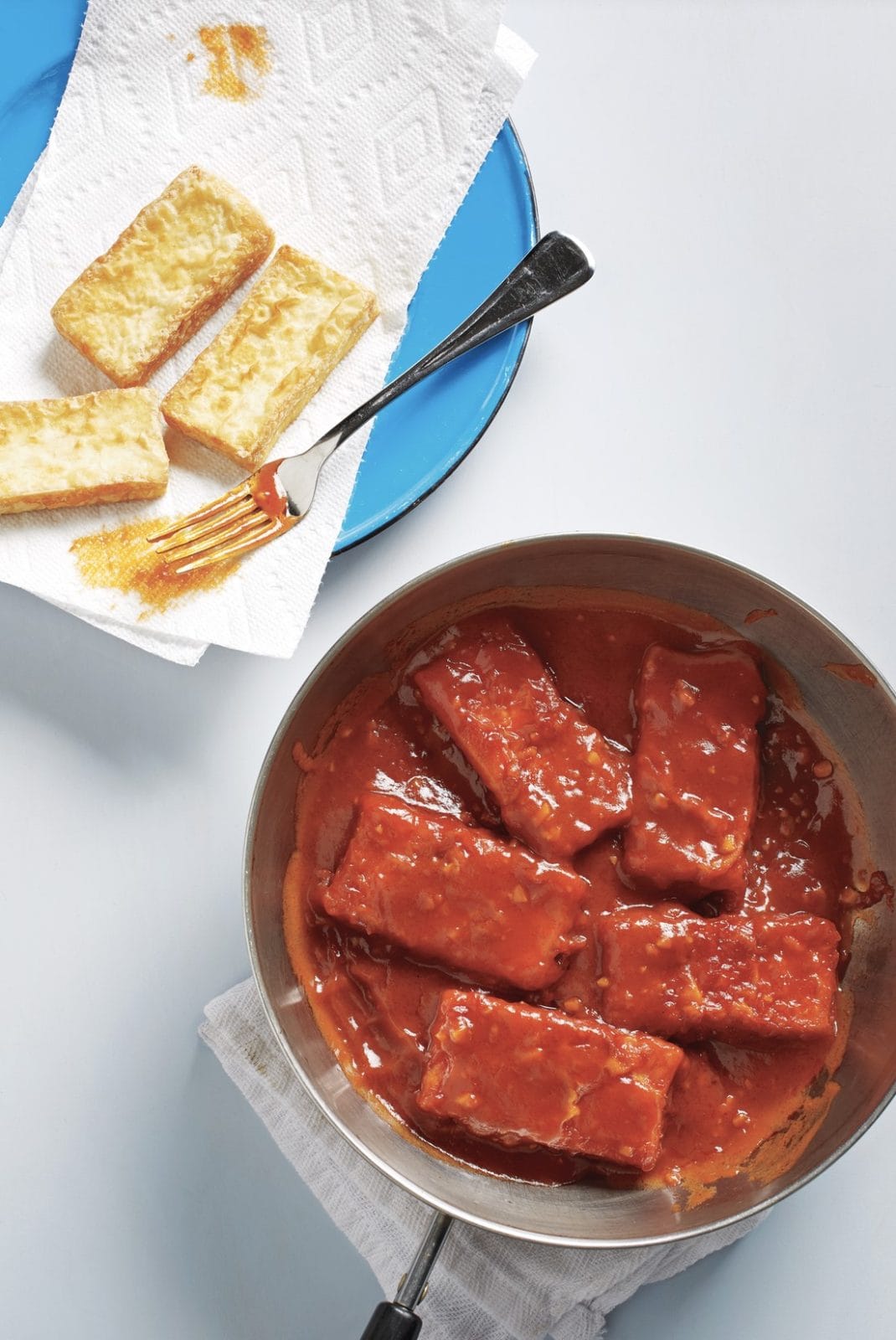
Spicy Ketchup-Braised Tofu

Vaguely Chinese, more honestly American, and so delicious. Serve with rice or noodles, or even (gasp!) on bread.

Food with Mark Bittman: Bryan Ford

“It’s a great time to be a first generation baker.”

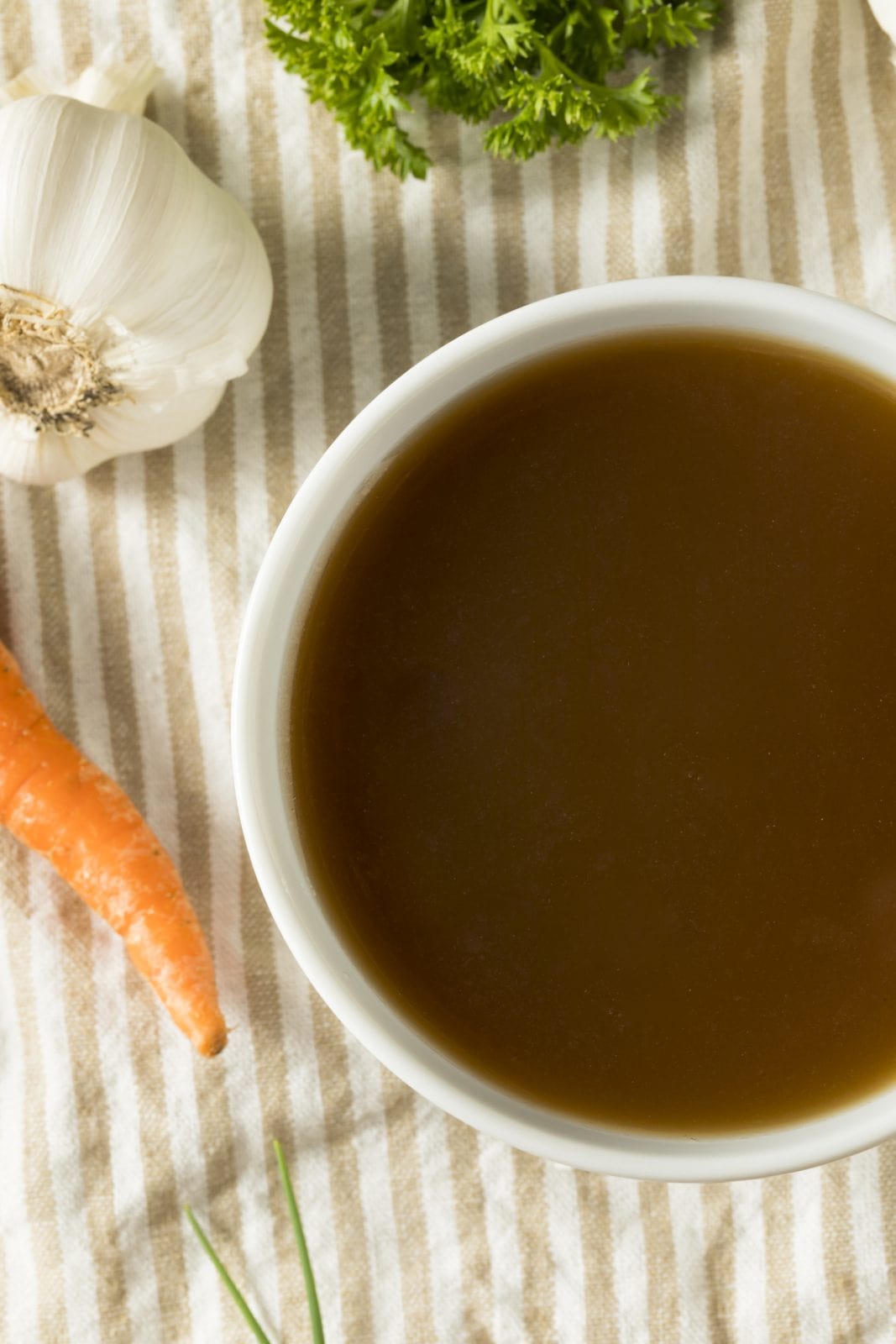
Dark Simmering Liquid for Seitan

Use this if you plan to use the seitan in Asian-style dishes or with deeply flavored foods like mushrooms, caramelized onions, or root or winter vegetables. The soy sauce colors the seitan a light brown.
If you use oil to further cook or season dark simmered seitan, use good-quality vegetable oil or sesame oil.

Fa-La-La-La-La, La-Almond Flour

It’s never too soon to plan for holiday baking, especially with these three delicious, wheat-free spins on the classics.

Pan-Seared Seitan

The simplest way to cook seitan is to cut it in slices and cook in oil. You can also take it further and create a delicious sauce for it right in the pan; I’ve included a couple of old-school variations that translate beautifully to seitan. Seared pieces of seitan are also great on salads or in soups.

Fresh Favas with Eggs and Croutons

Fresh fava beans are a delicious springtime treat, with a verdant flavor that makes the shucking and peeling worth the effort. Substituting frozen favas or lima beans is perfectly fine out of season or when time is an issue, but the dish won’t be the same. Instead of garnishing with the parsley, you can stir in 2 to 3 tablespoons chopped fresh herbs like basil, mint, or chives, or a pesto right before serving. Other beans you can use: Just about any fresh or frozen bean, like lima, edamame, black-eyed peas, or cranberry, will be delicious.