

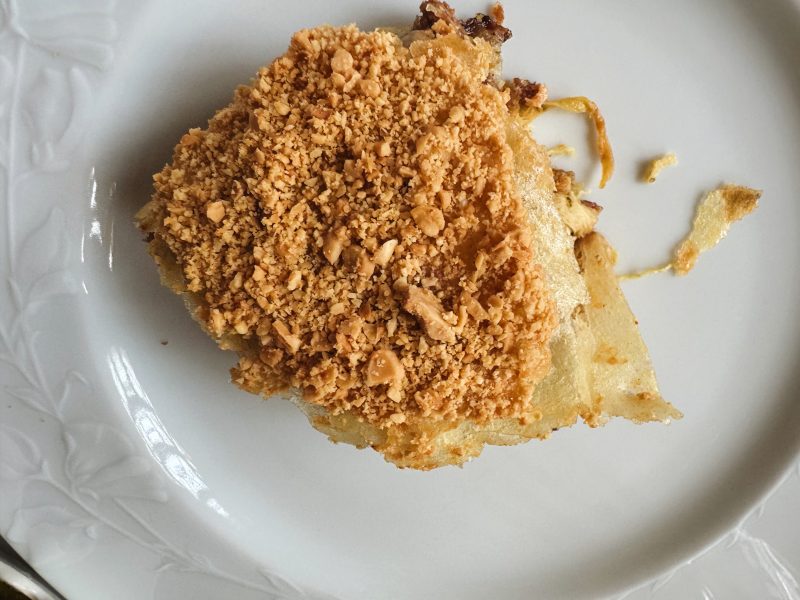
We left Fes sadly; it was among our favorite places.
But also, with less than a week to go of a three-month trip, odd feelings were emerging. Had Japan even been part of this same trip? When we were wearing all of our clothes and shivering, hiking for days on end, eating those bizarre kaiseki meals and plunging into hot baths at will? It was even hard to remember the beach in Greece, in a way … it seemed a different era.
We were preparing to go home, but we weren’t ready at all. At the same time, we weren’t not ready: If we were going to be people with a home, wasn’t it time to be there? Maybe we should just leave tomorrow? On the other hand, how would we live without constant stimulation and surprise?
It would be weeks until we could get a grip on what this trip might mean, and it certainly wasn’t going to happen while we were still traveling. The only thing to do was to keep going.
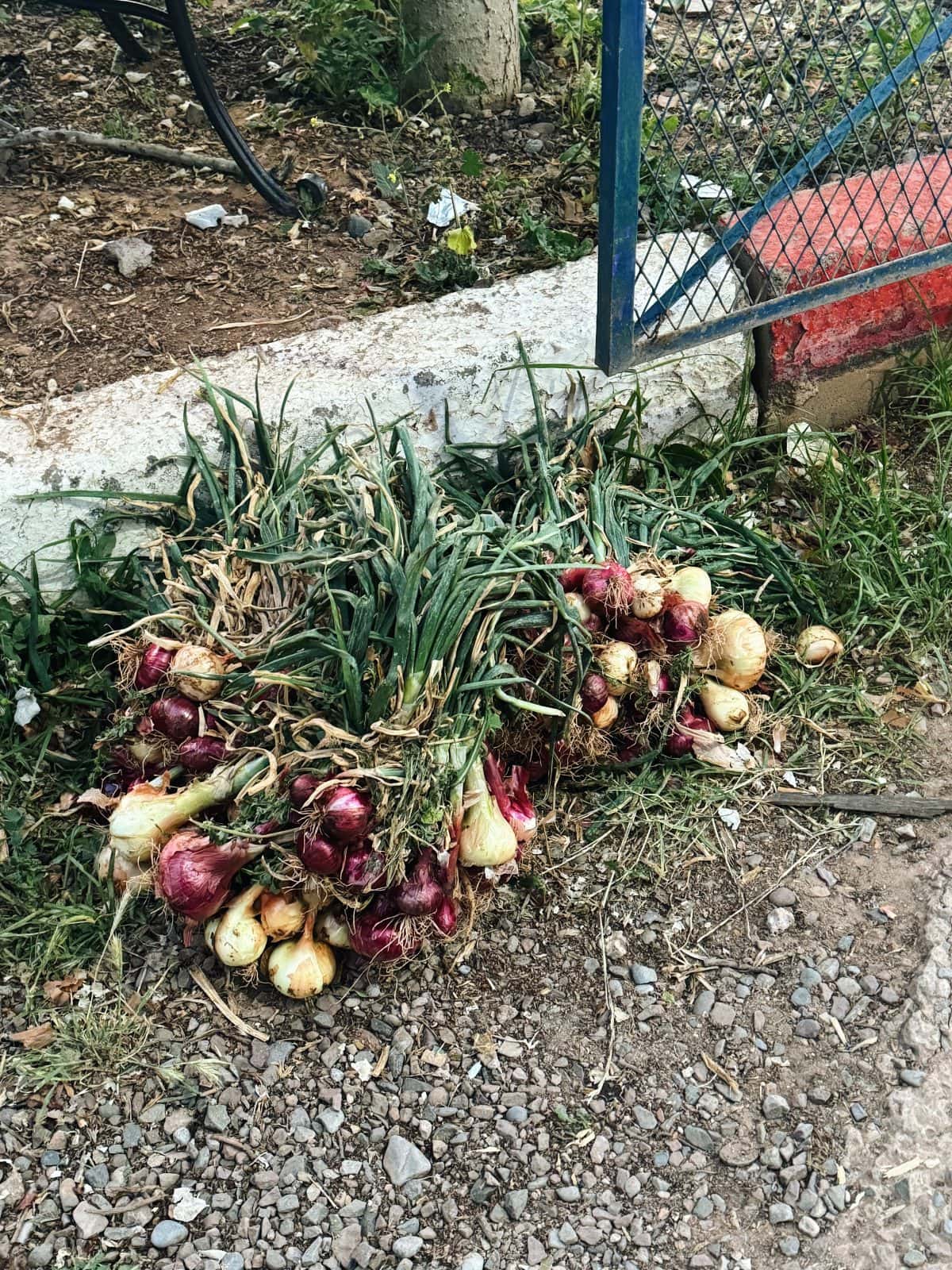
Just the day before, I realized that barely an hour had gone by since we got to Morocco that I hadn’t seen an onion-delivery vehicle – usually a bike, sometimes a donkey or a truck – dropping off long-stemmed bunches in front of restaurants, stores, and even houses. I think “Moroccans eat a lot of onions,” is a justifiable generalization.
There was no answering these questions, no doubt asked by many long-term voyagers; it would be weeks until we could get a grip on what this trip might mean, and it certainly wasn’t going to happen while we were still traveling. The only thing to do was to keep going.
And for sure we were still engaged: We toyed with visiting Chefchaouen, Tangier, some other places, but in the end, we decided we’d moved around more than enough and drove directly to Bouznika from Fes.
Bouznika itself is not much, a town servicing a seaside community of mostly gated subdevelopments. The beach is pleasant, the nearby services are excellent (we bought a good and huge head of lettuce for sixty cents at Carrefour, and similarly gorgeous and well-priced leeks, zucchini, peaches, and more), but it’s not a place you’d particularly choose: It’s less than an hour from both Casablanca and Rabat, which makes it sort of the Jersey shore of Morocco, and very convenient.
There were several surprises that made the few days there better than expected. The first was a little knot of fishermen who gathered daily to sell their catch; among them was an oysterman who stood at a little booth while shucking some huge and tasty specimens. We spent awhile with him, happily, then bought a sole and a cuttlefish and a couple of pounds of tiny clams for pasta with vongole, which we cooked that night. (We were staying at the house of a friend, and had a kitchen to ourselves for the first time since we were in Kyoto, back in mid-March.)
The Sunday was a day that had been on our calendar since before we’d left home. It would be an exaggeration to say that our whole Morocco trip was based on being in Rabat on that day, but the schedule was shaped in part so that we’d wind up on the Atlantic coast, visiting Rabat and Casablanca prior to our departure (from Casa, as it’s usually called). The idea was to lunch with our host family, and especially Mouna, whom we’d only “met” by Zoom, but who had suggested and even arranged much of our itinerary.
The lunch was among the best meals of our entire trip, a true home-cooked feast.
The lunch was among the best meals of our entire trip, a true home-cooked feast beginning with a typical spread of Moroccan salads: chopped lettuce, onion, and tomato; zaalouk (eggplant tomatoes, garlic, oil, spices); taktouka (green peppers, tomato, oil, spices, generally superb); olives; laaloush (beet salad, just cilantro, lemon, oil), along with an assortment of breads. This would have been enough, because it was all terrific and there was lots of it.
Everything was beyond wonderful, but I kind of wish I’d saved all my room for the b’stilla, which just killed.
But that’s not how it’s done: Next was a huge whole grouper (which we’d lamely “helped” prepare), with fresh lemon, preserved lemon, olives, and vegetables, baked, covered, for an hour or more; a couple of local chickens, cut up and cooked similarly; and a spectacular b’stilla, the famous phyllo pie, this one with chicken (it’s most often made with squab, chicken, or lamb) and sweet almond paste (superb), and boiled eggs, dusted with cinnamon and powdered sugar. Everything was beyond wonderful, but I kind of wish I’d saved all my room for the b’stilla, which just killed. There was flan for dessert.
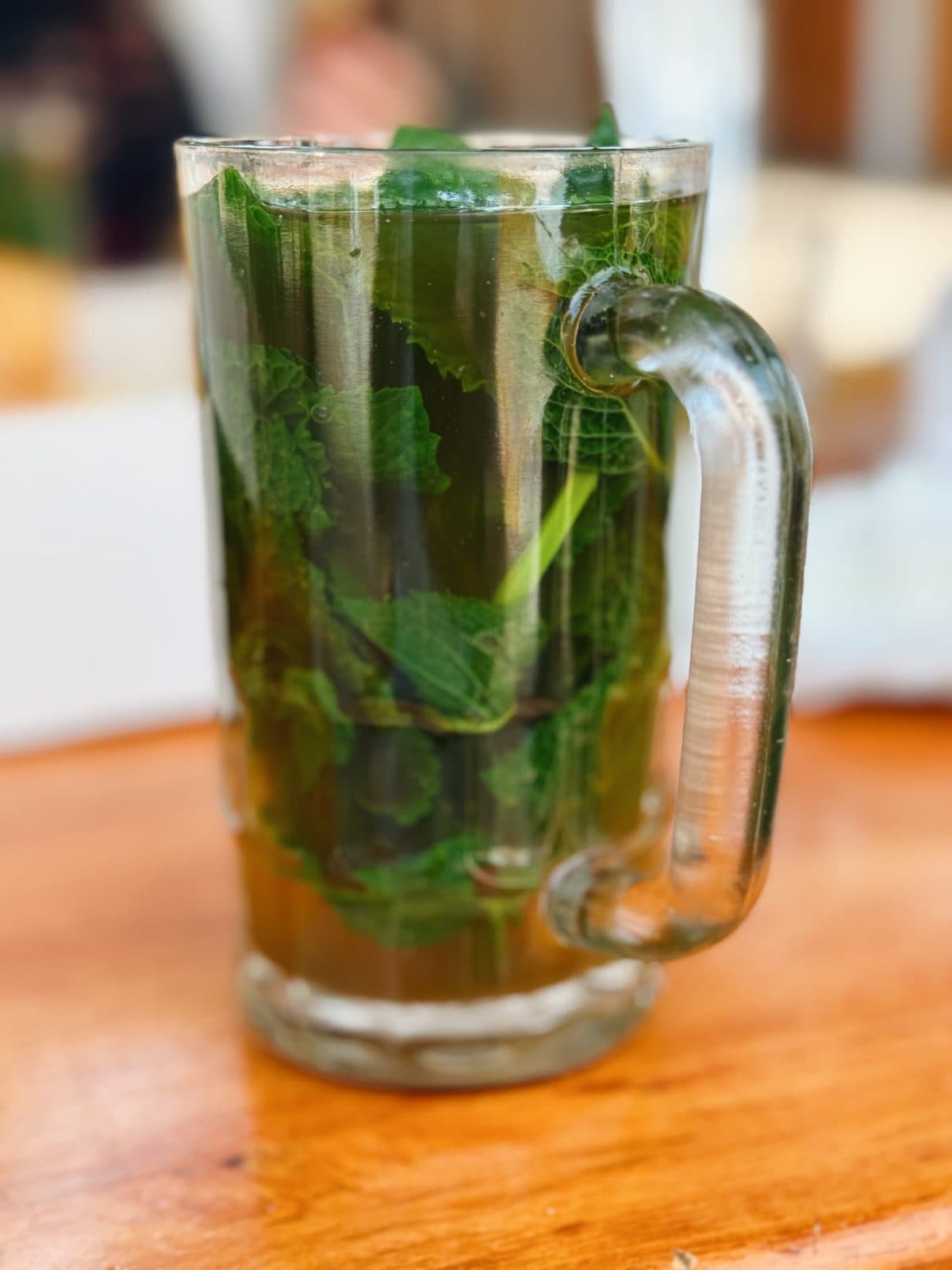
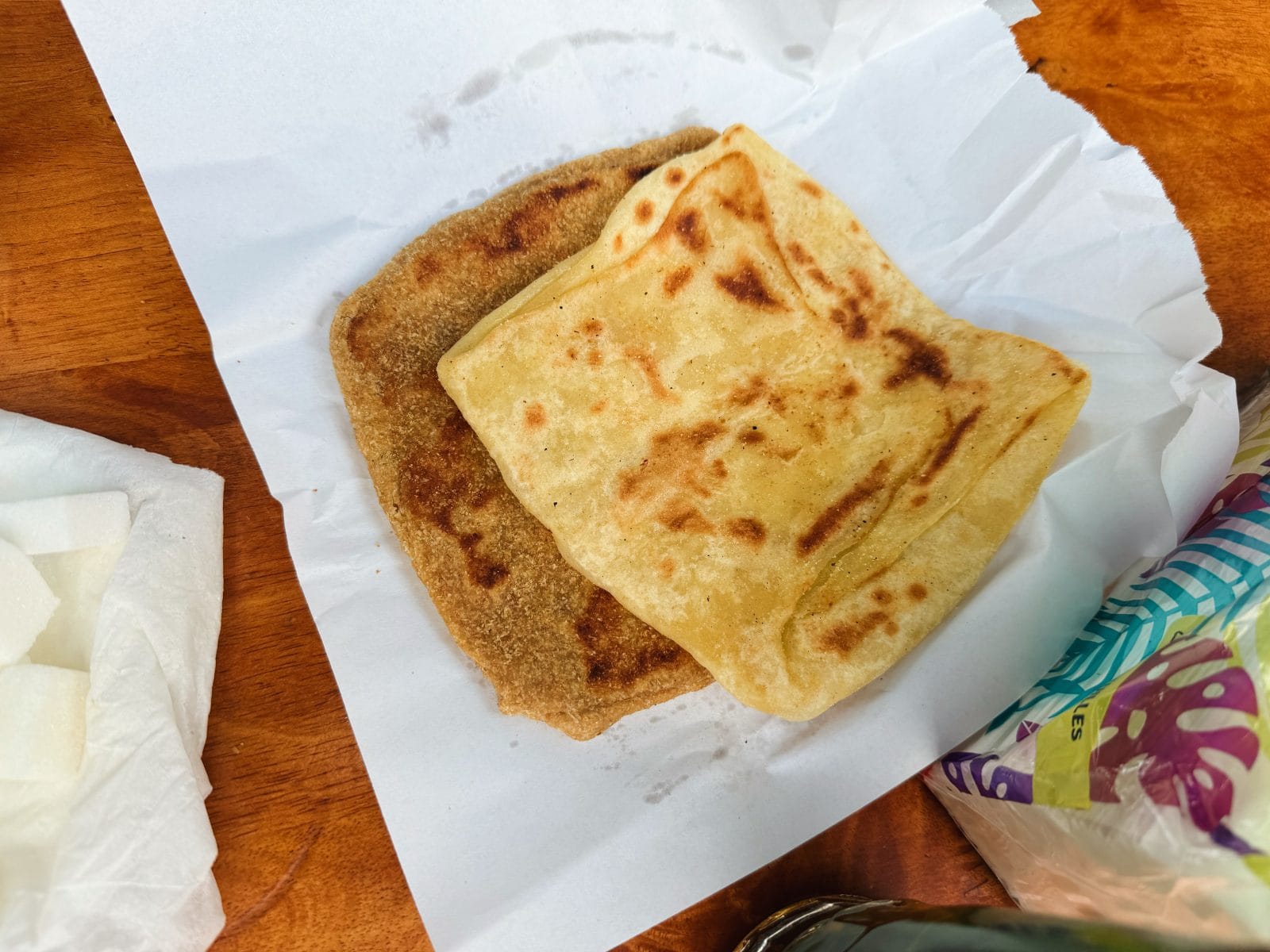
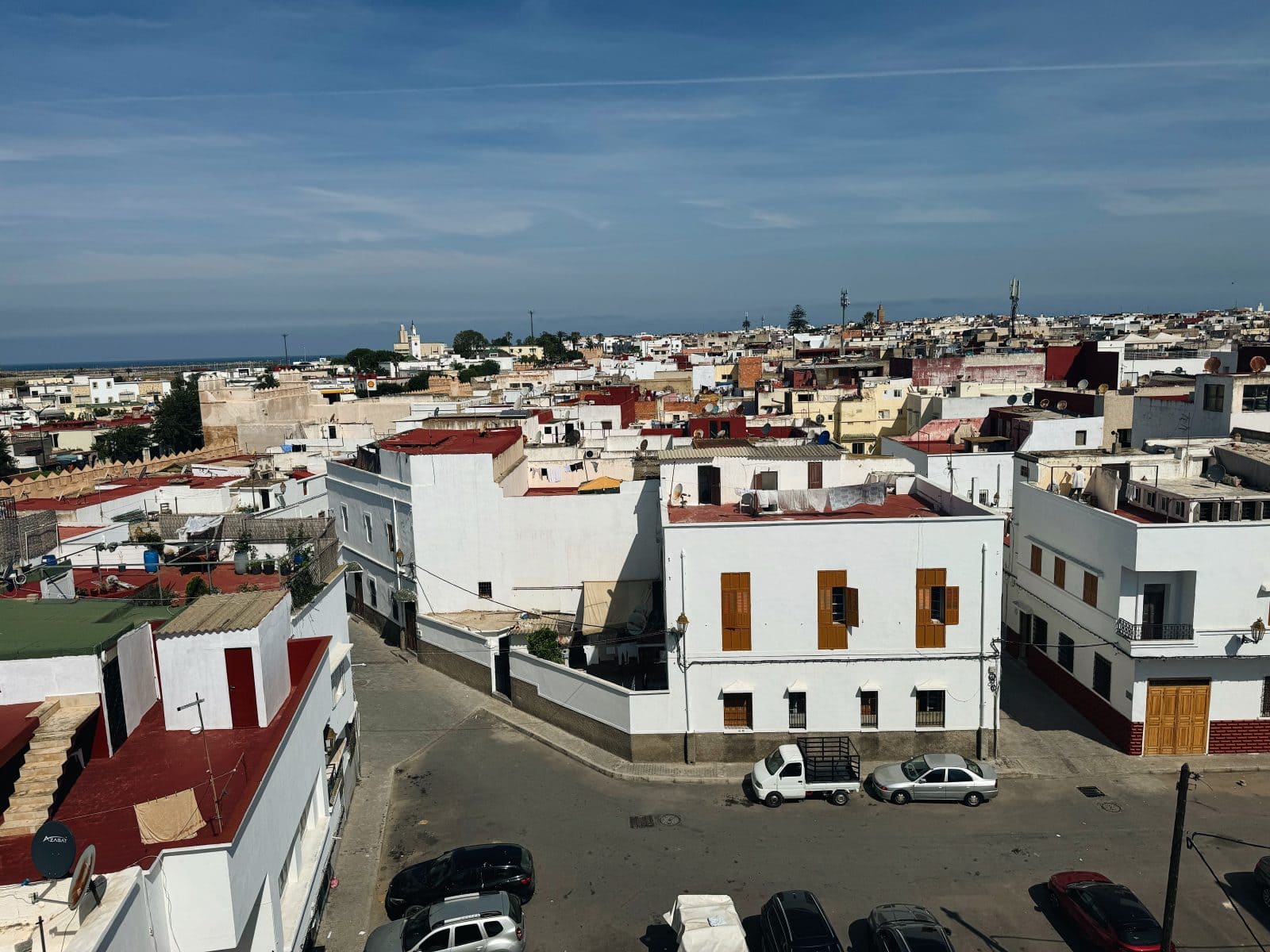
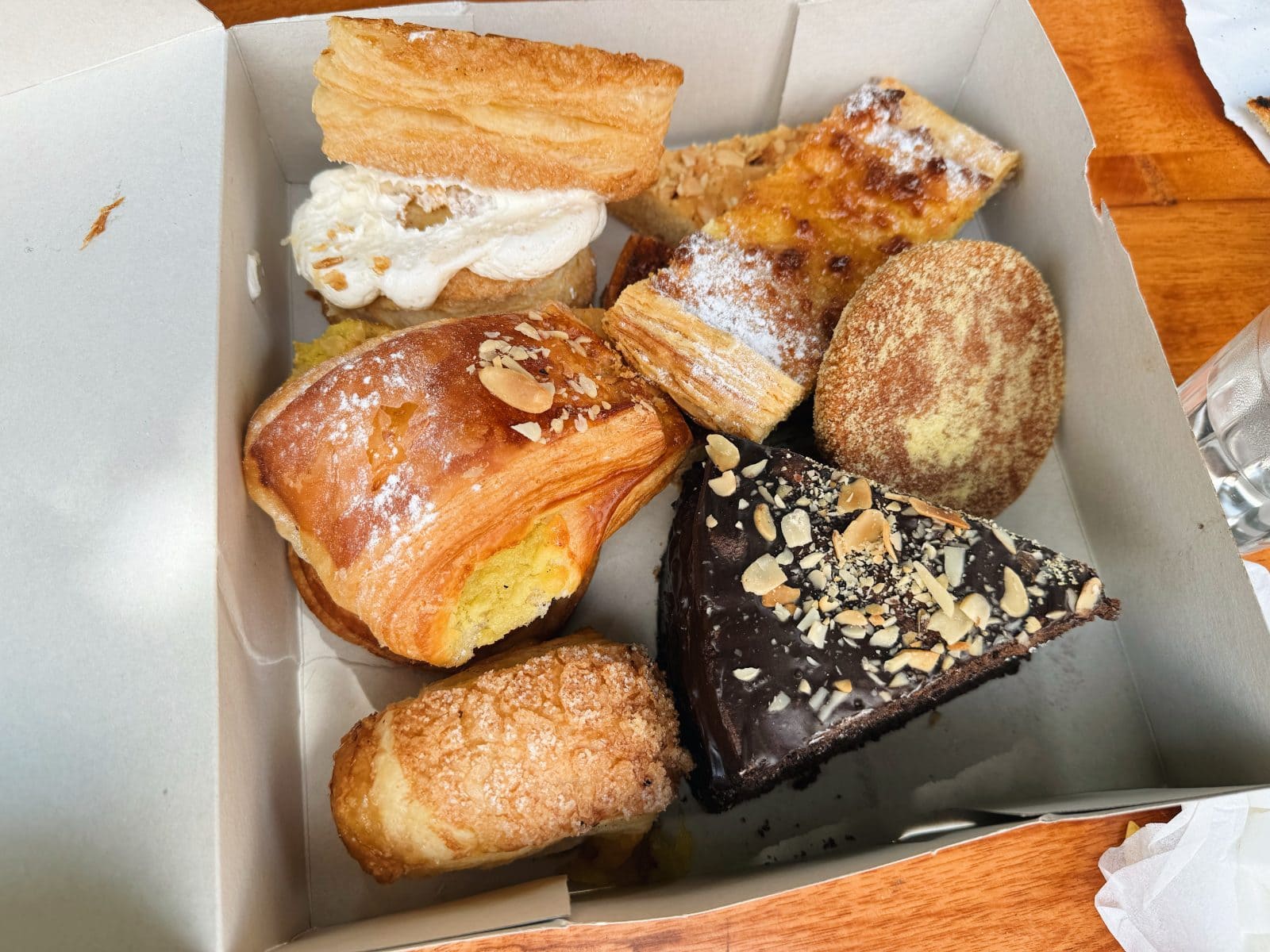
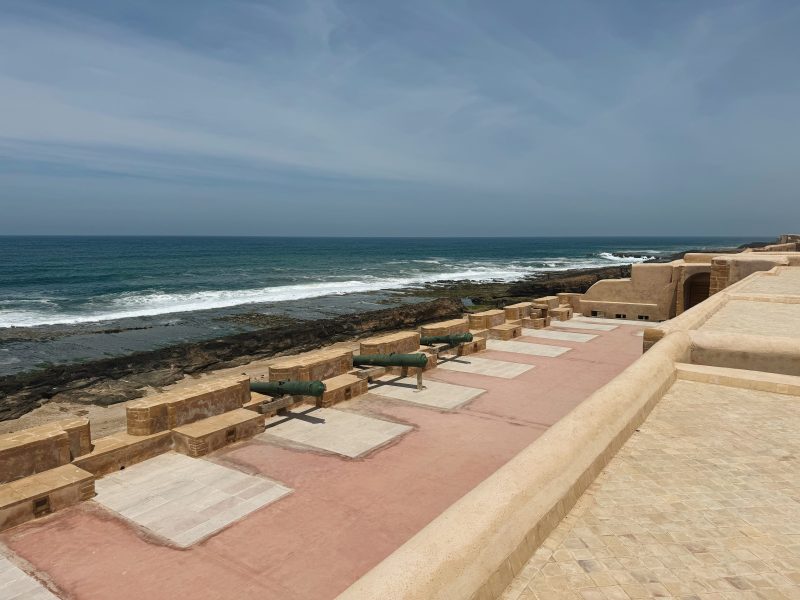
We’d scheduled a visit to Salé, a coastal town that boasts of its piratical history and its spectacular medina. By now, the main part of the city is a suburb of Rabat (the capital, itself quite suburban despite its long soaring skyscraper, the highest in North Africa and no doubt a symbol of ambition and intent, but nevertheless disturbingly out of place.) But Salé’s medina is nearly a thousand years old, beautifully maintained, and to some extent restored. (We were lucky enough to book the architect who’s been responsible for most of that work as a tour guide.) It’s delightful, much brighter than most, in large part because it is on the sea, with extensive ramparts replete with cannon, embrasures, and even prisons (the exterior walls of Salé are often two feet thick). There is sun even in the deepest parts of town, and the central square is more piazza-like than anything we’d seen. We sat and drank the requisite mint tea while eating a variety of breads and pastries. (We skipped lunch.)
The next day “our” house had water and electrical issues so, as Kathleen toured Rabat, I stayed and dealt with those, which basically meant watching workmen do things I didn’t understand, while catching up on a few work things and making dinner. (And, yes, napping.)
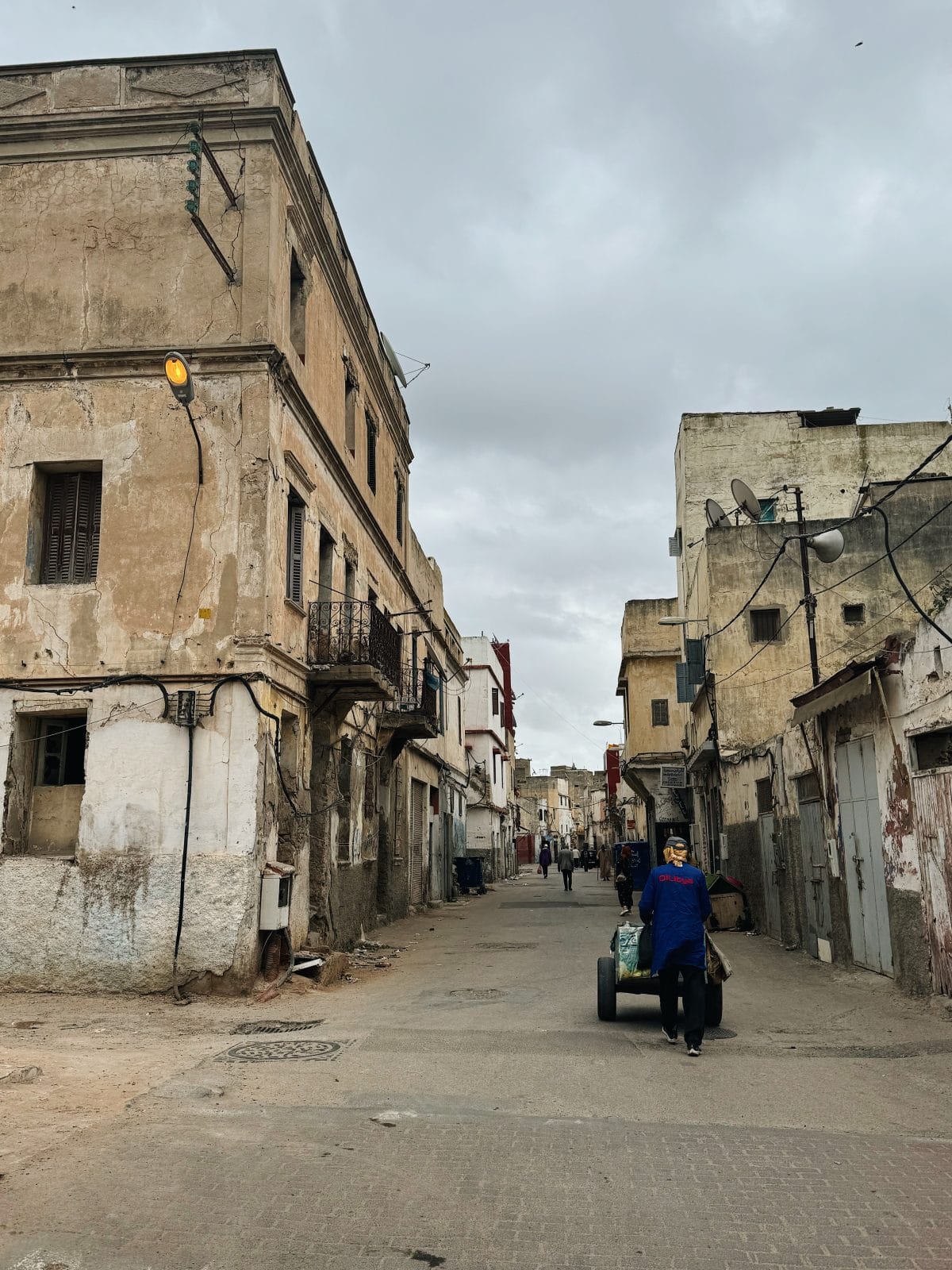
On our last full day we visited Casa, which almost everyone who knows anything about Morocco seems to warn against. Some of those people just don’t like big, dirty cities; I get that. Others don’t like squalor; check. Others want world-class museums and entertainment; here, Casa falls short. But we were there, and it’s Casablanca. So we went.
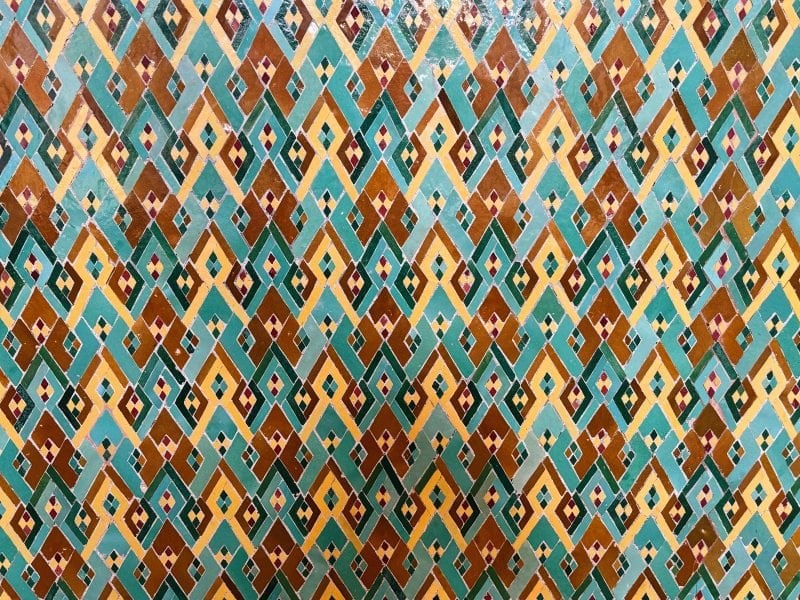
The Hassan II mosque, only 30 years old, needs another two hundred years before it will be as much fun to visit as many of the schools, mosques, and other old structures we’d seen in the previous three weeks, even in the previous days. (The old school and mosque in Salé are as good as it gets.)
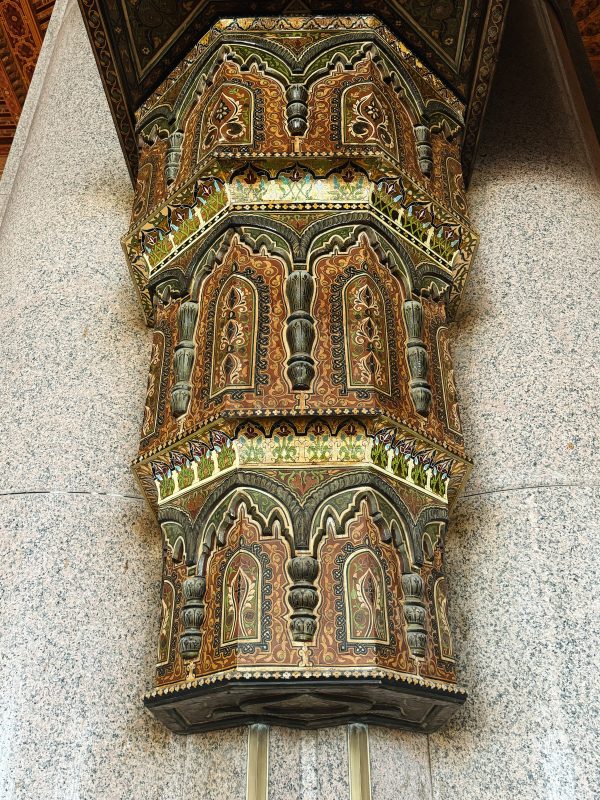
Nevertheless, it’s impressive. And after viewing that, we walked through a couple of souks, including one that specialized in fish, and featured a seemingly infinite number of fried fish vendors. We settled on the one that looked best, asked for a just-fried assortment (two bucks, if you can believe that), and happily walked down the (admittedly fairly run-down and largely unattractive) streets munching on squid, skate, and some finfish or other, perfectly salted and lemoned.
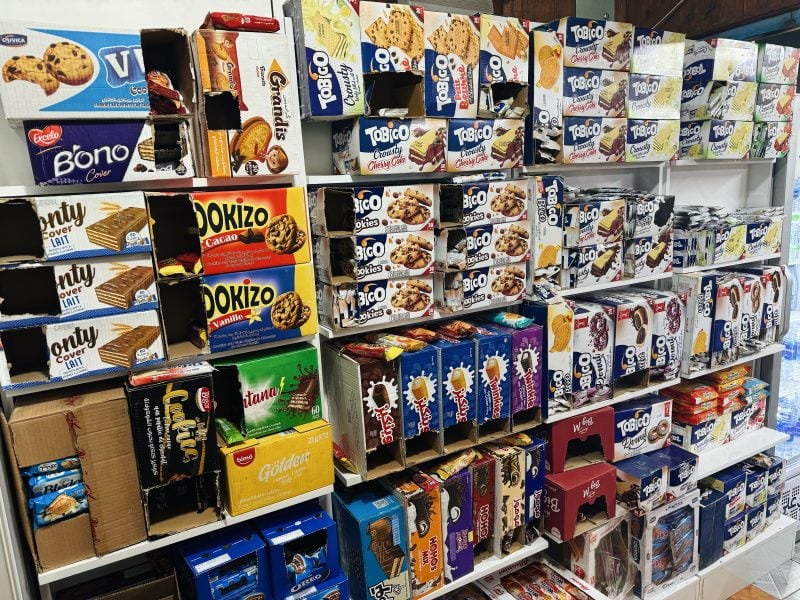
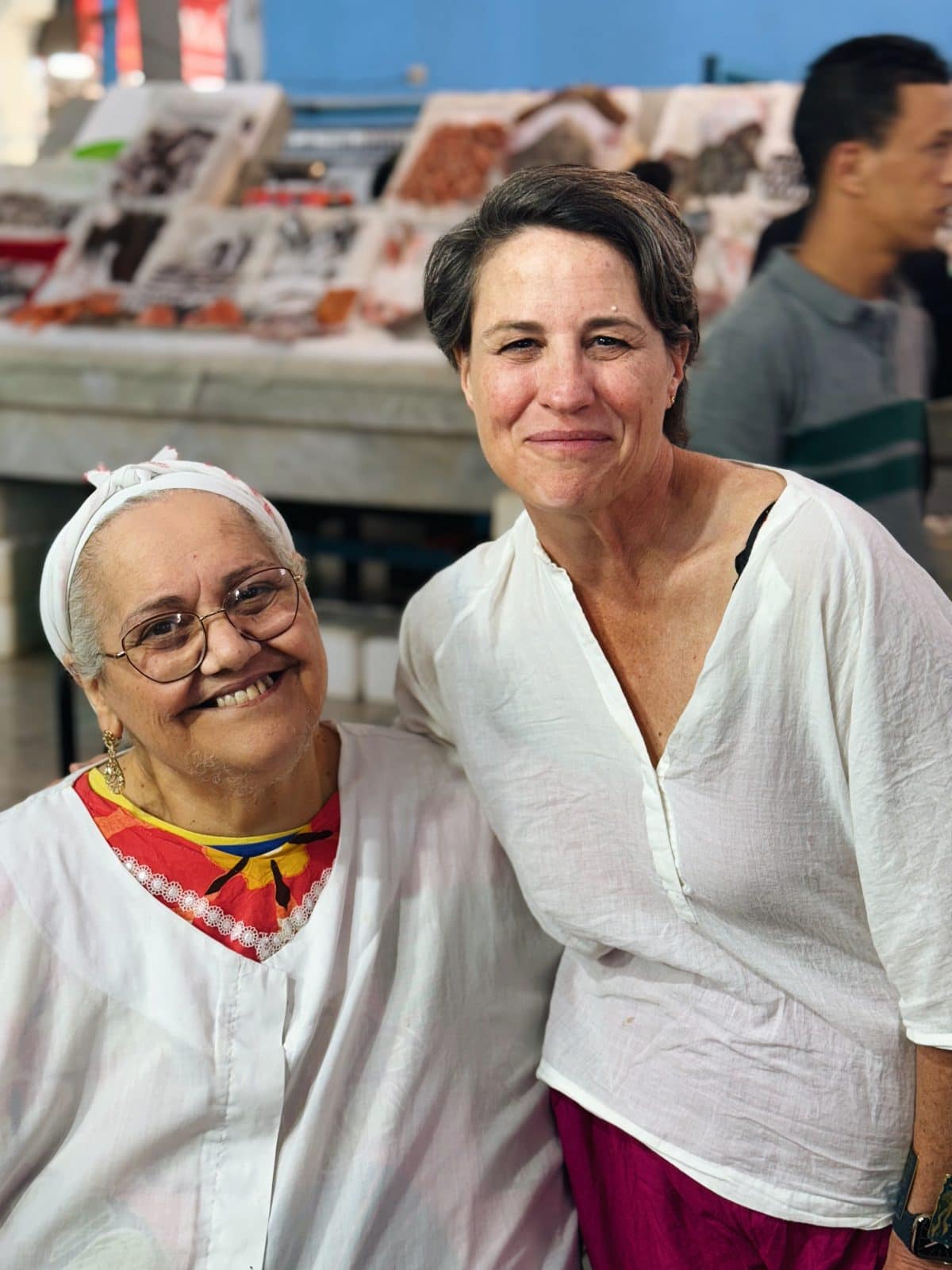
Our destination was the central market and, after walking a mile or so through an unspectacular but nice-enough middle-of-town (it’s no less attractive than 90 percent of American cities), we arrived there. It is, like many central markets, a big, square, partially open building, focusing on food. Not that we were especially hungry, but we downed a few oysters hawked by a friendly, seated woman (and opened by someone to whom she barked orders in a fierce voice), and then settled into a sunny lunch of lobster, razor clams, and percebes (gooseneck barnacles) and a few Moroccan salads, after which we headed “home,” where once again we’d skip dinner.
Sigh. I’m not done writing about this trip or my thoughts or experiences about it, but I guess I am finished reporting on daily activities and that makes me a little sad. I write this while sitting on the train that takes me to my hometown (which I also consider, with some exceptions, a pretty unattractive city), where I’m trying to regain my normal rhythm. We’ve been home two weeks, and it hasn’t quite happened yet. But I’ll write about that too.
Until then, thank you for joining us!
Comment