

Question Mark: What have you been cooking?
Pasta in Tomato Sauce
The last of my fresh summer tomatoes.
The Beet (Still) Goes On…
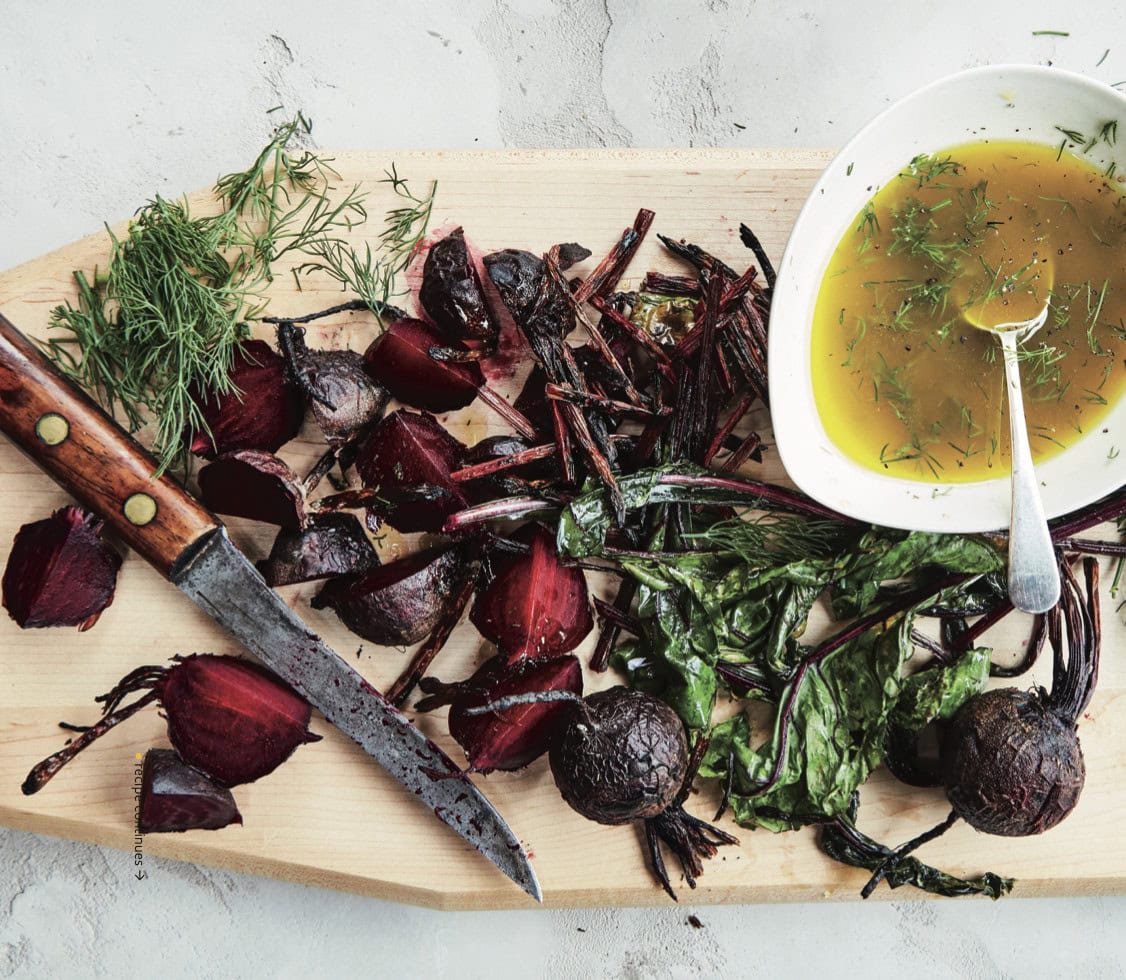
Did you read about my favorite way to cook beets? My friend David Latt responded with his method, “beets cooked more minimalist than the Minimalist”:
My mom peeled and boiled beets. Mark bakes them wrapped in aluminum foil. My suggestion is even easier.
Do nothing. No water. No wrapped in foil. Let the beets speak for themselves.
Preheat the oven to 450°F. Place the beet (I prefer large beets), washed and trimmed of its greens (which are delicious chopped and sautéed with seasoned olive oil), into the hot oven on a small roasting pan or on a piece of aluminum foil.
Turn every 30 minutes until a paring knife inserted into the beet goes in easily. Allow to cool. Peel. (For an earthy flavor treat, finely chop the beet skin and add to salads.)
The flesh of the beet will cook in its own juices and the skin will slightly dry out. The result is a very tender, sweet beet, perfect in salads or as a side dish.
Refrigerate and serve sliced or diced with feta and olives with a drizzle of olive oil and a sprinkle of sea salt and freshly ground pepper.
Question Mark: What Have You Been Reading?
The Extraordinary Science of Addictive Junk Food
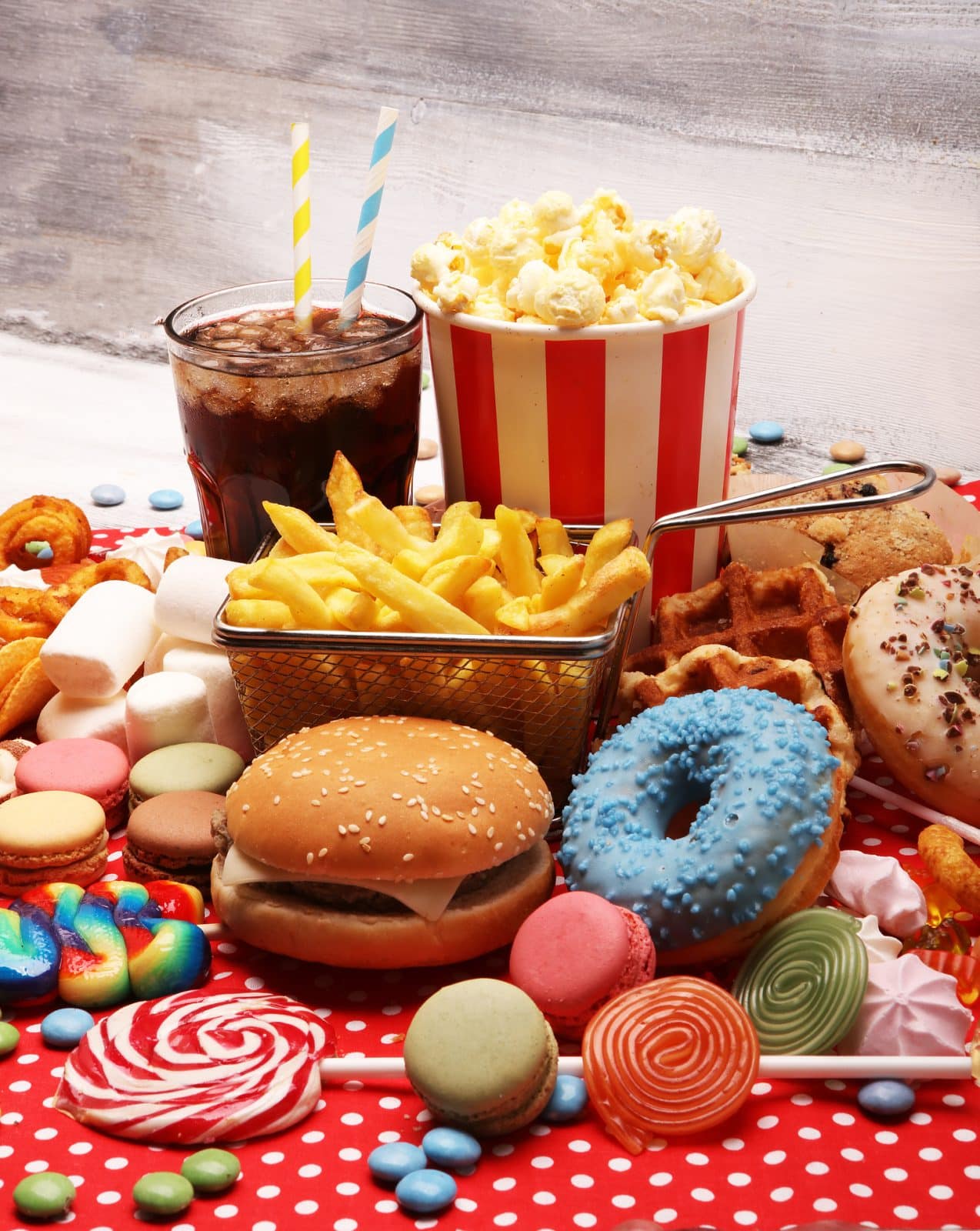
This seminal piece by Michael Moss about junk food and how it’s engineered, from more than ten years ago — “cheese food!” Lunchables! Cherry Vanilla Dr. Pepper! Chili-Cheese-flavored Fritos! — remains incredibly relevant and prescient. (And fascinating.)
Question Mark: What are you excited about?
The National Food Museum
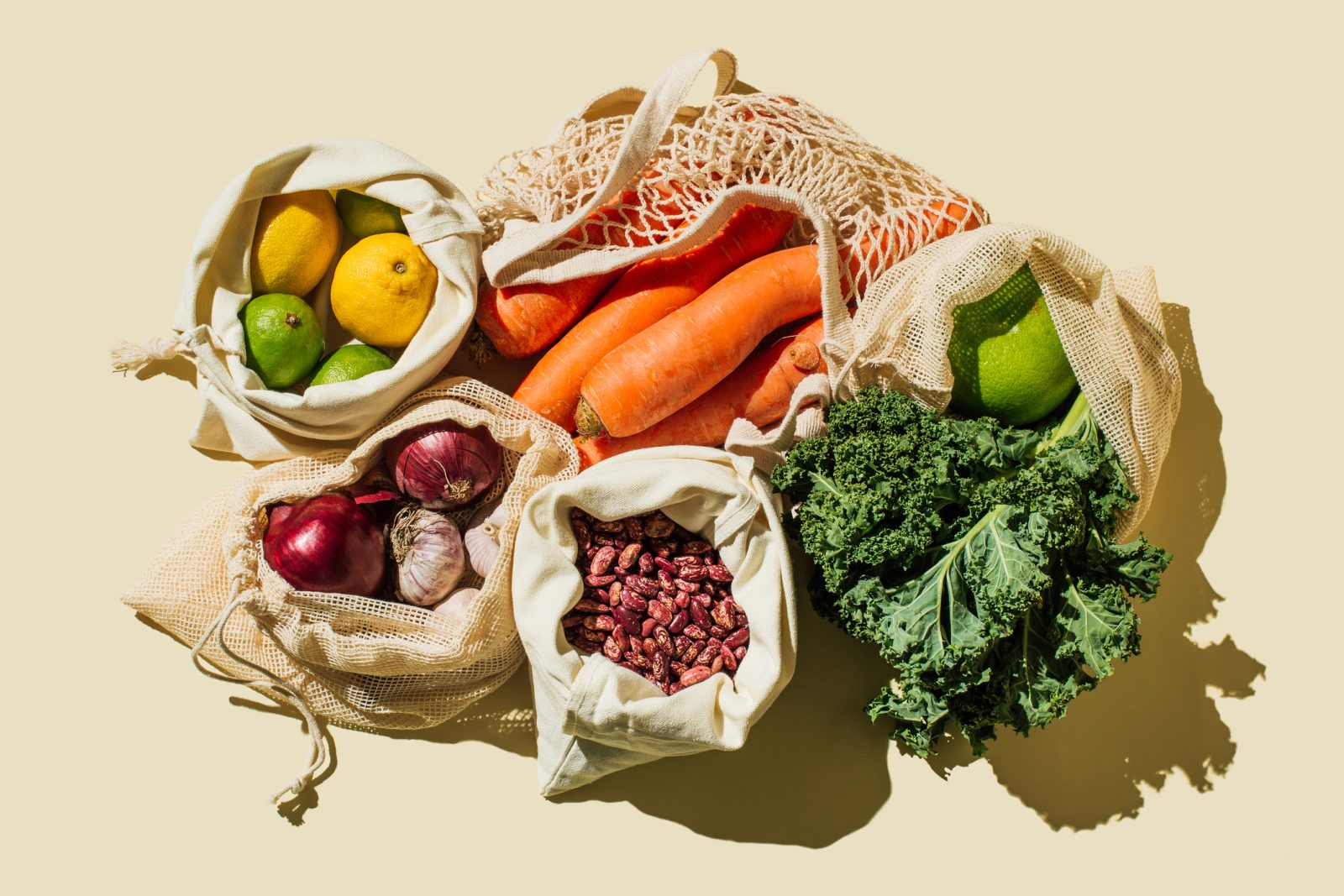
Last September, I talked to Michael Jacobson, one of the pioneers of food activism, on Food with Mark Bittman. We talked about what (the collective) we can learn about food and change from past decades, why the federal government won’t give big support to small farms—and a museum that explores food in all its dimensions. (It’s actually one of our best performing episodes — give it a listen.) Happily, this museum, the National Food Museum, continues to move forward in its progress, and Michael recently received a $50,000 matching grant from a supporter. If you’d like to help him take advantage of this gift, you can donate here to help bring the museum to life.
Having a museum that focuses on educating youth (and adults) on food issues couldn’t be more timely and valuable. Consider these recent news stories: Boar’s Head deli meats contaminated with Listeria bacteria have killed at least nine people, while a Salmonella outbreak linked to cucumbers sickened at least 550 people; the USDA found antibiotic residues in about one out of five cows “raised without antibiotics”; sewage sludge is contaminating about one-fifth of America’s farmland with “forever chemicals” (PFAS).
(There’s good news, too, though: The evidence gets ever stronger that more-plant-based diets are healthier than the typical diet and they result in lower greenhouse gas emissions.)
The National Food Museum will be a celebration of food in all its dimensions (and you know how much I love that.) Visitors will leave the museum with a deeper understanding of food and everything connected to it.
Comment