Articles

Filters

Sort by date

Author

Viewing

Do You Hide Food?

I hide food. Not just from Nick, but also from Holden. (Who, let’s be clear, is ten.) I know that this is some weird childhood shit. My sister and I have both had bizarre issues when it comes to “our stuff” since we were little. Here’s how it plays out.

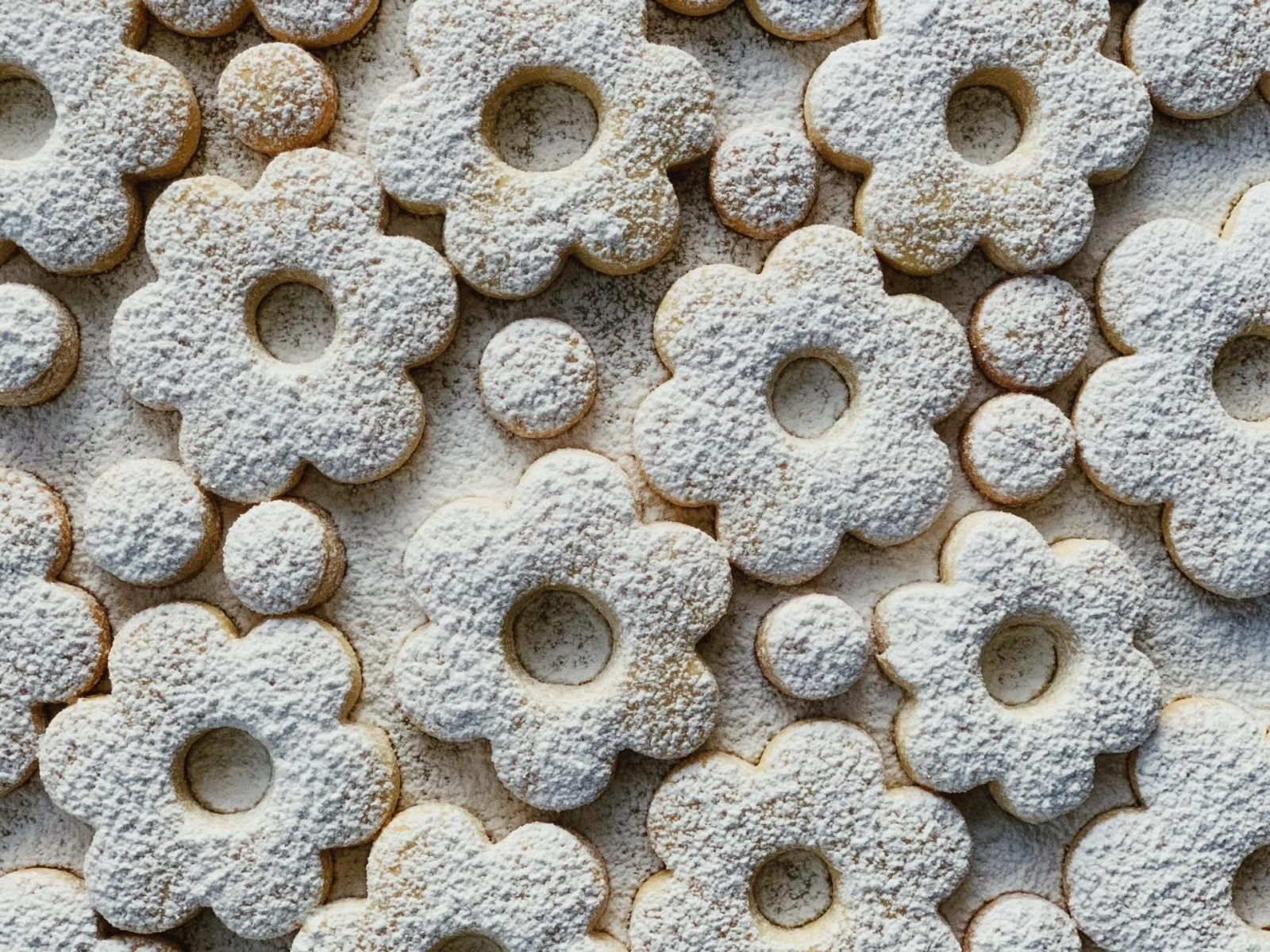
Taking a Tour Through Italy’s Cookie Towns

Food writer and recipe developer ​— and author of Italian Cookies — Domenica Marchetti​ talks to Kate about how cookies in Italy are just as regional as the wine and food, the best places to source Italian ingredients, and some of her favorite things to eat and bake.

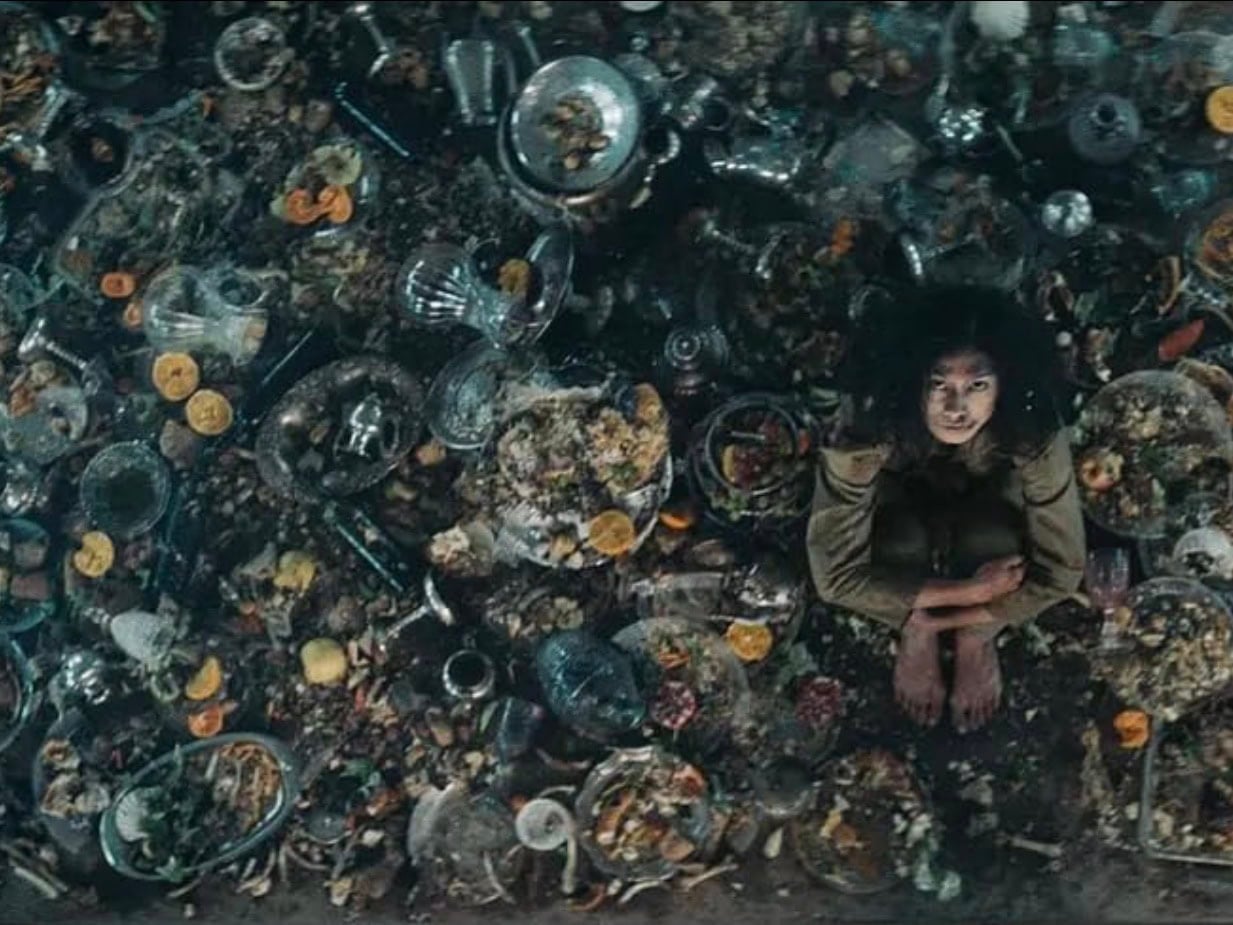
When You Hear the Term ‘Food Movie,’ What Comes to Mind?

Over the past couple of weeks, I’ve asked several food-and-film loving friends this question and their answers are remarkably similar: Big Night, Babette’s Feast, Eat Drink Man Woman, Chocolat. These answers aren’t wrong; all are excellent films with great food! But why is the short list so short? There are dozens, hundreds of other movies that teem with, even center around, food.

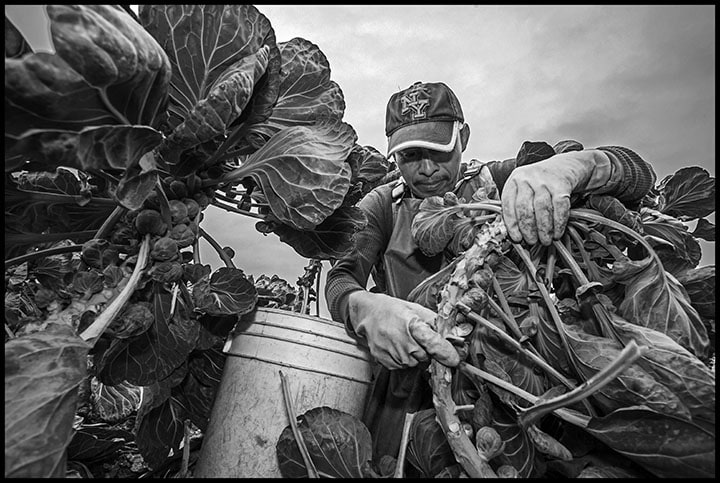
Picking the Colonizers’ Vegetable

The California coast, from Davenport south through Santa Cruz, Watsonville, and Castroville, is Brussels sprouts country, and the vast majority of the people who harvest Brussels sprouts are Mexican. Most are migrants from the states of southern Mexico—immigrant workers who’ve crossed the border to labor in these fields. Their experience defies common preconceptions about immigrants.

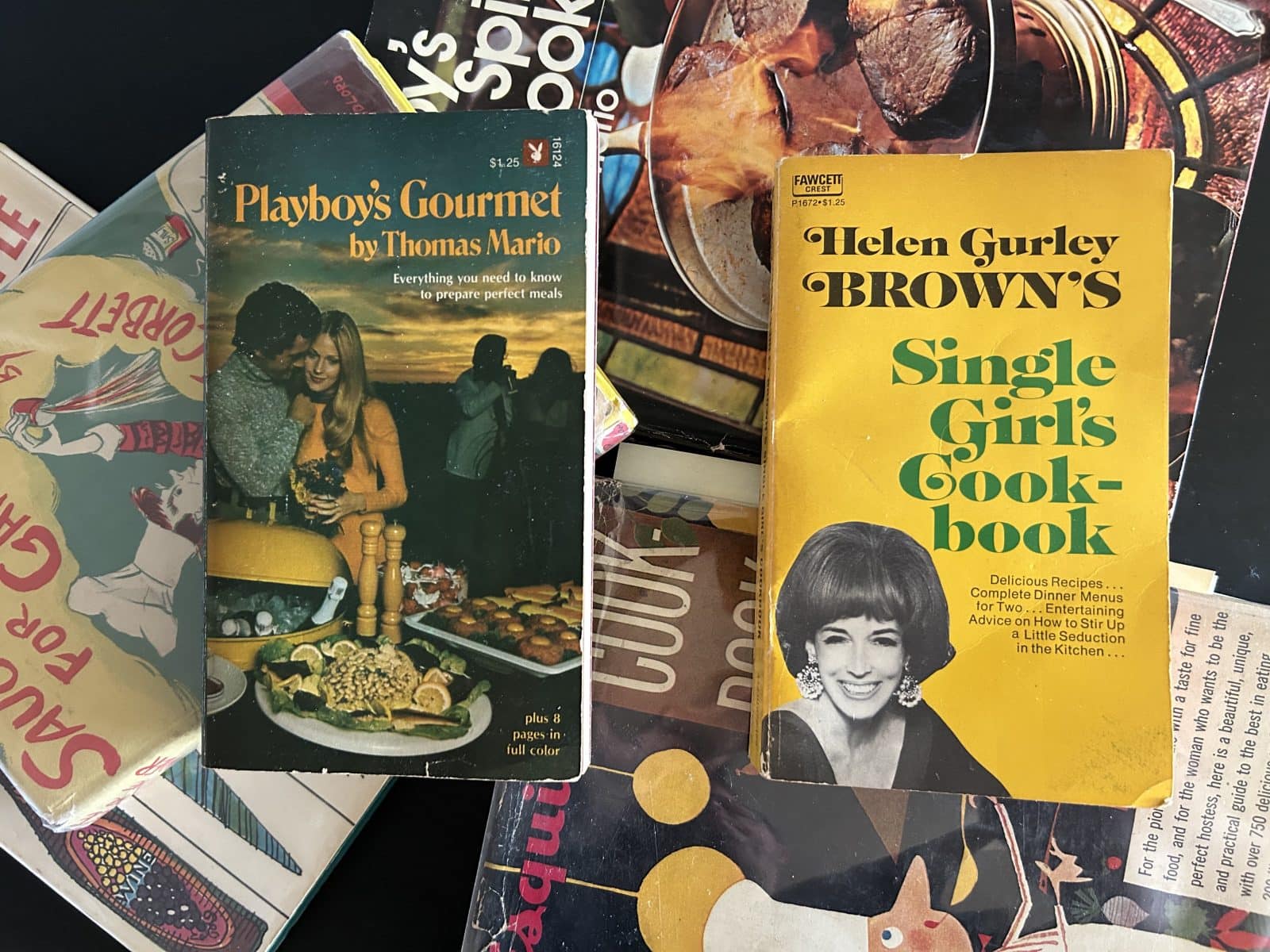
Seduction, via a Cookbook

Digging into some old gems, both serious (!!) and playful: it’s easy to roast them, but the truth is, they’re mesmerizing. Whereas many old cookbooks might help you get a grasp on what people ate during a specific era, these two show us something different: what the gatekeepers believed we should want to eat.

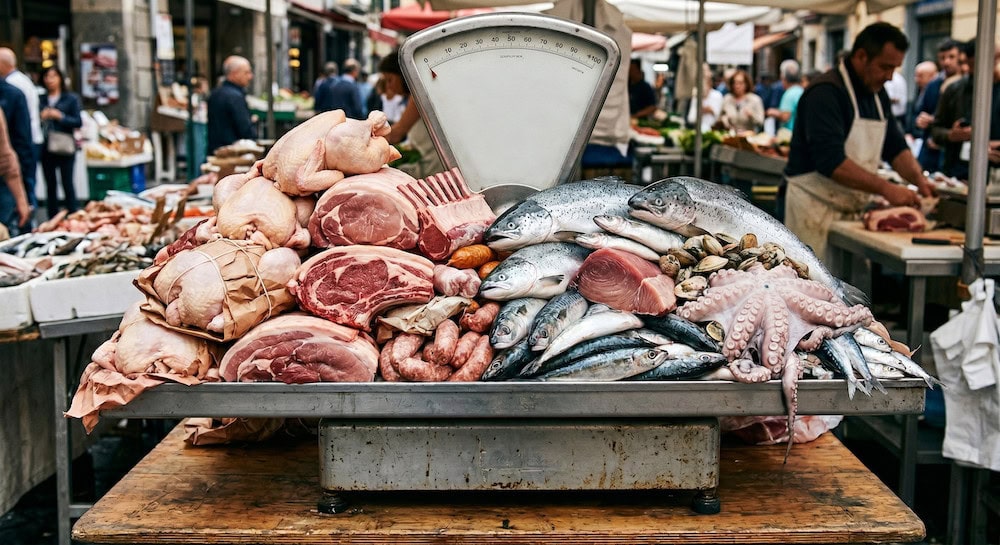
The Protein Myth

For decades we’ve been encouraged to eat way more protein than we need—and we’re eating more every year. As a result, each American eats on average almost 800 pounds of protein-heavy animal products a year, or as much as 6 ounces of pure protein. And that provides way more protein than we need, perhaps twice or even three times as much.

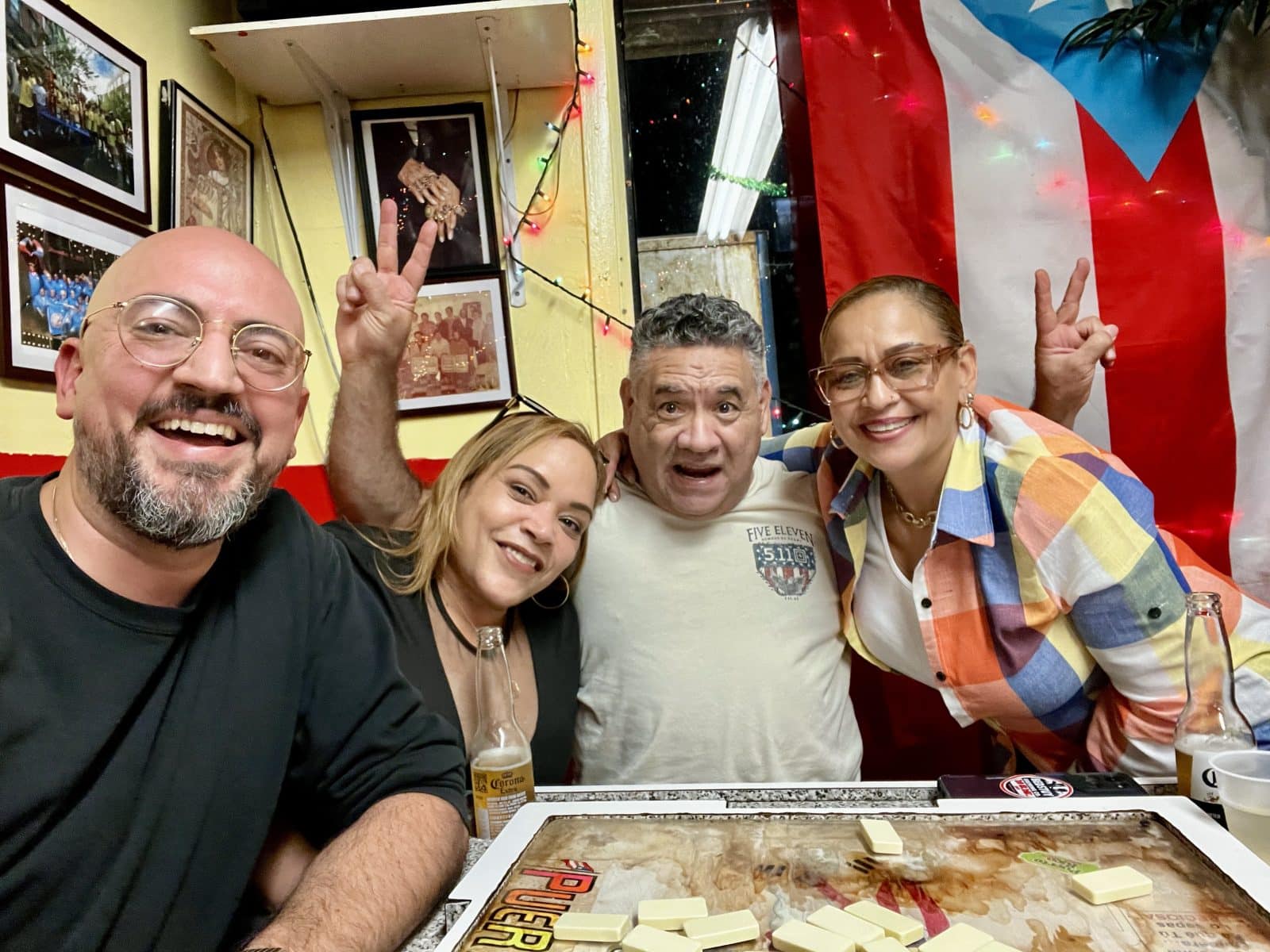
I Found Hope in an Unexpected Place

Over the past year, I visited or reported on bars that have been operating as de facto social clubs for fifty years or more, where people, young and old, cool and uncool, still come together to eat and drink, jovially, under ancient, well-preserved rules of engagement. 

A Q&A with Mark and Kate

We’re interrupting our regular Friday programming to share a Q&A that Mark and Kate did with the writer and chef ​Aliza J. Sokolow​, who has been ​a guest on Food with Mark Bittman​ a couple of times and has become a pal of Kate’s.

Why Cooking Is the Best: Part Nine

Cooking has to become hip. It has to become just as much fun, just as prestigious, just as much a part of the culture as watching others cook. This does not seem so far-fetched to me, and, indeed, is happening in neighborhoods and among friends and families all over the country. When it happens among 20 million or 50 million of us, it will become a super-trend; whether this will take ten years or fifty, I don’t know, but I’m quite certain it’s the future.

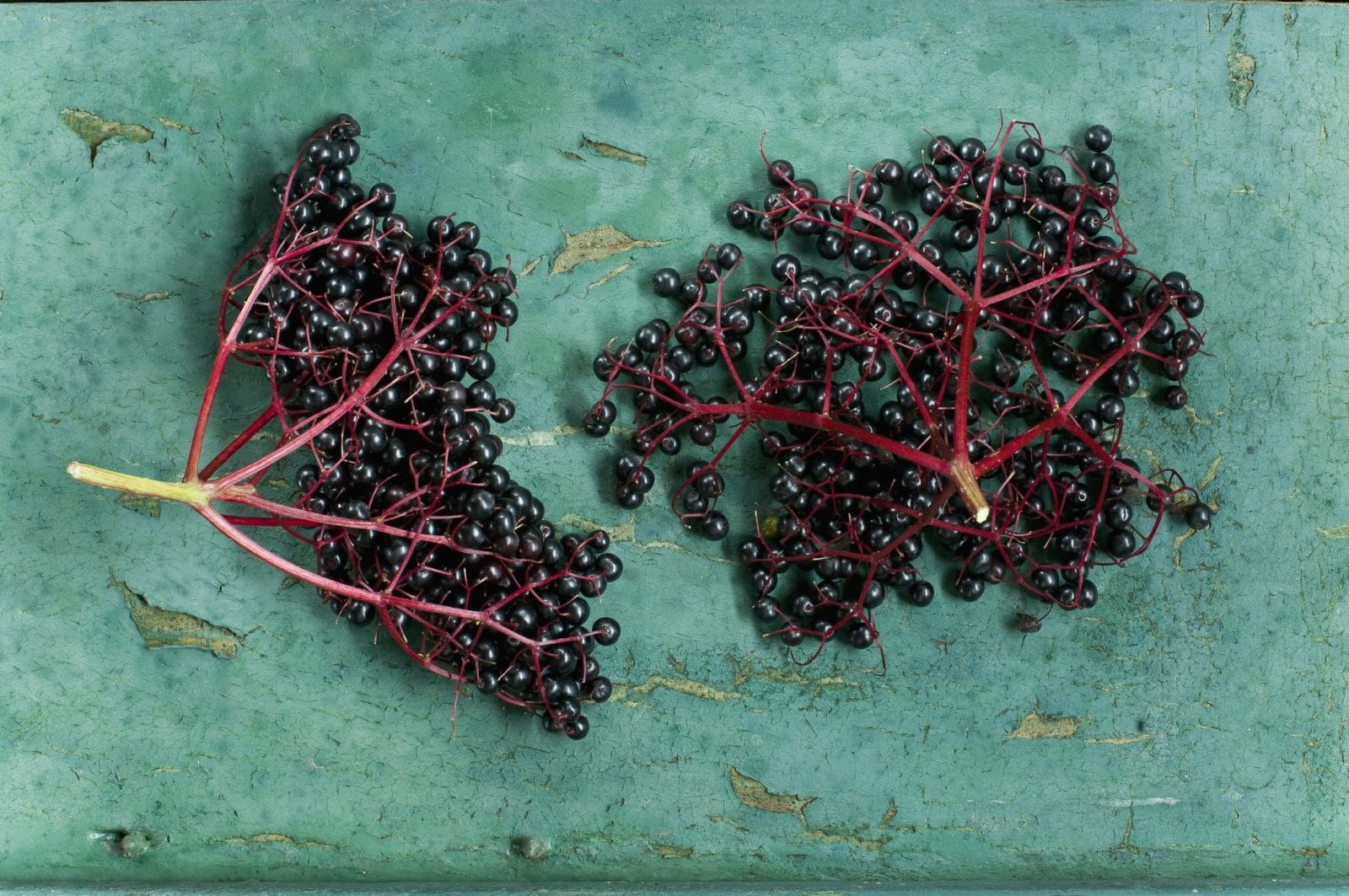
Here’s Exactly Why You Should Care About Perennial Foods

Perennials, roughly speaking, are plants that live for more than one year. You might have even eaten some perennial foods today: Tree nuts and tree fruits are obvious ones, but grass-finished meat raised on perennial pasture might be a candidate for this designation as well. What these foods all have in common is that they come from farms where plants stay in the ground for multiple seasons. Which means their roots can go to work.

Why Cooking Is the Best: Part Eight

Cooking is a process, one that takes time and effort. It also requires energy. But much of that is human energy, the kind that doesn’t deplete the environment. Our monoculture-weighted food chain has become extremely efficient at consuming the kind of energy that does. As have we.

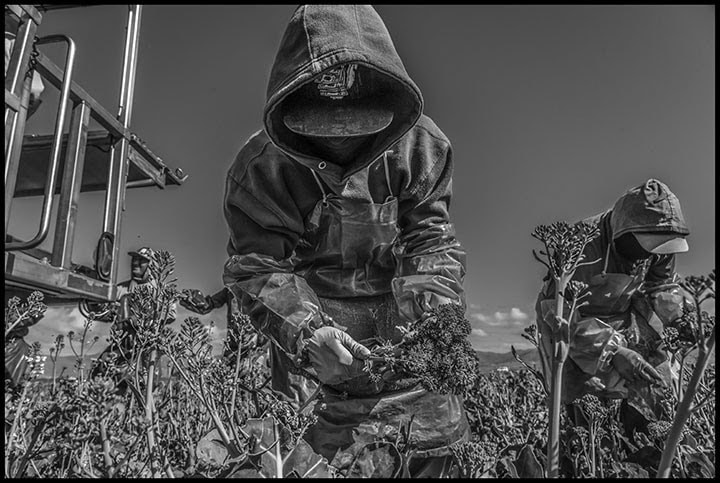
Consider the Broccolini—And the Farmworkers Who Harvest It

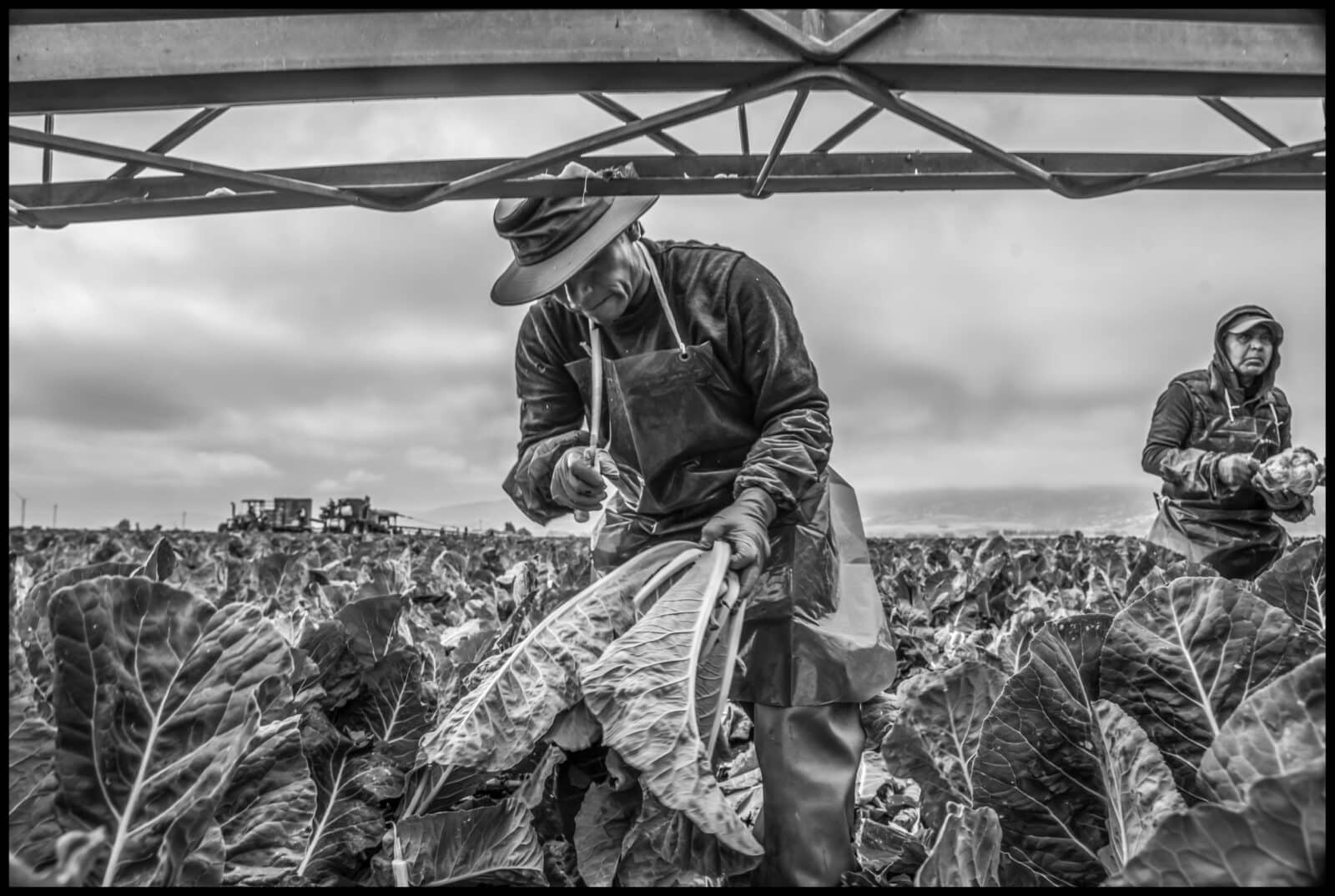
Few of us understand the human effort it takes to get broccolini onto our dinner tables—and farmworkers know this. So appreciating the taste of broccolini, somewhat sweeter than regular broccoli, should mean giving credit to them.

Why Cooking Is the Best: Part Seven

Cooking at home doesn’t mean relying exclusively on local ingredients. But it probably means relying more on local ingredients. It certainly means eating less processed junk, and that is where the environmental benefits of cooking become starkly evident.

Why Cooking Is the Best: Part Six

The problems caused by our current food system hide in plain view; the hurdle is awareness. It takes time, energy, and desire to get up to speed on contemporary food policy: But because food production and consumption overlap with virtually every major political issue facing our society, eating is like voting three times a day.

Why Cooking Is the Best: Part Five

Anyone who prepares meals and snacks as opposed to buying them is one less person fueling the industrialized food complex. Cooks choose a different food chain. Instead of trying to decipher the information on labels, cooks peek in cartons of eggs, thump melons, and squeeze tomatoes. Then they bring home what they think looks good and turn it into dinner.

Fathers, Sons, and the Death of a Family Farm

Ryan Dennis’s background uniquely suits him to write a book like Barn Gothic, which is both an ode to the family farm as well as a deeply intimate portrait of three generations laboring to be fathers and sons while their livelihood falls apart. Here’s an excerpt.

Why MLK Is Relevant to Today’s Food Industry

MLK saw that economic justice and mutuality were key to the changes he had preached, marched for, and written about. He had an unflinching analysis not only of capitalism, but also how essential workers could organize within the framework of American democracy to win better livelihoods for themselves, their communities, and their descendants. And his economic philosophy is even more relevant today.

The Play-By-Play: 2025

We’ve put together a recap for you of just a few of the foods and topics we experienced together this year—maybe you’ll find a podcast episode to listen to in these final days of 2025, maybe you’ll make some sweet potato fritters for New Years Eve, maybe you’ll finally understand just what the hell to do with your leftover frying oil. Maybe you’re not even checking email—good for you! We’ll see you next week. Happy New Year—we are so glad for another year spent with you.

Notes on Fancy Ships and Nepotism

The Bittman team hosted a special event and luncheon on a ship before it sailed off to parts unknown (just kidding, it was headed to the Caribbean). Thirty lucky Bittman Project subscribers joined us for a meal, plus a tour of the ship, tons of champagne, and a fireside chat between Kate and Mark—with lots of thoughtful audience questions.

Things We Like: A Few More Cookbooks, From Kate

Welcome to our biweekly roundup of our favorite things. We’ll only ever recommend things that we personally have tried and enjoyed. This week, Kate shares three cookbooks that she deems particularly giftworthy.