The Editors

Filters

Sort by date

Content Type

The Ever-Changing ‘Ideal’ Body Type — and What It Does to Us

Provisions, by the writer Amanda Held Opelt, is a memoir that’s centered around Appalachian foodways, but it’s also about the intricacies of family, the ties — racist, colonialist, familial, religious — that bind us, the immense pressure that a woman (and many women) puts on her body, and, most surprisingly to me, about a young person’s faith in God.

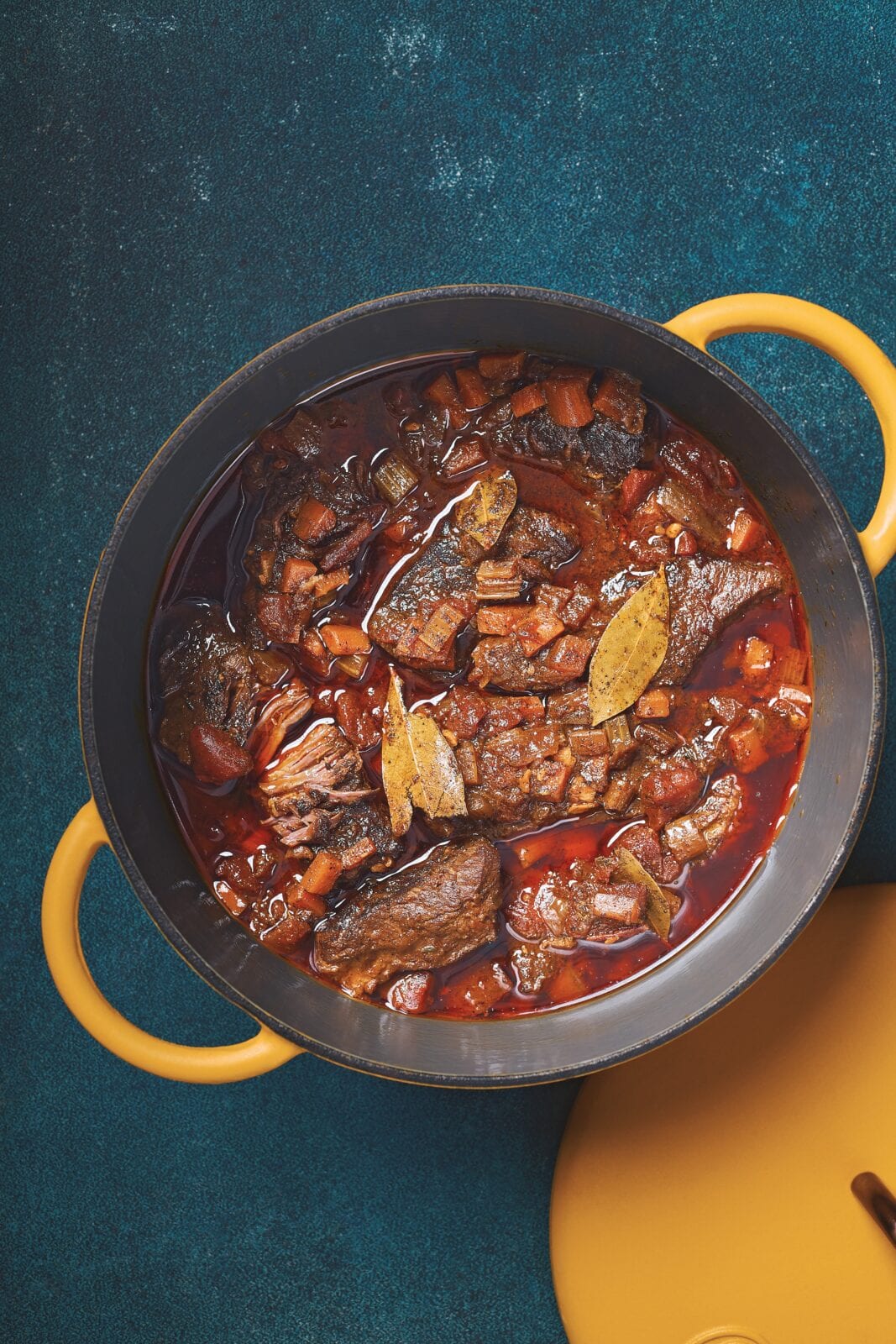
Guinness-Braised Short Ribs

Guinness stout has been in Jamaica for a long time—at least since the early 1800s—and was originally shipped there to satisfy the desires of Irish workers on the island. In the 1970s, Jamaican brewing company Desnoes & Geddes began to bottle and distribute Guinness Extra Foreign Stout under contract, guaranteeing both freshness and the character expected of a Guinness stout. It remains a favorite brew for many Jamaicans, partly because we believe that anything bitter is good for you, and partly because the high alcohol content gives good bang for the buck. It’s so good in these braised short ribs. – Andre Fowles

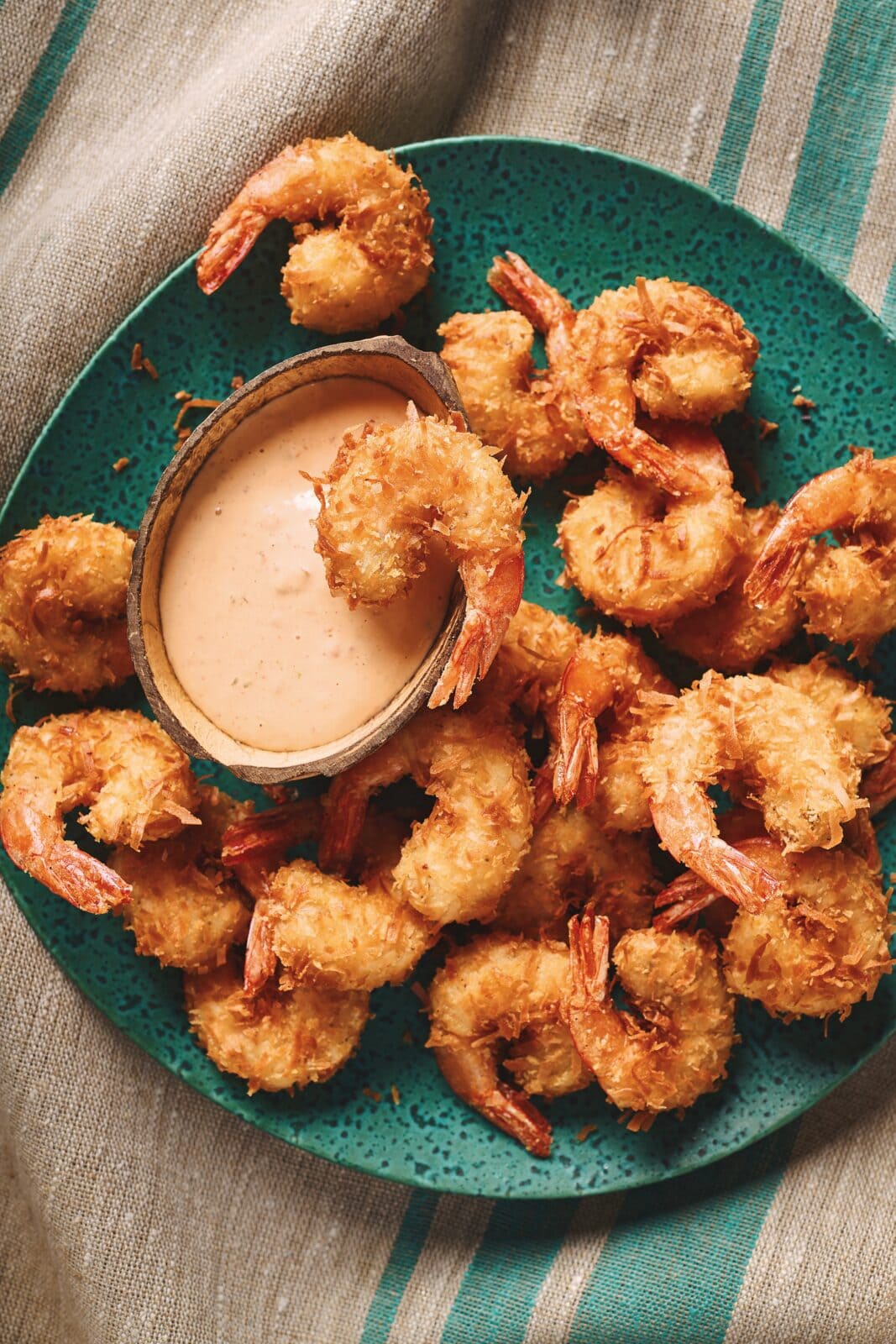
Crispy Coconut Shrimp with Spicy Chile-Lime Mayo

These deep-fried coconut shrimp are a perfect blend of crunchy, tender, sweet, and spicy. The texture of the shrimp is maintained by the golden layer of crispy coconut, but make sure you don’t overcook them (the tail will be slightly curled when fully cooked). The spicy chili-lime mayo and a squeeze of fresh lime juice are the icing on this cake. These bingeable coconut shrimp are easy to make and perfect for any occasion. Plus, they’ll make you look like a great cook! – Andre Fowles

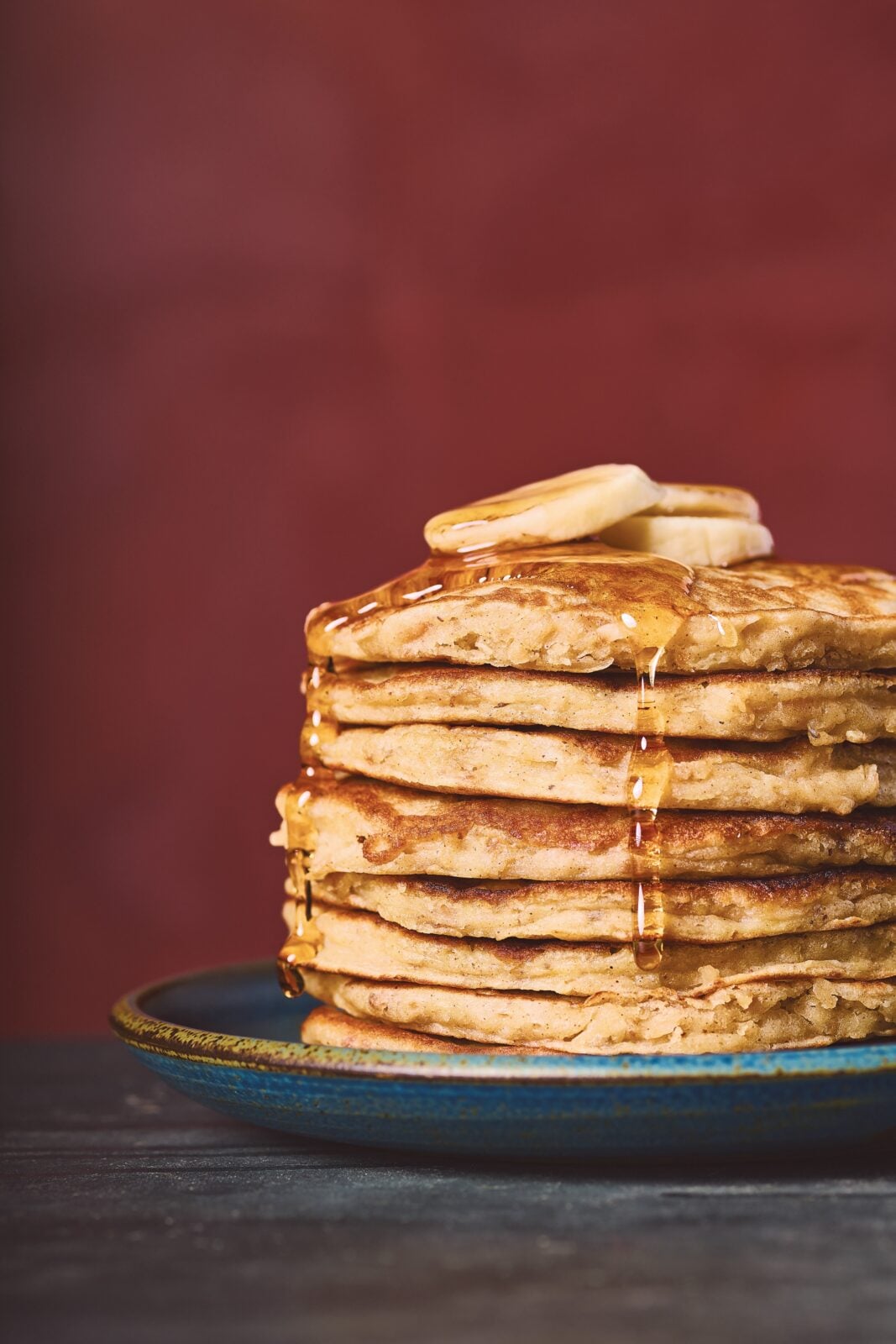
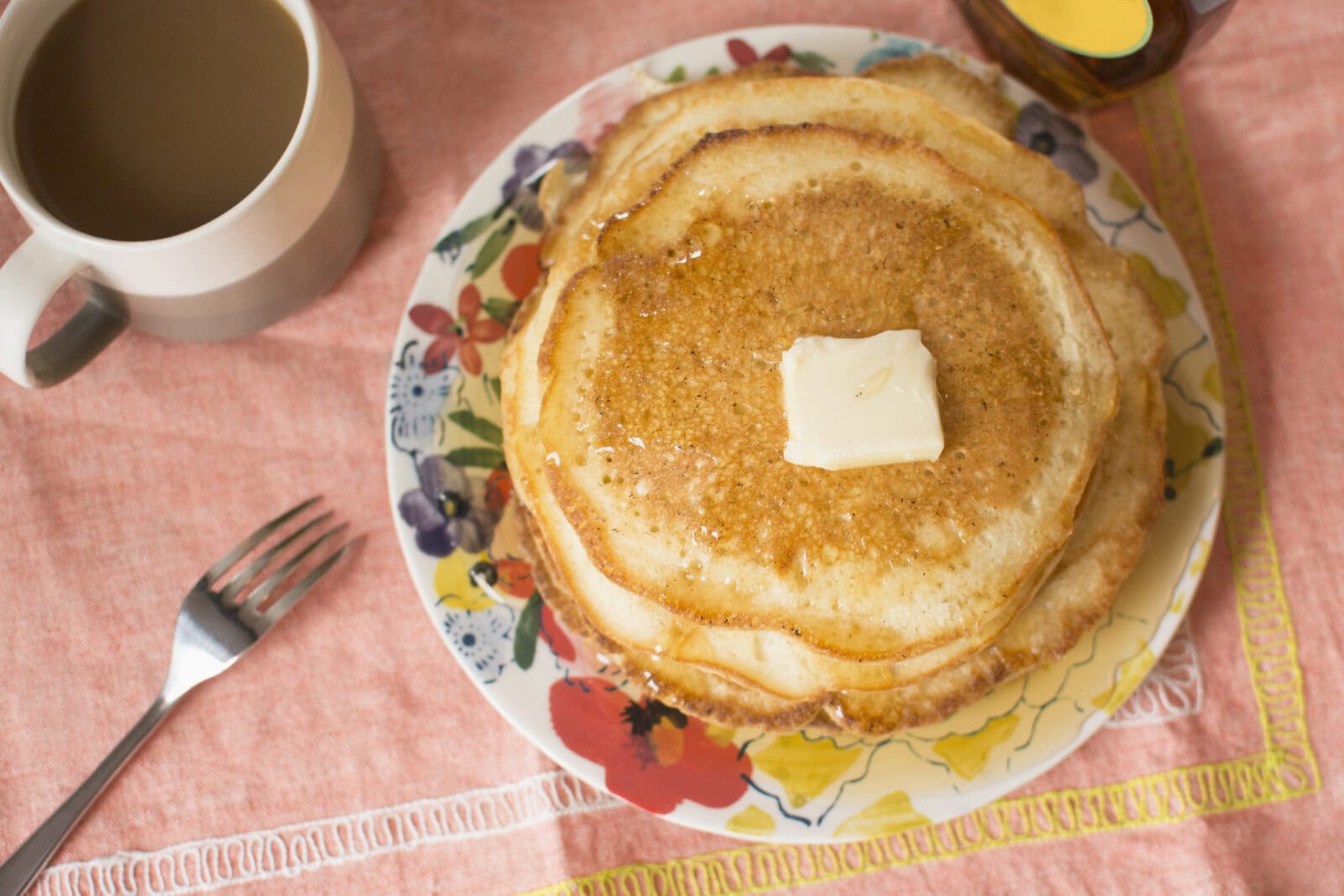
Coconut Banana Pancakes

You won’t find pancakes on a traditional Jamaican breakfast menu, but locals have developed quite a fondness for them. This recipe infuses island flavors into the classic American dish, perfectly blending the two cultures. Your kitchen will smell like the Caribbean with the scents of banana, vanilla, cinnamon, and nutmeg. – Andre Fowles

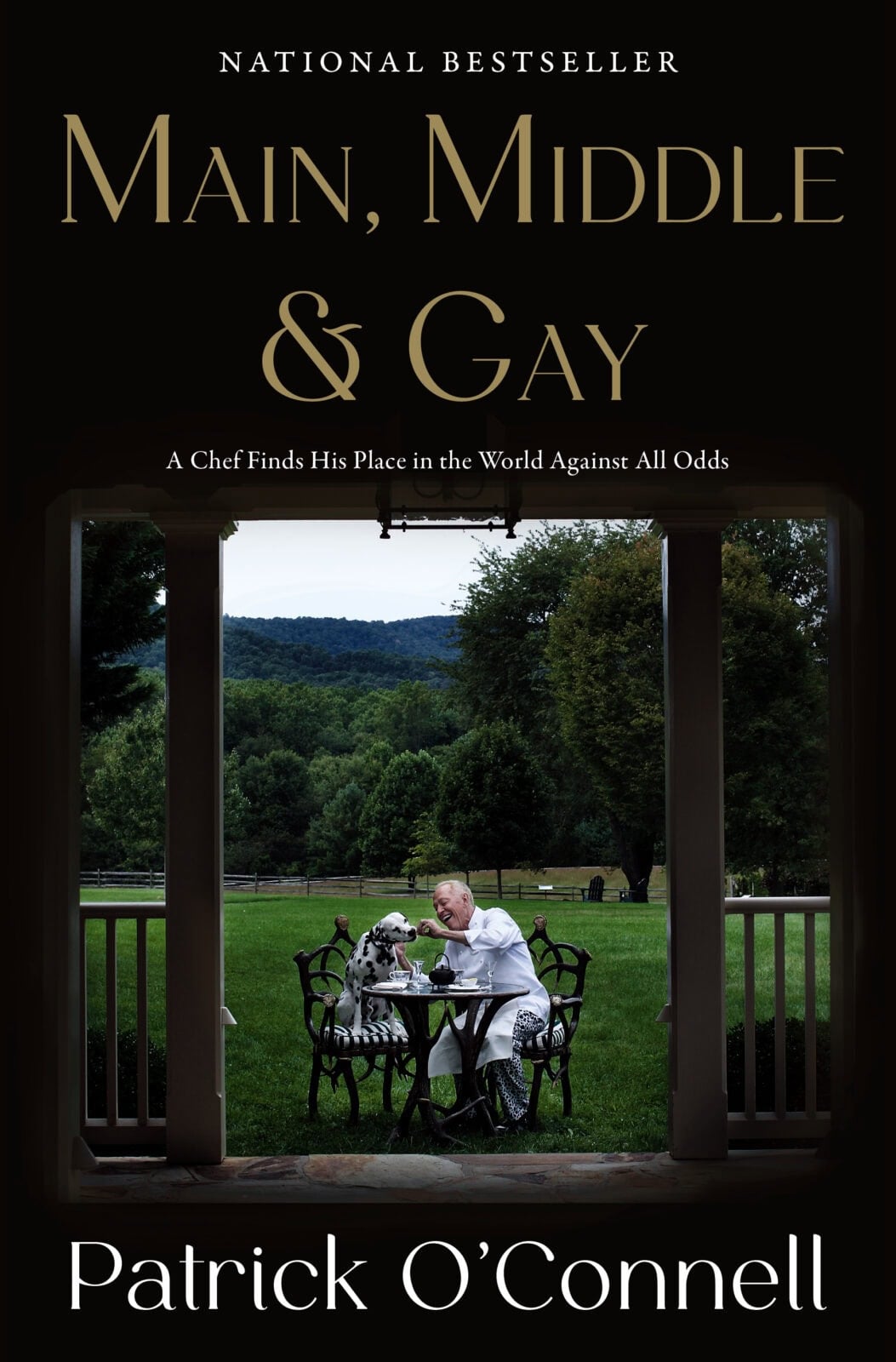
The Doorway to the Kitchen

In Main, Middle, and Gay — named after the three historic streets in the small town where his restaurant resides — the chef Patrick O’Connell details growing up gay in the 1950s: from fun stories like working as a paperboy and a cook at a hamburger joint, where he found his place with other misfits in the addictive restaurant scene, to stories that are straight up heartbreaking, stories he writes about with candor and grace.

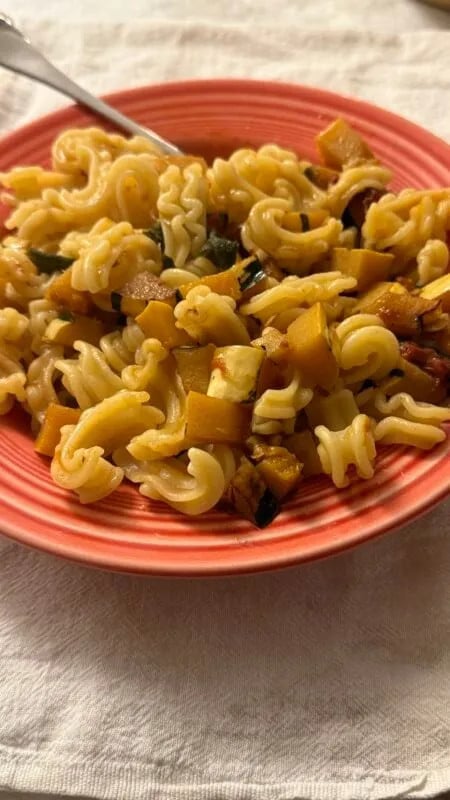
On Our Minds and Carts: Mark’s Delicata Pasta for One

Plus: heavenly hand soaps, welcoming an unexpected ingredient into your stew, and a gratin for fennel lovers.

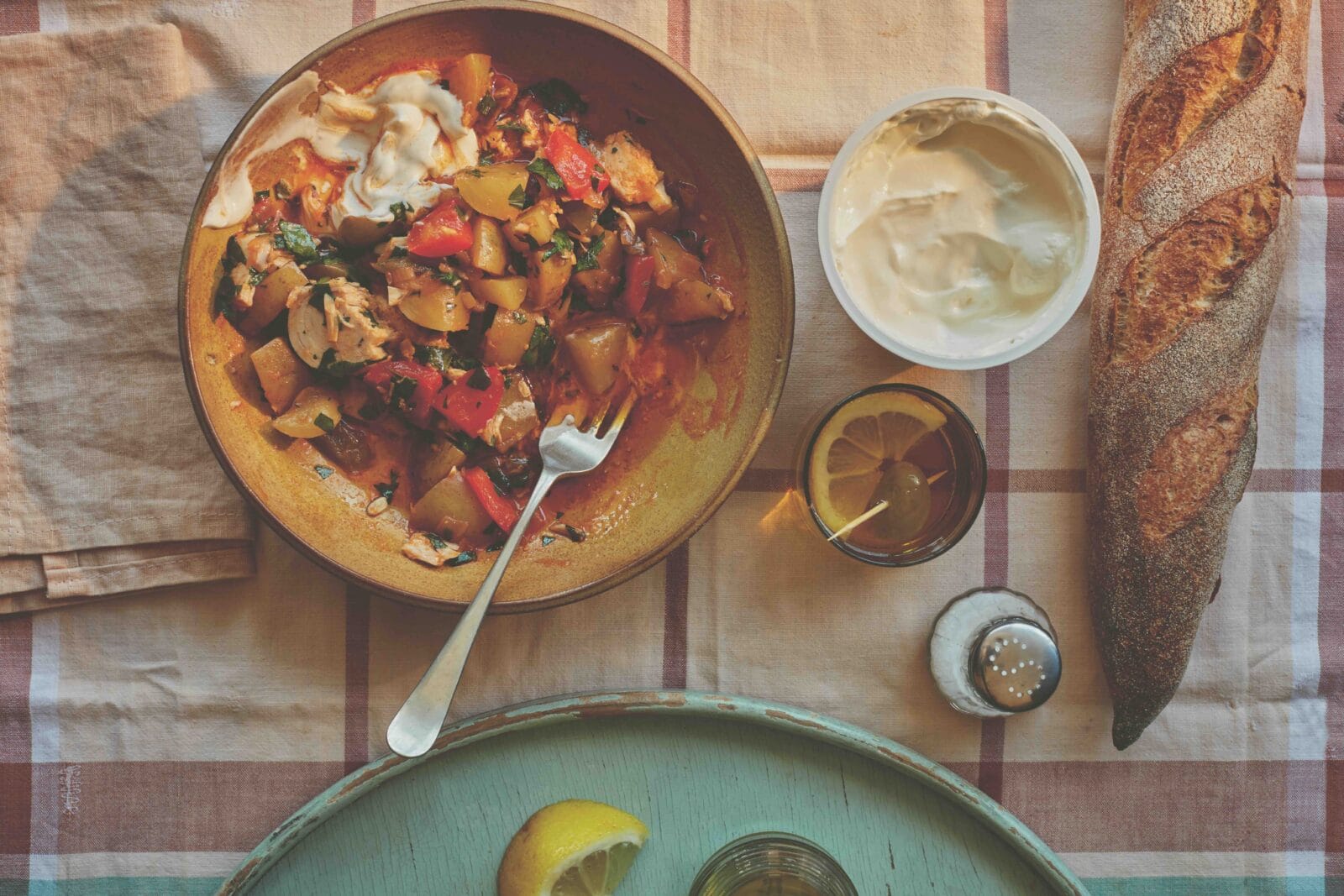
Everyday Marmitako: Fisherman’s Tuna and Potato Stew

We first tasted this while road-tripping through southern Spain – though the dish was originally created by Basque fishermen – and it has become a firm favorite. Joss, one of the team who worked on this book, now makes it weekly! Make sure you are using waxy potatoes, as you want them to hold their shape, and use the best tuna you can afford, as it is the star here. – Georgina Hayden

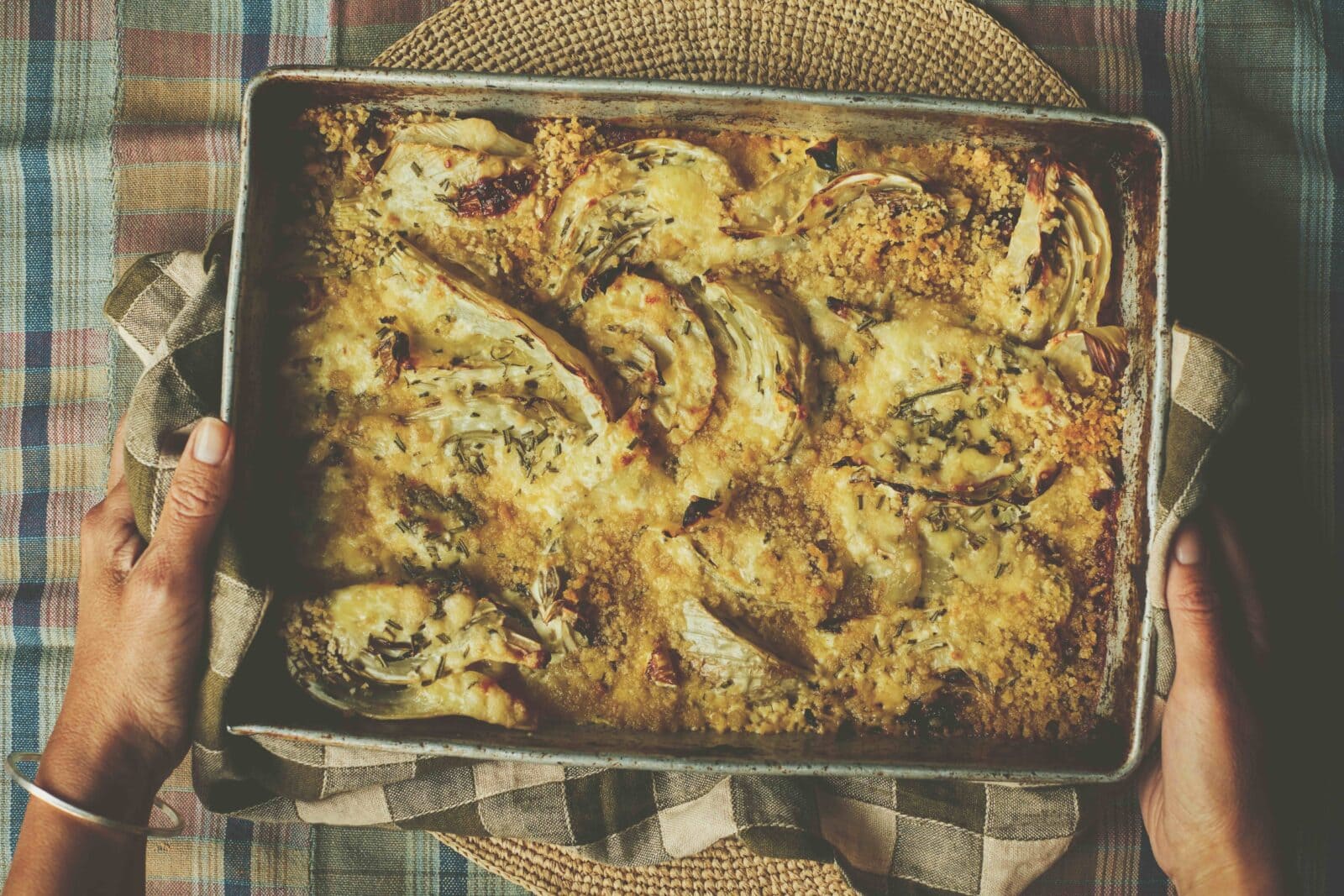
Creamy Fennel and Rosemary Gratin

I love fennel either shaved and raw, or when it’s cooked properly, so it is slide-off-the-knife tender. It doesn’t always get the love and attention it needs, in the same way that eggplant doesn’t, either. This is a lovely glamorous side dish of sweet, slow-cooked fennel. – Georgina Hayden

No Good Deed

An excerpt from Tony Shalhoub’s ‘We Thought They’d Never Leave,’  an essay collection-style memoir based around food, with a special spotlight on his family’s 50-plus person Wisconsin-based family reunion, a yearly affair that has been going on for more than five decades. (And which he collaborated on with his daughter, Josie Adams.)

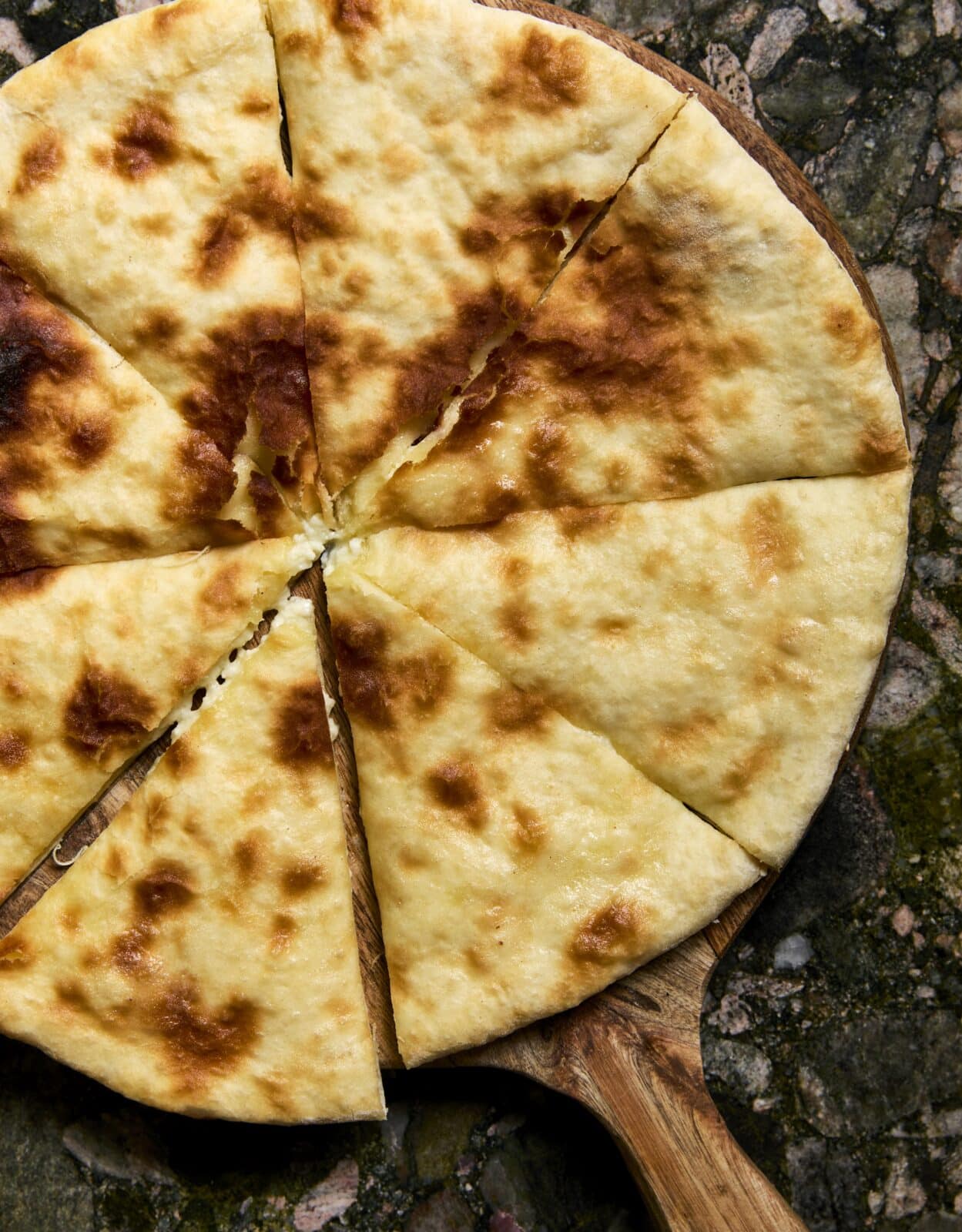
Double-Crusted Imeretian Khachapuri (Imeruli Khachapuri)

The Imereti region’s simple, comforting khachapuri is the most popular in Georgia: double-crusted, dinner-plate-size, and oozing with tangy, curdy cheese bound with beaten egg. It’s such a culinary cornerstone that economists track the price of its ingredients as an inflation indicator in what’s known as the “Khachapuri Index.” A blend of mozzarella, feta, and ricotta approximates the Imeruli cheese used in the motherland. Short on time? Use good store-bought puff pastry. — Meriko Gubeladze and Benjamin Kemper

Bean Bread (Lobiani)

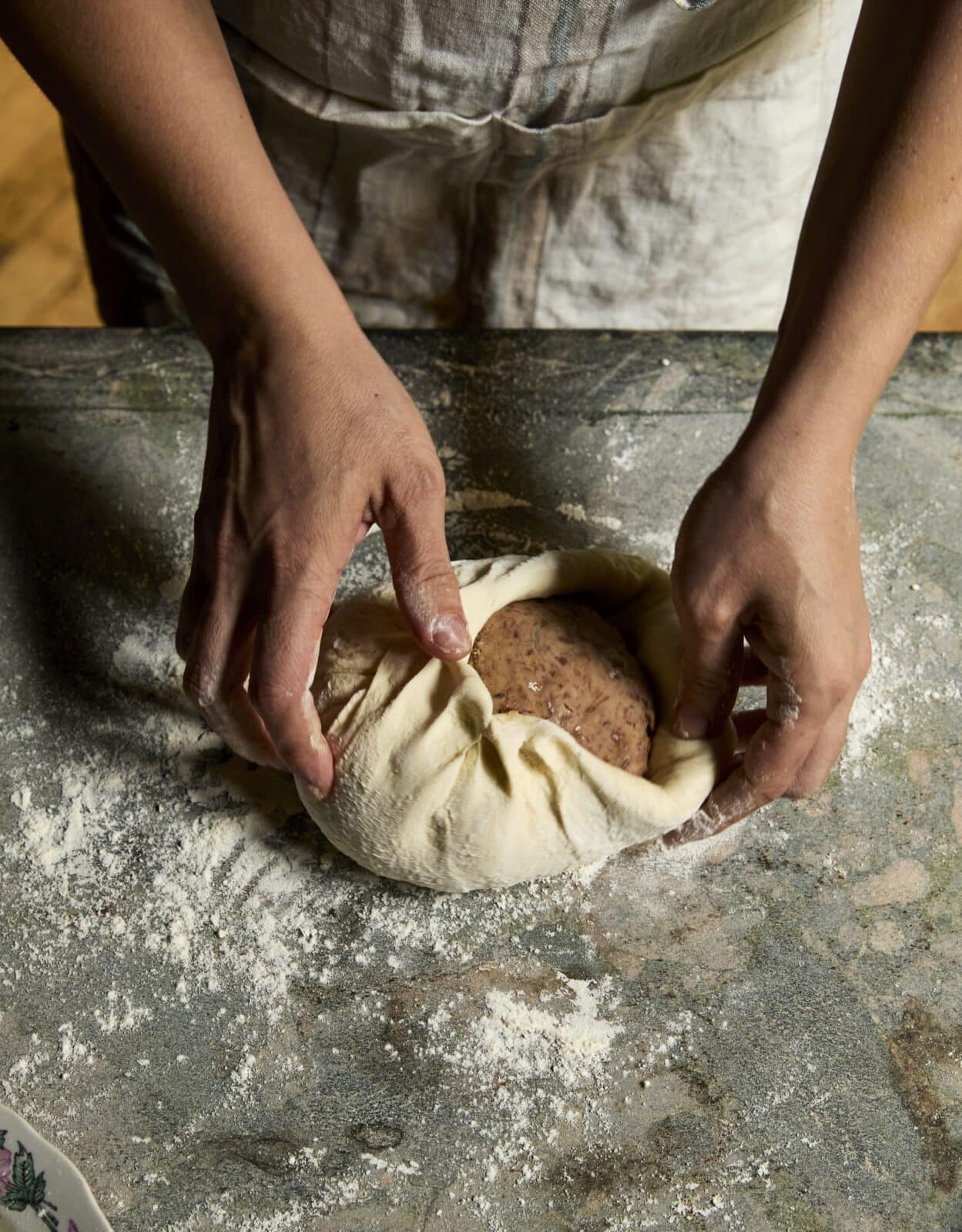
Buttery, peppery beans fill this hearty bread, found everywhere in Georgia, from gas stations to guesthouses to white-tablecloth restaurants. Before New World beans arrived, it was made with mashed gray peas. The dish hails from Racha, a highland region in the northwest known for its smoky lori ham. Locals often enrich their lobiani with ham drippings—a flavor you can approximate with Black Forest or another smoked ham. Onions, though not strictly traditional, lend a gentle sweetness. For the classic, pared-down version, skip the onions and stir the butter straight into the mashed beans. — Meriko Gubeladze and Benjamin Kemper

Pan-Fried Cheesy Corn Cakes (Chvishtari)

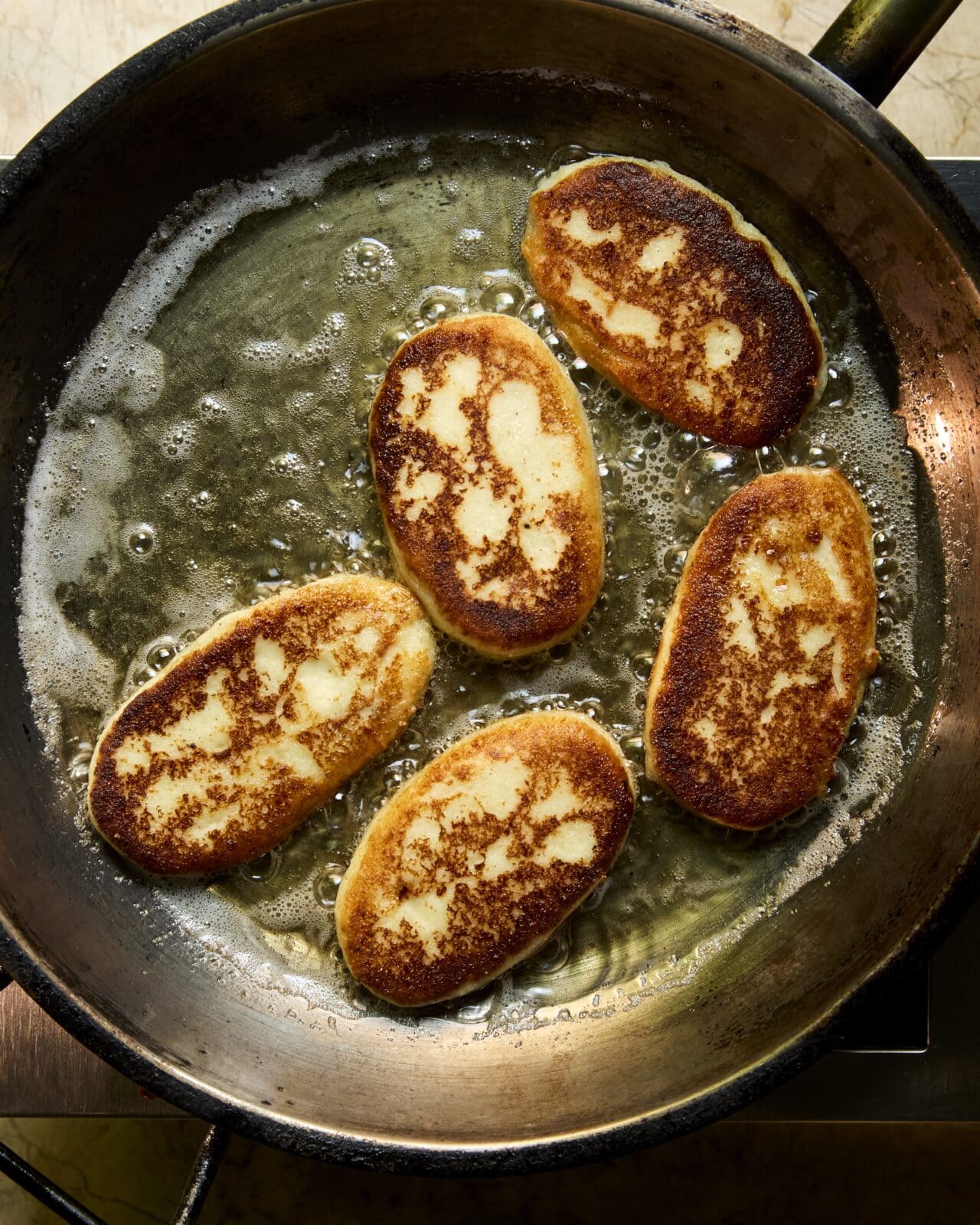
Chvishtari, the richer, cheesier cousin of mchadi, are pan-fried corn cakes that ooze with tangy, stretchy cheese. They’re the kind of hefty mountain fare you crave after a long hike in Svaneti, the dish’s highland homeland. Before maize reached Georgia in the 17th century, chvishtari were made with petvi, an heirloom green millet still used by some families today. Serve these golden cakes alongside pkhali and other West Georgian specialties such as kharcho, cauliflower in walnut sauce, ajika-rubbed rib, or chicken stewed with pomegranate. Feel free to experiment with other cheeses, particularly smoked ones, or fry the cakes in erbo (clarified butter), the Svans’ traditional cooking fat. — Meriko Gubeladze

Stewed Cranberry Beans with Fenugreek and Cilantro (Lobio)

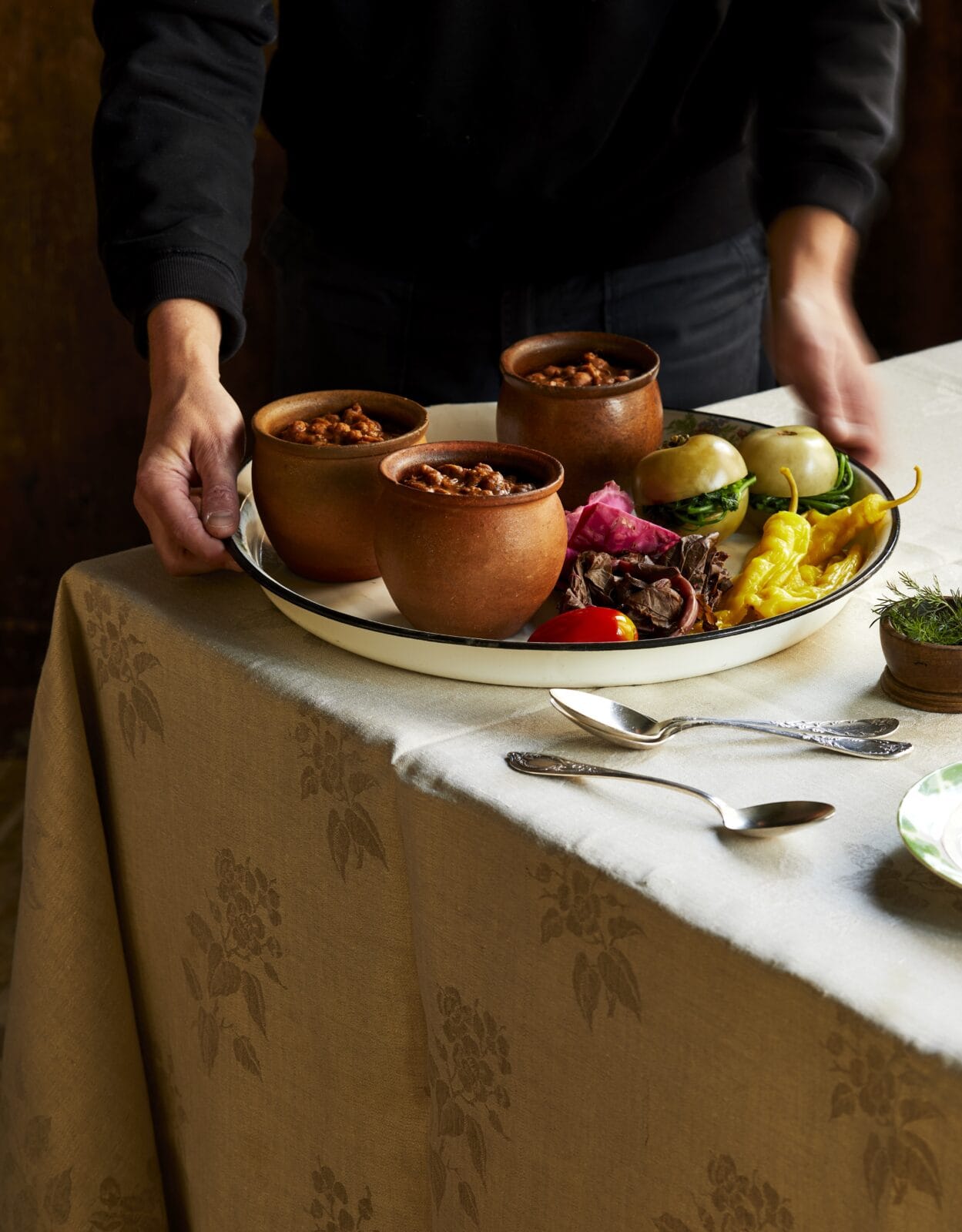
On chilly days when the wind whips down from the High Caucasus, nothing satisfies like a steaming bowl of lobio. Georgia’s signature pot of beans—redolent of cilantro, fried onions, and blue fenugreek—comes in a warmed clay urn accompanied by pickled peppers, squeaky-salty sulguni cheese (available at Eastern European groceries), and mchadi for dipping. Many Georgians say the best lobio is made in the highlands of Racha, where locals flavor the beans with the region’s traditional smoked ham. If that sounds like your kind of thing, add a smoked ham hock to the beans in step 2 or fold in 1 cup of chopped smoked ham along with the onions in step 4. Contrary to popular belief, salting beans as they soak makes for more even seasoning. – Meriko Gubeladze and Benjamin Kemper

On Our Minds and Carts: Understanding Ultraprocessed Food

How to use that bag of flaxseed meal sitting in your cabinet, two sweets to make this weekend, and more from our favorite chocolate maker.

Ming-Na Wen’s 12345 Spareribs

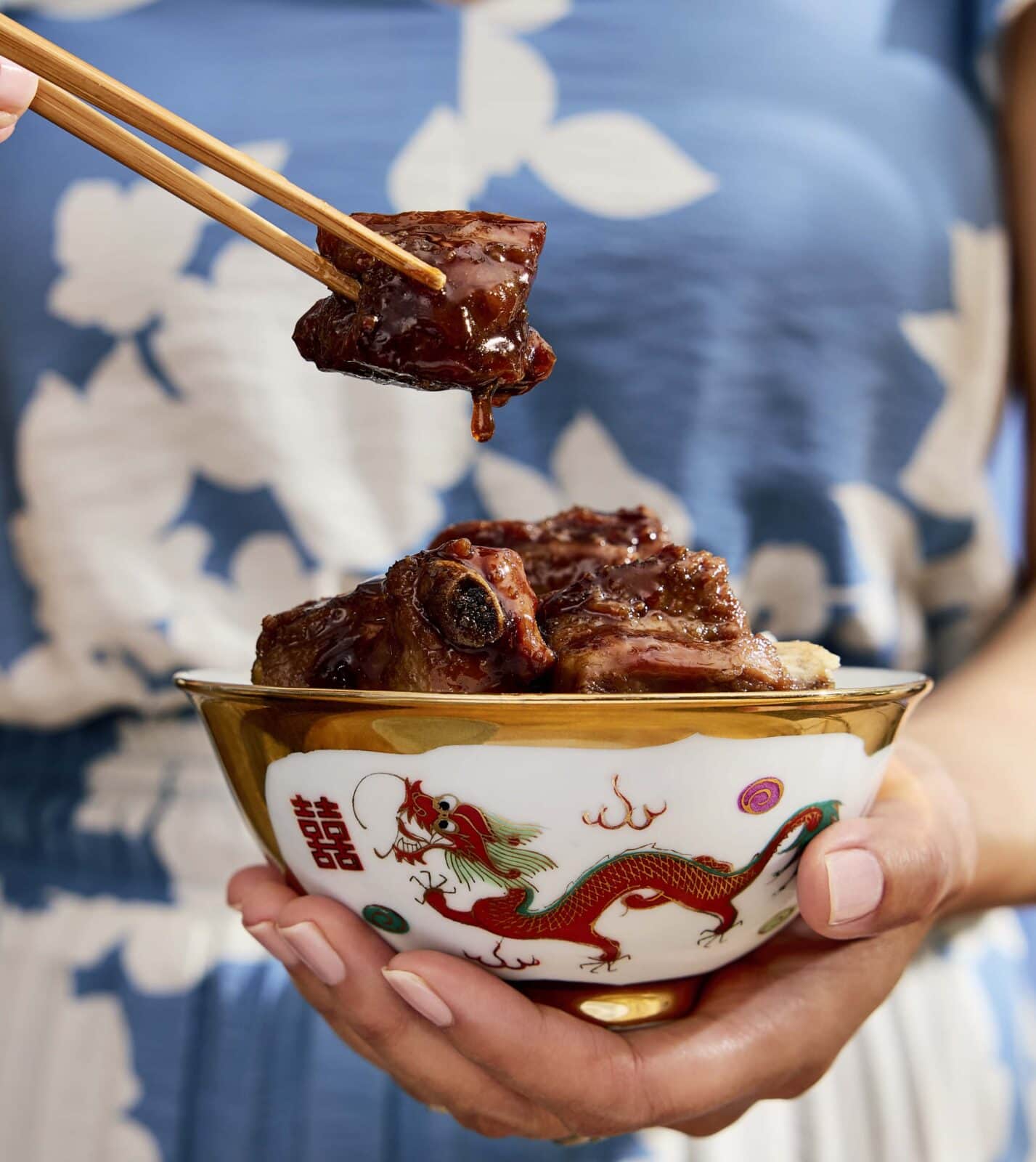
This dish never fails to be everyone’s favorite. My mom always said that the only difficult part of making these ribs is finding the balance between sweet and savory. During some kitchen experimenting one day, she discovered a nifty, easy-to-remember way to make the mix for the sauce. If you can count to five, then you can make this! Ready? Get your tablespoon out: 1 cooking wine, 2 soy sauce, 3 vinegar, 4 sugar, 5 water. Easy, right?

Mom was so excited when she cracked the code. I don’t think she realized this might be the first dish where she actually measured the ingredients! How very un-Chinese of her! But finally, it was the perfect savory-sweetness every time. She’s never been stingy with sharing her recipes, so she shared it with her friends and me, and now, it seems, you! I’ll tell her you said thank you. – Ming-Na Wen

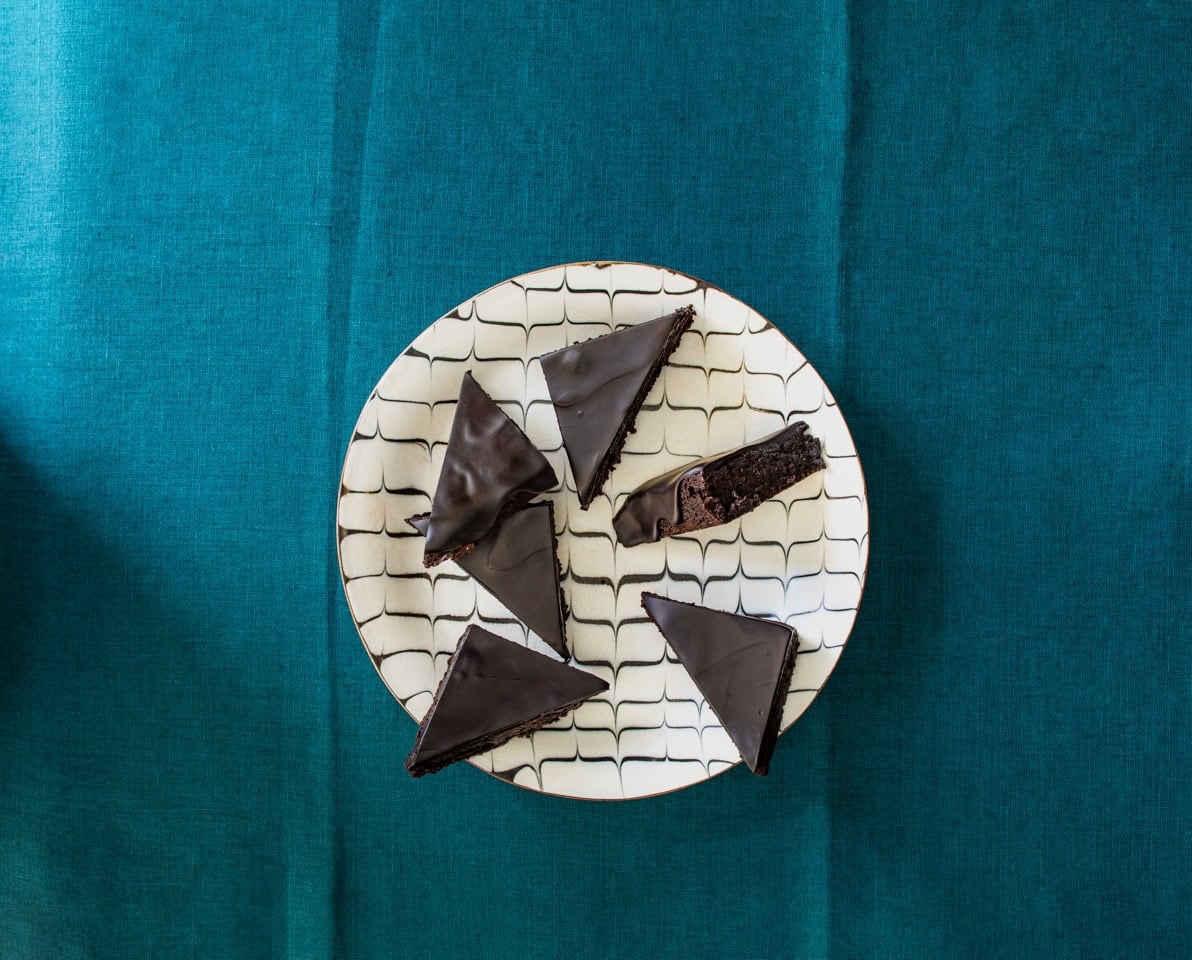
Deepest, Darkest, Fudgiest Flourless Chocolate Brownies

There are fudgy brownies, and then there are these: extra fudgy, supremely chocolaty, and so dark they’re almost black. This is an indulgent, adult brownie, with no flour to mute the darkest chocolate flavor (and so, as a bonus, it satisfies our gluten-free friends). Flourless brownies can taste like undercooked batter, however. To create a baked good, not a confection, we add just 3 tablespoons of cornstarch; it binds the ingredients, resulting in brownies with a melt-in-your-mouth center and a crispy, chewy edge. For dark chocolate flavor with dimension, we include a mix of chocolate—bittersweet, unsweetened, and a generous 1/4 cup of black cocoa powder that makes our brownies deeper and darker than your average. The cocoa powder also works, along with the cornstarch, to prevent our brownies from being pasty or wet. Finally, we achieve a shiny, sleek, obsidian-like finish with an unadulteratedly chocolate water ganache, made from bittersweet chocolate and more black cocoa powder, that gently drips down the sides.

We prefer black cocoa powder in this recipe. You can substitute regular Dutch-processed cocoa powder for the black cocoa, but the brownies will not be as dark and the ganache will turn out thicker. – America’s Test Kitchen


Black and Pink Cookies

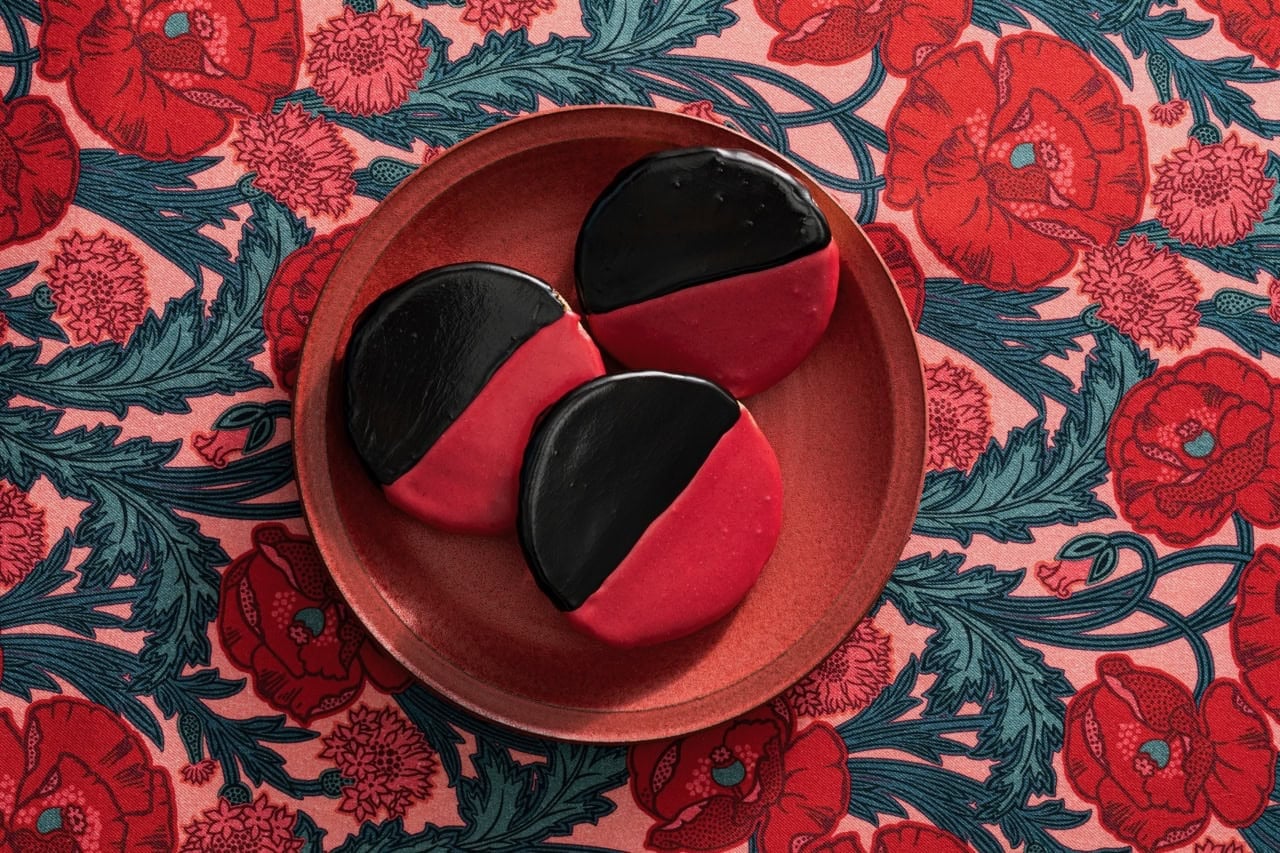
We drew inspiration for this gigantic chocolate-­raspberry color-blocked cookie from the iconic New York City deli favorite, the black and white. Black and white cookies first appeared in bakeries in New York in the early 20th century. They rose in popularity because of their unique soft, cake-like texture and beautiful contrasting icings. Milk enriches our glaze just enough to give it flavor, while a touch of corn syrup makes it thick enough to set on top of the cookies instead of sinking in and disappearing. Our white side becomes pink with the addition of freeze-dried raspberry powder that really ­levels up the classic with a tart, berry-forward flavor explosion, while the ­chocolate side remains classically rich and fudgy, and colored with black cocoa.

This recipe provides a little extra glaze, just in case. – America’s Test Kitchen
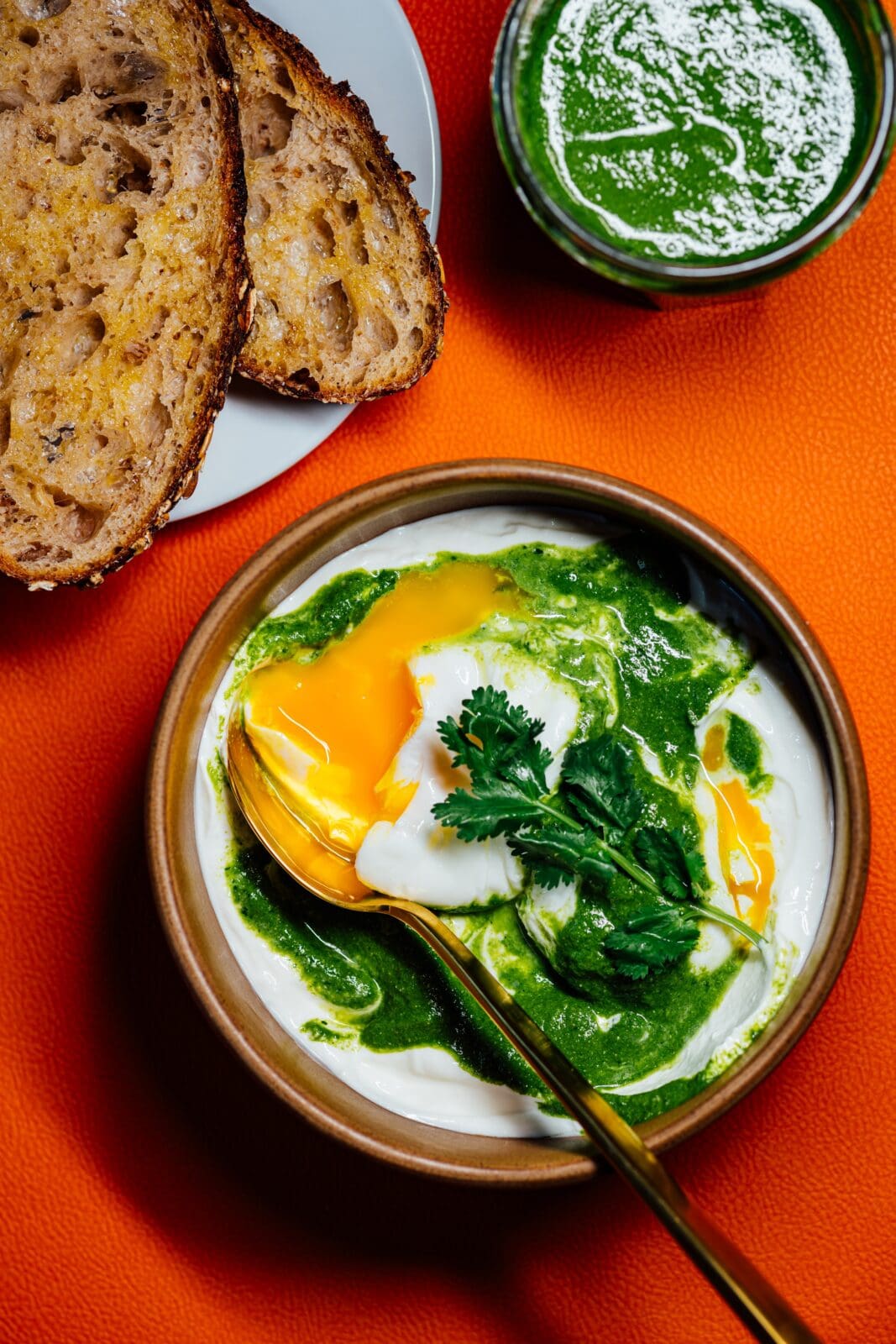
Poached Eggs with Green Chutney + Yogurt

This is my Indian-inspired twist on çılbır, the classic Turkish breakfast of poached eggs with yogurt. It features my go-to poached egg method, which I learned from Nigella Lawson during her visit to the San Francisco Chronicle test kitchen while on tour for her book At My Table. Cooking for the camera for the first time—and with a legend—was nerve-­ racking but rewarding, thanks to her brilliance. Nigella’s method involves straining the egg to remove excess liquid from the egg white, then tightening the proteins with a splash of lemon juice before cooking the egg in boiling water for a perfectly poached result. Stirring the barely simmering water right before adding the egg creates a vortex, forcing the egg whites to wrap around the yolk, cradling it, to keep it intact and compact. This phenomenon is a simplified version of the Ekman spiral in oceanography (which explains how ocean currents create a spiral effect). – Nik Sharma

Cultured Butter

Good, fermented butter reveals how a hint of tanginess elevates the richness of fat. Washing the butter removes buttermilk for a longer shelf life. Use skyr (Icelandic yogurt) to make the Icelandic version of this butter. – Nik Sharma

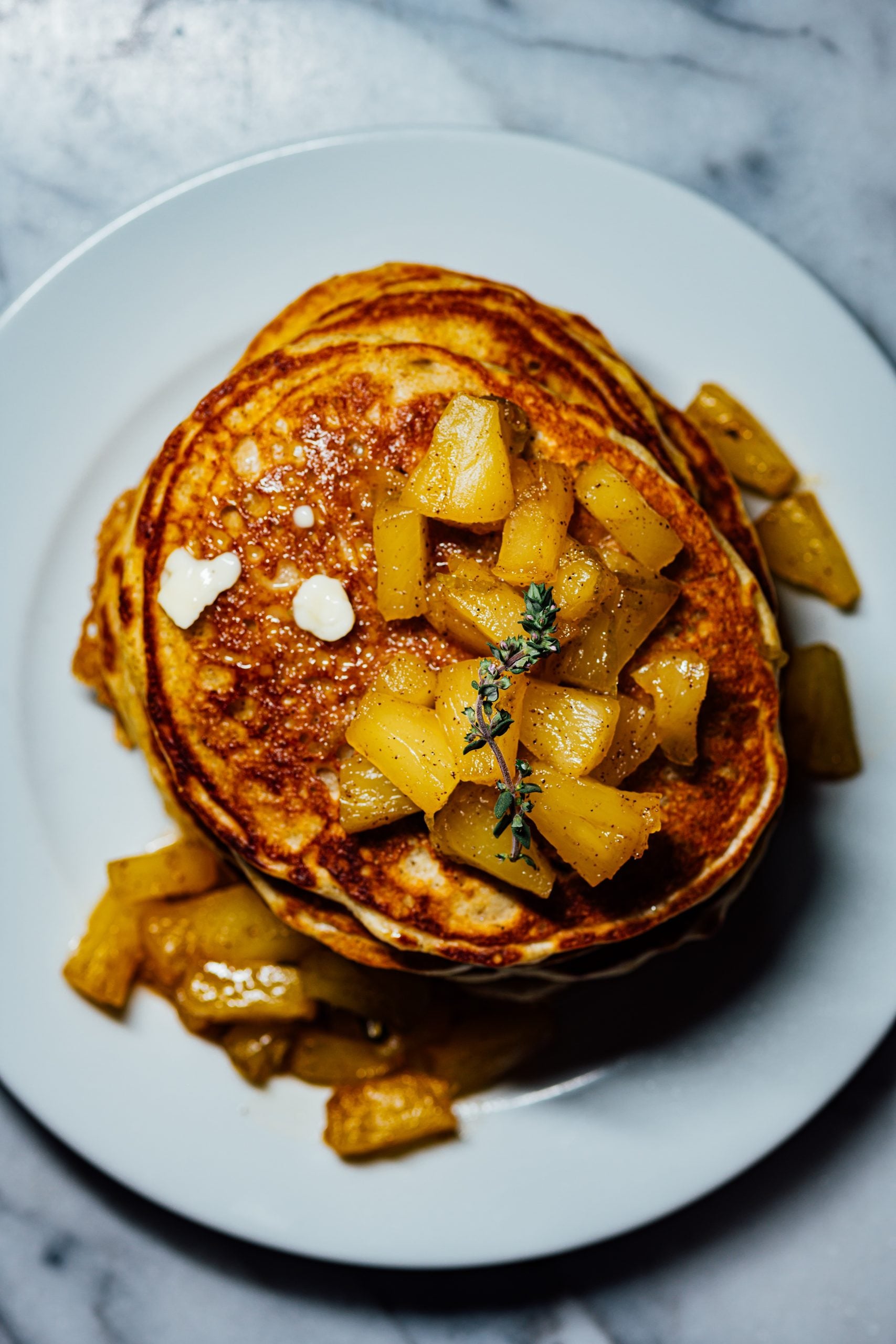
Sparkling Water Pancakes with Spiced Stewed Pineapple

Necessity truly is the mother of invention. During the Second World War, when essential ingredients like baking soda and powder were rationed, cooks got creative, giving rise to some of the most ingenious recipes. Take the iconic 7Up cake, a Southern favorite that my mother-in-law, Shelly Sells, bakes yearly. This clever cake was born as a work-around, using carbonated soda to add volume and lift when chemical leaveners were scarce.

Fast-forward to today, and we’re still embracing the magic of fizzy drinks in the kitchen. These sparkling water pancakes are a modern nod to that tradition. The bubbles and low pH of the sparkling water create pancakes that are so light and pillowy you’ll want to float away on them. Serve them warm topped with spiced stewed pineapple and a generous dollop of Cultured Butter. – Nik Sharma