


Pakistan sits at the intersection of some of the world’s great cuisines. Thanks to shared borders with Afghanistan, China, India, and Iran—and a history of migration and trade Pakistani dishes draw upon a marvelous array of flavors and ingredients that make food one of the country’s finest qualities.
In the northwest, the rugged borders between Afghanistan and Pakistan blur. Pashtun tribes such as the Shinwari, which exist on both sides of the border, share a rich culinary tradition of salted lamb prepared either skewered on a flaming charcoal grill or fried in a massive blackened wok over a tomato base. On the coast, historical fishing communities haul nets of crab, prawn, and dozens of varieties of fish that are grilled, fried, or folded into richly spiced curries. Visit Karachi, Pakistan’s largest city, and you will find a succulent nihari, dressed with heaps of ginger, or countless variations of biryani, each telling the story of a different migrant community that makes up the city’s twenty million inhabitants.
On the table, if you are lucky enough to be invited to a Pakistani home for a dawat (which directly translates to feast), you will be spoiled for choice. Pakistani hosting rules dictate that the spread include a meticulously prepared rice dish, a meat curry, some version of kebab or cutlet, a side of vegetables, a relish or chutney, and, of course, sliced fruit and tea. Expect to be stuffed silly in the first round and still be pressed for seconds and thirds by your hosts.
Step into a bazaar, and you will be taken in by the astonishing variety of consumables, from dried fruits like figs and apricots that Pakistanis snack on all winter long to heaps of spices—coriander, cumin, mint, saffron, and turmeric—that have come to define South Asian cuisine.
Despite the incredible flavors and respectable size of the Pakistani diaspora (estimated at about nine million across the world), Pakistani cuisine continues to lack visibility.
These are but a handful of scenes that comprise the color and beauty of Pakistani food. But despite the incredible flavors and respectable size of the Pakistani diaspora (estimated at about nine million across the world), Pakistani cuisine continues to lack visibility. One reason is that it continues to be conflated with Indian food.
Restaurant owners tell me they market their restaurants overseas as Indian because that is what their customers understand.
There are many Indian restaurants in the United States owned or run by Pakistanis. Restaurant owners tell me they market their restaurants overseas as Indian because that is what their customers understand. They have adapted menus to serve Indian restaurant classics such as butter chicken or chana masala rather than showcase dishes truly reflective of their homes. Rarely will you find a Lahori-style fried fish, coated in an energizing spice blend of carom, cumin, and coriander seeds, or haleem, a thick beef, barley, and lentil porridge generously topped with fried onions, julienned ginger, and lemon juice.
The invisibility is a disservice to both cuisines since it stems from the false assumption that Pakistani food only exists in relation to Indian cuisine. In reality, it is determined by its regions and communities. There is, of course, overlap due to the countries’ shared history, but the overemphasis on their similarities comes at the expense of food from provinces and territories such as Balochistan, Khyber Pakhtunkhwa, or Gilgit-Baltistan, none of which share a border with India. It also undermines how the cuisine has considerably evolved since Partition, with settled communities absorbing the culinary influence of migrants who moved from India (or vice versa). My book, therefore, aims to strike a balance: to acknowledge India and Pakistan’s shared culinary history but also carve out space for Pakistani cuisine on the global culinary map.
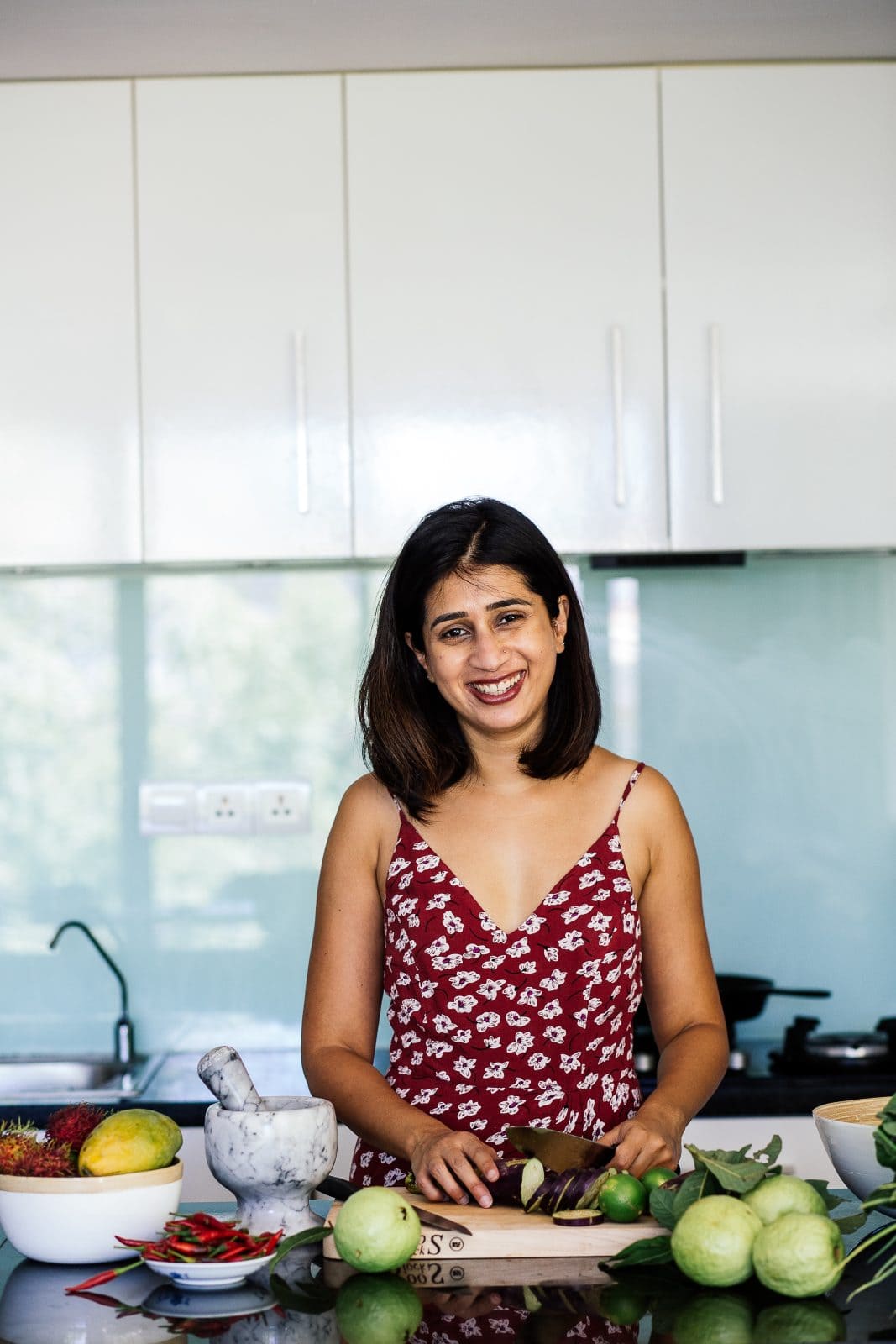
In my book, you will find many recipes that you will also encounter in India. In addition to popular subcontinent classics such as biryani, haleem, or korma, it includes recipes from migrant communities less talked about in Pakistan, such as those from South Indian states. Due to a historical focus on Punjabi- and Urdu- speaking migrants, we inadvertently undermine the contributions of citizens who migrated from other parts of the subcontinent. In my book, you will find a punchy prawn curry courtesy of my friend’s mother, Seema, whose parents are from Karnataka—or a delightful Goan Christmas Fruitcake from Bernadette Shaikh, part of the dwindling Goan community in the country. While some may point to these as “Indian” recipes, the fact that they come from cooks who are born, raised, and live in Pakistan makes them “Pakistani” for the purposes of this book.
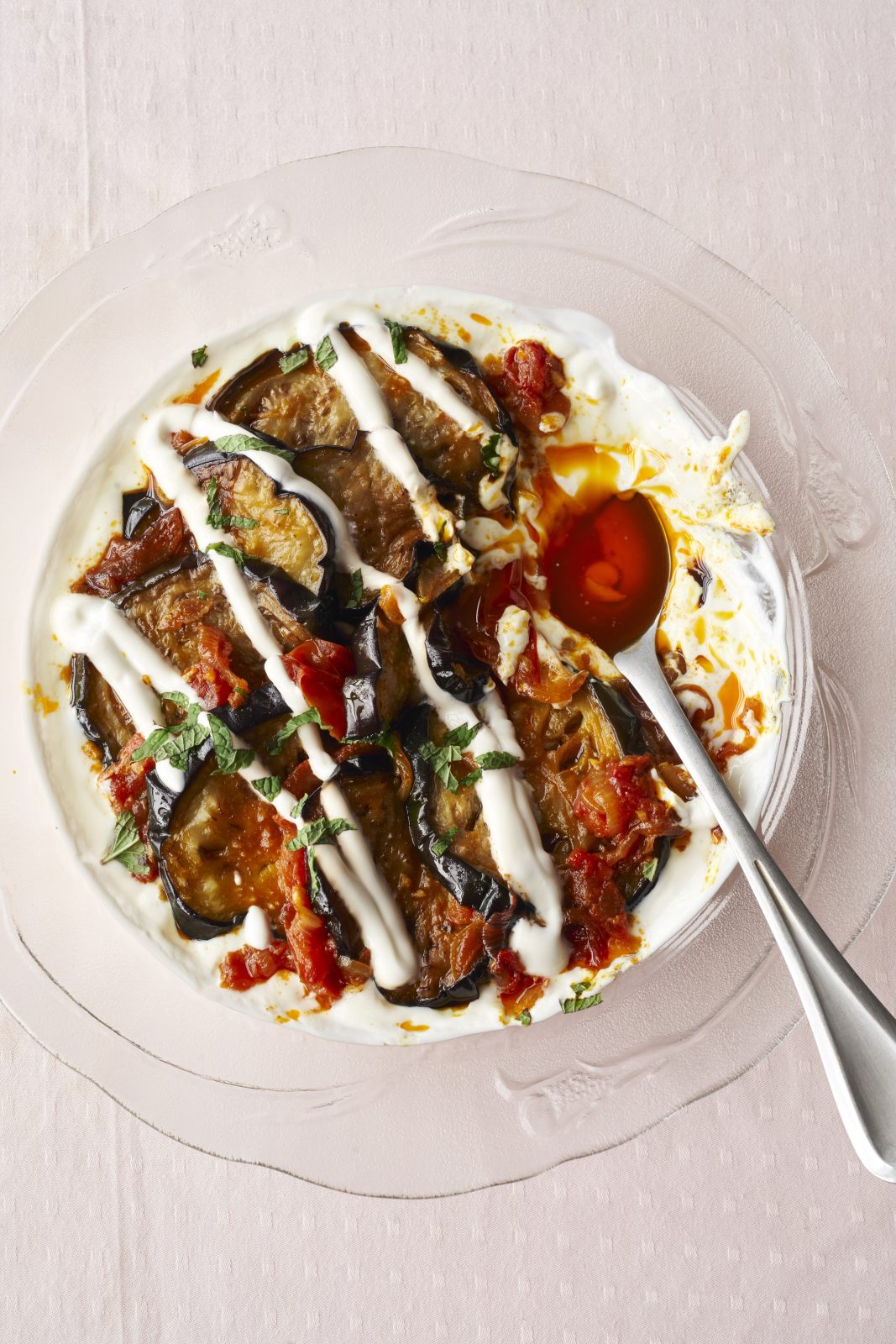
For this reason, I have also included popular Afghan classics, such as Kabuli Pulao—the gorgeous beef pulao strewn with sweetened carrots and raisins, or Borani Banjan—fried eggplant steamed on a bed of spicy tomato and onion sauce. With the long-standing presence and influence of Afghan refugees, these too are now a part of Pakistani food.
This forward-leaning view of what constitutes “Pakistani food” also considers the impact of economic liberalization during the 1990s. I grew up in Pakistan at a time when globalization was ramping up, and saw Pakistani groceries, restaurants, and home kitchens becoming international. There was a slow buildup of steady demand for desserts like coffee cake and Black Forest cake—now regular fixtures in Pakistani bakeries. In Islamabad, we went from having two cafés to one every few blocks. And while the quality of brewed coffee is still a bit of a gamble, sipping on a cup of delicious, hot dalgona coffee—hand-beaten, whipped with instant coffee, sugar, and hot water, before adding milk—on a cold day, is a core memory. At home, in addition to the regular rotation of dal chawal (lentils and rice), chicken ka salan (chicken curry), and aloo gosht (mutton with potatoes), my mother would also make a mean keema spaghetti—South Asia’s take on bolognese, in which overcooked spaghetti is paired with a Pakistani-style ground beef and a generous helping of ketchup.
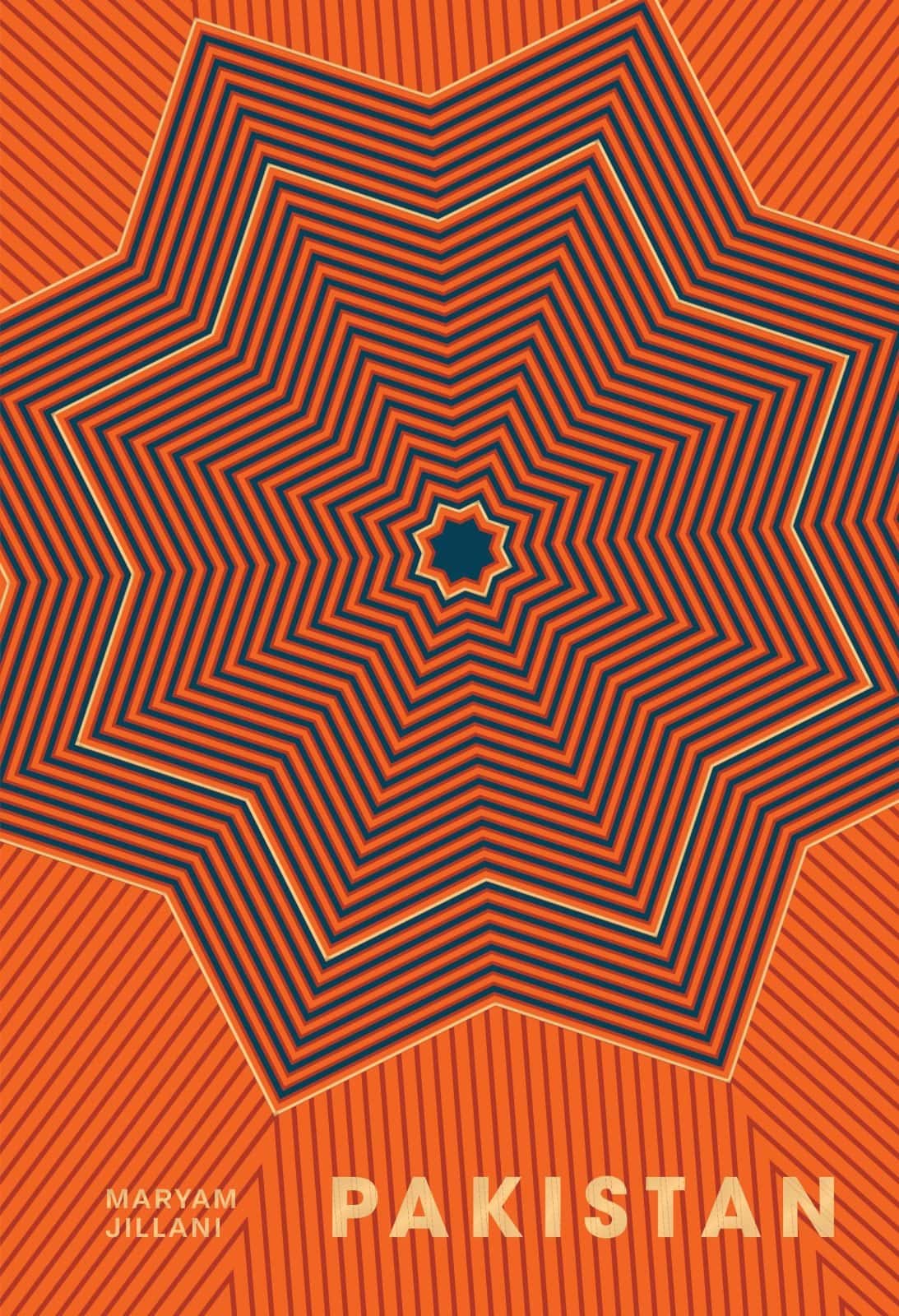
My book challenges what one may consider “authentic” Pakistani food. By underscoring the lived experience of Pakistanis, it aims to show how Pakistani cuisine is colorful, global, and breaks the rules.
Borani Banjan (Afghan-Style Fried Eggplant in Yogurt)
A festive eggplant dish that my friend Nur Sultan often prepares as a side for large gatherings. She learned this recipe from her paternal grandmother, who was born in Kabul and moved to Peshawar after she got married. The dish is now a staple in our homes because of its straightforward preparation and ability to bring any dinner table to life.
Kabuli Pulao (Beef Pulao with Sweetened Carrots and Raisins)
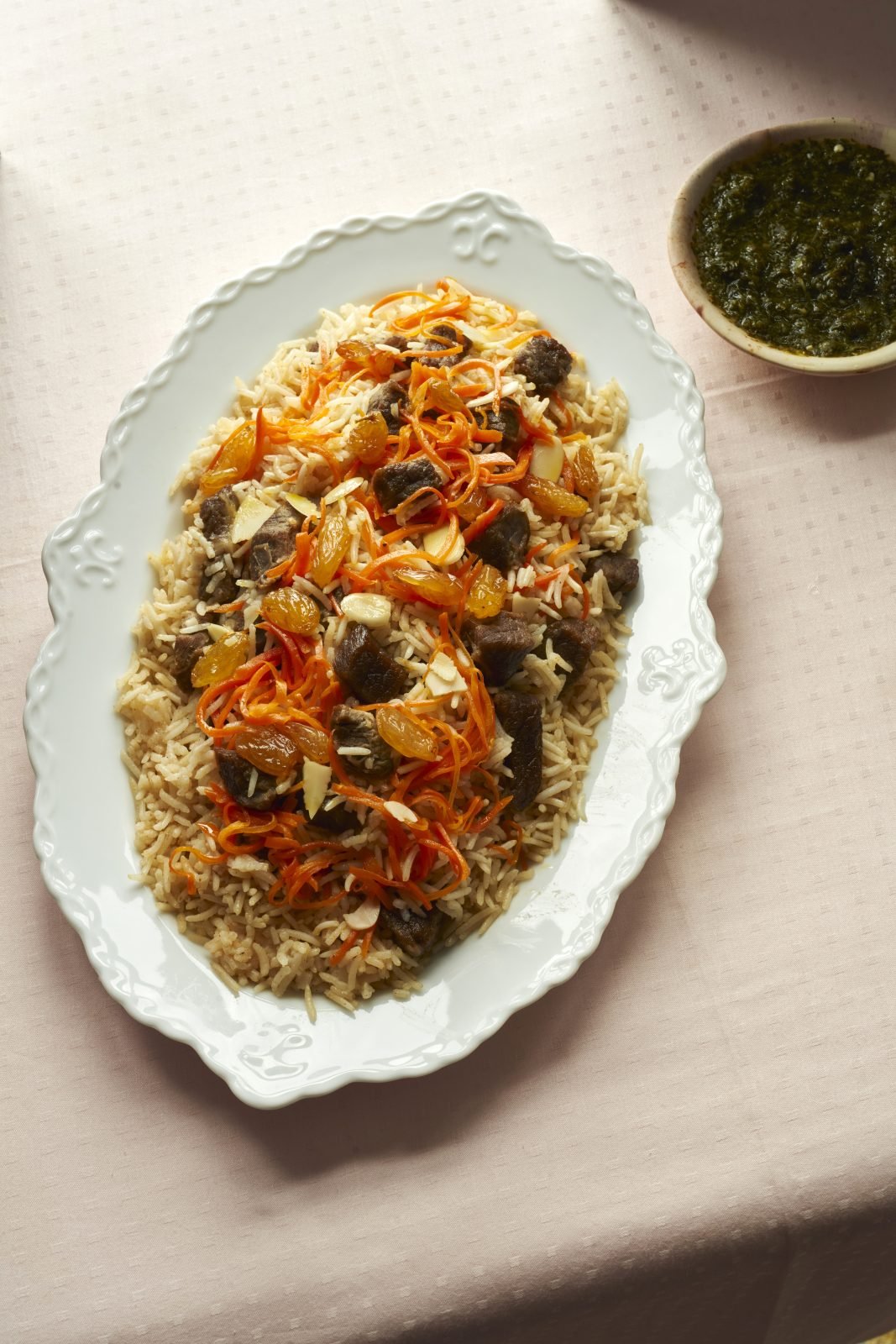
This bejeweled beef pulao was brought to Pakistan by Afghan refugees during the Soviet invasion of Afghanistan. The dish achieved national popularity and is now a beloved staple even at Pakistani weddings in Peshawar. Thanks to the inclusion of cardamom powder and the sweetened topping of fried carrots, raisins, and almonds, the pulao has a slight tinge of sweetness, making it the perfect complement to smoky beef Chapli Kebabs and a tart vinegar-based green chutney. This pulao is best prepared with sella basmati rice, which is available in most South Asian grocery stores.
Lagan Nu (Parsi Wedding Custard)
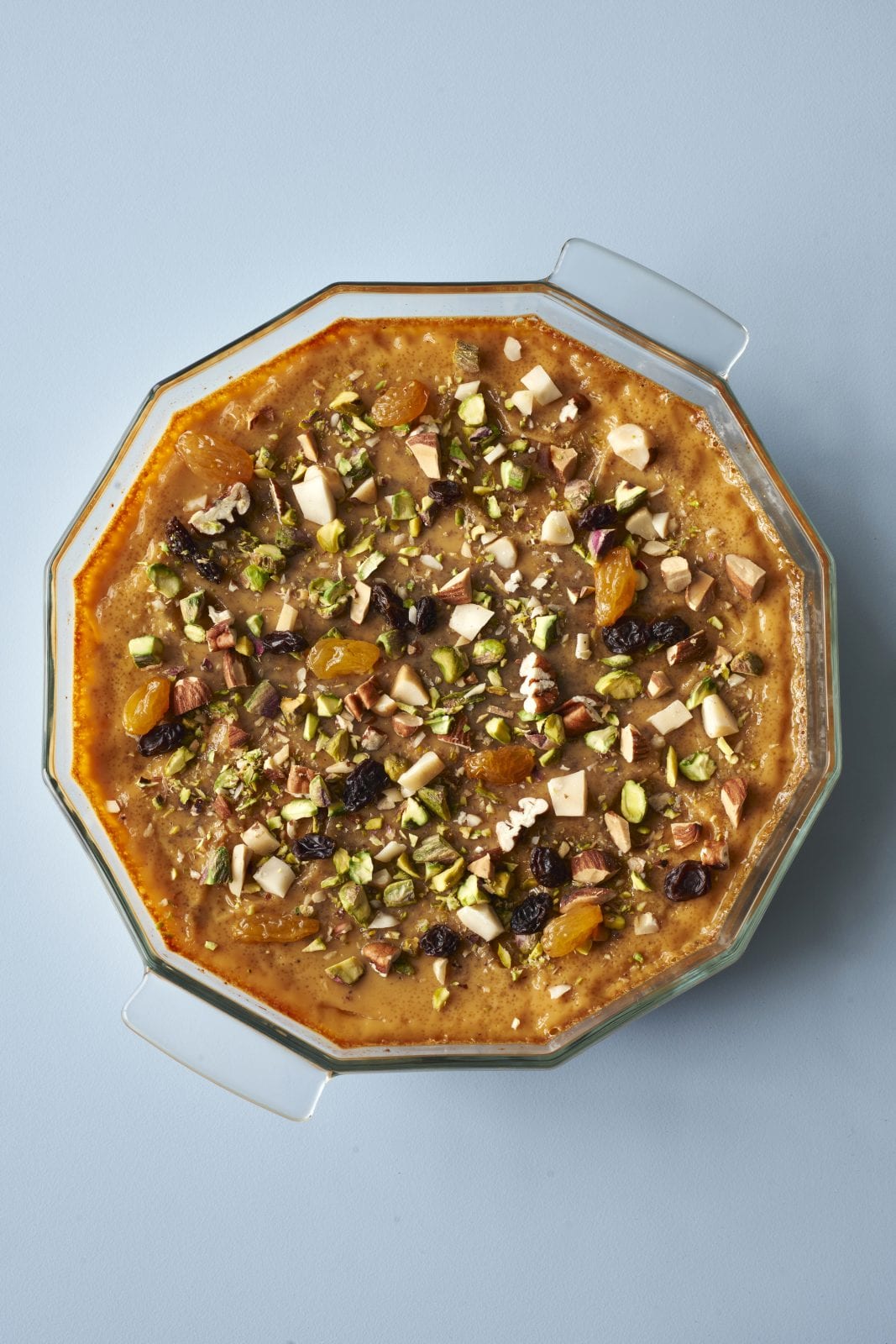
A sophisticated dessert that brings together the best of South Asian and English flavors, lagan nu is typically served at Parsi weddings. A sure-shot crowd-pleaser, it’s deceptively easy to prepare.
Aloo Tikki (Fried Potato Patties)
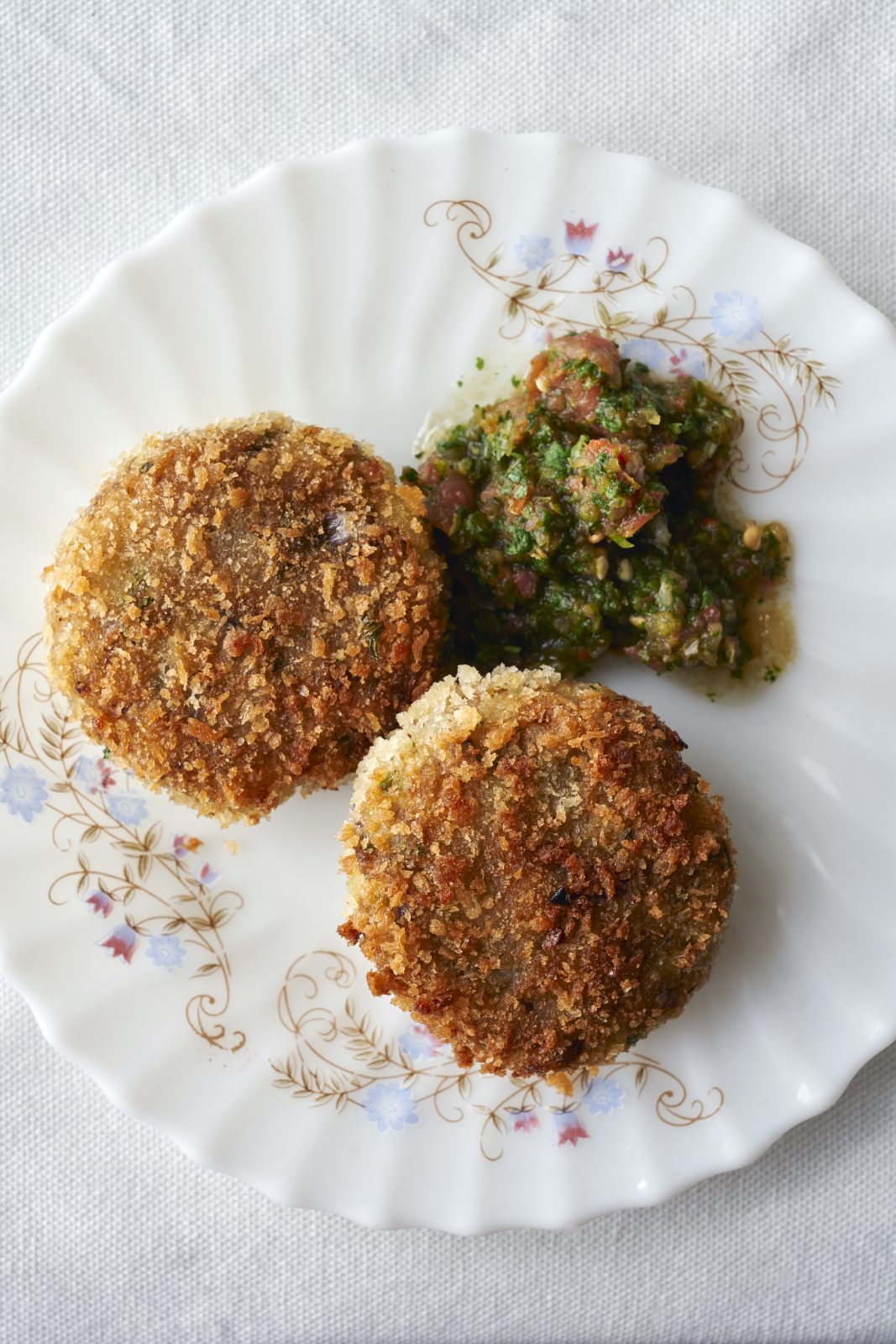
Aloo tikki is a popular side served in many Pakistani homes. It pairs with many Pakistani dishes—my favorite is to have it as a side with dal chawal (lentils and rice). It is also the perfect snack. You can enjoy aloo tikki on its own with a side of Cilantro and Mint Chutney or sandwiched between a bun for an incredibly satisfying veggie burger.
Comment