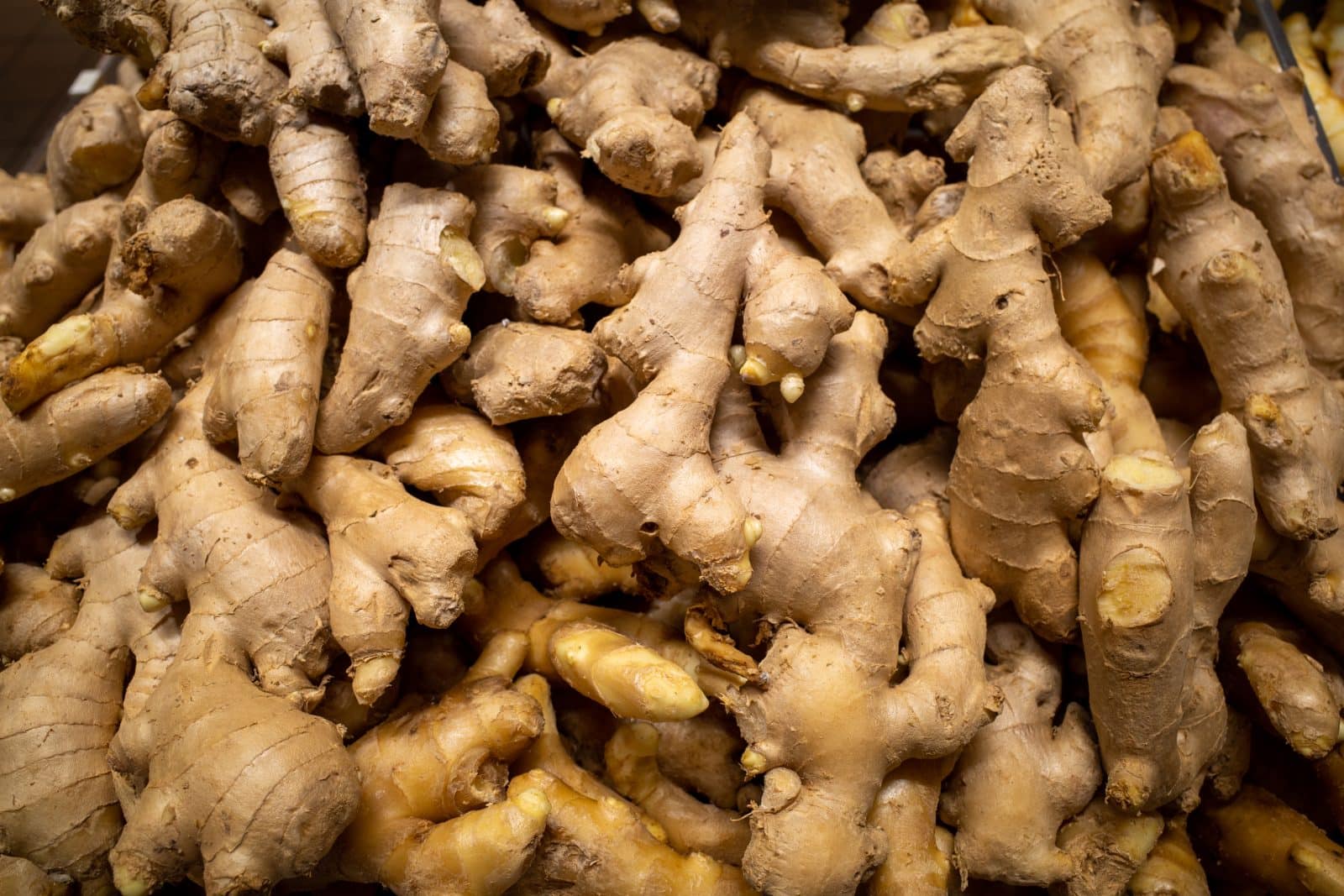
Spicy, aromatic, and essential in cuisines all over the world, this gnarled tropical plant is often called a root but is actually a rhizome— basically an underground stem. So it’s more delicate than a true root.
Preparing: Scrape off the papery skin with the blunt side of a knife or the edge of a spoon, or peel with a vegetable peeler or paring knife, which are faster if less economical. If the skin is thin and moist enough, you don’t even need to peel it. Grate the ginger (a Microplane is best), julienne and mince it, or cut it crosswise into coins.
Best cooking methods: stir-frying, sautéing, adding to soups and braises; grating raw in salads; slicing for pickles
Other vegetables you can use: galangal comes close, but it’s hard to find. Fresh turmeric is increasingly available, and it’s good, but more bitter and less sharp. Ground ginger tastes different but can work instead of fresh in long-cooked dishes or baked foods.
Read
By The Editors
Master List: Your "Secret Ingredients"
We asked readers to share their favorite secret ingredients, the kinds of ingredients that can take your cooking to the next level and that you consider essential for your style of cooking. The ones you reach for again and again. The ones that bring your food to life. The ones you just can’t live without.