

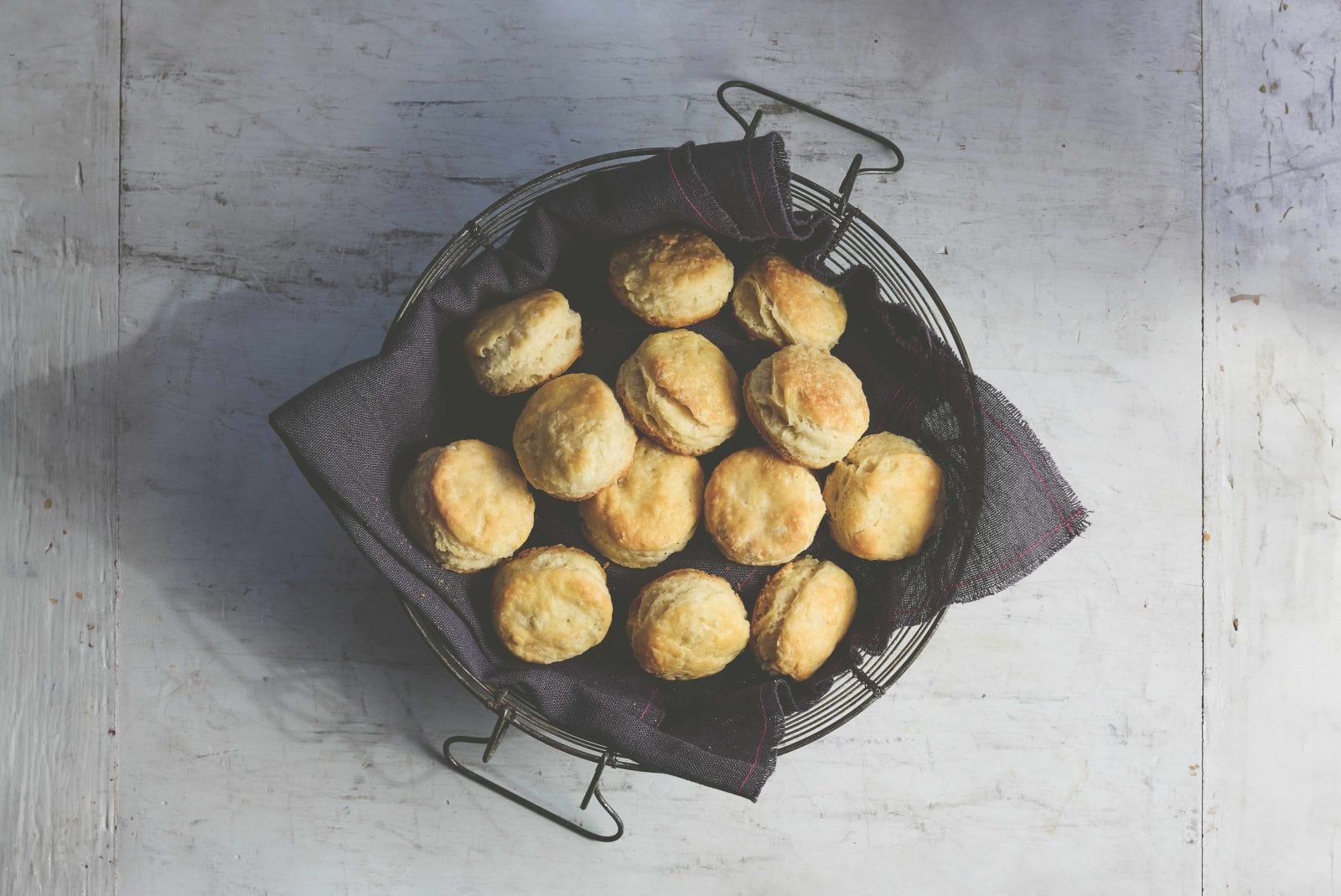
The following excerpt and recipes are from Recipes from the American South, by Michael W. Twitty.
I’ve often told the story of guarding my Alabama maternal grandmother’s light bread (everyday white bread) in military gear at age seven. I had a toy compass, helmet, and toy weaponry to ensure nobody would take “my bread,” even though she made it for found family and community. Since none of that gear would work, I used my tears, which usually won my small loaf that I enjoyed with hot butter and peach jam. My Virginia paternal grandmother made her holiday time rolls so good that it was incumbent on all of us to have the family recipe. Nobody would be able to say we didn’t have it on hand.
While both my grandmothers relied on tradition and good fortune, my mother, Pat, became the best baker of them all, and she might have been the first person in the family to marry tradition with science. According to family legend, her maternal grandfather, who passed away at the Tuskegee Hospital in Alabama a few years before my mother was born, made the best biscuits and yeast rolls in all of Alabama. Gospel truth must have imparted some of his cooking spirit to her. My mother never used flour milled from hard winter wheat (the basis for “Northern” type bread), but always from the softer, Southern-based brands. She constantly reminded me not to overknead the dough so that “the gluten won’t get cooked” by the warmth of my hands. In my mother’s kitchen, “lukewarm” was never a guess: There was always a thermometer ready to gauge when the scalded milk was right where it needed to be—the perfect temperature for the yeast to proof.
This is the legacy those of us born into Southern heritage revere, recipes from family members that we can never exactly get right, but that always remain a testament to the skill and craft in our veins.
Mom was a bread connoisseur, but as far as I remember, she never made a sourdough or boule—those came from good bakeries or specific stores. Instead, she was a devotee of the Southern “light touch,” and as delicious as crusty breads might be, they were simply not in her repertoire. Soft flours promised tender, flaky results, and self-rising flours promised quick breads, like buttermilk, Cheddar, and drop biscuits; potato and icebox rolls; hotcakes and waffles; sandwich bread and banana bread, and every delicacy her creativity could muster and the occasion demanded. My mother’s cakes and custom pies, which she sometimes sold to people in our community, were art. She was a master at decoration and icing, and I never tried to learn that art from her, because what she did was simply magic. All you needed to hear was, “Oh, Pat!” from the corner of the room as someone beheld her baking, and you understood you were in for something ambrosial. This is the legacy those of us born into Southern heritage revere, recipes from family members that we can never exactly get right, but that always remain a testament to the skill and craft in our veins.
Yeast Rolls

One of the key skills of the Southern home cook is the perfection of these rolls. People will know “store-bought” from the real thing. They are often made with potato in some variations. Note that they are also known as “dinner” rolls, served at dinner on church grounds or at a formal meal, and they are distinct from buttermilk biscuits, which are not usually associated with a formal meal.
Chicken and Dumplings
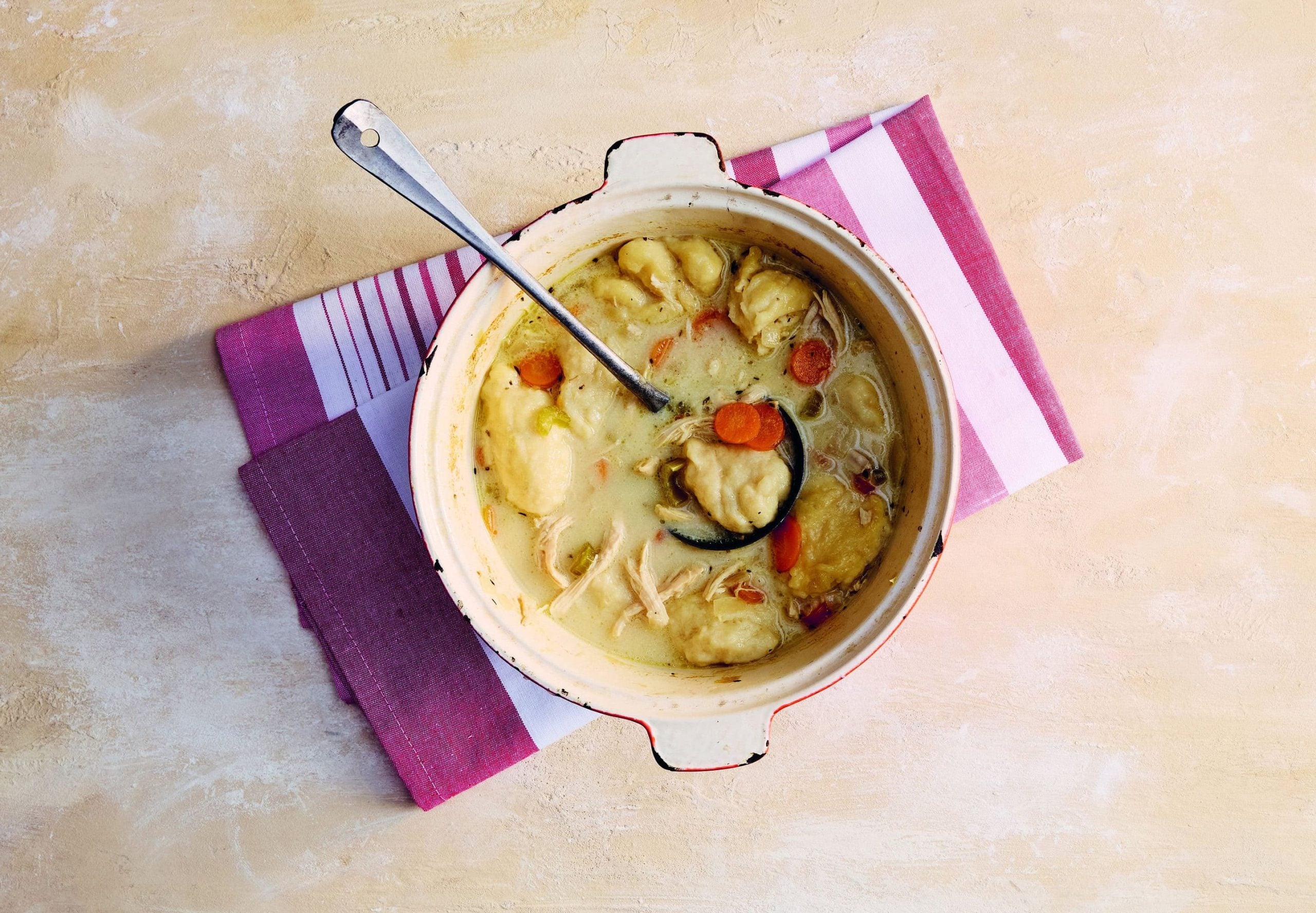
The rooster that wouldn’t shut up or the hen past her laying days often turned into this Sunday dinner treat. It demanded low and slow cooking to tenderize a chicken that had strong, developed muscles and tough meat. Some may not think the carrots necessary or find them anathema, but some of us can’t live without them in this dish. Soft pillowy dumplings and a stew cooked all day really hits the spot. My grandmother’s secret was an onion studded with cloves that cooked with the chicken and was removed after the chicken was finished cooking. The meal had to be good and fit for a preacher—who was usually the guest for this meal.
Michael W. Twitty is an acclaimed culinary historian, and author of the two-times James Beard Award-winning book The Cooking Gene, as well as Rice and Koshersoul. He has written for many publications and been featured throughout print and broadcast media, and he has given over 500 public talks and appeared in numerous series, including Taste the Nation and High on the Hog.
Comment