Mark Bittman

Filters

Sort by date

Content Type

Hearty Miso Soup

For a richly flavored broth in an instant I always turn to miso. Simmering full-flavored vegetables in the liquid first adds even more dimension. If you can’t find soybeans, any white or black beans work fine here.

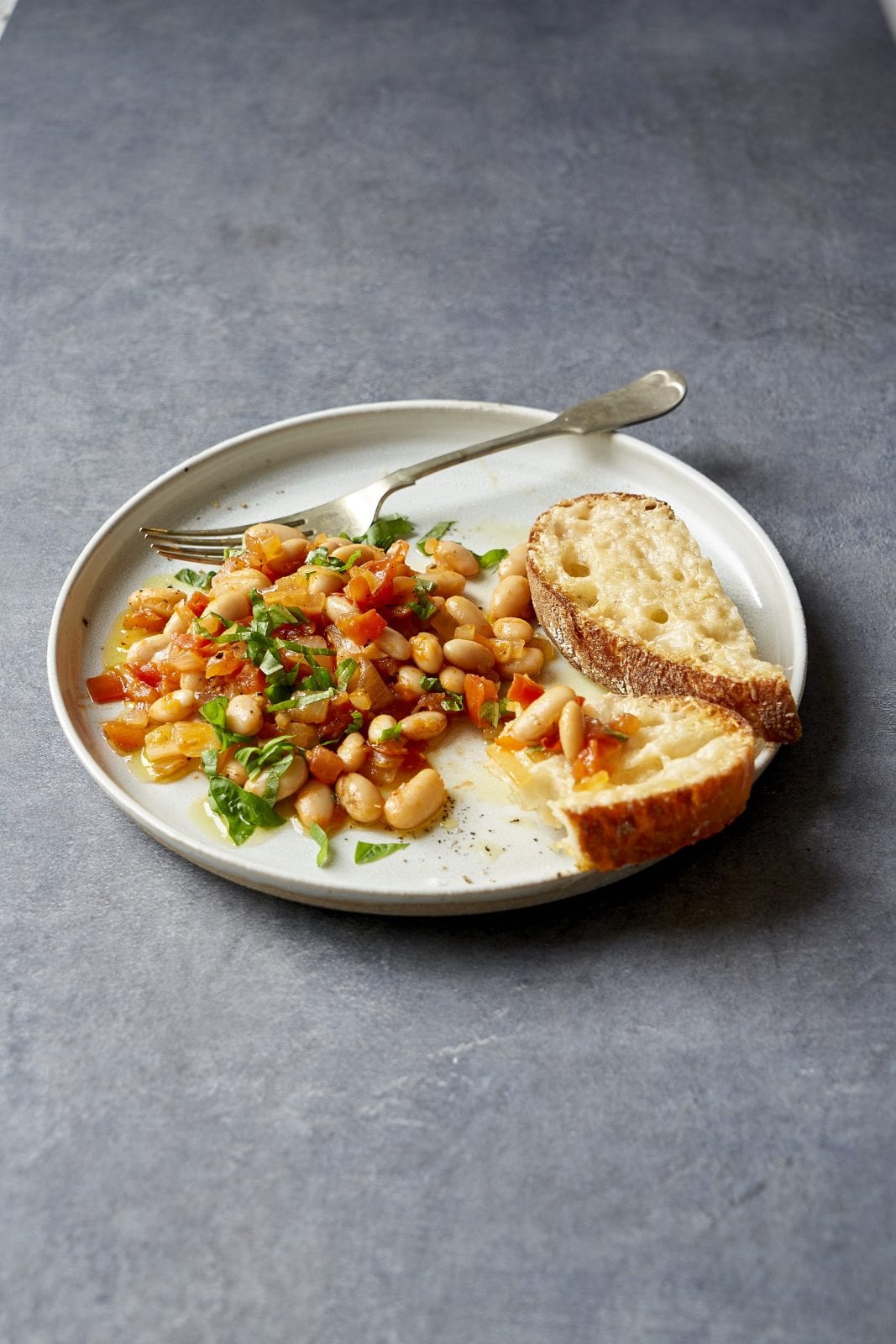
White Beans and Fresh Tomatoes with Parmesan Toast

A bright summertime stew, perfect for under- or overripe seasonal tomatoes. Thick slices of Parmesan-topped toast answer the call for something crusty and crunchy to dip into it. And when fresh tomatoes aren’t happening, see the last variation.

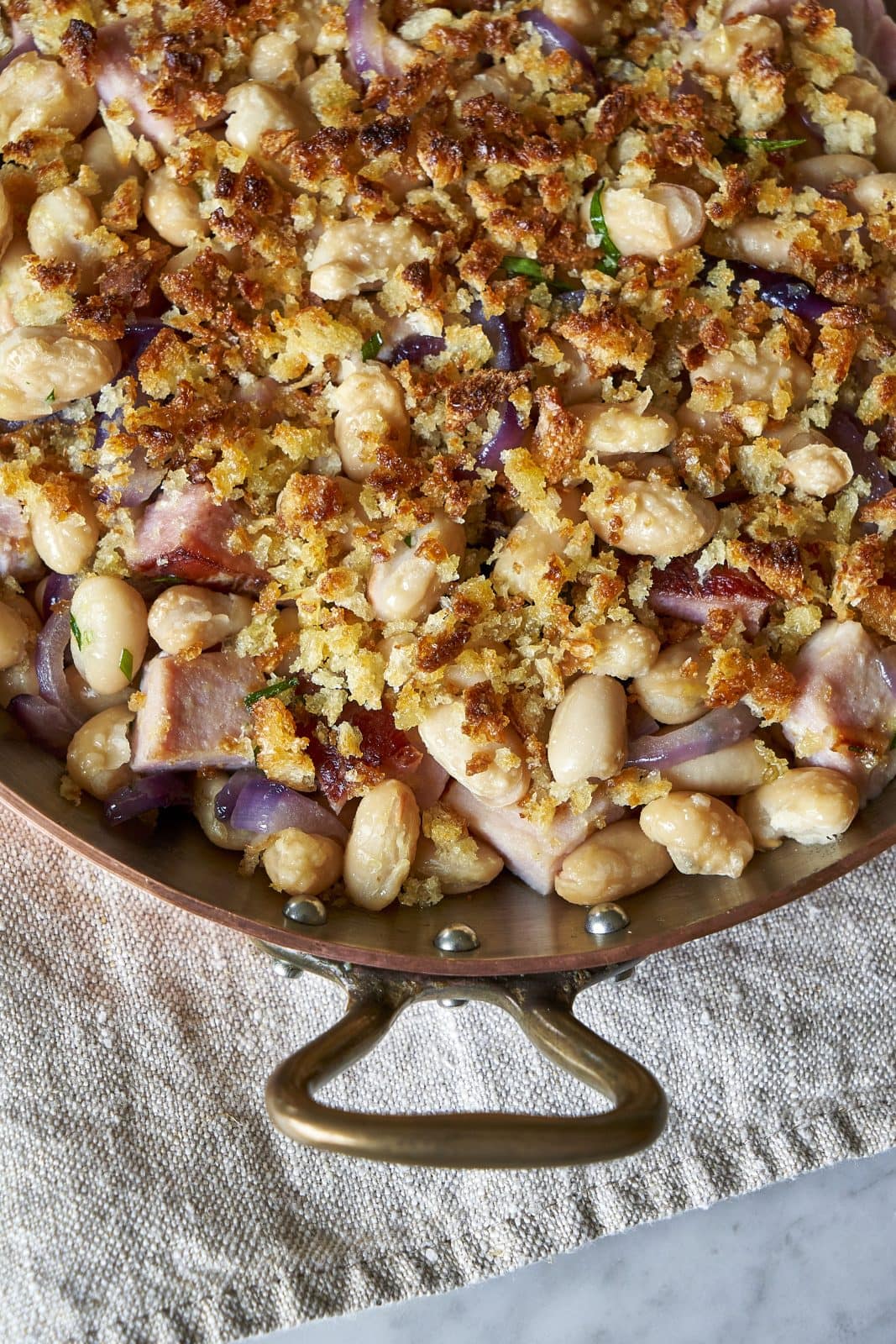
White Bean and Ham Gratin

A hurry-up “cassoulet” with ham and cannellini beans instead of the duck, sausage, and traditional flageolets. The idea is to pull together a quick braise, top it with crisp bread crumbs, run it under the broiler, and serve. The variations are equally excellent in the smokiness department, though there’s nothing at all traditional about them.

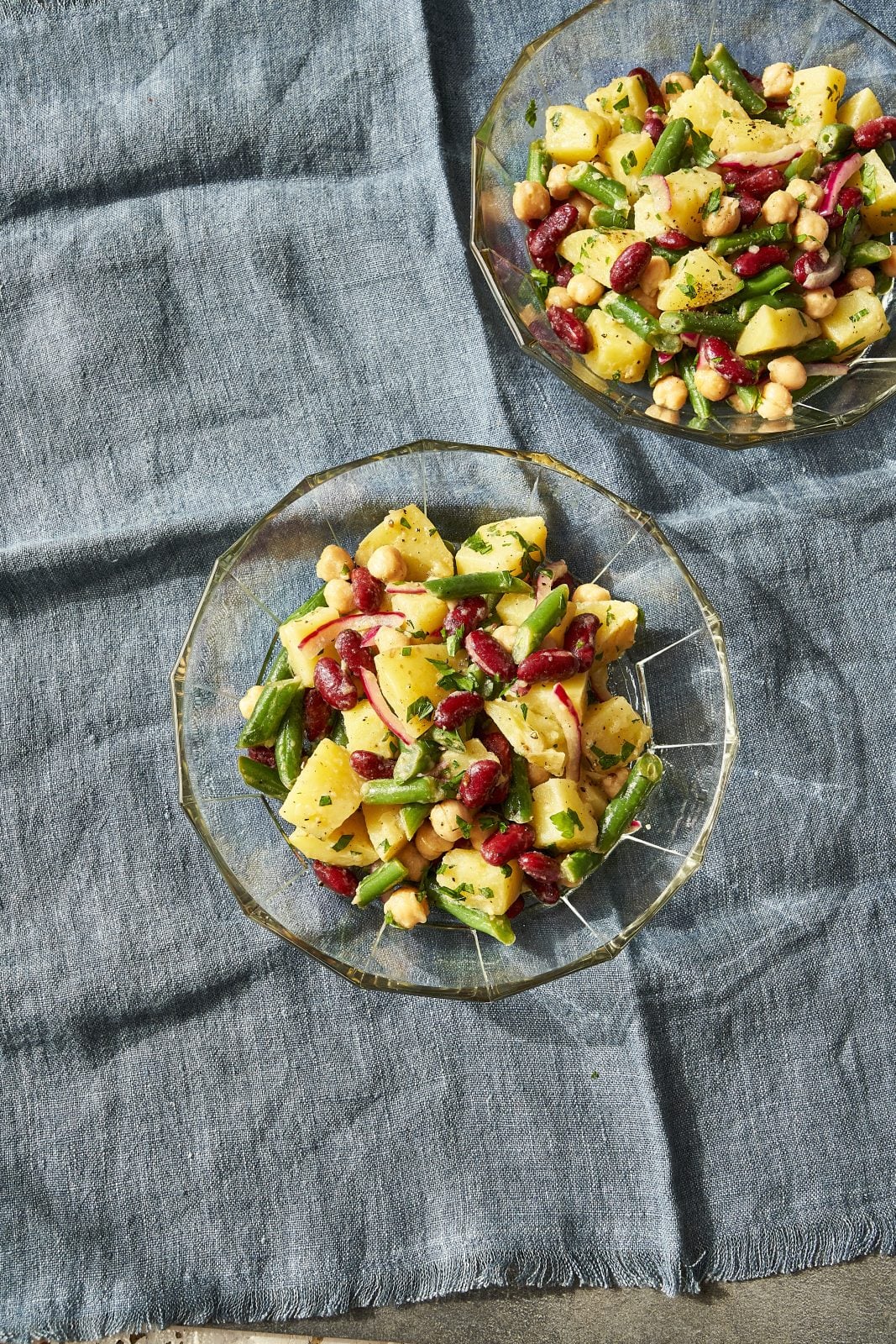
Warm Three-Bean Potato Salad

Typical three-bean salads are usually swimming in a sickly sweet vinegar dressing. I use just a touch of honey for sweetness and add potatoes for extra body. Boiling the green beans and potatoes in shallow water in the same pot—in the bare minimum of water—saves time and extra dishes. Serve with endive leaves for scooping if you like; the bitterness is a lovely counterpoint.

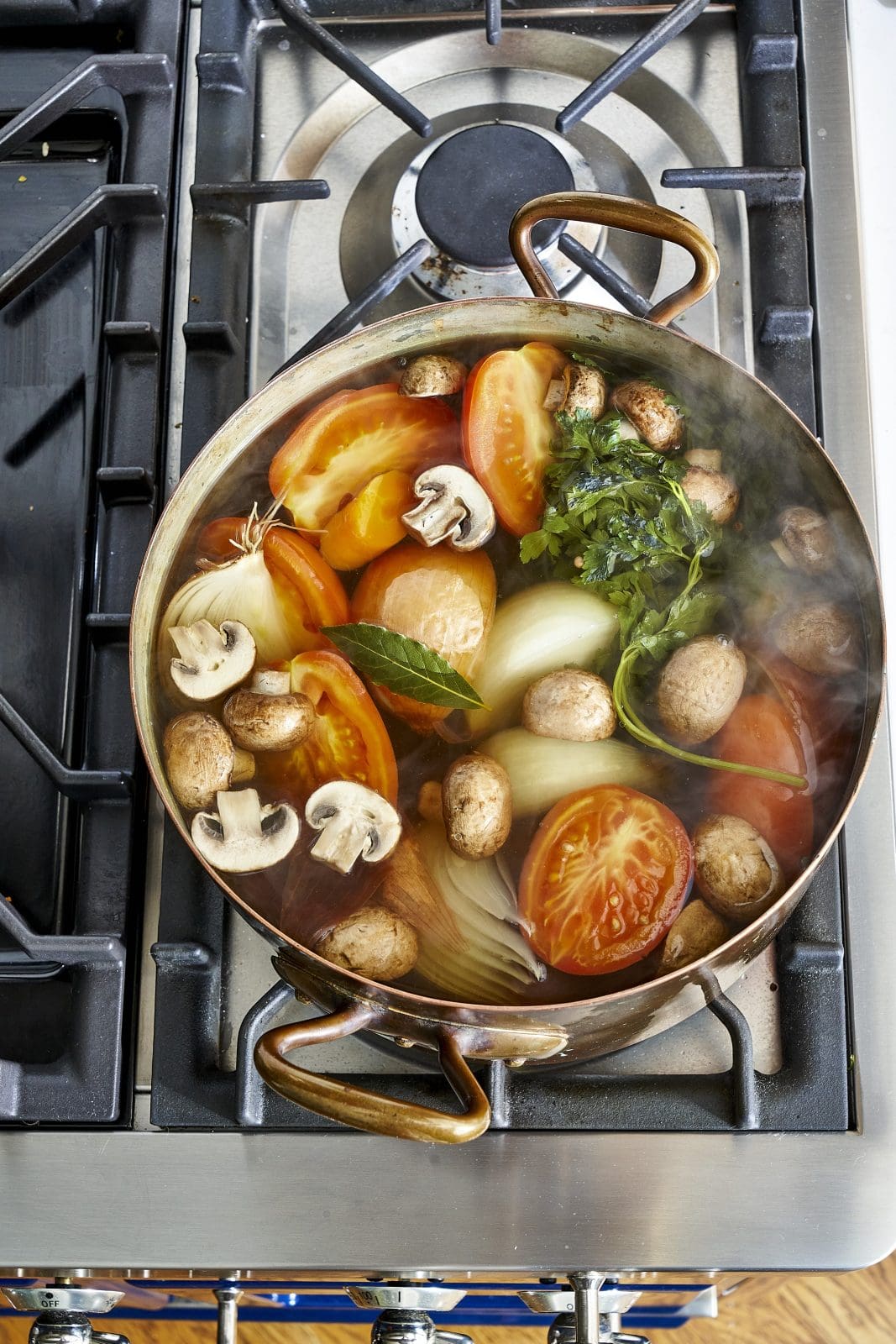
Fastest Vegetable Stock

Sure, there’s nothing like a stock that simmers on the stove all afternoon, but this is the next best thing and still way better than store-bought boxes and cans.

Tofu Ceviche

Tofu is made a lot like cheese, so it doesn’t require cooking. It does, however, benefit from marinating, and—within limits—the longer the better. There are so many ways to eat this refreshing dish: over greens, brown rice, or grains; with Boston lettuce leaves for wrapping; tossed with whole wheat angel hair; tucked into warm corn tortillas; or, of course, all on its own.

Quinoa Salad

A little quinoa goes a long way, especially in
a ­vegetable-driven salad like this. The main recipe is best in summer, when tomatoes and corn are at their peak.

Walnut Banana Bread

Whenever you have leftover brown rice and overripe bananas around, try this whole-grain banana bread packed with fruit, spices, and nuts. It’s a real treat. As the loaf bakes, it forms a rice-flecked crust for a pleasant crunch and a contrast of textures in every bite. Serve it with some fresh berry jam.

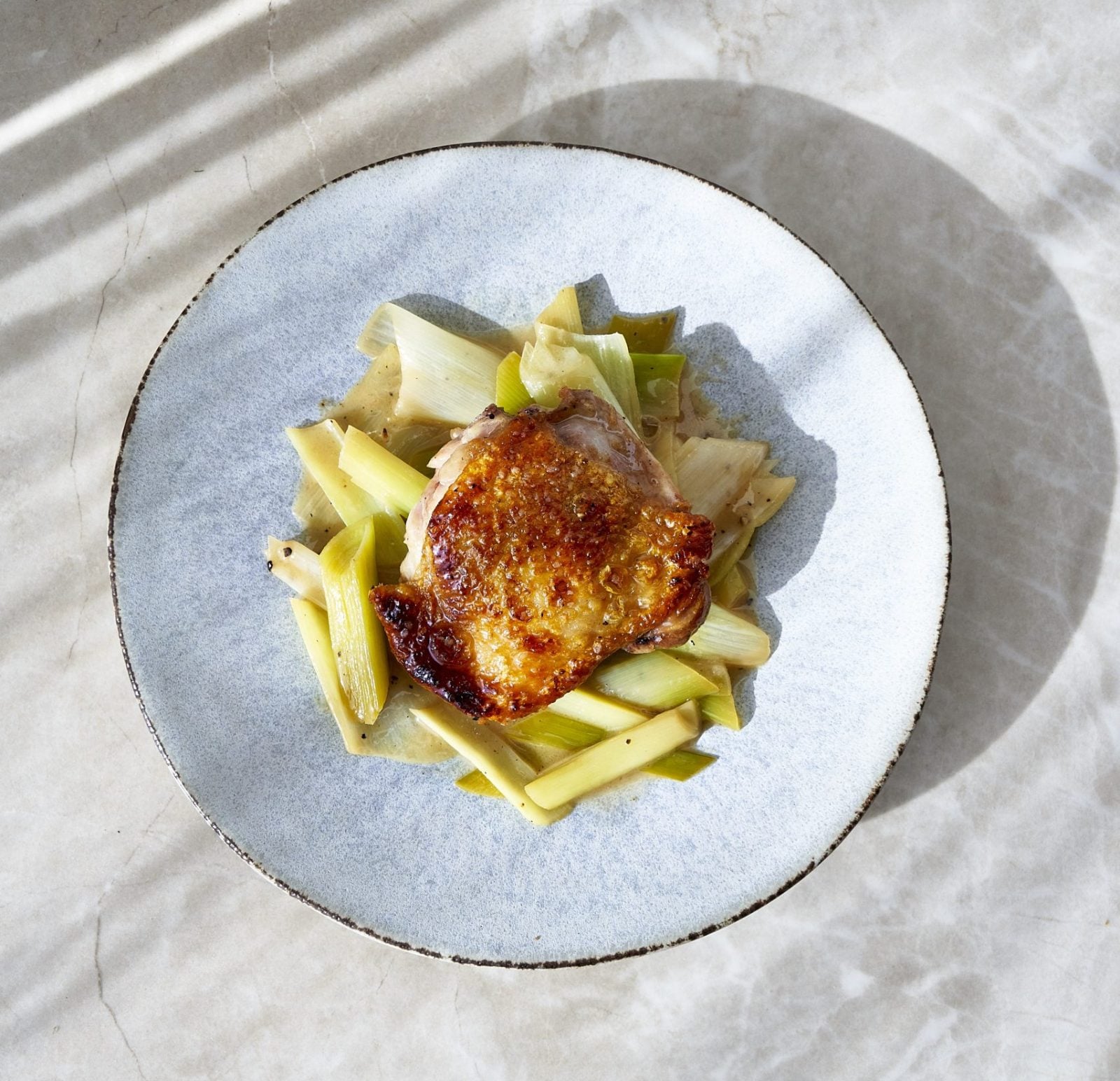
So. Leeking. Good.

The only use for leeks that most people know about is leek vinaigrette. As pleasant a dish as this is—and as much as it screams “spring”—it’s among the most innocuous ways to present what is the subtlest and in a way least forgiving member of the allium family. My favorite simple ways to cook leeks also make quick work of cleaning: cut them up and wash them in a colander: fast, easy, effective. 

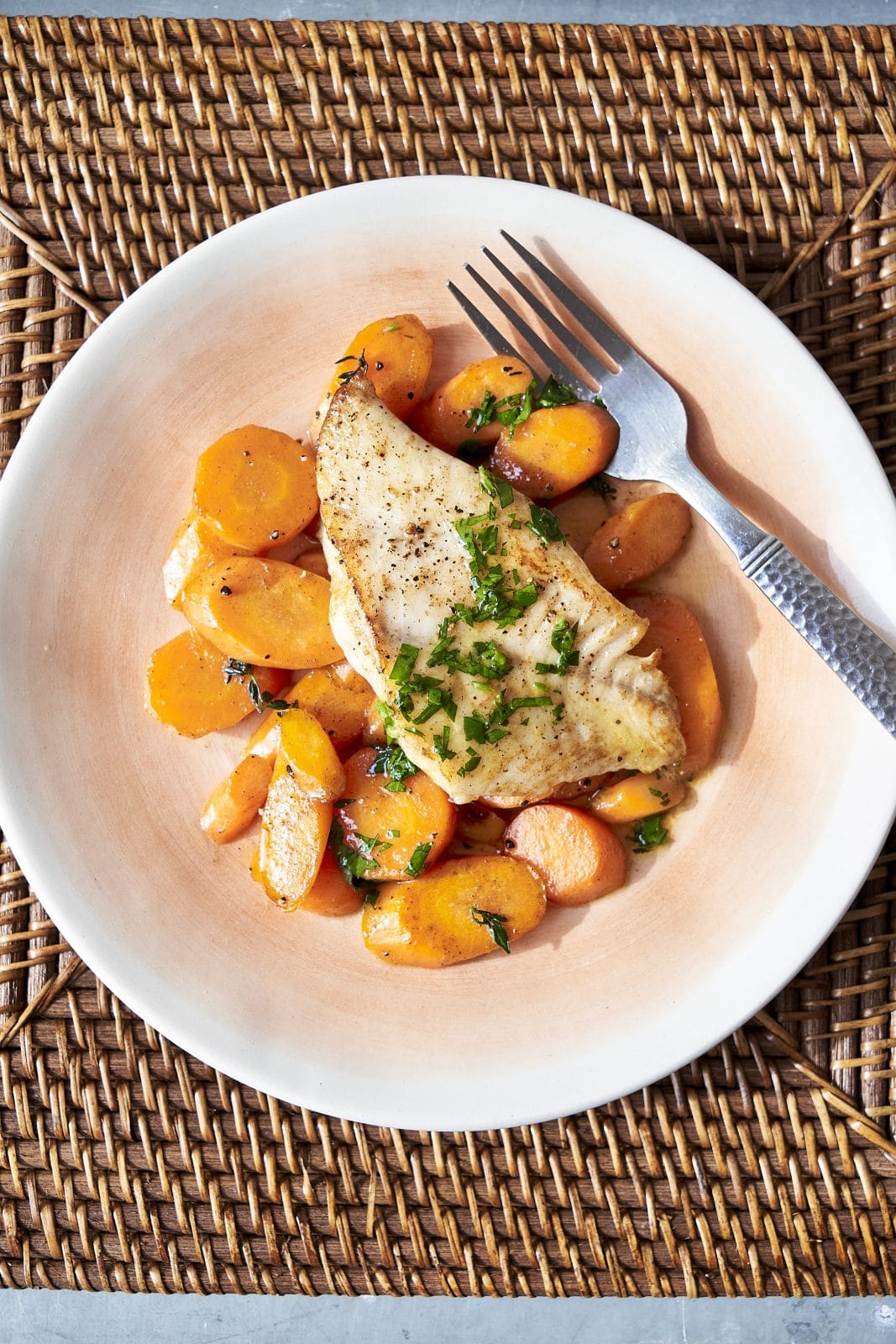
Thin (or Thick) Fish Fillets with Orange-Glazed Carrots

One skillet delivers main dish and vegetable, each taking a buttery, fruity, and pleasantly sweet turn in the pan and ending up on the same platter. It’s a model for all sorts of combinations, starting with the three utterly different variations. To substitute thick fillets or steaks, cook over medium heat in Step 3 for a couple minutes longer on each side, peeking inside to assess doneness.

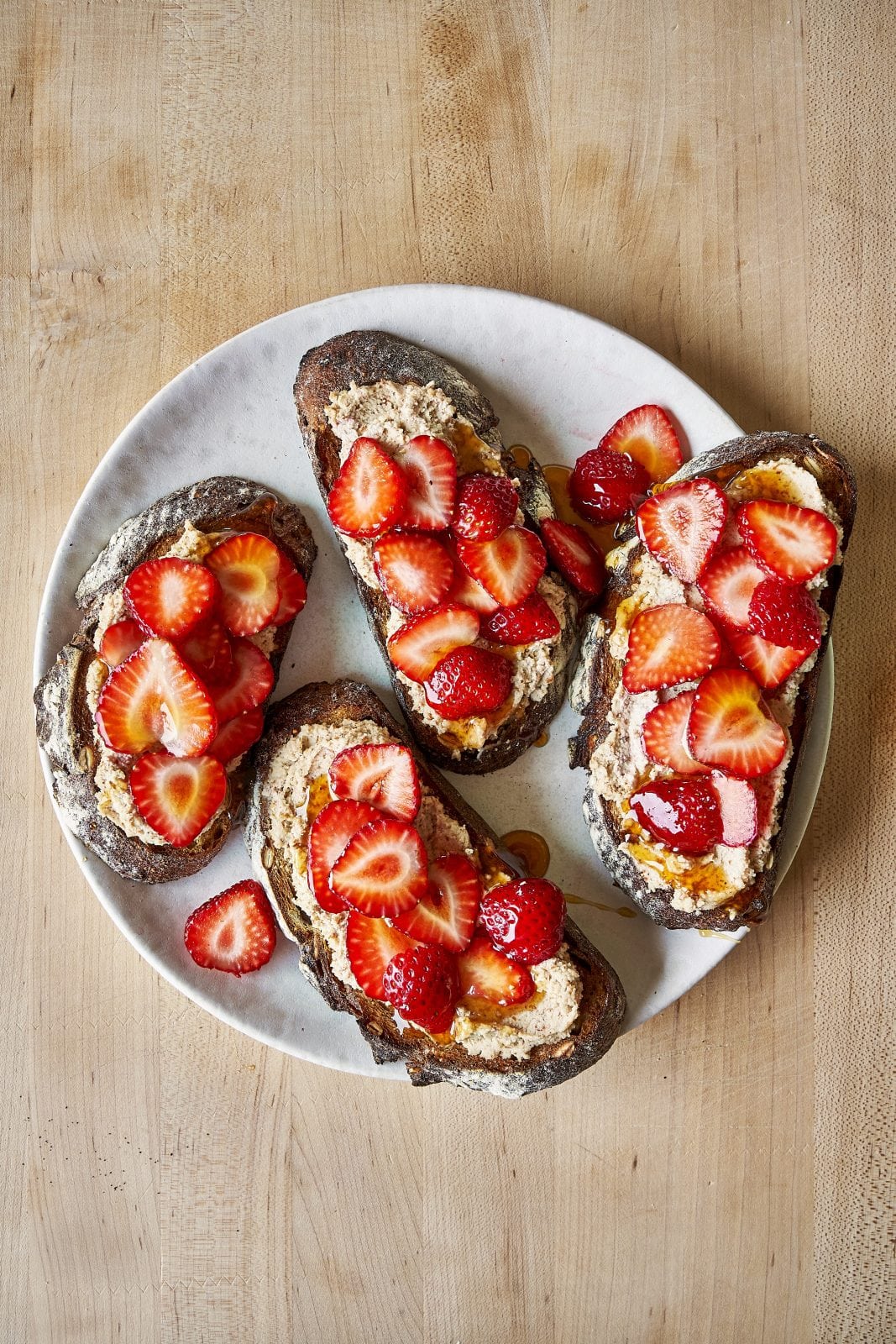
Toast with Toasted Almond Butter and Strawberries

Nuts, fruit, and whole grains are always a good way to start the day. And you’ll be amazed how simple it is to make chunky, fresh-tasting nut butter at home. All you do is give some nuts (or seeds, for that matter; I toast them, but you don’t have to) a whirl in the food processor with water. To make a big batch so you always have some handy, figure 2 cups nuts or seeds will yield more than 1 cup butter, so you’ll have some extra for another time.

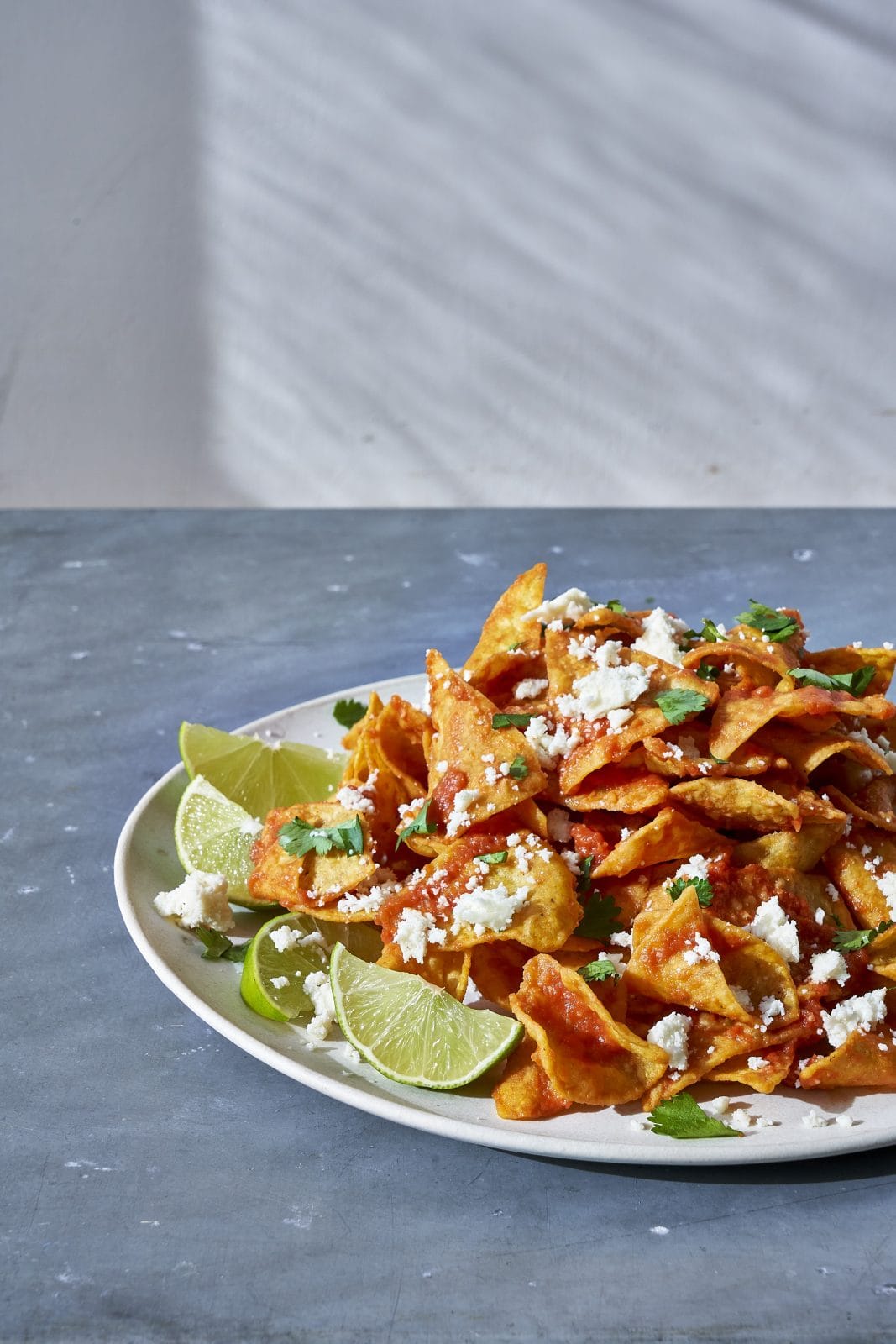
Tortillas Rojas

Take a quick blended salsa, toss it with warm chips, and sprinkle everything with fresh cheese, and you’ve got a keeper you’ll make again and again. In fact, you’ll probably like them better than nachos.

Cornmeal Mush with Many Toppings

The American name for polenta, cornmeal mush is a classic breakfast in this country. The coarser the cornmeal, the sturdier—and more textured—the results. (I like quite coarse cornmeal for this, though it does take an extra 5 to 10 minutes to cook.) See below for topping ideas, both sweet and savory.

Green Toast

Think of this as a gorgeous fruit salad that just happens to be green. And savory. You control how much heat you want, including skipping the chiles all together if you prefer. And this topping is also good—for breakfast or otherwise—tossed into rice or scooped up with baked plain corn tortillas.

Cooking in Your Sleep

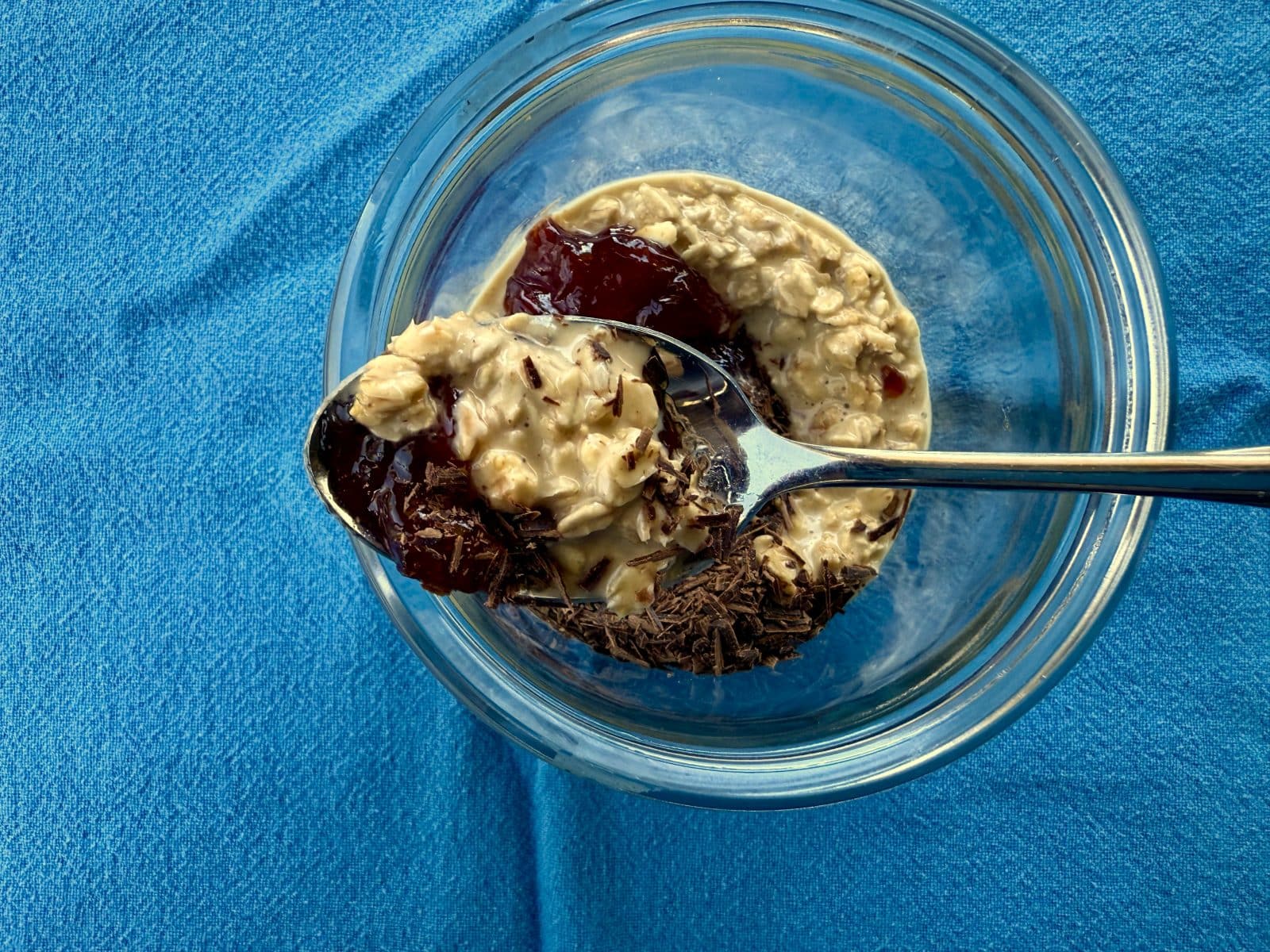
We did a deep dive—so you don’t have to—into overnight oats, and came up with four brand new, super-flavorful recipes that you’ll be happy to have hot or cold.

Pita Pizza with Fresh Jam

Inspired by Pop-Tarts, the icon in a category of junky breakfasts known as “toaster pastries,” here’s an equivalent that is (obviously) better for you and almost as simple, especially if you use a toaster oven. In fact, once you prepare the fruit and buy the pita, you’ve got three breakfasts that are toaster-fast (see the variations). Your strawberries may be sweet enough that they don’t even need sugar; taste one before you start to make the jam.

Orange Soup with Black Salsa

Squash soup, which is wonderfully smooth and rich, becomes bolder and heartier with the addition of beans. Both components can be made ahead and stored in individual containers to be assembled for quick midweek meals.

Leek Terrine

Leeks have loads of natural gelatin, and this dish takes advantage of that. You’ll need a narrow rectangular mold, about the same length as the leeks–about 14 inches long by 3 inches wide by 3 inches high.

Braised and Glazed Radishes, Turnips, or other Root Vegetables - The Bittman Project

Darling, You’re Radishing!

If your thinking about radishes has been limited to the usual clichés—slice and put into a salad, make into a rose and use as a garnish—we can help expand your thinking a bit.

Dilled Leg of Lamb

Grilling a bone-in leg of lamb yields dramatic results with very ­ little effort. Cooked the entire time over indirect heat, it ­ will develop a beautifully browned—­and delectable—crust. Since it’s impossible to cook this funky-­ shaped cut to the same doneness throughout, your best bet is to take it off the grill when the lowest temperature is about 5°F shy of the
doneness you prefer for lamb; that way, you’ll end up with lamb at pretty much all levels of doneness, all of it juicy. If you have a choice, buy the leg without the shank, which ­doesn’t take that well to grilling and adds expense. You can also buy half-­legs of lamb; the butt half is preferable. Plan on cooking times for a 3-­ to 4-­ pound half-­leg to be about two-­thirds of what they are
for a ­ whole leg.