Mark Bittman

Filters

Sort by date

Content Type

Leek Terrine

Leeks have loads of natural gelatin, and this dish takes advantage of that. You’ll need a narrow rectangular mold, about the same length as the leeks–about 14 inches long by 3 inches wide by 3 inches high.

Braised and Glazed Radishes, Turnips, or other Root Vegetables - The Bittman Project

Darling, You’re Radishing!

If your thinking about radishes has been limited to the usual clichés—slice and put into a salad, make into a rose and use as a garnish—we can help expand your thinking a bit.

Dilled Leg of Lamb

Grilling a bone-in leg of lamb yields dramatic results with very ­ little effort. Cooked the entire time over indirect heat, it ­ will develop a beautifully browned—­and delectable—crust. Since it’s impossible to cook this funky-­ shaped cut to the same doneness throughout, your best bet is to take it off the grill when the lowest temperature is about 5°F shy of the
doneness you prefer for lamb; that way, you’ll end up with lamb at pretty much all levels of doneness, all of it juicy. If you have a choice, buy the leg without the shank, which ­doesn’t take that well to grilling and adds expense. You can also buy half-­legs of lamb; the butt half is preferable. Plan on cooking times for a 3-­ to 4-­ pound half-­leg to be about two-­thirds of what they are
for a ­ whole leg.

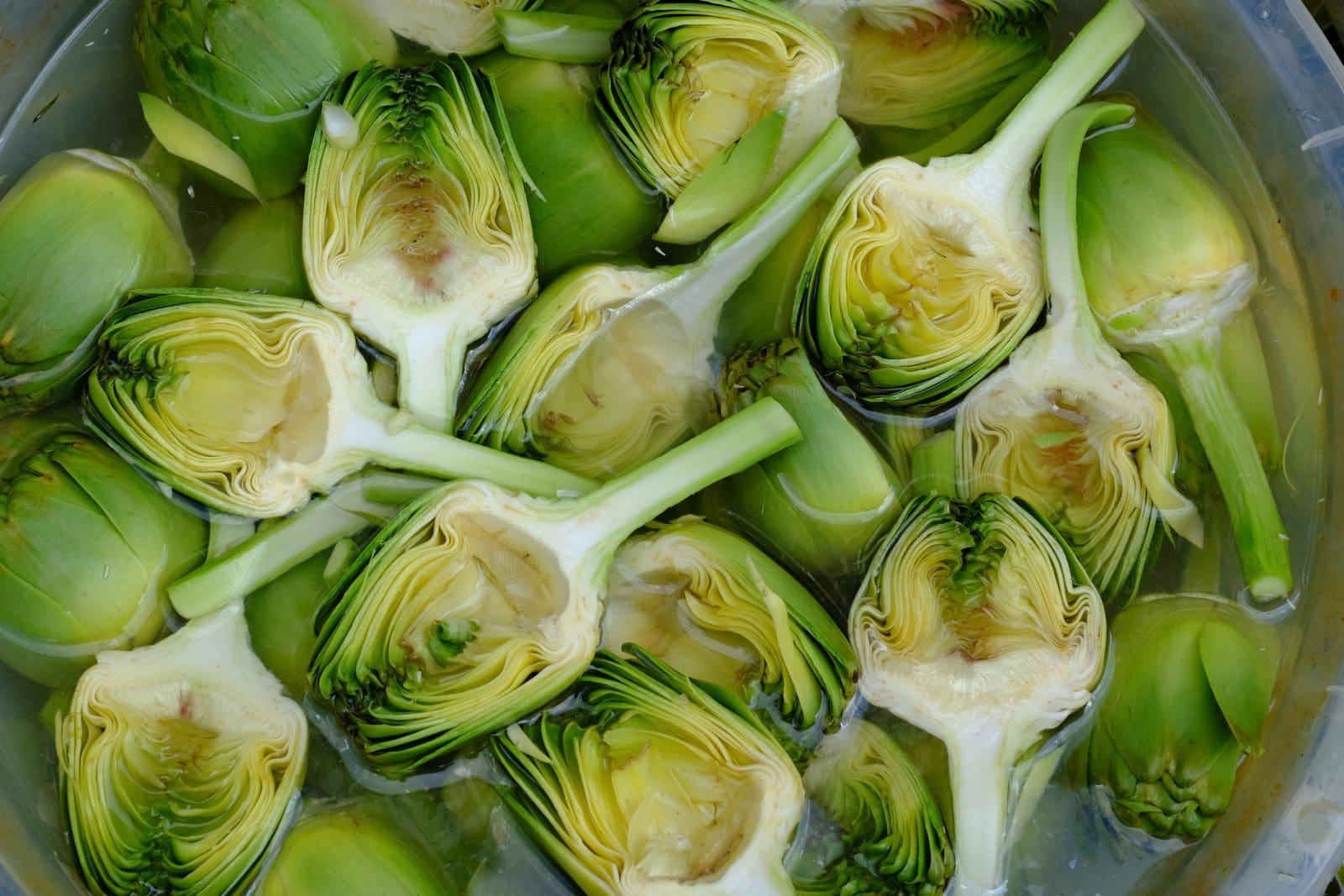
The Heart of the Matter

I’ve got the best artichoke story—or among the saddest, perhaps—of anyone you know. Or at least of anyone you know who has eaten artichokes. Plus, the glorious follow-up.

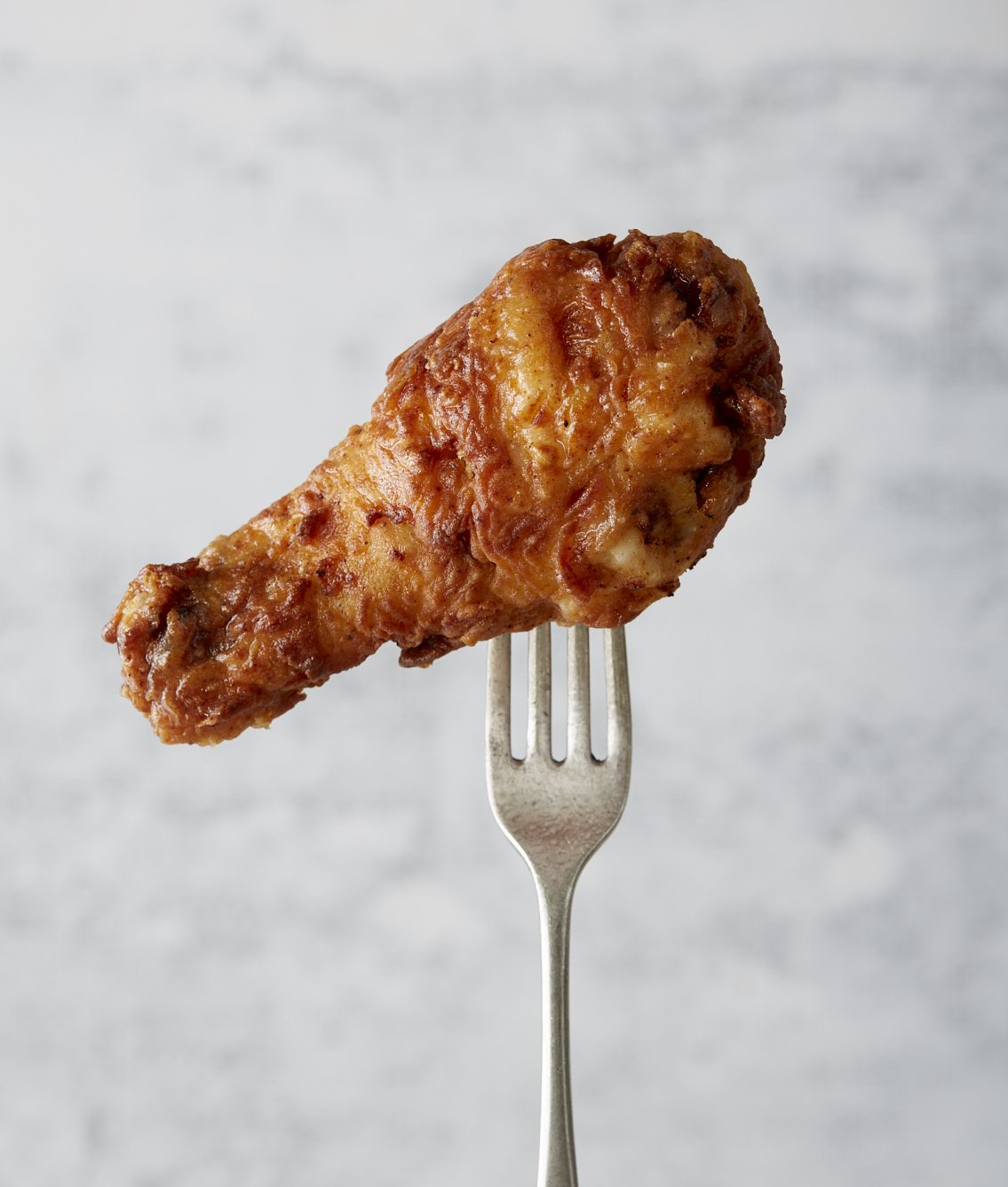
Fear of Frying

The biggest disincentive to fry is that most people don’t practice: They don’t learn to get good at it. Once that happens, you can fry almost anything and the results are phenomenal.

Food with Mark Bittman: Cory Booker

In this revisiting of a 2022 episode, Mark talks to one of our most forward-thinking Senators about Big Food’s long standing capability of corrupting food policy, the possibility of real change, why a Twinkie is cheaper than an apple, and how we can find our way back to regional food systems.

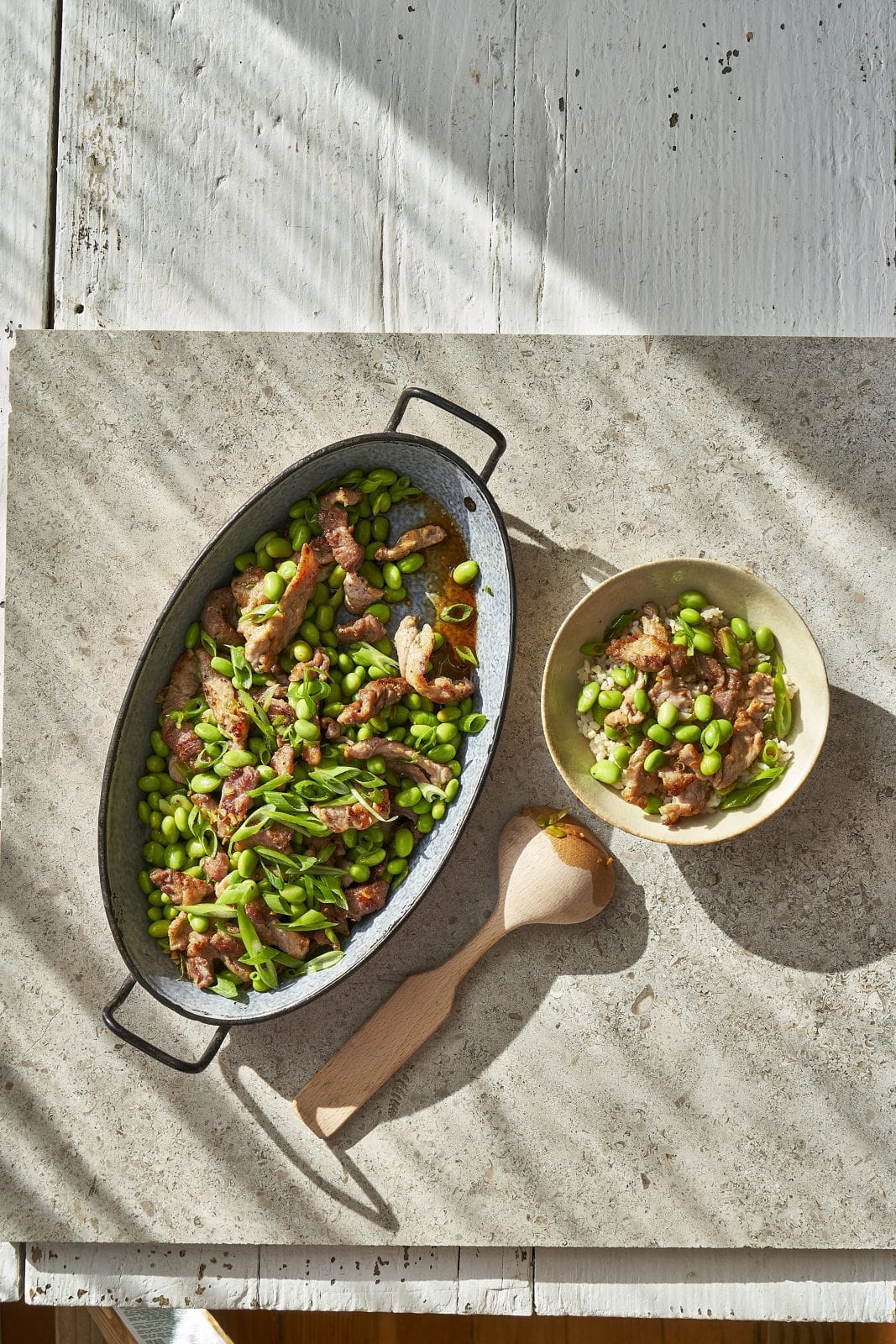
Stir-Fried Pork with Edamame and Scallions

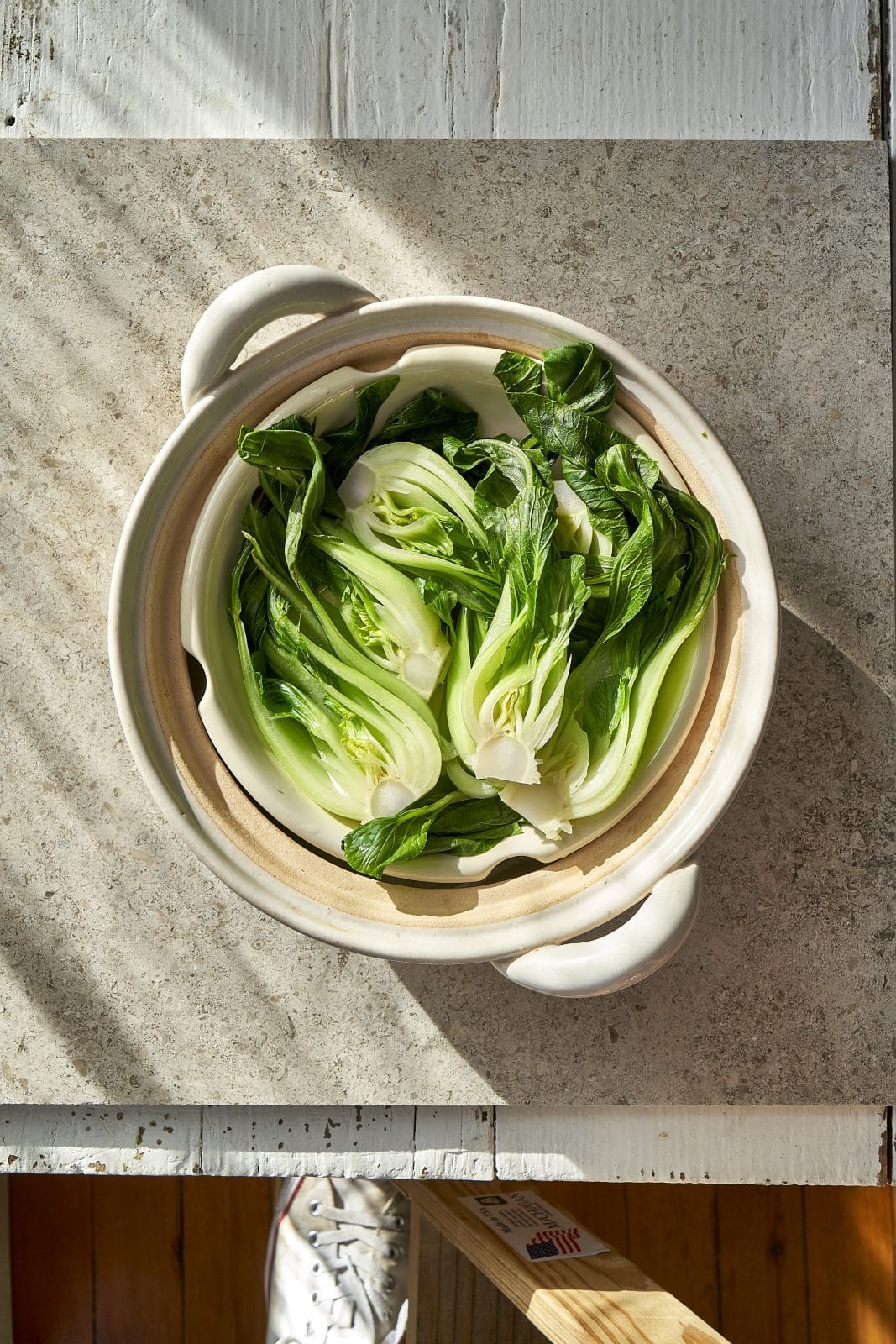
Edamame add vibrant color and heft to stir-fries. Add them right out of the freezer bag toward the end of cooking with a little water, and suddenly you have a flavorful pan sauce. Serve over salad greens or steamed or microwaved bok choy, or wrap into warm flour tortillas or other flatbread.

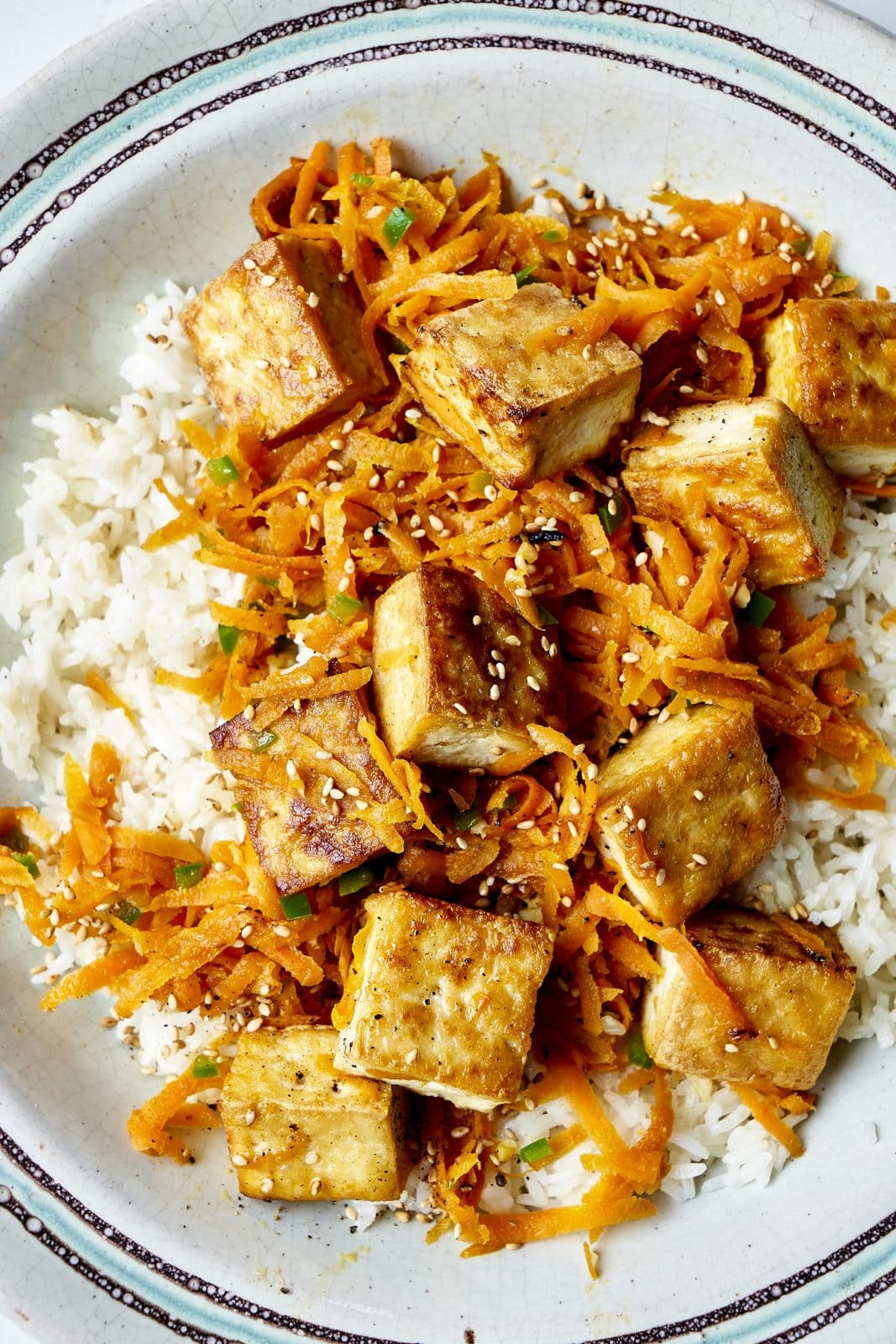
Stir-Fried Tofu and Carrots

A stir-fry in two parts: Get the tofu started right away, then turn your attention to prepping and sauce. (Or you can use any grated root vegetables or chopped green beans or sugar snap peas.) Staying busy will prevent you from messing with the tofu and causing it to stick and crumble. Rice vermicelli, Chinese egg noodles, bean threads, japchae (sweet potato starch) noodles, or glass (mung bean) noodles are all good ways to round out the meal, as is good old rice.

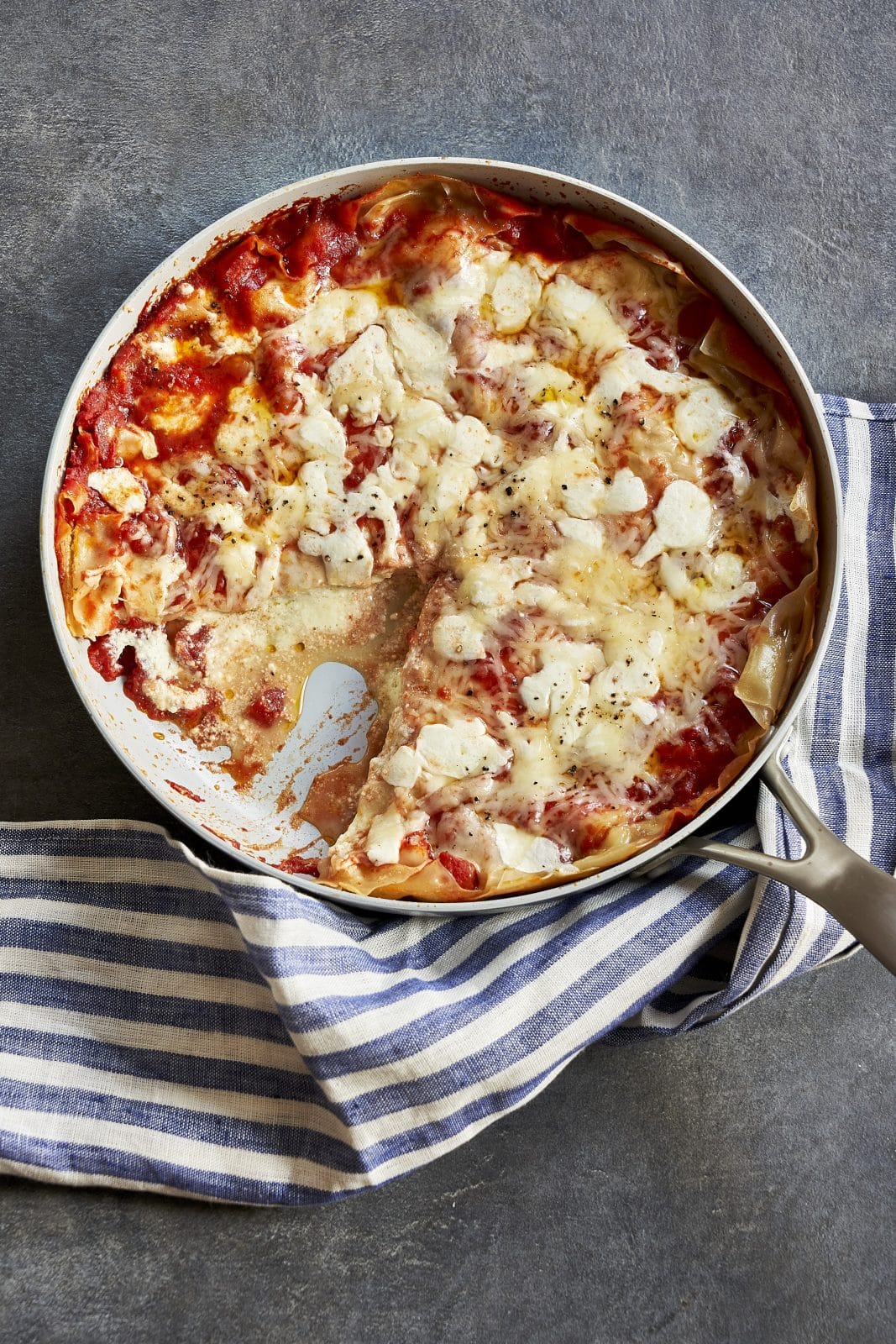
Gooey Stovetop Lasagna

Egg roll wrappers are excellent stand-ins for fresh pasta sheets. Be sure to get the kind that are refrigerated, with a simple ingredient list that indicates they’re minimally processed. With this method you don’t even need to turn on the oven.

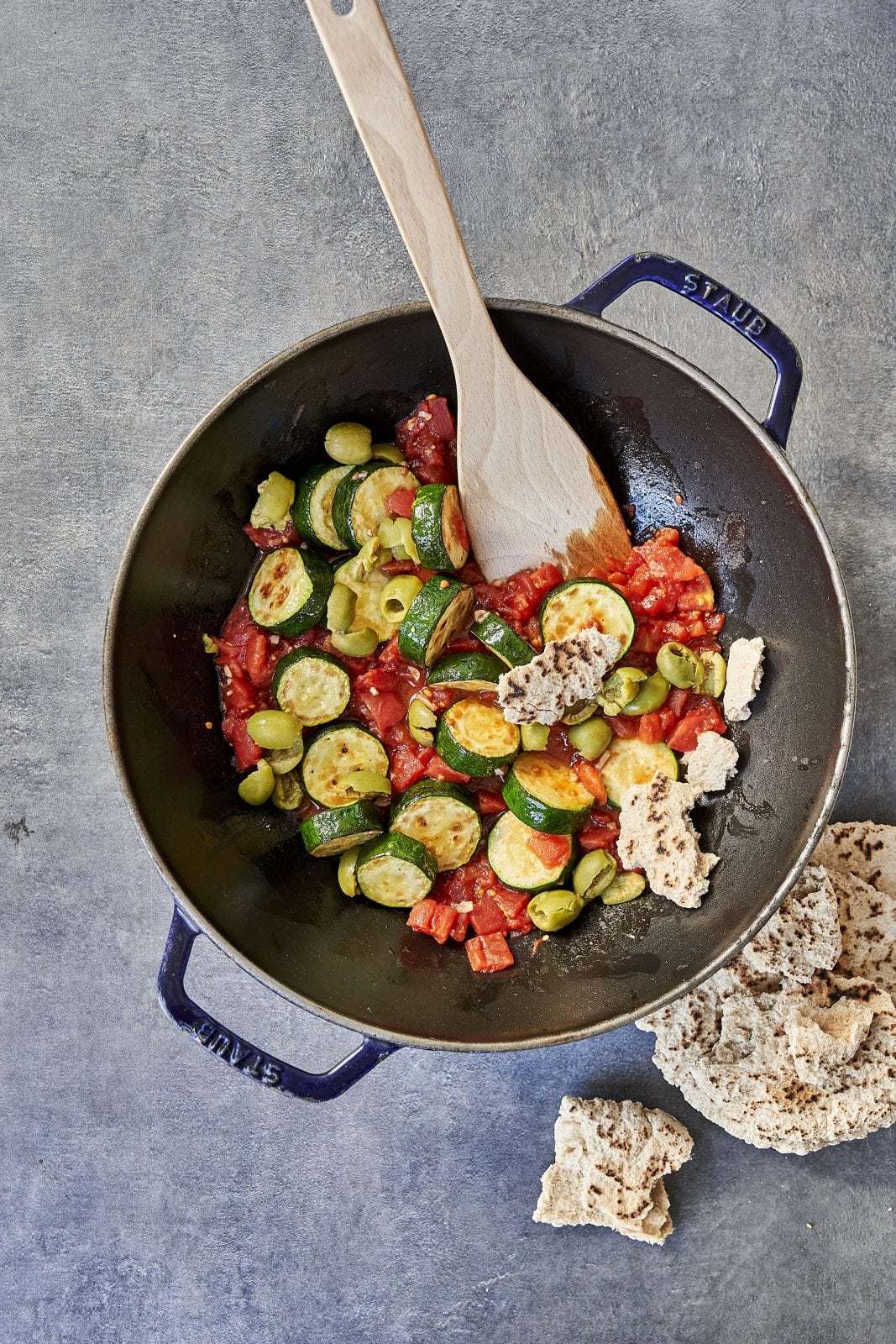
Seared Zucchini with Pita and Olives

Think of a cross between fattoush (the Lebanese pita salad) and ratatouille (the Mediterranean summer stew)—and a world of possibilities emerges. Though the main recipe calls for zucchini, you can substitute cubed eggplant or sliced red bell pepper for some or all of it.

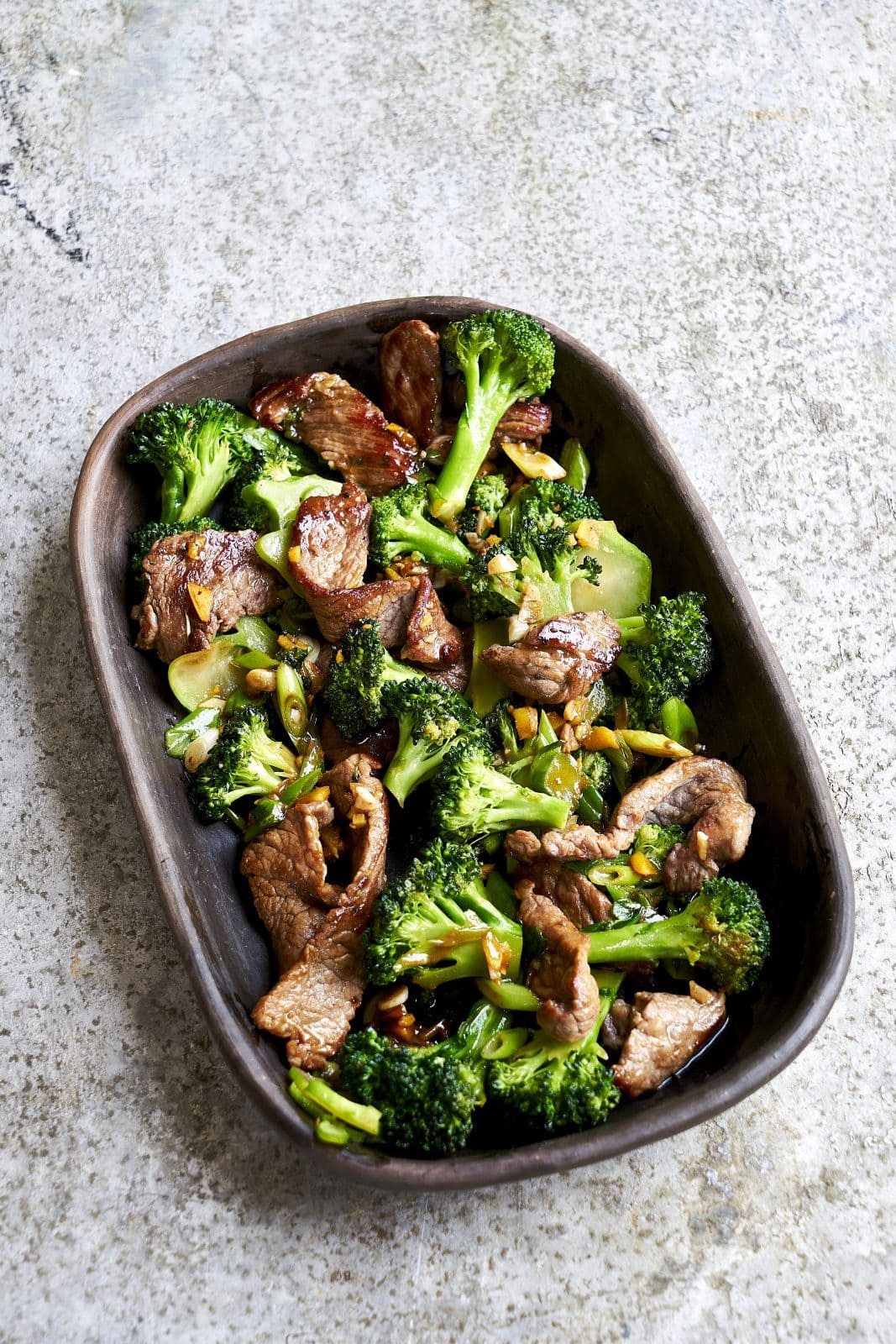
Stir-Fried Beef and Broccoli

I never get tired of this combination, especially when I skew the balance toward the broccoli and cook it a tad beyond crisp-tender. You’ll be amazed how the meat flavors the broccoli and vice versa, while they both retain every bit of their uniqueness. Serve over rice or quinoa, or toss with egg noodles or linguine.

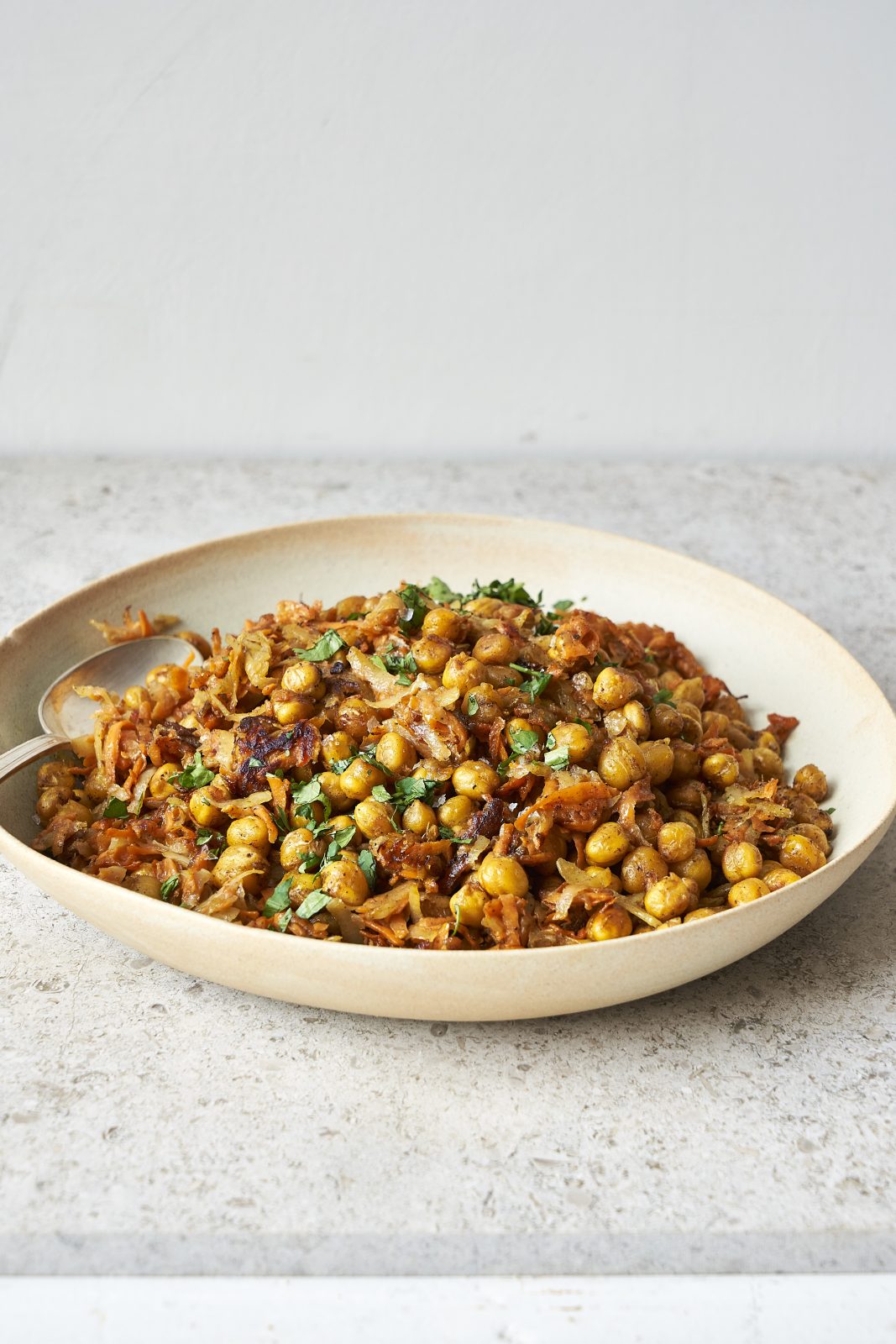
Stir-Fried Curried Chickpeas with Two-Tone Potatoes

Crisp spiced chickpeas are one of the most satisfying snack foods, too good to confine to nibbling. So let’s add them to grated root vegetables for a hearty stir-fry, which benefits exponentially from the extra crunch and seasoning. Serve with flatbread.

Steamed Vegetables

By thinking of vegetables in three wildly general categories—greens, tender, and hard—all you need is this recipe and the variations that follow to prepare and cook virtually everything. The “greens” category includes the most delicate, like watercress, spinach, and arugula, as well as those that require longer cooking, like collards and escarole. What I call “tender” vegetables are those that are firm but pliable when raw: celery, green beans, asparagus, snow peas, sugar snap peas, broccoli, cauliflower, and mushrooms, and those that fit the description when you chop or slice them, like eggplant, zucchini, cabbage, onions, leeks, shallots, and fennel. Everything else is “hard”: root vegetables, tubers (like potatoes), and winter squashes. For each vegetable in a category, you control how long it takes by choosing how to cut or slice it. Even hard vegetables like beets and sweet potatoes will cook relatively quickly when they’re cut in pieces less than 1 inch thick; they’ll cook fastest if you grate them. Making peace with the peels—which are nutritious and can actually be delicious—saves you several minutes, prep time. Let’s get right to it.

Steak and Vegetables with Chimichurri

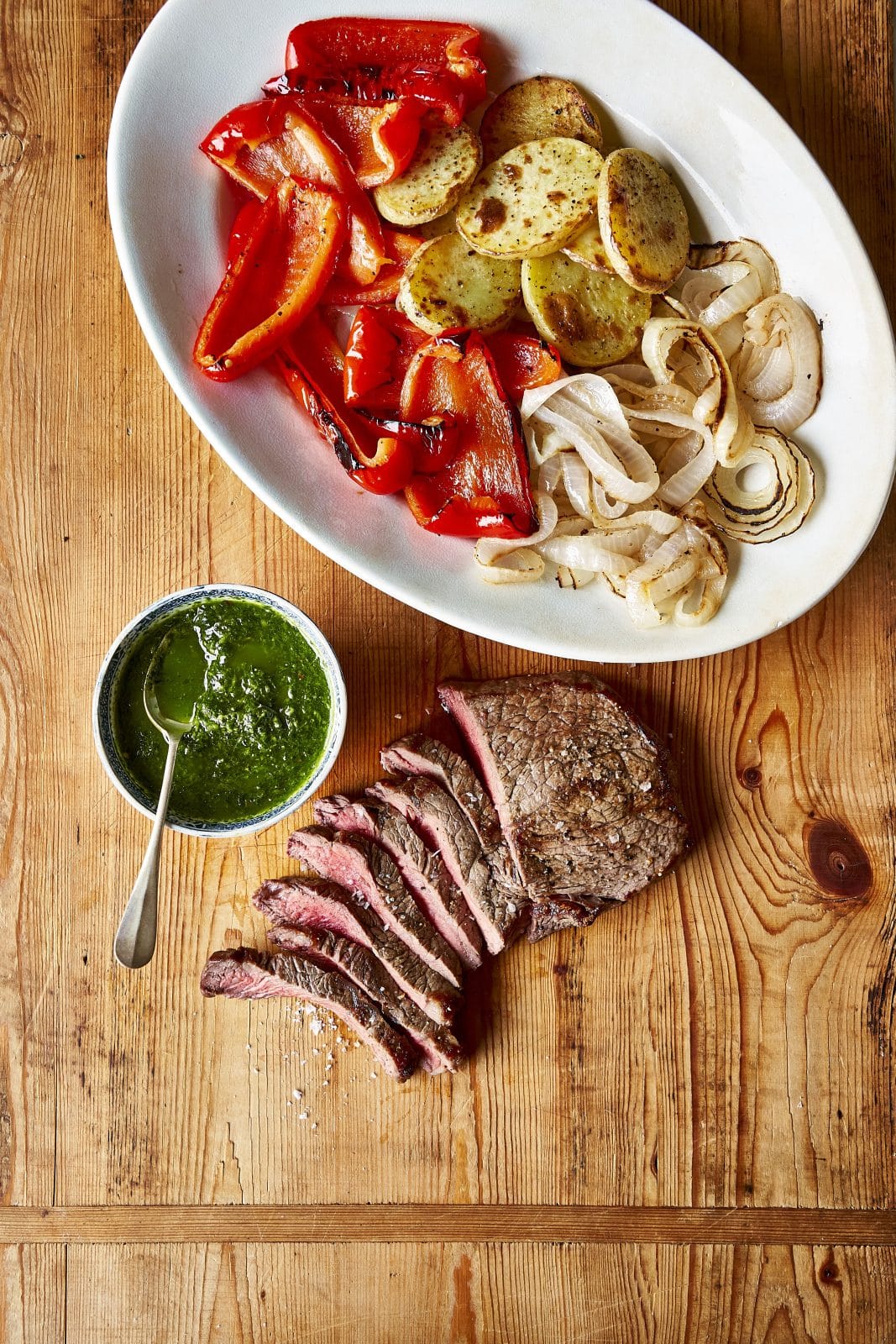
Chimichurri, the tangy fresh herb sauce of Argentina, is best known as a sidekick for steak, but it’s one of those things that’s great with everything. So here’s a recipe that shows how you can drizzle it on, well, everything. This is truly a one-dish meal, though you’ll probably want some bread on the side for swooshing around on your plate.

Pasta with Squid and Tomatoes

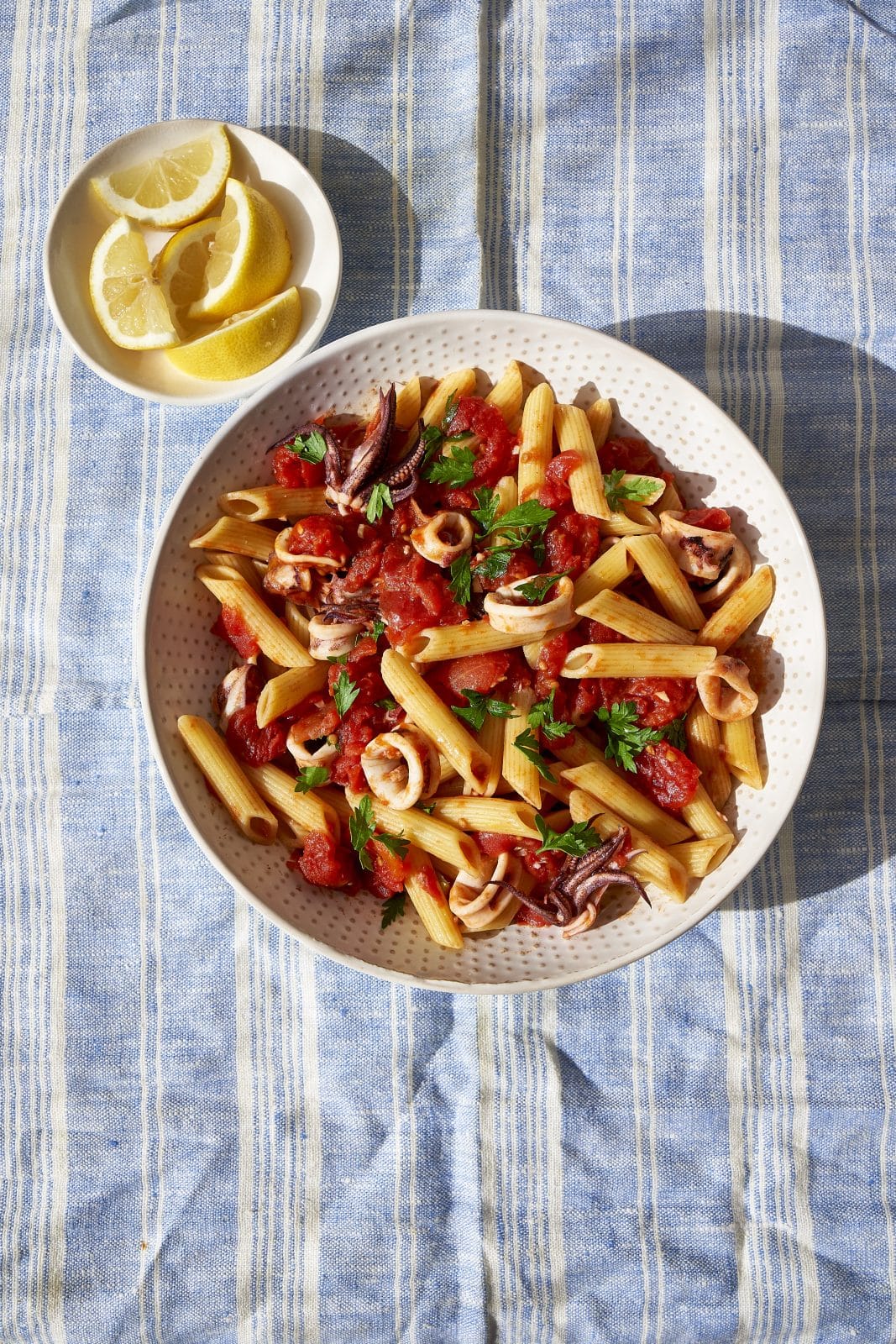
Squid is mild, cooks fast, and has a pleasant chew that’s reminiscent of noodles. For anyone who hasn’t tried it, pasta is an ideal introduction. The trick is to not overcook squid or it becomes tough.

Skin-On Mashed Potatoes

You only realize how long it takes to peel potatoes when you stop doing it. The other tricks that put mashed potatoes in your grasp are slicing thinly and not having a ton of water in the pot. Russet potatoes make a fluffier mash, while all-purpose Yukon Golds tend to be a little creamier in texture.

Smoky Pinto Burgers

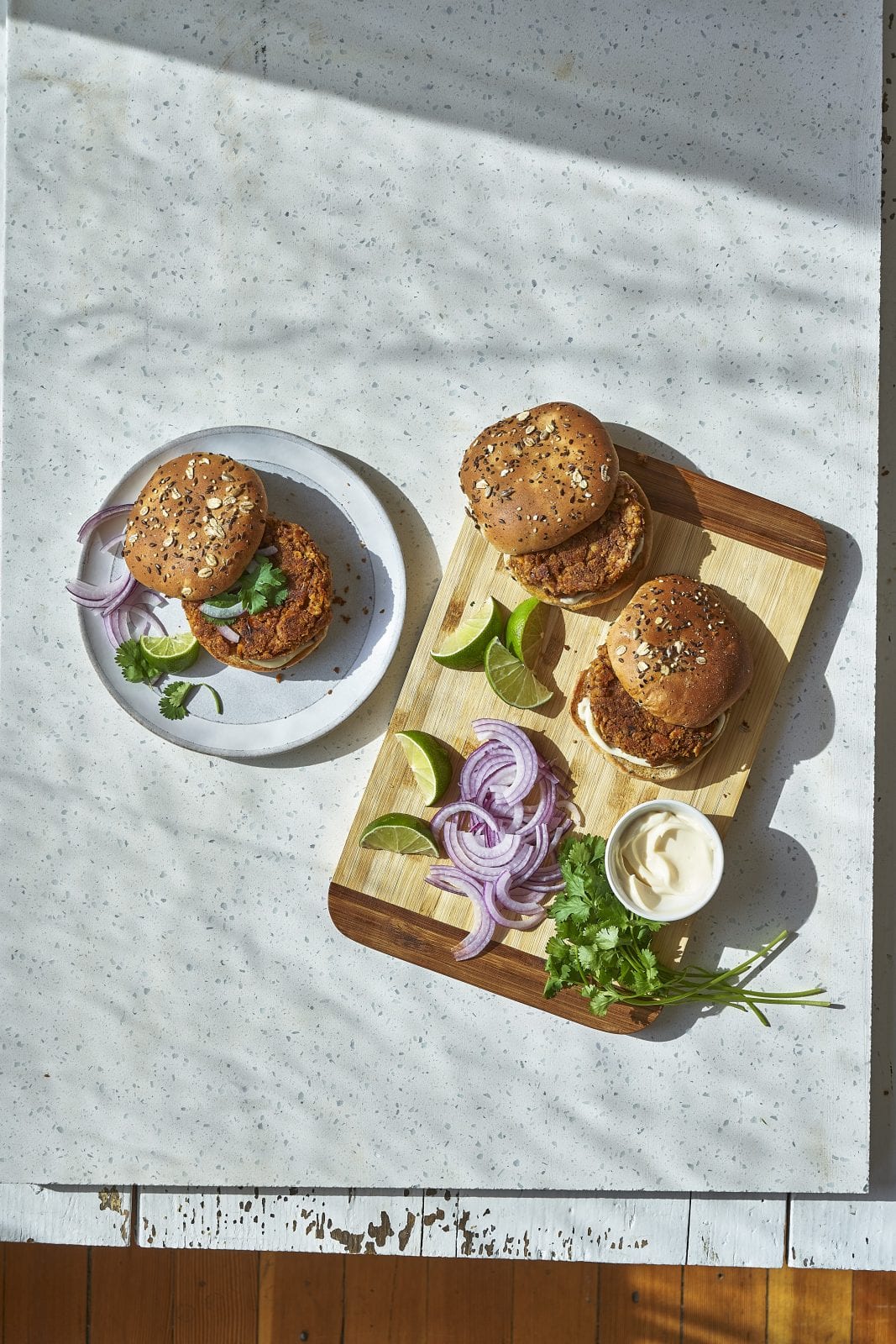
Patties made out of pink pinto beans and oats are easier (and better!) than any vegetarian burger you’ve ever tried.

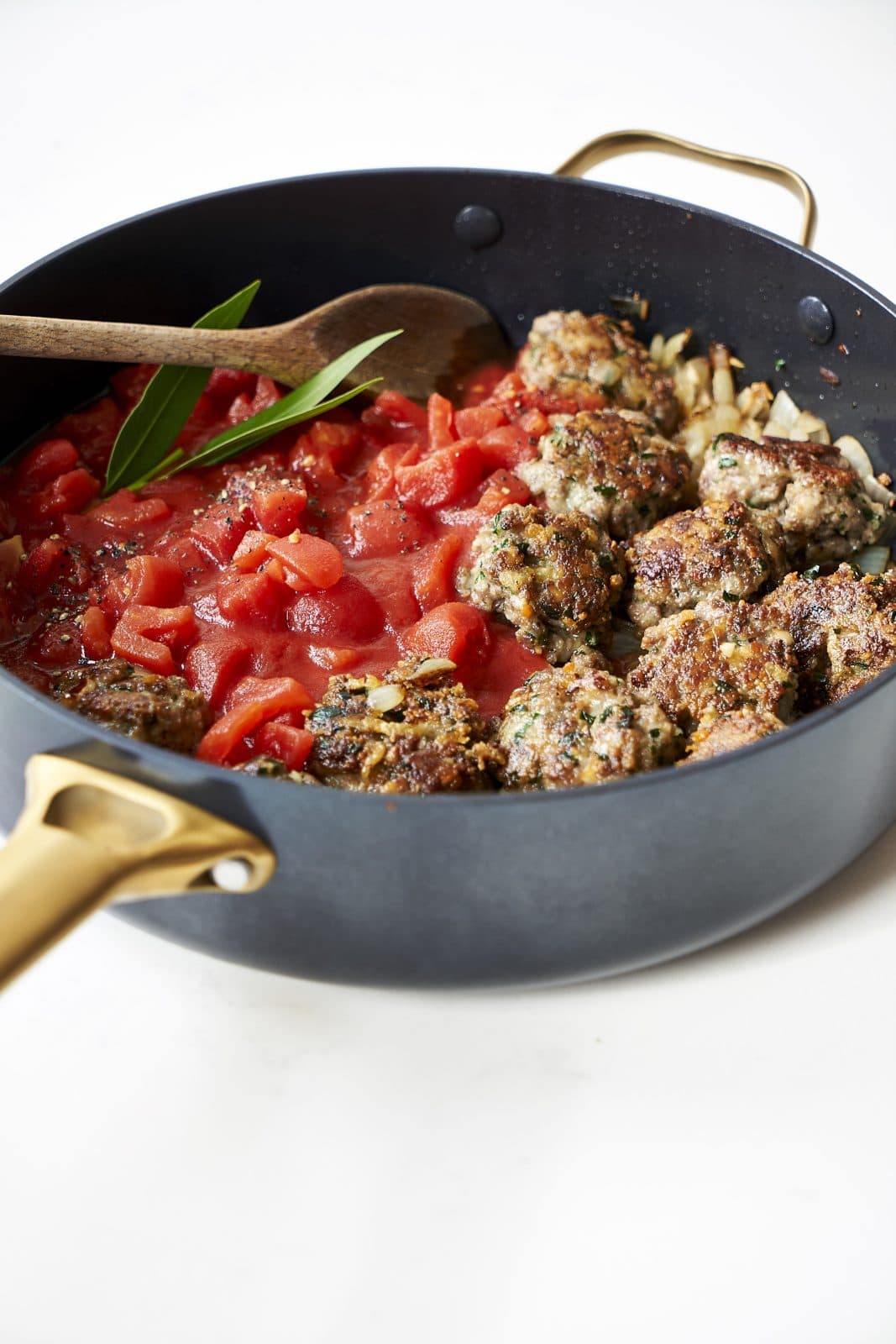
Spaghetti and Drop Meatballs with Tomato Sauce

Stop rolling your meatballs. Instead, drop them like cookie dough from two spoons. It’s faster, for one, and you won’t risk overworking the meat, so they’ll be more tender. For even more efficiency, I leave them alone to brown on the bottom of the pan while the tomato sauce comes together around them.

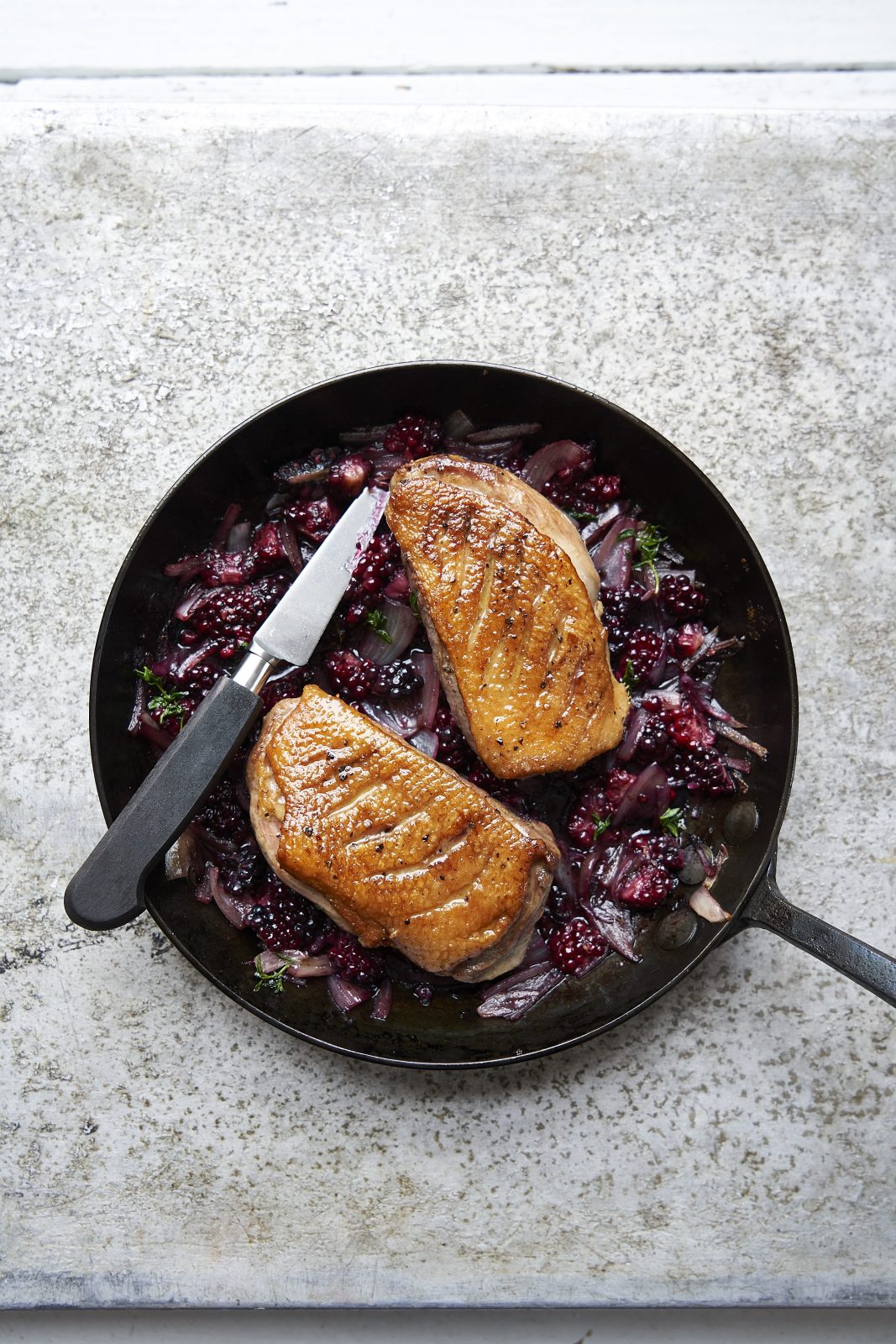
Seared Duck Breast with Fruit Sauce

Duck breasts are low effort, high flavor. They cook in their own delicious fat until the skin is irresistibly crisp. Add a quick fruit pan sauce, and there’s no easier or faster restaurant-style main dish. They are most commonly found frozen, so plan a day or so in advance and let them thaw in the fridge.

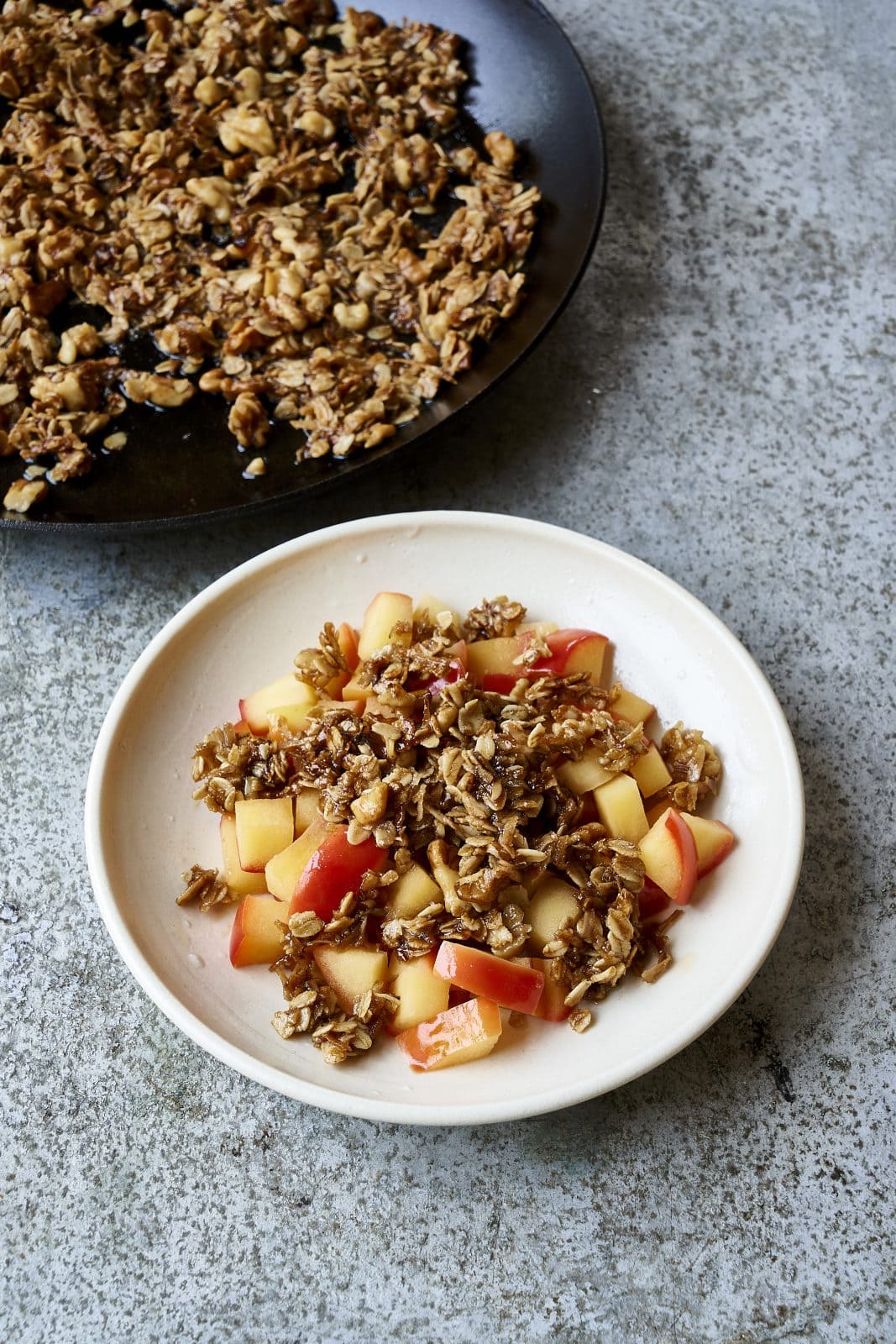
Skillet Apple Crisp

When you deconstruct the fruit and topping components of a crisp, you get a beloved dessert in a fraction of the time. And you don’t even have to turn on the oven. The variations provide two of many alternatives and a whole different topping that works on any fruit. Use whatever is in season: peaches, plums, pears, berries—even bananas, mangoes, or pineapple. Cooking time is variable, just a few extra minutes one way or the other; you check for tenderness frequently.