Mark Bittman

Filters

Sort by date

Content Type

Pearl Couscous Salad

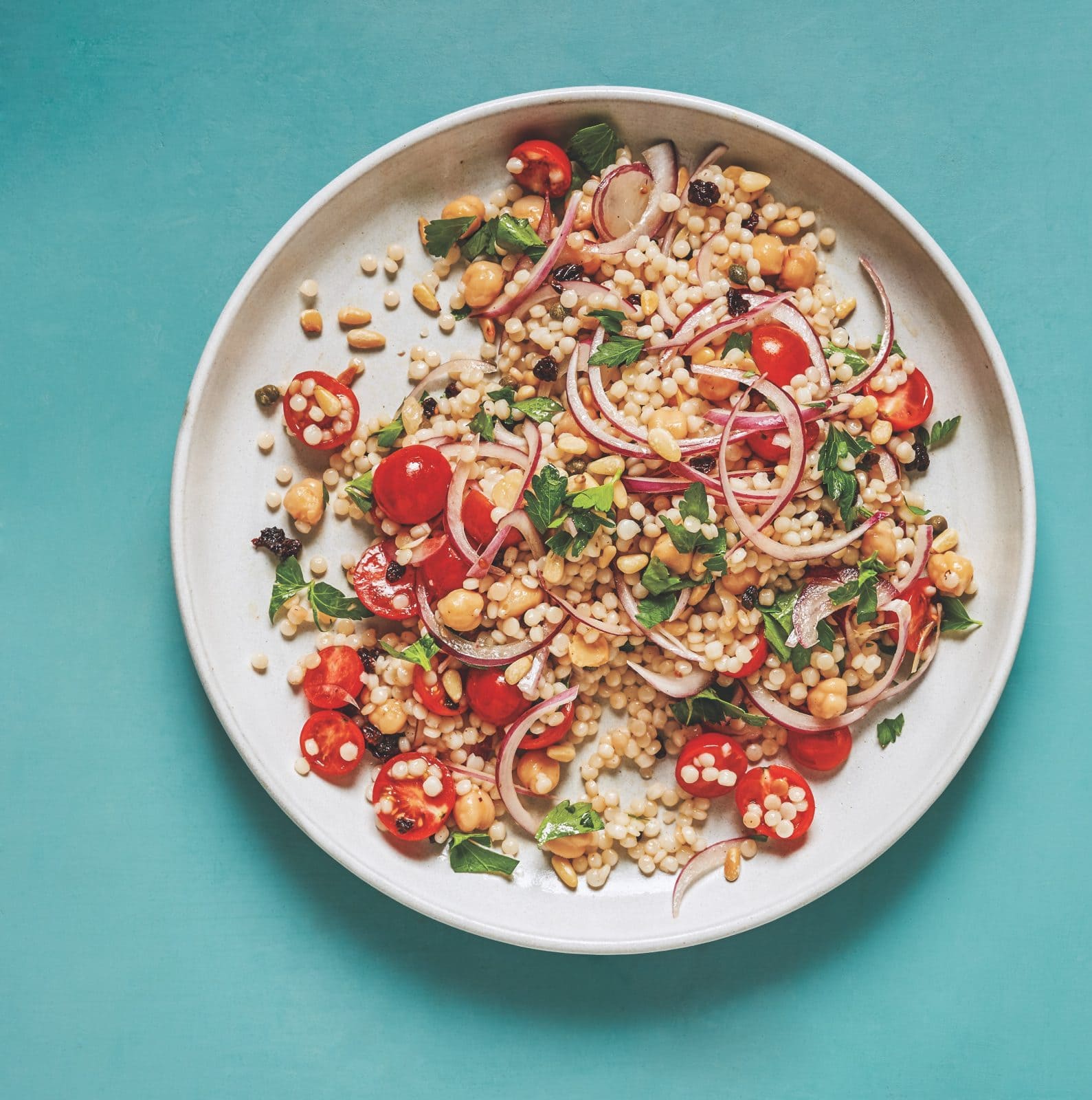
Pearl Couscous Salad

Both pearl (Israeli) and “regular” couscous are actually forms of pasta; the only difference is size. Regular couscous is tiny; pearl couscous is about the size of a plump peppercorn, which makes it better for salads. (I’m especially keen on the whole wheat kind, and on fregola, the toasted kind from Sardinia.)

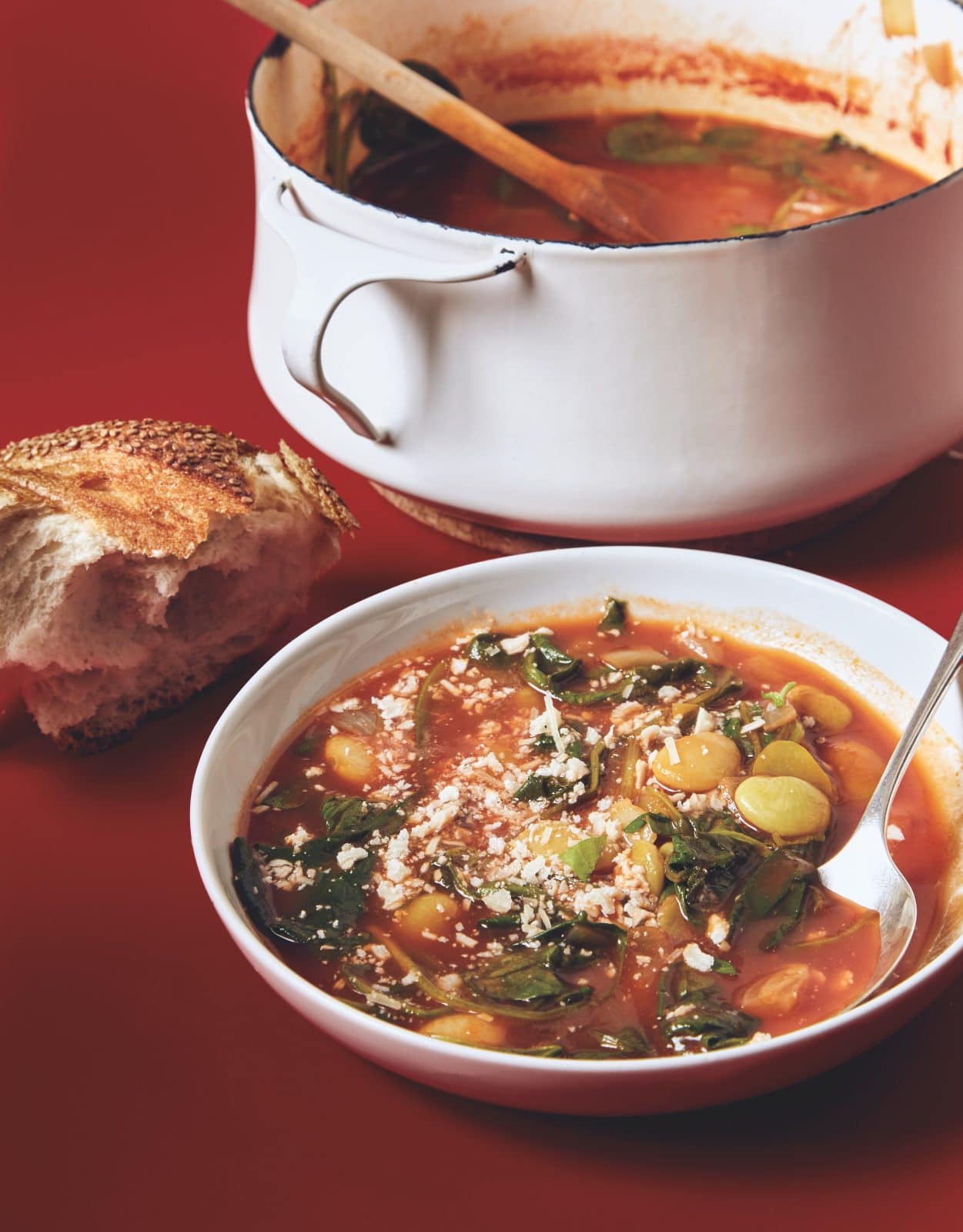
Frozen Beans and Greens Soup

Frozen Beans and Greens Soup

Limas, favas, and edamame are all sold frozen, and are all a bit firmer and chalkier than other legumes; they also have a pleasantly vegetal taste. And yes, go ahead and use frozen spinach if you really want to save time.

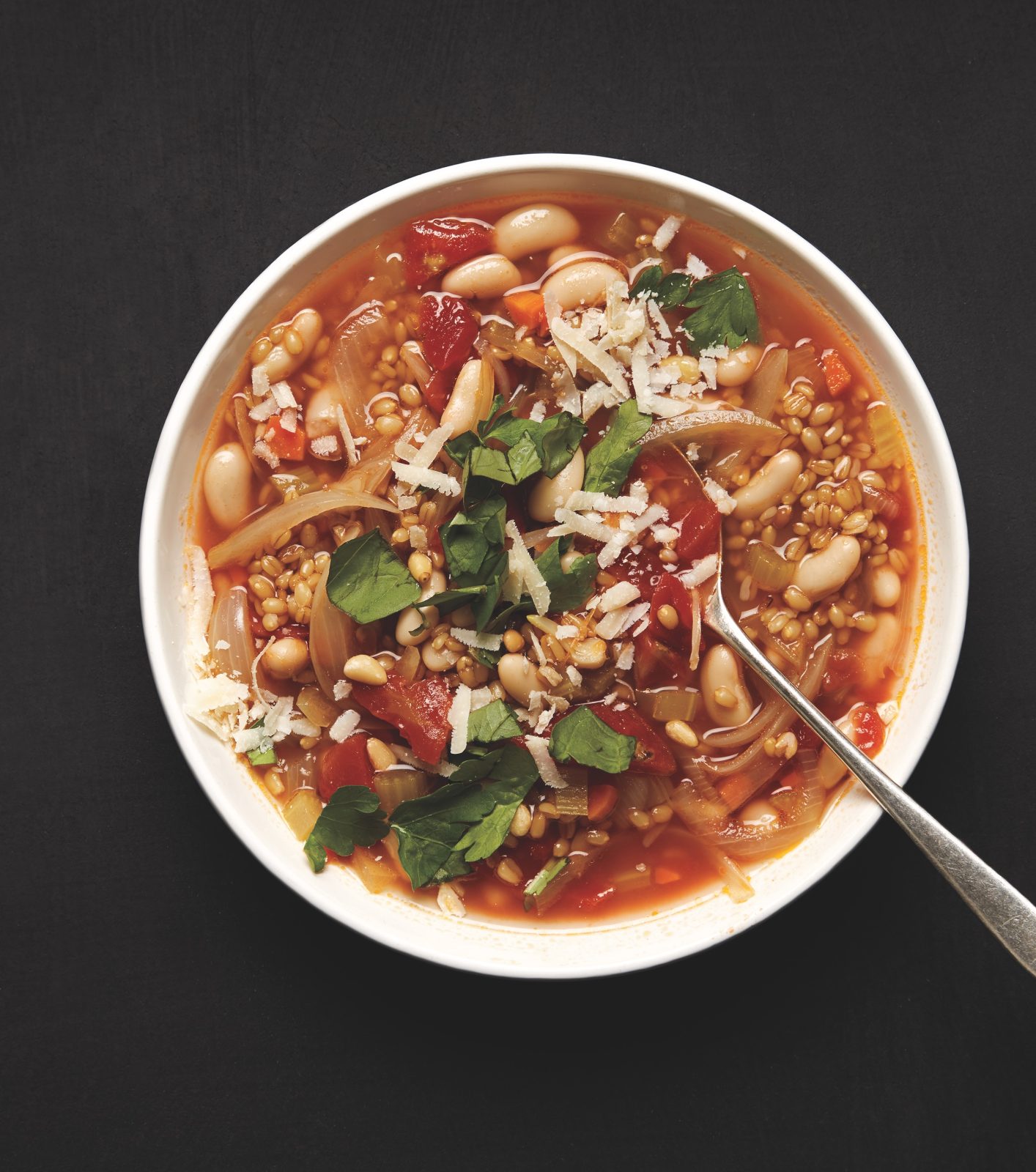
Farro and Bean Soup

Farro and Bean Soup

Farro—and this soup—is most closely associated with Lucca in Tuscany, a spot also famous for its olive oil. So that vegans can enjoy all of the pleasure, too, offer toasted nuts as an alternative to the Parmesan passed at the table.

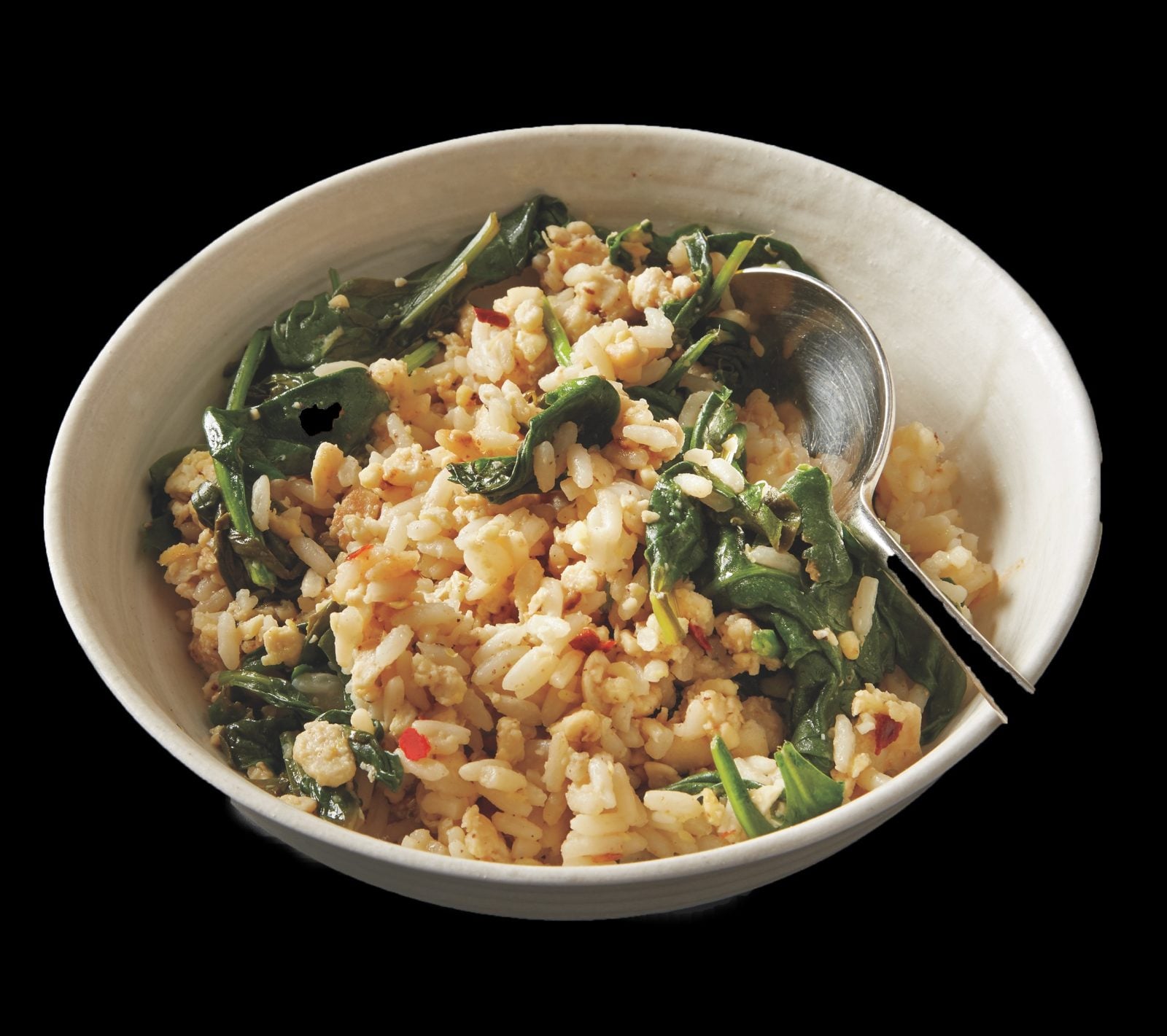
Tempeh with Rice and Spinach

Tempeh with Rice and Spinach

This bright, lemony dish is great for picnics and potlucks because you can serve it at room temperature. It’s also delicious made with brown rice; the cook time will be about twice as long.

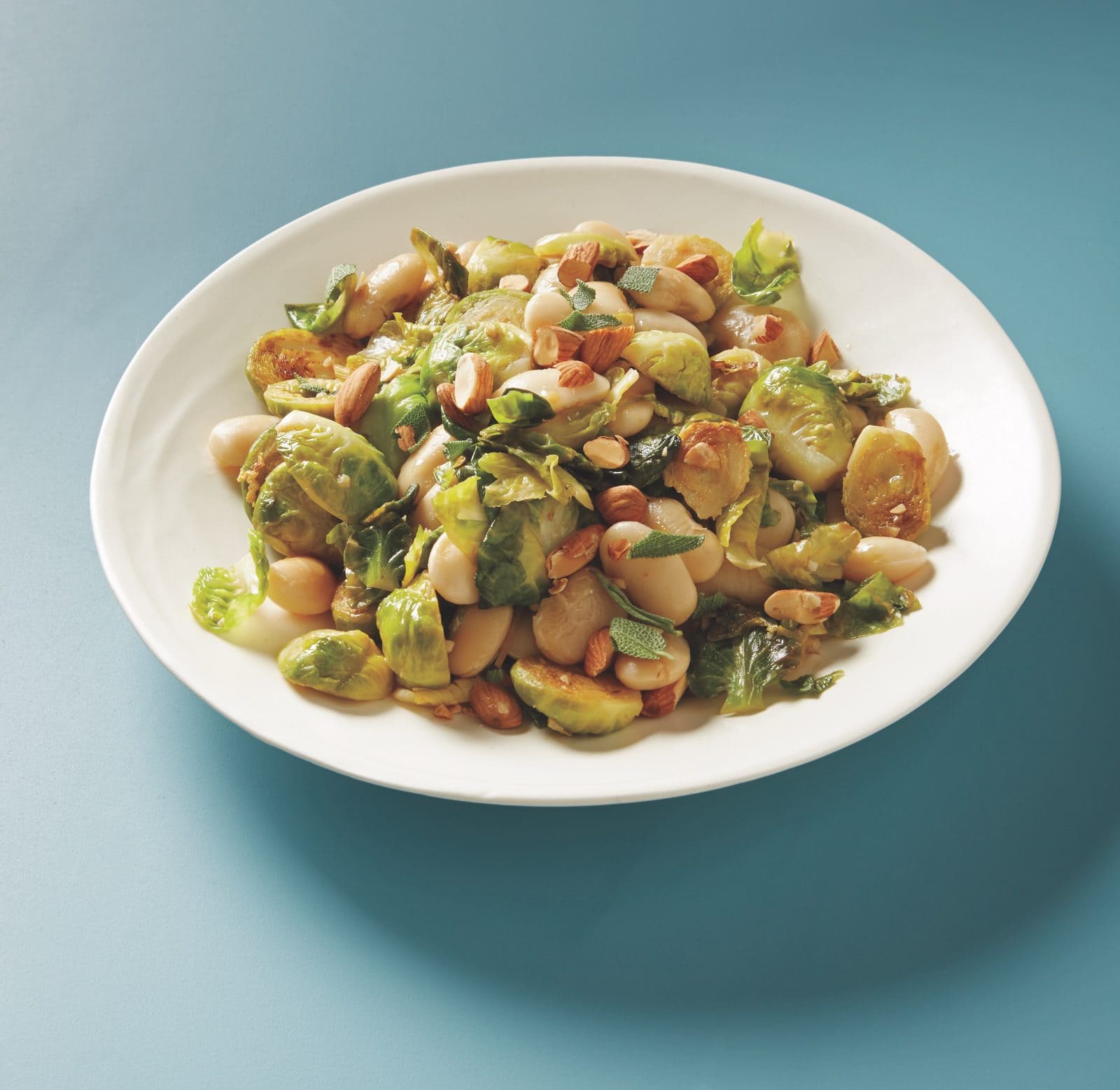
Gigantes with Brussels Sprouts

Gigantes with Brussels Sprouts

Extremely versatile; substitute just about any vegetable for the Brussels sprouts. The gigantes are somewhat hard-to-find, but they are worth seeking out. Their potato-like flavor and texture are amazing.

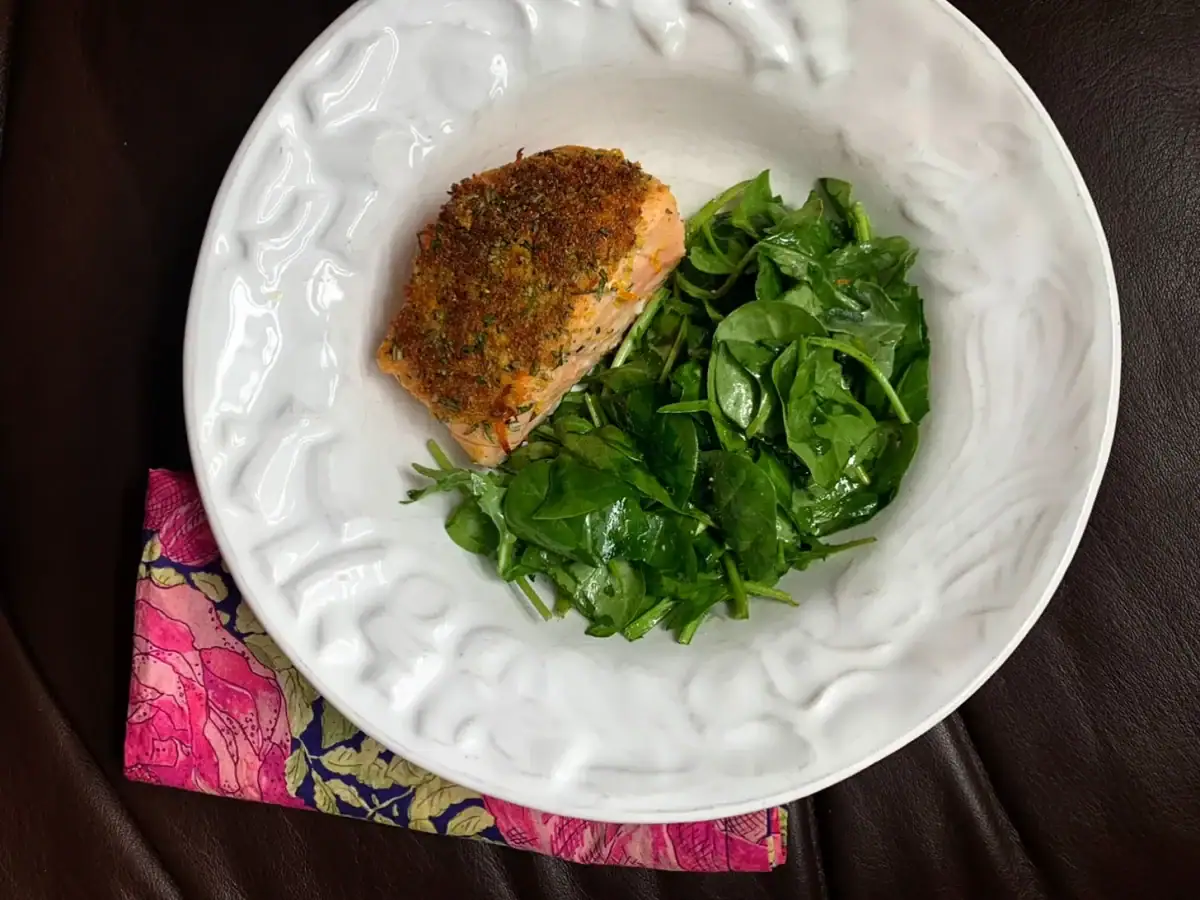
Provençal Salmon With Fennel, Rosemary, and Orange Zest

Provençal Salmon With Fennel, Rosemary, and Orange Zest

In 1998, Mark Bittman and Katy Sparks, then chef of Quilty’s in Manhattan, developed this easy recipe for salmon encrusted with fennel seeds, rosemary and orange zest. It’s a simple though sophisticated twist on weeknight salmon.

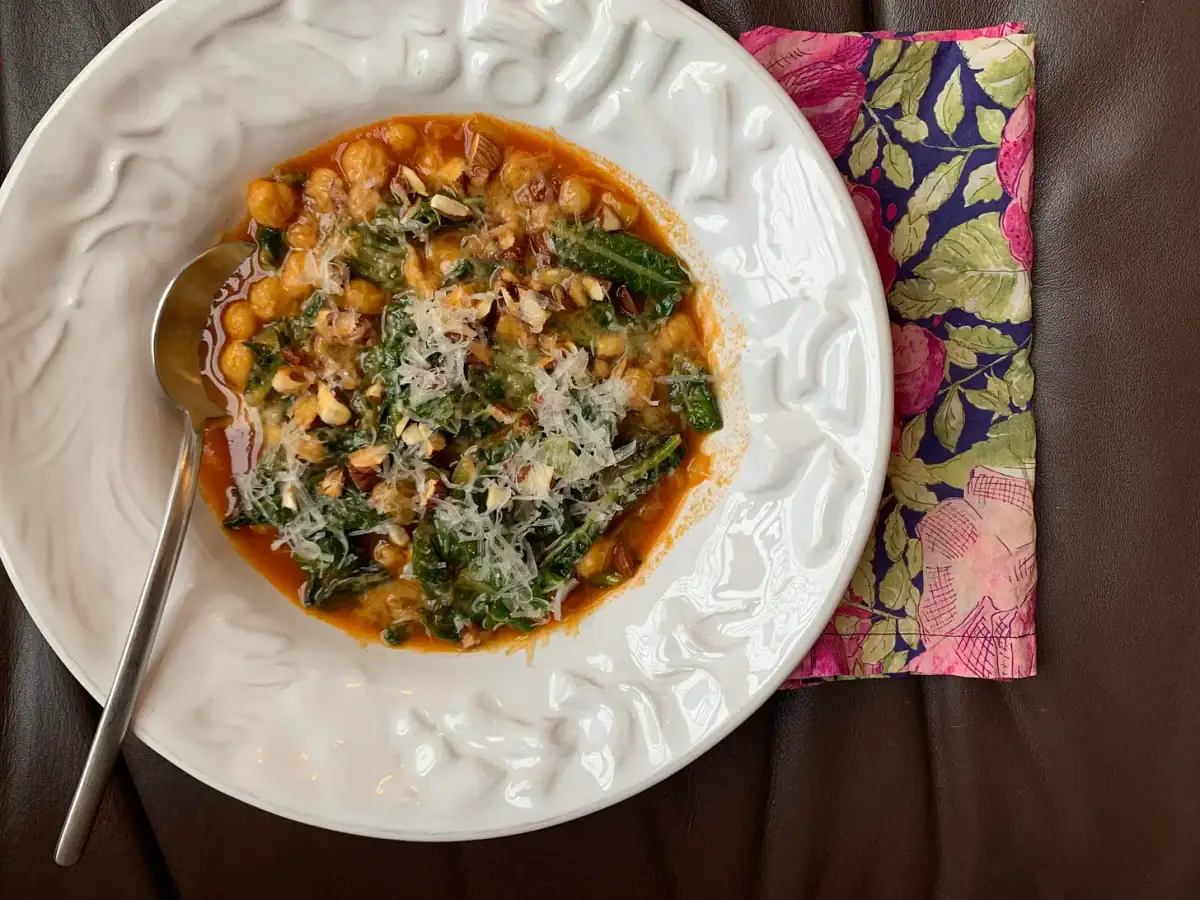
Canned Chickpea and Saffron Soup

Canned Chickpea and Saffron Soup

Canned chickpeas brings this soup together in a snap.

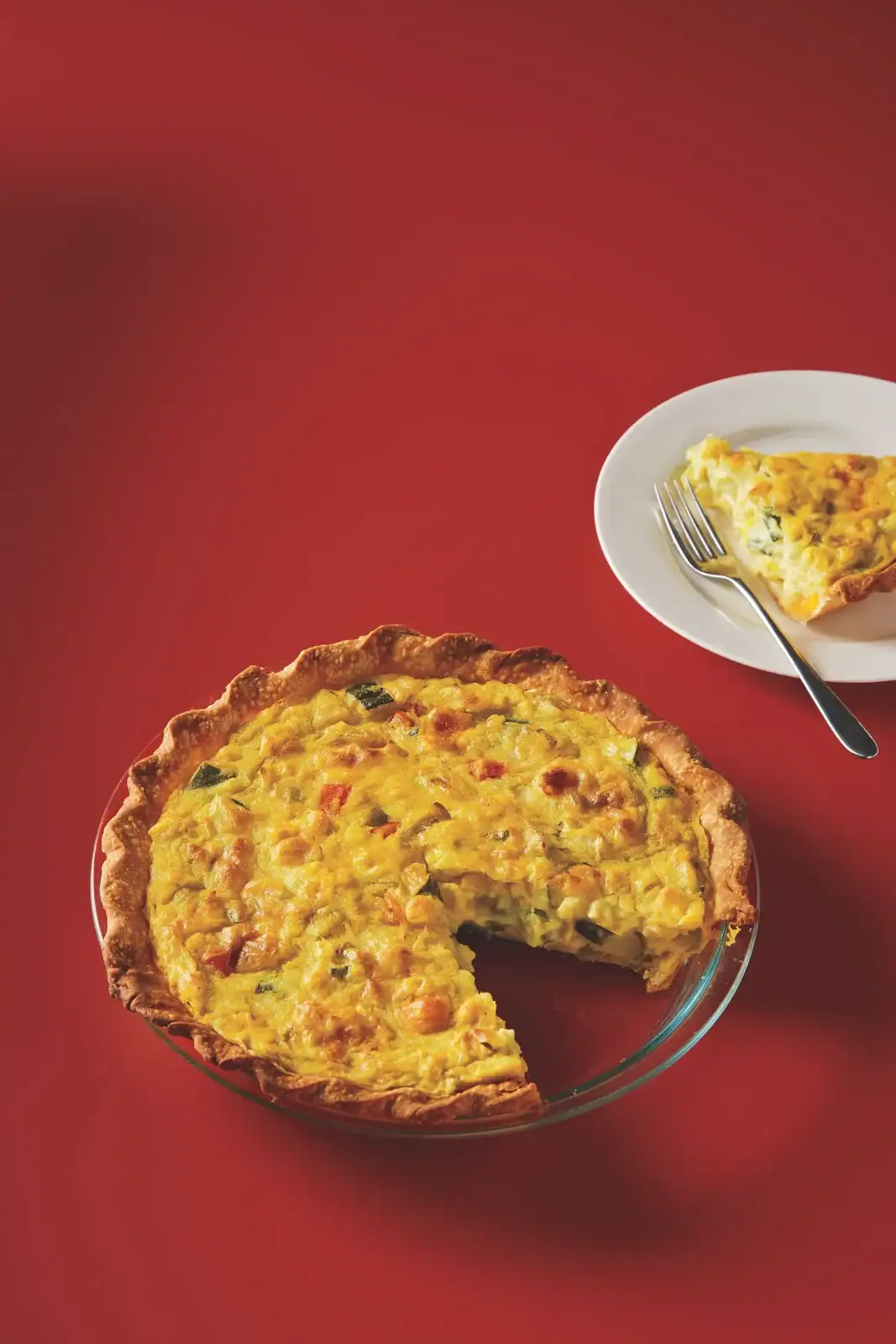
Savory Vegan Pie Crust Vegan Quiche

Mostly Vegetable Vegan Quiche

Tofu is the obvious vegan stand-in for many recipes, but here a tart made mostly of vegetables is held together with just a little chickpea batter, which itself is delicious.

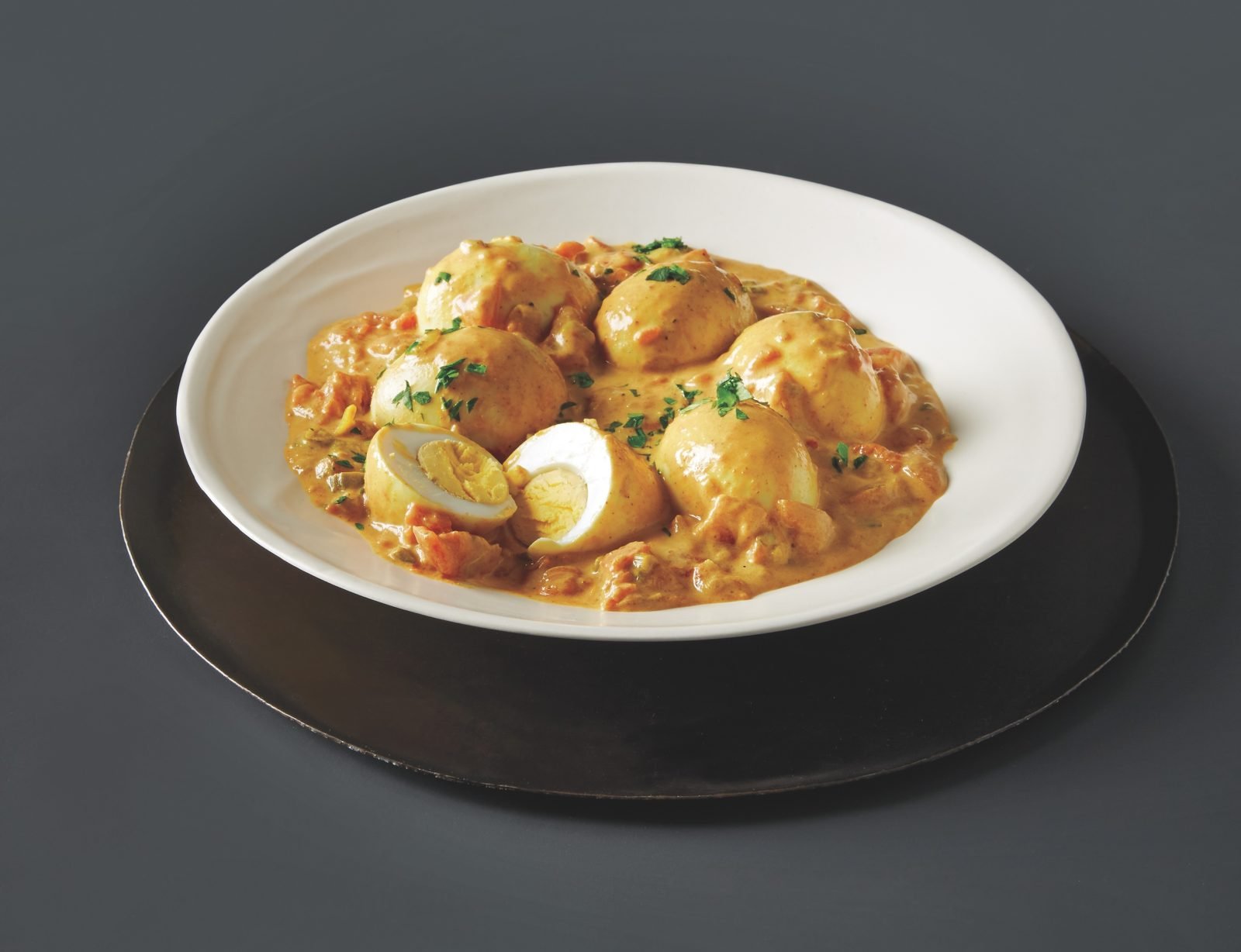
Hard-Boiled Eggs in Quick Tomato Curry Sauce

Hard-Boiled Eggs in Quick Tomato Curry Sauce

This is an awesome recipe (I vividly remember the first time someone made it for me), but it’s also a concept that can quickly turn almost any sauce into a meal. Similar to poaching eggs in sauce, this requires even less effort; the individual ingredients can be prepped ahead of time. And it’s a great alternative for people who don’t like poached eggs.

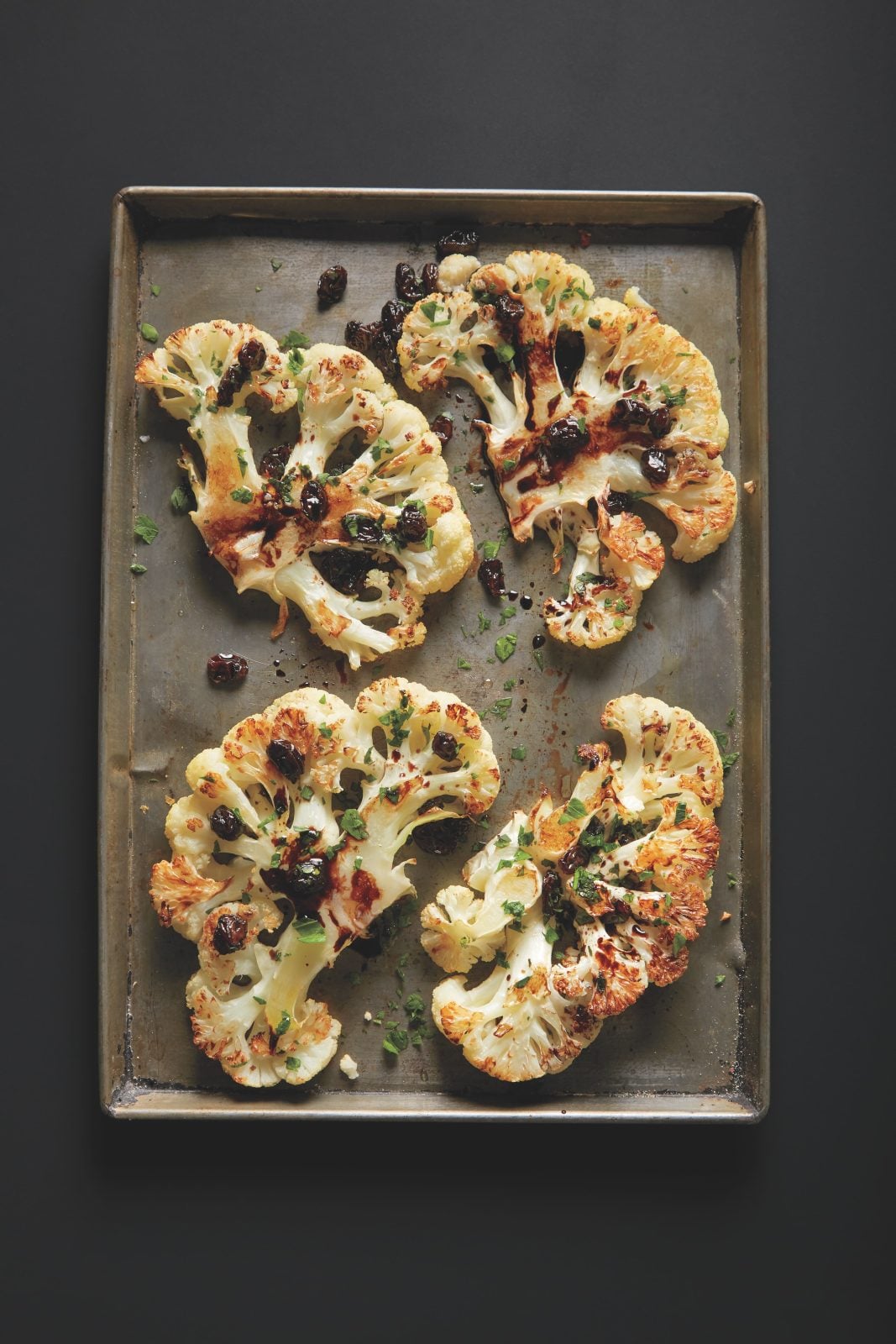
Whole Roasted Cauliflower with Raisins and Balsamic Glaze

Whole Roasted Cauliflower with Raisins and Balsamic Glaze

Roasting toughens cauliflower and dries it out a bit— and because cauliflower is often mushy and watery, these are good things. I like to get it nice and brown, and cooking it with a bit of the dressing deepens its flavor. Toss the remaining sauce with the cauliflower at the last minute, along with the raisins, whose sweetness counters the vinegar beautifully.
Other vegetables you can use: broccoli spears or any root vegetable, cut into cubes and roasted.

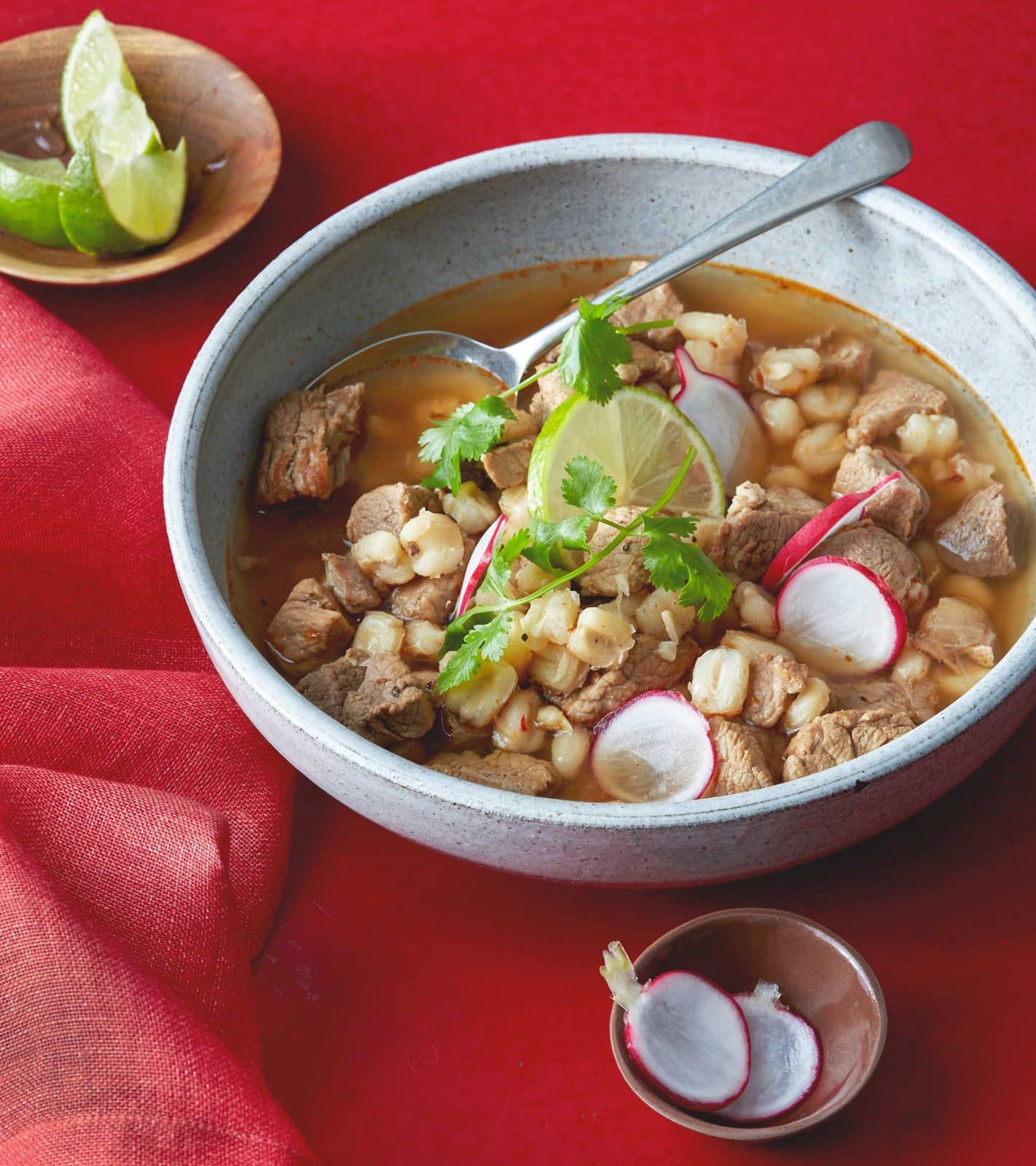
Chipotle Pozole

A Mexican classic that’s perfect for parties—this hearty pork and hominy stew can feed a crew, and everyone gets involved with the garnishing. Serve it with a stack of warm tortillas or rice, some roasted or grilled vegetables, and any or all of the garnishes on the list that follows.

Food with Mark Bittman: John Ikerd and Mackenzie Feldman

John Ikerd, one of the leading experts in the world on the economics of sustainable agriculture, and environmental activist Mackenzie Feldman talk to Mark about how they learn from each other, despite—or perhaps because of—their age gap; why recreating local food systems is so important; and what people in their 20s are most concerned about when it comes to food and agriculture.

Honestly, Pie Is a Pain in the Butt

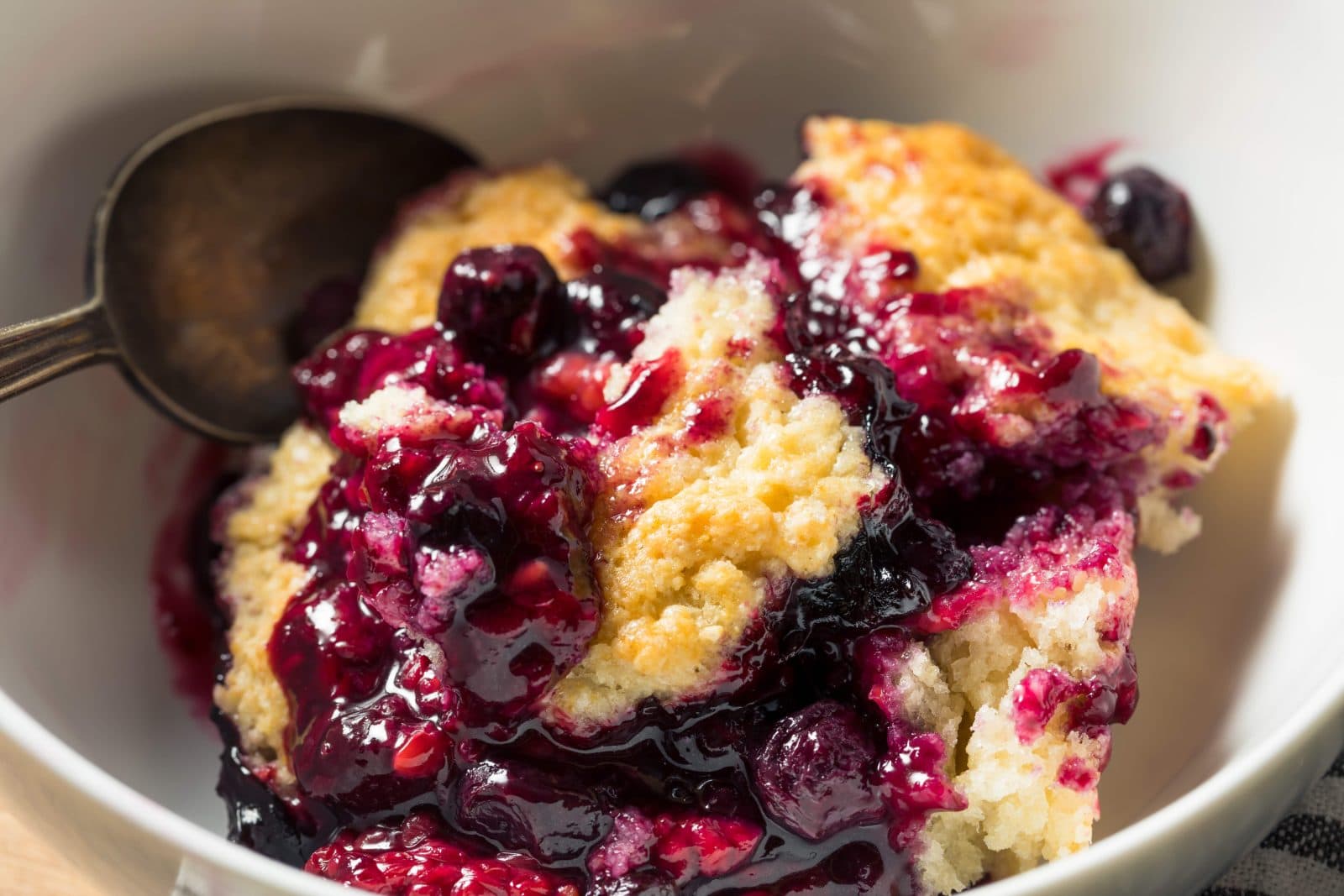
For me, a two-crust fruit pie is more of a romantic notion than a dish I’m realistically going to make again and again. Tarts I like better, but they still require some combination of patience, practice, and work. I’ll take cobbler over those two any day. Objectively, they’re way less elegant; subjectively, they’re way more irresistible.

Food with Mark Bittman: Julie Guthman

Food historian, thought-leader, and writer Julie Guthman talks to Mark and Kate about how so many of the tech “solutions” behind industrial animal production are narrow-minded; why the arguments around alternative meat don’t add up and what the entrepreneurs behind it don’t understand; and the real resource use comparison between pasture raised meat, factory farmed meat, fake meat, and cell meat.

It’s Millet Time.

When cooked, millet – those itty bitty spheres that dot many multi-grain breads and provide some gentle crunch – “explodes,” morphing from pleasantly gritty kernels to fluffy clouds, capable of anything from soups to patties. Here, a mash, a chowder, and millet “munchies,” inspired by a millet snack Mark had and loved on his recent trip to India.

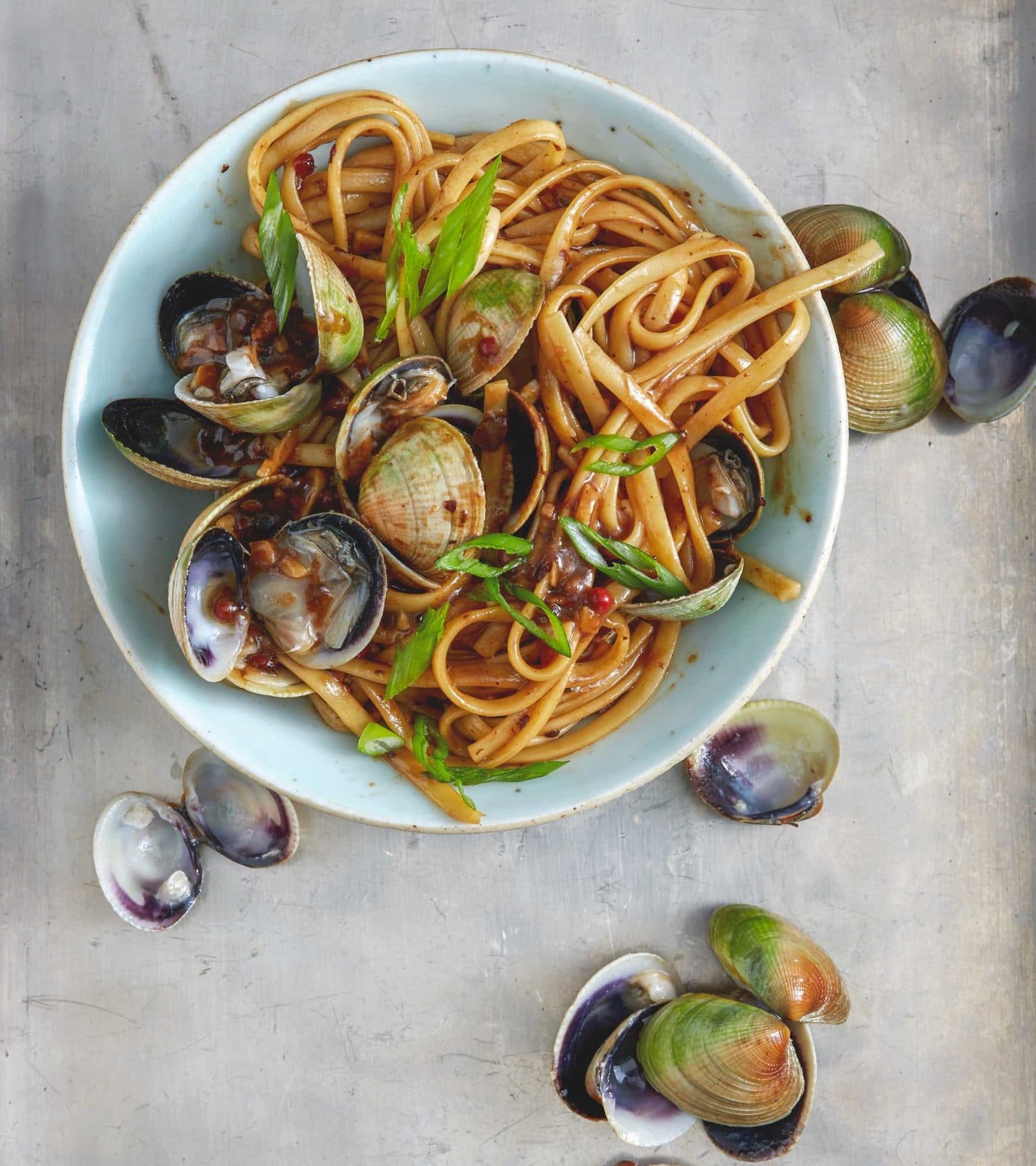
Linguine and Clams with Sichuan Flavors

Instead of opening a can, let steam open your clams. Really, this amazing spin on a classic is just that easy, especially if you serve the clams in their shells, which is both dramatic and less work for you.

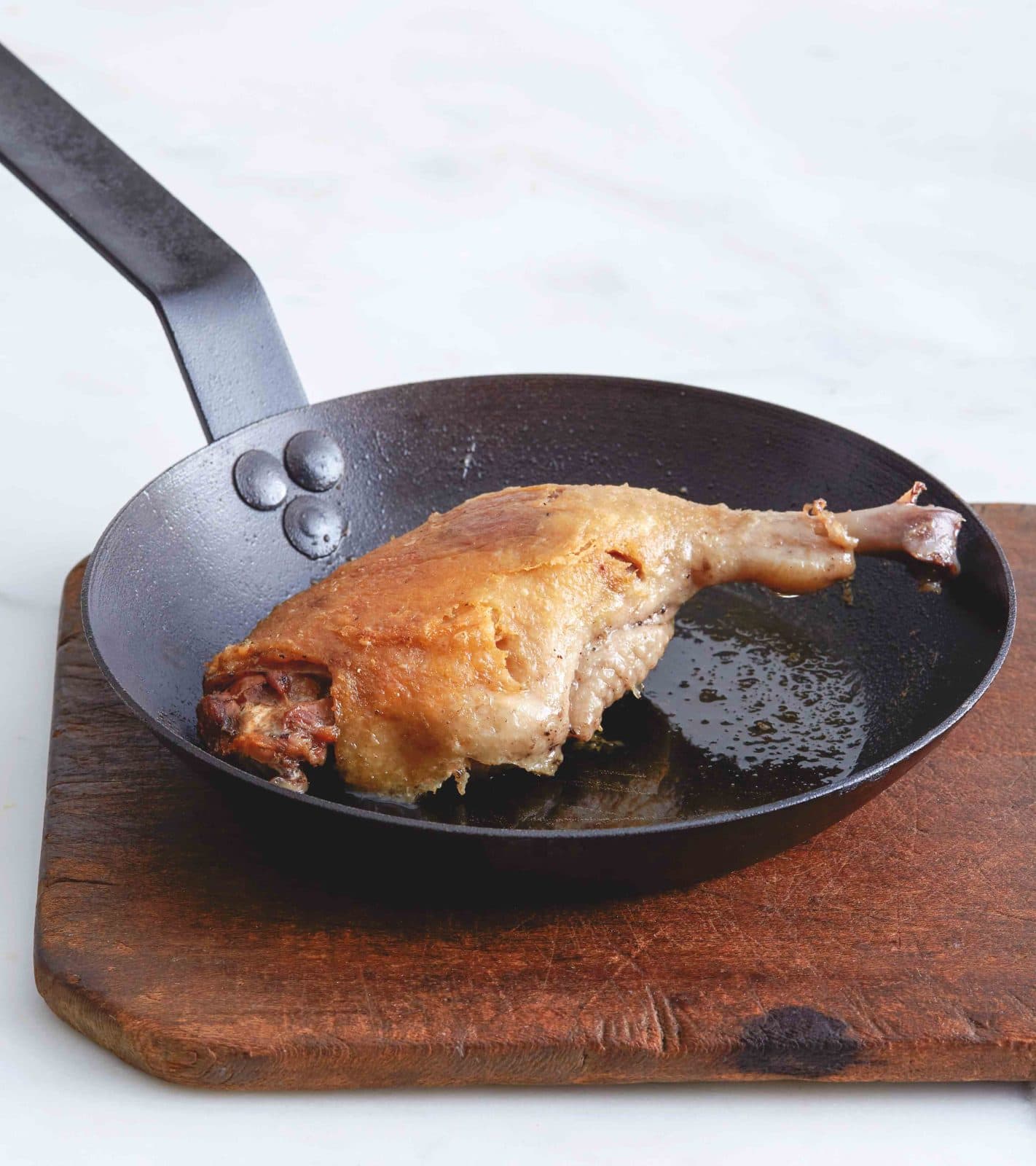
Duck Confit

Confit—a word that’s come to mean long, slow cooking in fat—is straightforward, though you might associate it with fancy food. You have a few choices for the fat: Render your own, purchase duck fat from a specialty store or online, or use olive oil. The last solution is perfectly acceptable, though it won’t leave you with the delicious leftover duck fat to use for cooking.

Whatever you use for fat, after making the confit, strain the fat and store it in an airtight container in the refrigerator for weeks or the freezer for months; it’s the best for cooking eggs or potatoes, or tossing with pasta, egg noodles, or rice.

I like to eat duck confit with something sharp or acidic (or both) like a salad with frisée or radicchio; add a crumble of blue cheese and a handful of hazelnuts and I’m all set. Confit is also excellent sautéed with cooked white beans for a fast skillet cassoulet.

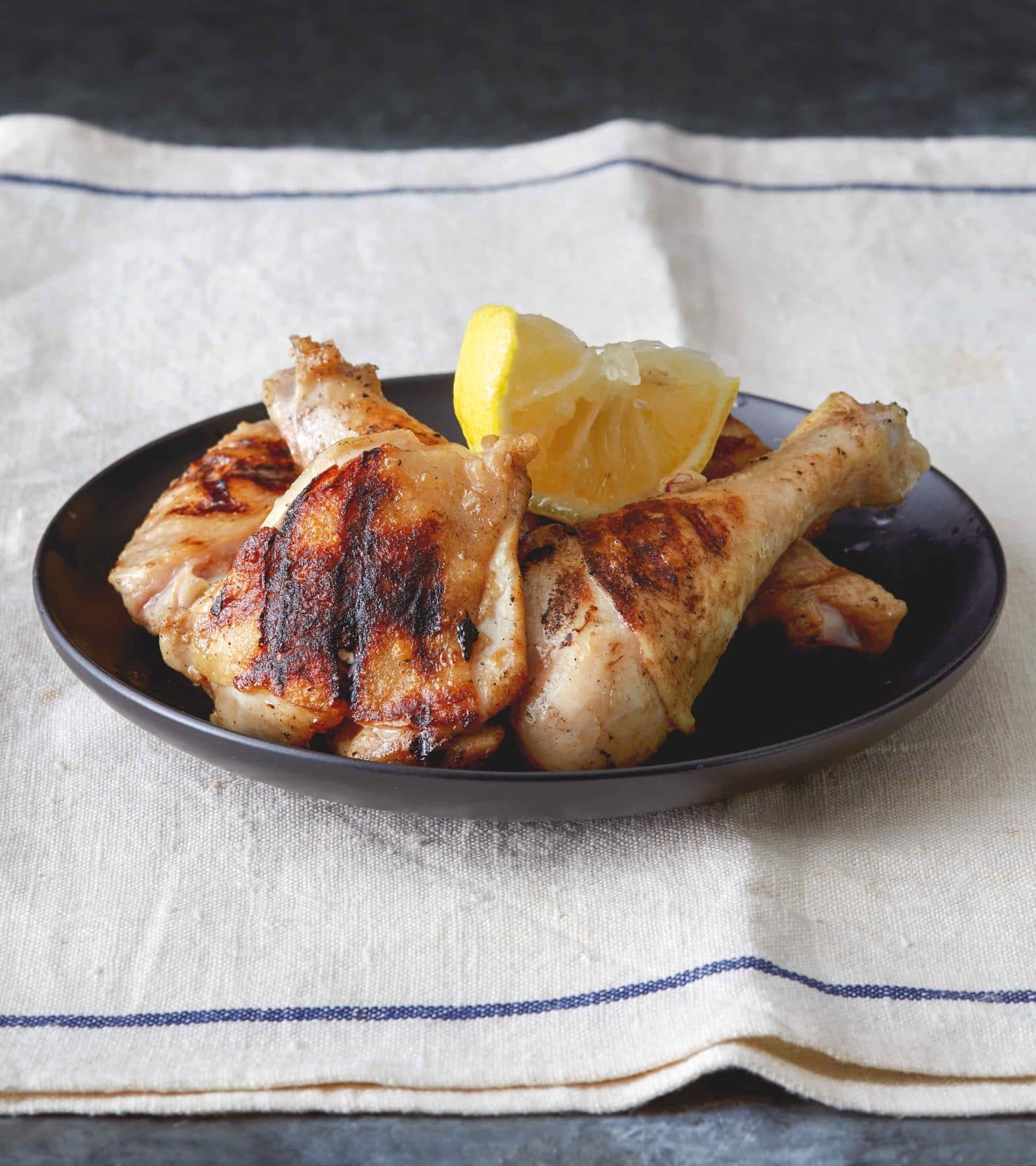
Simply Grilled or Broiled Chicken Parts

This basic recipe begins with chicken and simple seasonings, and you can easily tailor it to suit your tastes.

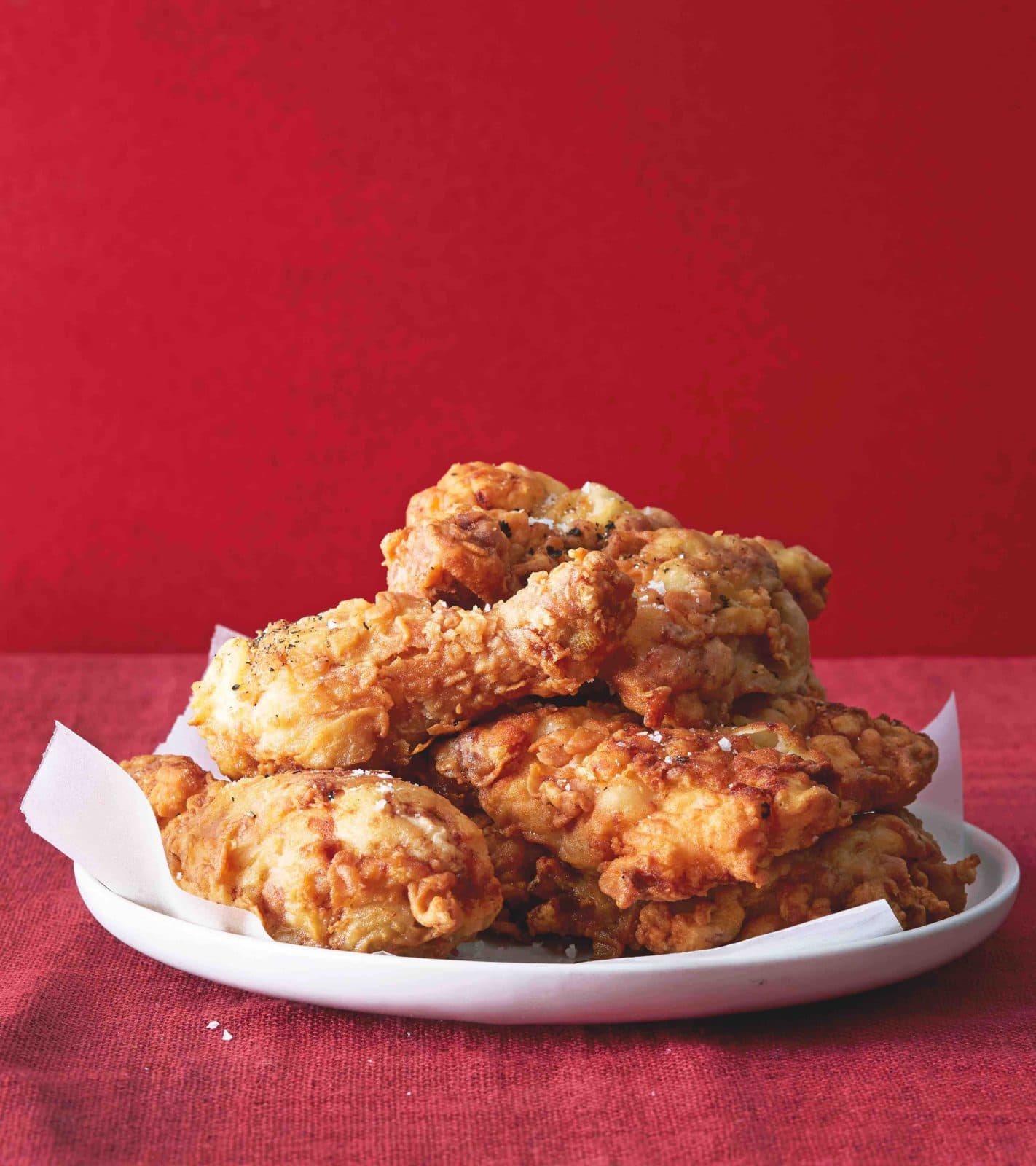
Fried Chicken

This is the easiest, most foolproof way I’ve ever found to fry chicken. The trick is a slightly lower temperature than you would normally use for deep-frying. Since the recipe is so basic, you’ve got a lot of room to play. I like to use all dark meat if everyone coming for dinner is agreeable. Vary the soak or the breading with ideas in the below list.

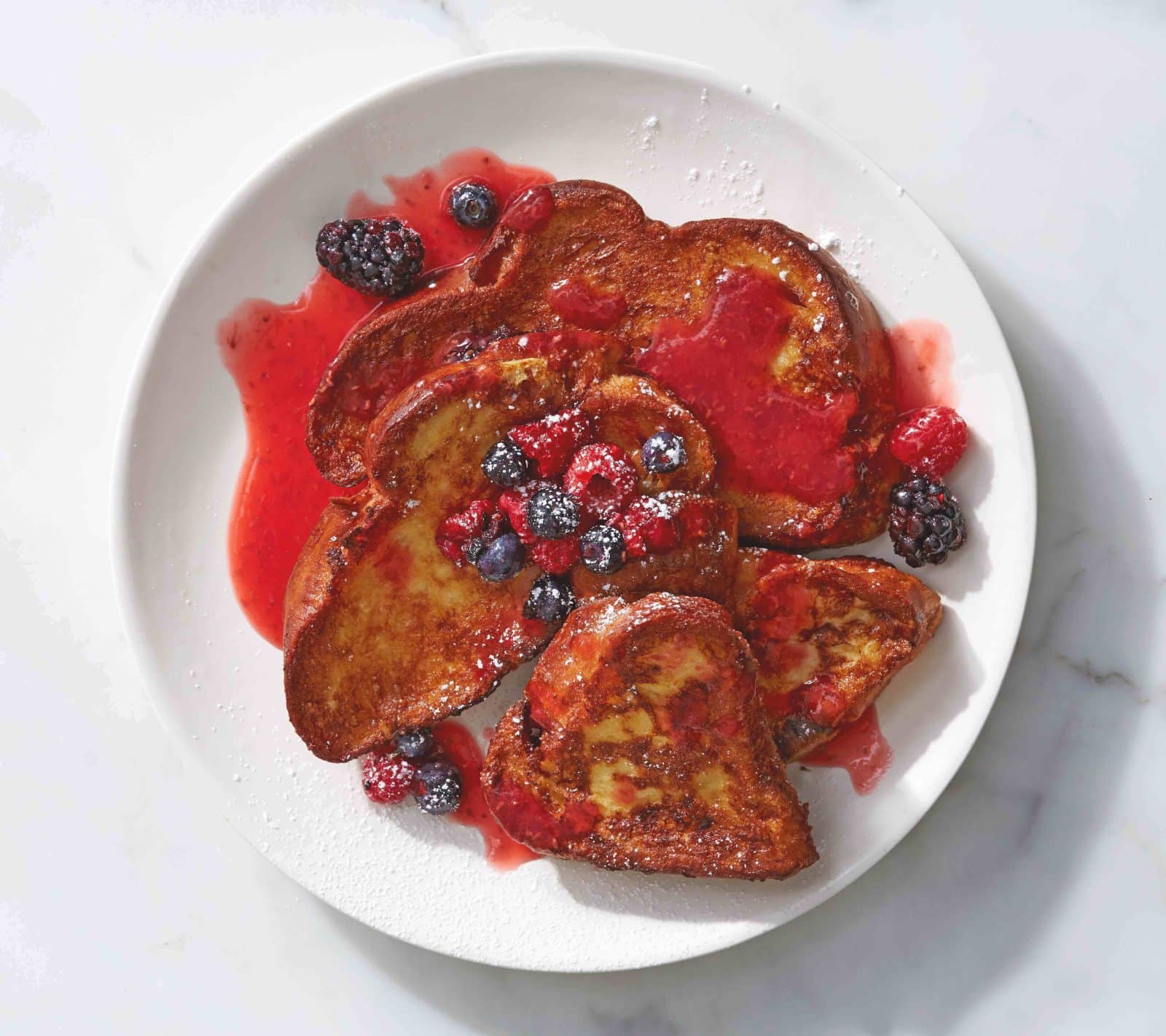
French Toast

Originally a way to bring new life to stale bread—it’s called pain perdu (“lost bread”) in France—French toast can be made with virtually any fresh or stale bread, including quick breads and even tortillas.

Rustic loaves require a bit more soaking to soften the crust and take longer to cook through, while hearty whole grain breads make more dense slices. I like them all, especially thick slices of eggy brioche or challah, which make a truly decadent French toast.

To vary the recipe: Use soy or other nondairy milk if you like, or for richer French toast, use half-and-half or heavy cream. Season with ground cardamom, cloves, allspice, nutmeg, or almond extract instead of the cinnamon or vanilla.