Mark Bittman

Filters

Sort by date

Content Type

Mushroom and Cranberry Chicken

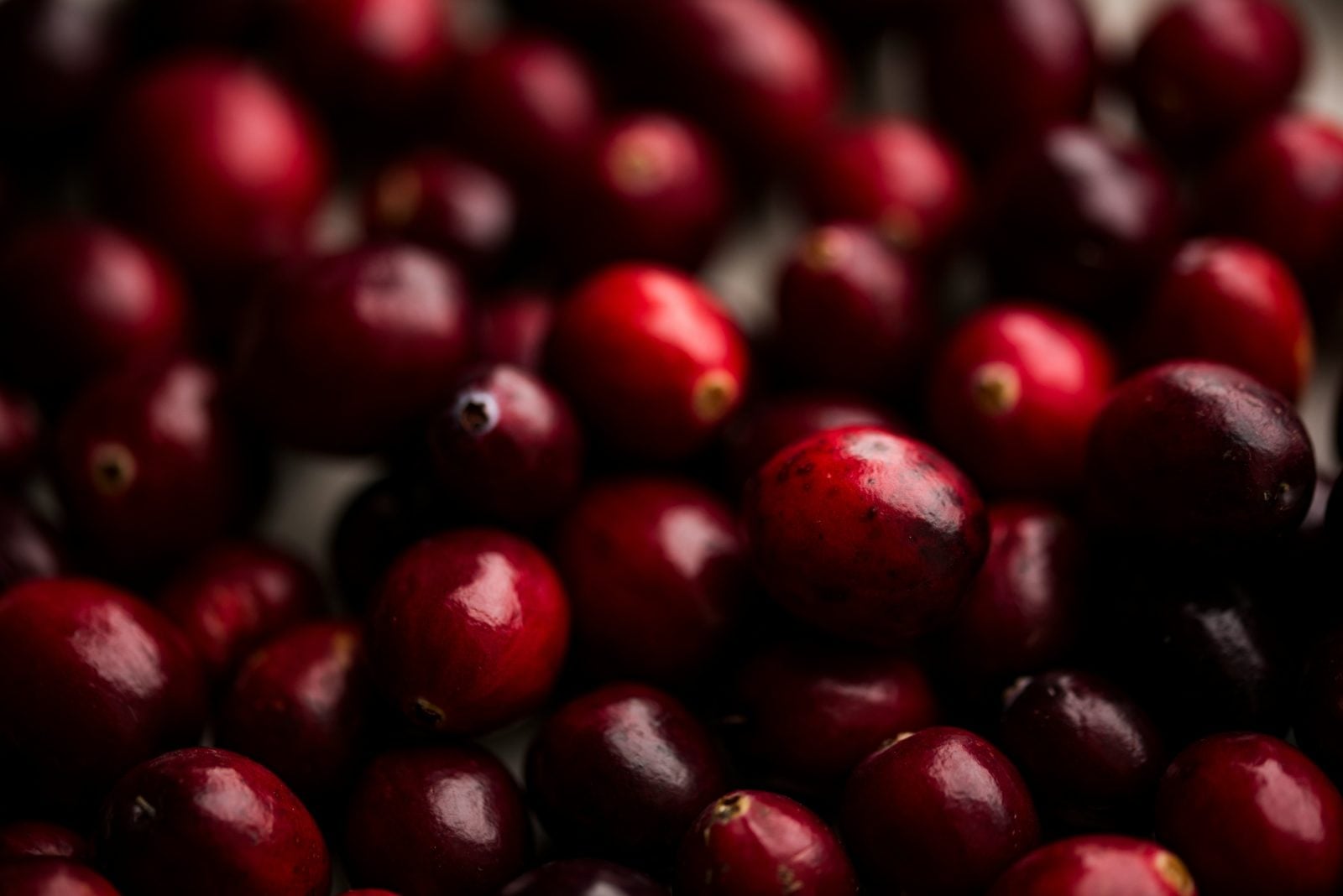
A standard braised chicken, with a not-so-standard tart fruit sauce whose acidity cuts through the richness of the meat to make a dish that is always a surprising hit. The sauce can also be used with roast chicken or, for that matter, pork or turkey. Serve with any simple grain dish and a salad or vegetable.

Chicken with Mole Sauce

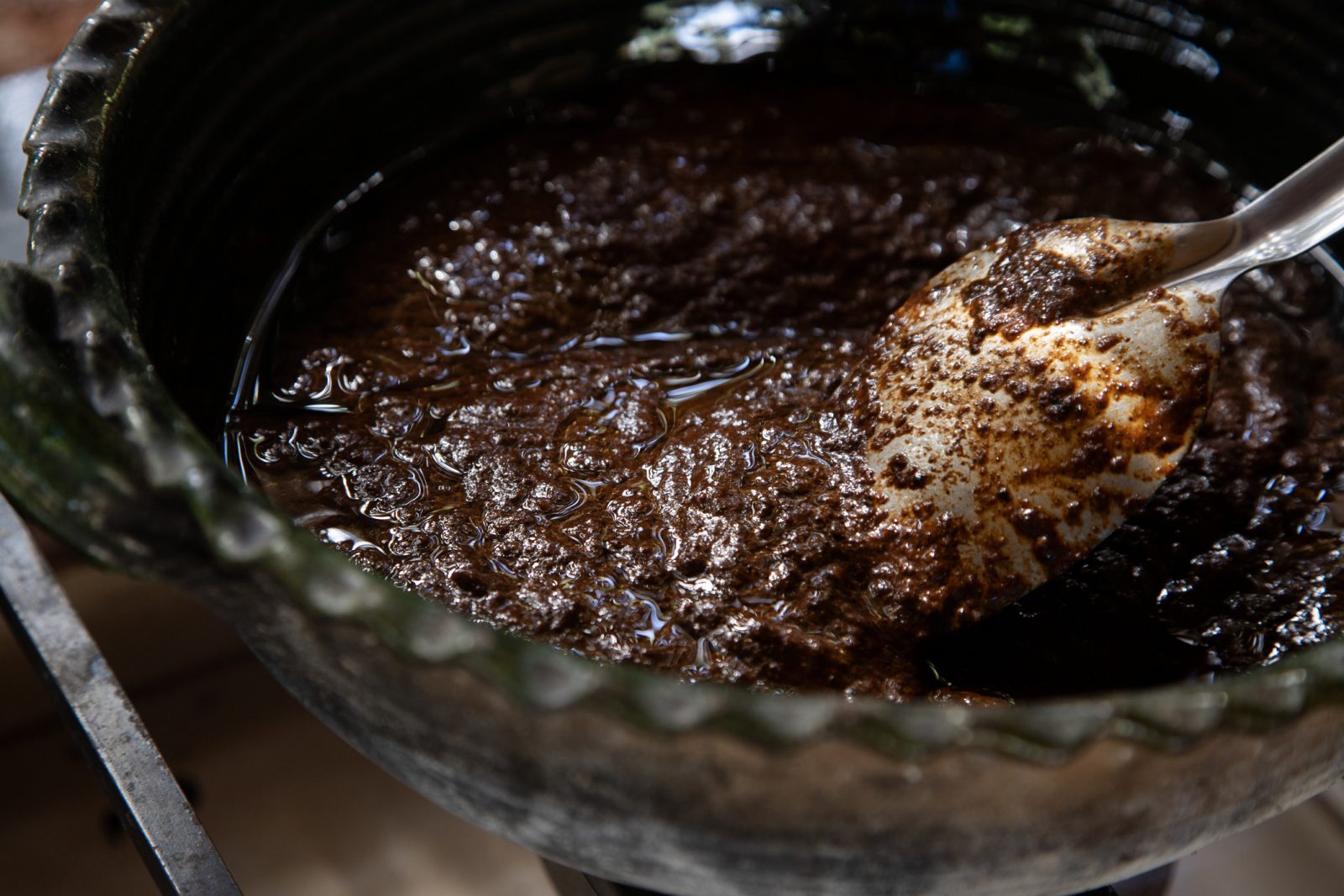
Real mole takes many forms, often using dozens of ingredients and taking days to make. This is an extremely simplified version of a dark, rich one that, not
atypically, includes a bit of chocolate, for both flavor and color, a practice that does not, as some people believe, make the mixture sweet or even chocolaty. In fact, the presence of the chocolate should go undetected.

You can substitute dark-meat turkey for the chicken; cut the legs into pieces and increase the cooking time by about 50 percent or until the turkey is quite tender.

For a simpler, more straightforward flavor, try the chile sauce variation.

Serve with plain rice here, or yellow rice, and a simple salad.
French Fries

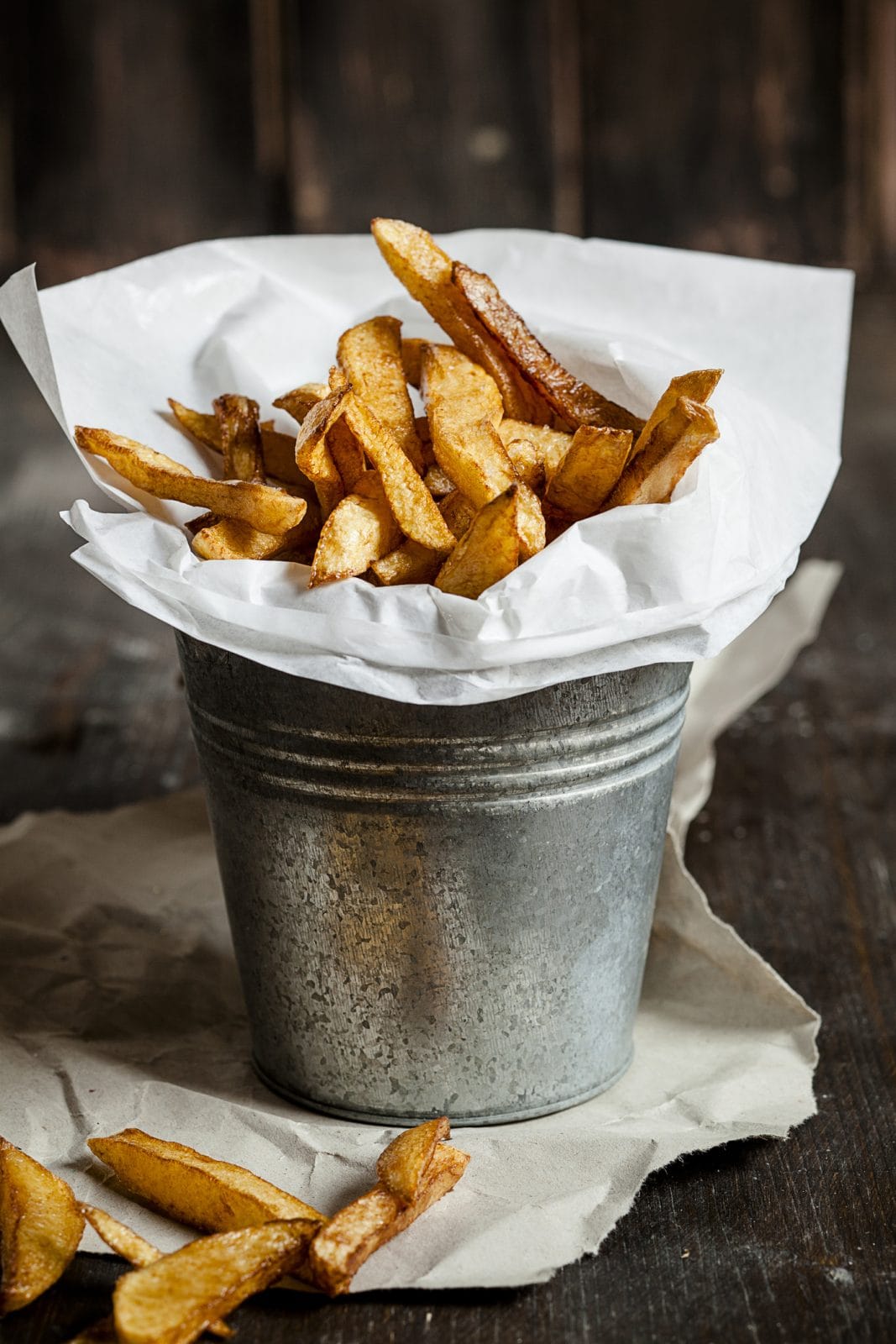
You better double-fry French fries, or just don’t bother. The fries will not only stay crisp longer, but the first step can be done well in advance, leaving you only a quick final fry right before serving. And that takes a lot of stress out of the recipe. Starchy potatoes are the only option here; waxy potatoes never quite crisp up right. Other vegetables you can use: sweet potatoes, parsnips, celery root.

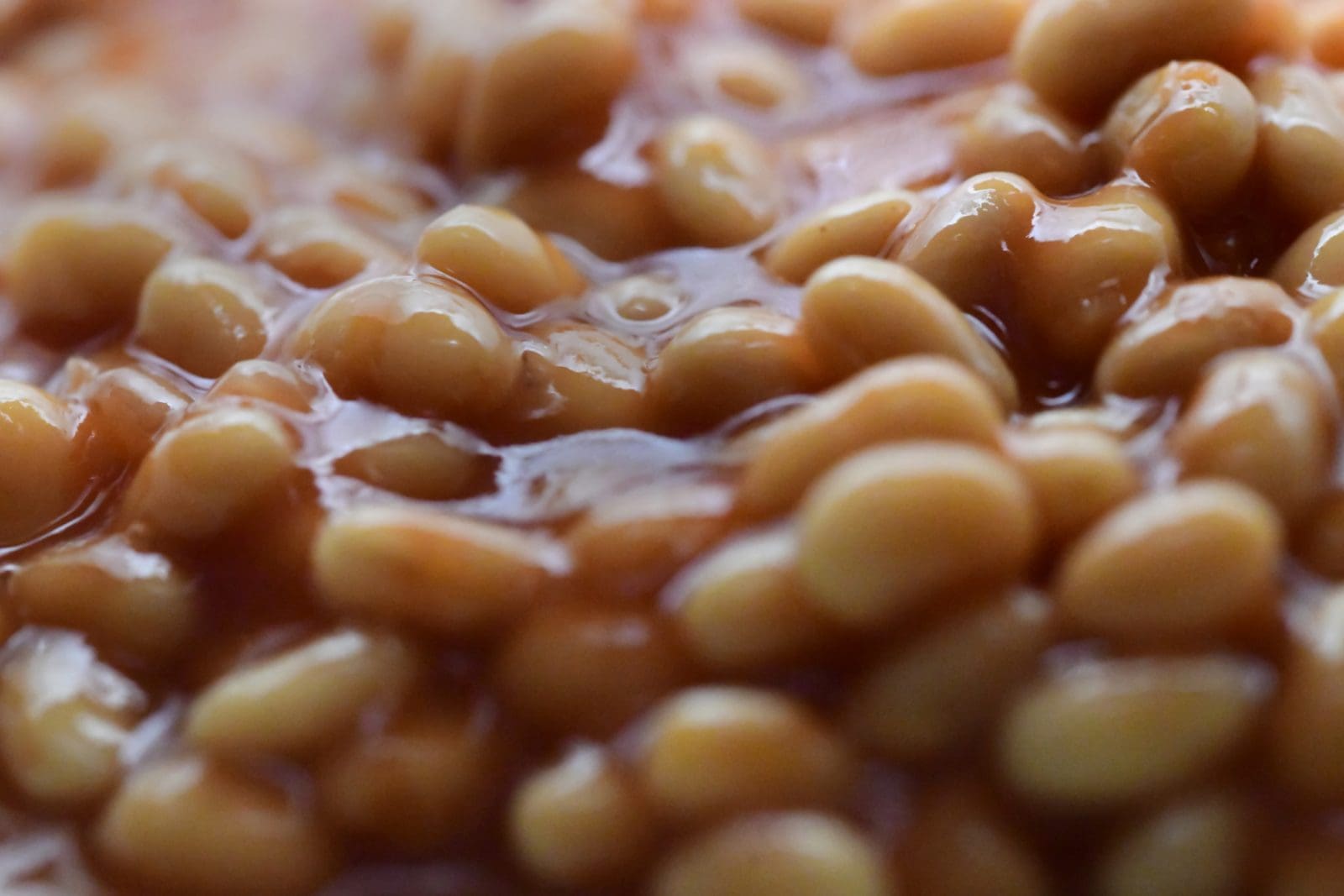
Baked Beans

I don’t usually mess much with these. But when I want to, changes are easy; see “7 Ideas for Baked Beans” following the recipe. Other beans you can use: red beans, lima beans.

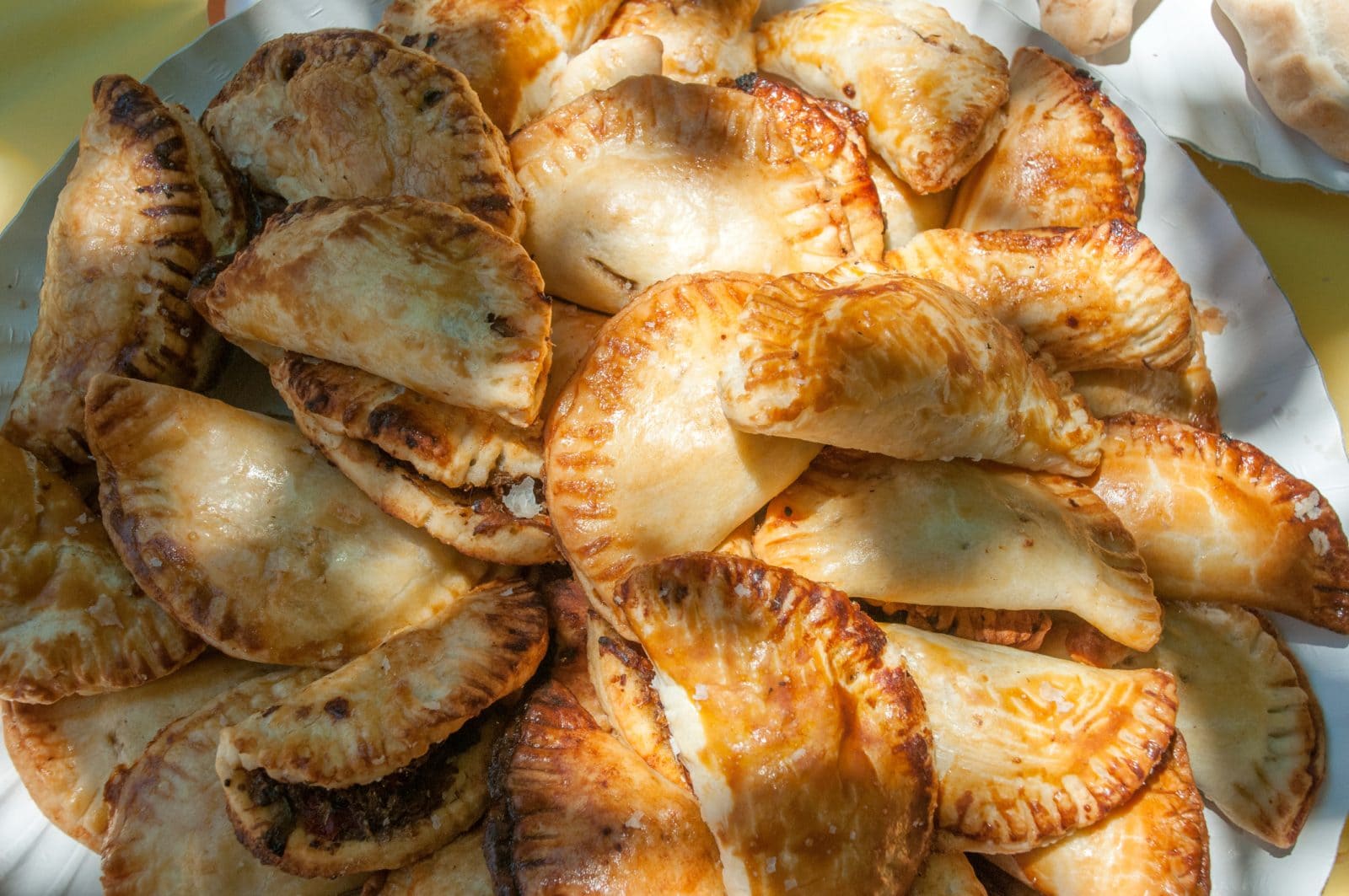
Bean and Cheese Empanadas

Beans, cheese, and sturdy vegetables are traditional empanada fillings, but you can use all sorts of other things (see variation). Serve them hot or at room temperature, with any salsa you like.

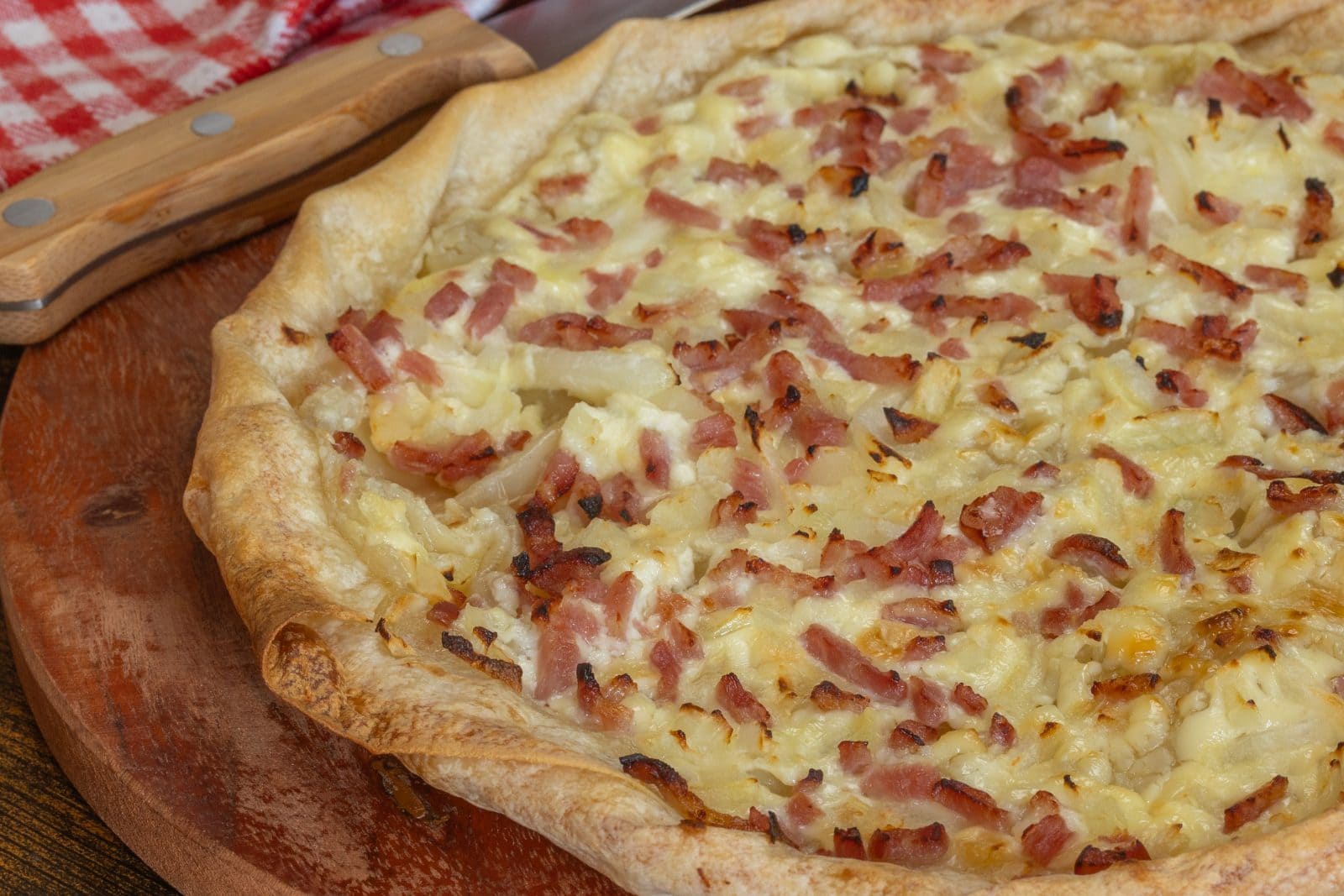
Tarte Flambé

This is a pizza in all but name, and it disproves the notion that “creative” pizzas began in California. Creamy, smoky, and crunchy, it’s a real winner.

Food with Mark Bittman: Diane Kochilas

In this unreleased episode from 2023, Mark visits Diane Kochilas at her home in Greece; the two talk about Ikaria eating, how Greek cooking and cuisine has changed over the last couple decades—and where it seems to be heading, and why chefs in Greece have less emotional baggage (which could be a good or a bad thing, depending on which way you look at it).

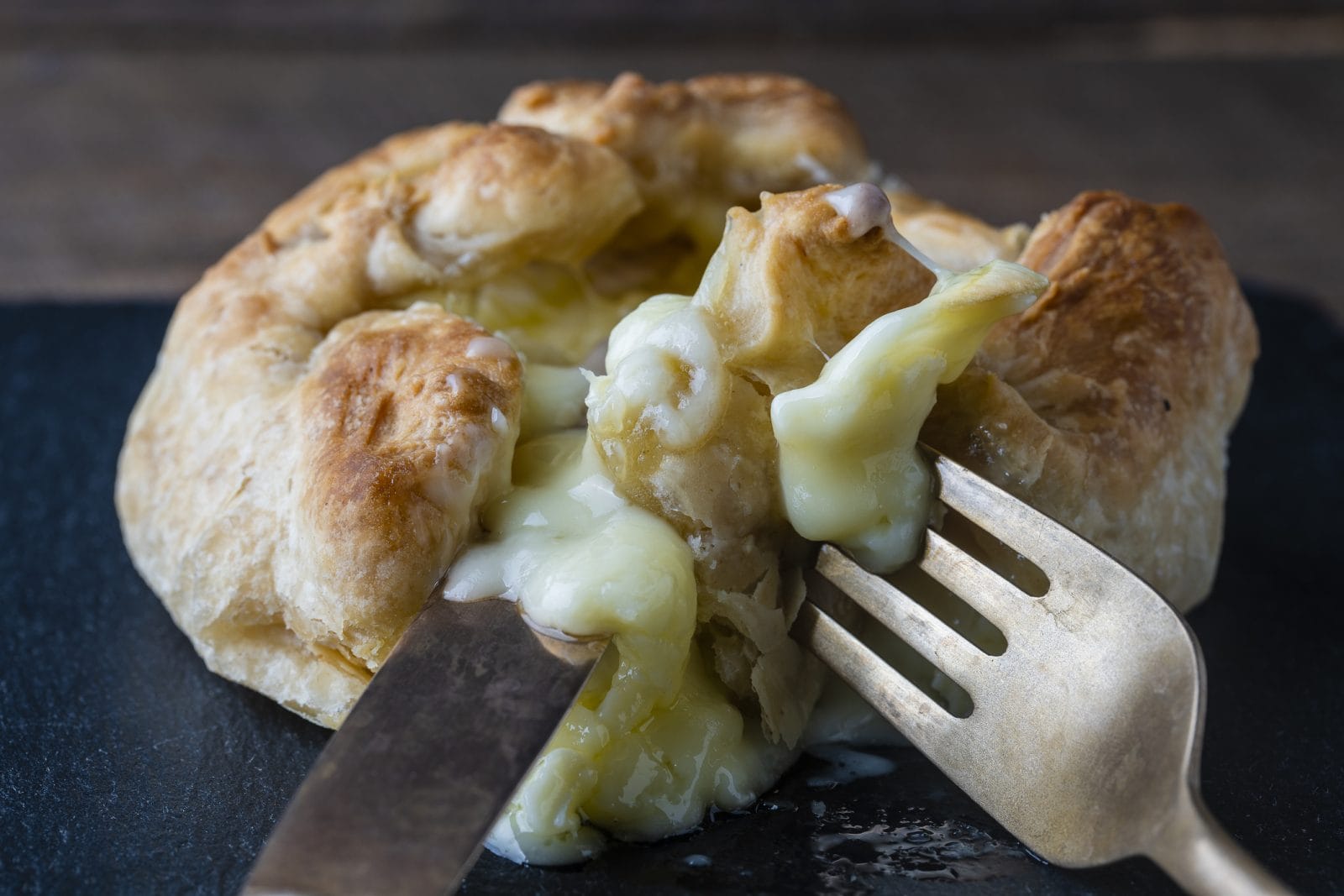
Baked Brie

With puff pastry on hand, this old-school party appetizer is ridiculously easy, yet still impressive and an infallible crowd pleaser. The main recipe is just cheese wrapped in crust—hardly a bad thing—but, if you want to take it further, spread a couple of tablespoons of jam, fruit compote, caramelized onions, or olive tapenade on top of the brie before enclosing it in the pastry. Serve with sliced apples, carrot or celery sticks, or whatever is your preferred implement for scooping up melted cheese.

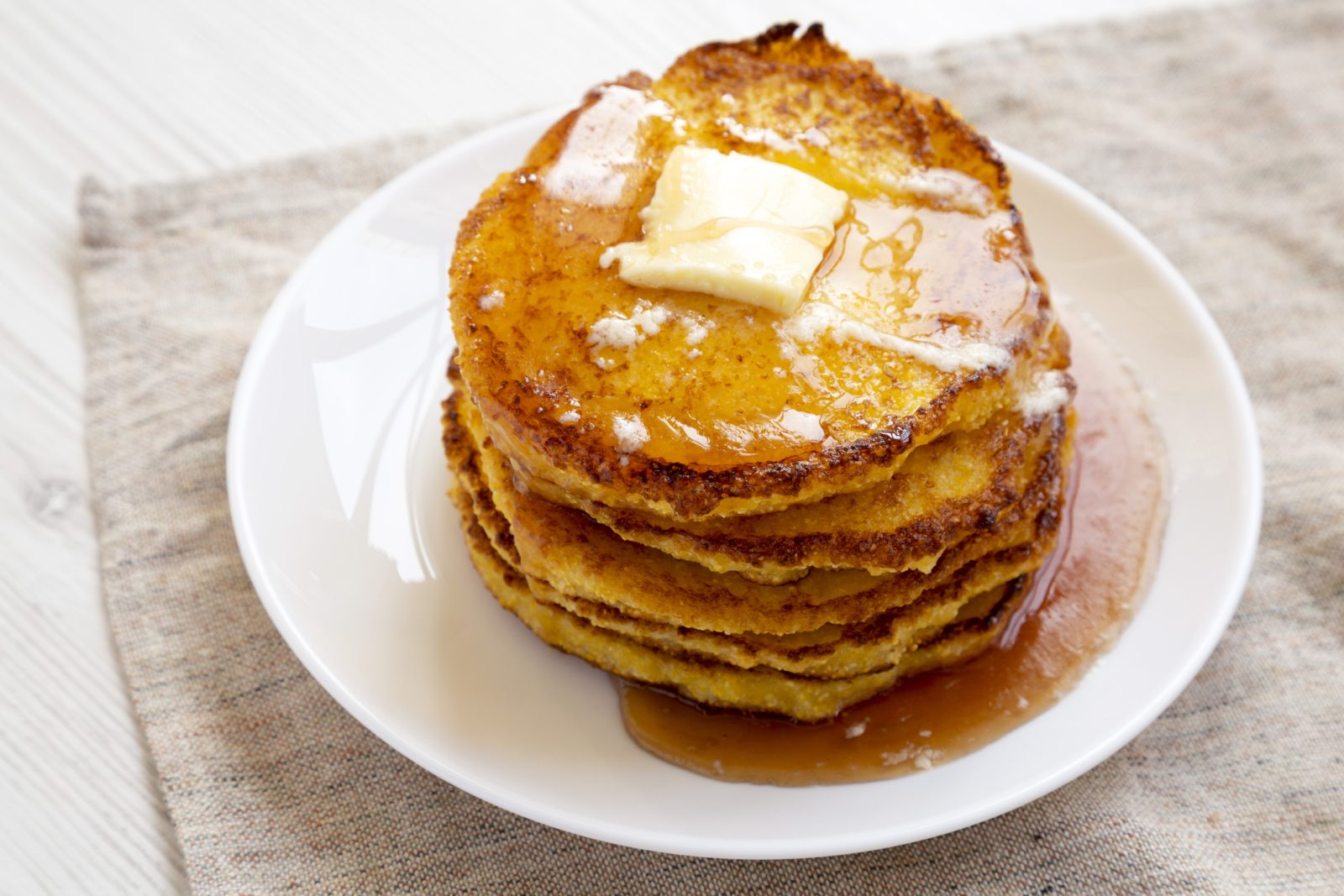
Johnnycakes

These cornmeal pancakes most likely originated with native Americans but have since become a staple of the cuisines of New England and the South (where they’re called “hoecakes”). They are cooked on a griddle or in a skillet and can be loaded up with any number of mix-ins, both sweet and savory. If you like, serve them as you would regular pancakes, with a little maple syrup and a pat of butter. They’re best when eaten fresh, but you can always reheat them if necessary; wrap them in foil and warm in a 300°F oven for about 15 minutes.

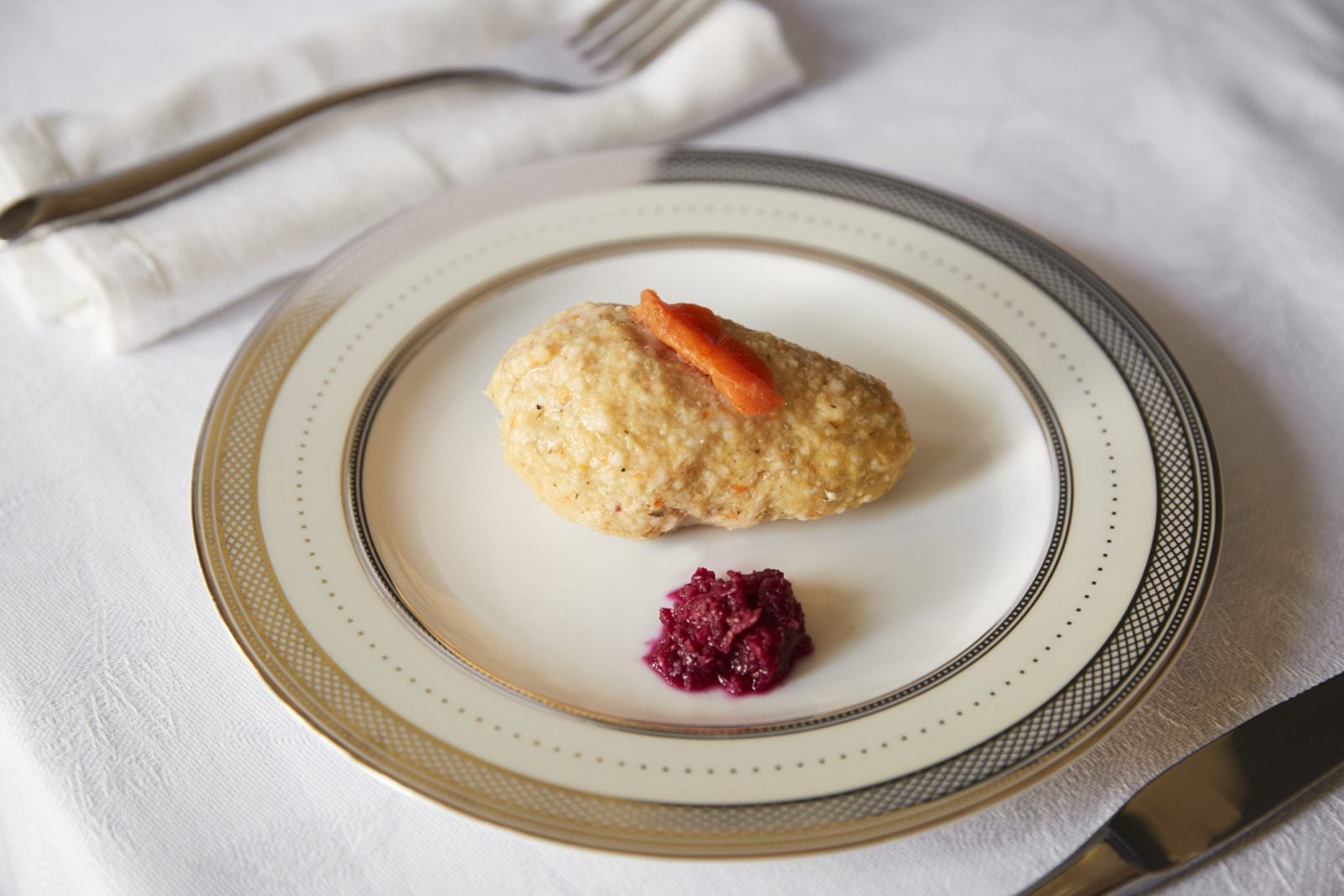
Gefilte Fish

Traditionally made with freshwater fish—carp, whitefish, and pike—this is just as good with fish from the sea. You can even mix in some darker fish, like bluefish and salmon, although it is not traditional. Equally untraditional is the food processor, which makes this formerly formidable job a snap. Good, strong horseradish is the essential accompaniment. Make this a day before you want to serve it.

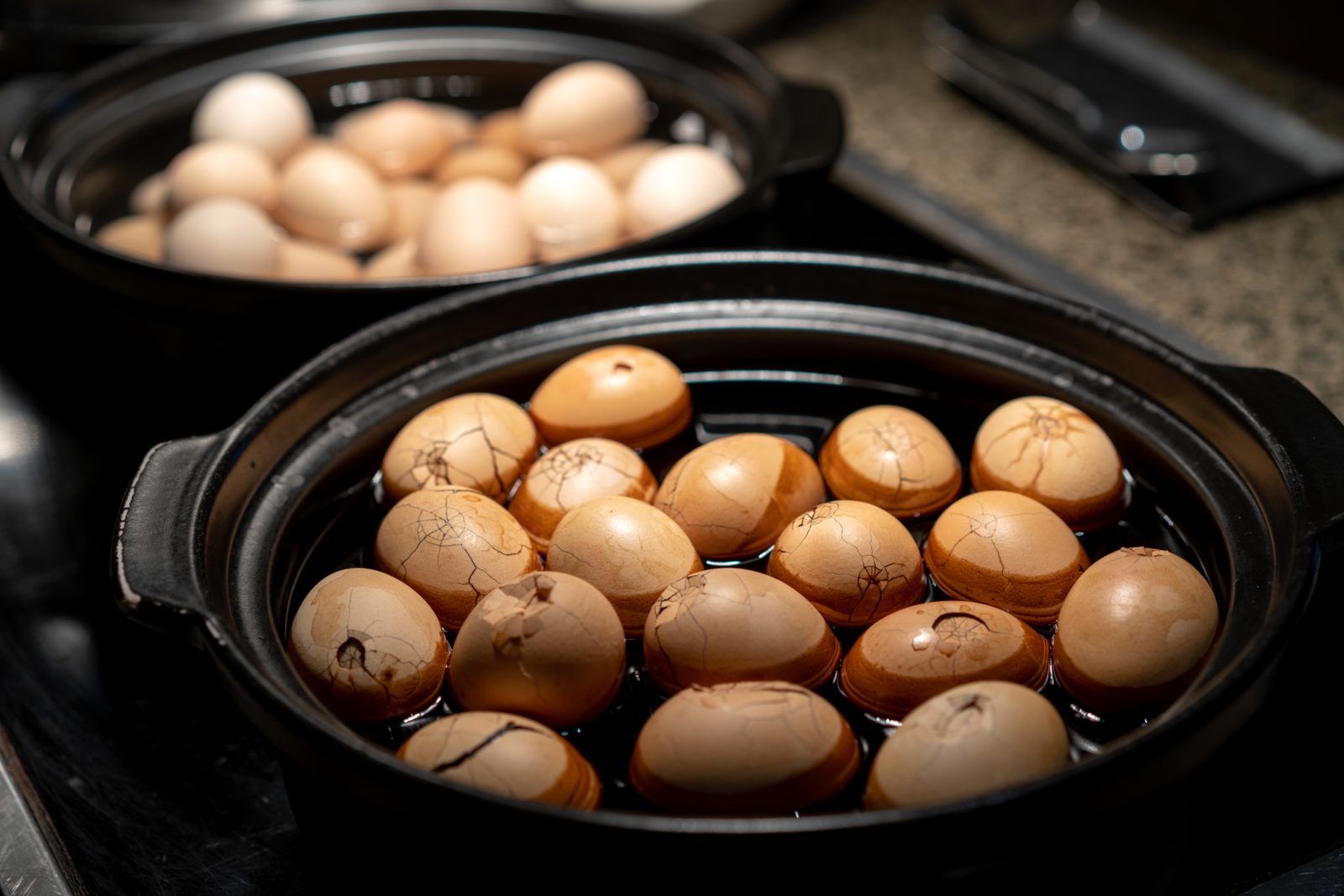
Tea Eggs

This is special-occasion food for many Chinese people, served as part of large meals. The eggs simmer in their special dark liquid, and eager hands reach in to retrieve an egg, peel it, and devour it. The smoky flavor and pretty patterns on the eggs are mysterious looking but easy to create. By all means, make these ahead of time, as you would any hard-cooked eggs.

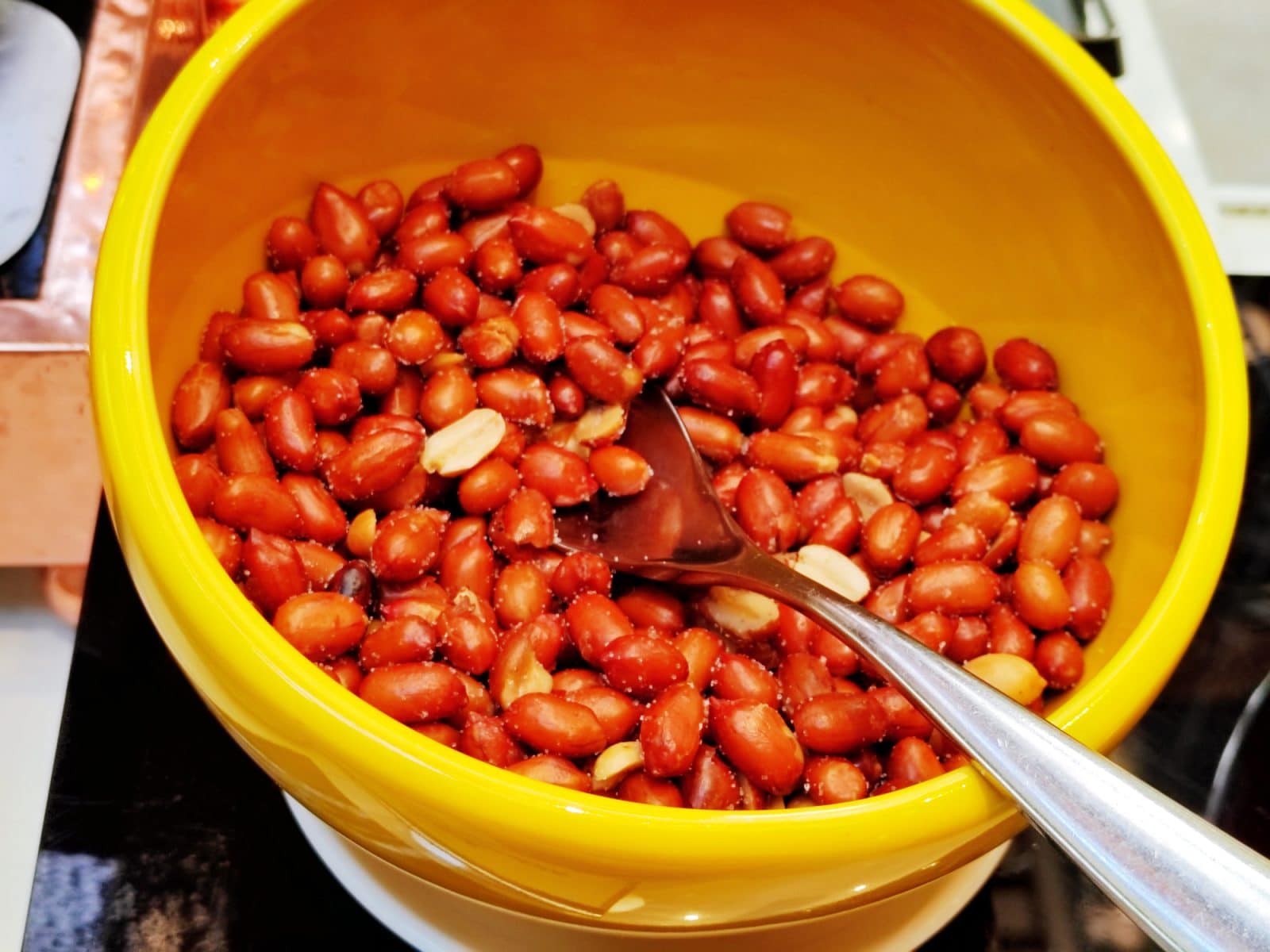
Fried Peanuts

Fried peanuts will amaze your guests with their crunch and fresh, distinctive flavor. Add different kinds of nuts if you like, as long as they are “raw” to begin with (the industrial shelling process uses enough heat to cook the nuts, at least a little bit). The best raw peanuts are usually found in the fall (peanuts are an exception; the best season for other nuts is spring), when they are fresh and tender. Like any nuts, these are great with drinks, especially beer.

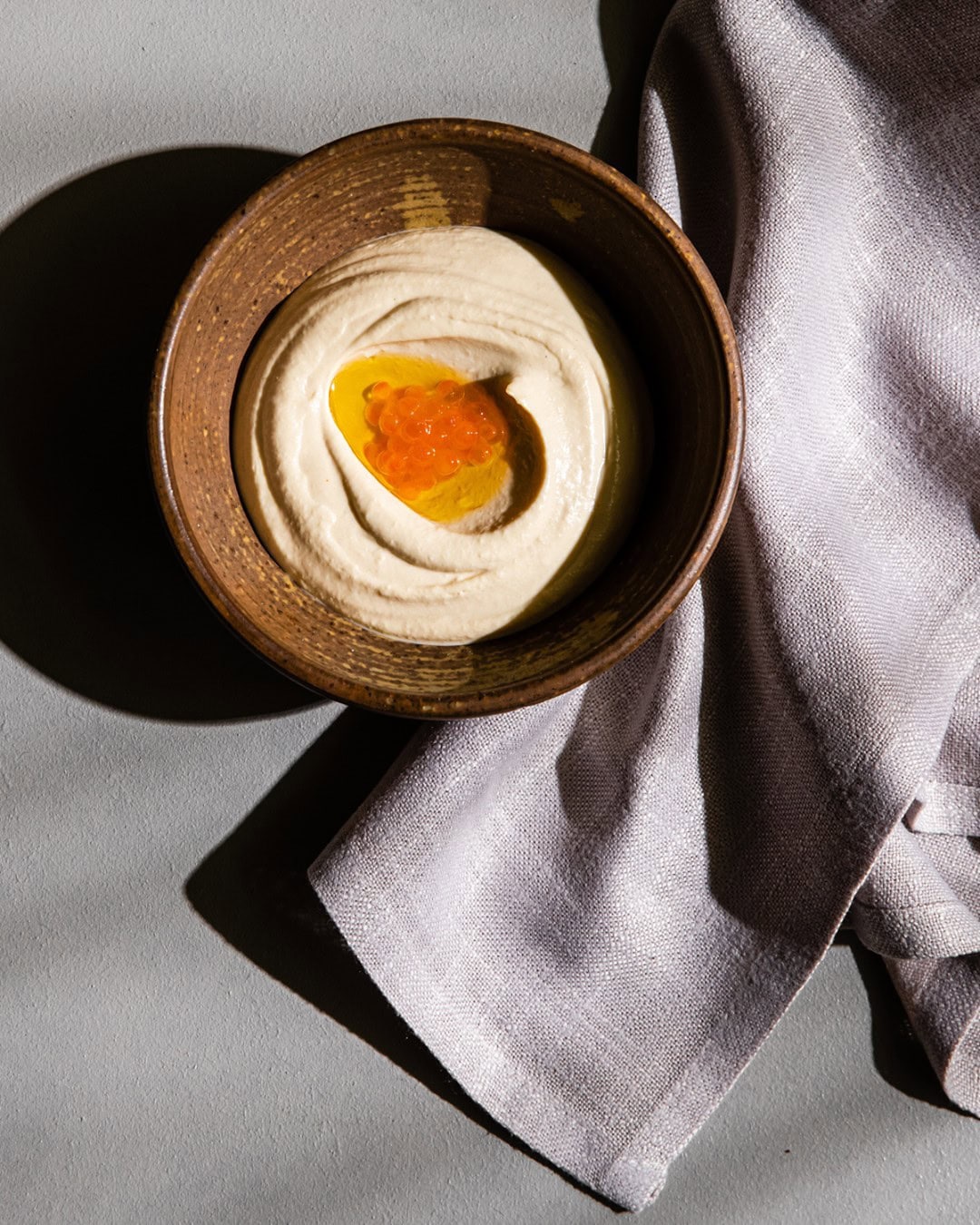
Taramasalata

This creamy dip is made from tarama, the salted (and sometimes smoked) roe of mullet or other fish (we usually see it made from cod or salmon roe). Serve it with strips of fresh vegetables, like cucumber, red pepper, carrot, and celery, toasted pita bread, or both.

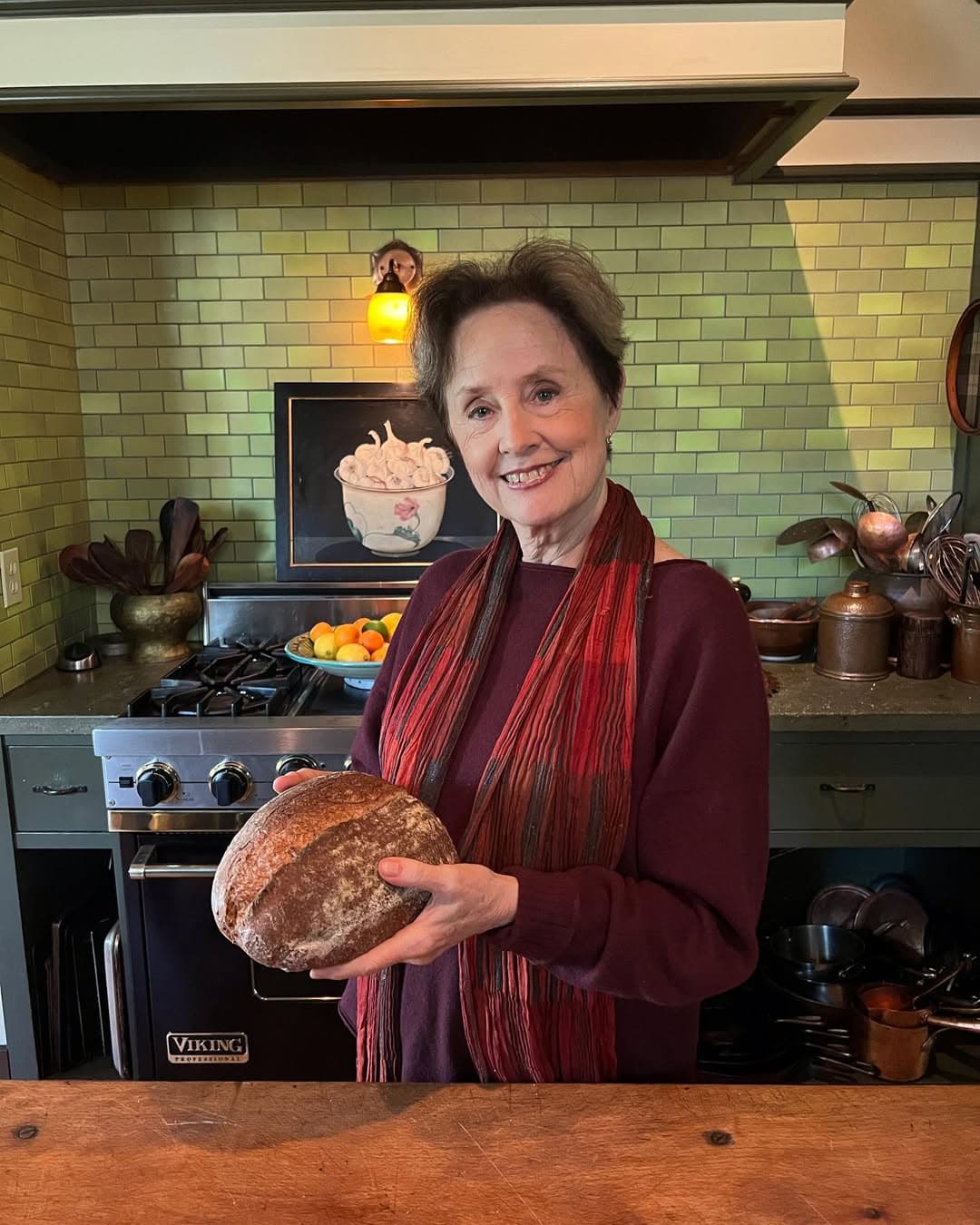
Food with Mark Bittman: Alice Waters

The chef and activist talks to Kate and Mark about how school lunches have changed over the years—and how they haven’t, why (and how) there shouldn’t be a “middle man” when schools purchase food for lunches; the “most important people in this country”—teachers and farmers; and how we can realistically make her longstanding vision for kids’ relationship with food a reality.

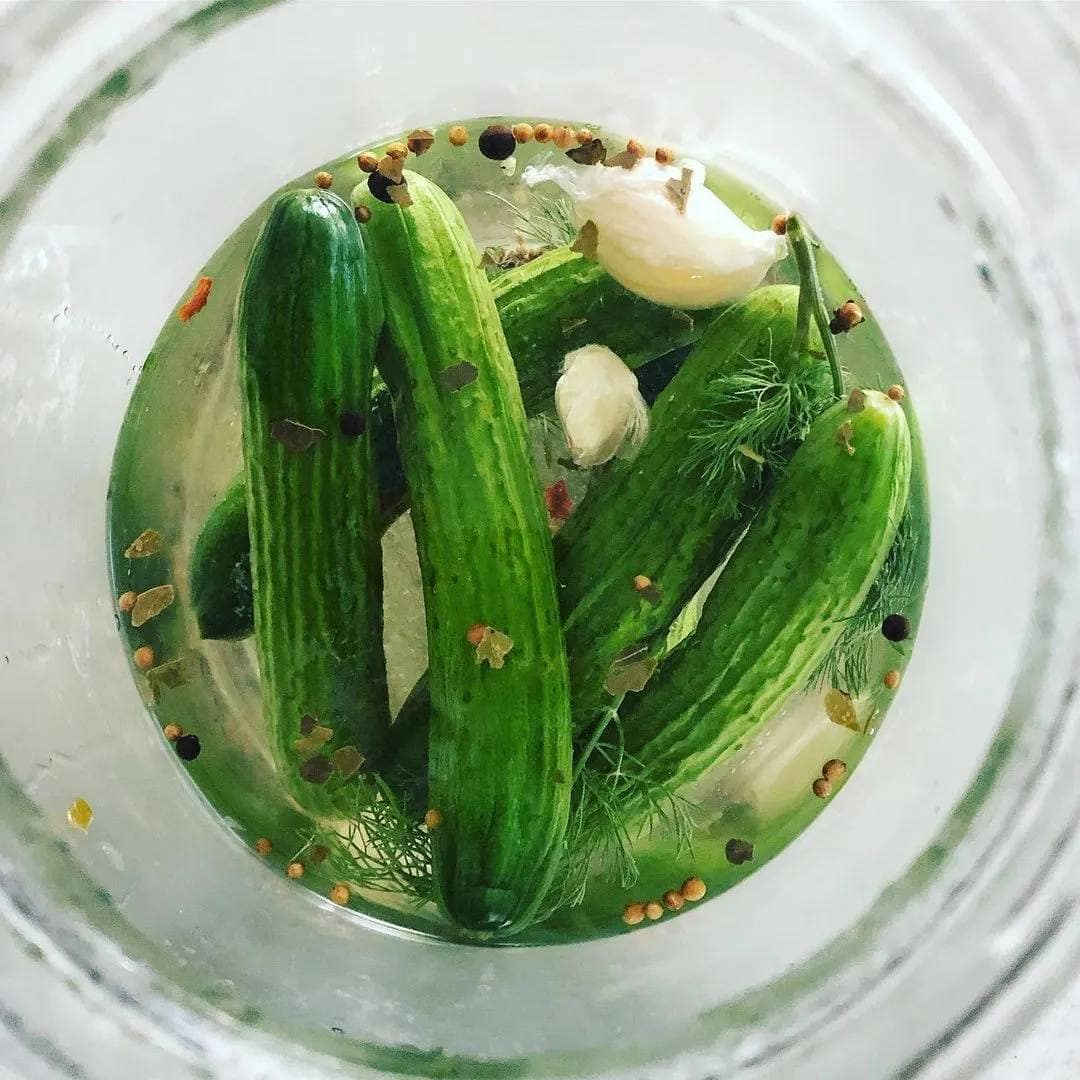
Mark’s Latest Obsession: Pickles

I don’t like “real” pickles, vinegared and jarred, the kind that will last on your shelf for a year. I like—and I know these are popular on our site, and elsewhere— simple salted pickles.

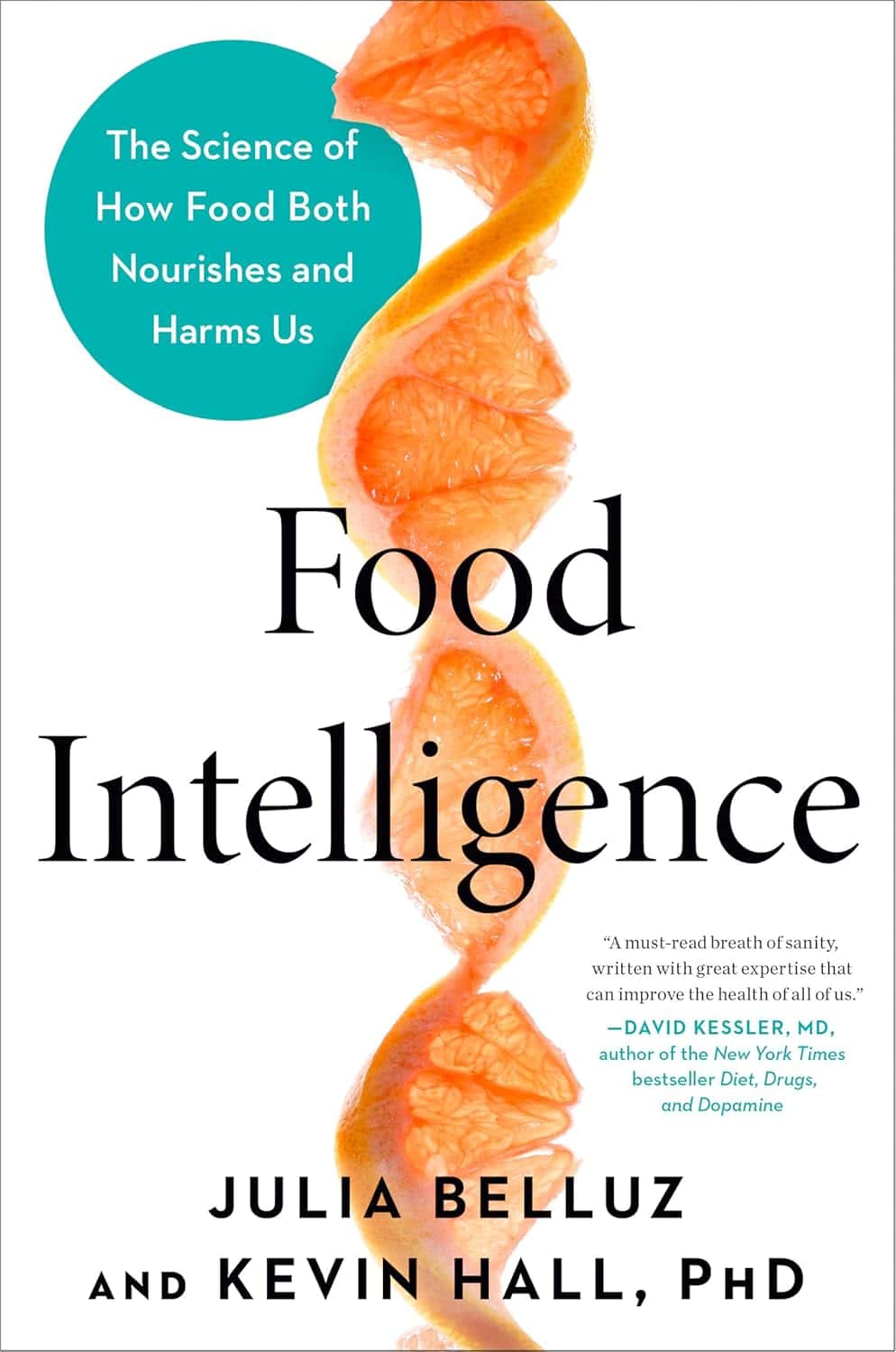
Food with Mark Bittman: Julia Belluz and Kevin Hall

Journalist Julia Belluz and scientist Kevin Hall talk to Mark about why there’s such a big gap between food science and diet fads, how the effects of our ‘food environments’ determine how much we eat and how much it changes our biology, and how our public outcry over the unjustness of our food system is apolitical—but is made political.

Our Love for Chia is Bind

What we really want is Mark’s original, simplest bean burger with the smallest adjustment that makes it possible to smash and grill the patties or cook them in a pan or griddle. Turns out tiny chia seeds finally let us do it all.

Here’s My Favorite Thing to Do With All Those Greens

Whether you’ve foraged for wild greens or happen to have a pile of greens from a CSA, it’s understandable if they’re overwhelming you. What you’re going to do—what I’ve taken to doing—is make horta, which translates to “greens” or “weeds” in Greek.

Hortopita

This terrific recipe for a massive pile of mixed greens, herbs, leek and winter squash, all encased in homemade phyllo dough, is from the noted Greek-born food writer and cooking instructor Diane Kochilas. It’s a bit of work, to be sure, but Kochilas has codified the process so that it’s straightforward, and the results are both delicious and impressive. It’s important to note that the phyllo dough created here need not be the extremely thin version we see in pastries, but rather a reasonably thin and easily worked dough rich in olive oil. It seems daunting. It is not.

Basic Phyllo Dough

It seems scary at first, making your own phyllo dough. But with this recipe, we learn that although phyllo means leaf, that leaf need not be the paper-thin kind we’re used to seeing in Middle Eastern pastry. A Greek chef, Diane Kochilas, gives the lesson here, and she’s not overly careful of the dough, she patches holes where needed and she uses a good amount of olive oil. It’s delicious.