Mark Bittman

Filters

Sort by date

Content Type

Bittman’s Smashed Bean Burgers for a Grill, Griddle, or Pan

A few chia seeds turn bean burgers into patties you can smash and grill. They’re sturdy enough to handle easily while remaining moist inside. Be aware that you’ve got to refrigerate the mixture at least 1 hour for the seeds to absorb excess liquid. The seeds will still have a little crunch at an hour, but the longer you let the bean-oat-and-chia concoction sit, the softer the seeds become.

Food with Mark Bittman: Mavis-Jay Sanders and … Mark Bittman

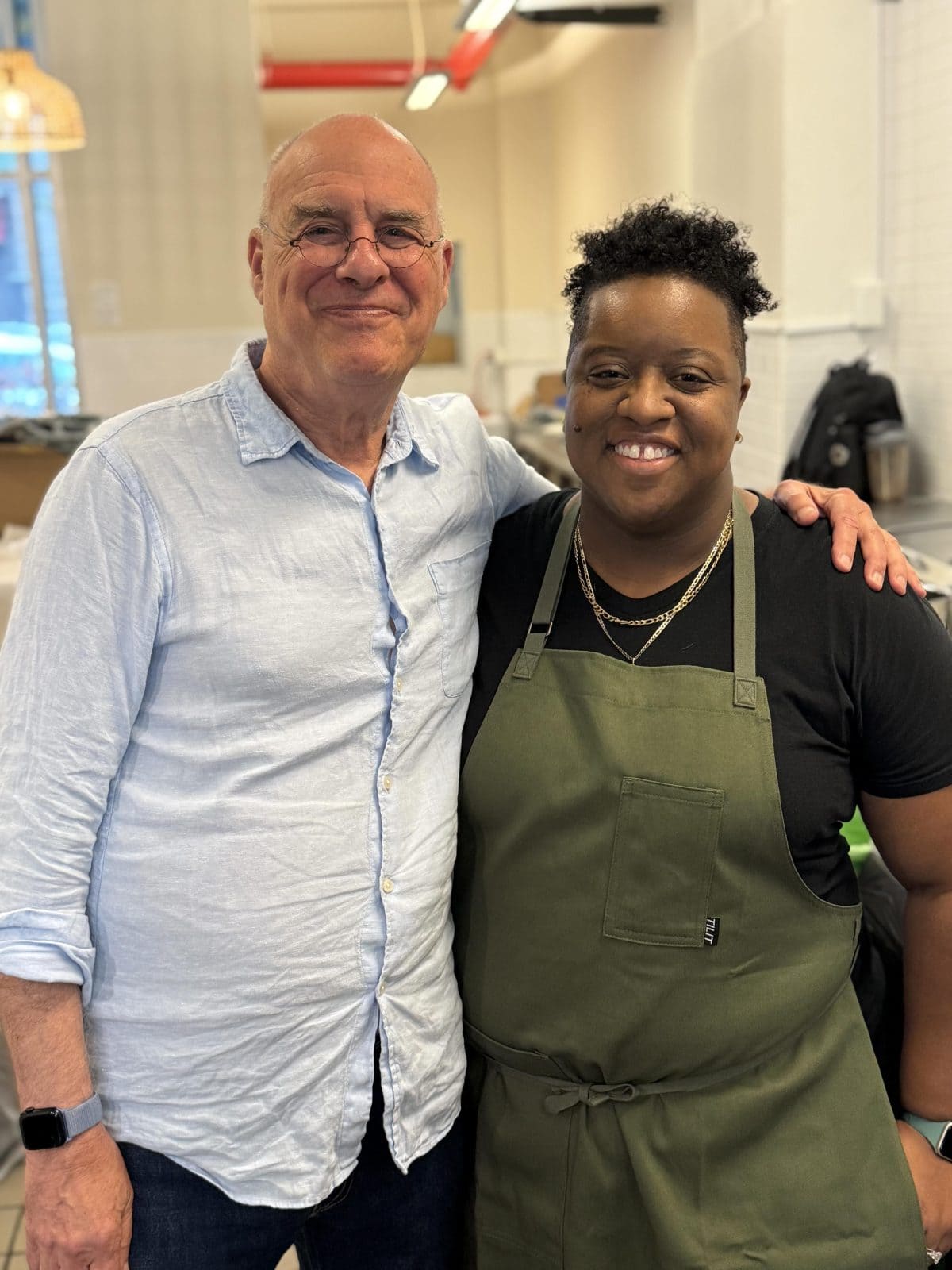
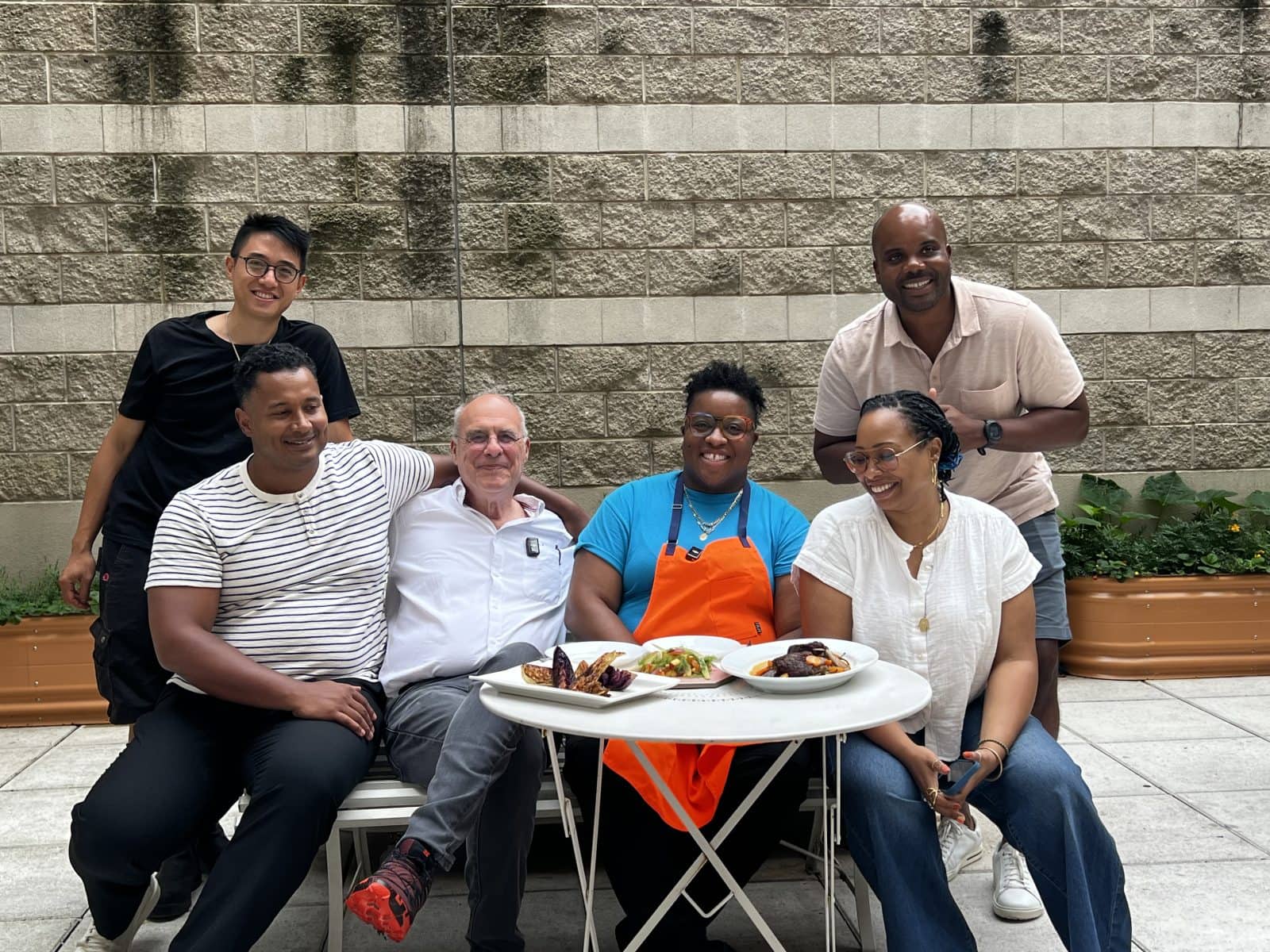
Mavis-Jay Sanders, Culinary Director of the new nonprofit restaurant Community Kitchen, and Mark Bittman, Founder of Community Kitchen (and, of course, co-host of this podcast) talk to Kate about how they’re bringing awe and joy to their dining room; the specifics around how the team collaborates; the supreme importance of ingredients; and Community Kitchen’s potential to showcase what part of a rational food system might look like—and what that could mean for the future.

Food with Mark Bittman: Rae Gomes and … Mark Bittman

Rae Gomes, Executive Director of the new nonprofit restaurant Community Kitchen and Mark Bittman, Founder of Community Kitchen talk to Kate about the revolutionary restaurant’s launch: exactly how they’re making top tier chef prepared meals accessible, what success in the self described “money losing” venture would look like, how they managed to hire such a talented and traditional hospitality-oriented staff, how the tiered pricing will work, and what people can expect from the project.

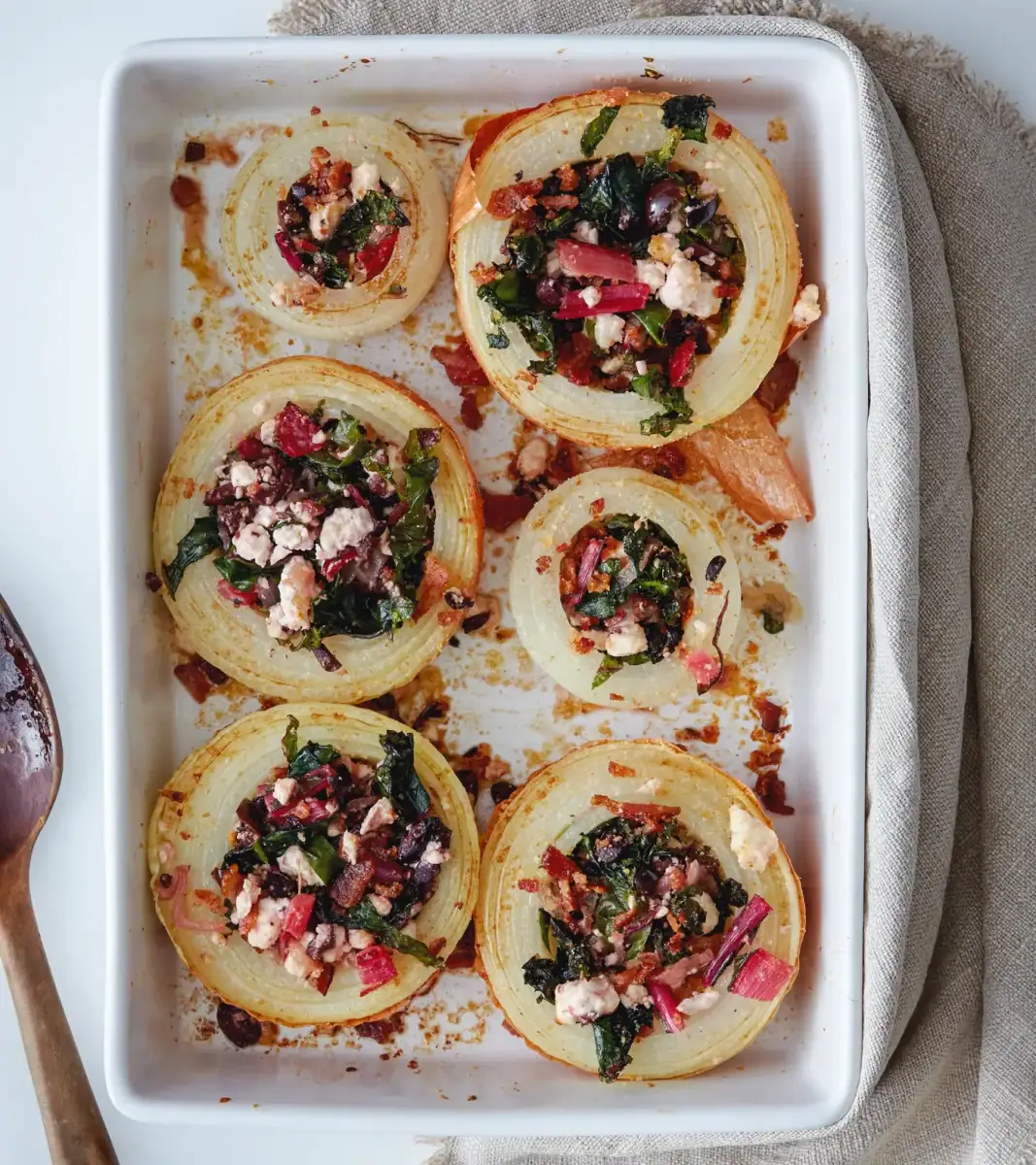
Stuffed Onions with Chard and Feta

The best of two worlds: a flavorful filling in gorgeous edible vessels.

Avgolemono

Truly one of the great delights of Eastern Mediterranean cooking, always refreshing and comforting. For an easier version, try Simplest Egg-Lemon Soup (see variation below). I am tempted to say you must use good homemade stock for this, but I’ll leave it as a recommendation. I had the soup made with tomatoes once—a regional variation—and enjoyed it very much. But the color may not be what you’re expecting.

​Broil It

The most valuable secret weapon in your kitchen just might be your broiler, which can be thought of as an upside-down indoor grill—a tool that is as exciting as a grill and far easier to use. Like grilling, broiling provides direct heat for searing food; like grilling, it can brown quickly and even char.

Cherry Clafoutis

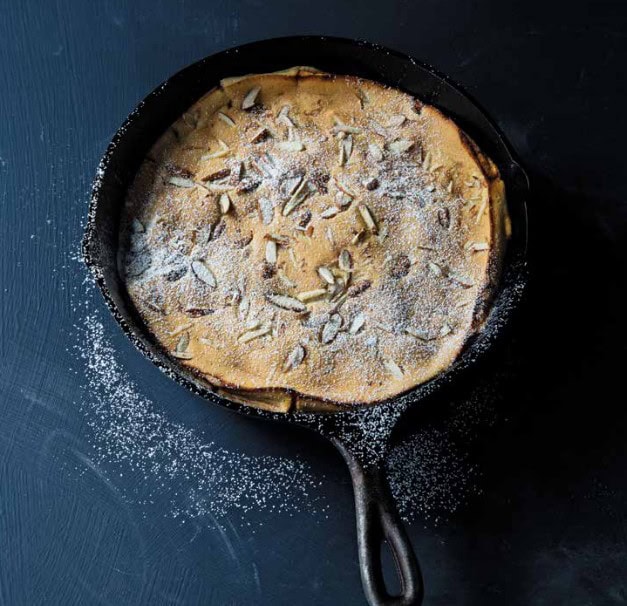
The French clafoutis (pronounced cla-FOO-tee) is a bit like a dessert frittata, a cross between a flan and a fruit pancake. I give the traditional recipe a makeover here by using more fruit and less batter. Beating the egg whites helps you get the most from just a few eggs and makes them bake more like a soufflé topping. And though cherries are the traditional clafoutis fruit, you have lots of options; see the variations that follow.

Decadent Oatmeal Cookies

This recipe makes a dozen good-sized, fully loaded—packed—whole-grain, fun-to-eat treats. Yes, there’s sugar and fat in them; that’s what makes them worth eating. And the darker the chocolate—meaning the higher percentage of cocoa solids—the better. Serve these with Banana-Chocolate Ice Cream for true decadence.

Tropical Fruit Pudding

Whenever I serve tofu pudding—and with so many variations I can make it frequently—everyone is shocked to find there’s no dairy involved. Creamy and sweet with fresh mango, crunchy with toasted coconut, and bright with pineapple, this version is a great way to make tofu converts of your friends and family.

Vegetable Curry with Lamb

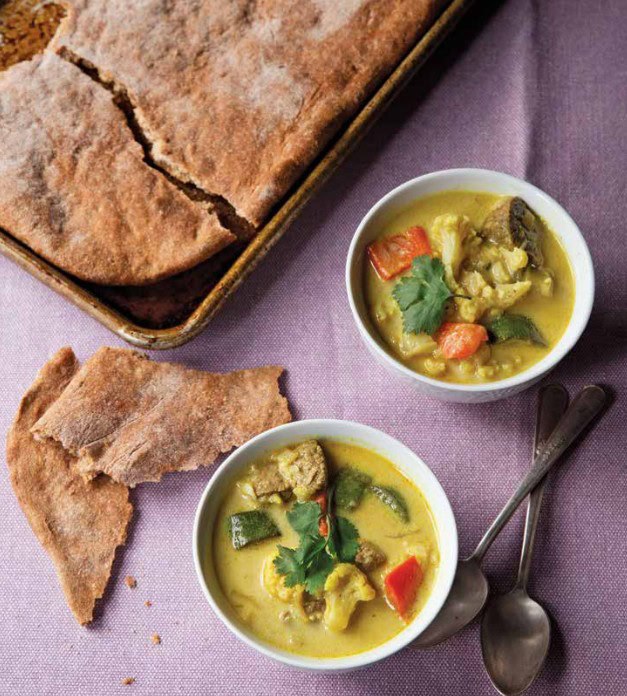
A classic curry—with lots of vegetables—is far simpler to make than you might think. Just brown the meat; add the vegetables, stock, and aromatics; and let it simmer on the stove—it does its thing while you do yours. This reheats beautifully too, making it the ideal meal for weeknight entertaining or freezing for ready-to-eat suppers on hectic nights. Serve it with bread or brown rice (basmati is best here).

Szechuan Beef and Celery

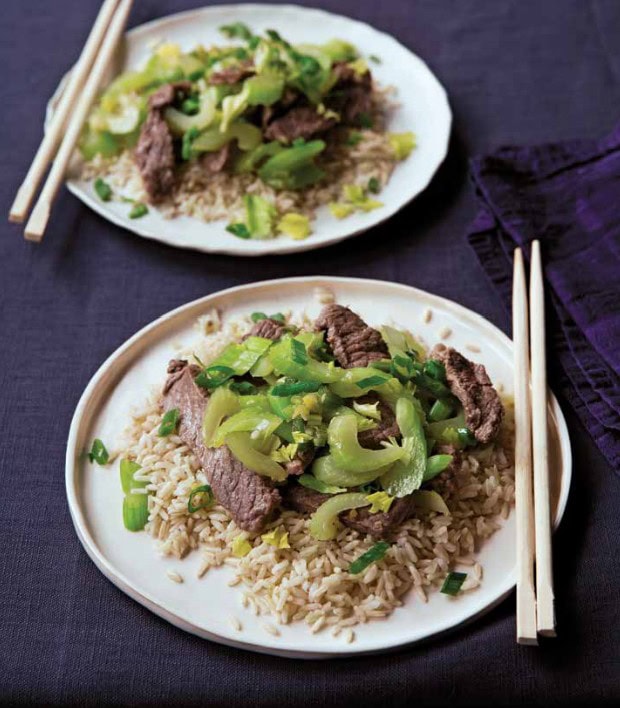
Once you master the rhythm of a stir-fry you open up a world of recipes. This one is a riff off the traditional dry-fried (and assertively seasoned!) Szechuan beef. It involves sweet bean paste (akin to miso, only stronger) and Schezuan peppercorns, which leave a tingly sensation and spicy flavor behind. You’ll find these readily at any Asian market, but I’ve listed alternatives, as well as tamer options, among the variations. For a change from rice, serve this stir-fry with soba or brown rice noodles.

Pork, Asparagus, and Soba

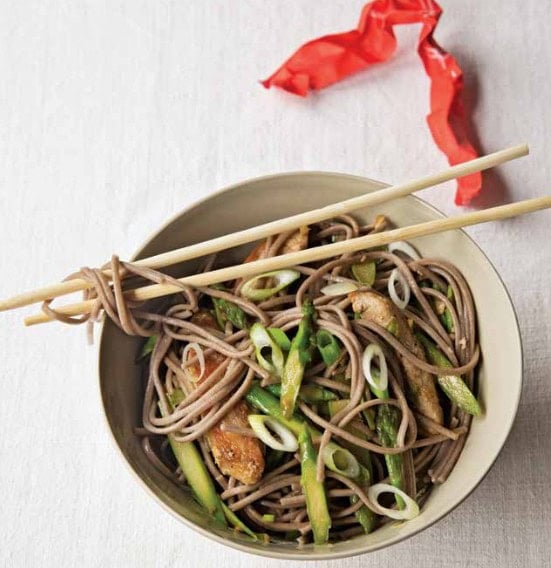
A favorite of mine. Asparagus is built for this combination dry-and-wet cooking method, since a single stalk runs the gamut of different textures, from the crispest stalk ends to the tender tips. Peel the stalks (which I take the time to do if they’re more than pencil-thin) or not—it’s your call. The best way to cut them is on the bias to maximize the surface area. (They look nice that way too.)

African-Style Chicken Stew

My spin on the peanut soups of West Africa has evolved over the years. These days I’m making a less soupy version and loading it up with collards. Try it: It’s the best use of peanut butter I know (aside from on crackers, of course).

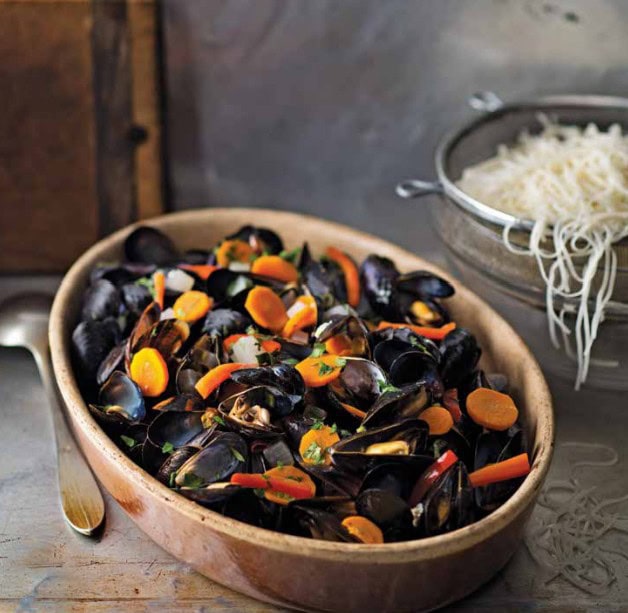
Mussels in Coconut Broth

A bountiful bowl—filled with vegetables, seafood, and noodles—that’s so big you might think you’ll have trouble finishing it, but trust me: You won’t leave a drop behind.

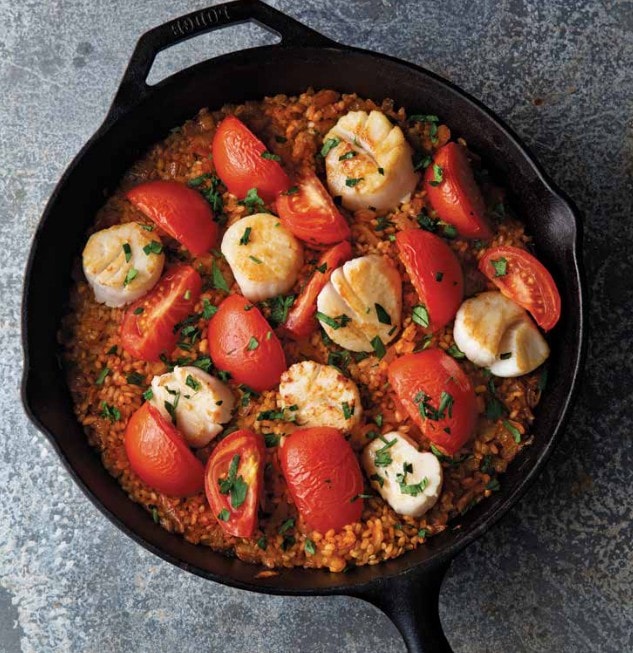
Red Paella with Scallops

A streamlined paella, loaded with vegetables and flavored like the sea. Parboiling gives brown rice a head start and helps the kernels absorb liquid quickly in the oven. Tomatoes balance the sweetness of the ­scallops and the smokiness of the spice here perfectly. You can use any kind of tomato—even whole cherry tomatoes if that’s what you like—so choose whatever’s ripest.

The Most Exciting Restaurant News of the Year

Community Kitchen is uniquely ambitious in its modeling of what a restaurant might look like if profit were taken out of the picture. And that idea points the way to a just food system that could be run for our mutual benefit rather than one that lines the pockets of already rich and uncommonly lucky people.

Food with Mark Bittman: Bob Klein and David Killilea

Founder and President of Community Grains Bob Klein and biochemist David Killilea—both self-professed “wheat nerds”—talk to Mark about a pioneering study conducted by David that examines whether food labeled as “whole grain” is, actually, whole grain (and which company is actually doing it right); why you’re probably not eating actual whole wheat when you think you are; the meaning of “dead wheat”; and why it all matters.

Raspberry Sorbet on a Stick

You have a choice here: You can use packaged (unsweetened) frozen fruit—a boon in the dead of winter—or you can cut and freeze fresh fruit before getting started. Either molds or paper cups and wooden sticks will work—anything in that 4- to 6-ounce range.

Sweetgreen Quinoa Salad

Long called a super-grain (it’s actually not a grain but a chenopod, but let’s not let that bother us), quinoa has become super-hip—to the point where supply is having a hard time keeping up with demand. You’ll find it easily enough, though, and a little goes a long way, especially in a vegetable-driven salad like this. The main recipe is best in summer, when tomatoes and corn are at their peak. For rest-of-the-year options—including the springtime salad served in Sweetgreen restaurants to celebrate the publication of this book—see the ideas that follow.

Grain Nuts with Fruit

Twice-cooked grains translate to a one-ingredient breakfast cereal, along the lines of Grape-Nuts, but made by you and with zero extraneous ingredients. Name the grain and it can be served cereal fashion, which means you can use whatever you have leftover in the fridge, in whatever quantity (reduce the salt proportionately). The results: an intensely flavored breakfast cereal that is pleasantly dense and crunchy enough to sit in milk for a while without getting soggy.