The Editors

Filters

Sort by date

Content Type

A Q&A with Mark and Kate

We’re interrupting our regular Friday programming to share a Q&A that Mark and Kate did with the writer and chef ​Aliza J. Sokolow​, who has been ​a guest on Food with Mark Bittman​ a couple of times and has become a pal of Kate’s.

Things We Like: Stuff for Moms (Or Anyone!)

Welcome to our biweekly roundup of our favorite things. We’ll only ever recommend things that we personally have tried and enjoyed. This week: glasses for gifting, an unfussy cookbook, flowers and plants, and more.

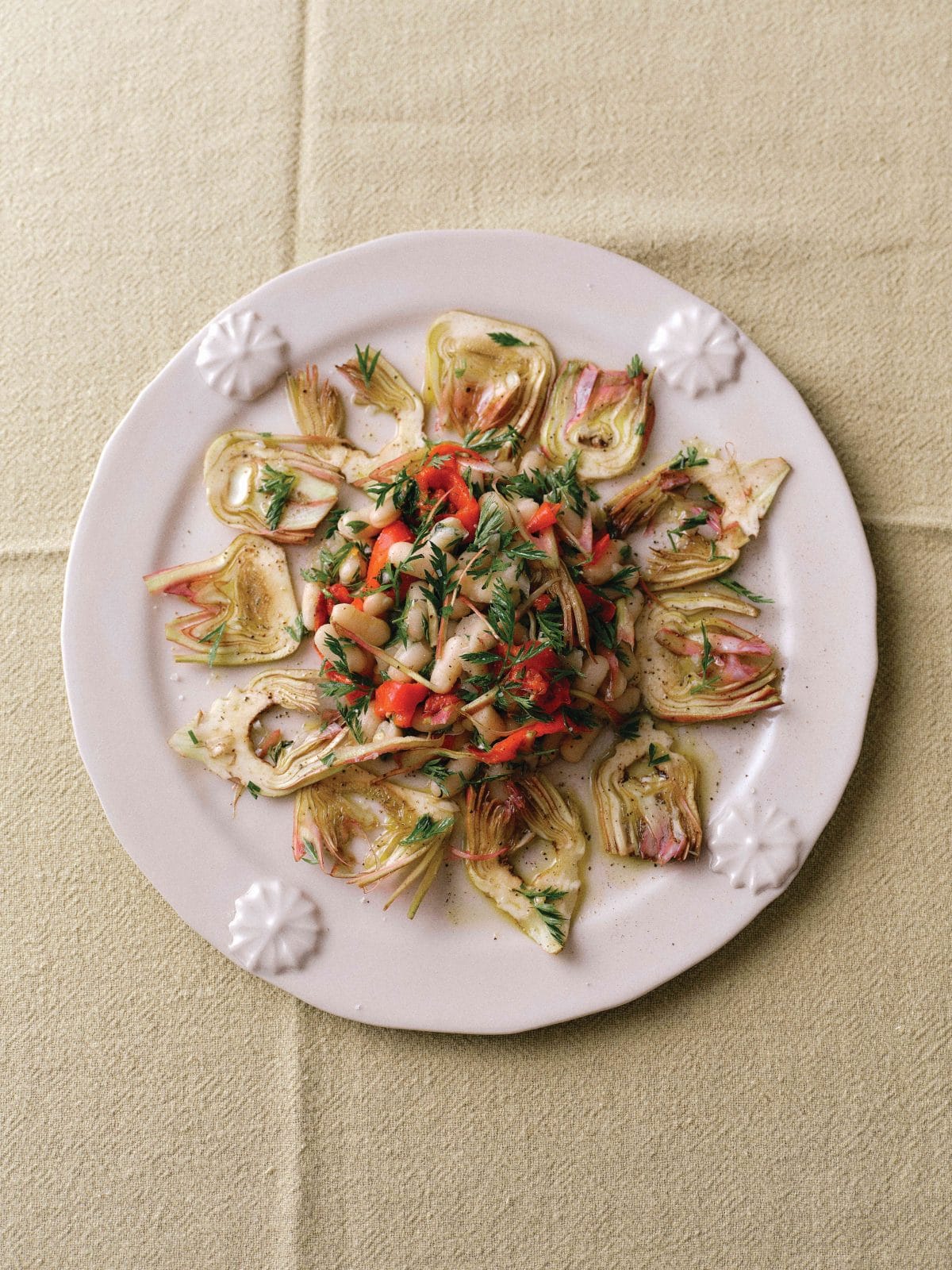
Artichoke and Bean Salad

A can of beans, some jarred artichokes, good olive oil—this is assembly rather than cooking, but it transports me straight to long summer lunches in Europe, even if all the ingredients came from my pantry. Make it your own with whatever treasures you have on hand: garlic confit, cured lemons, some pickles. It’s perfect as a side dish but substantial and nutritious enough for a solo dinner eaten straight from the bowl. – Mélanie Masarin

Here’s Exactly Why You Should Care About Perennial Foods

Perennials, roughly speaking, are plants that live for more than one year. You might have even eaten some perennial foods today: Tree nuts and tree fruits are obvious ones, but grass-finished meat raised on perennial pasture might be a candidate for this designation as well. What these foods all have in common is that they come from farms where plants stay in the ground for multiple seasons. Which means their roots can go to work.

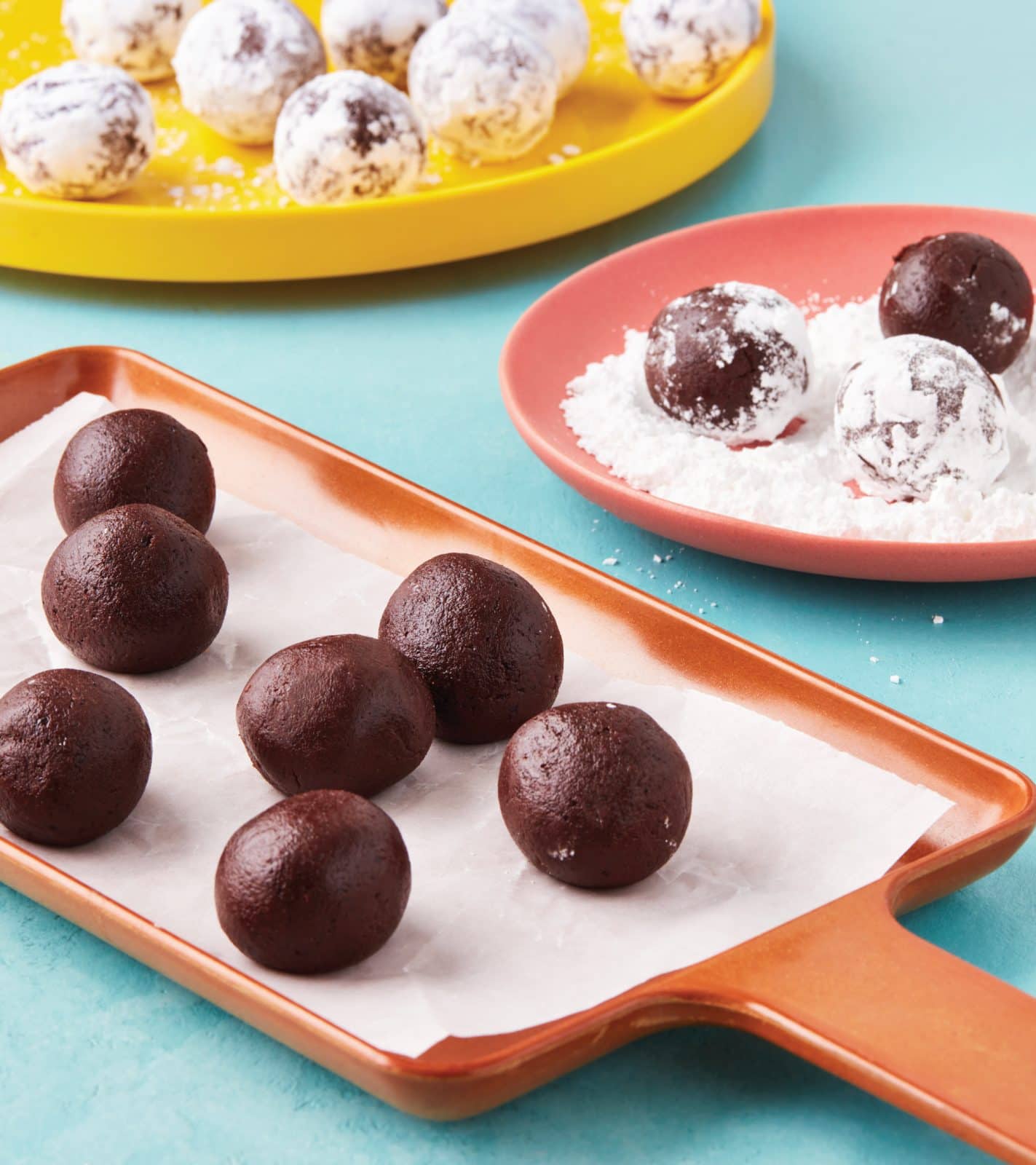
Chocolate-Cherry Bonbons from How to Cook Everything Kids

Proof that yes, you can make candy! The only reason this recipe is marked “Intermediate” is for the food processor. Other than that, you won’t believe how easy these are.

CORRECTION NOTE: Eating raw flour is now considered a potential food safety risk. The original recipe in How to Cook Everything Kids (on page 300) has been updated to omit the uncooked flour and replace it with the same amount of extra powdered sugar. This is the revised recipe.

Shoyu Chicken

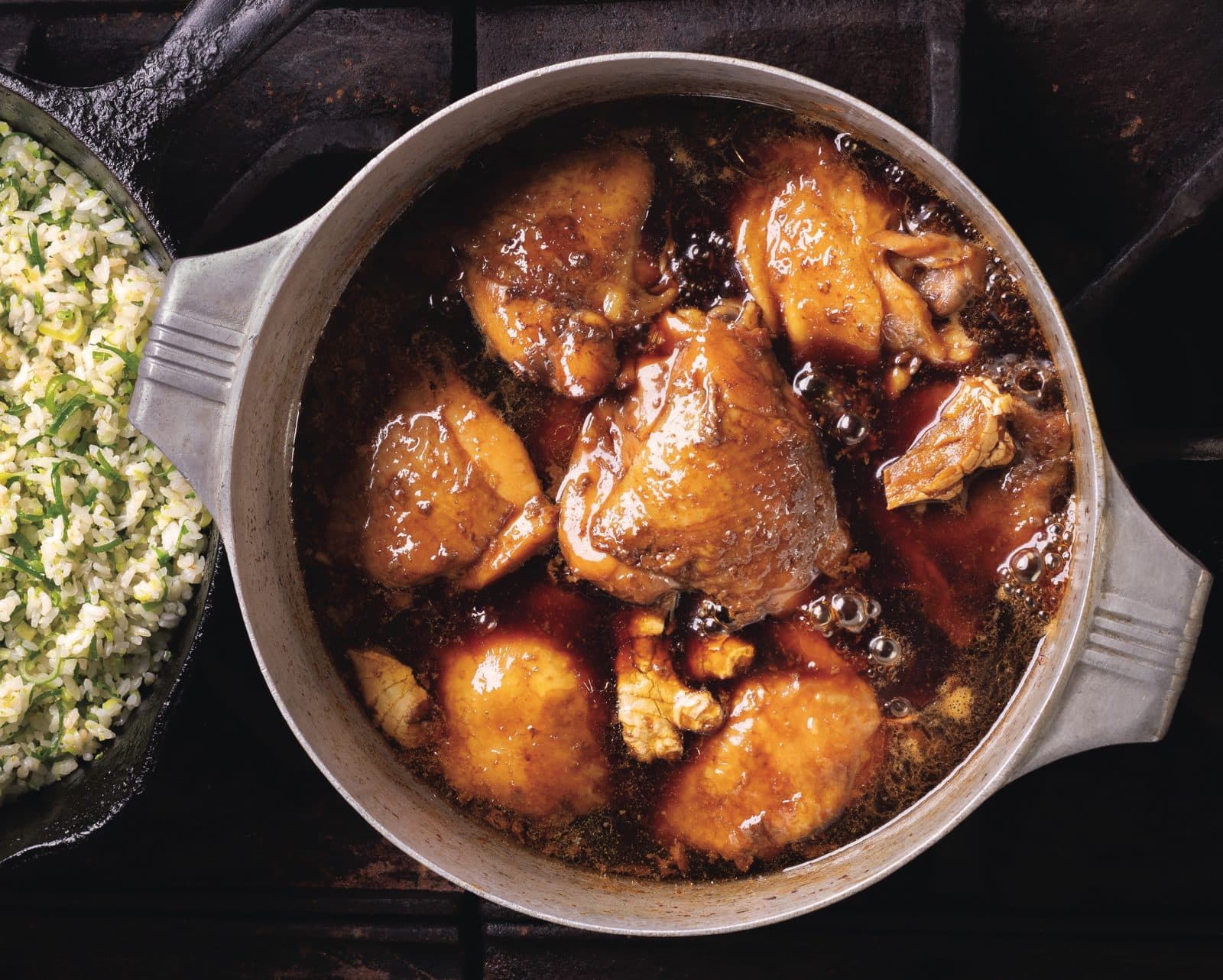
Shoyu chicken is the king of the Hawai‘i potluck. As they say in fantasy football, it’s got a high floor as a dish—and I’d say a high ceiling, too. No one will ever complain if you bring even mediocre shoyu chicken to a party, but if you show up with this succulent version that makes everyone mop their plate and go back for thirds, you’re guaranteed high praise. An easy way to think of shoyu chicken is as a slowly simmered, almost poached, version of teriyaki—there are some differences, of course, but the combination of flavors is similar. And since I believe it’s easier to simmer something than grill it, this is the can’t-mess-up chicken recipe I would give first to any burgeoning home cook. You can even use a slow cooker to set it and forget it. – Sheldon Simeon

Question Mark: A Memorable Endive Salad

We love hearing from our community, and there’s nothing better than sparking real conversations around your questions. This week: a reader request for the Estela endive salad, Mark tries new foods, and how to put out grill fires.

Endive Salad with Walnuts and Ubriaco Rosso

It’s fun to see people’s reactions to this dish. At first glance, it looks like just a pile of endive leaves. But I think there’s something really beautiful about it. The way to start is by eating a few of the top leaves, little endive cups holding orange juice and oil, and then begin filling the rest of them with the absurdly delicious crouton-and-cheese mixture hidden below, sort of like making your own taco. – Ignacio Mattos

Things We Like: Soup Bowls, Spice Mix, a Giant Butter Dish

Welcome to our biweekly roundup of our favorite things. We’ll only ever recommend things that we personally have tried and enjoyed. This week: top-notch bowls, an adorable home for butter, and Holly’s new favorite spice mix.

Question Mark: What’s Wrong With Restaurants?

We love hearing from our community, and there’s nothing better than sparking real conversations around your questions. This week: Mark’s hot take on restaurants, upping your starter flavor, and a kale extravaganza.

Things We Like: Cadbury Eggs, But Fancy

Welcome to our biweekly roundup of our favorite things. We’ll only ever recommend things that we personally have tried and enjoyed. This week: bougie candy eggs, a cookbook for your dorky side, and a good cutting board.

Braised Tomato-Butter Cabbage

This technique exemplifies my favorite way to prepare for a dinner party. I call it You-Can’t-Prove-That-I-Made-This-Pantsless Cooking. There is minimal prep work required. The Dutch oven and the heat do all of the hard stuff. You don’t even have to hover over the pan; cabbage is forgiving and difficult to destroy. The planks of ginger, paired with tomato paste, produce a flavor profile similar to the stuffed cabbage I grew up requesting for my birthday (many of my friends were stuffed animals), and you could totally lean into that, serving this with rice and meatballs or short ribs. For the record, my great-grandmother made her stuffed cabbage with crumbled gingersnap cookies in the bottom, and would look at my fresh ginger planks with more than a bit of suspicion. – Ella Quittner

My Way or the Thai Way

Arnold Myint loves Thai food, and loves Southern food, and for him, the two aren’t “separate.” In this excerpt from his cookbook, Family Thai, Myint, who is also today’s podcast guest explains. (Plus: three recipes from the book.)

Kai Jeaow (Thai Omelet)

If you’re searching for a recipe with the best ratio of ease of preparation to delicious payoff, you’ve found it. The Thai omelet is a kid-friendly classic, a midnight meal, and a welcome side dish all in one. Yes, you can eat this at breakfast, but it’s also the perfect accompaniment to a midnight bowl of jhok or a fiery plate of stir-fried morning glory. In almost every family sit-down meal in Thailand, you’ll find kai jeaow. The key here is hot oil, which sounds scary but is pretty easy as long as you’re careful. You want to lower the beaten eggs gently into the hot oil, which causes the eggs to puff up. You are looking for crunchy edges and a fluffy center. The fun part about this recipe is that it’s incredible as written, but you can also add ground pork with white pepper, crab meat, and/or Thai chiles. – Arnold Myint

Nam Prik Klang Dong (Caramelized Dried Shrimp and Anchovy Crumble)

Nam prik klang dong is one of many versions of nam prik in Thailand (and also in this book, as you may have noticed). The term nam prik is a catchall phrase for chile paste, but the consistency varies across different styles. Some are chunkier, like a pico de gallo, while others are sticky and jammy. This particular version translates to “chile dip in the middle of the jungle,” and is special because it’s not pasty or wet but rather dry and crispy, almost like Chex or trail mix or even a Thai version of Japanese togarashi (a spice blend of ground dried chiles, citrus, sesame seeds, and other seasonings). I love to enjoy it simply in the same way togarashi is typically used—to season a piping hot bowl of steamed rice. You can also sprinkle this over salads and fried eggs. When my family would travel on long trips back in the day, nothing beat a ball of sticky rice to dip into this savory flavor explosion. – Arnold Myint

Cucumber Achaar

This isn’t the type of salad you would eat as an entree, but rather an accompaniment or dip to balance out other dishes. Everyone goes crazy for the peanut sauce that comes with satay, the skewered meat street food icon. It is undeniably delicious. But the cucumber relish that also comes with satay is an underrated gem. It provides ample tang from vinegar, bite from red onion, and freshness from the cucumbers to cut through the creamy sweetness of the peanut sauce. This is like peanut butter and jelly to me—you can’t have one without the other—and fortunately it’s super simple to prepare. – Arnold Myint

International Market OG Sweet and Sour Sauce

Growing up, I was confused why this wasn’t the sticky red stuff we typically got whenever we picked up Chinese takeout. To me, that was the definition of a sweet and sour sauce. My mom’s riff, however, uses black soy sauce, so it was brown instead of bright red and had added umami. It was inspired by the Chinese sauce, especially because people expected every Asian restaurant to have a sweet and sour sauce, but it was made my mom’s way. Despite being confused by the color, I never questioned my mom—customers seemed to love it, and I was always proud when people would ask for an additional side of this sauce. It’s sweet and sour, as the name suggests, and it’s incredibly easy to make, too. I love that a sauce with only four ingredients can come together into such a developed flavor. – Arnold Myint

Khanom Pang Tod (Shrimp Toast)

It’s impossible to deny the appeal of fried bread, especially when the bread has a generous smear of shrimp on it. My mom introduced this dish to International Market back in the eighties, mixing pork with imitation crab before battering the entire thing in egg and deep-frying it. The dish is inspired by the Chinese takeout classic and also references the popular Thai snack khanom pang na moo, a similar fried bread appetizer that uses ground pork instead of imitation crab. I’ve since made my own adaptations to my mom’s earlier version by swapping the imitation crab for shrimp and including water chestnuts for added crunch. – Arnold Myint

Crispy Pork Noodle Broth

Curling up on the sofa for a good old slurp from a bowl of spicy noodle broth is a real joy. – Jamie Oliver

Things We Like: A Coupla Cookbooks

Welcome to our biweekly roundup of our favorite things. We’ll only ever recommend things that we personally have tried and enjoyed. This week: two cookbooks we’re enjoying and a vegetable cleaver.