Xueci Cheng

Filters

Sort by date

Content Type

Tomato and Egg: The “Default” of Chinese Home-Cooked Meals

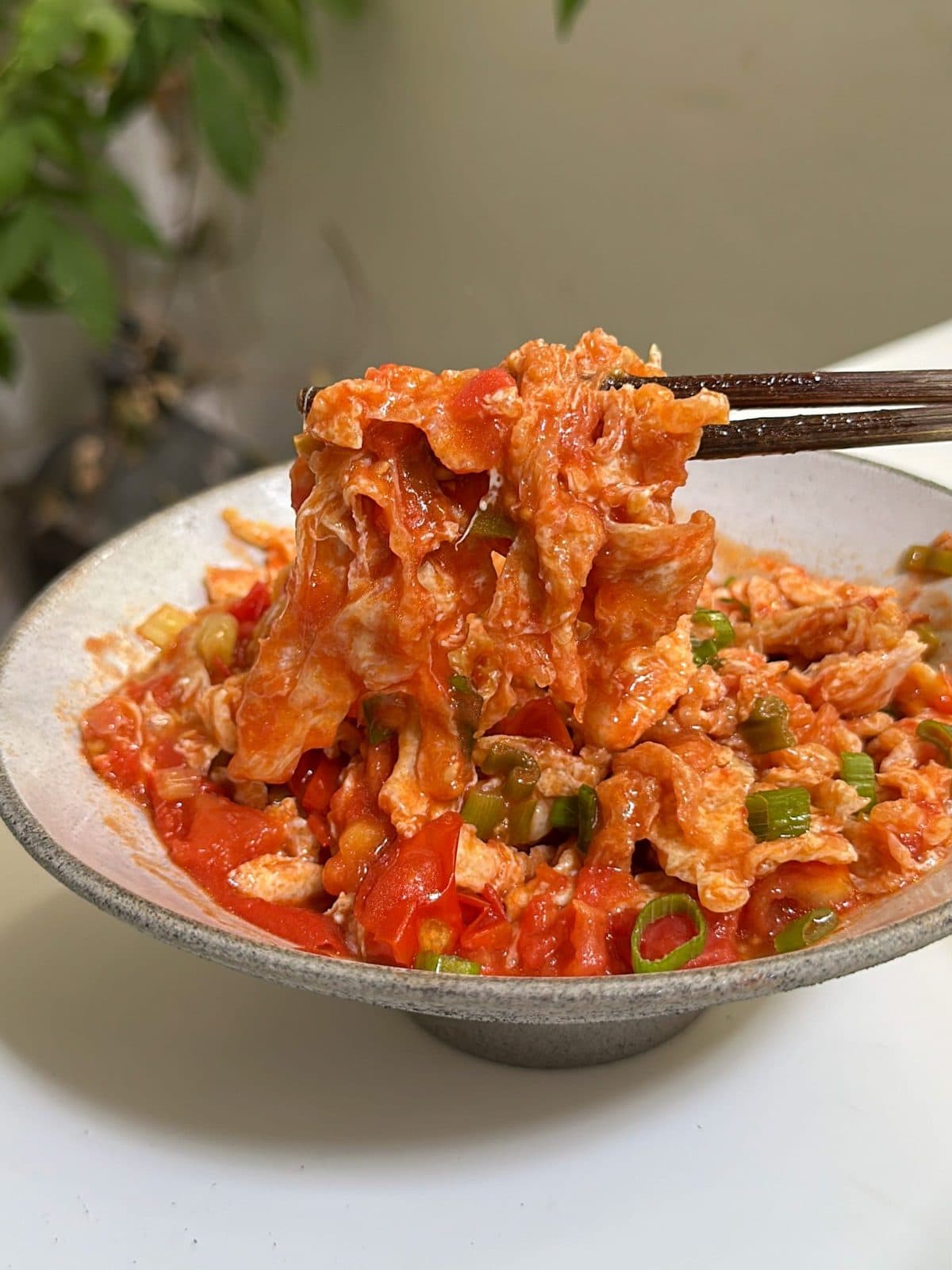
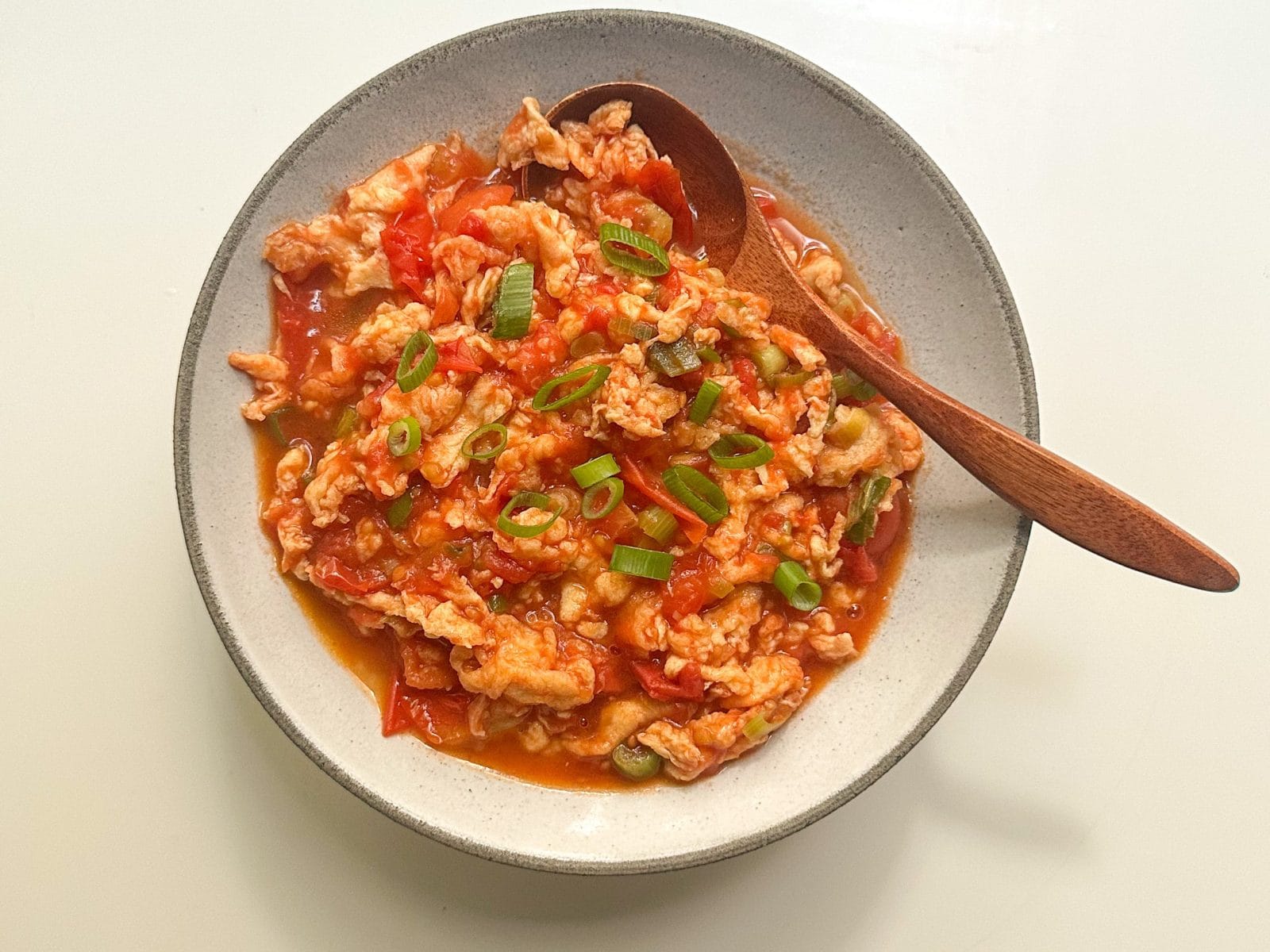
For many Chinese immigrants and diaspora, tomato and egg is the first dish we master once we leave home. The surprising fact is that the dish itself is relatively young: it only began appearing in Chinese kitchens ​in the 1940s​, yet it somehow became the most “default” of home-cooked meals. I tested three different tomatoes and two cooking methods to figure out the best possible version.

Tomato and Egg Stir-Fry丨番茄炒蛋

I know I’m not alone. For many Chinese immigrants and diaspora, tomato and egg is the first dish we master once we leave home. The surprising fact is that the dish itself is relatively young: it only began appearing in Chinese kitchens in the 1940s, yet it somehow became the most “default” of home-cooked meals. As Francis Lam once wrote, “The dish is like air: present and invisible.” – Xueci Cheng

Three Chinese-ish Ways to Cook With Green Asparagus

When it comes to cooking asparagus, there are two basics worth returning to often: a quick blanch—白灼 (baizhuo)—or a stir-fry. Both methods let asparagus shine for what it is. Here, a buttery stir-fry with shrimp and douchi, a punchy salad, and a fried rice.

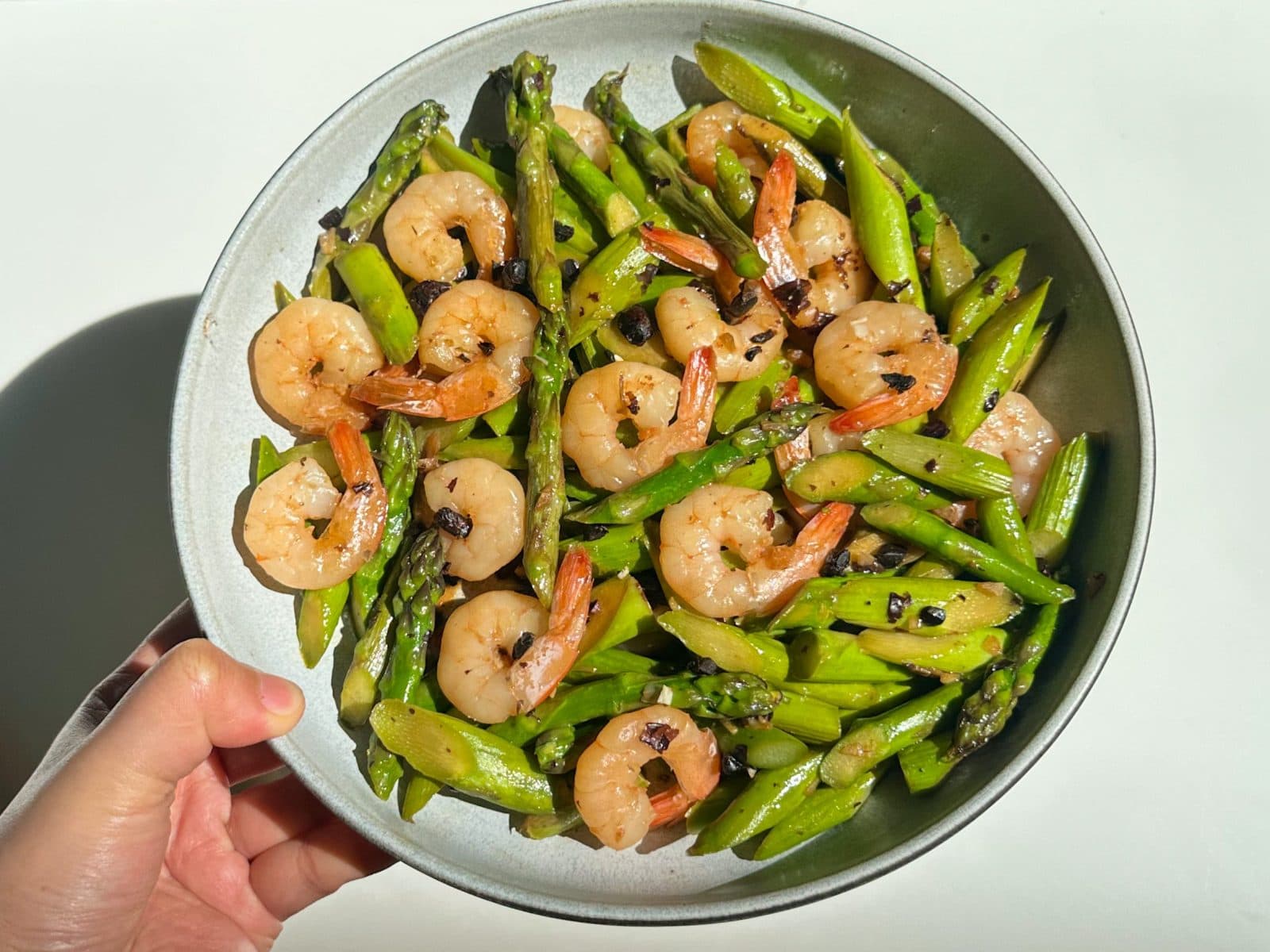
Buttery Asparagus Shrimp Stir-Fry with Douchi丨豆豉芦笋炒虾

There are countless ways to cook with this crisp, springy green vegetable, but I almost always return to two basics: a quick blanch—白灼 (baizhuo)—or a stir-fry. Both methods let asparagus shine for what it is. For stir-fries, often toss it into a wok with frozen shrimp for a light, protein-packed meal that’s done in under 20 minutes.

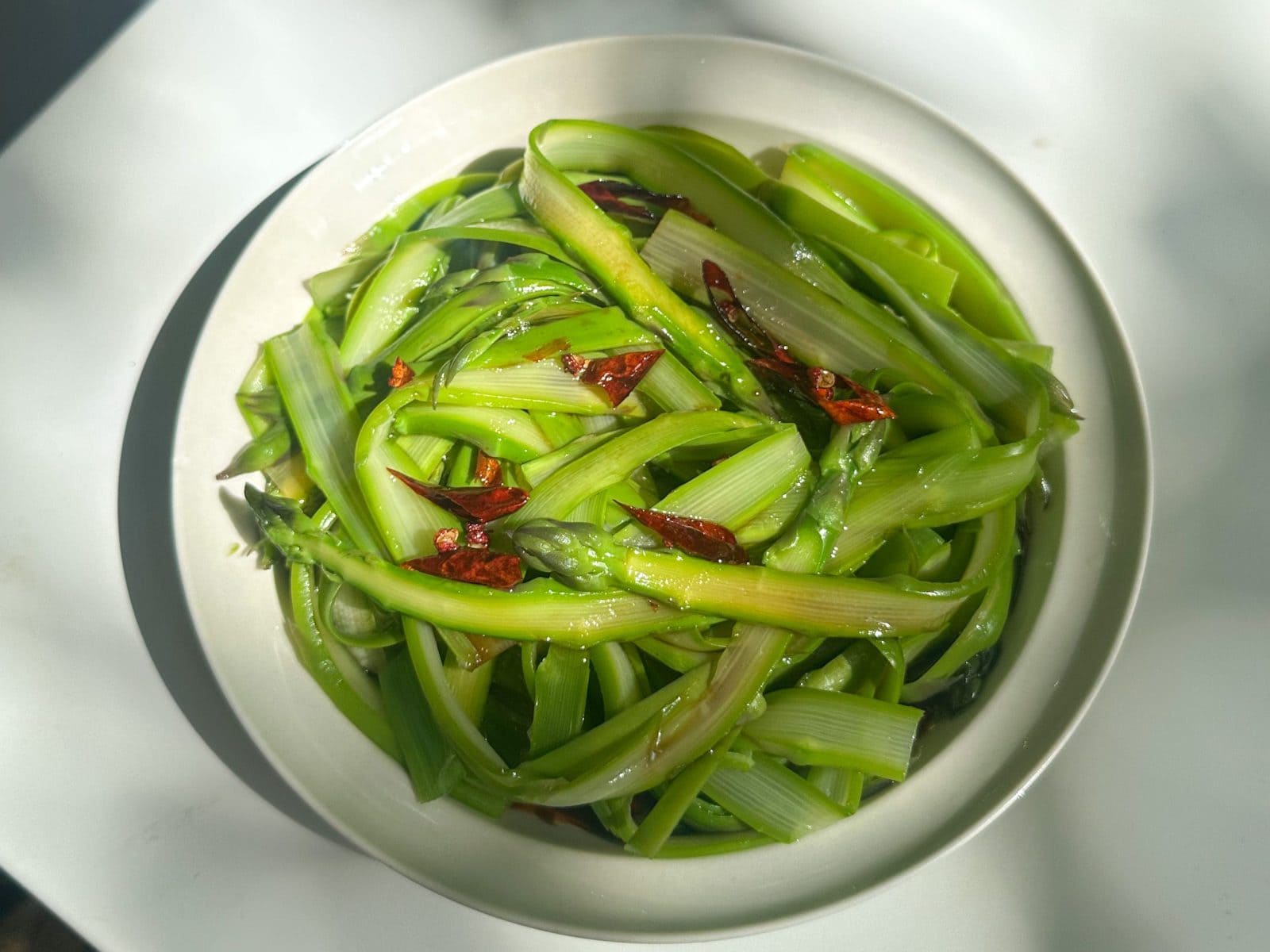
Blanched Asparagus Salad丨白灼芦笋

I want to keep the crisp texture so it’s not fully cooked, you can also use raw asparagus here if you don’t like them blanched.

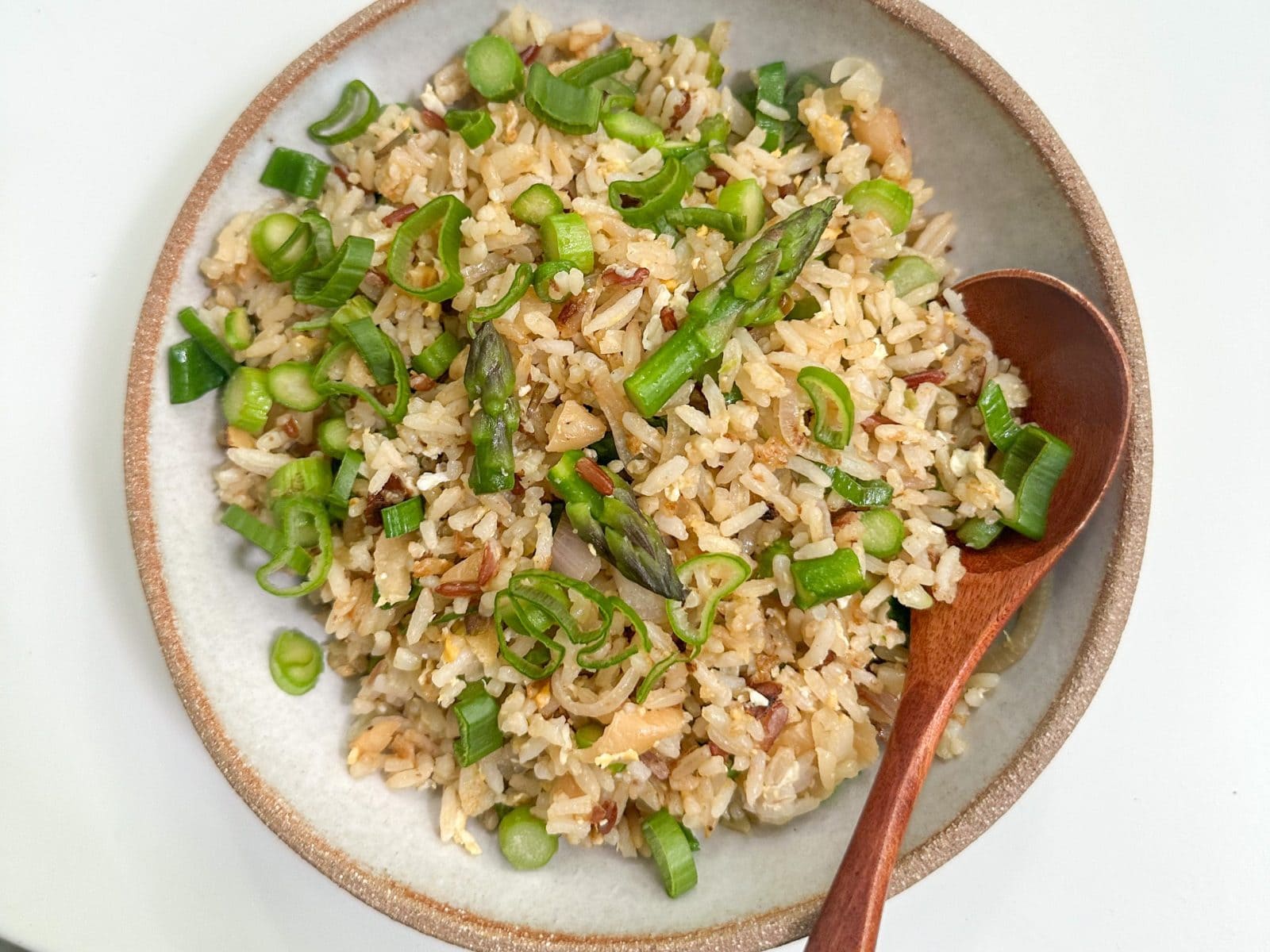
Egg Fried Rice with Asparagus丨芦笋蛋炒饭

You can toss more ingredients such as carrots, edamame, or protein into the fried rice.

A Bold and Fiery Sichuan Classic

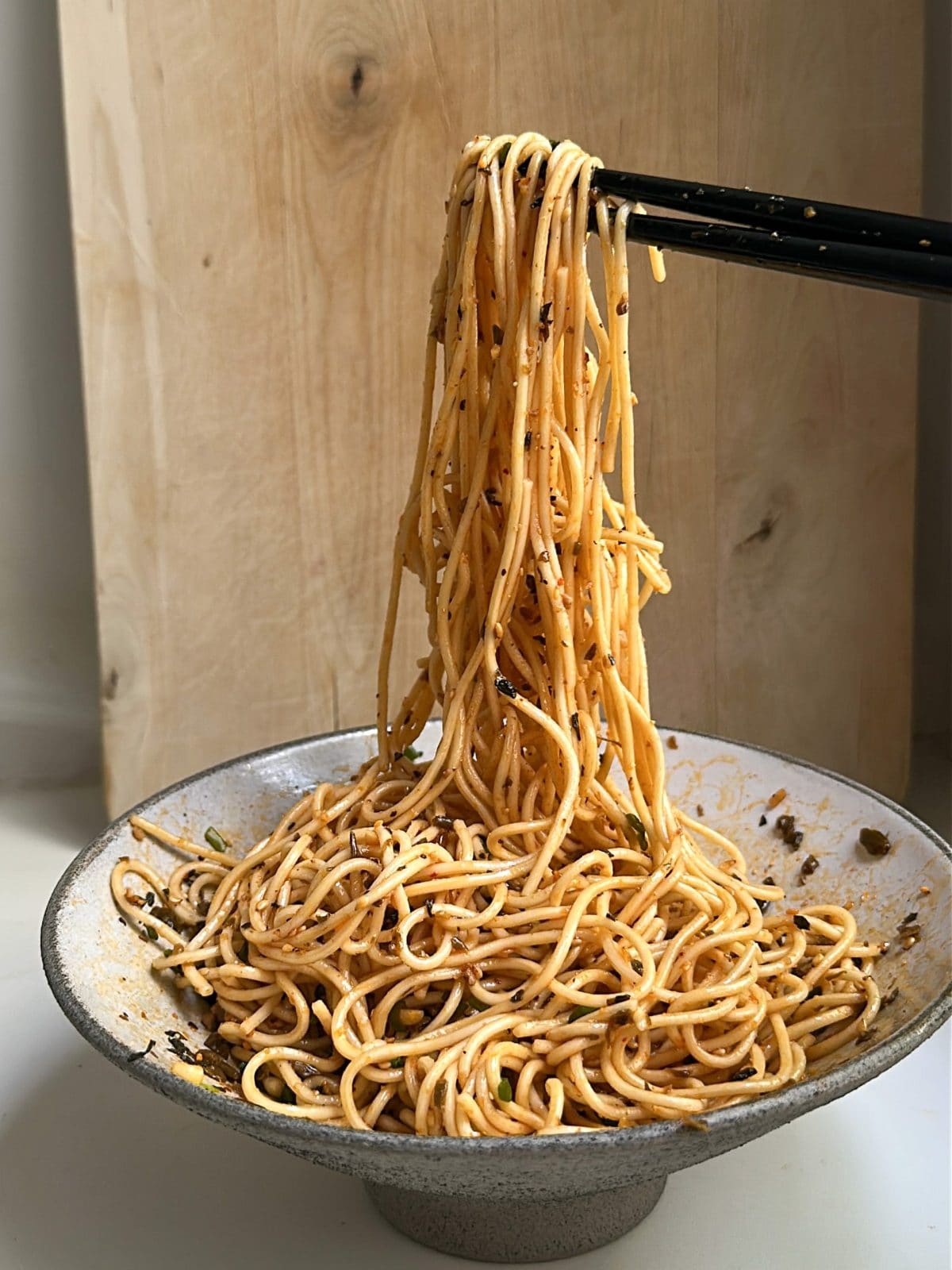
Yibin Burning Noodles, or Yíbīn Ránmiàn, is a bolder and louder cousin of Dandan noodles, and it’s a joyfully punchy dish that’s equally satisfying with meat or without.

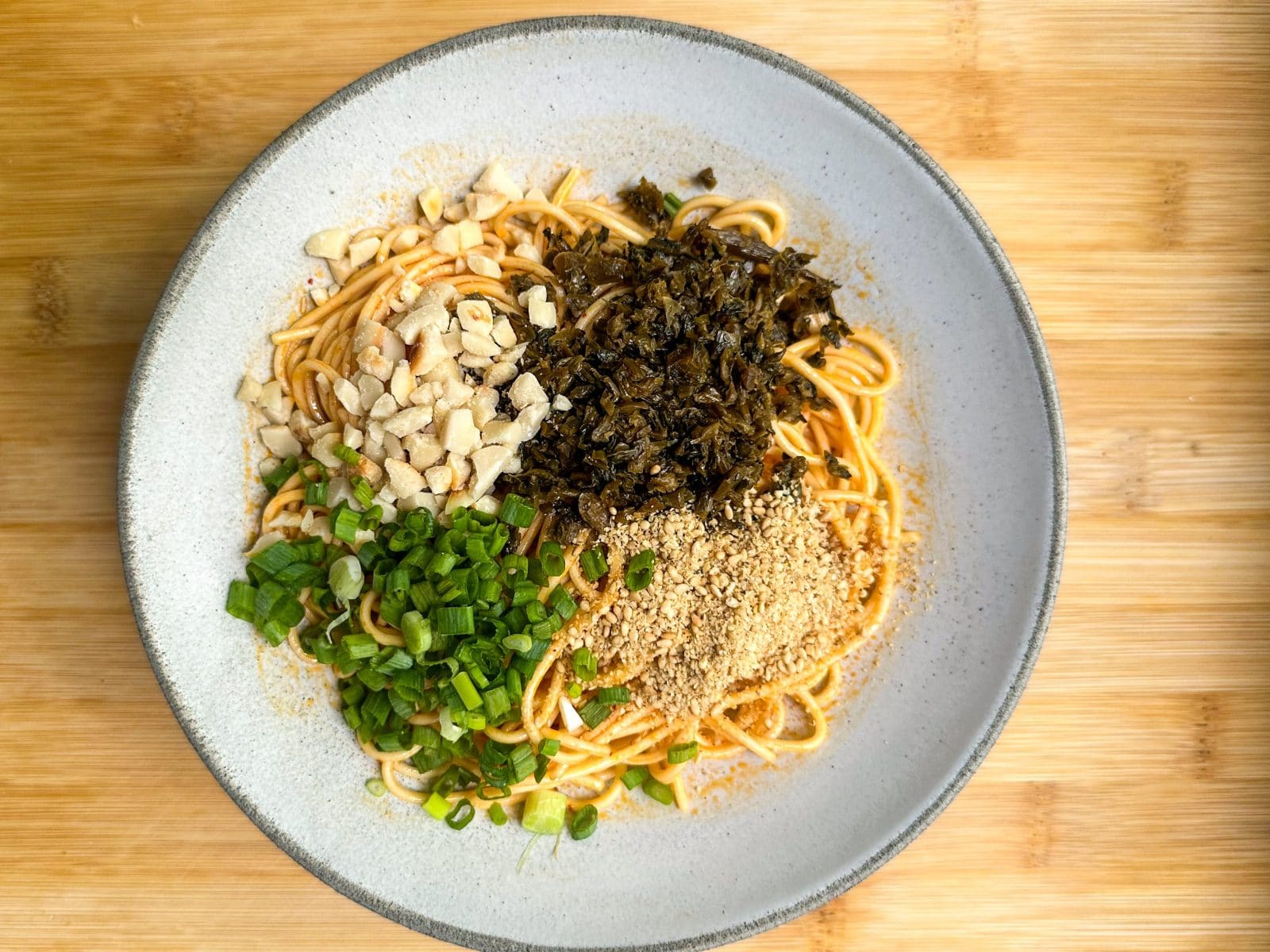
Yibin Burning Noodles (Yibin Ranmian, 宜宾燃面)

Yibin Ranmian is a bolder and louder cousin of Dandan noodles. It’s a dry noodle dish tossed in chili oil and loaded with toppings: yacai (a Sichuan preserved mustard stem), toasted peanuts, ground sesame seeds, and scallion greens. Every strand is slicked with heat and fragrance, crunchy with texture. The most common version today is hongyou ranmian (红油燃面), or red burning noodles—but historically, there were other styles too: tangran (糖燃), made with lard and sugar, and baiyou ranmian (白油燃面), using just sesame oil and lard. Ranmian can be made with lard, and/or meat (hun ran, 荤燃) or without (su ran, 素燃), and thanks to its punchy, umami-rich toppings, it’s just as satisfying in its vegetarian form.

Congee: A Deep-Rooted Love

Tips and tricks for making the congee of your dreams.

Basic White Congee (白粥, baizhou)

A good bowl of congee is personal—it reflects individual and regional preferences. In Sichuan, as the name xi fan (diluted cooked rice) suggests, the porridge is thinner, and you can often still see whole kernels of rice. In Cantonese regions, the consistency is thicker, more like a velvety soup. At its core, white congee requires only water and rice. Personally, I prefer a thicker congee where the rice and water blend seamlessly, or as Qing dynasty author Yuan Mei once described: “Only when rice and water blend beautifully—soft and smooth—can it be called zhou. If you only see water or rice, it does not qualify as congee.”

Read on: Congee: A Deep-Rooted Love
Chicken and Shiitake Congee (香菇鸡粥, xianggu jizhou)

In my Sichuan family, we mostly eat white congee, occasionally with add-ins like peanuts, mung beans, corn grits, or sweet potato. Sometimes we mix in pickled mustard greens or tofu pudding.

I’m also a huge fan of Cantonese-style congee, which includes meat, seafood, or vegetables. The thinly sliced meat is added when the congee is simmering hot, a method known as shenggun (生滚). This recipe is my shortcut version of Cantonese chicken and shiitake congee (香菇鸡粥 or 生滚鸡粥), made with store-bought rotisserie chicken. It’s a one-pot meal, hearty and satisfying. You can also make it with raw chicken (instructions below).

Read on: Congee: A Deep-Rooted Love