

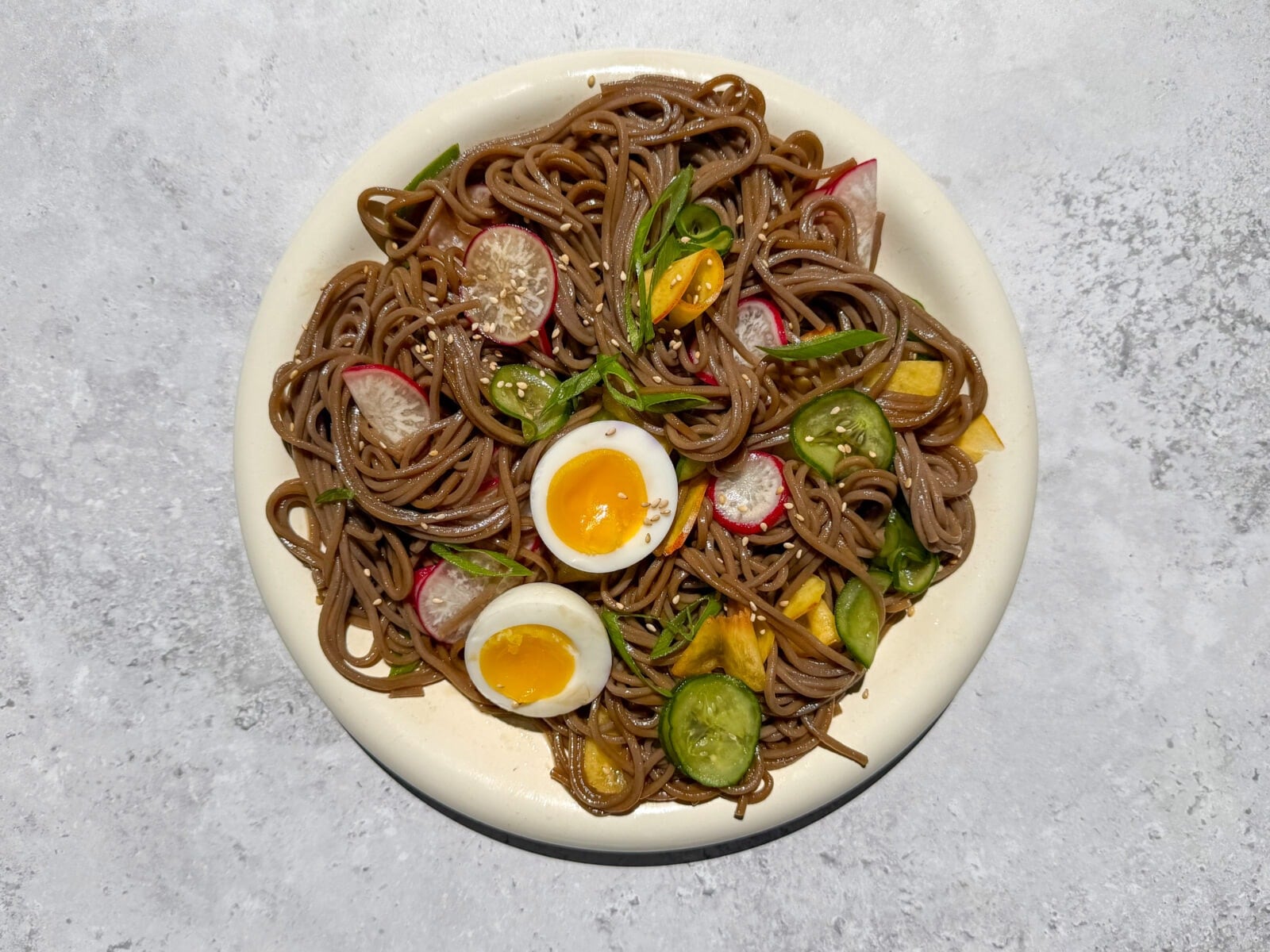
Through 10-ish years of cooking for one, and hundreds of meals in shared flats, student dorms, and tiny kitchens, I’ve picked up a few bits of wisdom to make cooking as painless as possible. One thing I rely on most is pre-portioned ingredients that have a long shelf life.
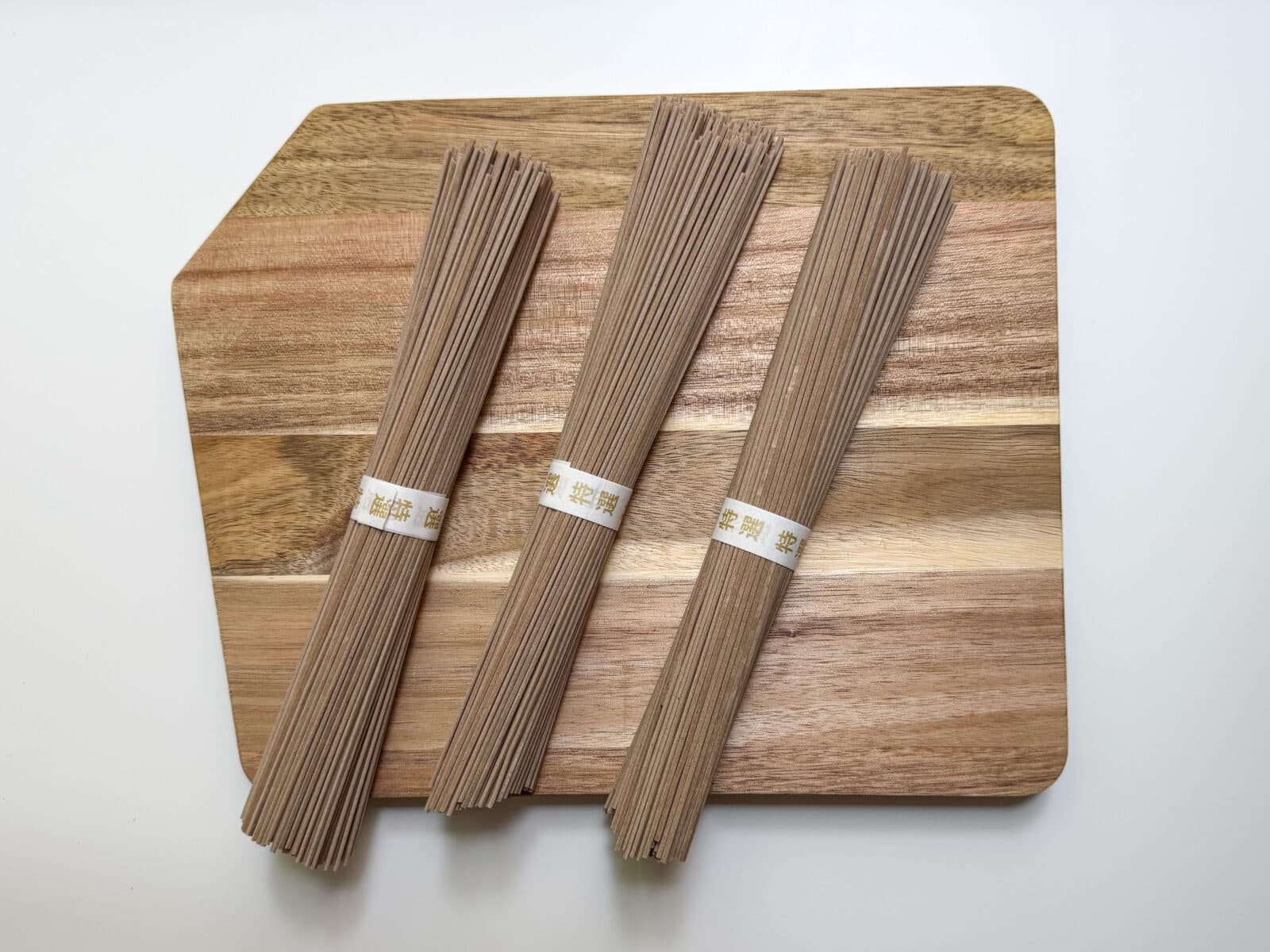
I always stock up on packaged noodles of all kinds: somen, soba, and knife-cut noodles. They last for ages (although I usually finish a package within a month), they cook in five minutes or less, and they don’t need pre-soaking. And best of all, they often come in individual bundles, so there’s no weighing or dealing with an awkward half portion left over. Eggs follow the same logic. Unlike proteins such as meat, you can cook exactly as many as you need, and the rest stay fresh in the fridge.
So it stands to reason that on many evenings after work, I make noodles with eggs. It’s a combination I don’t get tired of, with endless variations and inspiration to draw from East Asian cuisines. I do have a seasonal shift with these noodles: rich soup noodles for colder weather and cold noodles for summer.
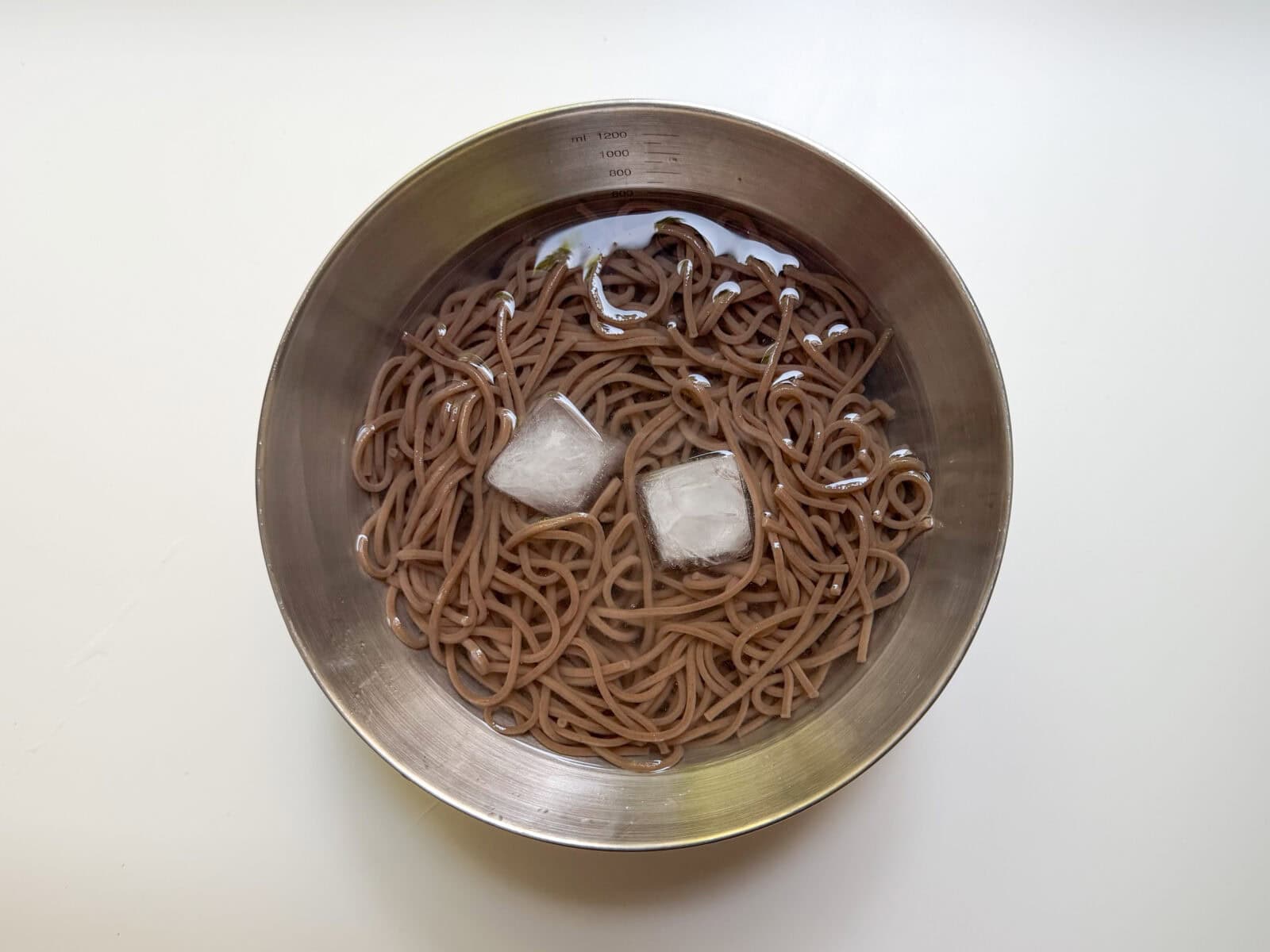
This particular plate of light and refreshing chilled soba noodles is one I’ve been making on repeat during the heatwaves in Europe. It comes together in about 20 minutes and uses just one pot, since the same water cooks both the noodles and the egg. It’s streamlined, too: slice the vegetables while the water comes to a boil, then whisk together the dressing while the egg cooks.
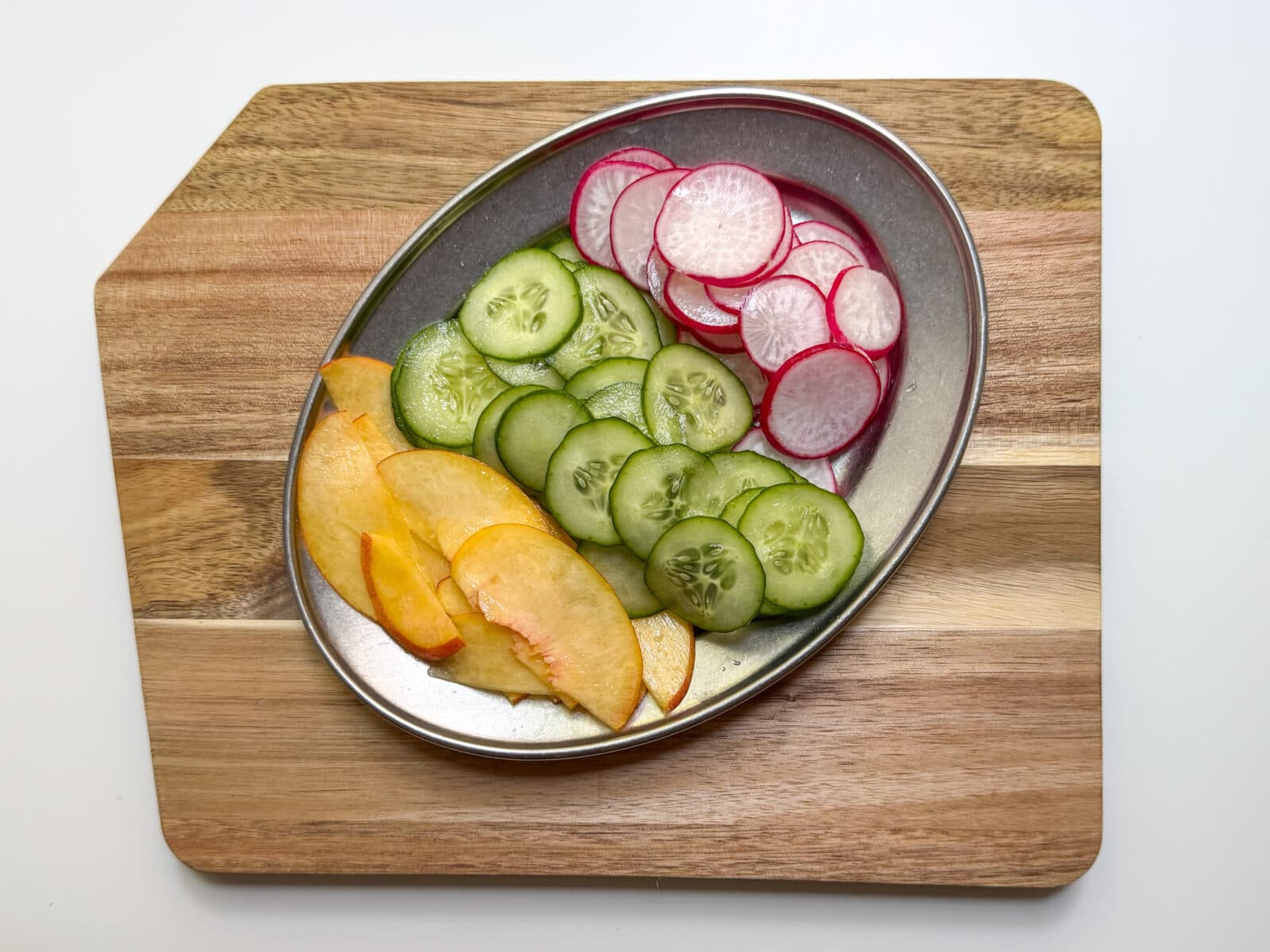
Soba noodles, also known as buckwheat noodles, are best known as a staple of Japanese cuisine, but they’re also enjoyed in South Korea and parts of China, including my home province of Sichuan. Their slippery texture and subtle nuttiness make them especially good when served cold. For this salad, my favorite combination is Persian cucumber and radish, but lately I’ve been adding a few slices of stone fruit, such as nectarine or peach. Their juicy sweetness gives the dish a seasonal touch while balancing the savory dressing.
It’s a flexible meal for one, and of all the versions I’ve made over the years, I can honestly say none of them have been anything less than tasty.
The dressing is inspired by Japanese cold soba salads. I kept it simple but added a small twist by swapping maple syrup for the usual sugar. From there, it’s easy to make it your own: drizzle over some chili oil for heat, add a squeeze of lime for brightness, or add sliced shiso leaves on top for extra aroma. Ultimately, it’s a flexible meal for one, and of all the versions I’ve made over the years, I can honestly say none of them have been anything less than tasty.
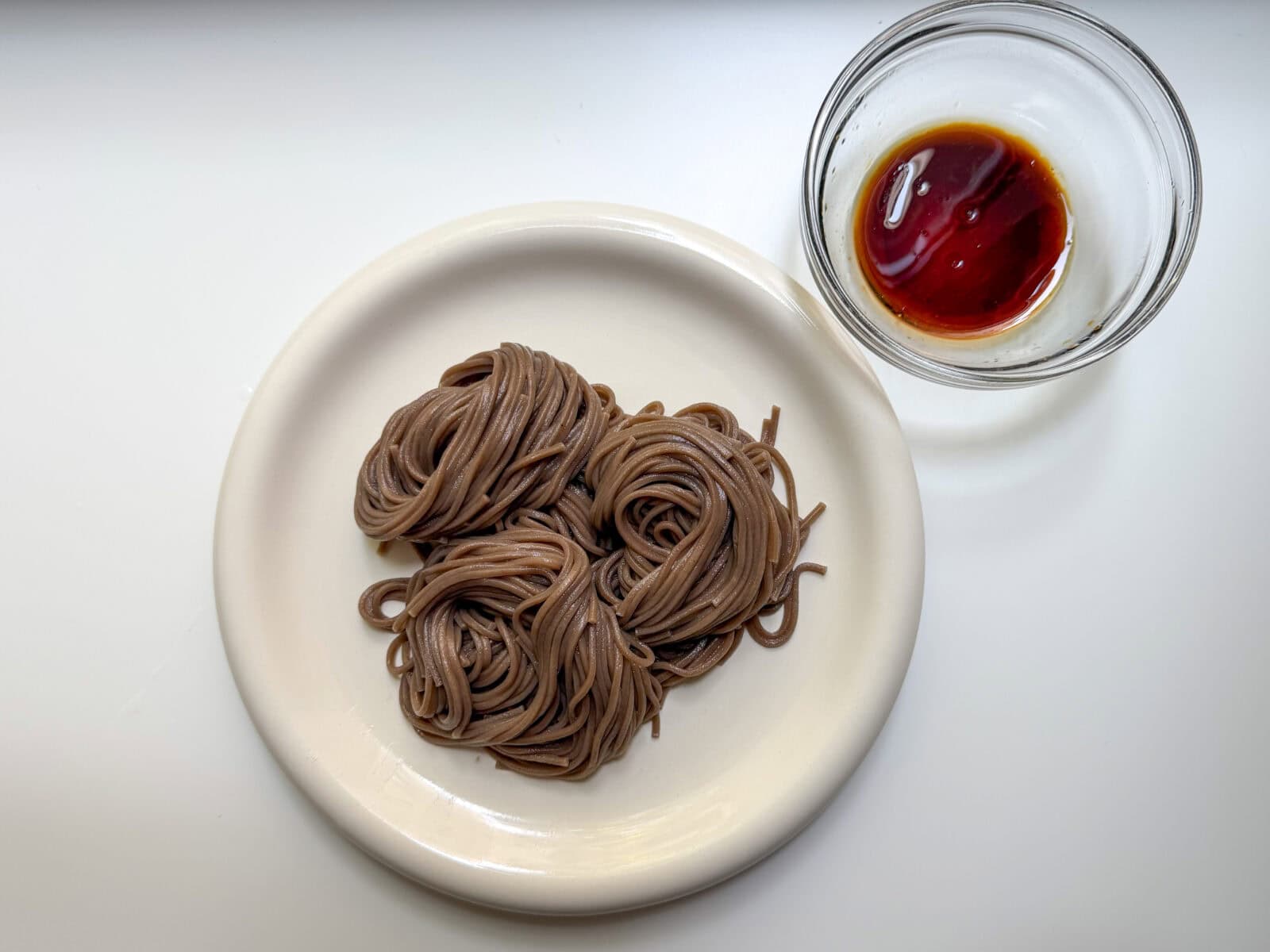
Chilled Soba Noodles with Jammy Egg and Veggies
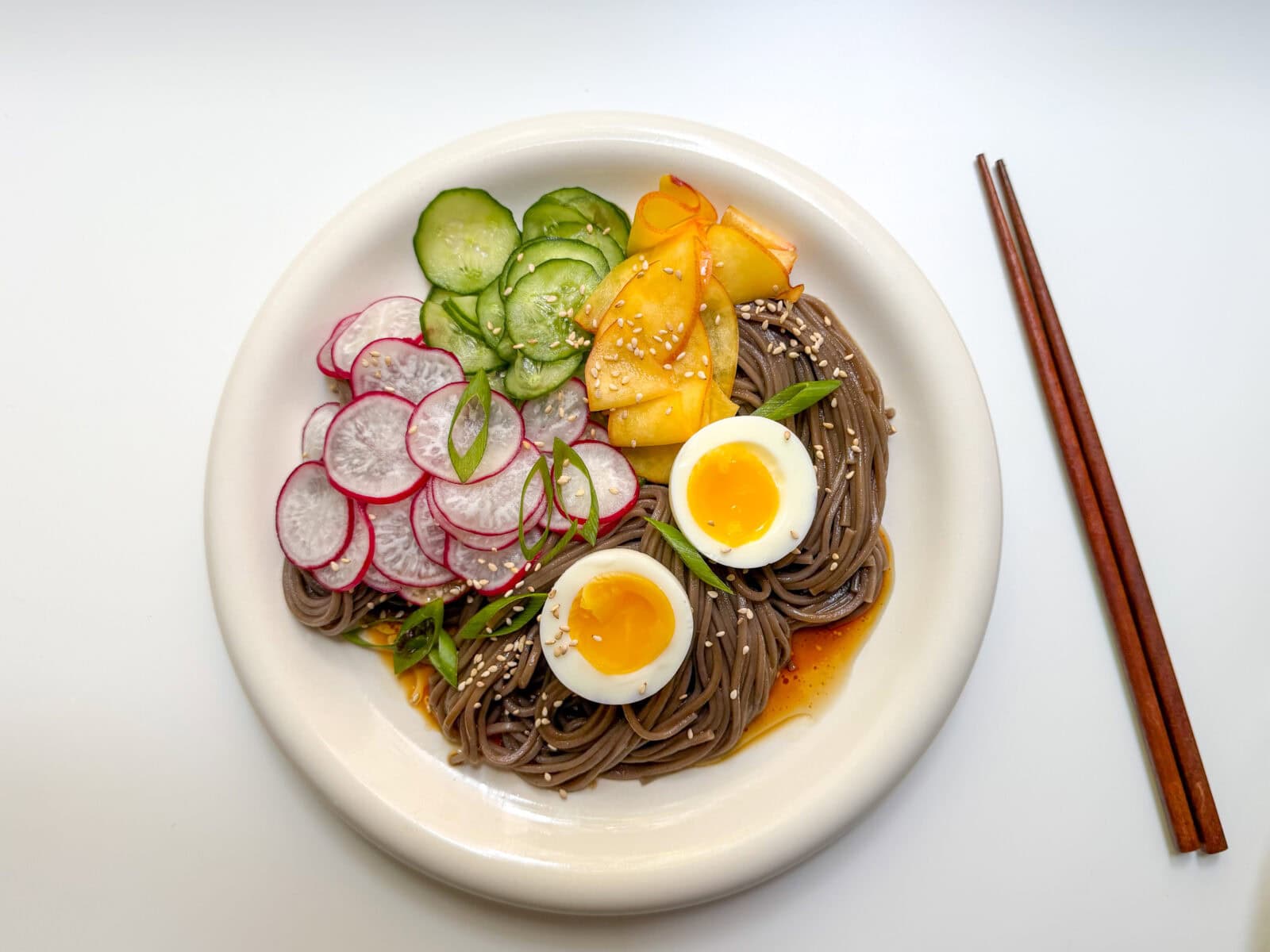
This light and refreshing soba salad comes together in no time, making it a quick yet balanced meal. It also keeps and travels well, so it’s perfect for picnics or meal prep. For an extra-refreshing touch, add one or two ice cubes to the noodles just before serving.This light and refreshing soba salad comes together in no time, making it a quick yet balanced meal. It also keeps and travels well, so it’s perfect for picnics or meal prep. For an extra-refreshing touch, add one or two ice cubes to the noodles just before serving.

A Q&A brought to you by our friends at Bob’s Red Mill.
Q: I enjoy lentils in soups and stews—they cook so quickly! But I’d like to expand my lentil horizons. How else do you enjoy lentils? – James
A: Lentils are one of my all-time favorite foods. Really. Have you tried simply cooking them with chopped carrots and celery and onion — or just eating them hot, with olive oil? Eat them cold in any salad you want (or, again, with chopped carrots and celery and onion — you get the point). Lentils with some bacon and an egg is pretty great, too.
You can also try sprouting your own lentils. You’ll transform them into sweet, nutty-tasting bites that eat like string beans. This Stir-Fried Sprouted Lentils with Broccoli and Chicken is a good start.
Another option — Red Lentils and Fennel Over Toasted Flatbread Triangles. I’m hesitant to call this a dal, though the slightly soupy consistency is similar to some of the traditional Indian legume dishes. The cold butter helps make the lentils creamy; for a vegan version, go for the oil option. Plain rice is a common accompaniment to dals; here I suggest toasted flatbread triangles for a crunchy base that softens as you eat, but there are lots of options: pita, lavash, naan, chapati, even flour tortillas. Whole grain bread is encouraged (have you tried Bittman’s?), as is a salad or simply cooked vegetable alongside. – Mark
Comment