

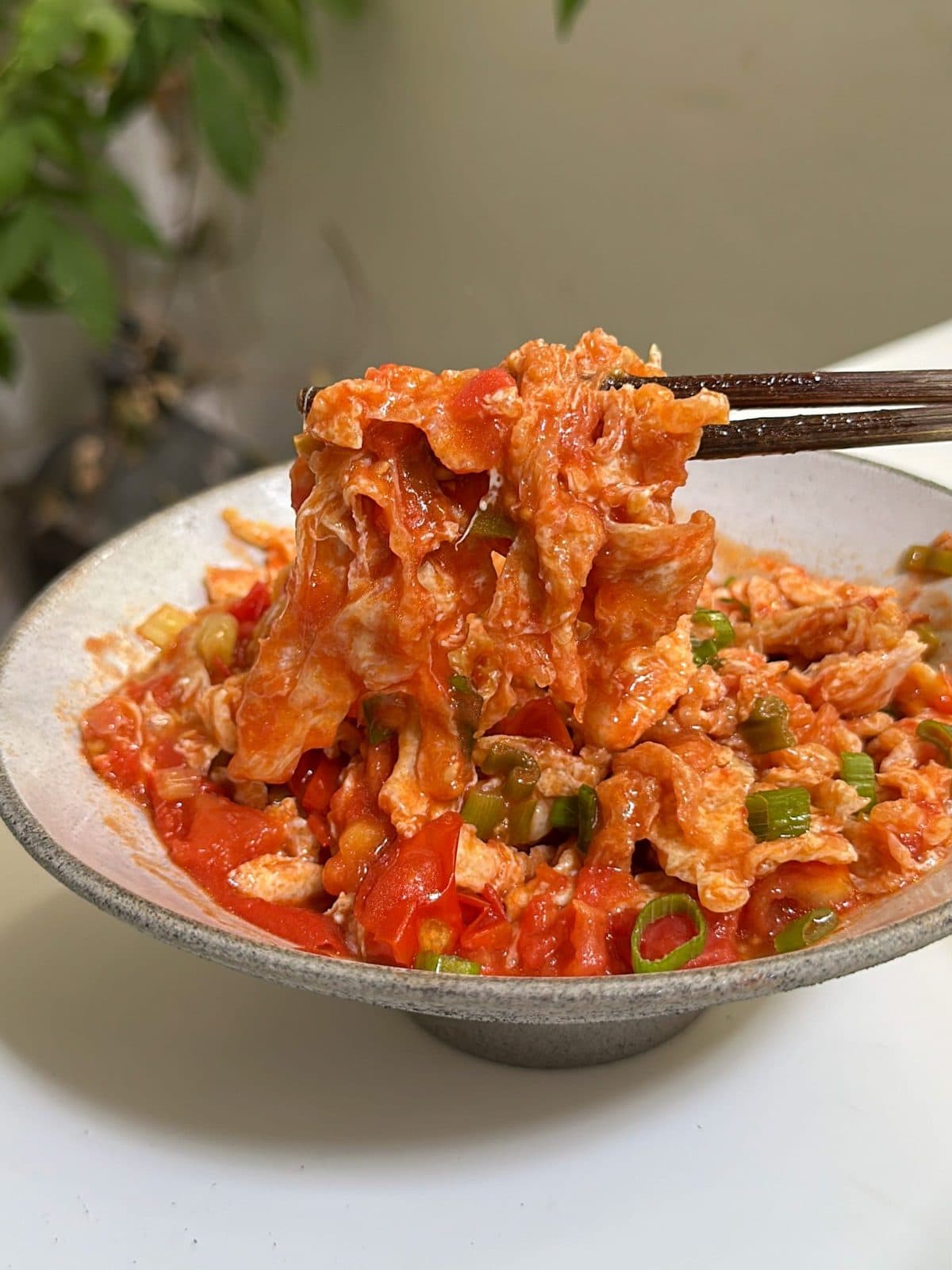
This story/recipe originally appeared in Chill Crisp, an independent food newsletter by Xueci Cheng, focusing on Chinese food—I am a big fan! – Mark
A few months ago, in an interview with the German newspaper Die Tageszeitung, I told journalist and author Lin Hierse about growing up in Sichuan and how I only learned to cook surprisingly late in life, after moving to Germany as a student when I began craving the taste of home. As I put it then: “I basically learned cooking like any Chinese kid, from tomato and egg—then later, dumplings.”
That conversation pulled me back to my first adult kitchen: an overpriced, small shared flat in Berlin-Mitte, where my 1-meter bed sat in the living room facing the kitchen. Out of necessity, I turned to Xiachufang, a Chinese user-generated recipe app (think China’s AllRecipes), and taught myself a handful of dishes. Tomato and egg stir-fry was one of them, and over the next decade, I must have made it at least fifty, if not a hundred times.
I know I’m not alone. For many Chinese immigrants and diaspora, tomato and egg is the first dish we master once we leave home. The surprising fact is that the dish itself is relatively young: it only began appearing in Chinese kitchens in the 1940s, yet it somehow became the most “default” of home-cooked meals. As Francis Lam once wrote, “The dish is like air: present and invisible.”
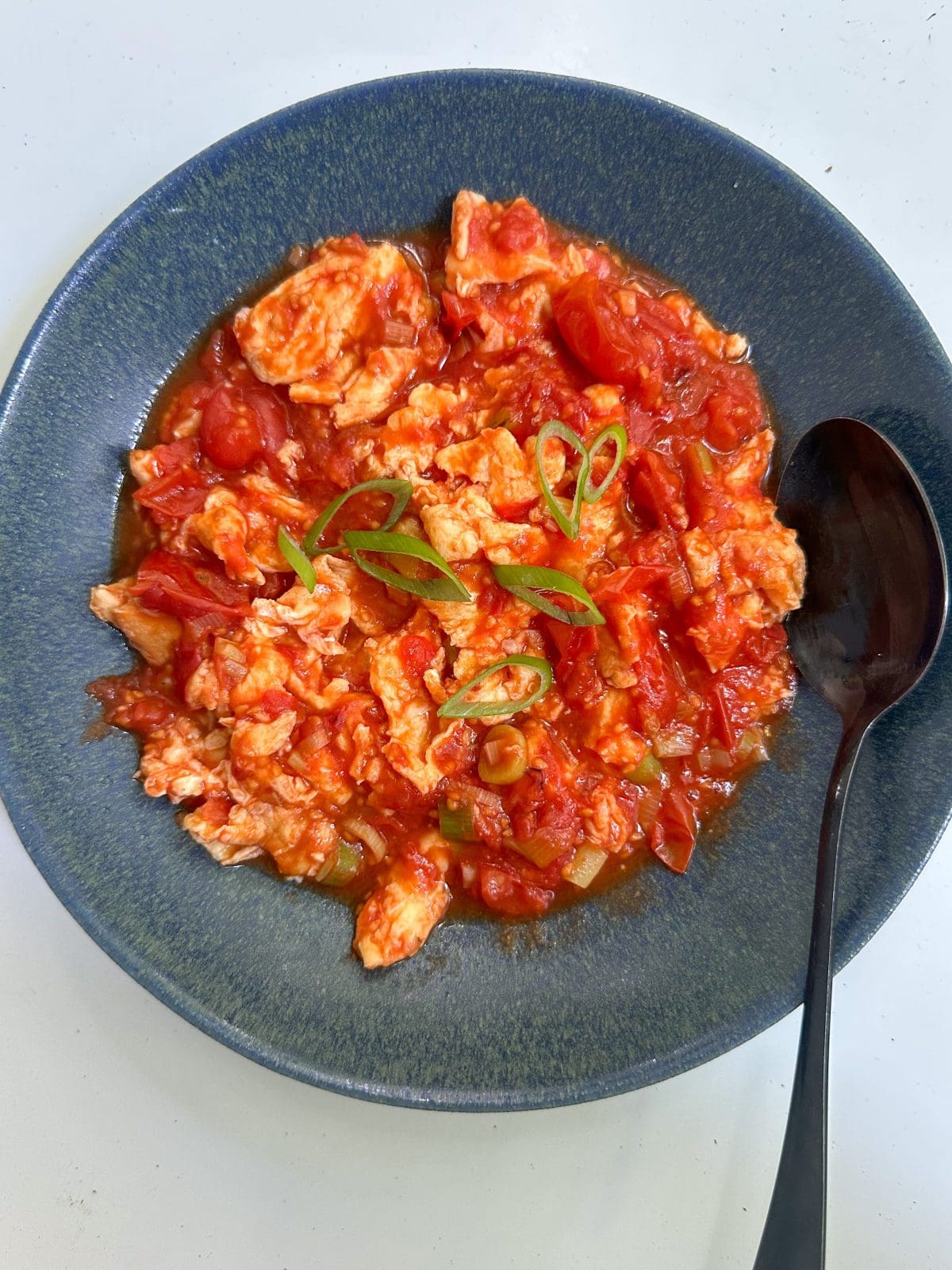
Tomatoes themselves were once outsiders, introduced to China during the late Ming dynasty but not widely grown or eaten until the mid-20th century. In 1938, the writer Lao She even mocked them as a “cultural invasion in the mouth,” questioning whether eating tomatoes was patriotic at all.
Today, tomato and egg are both universal and deeply personal. Some will swear no version tops their mother’s. Others chase down hidden-menu renditions at Michelin-starred restaurants or drive across Chengdu just for the plate everyone says is “the best.”
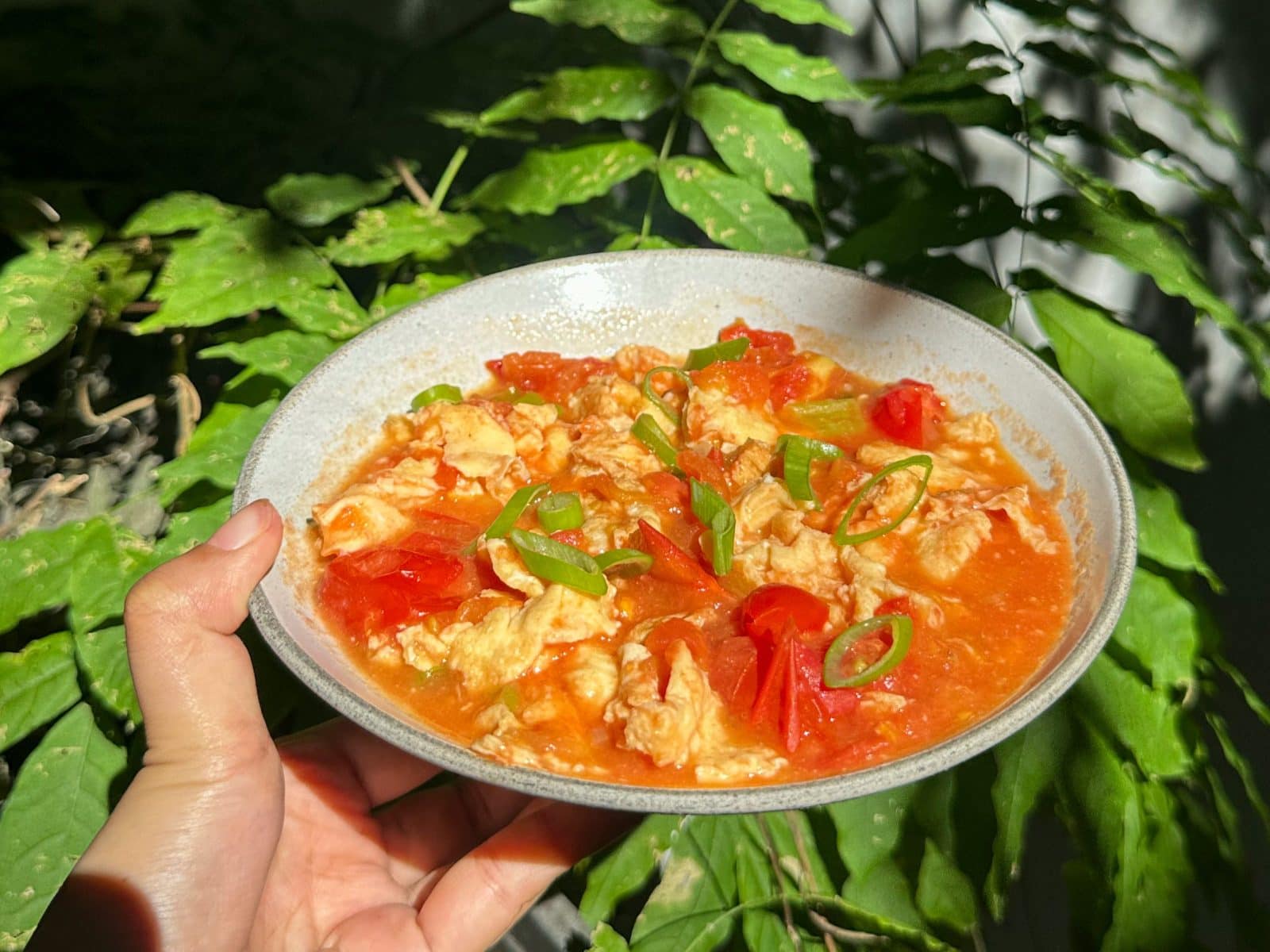
For all its simplicity, with just tomatoes, eggs, oil, and salt, some versions really do taste better than others. For years, I made mine with the cheapest supermarket tomatoes I could find in Germany. This summer, though, with late-season tomatoes at their peak, I decided to test what actually makes a difference. I cooked plate after plate, sometimes five or six times in the span of two weeks. At one point, I shoved a batch into the fridge, vowing I didn’t want to see tomato and egg again. And yet the very next day, I reheated it, paired it with steamed rice, and inhaled the whole thing.
So, which tomatoes?
Most Chinese recipes don’t bother specifying tomato varieties. The usual advice is simple: choose ripe ones with thin skin, juicy, meaty flesh (what’s often called 沙瓤, sha rang in Mandarin), and a balance of acidity and sweetness. The owner of the said hyped Chengdu restaurant insists on organic vine-ripened tomatoes and free-range eggs.
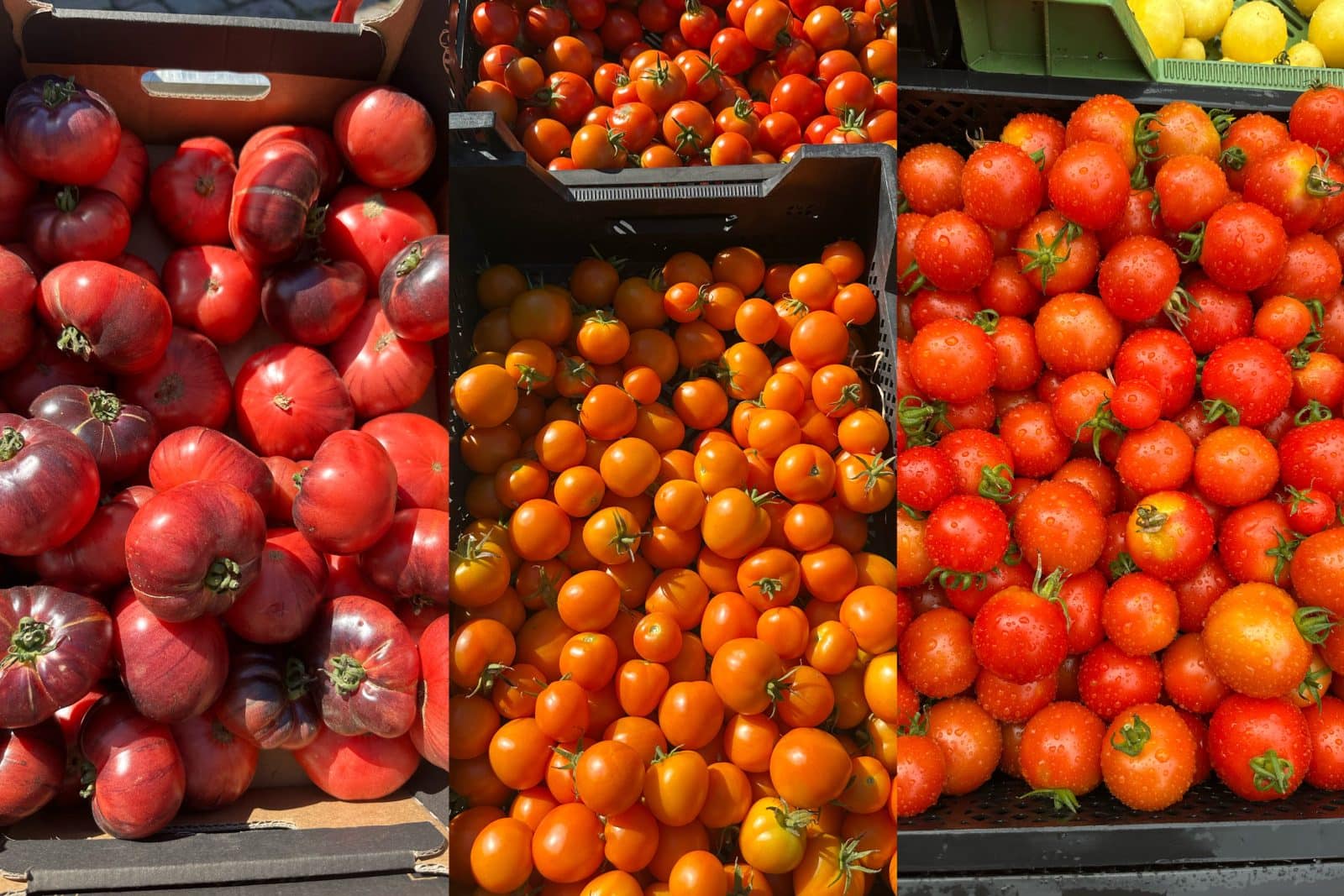
Here are the three types I tested—all of them worked, but each brought something a little different to the pan. I stuck with a 2:1 weight ratio of tomatoes to eggs.
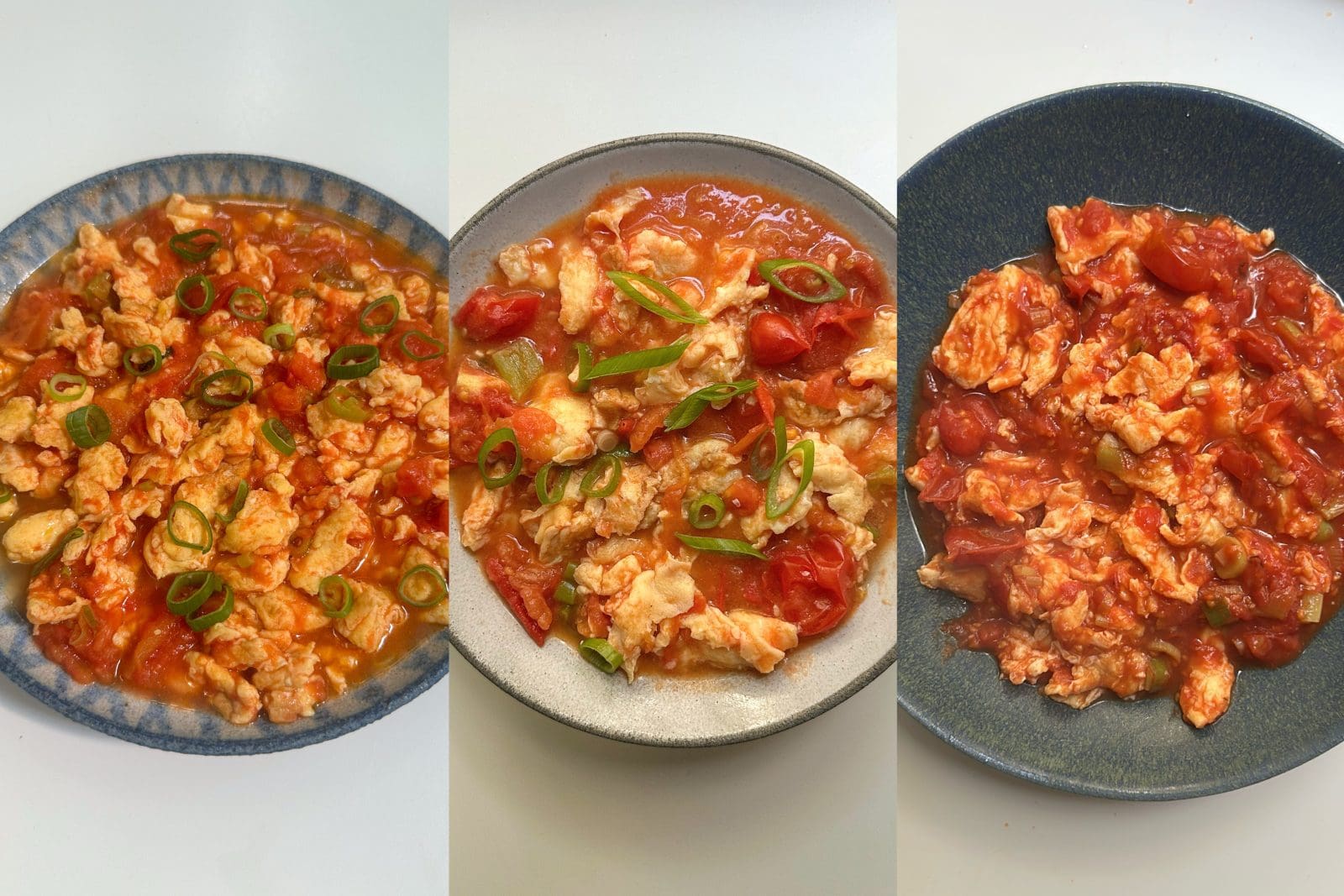
- Heirloom tomatoes: II used a large, irregularly shaped heirloom tomato that falls into the beefsteak category. It was juicy, thin-skinned, and full of flavor. The dish turned out slightly more watery but absolutely delicious. Beefsteak and other big slicing tomatoes (Fleischtomate, meaty tomatoes as in German) also work beautifully.
- Vine tomatoes: Medium-sized and widely available. They have slightly thicker skin, more seeds, and firmer flesh. They also taste more sour than heirloom tomatoes, so I added a bit more sugar. If they’re in season, they’re reliable. Roma tomatoes, commonly used for sauces, are also a good choice.
- Canned tomatoes: Not traditional, but an excellent off-season alternative. On their own, their taste reminds me of pasta sauce, but they give the dish a beautiful consistency and the best color. If using only canned, add 1–2 tablespoons of water.
My verdict:
Appearance and texture: canned cherry tomato > vine tomatoes ≥ heirloom tomatoes
Taste: heirloom tomato > vine tomatoes ≥ canned tomatoes
If you happen to have both, my favorite combination turned out to be two parts fresh, one part canned. If you peel the fresh ones, the texture is even better. And always taste before cooking: if your tomatoes are bland, supplement with canned (or a spoonful of tomato paste); if they’re too sharp, a pinch of sugar brings them back into balance.
How to fry the eggs
There are different schools of thought about egg texture. One version, from the vintage cookbook Popular Recipes from Sichuan (《大众川菜》), calls for adding starch and water to the beaten eggs for a silky finish. In most home kitchens, though, the eggs are simply beaten and cooked until set. At the restaurants, some chefs deep-fry the eggs, creating fluffy, almost strand-like pieces that soak up the sauce.
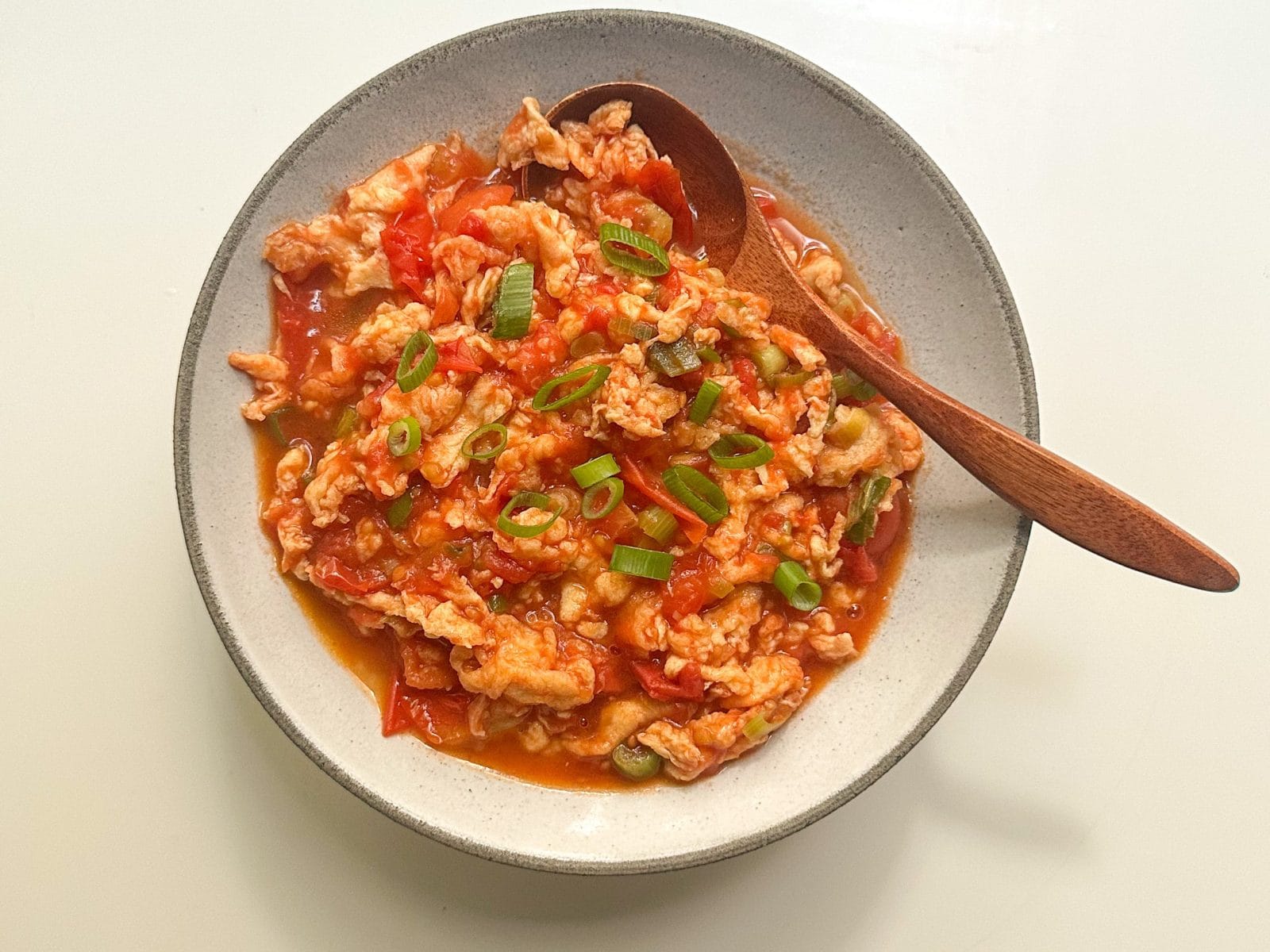
Tomato and Egg Stir-Fry丨番茄炒蛋
1 Comment