

We take all aspects of food seriously, and we hope that in presenting information about the food system in general in an accessible, interesting way, we’ll encourage more and more people to do the same. For that reason, we make all pieces related to food policy and the food system free for all subscribers. Everything else we publish—including the majority of our recipes and cooking content—is paywalled. We hope you’ll consider supporting us as a paid member and, in doing so, gain access to everything we create and publish.
Loving pet owners will do anything for their furry friends, but as millions of owners feed their pets daily, the environmental impacts of pet food production have emerged as an unforeseen contributor to global resource use and carbon emissions. In the United States alone, 163 million dogs and cats create around 64 million tons of carbon dioxide annually from meat consumption. Addressing the environmental implications of pet food is more crucial now than ever to make a more sustainable future – one that includes our pets.
Over the course of one year, a typical dog consuming wet food would be responsible for a staggering 6,541 kg of CO2 emissions. This is the same as driving a car about 16,000 miles.
Key statistics reveal that the environmental footprint of pet food production and consumption is often underrepresented in agricultural emissions metrics. While pet foods typically use low-value animal by-products, these still contribute significantly to emissions. Over the course of one year, a typical dog eating dry food would produce approximately 828 kg of CO2 emissions, whereas one dog consuming wet food would be responsible for a staggering 6,541 kg of CO2 emissions. This is the same as driving a car about 16,000 miles. Pets are also responsible for about 30% of the environmental impacts of the U.S. in terms of the use of land, water, and fossil fuel. To put this into perspective, the 163 million dogs and cats in the U.S. consume as much caloric intake as 62 million Americans, roughly one-fifth of the population.

These figures are staggering, but they also highlight areas where change is possible. What can we do as pet owners to help? For starters, exploring alternative proteins for pets, such as insect- or plant-based options, can make a big difference. Dogs, being omnivores, can thrive on diets incorporating these proteins. It’s worth noting that while plant-based production is often more resource-efficient in terms of greenhouse gas emissions and water usage, certain crops, depending on how they are grown, can still involve significant land use impacts. Research shows, however, that insect-based proteins could reduce ocean acidification by 50%, climate change impact by 37%, and smog by 18% compared to traditional meat-based proteins.
For cats, which are obligate carnivores (meaning their diet requires nutrients that can only be found in animal flesh), we can reduce environmental impact by maximizing the use of animal by-products. In the U.S., about half of raw materials from cattle, 37% from poultry, and 44% from swine are considered inedible for human consumption. Repurposing these for pet food instead of discarding them would cut waste and emissions significantly.
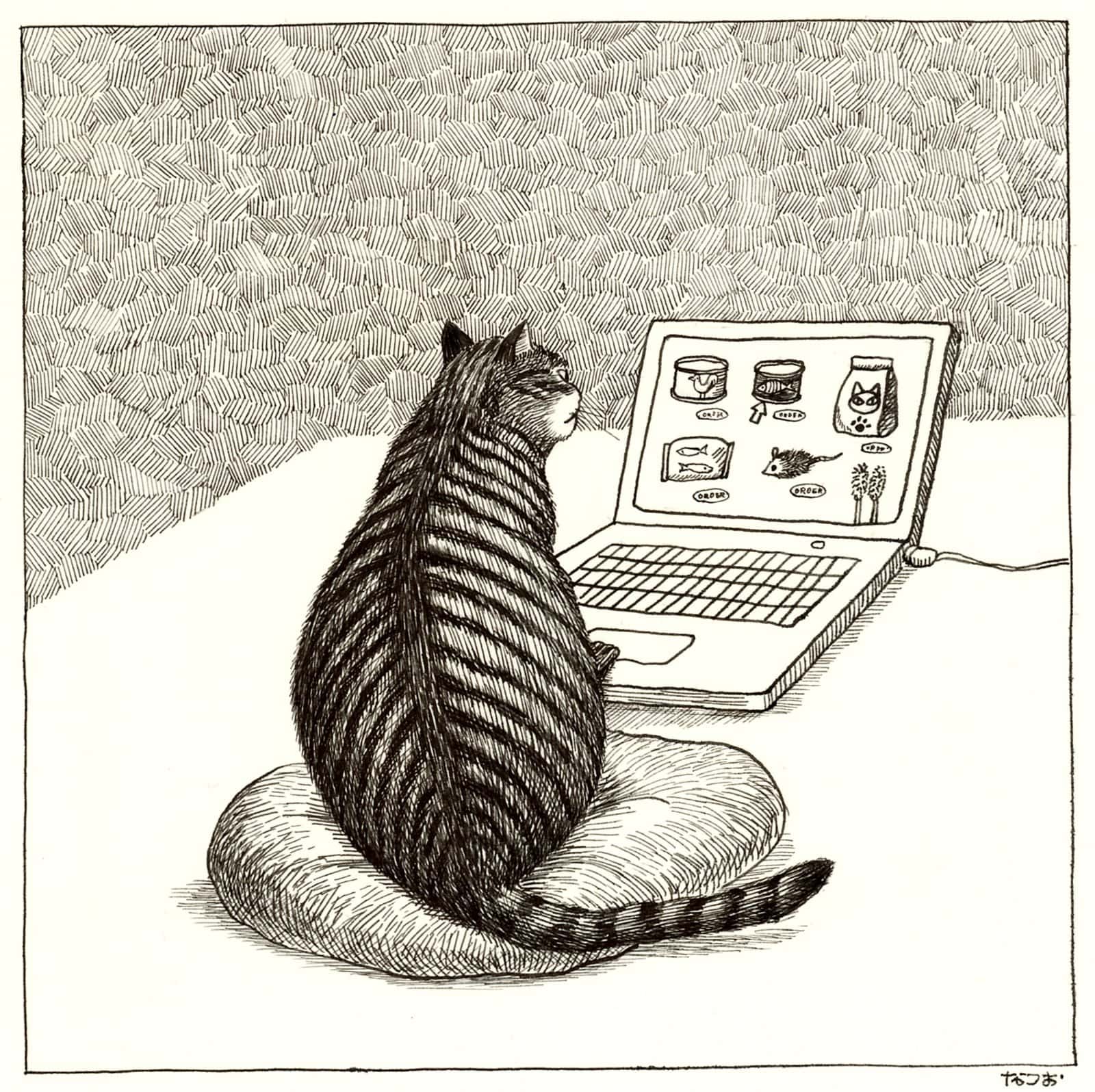
Labeling pet food with environmental “pawprint” information could also empower consumers to make more sustainable choices. Imagine seeing a CO2 score on your pet’s food bag—wouldn’t that make you think twice? Such transparency might even influence how people shop for themselves, creating a ripple effect.
Humans have been adapting their diets for years to be more environmentally conscious. But sustainability does not stop at our plates—it extends to our pets’ bowls.
Shifting to sustainable pet food systems also requires buy-in from key stakeholders. Manufacturers can partner with commercial animal butcheries to streamline by-product use and minimize waste. Veterinarians and pet nutritionists can help pet owners transition to sustainable diets without compromising their pets’ health. And ultimately, it’s up to the pet owners to drive demand for these changes.
Humans have been adapting their diets for years to be more environmentally conscious. But sustainability does not stop at our plates—it extends to our pets’ bowls. So next time your furry friends give you those irresistible puppy eyes, think about throwing them a bean, instead. A small change today could mean a healthier planet for generations to come.
Comment