


I just love ’em, even if they’re a bit expensive and labor intensive. Artichokes are always worth it, especially the precious babies, which you can trim and eat whole, leaves and all, either raw and thinly sliced for salad, or quartered and sautéed in lots of olive oil. Cardoons, the celery-like, thistle family cousins to artichokes, have more open heads and can be cooked the same way.
How to Prepare Artichokes


Artichoke hearts: You want the most tender interior, fully edible leaves, and the saucer-shaped firm bottom. Cut off the tops of the leaves then halve the artichoke lengthwise. Use a paring knife to peel the base; scrape out the choke with a spoon. Then cut away all the outside leaves. Leave in halves or quarter or cut into wedges.
Canned and jarred artichoke hearts are already cooked. I’m not a fan, but you can add them to pastas or stir-fries—whole, chopped, or sliced—during the last few minutes of cooking. Always rinse them first to remove the brine or marinade, then squeeze and pat them dry.
Thaw and dry frozen artichoke hearts and use as you would fresh, but cut the cooking time roughly in half; they’re already partially cooked.
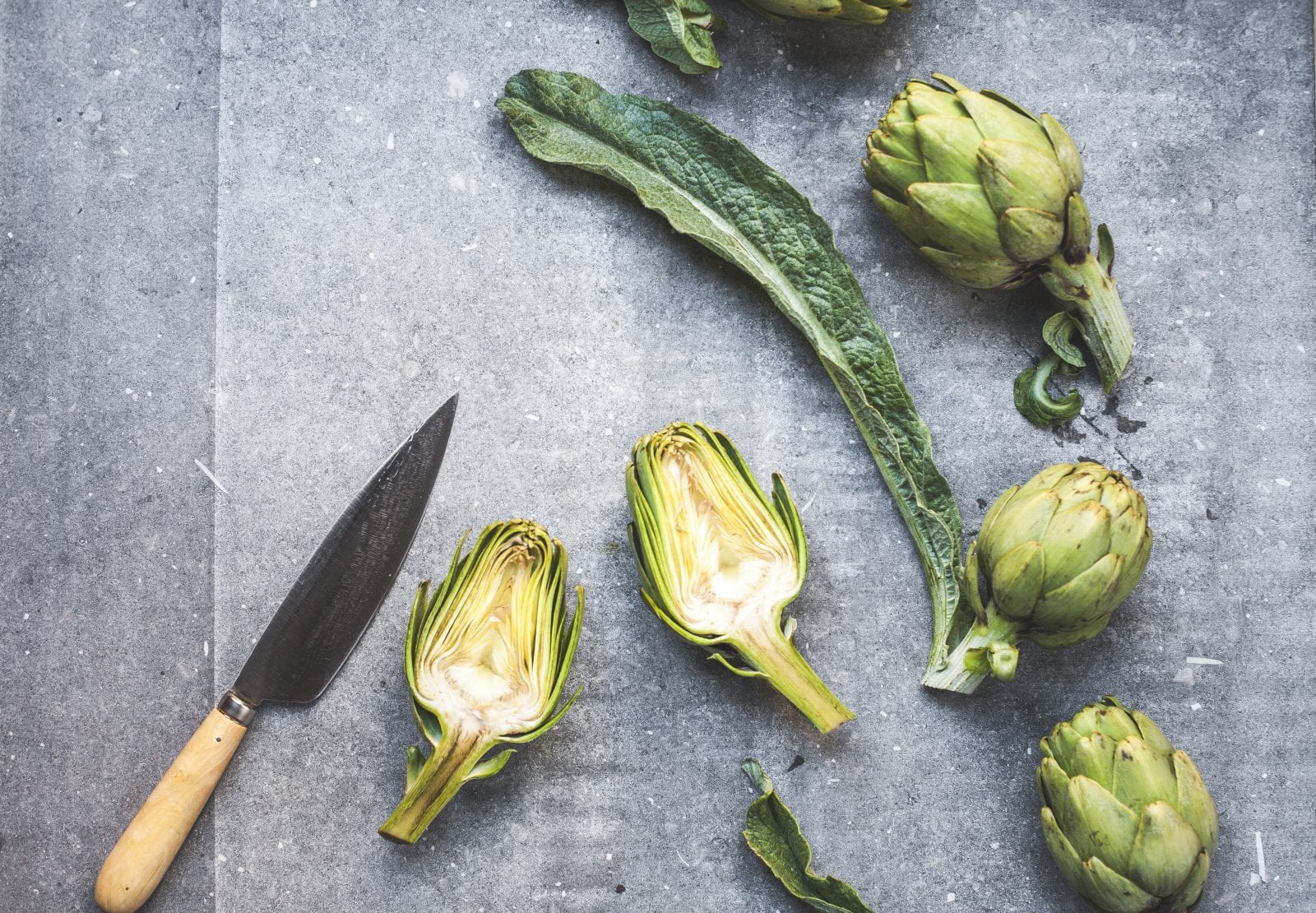
Baby artichokes: Small or baby artichokes, if tender enough, can be eaten whole, but sometimes they benefit from removing the exterior leaves and trimming the tops of the rest. Otherwise, halve, quarter, or slice lengthwise. Remove the choke if necessary.
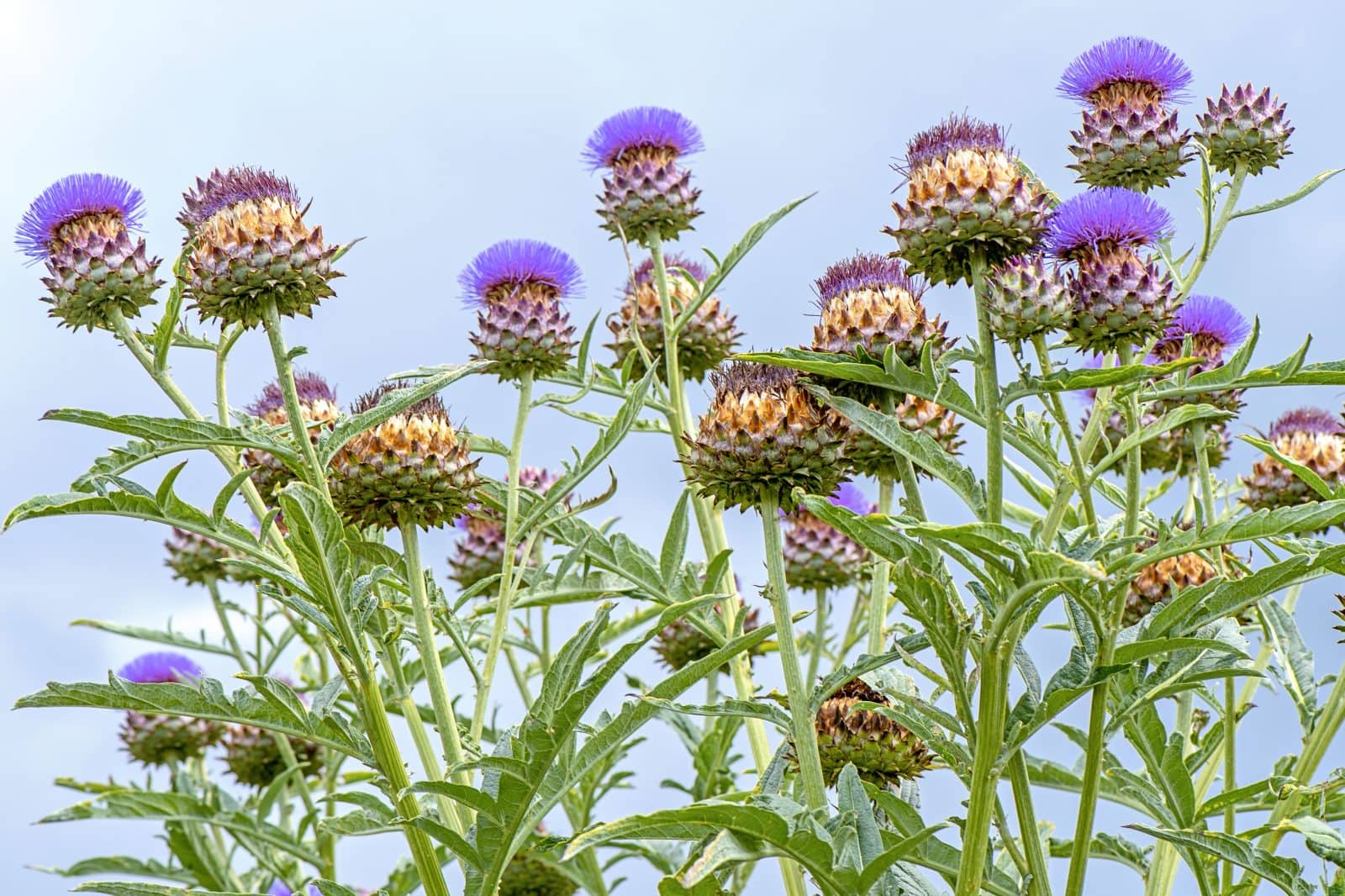
Cardoons: Carefully strip off the spiny leaves and discard them. Use a knife to remove the tough fibers that run down the vegetable lengthwise (like celery), then chop into 2-inch pieces.
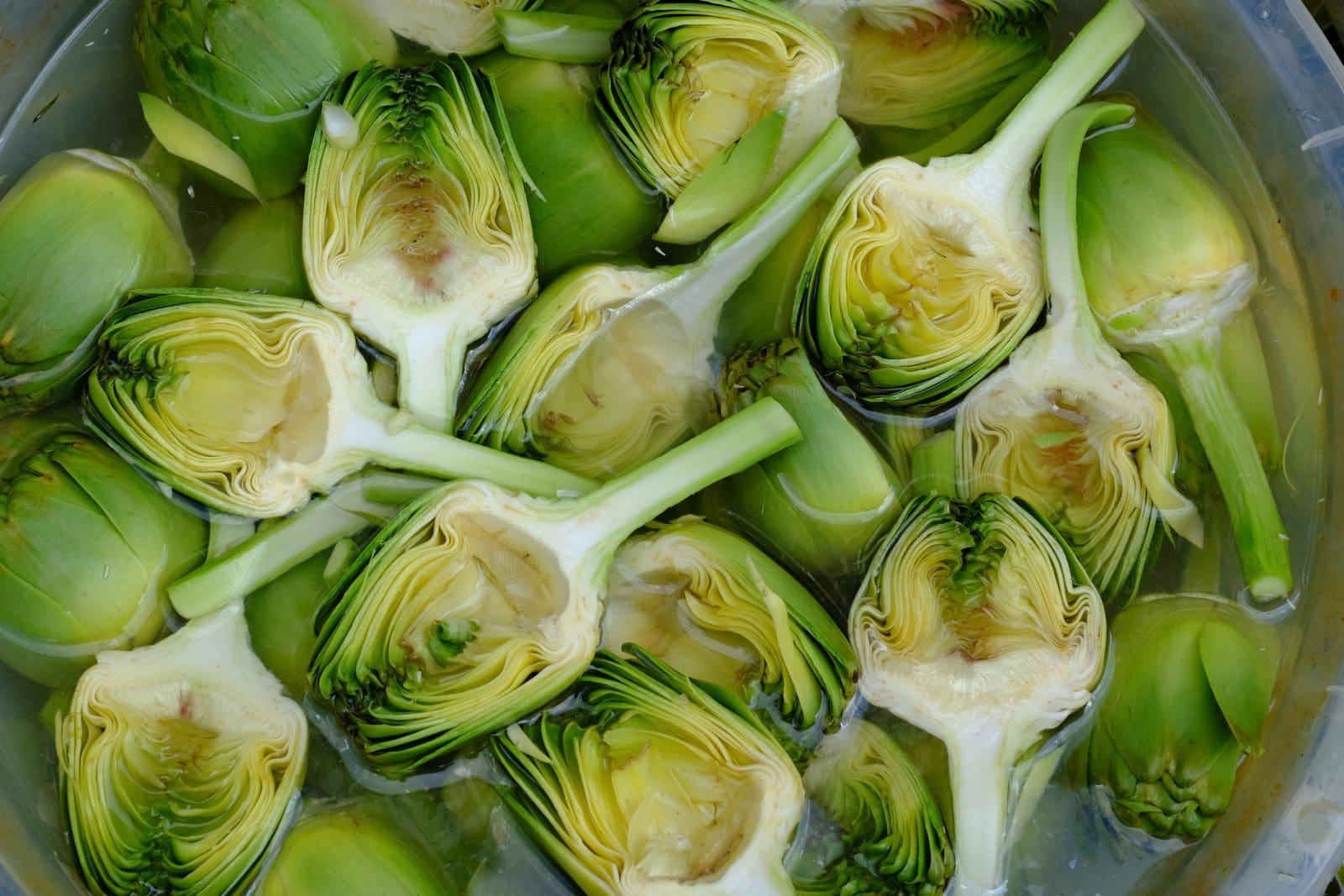
Discoloring: Raw artichokes and cardoons discolor very quickly when cut and darken quite a bit when cooked; rub with half a lemon or dip in water with a couple of tablespoons lemon juice or vinegar (“acidulated water”) immediately after cutting to minimize darkening.
Best cooking methods: Steaming (whole, hearts, or cardoons), sautéing (baby artichokes and hearts), braising (baby artichokes and hearts, cardoons)
When are they done? Whole artichokes are done when the outer leaves pull off easily and the meat in them is tender. Artichoke hearts are done when very tender; pierce with a skewer or thin-bladed knife to check, then taste to be sure. Cardoons should be tender enough to pierce easily with a skewer or thin-bladed knife.
Other vegetables you can use: Artichokes and cardoons are interchangeable in terms of flavor. There is no substitute for artichoke hearts, but you have lots of options for how to buy them.
Steamed Artichokes

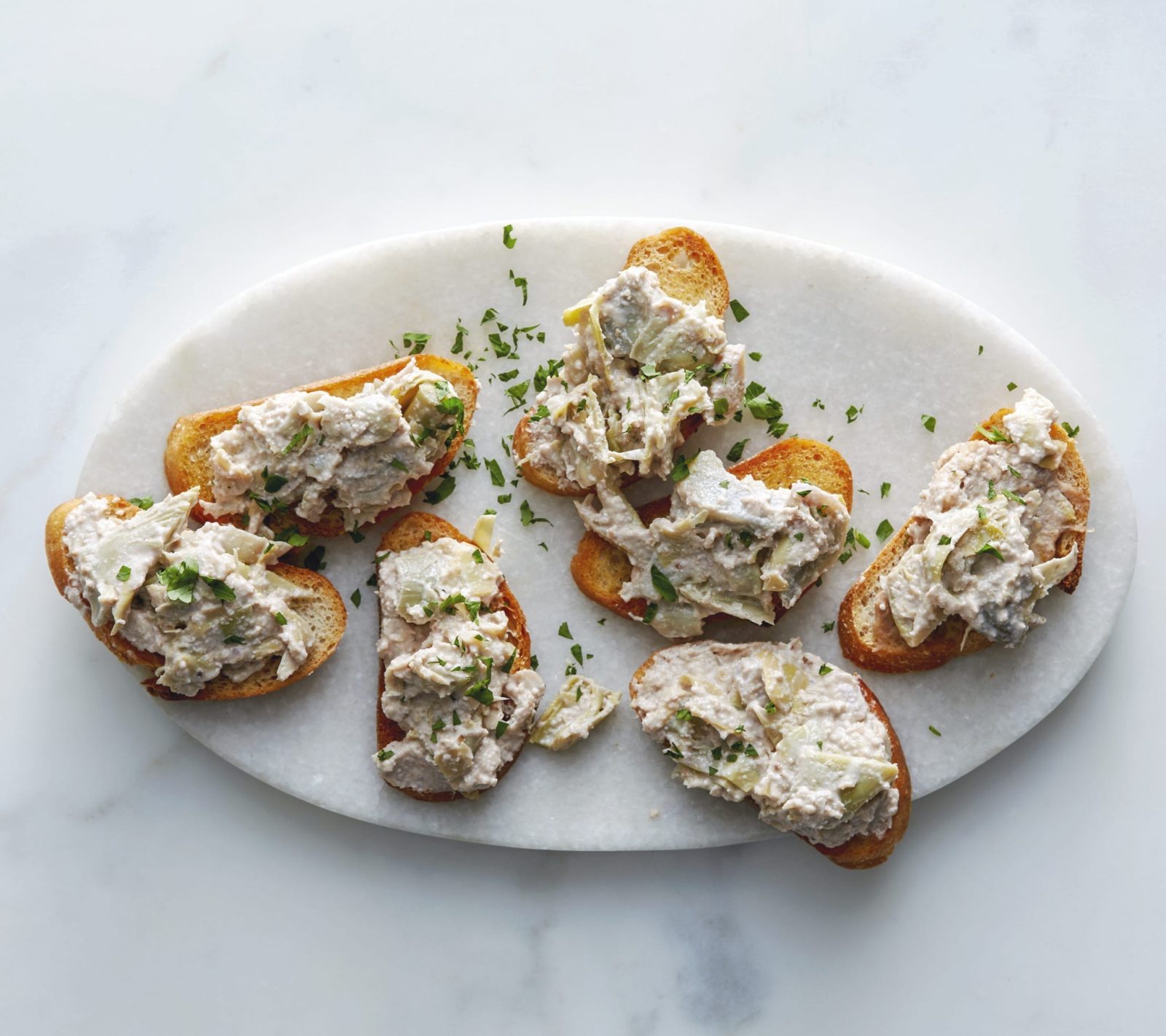
Artichoke Dip
A lighter, potentially vegan version of the party favorite, which usually includes quite a bit of mayonnaise. You won’t miss it. In a pinch, you can use canned or jarred artichokes here, provided they’re packed in brine, not marinade; drain and rinse them well.
Stewed Artichokes with Beans and Peas
This is a classic combination of Italian spring vegetables, but it’s also a template for stewing any fresh veggies you like in olive oil.
If you cannot get small artichokes — those so small they have no choke, so you can simply trim and quarter them — get frozen artichoke hearts. If you cannot get favas, get limas; here, too, frozen are OK, and same for the peas. This stew makes a good sauce for cut pasta, like penne.
Other vegetables you can prepare this way: This is a nearly universal recipe; almost anything you think of will work here, from spinach to potatoes to asparagus, as long as you adjust the cooking time accordingly. Mix and match as you like.
Braised Artichoke Hearts with Ham, Wine, and Lemon
An artichoke dish that’s just as good room temperature as it is hot. If you double it, you’ll have leftovers to slice and toss with pasta, or rice, top pizzas, or mix into frittatas. Other vegetables you can use: true baby artichokes (just trimmed), or small artichokes (trimmed with the choke removed); chopped or sliced cardoons.
Parmesan-Infused Noodles with Shaved Artichoke Hearts
Starting with homemade noodles and a stockpile of Parmesan rinds makes more of a project, but you plan ahead and I give you a break on the prep time with the shaved artichoke technique so the recipe is more inviting. That and the fact that it’s a show-stopper should inspire you to give the recipe a try.
Comment