

You asked, and we answered. We love hearing from our community, and there’s nothing better than sparking real conversations around your questions. Got something on your mind? Send it our way. You might just be featured in an upcoming “Question Mark” email. Let’s keep the dialogue going—we’re listening.
Q: “My son and I are having a debate. He claims that the apple crumble we had for dessert last night, since it was made with oats, would be equally acceptable as breakfast the next day. I say no due to sugar content—but I’m secretly afraid he’s right. What do you think?” – Sebastian

Answer provided in partnership with our friends from Bob’s Red Mill.
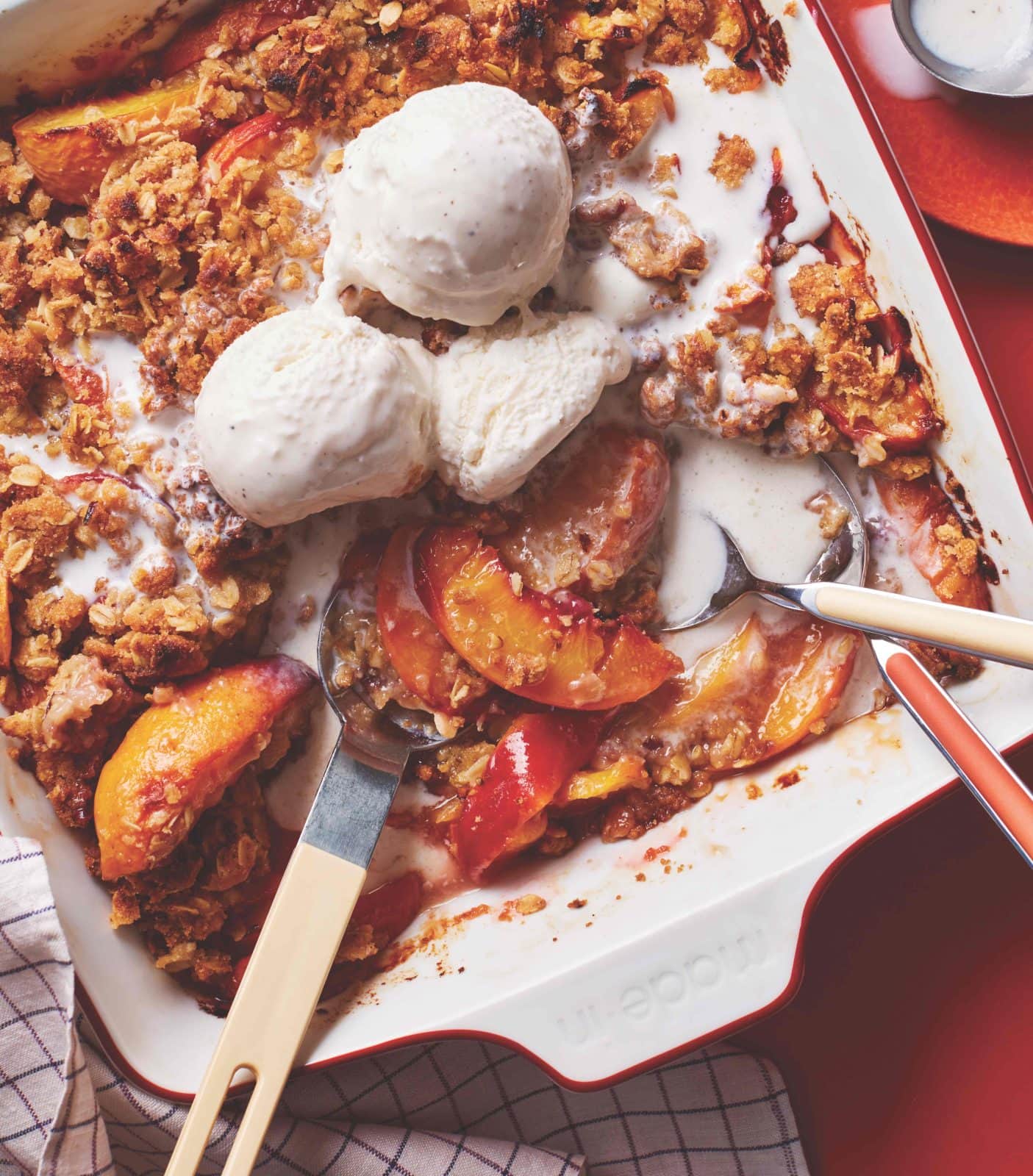
A: I’m casting my vote with your son. Part of the reason I make fruit crisps is to have leftovers for breakfast or snacks. They’ve got less sugar than pastries or granola bars, more fiber than bagels, and are made from real ingredients (unlike most cold cereals). I’m not sure what recipe you’re using but here’s one you can make with any fruit. For even more fiber and less refined sugar, you can substitute whole wheat for all-purpose flour, reduce the sugar to 1/2 cup, and try turbinado or other “raw” sugar. Then top the crisp with plain yogurt instead of ice cream. The recipe is from my new kids cookbook, too, so maybe you and your son will enjoy baking your next crisp together. – Mark
Q: “I have been baking whole wheat sourdough since Mark’s book came out. For 2 ½ years, it worked out perfectly. Then suddenly my starter turned to soup. I tried several things, ended up making a new starter. Since then every 6 months or so, this happens again. I have tried adding rye, AP. Nothing stops this sudden soup process. What is this?” – Catherine
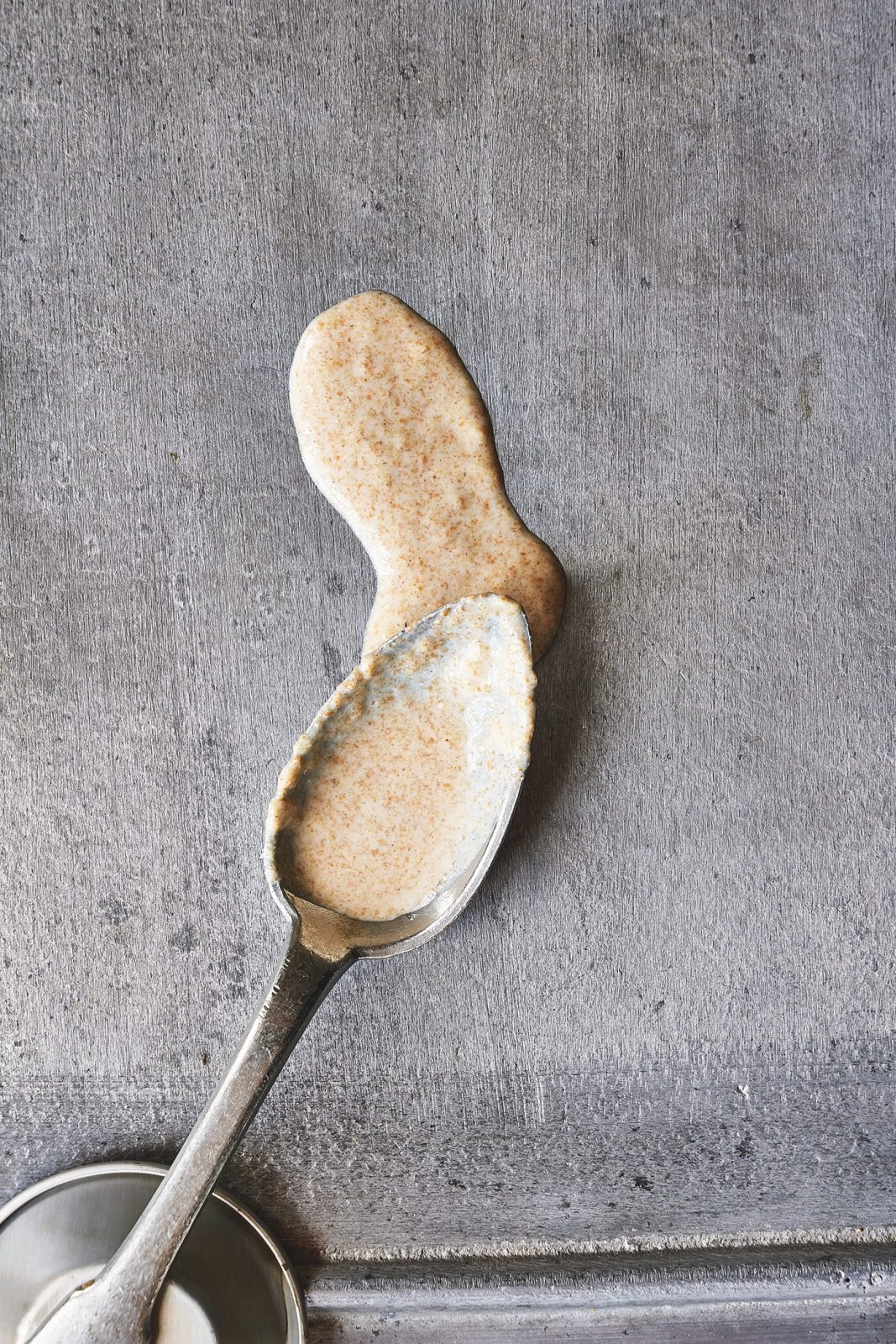
A: Super interesting question. Let’s solve it together with some trouble-shooting questions:
- Is your soupy starter still bubbly and active? Or does it just look like slurry?
- How often are you baking and feeding the starter?
- In your 2 ½ years of success, did you ever have an extended period where you couldn’t feed the starter? If so, about how long between feedings?
- What ratio of water-to-flour do you use when you feed it? (i.e. if you take out 100g, how many grams flour and water do you replenish?)
- Do you feed the starter before you pull what you need for the bake, or after? (After is our method in the recipe directions.)
- Neither rye nor AP flour absorb as much water as whole wheat flour. When it starts to go soupy have you ever tried more whole wheat flour?
We’ll monitor the mail and be on the lookout for your response. Looking forward to solving the mystery together! – Kerri
Q: “Can you tell me—do you at the Bittman Project like how ceramic non-stick pans perform? Do you like the ones made by Great Jones? They claim to be nontoxic. But I think the coating goes pretty quickly, according to home cook reviewers. I will appreciate having your opinion very much.” – Diana
A: The new great debate! Let me preface this answer by saying that I still love my “old school” nonstick pans, from Made In. I understand the concerns around PFAS, and I share those concerns—but I love nonstick. For things like eggs (omelets, sunny side up, frittatas), latkes and other veggie pancakes, and delicate fish, these pans really cannot be beat, and I’m going to keep using them. I replace them when they start to look ragged, though I have to say the Made In ones last a long time.
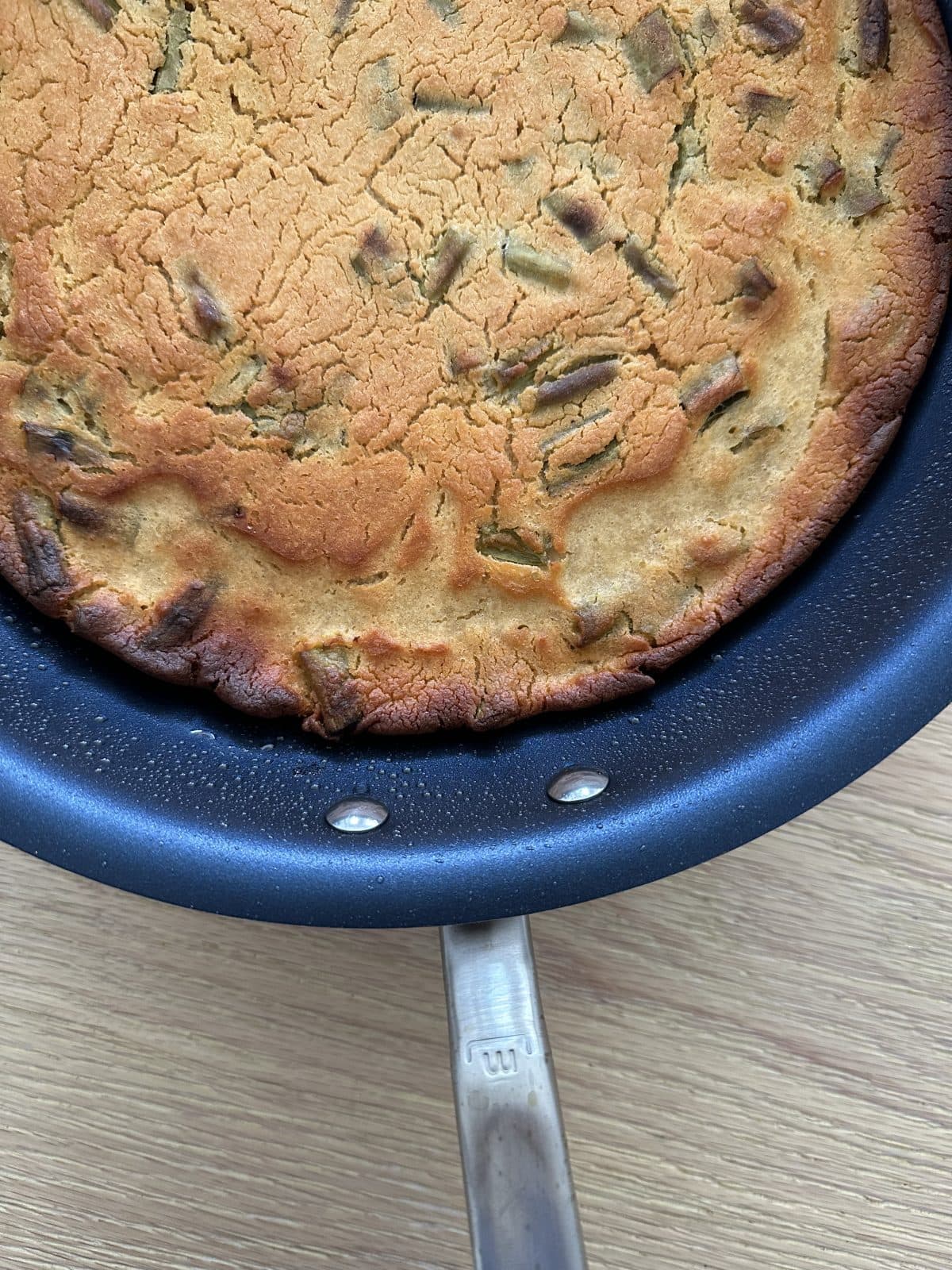
I have one of the new nonstick ceramic variety, and I don’t like it as much; it’s chipping more easily, and of course that’s a concern. And many others have had the same problem, especially around the rim where the lid fits. Plus, we don’t yet know enough about the coating of the new pans to really understand whether or not they’re “less toxic” than the others. My advice would be to just decide if you want to use nonstick or not, and if you decide that yes, you can’t live without it, get whichever version you’d like, don’t use metal or rough scrubbies on it, and keep an eye on the coating for chips and flaking. And if you are at all concerned, use well-seasoned cast iron or carbonized steel skillets. – Kate
Comment