

You remember that famous scene from The Devil Wears Prada: magazine editor Miranda Priestly (Meryl Streep) chastises her new, apparently feckless assistant Andy (Anne Hathaway) for her shrugging disinterest in fashion. Miranda, all breathy disdain, zeroes in on Andy’s schlubby sweater to dismantle Andy’s pretense of immunity from sartorial trends.
But no, says Miranda. The sweater’s blue hue (ahem, cerulean hue) is the natural ultimate result of a butterfly flapping its wings on a couture runway several seasons prior. The shade sidled into magazine pages, slid onto ready-to-wear shelves, and finally “trickled on down into some tragic Casual Corner where you, no doubt, fished it out of some clearance bin.”
Sniff. Sneer. Ouch.
I only partly agree with Miranda’s point (I think trends trickle up as often as down), but the moment is strong fodder for thought. We all are subject to the winds and whims of trend, whether we know it or not. And not just in capital-F Fashion. It happens in capital-F Food, too.
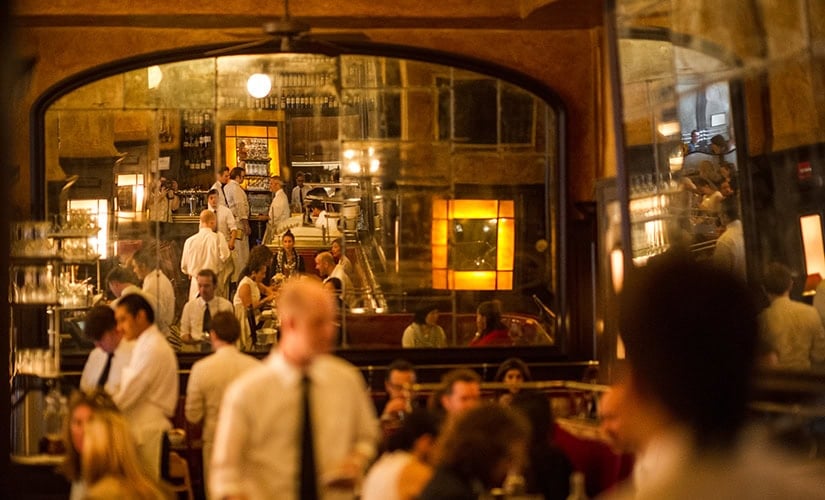
Take restaurant design. In the 1990s, we had the Keith McNally era, everything covered in bistro tiles. In the naughts we had neo-industrial Edison lights and community tables, then in the 2010s the “it’s like a food truck, but inside!” vibe prevailed. Even the names and logos begin to mirror each other—folksy pairings like Plow & Anchor, Fox & Knife, Anise & Ampersand. (I made the last one up.) Why these choices? Because someone started them, customers like them, and others followed.
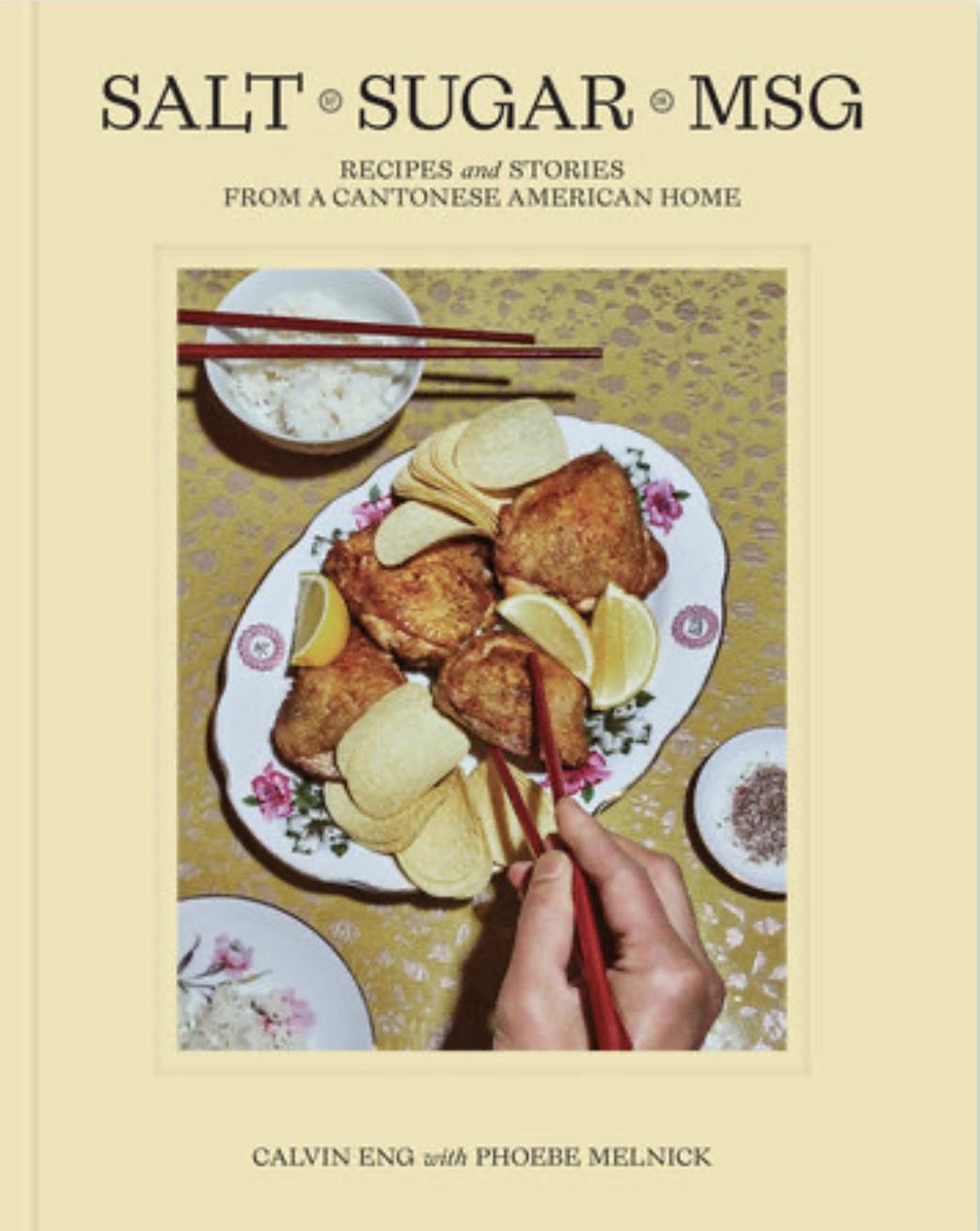
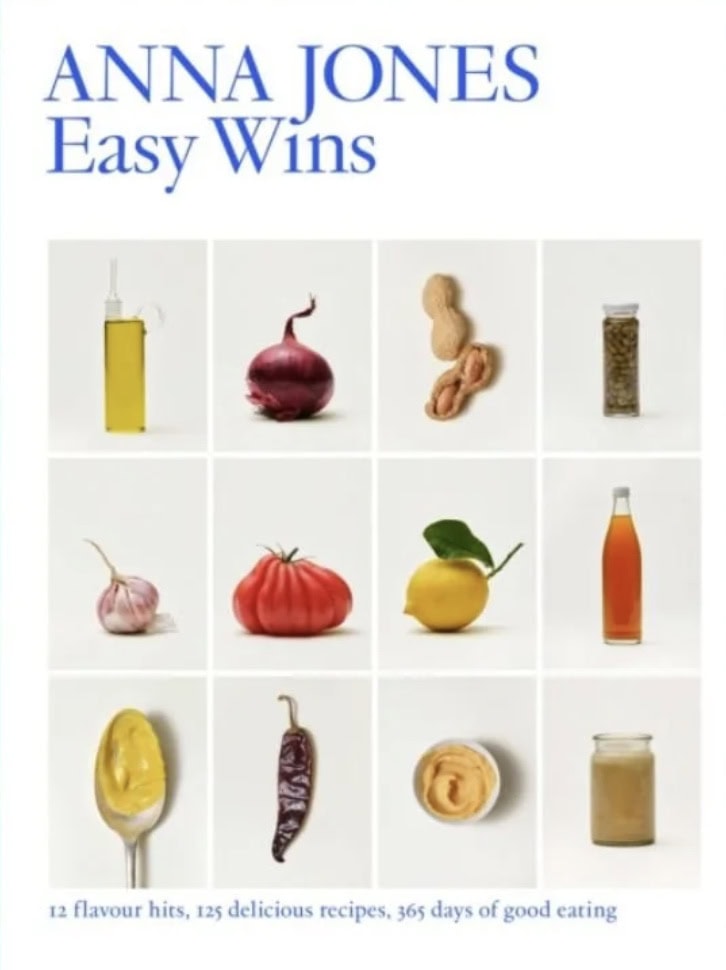
Cookbooks, too, are subject to the power of trends. Notice how many from the past several years look alike: A neutral border, usually white; inside the frame, an image of food, and maybe a body part or two; carefully placed type in a bold, strident font. Everything’s spotless and sharp, like you’re looking through a window that’s just been swiped by a Windex-wet squeegee.
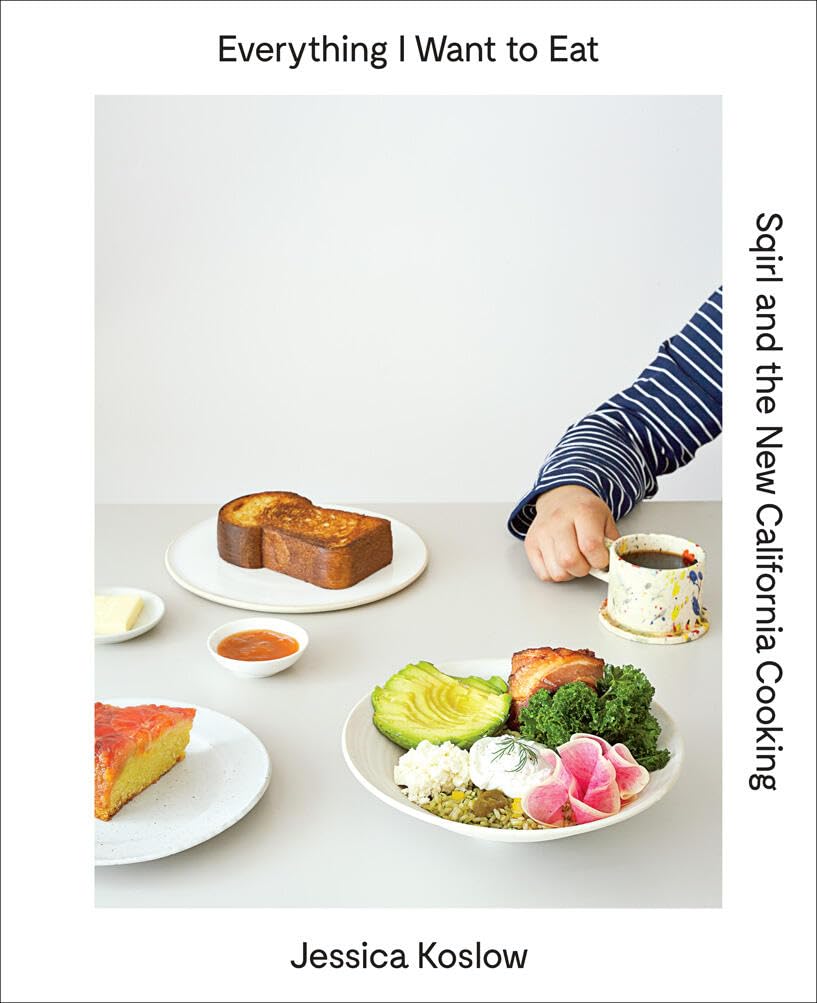
This look conveys several messages: Clarity, practicality, accessibility, deliciousness, sexiness. You’ve seen it before, in Andy Warhol Polaroids, Barbara Kruger wheat pastes, Rachel Cusk novels, influential Instagram grids… and IKEA assembly manuals. Form doesn’t follow function, form is function. Clean, confident, clever! What a chic way to think and cook.
The leading edge for this design conceit has roots, as many leading edges do, in London. In 2001, Ebury Press published Living and Eating by John Pawson and Annie Bell. It was a quiet release, not much splash. The book is still not very easy to find. But in the last quarter century it’s achieved a certain cultish status among contemporary cookbook collectors.
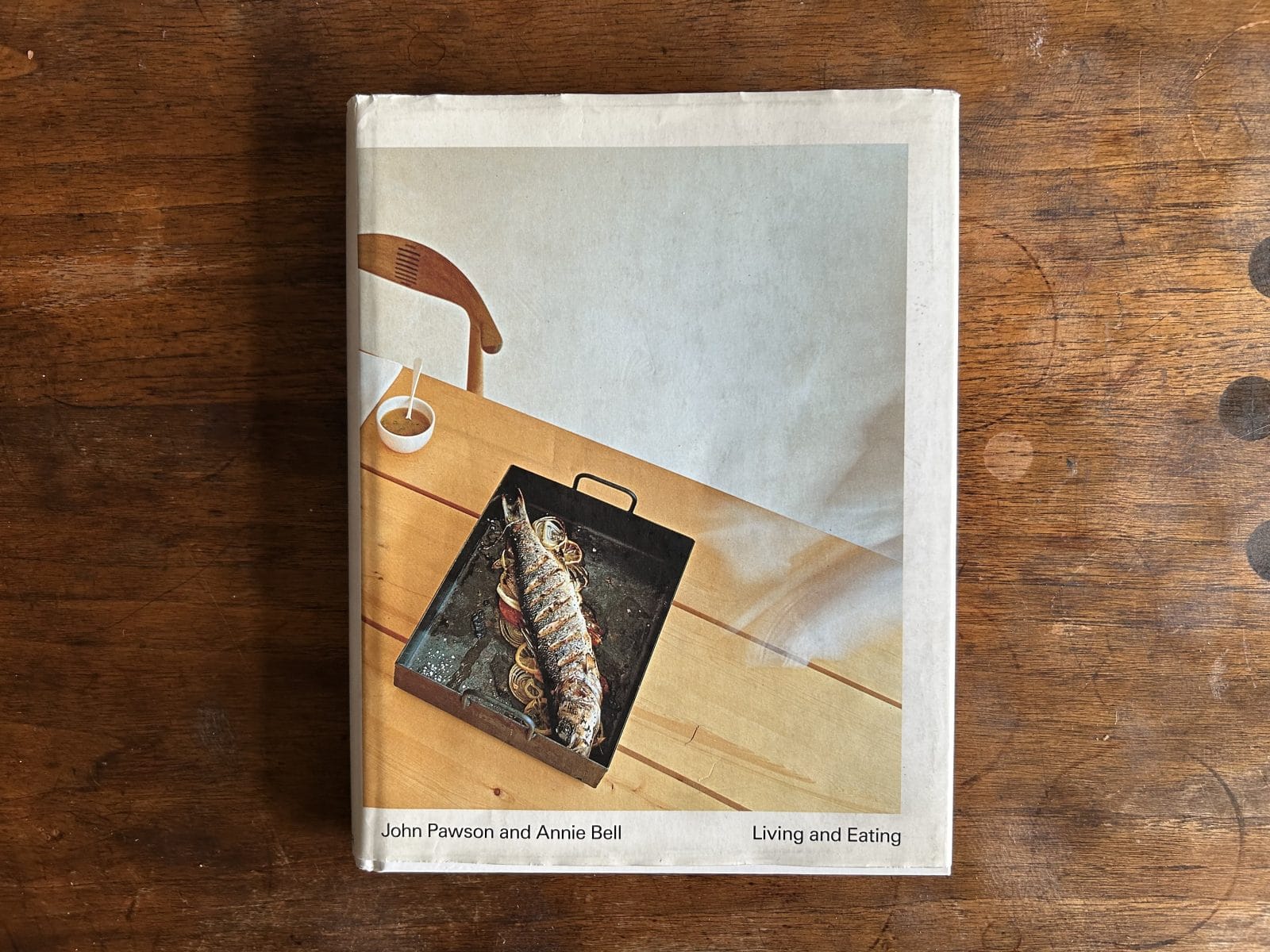
I remember first stumbling over Living and Eating at The Strand in lower Manhattan not long after 9/11. I’d never seen a cookbook cover that seemed so self-assured. And the vibe carried through inside: The stark (almost sterile) food styling, the casually spare language, the sharp typefaces, the unadorned recipes. Buy this book, the design implored, and your cooking will transform from fraught to relaxed, from chaotic to precise, from sloppy to sophisticated. All you have to do is aspire.
Living and Eating was always going to be equal parts cooking instruction and aesthetic inspiration. Bell, at the time, was best known as the food editor for British Vogue; Pawson as an architect with a portfolio including Calvin Klein’s flagship Madison Avenue store and, as the jacket bio states, “a new Cisterian monastery in Bohemia.” Their food reflects this double helix of style and substance.
Saffron Mussels. T-Bone for Two. Champ. Butterscotch Ice Cream. That’s what they eat, they tell us, and so can you. It isn’t hard. You’ll barely dirty your kitchen, let alone your shirt.
Wait, you say, eyebrows raised. Are these recipes more than just daydreams?
Yes. Once you start cooking, you’ll see it. The substance is right there, in mouthfuls of Bagna Cauda, described as an “orgy of anchovies and garlic.” It’s in forkfuls of Tagliatelle alla Carbonara, “very post-theatre.” It’s in bowlfuls of White Onion Soup, “garnish at your whim,” and spoonfuls of Roast Plums and Raspberry Sorbet, “pink on pink.” (This last one did, sadly, stain my shirt. But it was delicious.)
And especially, Spaghetti with Lemon, which is as unfussy and satisfying as it sounds.
We’ve seen cookbook trends before, of course. The 90s were brushed in soft-focus Martha Stewart pastels. The 80s crackled with fussy geometry, the 70s reclined amid al-fresco fantasies, the 60s went go-go on posh decadence, the 50s draped New Look housewives in gingham. But these trends cycled through relatively quickly compared to Living and Eating. Even after a quarter century, and even as cover designers tweak the conceit with moodier colors and splashier fonts, Pawson and Bell’s stylish, ordered, inviting legacy shows no signs of slowing down. Because it works.
Spaghetti with Lemon
From Living and Eating by John Pawson and Annie Bell. The authors write: “Deceptive in the innocence of its appearance, this is clean, sharp, and richly flavored with lemon and Parmesan. The cry is for a crisp green salad to follow.”
Comment