

The grain used to make the traditional Ethiopian bread injera is our latest infatuation for weeknight cooking

As the years have gone by, I’ve come to appreciate Bob’s Red Mill more and more for many reasons, but especially these two: One, they’re getting what were once difficult-to-find whole grains, legumes, and other ingredients (unsweetened coconut, for example), into mainstream American markets. The other has been their willingness to respond to trends in food and to create or find new and innovative products, like well-performing gluten-free flour, or fava and chickpea flours.
Because we’re committed to transparency, we wanted to let you know that we’re getting compensated to promote Bob’s. We try to be thoughtful about how we make money, and so we only partner with brands and organizations that we know well and believe in. Bob’s is one of those, and we’re glad to have reasons to promote them. — mb
The best thing about our gig as food writers and recipe developers is that even after a combined 70 years in the biz (yikes!), we’re always learning. You’ve probably noticed we’re mixing up these monthly showcases with Bob’s Red Mill to include both products familiar (like oats) and a little less common (like buttermilk powder). Just to keep things interesting for us all.
Teff is one of the world’s earliest domesticated crops, a true ancient grain believed to date back to the horn of Africa from 4000 B.C.E. No surprise: The drought-resistant plant has teeny, high-protein, high-fiber seeds that provide excellent nutrition for humans. As it increases in popularity — and since what’s leftover makes excellent animal feed — farmers in the high plains of America have also recently discovered teff.
We chose whole grain teff and stone ground teff flour for June because it goes unexpectedly well with summer produce. And these three new spins on familiar recipes are so versatile, you’ll want to adapt them to try in all the seasons. There are tips in each recipe for how to do that, too.
Sheet-Pan Teff’tastic
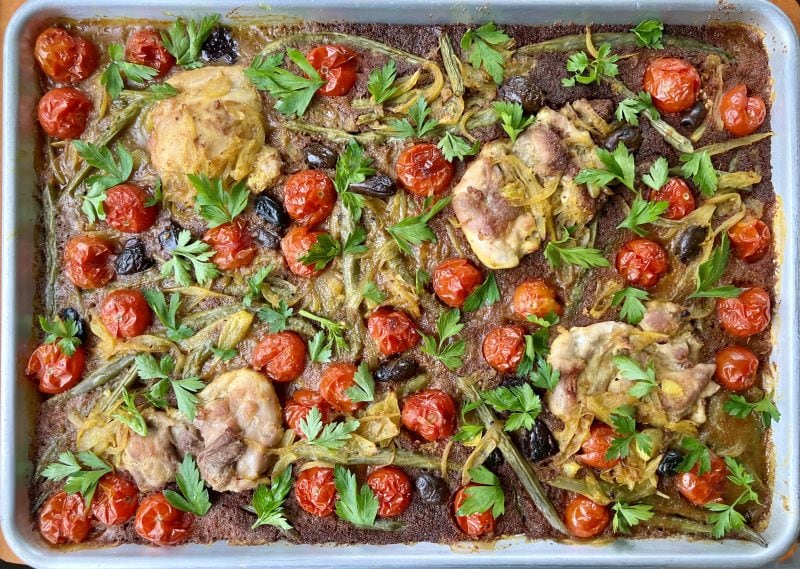
Combine tagine-like technique and seasonings with the texture of panisse — you know, those creamy-crunchy “fries” made of chickpea flour — and you get an easy sheet-pan meal with lots of possibilities for variations. As the layer of teff on the bottom soaks up the cooking juices, it becomes soft in some places, crusted in others and unbelievably flavorful. Try this recipe with thin bone-in pork chops or slabs cut from two blocks of firm tofu.
Teff’tillas
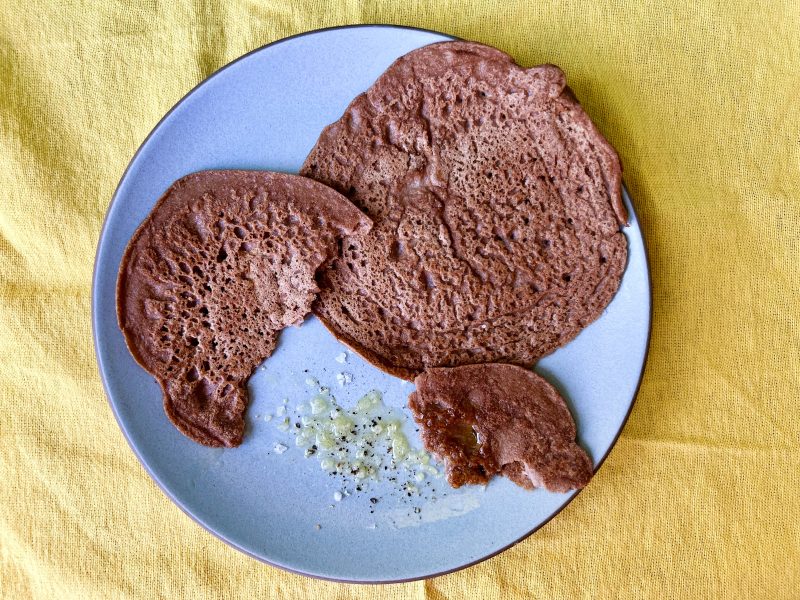
Teff flour is unlike anything else. When used in doughs and batters, it’s got a lot of heft and binding power, but zero elasticity; it tends to crumble. We know it from injera, where ground whole grain teff is mixed with water, fermented, and steam-cooked in a skillet into the supple, spongy, and stretchy bread of Ethiopia. These vegan teff’tillas quicken the pace, adding tofu for pliability so the batter cooks like pancakes and eats like tortillas. You can cook them up to a day ahead, cover tightly and refrigerate, then warm them a couple at a time on plates in the microwave for a minute or covered in a 400°F oven for 10 minutes. Serve them with saucy dishes, filled and rolled or folded like tacos, or by themselves with dips, spreads, or simply a dish of olive oil with flaky salt and coarse pepper.
Teff’ttata with Chard and Mozzarella
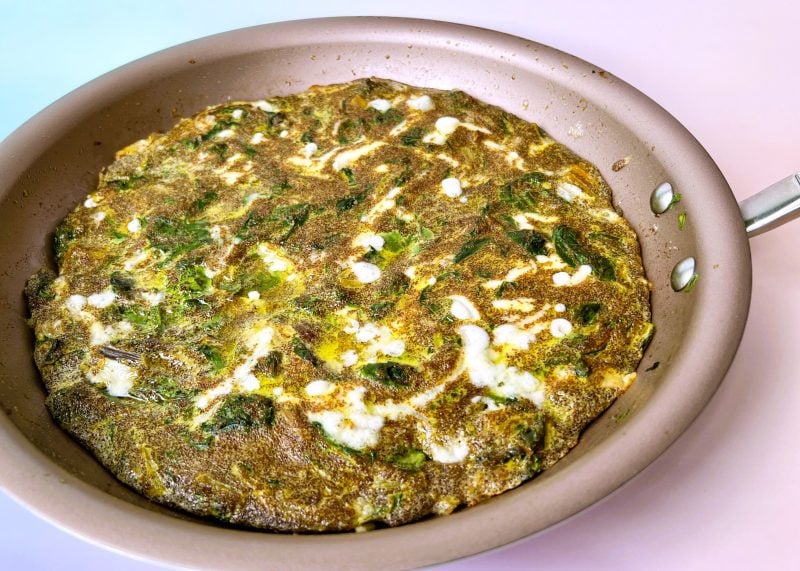
Over here at The Bittman Project, we’re all about frittatas: with peas and arugula or anchovies and fried capers, the One-of-Everything Pasta Frittata for One, and Mark’s world-famous more-vegetable-less-egg formula. (Just to name a few.) Teff brings its unique texture and flavor to the ‘ttata game, with a pleasant crunch and hints of cocoa and hazelnuts. And since the whole grains provide some structure for this baked version, you only need a little cheese and egg to keep it all together. Instead of the chard, you could go with kale, spinach, or arugula, or even sliced asparagus.
The Bob’s Red Mill products we feature on The Bittman Project are usually available in everyday supermarkets and natural food stores. In case you can’t find something, we recommend purchasing online at Bob’s Red Mill store on Amazon or Vitacost.
Comment