Nuts and Seeds
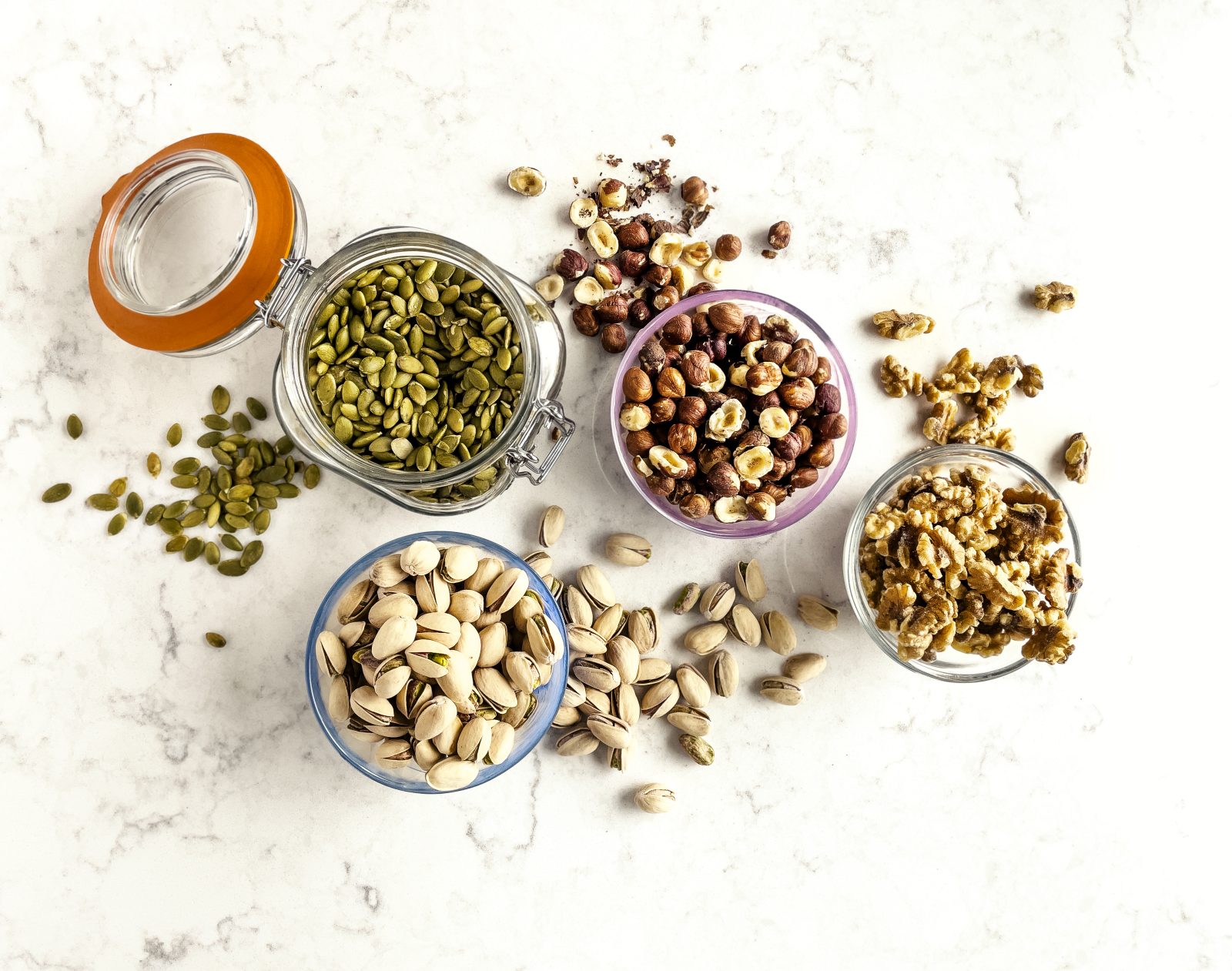
As the interest in eating a more plant-based diet grows, nuts and seeds move from a snack toward a cooking ingredient. They’re a good source of protein to be sure, and in the bargain they add tremendous texture, flavor, and nutrients to many dishes.
Preparing: All kinds of good-quality nuts are available now. Make sure they’re fresh; and ideally unsalted. I like to buy them in bulk, raw, and roast or toast and season them myself. In-shell nuts are usually fresher than shelled. To get at the meats, a nutcracker certainly makes things easier, but a hammer, mallet, or meat pounder works too. Covering them with a towel first minimizes the noise and mess. And some are just harder than others.
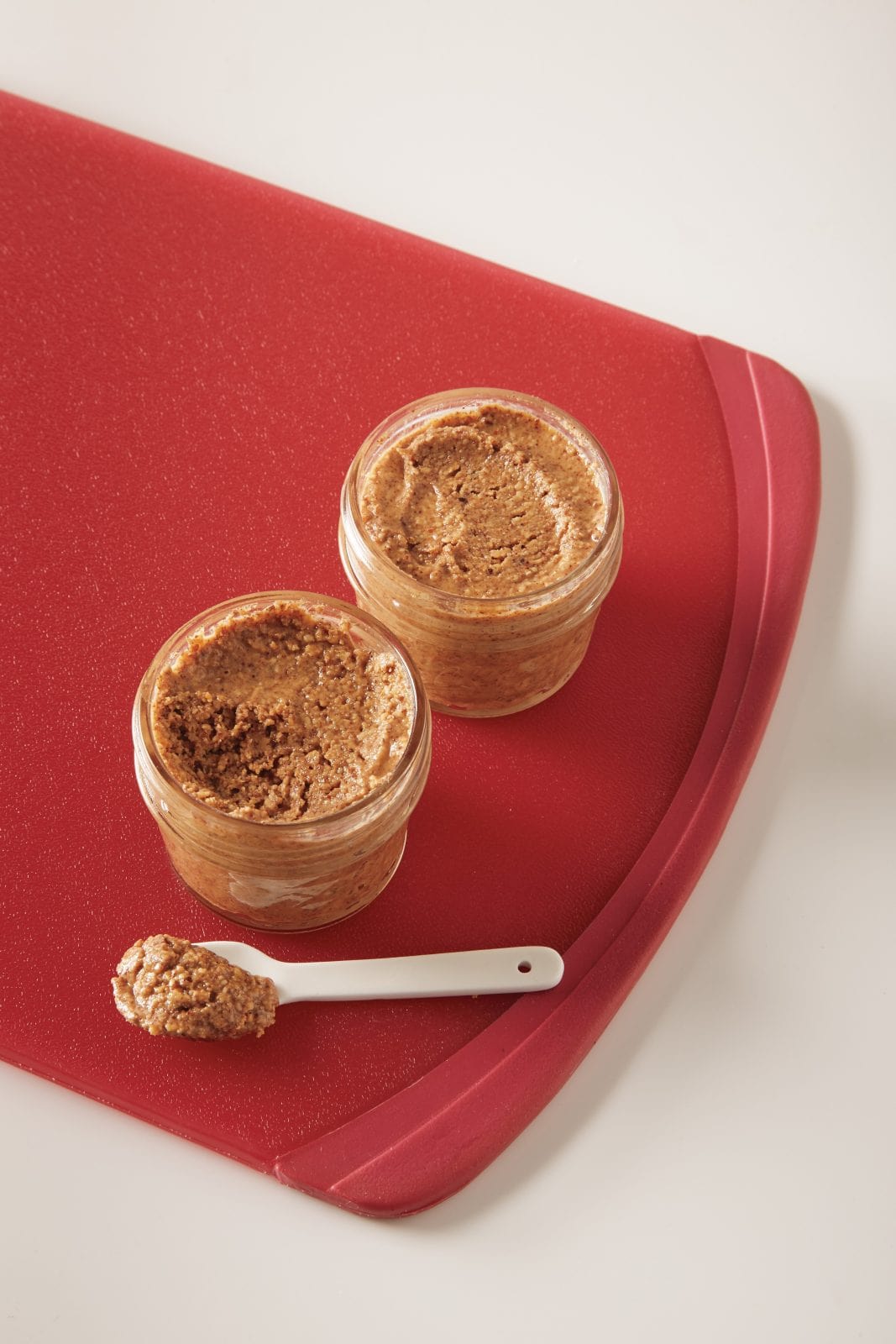
Best cooking methods: Roasting: Heat the oven to 350°F. Spread the nuts or seeds in an even layer on a baking sheet. Bake until they are just starting to turn golden brown, 10 to 15 minutes, stirring every so often. Toasting in a dry pan on the stovetop is a good idea for the smallest seeds like sesame, poppy, or pepitas and for small quantities of larger nuts: Heat a pan over medium heat and add the nuts or seeds. Cook, shaking the pan and stirring often, until they’re just starting to turn golden brown (pepitas will puff slightly), 5 to 10 minutes. Whether roasting or toasting, immediately remove the cooked nuts or seeds from the pan and let cool. They will continue to cook for a bit afterward and will crisp as they cool. Blanching nuts lets you remove the sometimes bitter skins. Roast or toast as above first if you like that flavor. Bring a pot of water to a boil, add the nuts, and turn off the heat. Let soak until you see the skins start to loosen, typically a couple minutes. Drain and pick out the skins. If the skins are stubborn, rub them in a towel until they loosen. (Note that the hazelnut skins are best removed by simply roasting and rubbing in a towel.) Grinding: Nut meal and nut butter are easy to make. (Nut flour, finer than meal, requires special equipment.) All you need are nuts—raw, roasted, toasted, , or blanched—and a food processor. Figure you’ll end up with about half the volume of the whole nuts. For meal, pulse the nuts in the food processor until they are finely ground and look like moist flour. Avoid overprocessing or the mixture will quickly turn into nut butter; if there are still larger bits of nut, either leave them in for texture or sift them out. If you see any bit of the meal clumping, stop processing; it’s about to turn into butter. To make nut butter, just push the “on” button and stop it once the butter reaches the consistency you like; you can add some water if you want it to be on the thin side. Most nut butters are made from roasted nuts—the flavor is richer; raw or blanched nuts are milder. Refrigerate both meal and butter in airtight containers and use within a week or so.
Filters
Recipe or Read
Author
Recipe
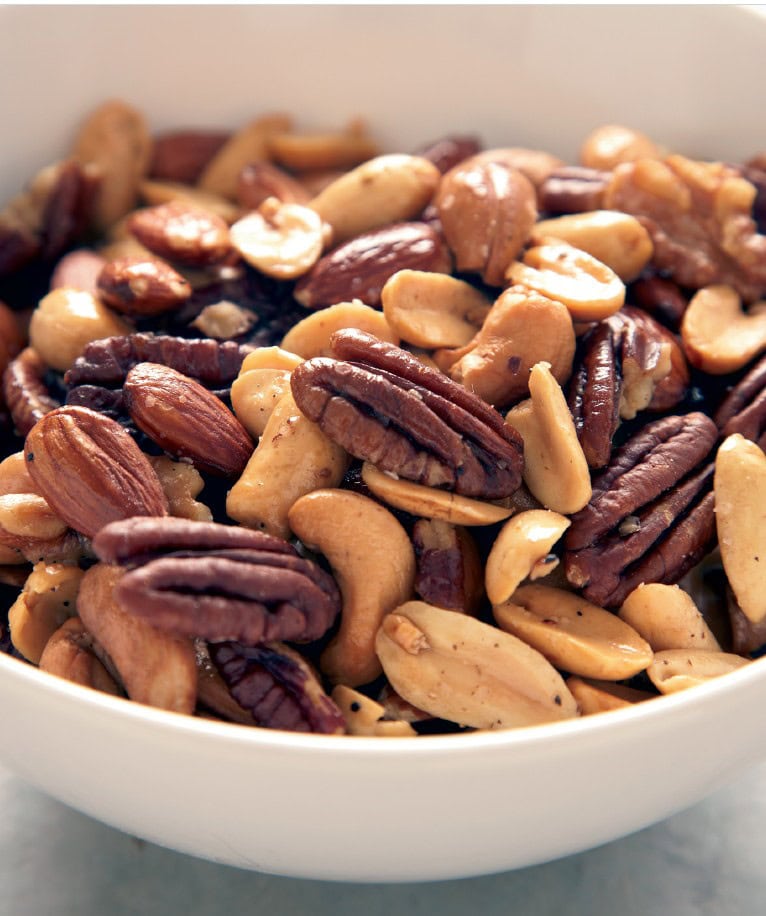
Roasted Nuts


Recipe
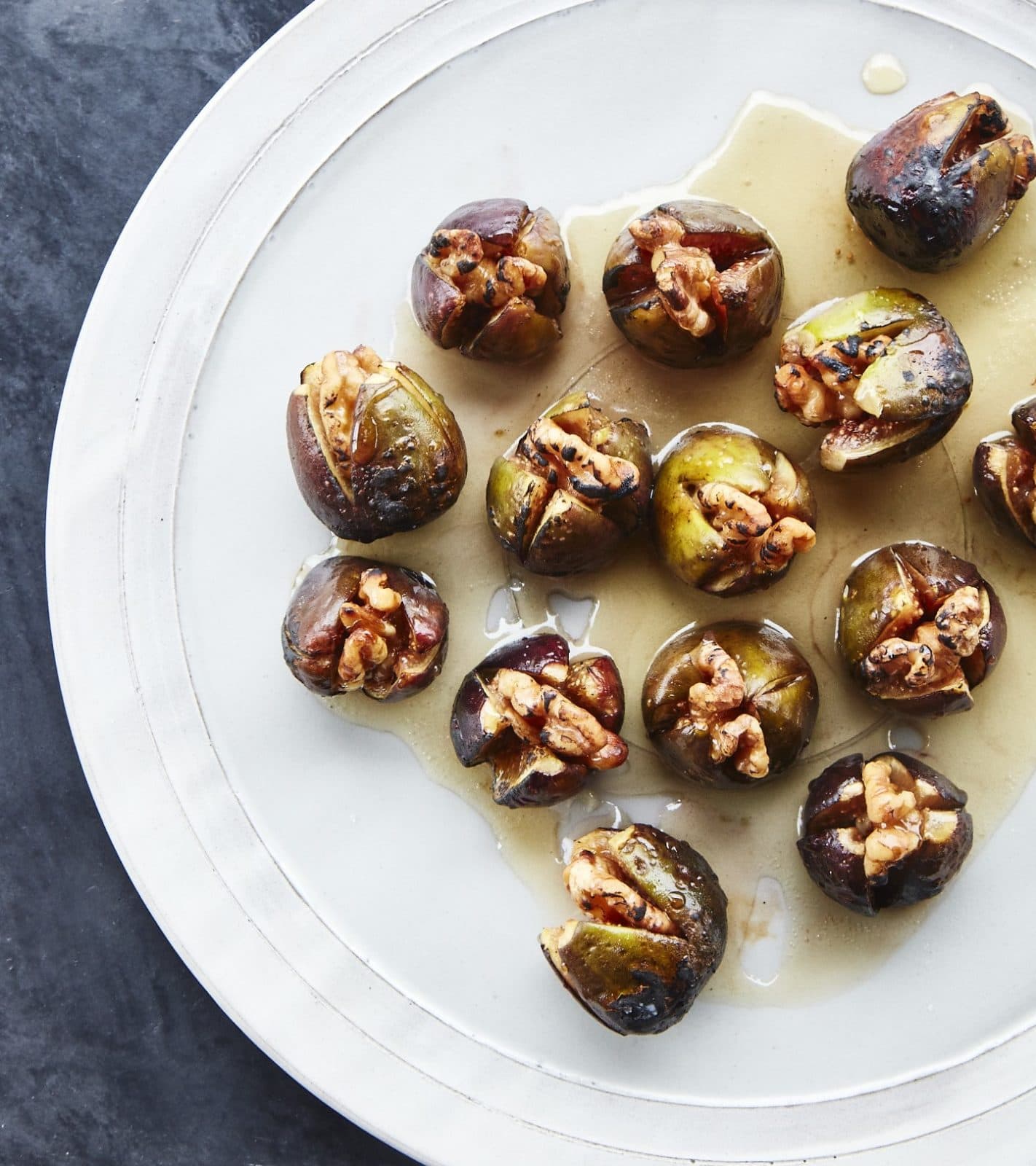
Figs with Walnuts and Honey

Recipe
Roasted Garlic Nut Brittle
Recipe
Roasted Nut Butter

Recipe