Mark Bittman

Filters

Sort by date

Content Type

Beef, Pork, Lamb, or Veal Stock

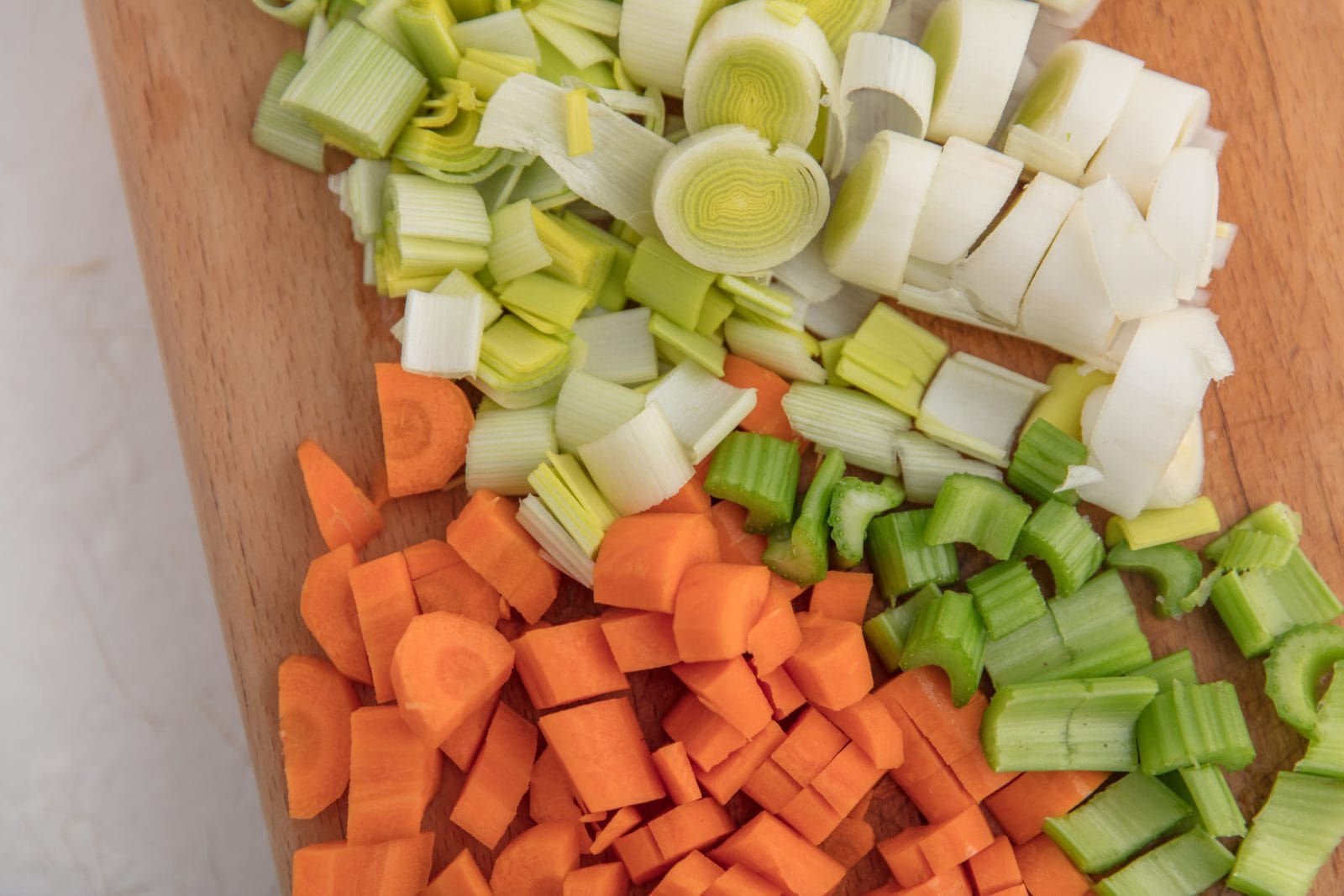
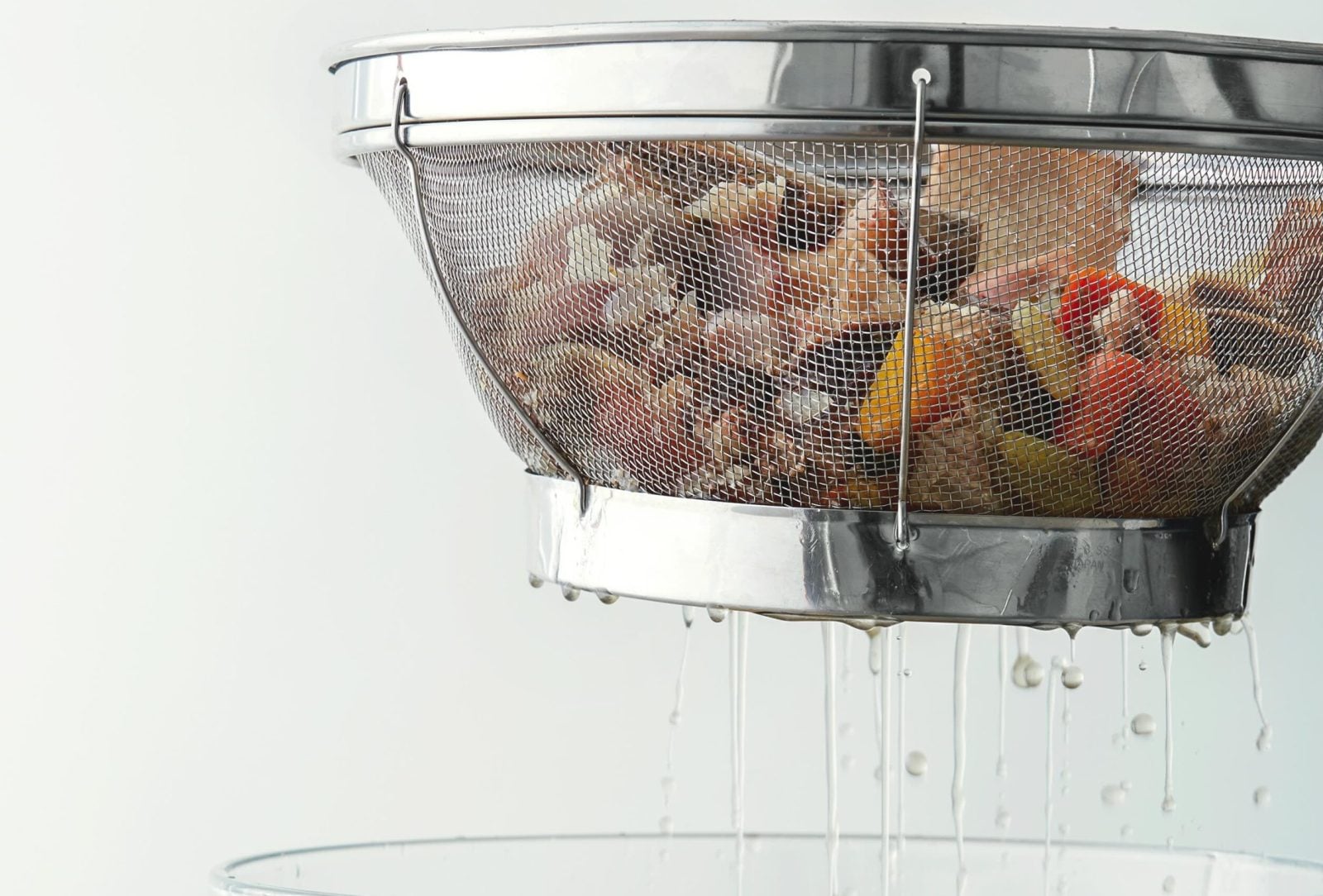
Meat stocks are less versatile than chicken or vegetable: Beef is the most useful option; I wouldn’t make pork or lamb stock unless I had a specific use in mind. But they’ll keep in the freezer for at least three months, so if you’ve got some meaty bones, go for it. You can use chicken stock in a recipe if you don’t have beef stock, but I’d rather use water than canned beef stock, which is essentially useless.

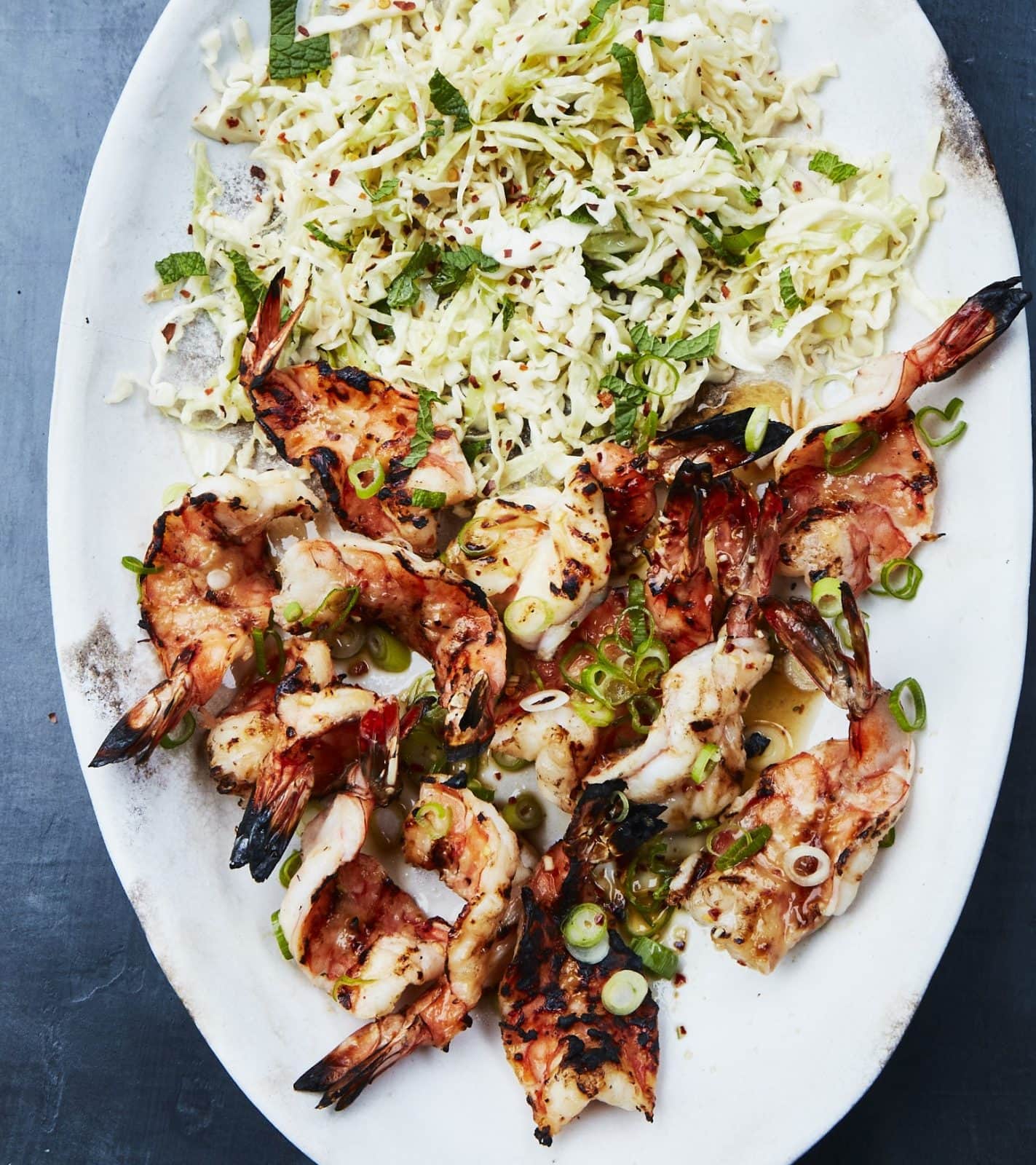
Butterflied Shrimp with Spicy Miso Glaze

Why bother to butterfly when shrimp already cook so fast? More surface area. And that means more of what you love about grilled shrimp. The quick searing time gives you an opportunity to use more sugar heavy glazes which might otherwise risk burning over high heat. Don’t bother fussing with anything smaller than jumbo shrimp or you’ll go nuts. If you’re not a big fan of hot sauce, leave out the sriracha or go with something milder.

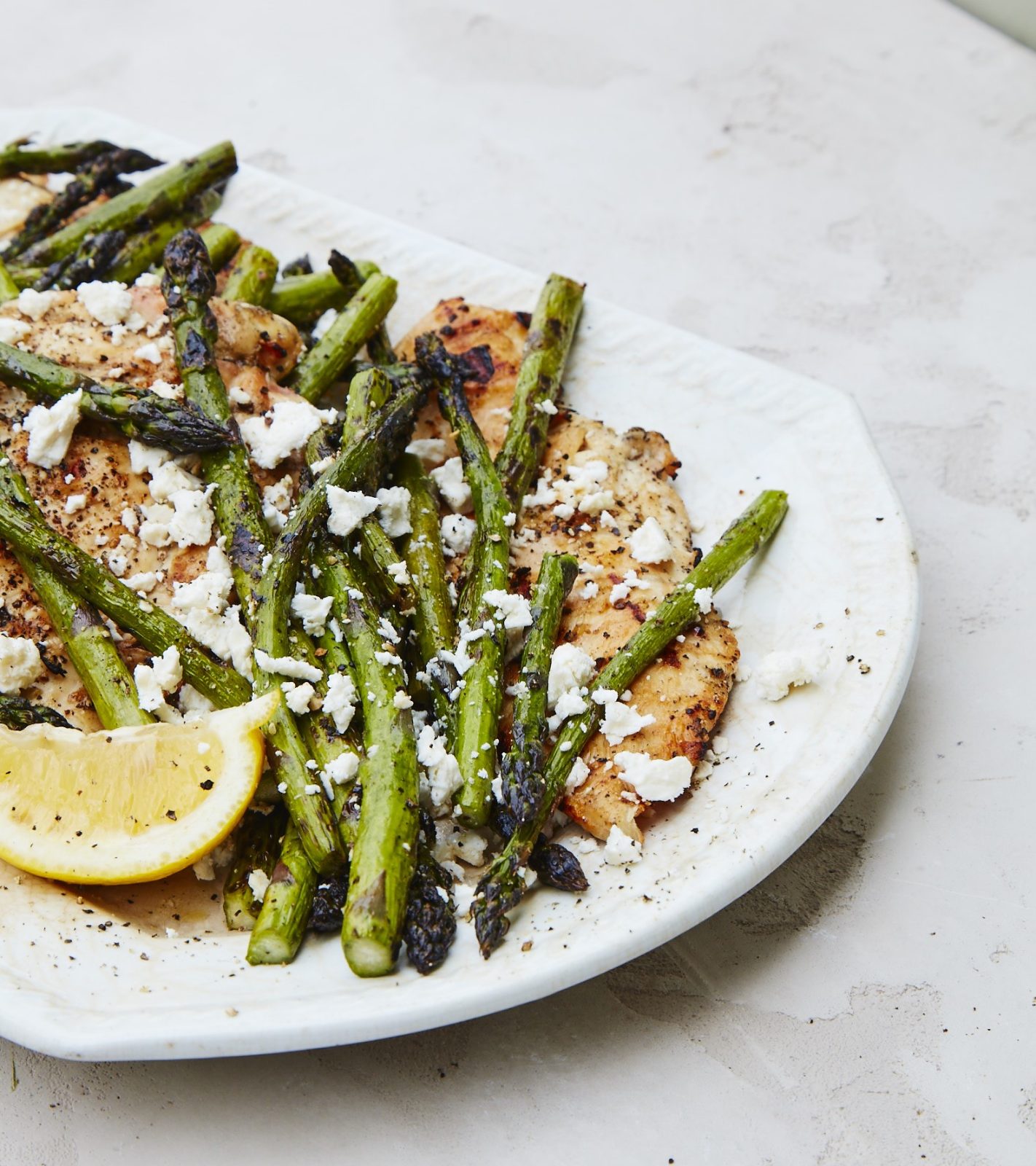
Lemony Chicken Paillards with Asparagus and Feta

The best paillards (see below) are pounded thin enough to at least double the surface area for maximum browning without jeopardizing the juicy and tender center. Chicken paillards are a wonderful vehicle for toppings like asparagus or a simple salad, or they can be sliced after grilling and tossed with dressed greens for a fast main-dish salad.

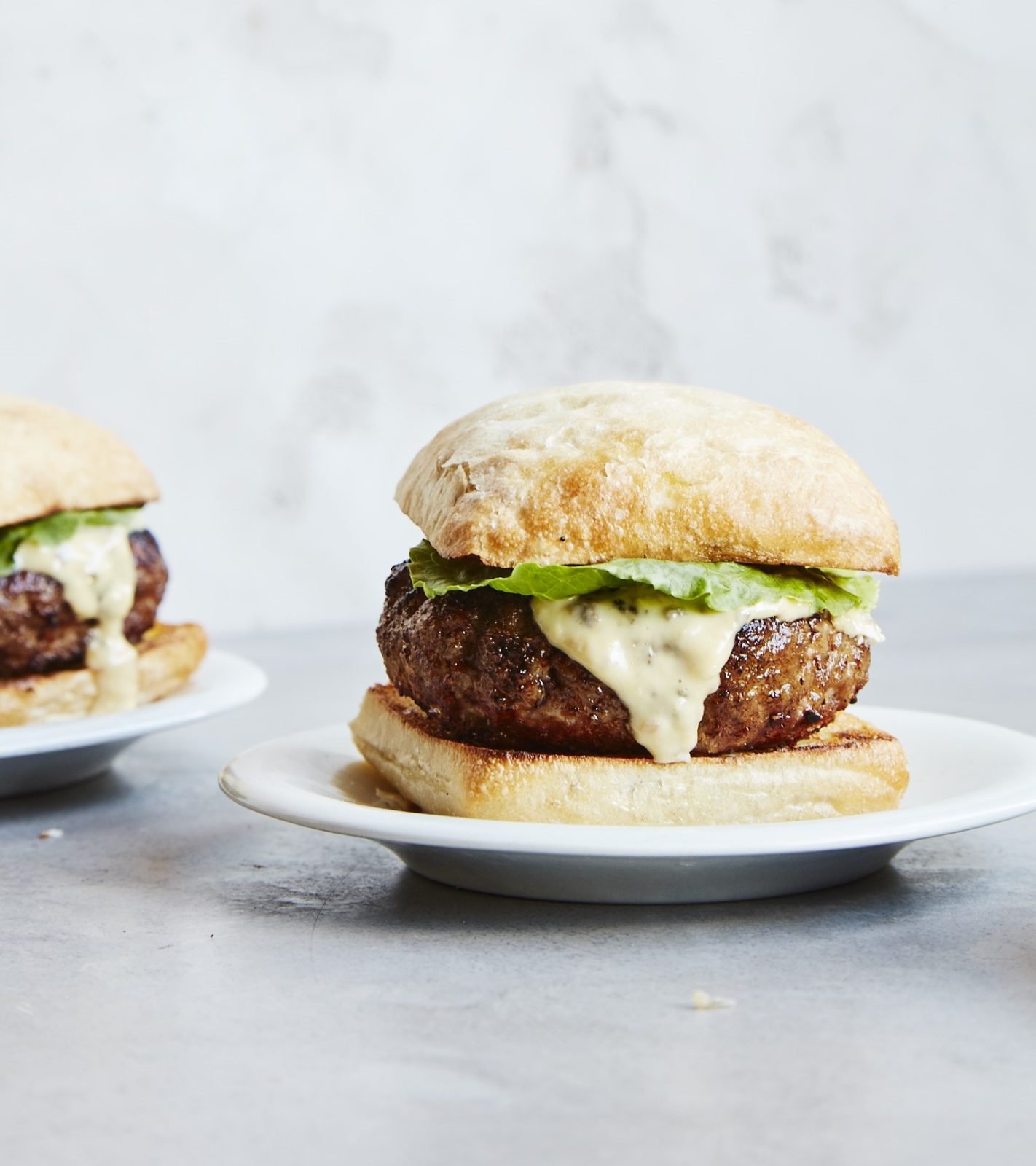
Caesar Salad Poultry Burgers

To avoid the biggest challenge of chicken or turkey burgers—dryness—you need to compensate for the leanness of the meat. In this case, I incorporate a shortcut Caesar dressing that is also used for serving. Some tips: Be sure to chill the burgers until they’re firm before grilling. If the outside browns too much before the inside cooks through, move them to a cooler side of the grill to finish. And finally, make sure to coat the grate well with oil before putting the burgers on.

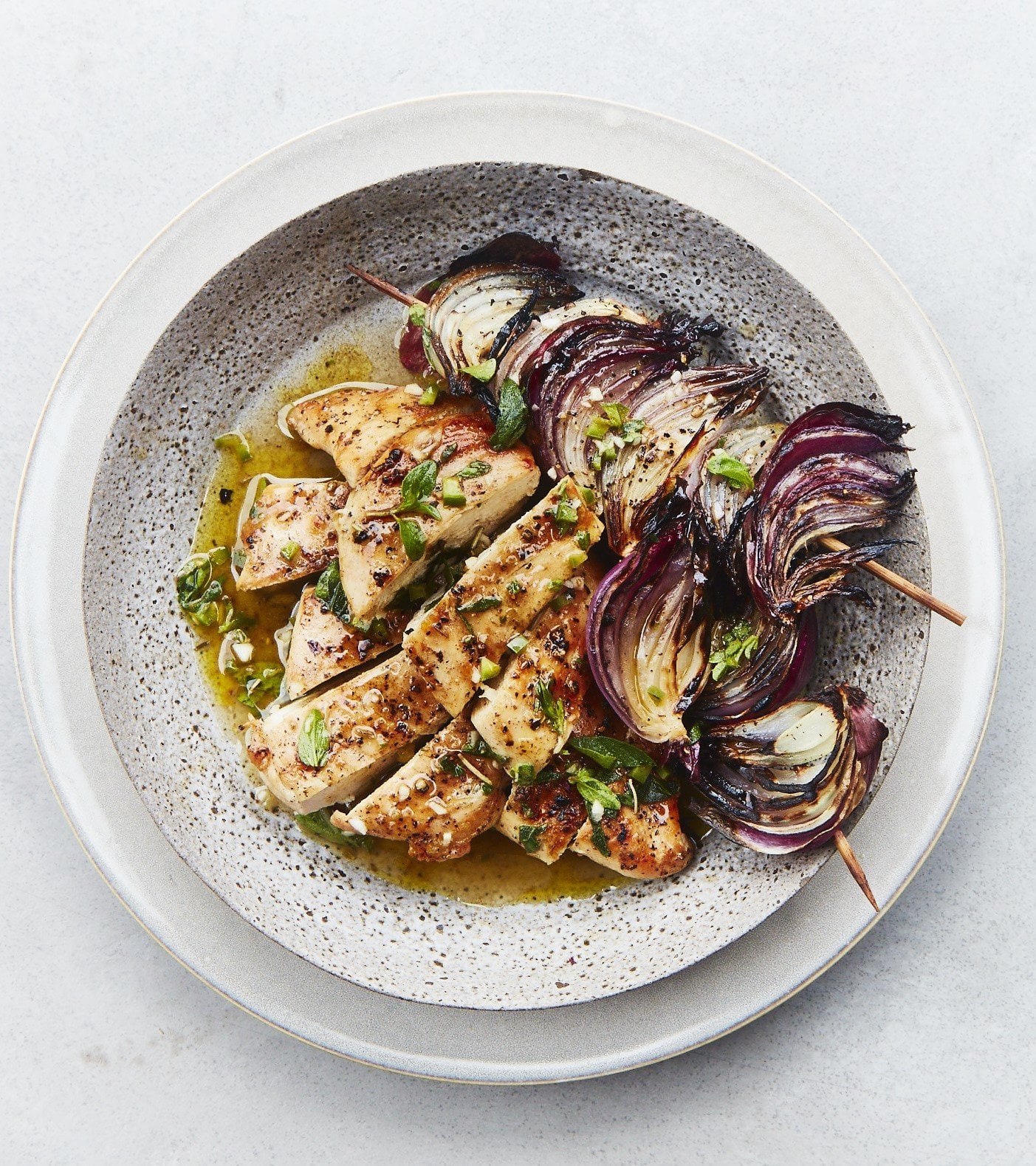
Boneless Chicken Breasts and Red Onion en Escabeche

A dish served en escabeche is usually poached or fried fish or chicken that cools in a spiced—sometimes chile-fueled—vinegar-based marinade. In this interpretation, the chicken is grilled with red onion before being topped with a Mexican-style vinaigrette. You can also try it with thick or thin turkey cutlets, salmon, tuna, or swordfish. Turn it into a main- course salad by serving it over baby spinach and adding sliced peaches, mango, or grapes.

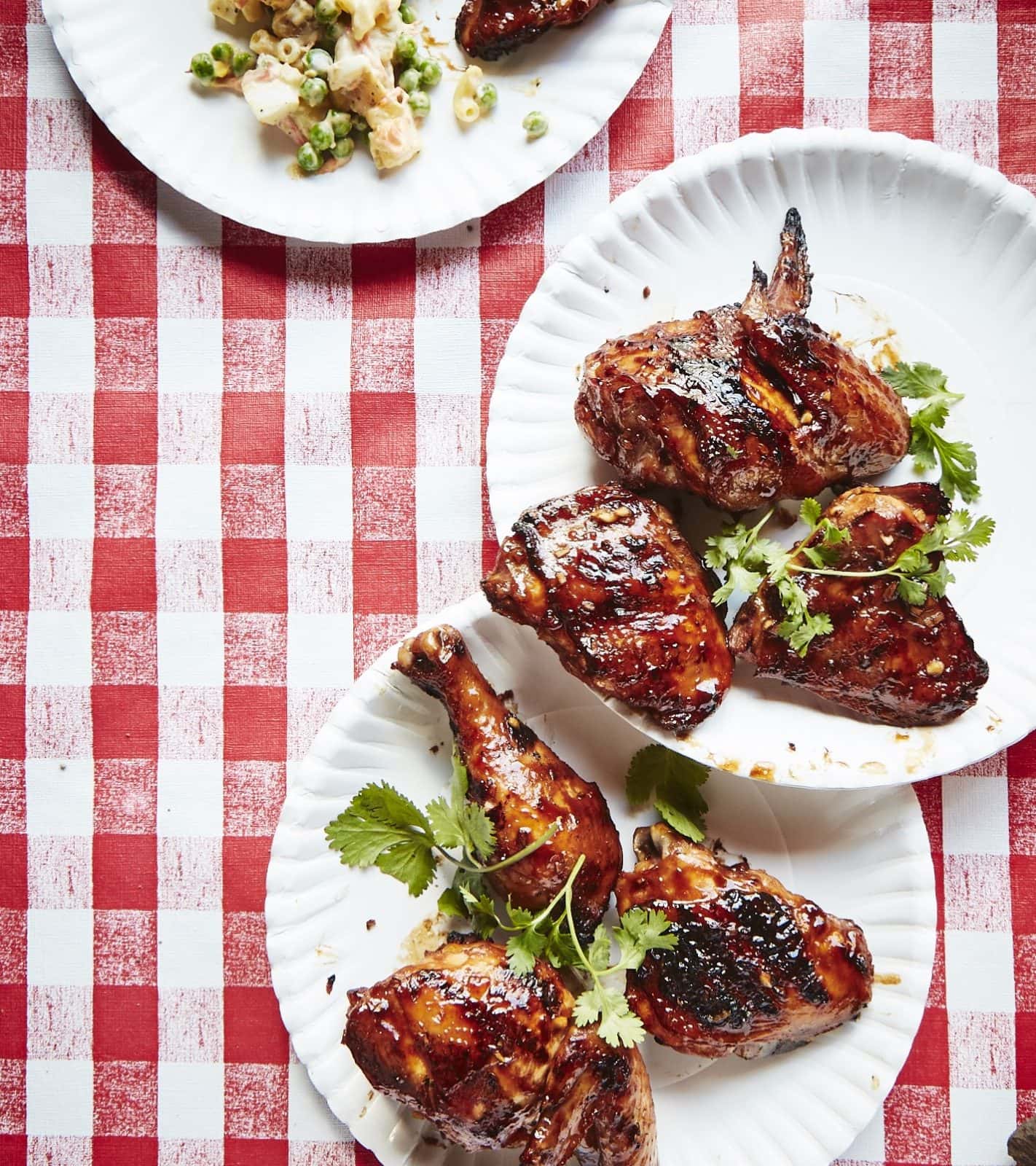
Huli Huli Chicken

The inspiration for huli huli chicken is the somewhat tamer teriyaki; I’ve been making this popular Hawaiian marinade different ways for decades (and so have others!). All versions share the umami of soy sauce offset by sweetness from some combination of sugar, ketchup, pineapple, and maybe some honey. In Hawaiian, huli means “to turn”—that should remind you to check on the chicken occasionally as it cooks to make sure it’s not scorching. The main recipe and the variations are fantastic with pork—try it with ribs, chops, tenderloin, or belly. And all meats huli huli style are good candidates for grilling on the warming rack; if you have one.

Pulled Pork with Lexington-­Style BBQ Sauce

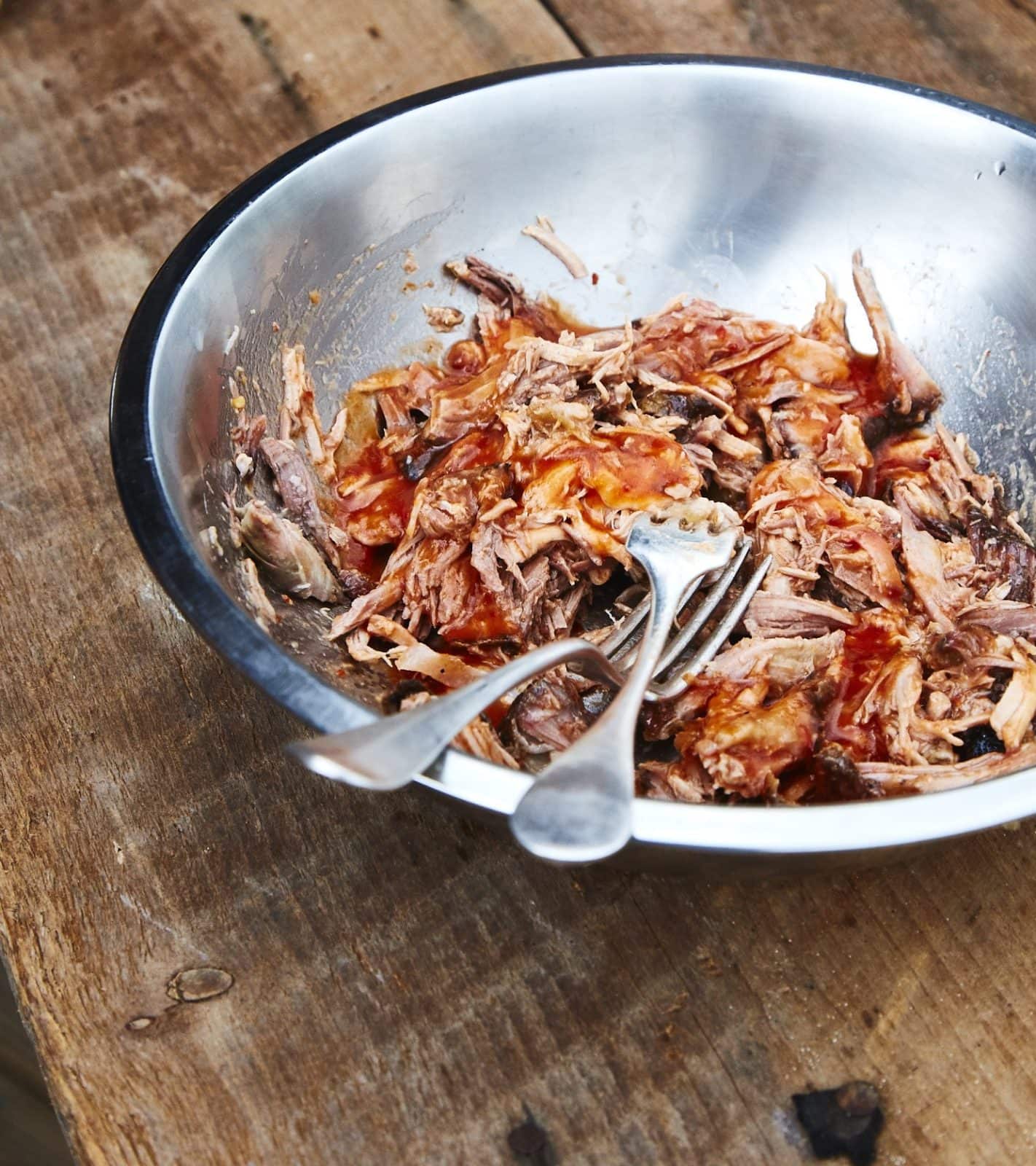
It’s true what they say: To get pork so tender you can tease it apart with a fork, you’ve got to go slow-and-low. Start with a piece from the shoulder, hard-working muscles laced with lots of fat and collagen-the same protein that gives us gelatin. When the meat is 170°F, all that stuff melts, leaving behind meat that comes apart at the seams. I like an hour of smoke; don’t go beyond two hours or you’ll mask the taste of the pork. If you’re cooking with a charcoal grill, have an extra bag of coals on hand. This is not the time to run out of fuel. The matter of seasoning is serious business in states that pride themselves on barbecue. The main techniques are rubs (a mix of dry ingredients massaged into the meat before smoking), mops (usually flavorful vinegar- or juice­based sauces used to baste the meat as it cooks), and sauces (which may be brushed on during or after smoking and are served as a condiment). The “proper” method and sauce can vary from state to region to cook. To make the pork ahead, cook it the day before you want to serve it, pull the meat, toss it with the sauce, and then cover and refrigerate. The next day, reheat it gently, covered with foil, in a 300°F oven just until hot. Or just make the sauce up to a couple of days ahead; refrigerate in a covered jar. The classic way to eat pulled pork is on a hamburger bun (don’t bother toasting it), topped with coleslaw-­what type is a whole ’nuther story but there’s a great option here.

Poached Potato and Zucchini

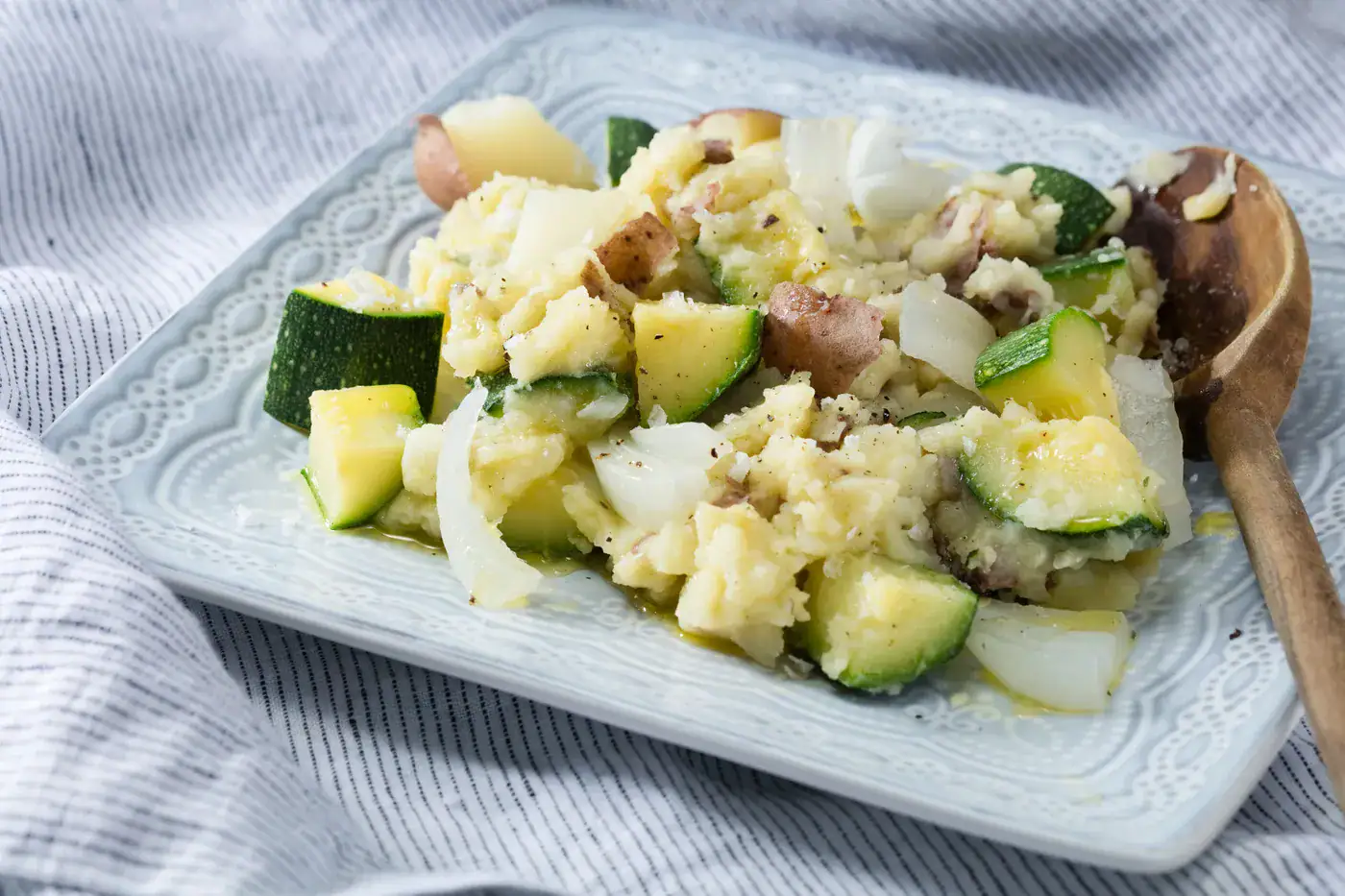
Start the potatoes in salted water, add zucchini—along with some onion for good measure—and, when everything’s tender, mash it just a bit and serve it with your best olive oil and salt.

Piri-Piri Chicken

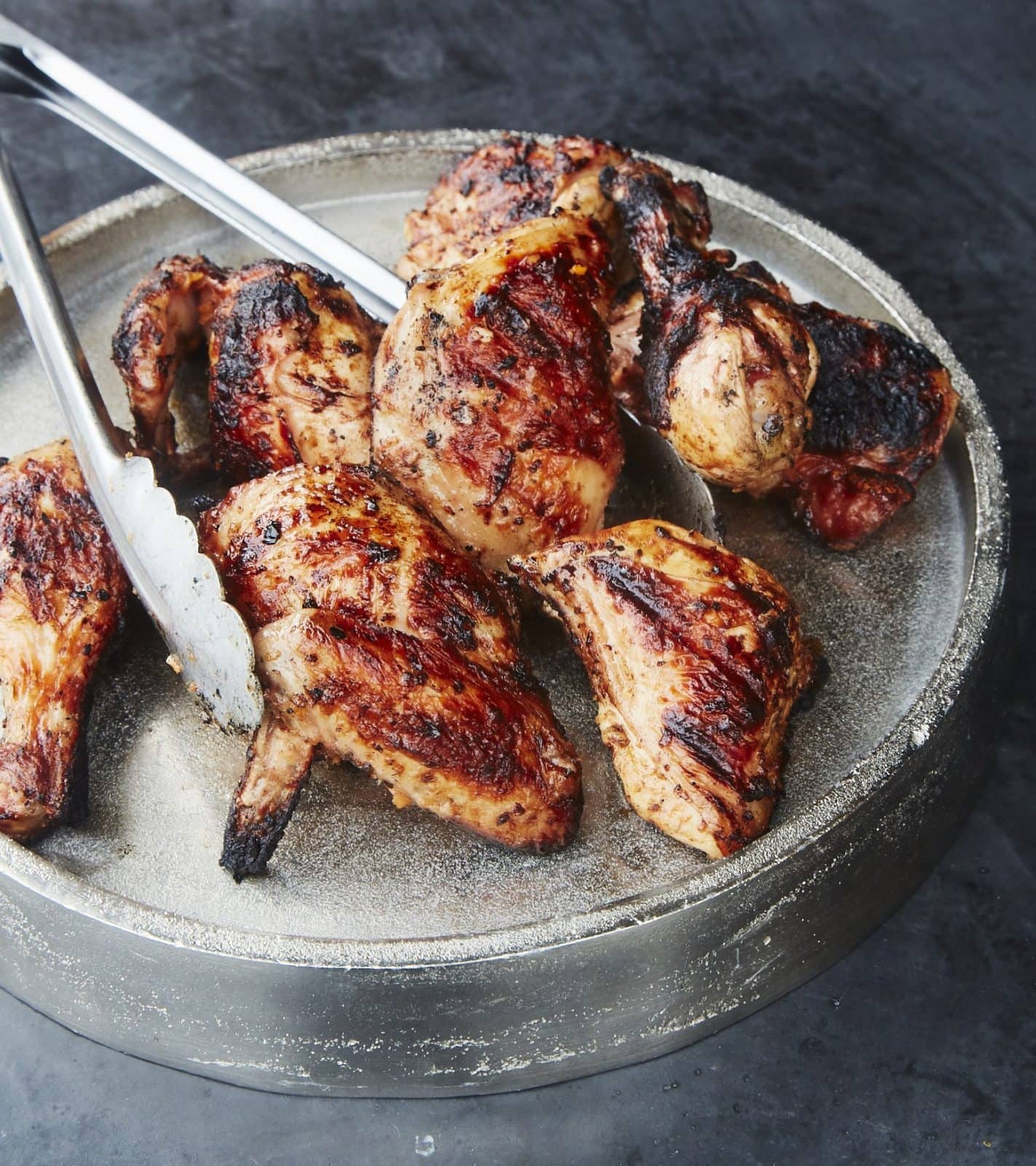
Piri-piri is both a fiery chile and the African hot sauce named for it, which is commonly used as a table condiment, ingredient—or marinade, as in this recipe. Heat isn’t the only attraction; the sauce is loaded with garlic and lemon juice. Since piri-piri chiles can be tough to get your hands on, make the marinade with the hottest red chiles you can find. Or dial down the heat by using a mix of mild and hot chiles—or even all mild, like poblano or New Mexico green chiles. (Removing the seeds and white ribs will also help tame the heat; wear rubber gloves, please.) I make this with a cut-up chicken, but you can use a spatchcocked chicken or any combo of chicken parts.

Caveman Turkey Legs

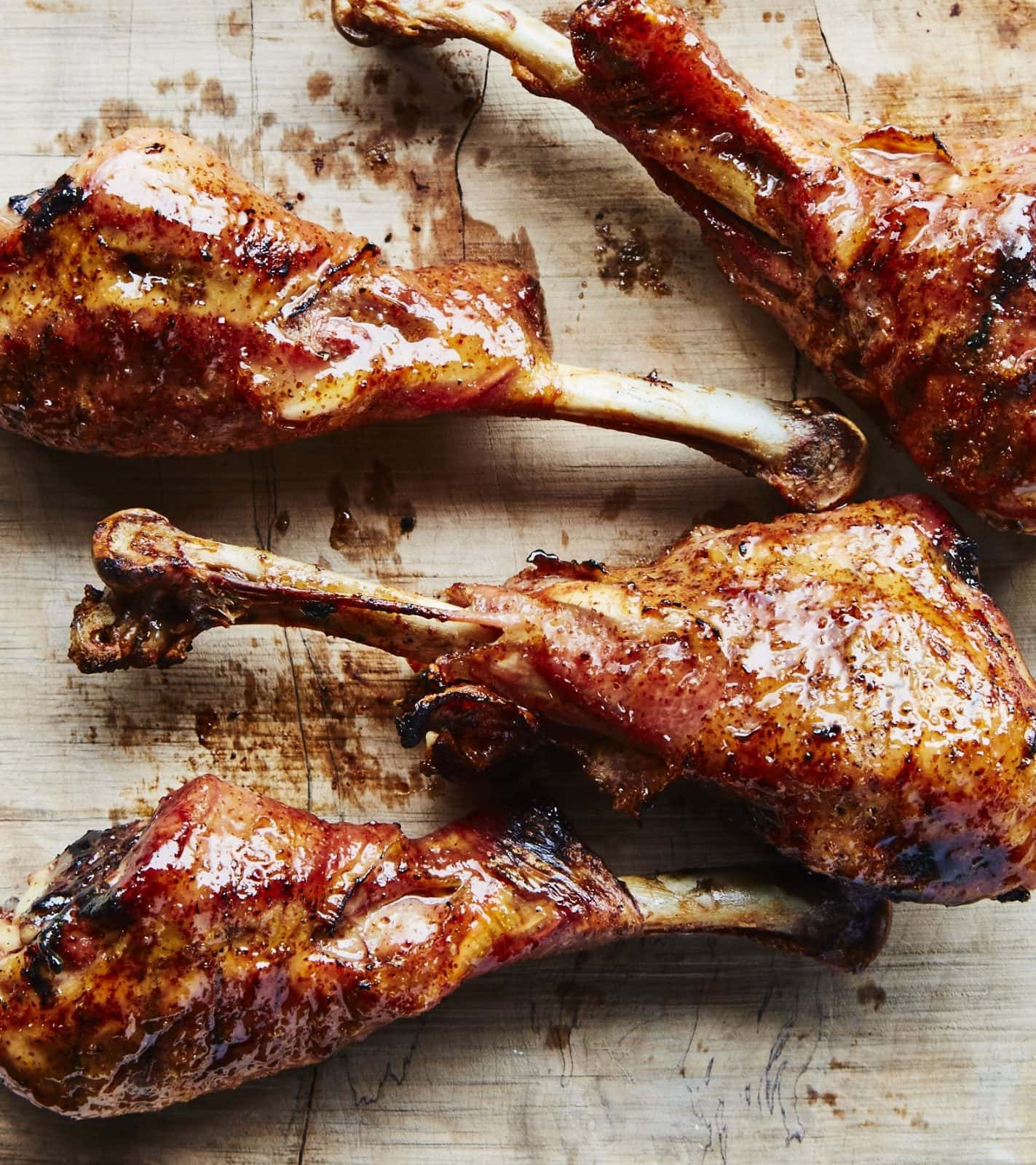
State fair food at its finest, and I get why: First is the smoky flavor and pleasant chewiness of the darkest, richest part of the bird; it’s also fun to indulge in your primal appetites and gnaw on a super-sized drumstick. Wonderful hot of the grill, at room temperature, or even cold, these turkey legs are a perfect choice for potlucks and picnics.

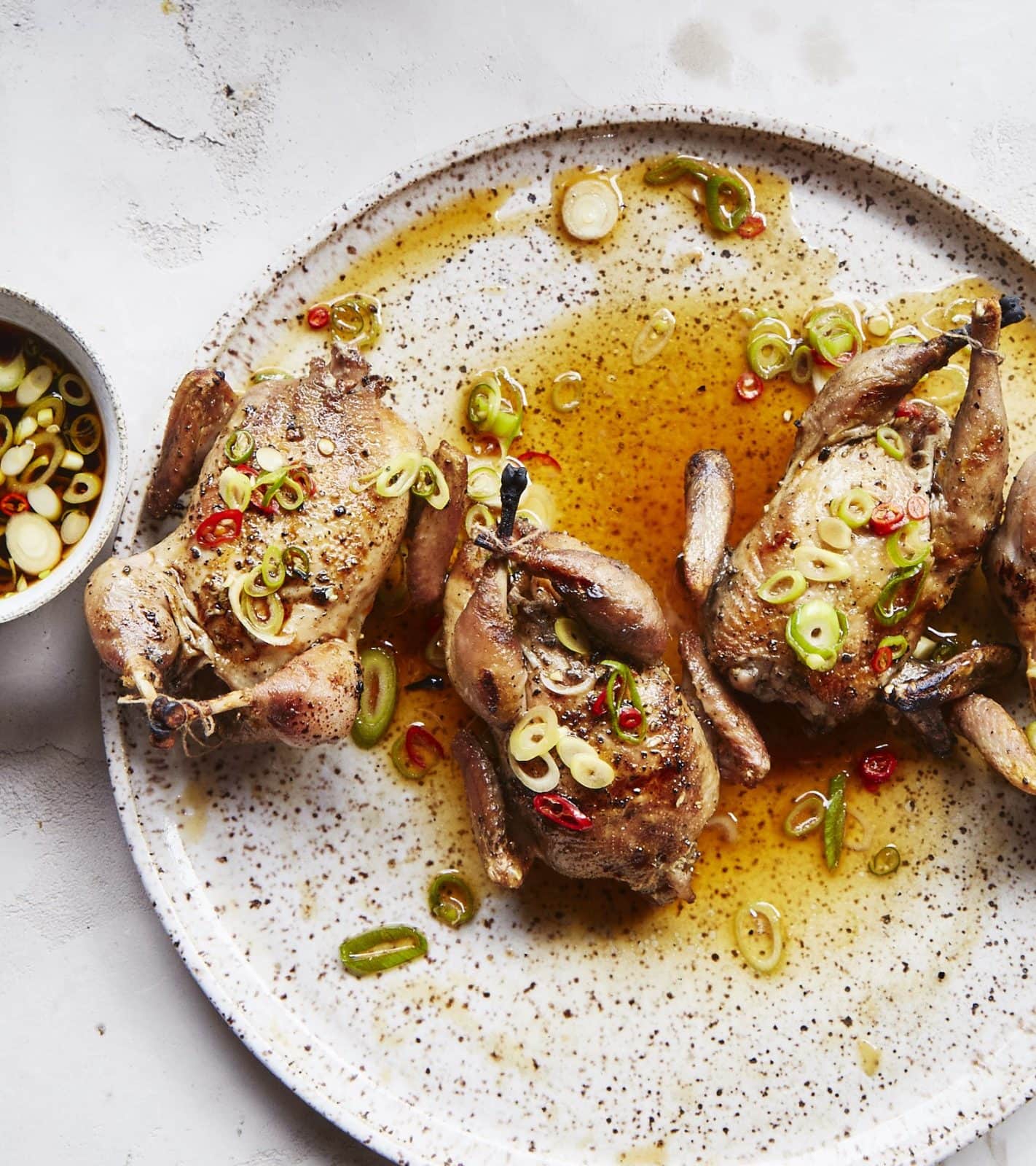
Quail with Finadene Dipping Sauce

Farm-raised quail are delicious little birds, only about 4 ounces each, but every bit of the meat is packed with flavor. They are sold whole and semiboneless; an additional benefit of buying semiboneless is that they are already spatchcocked. They’re always best opened up to lie flat, and cook fast directly over a hot fire. The dark meat of quail pairs wonderfully with finadene, a dipping sauce of soy sauce, vinegar, and what are called “boonie peppers” on Guam, where this salsa-like sauce originates. Thai bird chiles are a good substitute, or use something milder to fine- tune the intensity. Finadene also makes a tasty dipping sauce for fish, shrimp, scallops, and even chicken breasts.

The Reason for the Season

I love eating—and saying—salsa cruda, Italian for “raw sauce.” This fresh tomato sauce is unbeatable, and crazy easy to make. You can also serve it alongside fried or grilled fish (or potato chips, god help me), on top of polenta, or anywhere you’d use a fresh salsa or relish (enter tacos, nachos, bruschetta…)

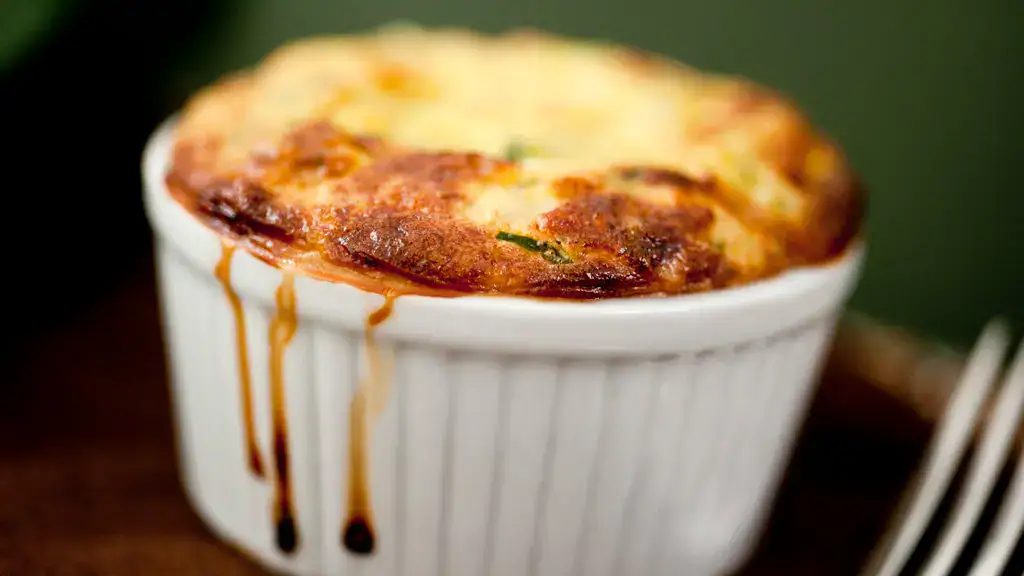
Zucchini Soufflé

To keep the soufflé as light as possible, the zucchini is grated (the food processor makes short work of this), and then cooked with onion and garlic until it’s really soft, almost melting. (If there’s liquid in the pan when you’re done, drain it to further lighten the mixture.)

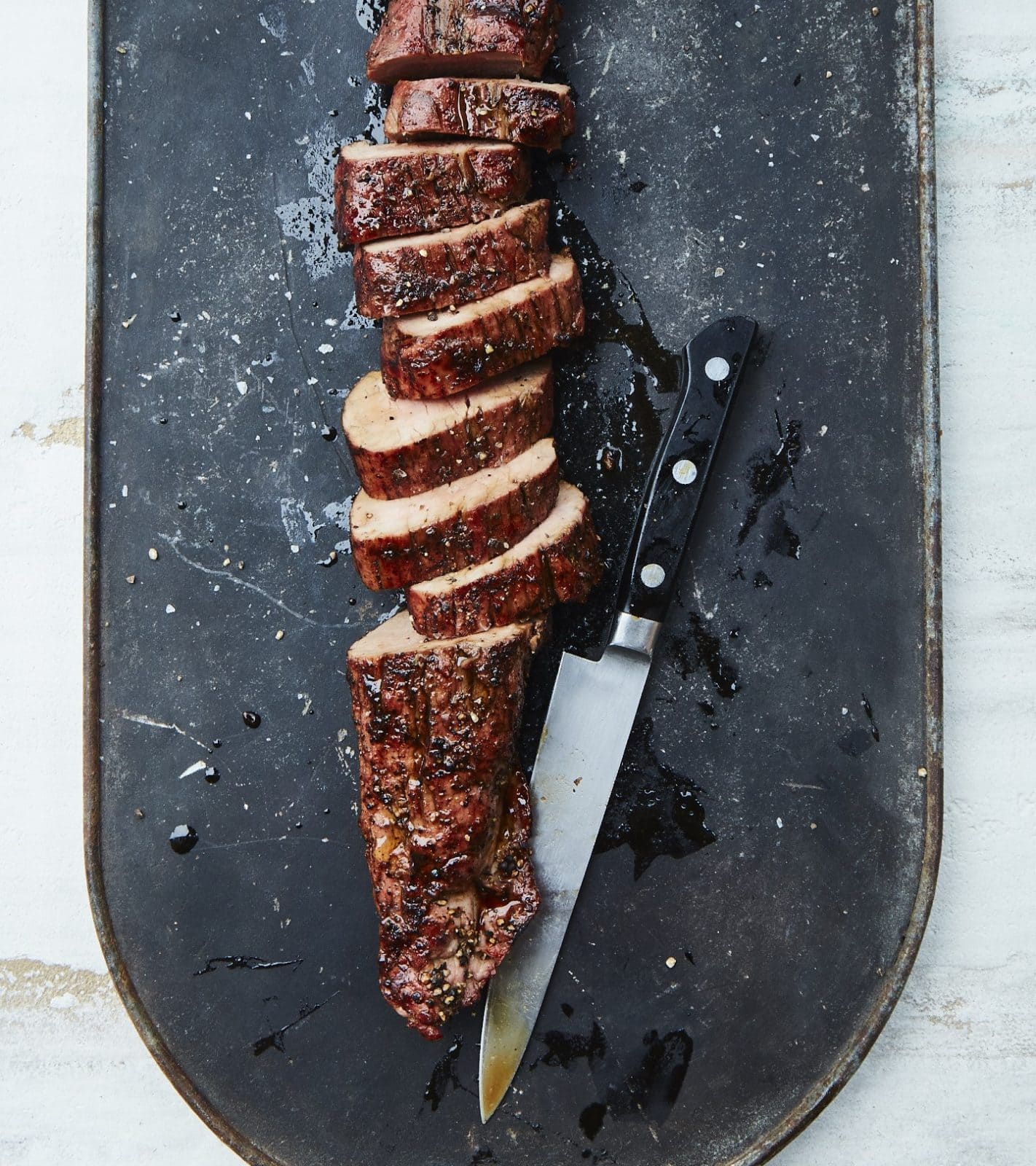
Pomegranate-­Honey Pork Tenderloin

Pork tenderloin is lower in fat than any other cut of pork, and is not the most flavorful, so an assertive glaze can work wonders. The cooking time is extremely short—and the leftovers make fantastic sandwiches. This glaze works for any cut of pork, and is also nice with lamb, chicken, and salmon. If you can’t find pomegranate molasses, simmer 1 cup unsweetened pomegranate juice until it becomes syrupy and use a tablespoon or two of that instead

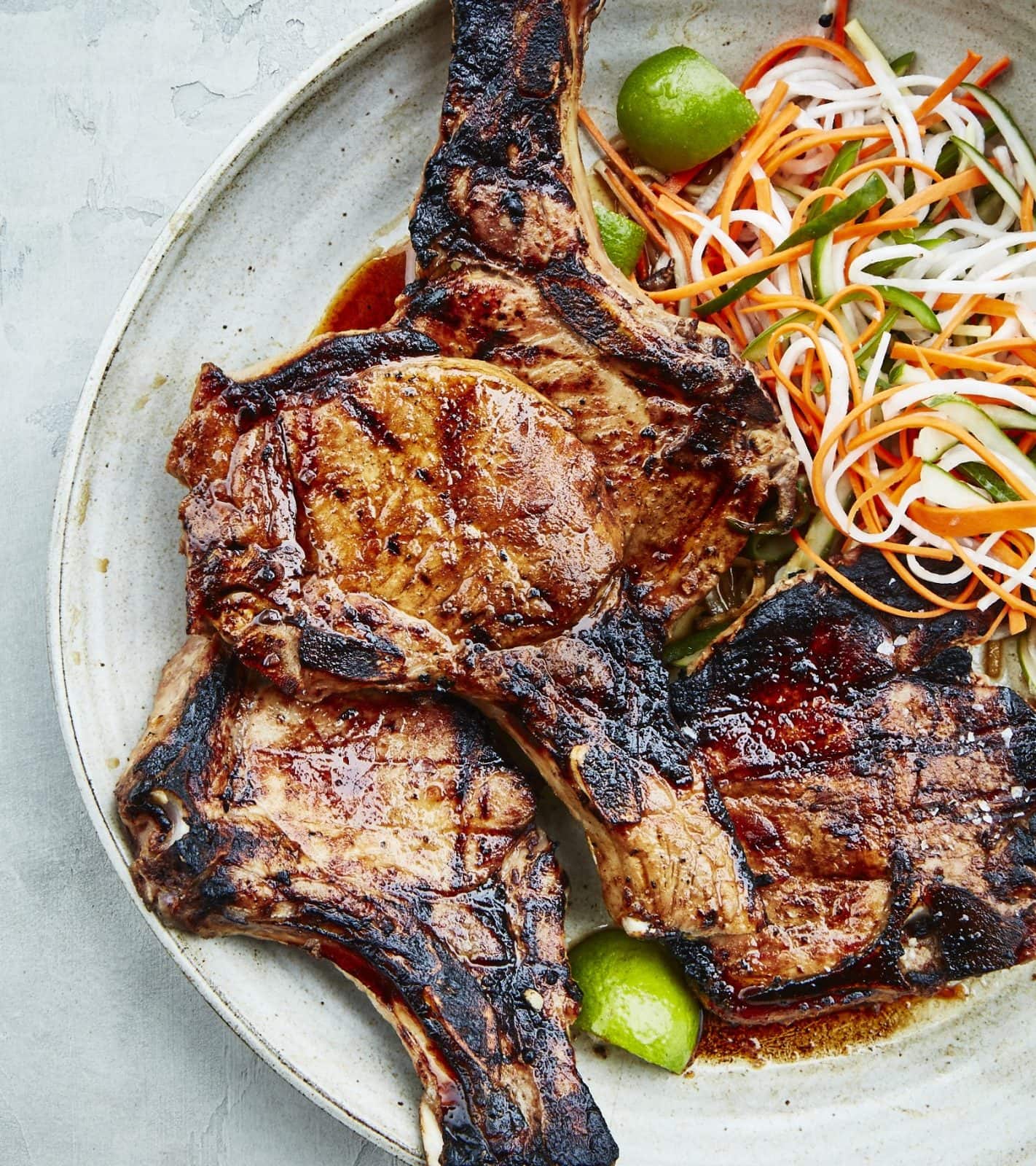
Thin-­Cut Coconut Pork Chops with Pickled Vegetables

In Cambodia, ­there’s a popu­lar breakfast dish called bai sach chrouk, traditionally prepared over charcoal fires by roadside vendors. It’s served with rice and a bird’s nest of pickled shredded vegetables, and stands at the intersection of sweet, sour, savory, and spicy. This takes you ­there, any time of day. You can use this ­recipe with pork sirloin steaks, too. I also like to use this marinade for pork kebabs and boneless chicken. And chopped leftover pickles are delicious on burgers or stirred into tuna salad.

Pane Cotto

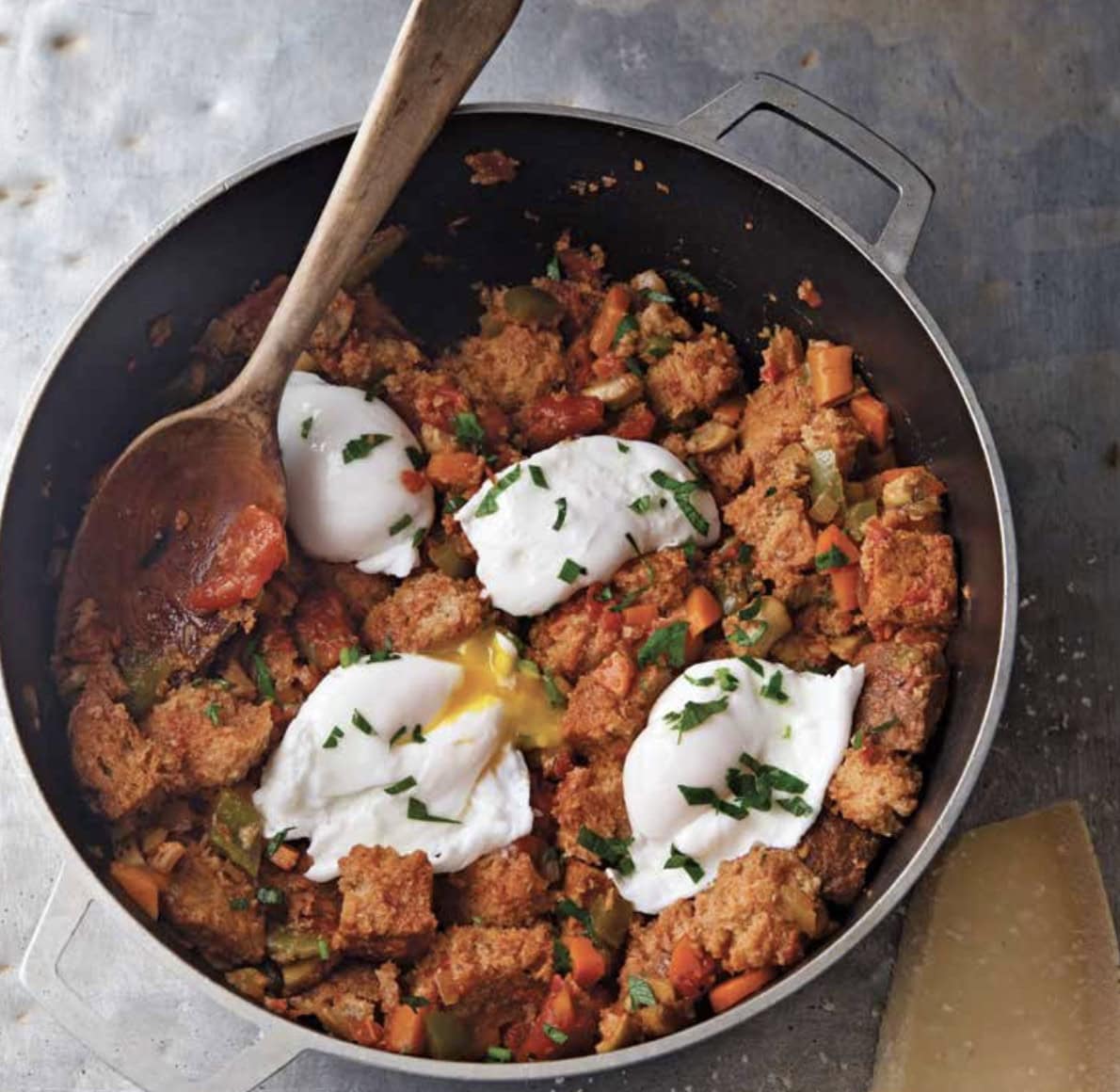
I love the strangely pleasant texture of bread after it sits in flavorful liquid. “Cooked bread” (literally) and its cousins panzanella and papa pomodoro are part of a family of classic Italian recipes that work this simple magic. Use pane cotto as a base for poaching eggs, and it quickly becomes a one-dish meal. Add a salad, and you’re all set. To make this in the oven, or for a larger group, see the variations that follow.

Radishes with Avocado Dip

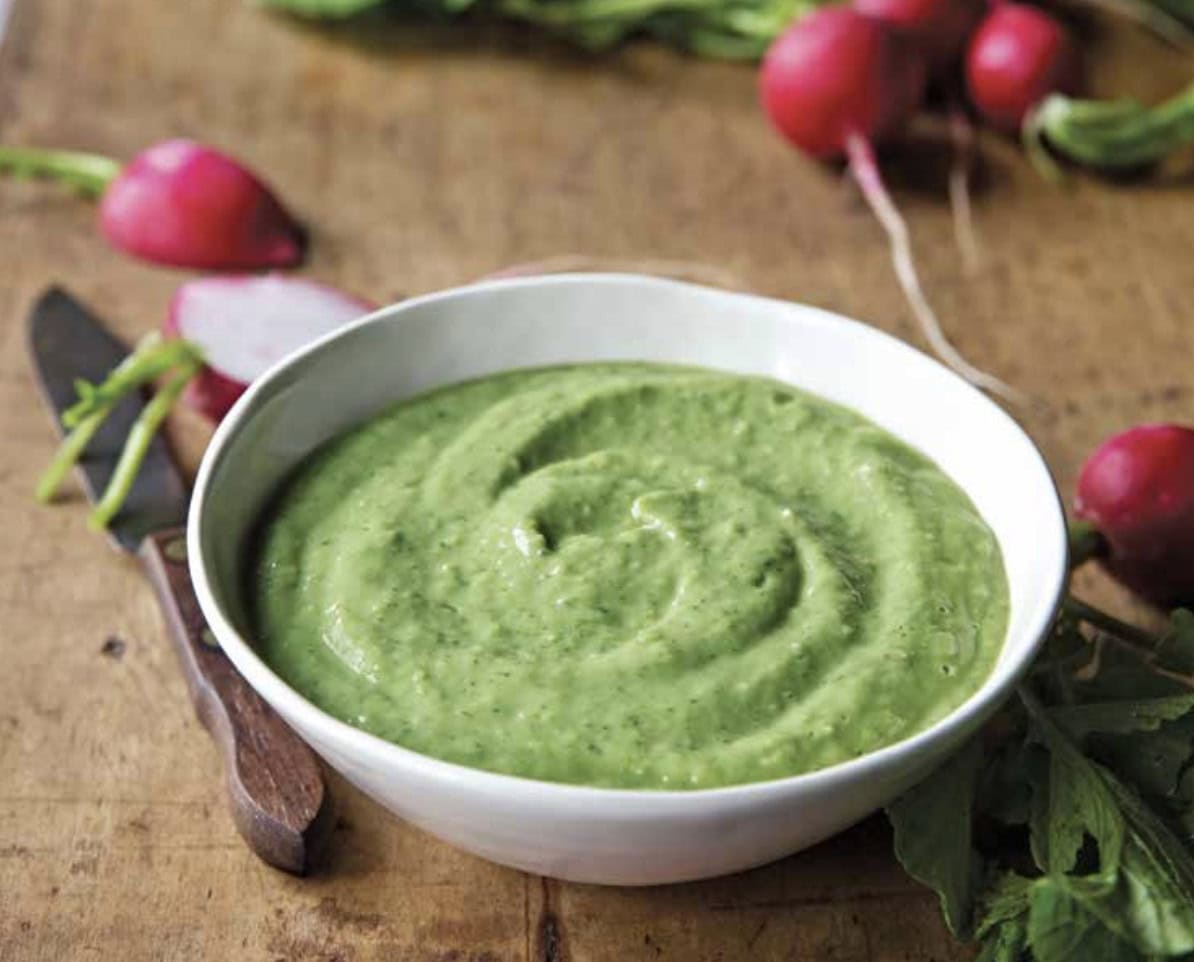
With its surprising mash-up of flavors and textures, this dip combines perfectly with the sharp bite of radishes to wake up your taste buds. Ditto anything intensely flavored, like sliced poblano chiles, roasted sweet potato, or salted tortilla chips. If you want something a bit more mellow, pair this dip with wide matchsticks of jícama or carrots.

Korean-­Style Short Ribs

To make ­these delectable short ribs, called kalbi or galbi in Korean, you take a cut of beef that’s usually braised, slice it thin, hit it with a power­ful marinade, then grill it fast over as hot a fire as you can summon. The results are spectacular. Fold the meat and some bonus seasonings into a lettuce leaf and ­you’ve got something incredible in your hands. A couple ingredients are worth highlighting. First is gochujang, a fermented Korean chili paste with a unique interplay of sweet, hot, and savory flavors. It’s now widely available in the United States, and worth finding. Perilla is an herb from the mint family with an anisey flavor; shiso is a close relative. If you can’t find perilla or shiso, substitute basil leaves, though it won’t quite be the same. The rib cut preferred for kalbi is flanken: Three or more meaty ribs, still attached to one another, are thinly sliced across the bone. You end up with thin slices that have little ovals of bone on one side. Depending on where you live, this cut may not be easy to find. Substitute boneless short ribs and fillet them into long, thin strips.

Balkan-­Style Beef Sausages with Kajmak

In the Balkans, ­these popular grilled finger-shaped sausages are called ćevapi, from the Persian word for “kebab.” Made from minced meat, they’re the Eastern European evolution of the skewered meat tradition and have subregional variations. They’re usually served with flatbread, a refreshing, creamy spread known as kajmak, and ajvar, a delicious purée of grill-roasted red peppers and eggplant. I’ve simplified this so you can assemble all the components easily: Grilling the sausages right on the grate saves putting them on and off skewers. (Use flat metal skewers if you decide to be more authentic; spinning sausages on round ones will drive you nuts.) The sauce is a shortcut. If you ­don’t have time to make ajvar, it’s not the end of the world. But ­don’t skip the baking soda and lemon juice—important for a juicy sausage. You can serve these with buttered bulgur or rice, or spend the time you saved making Naan or Lebanese Flatbread, spread them with kajmak and ajvar, top with the sliced ćevapi, and fold to eat.

Simply Seared Veal Chops

Excellent veal chops are an indulgence, so keep it simple with salt and pepper and savor the meat. A last-minute squeeze of lemon is a perfect foil to the flavor from the grill. If you aren’t prepared to eat veal chops medium-rare to medium, then you’re prob­ably better off trying this using bone-in center­cut pork chops, cooked ­until faintly pink in the middle ­—­the final internal temperature in the center when it hits your plate should be 145°F—or veal shoulder chops. Shoulder chops are thinner and chewier (and much less expensive than loin or rib chops) but still very tasty. They are quite large, up a pound, and one is enough for 2 ­people. They can be cut apart into two pieces—one boneless, one bone-­in—and only take 1 to 2 minutes per side on a hot grill.