The Editors

Filters

Sort by date

Content Type

Garden Poke

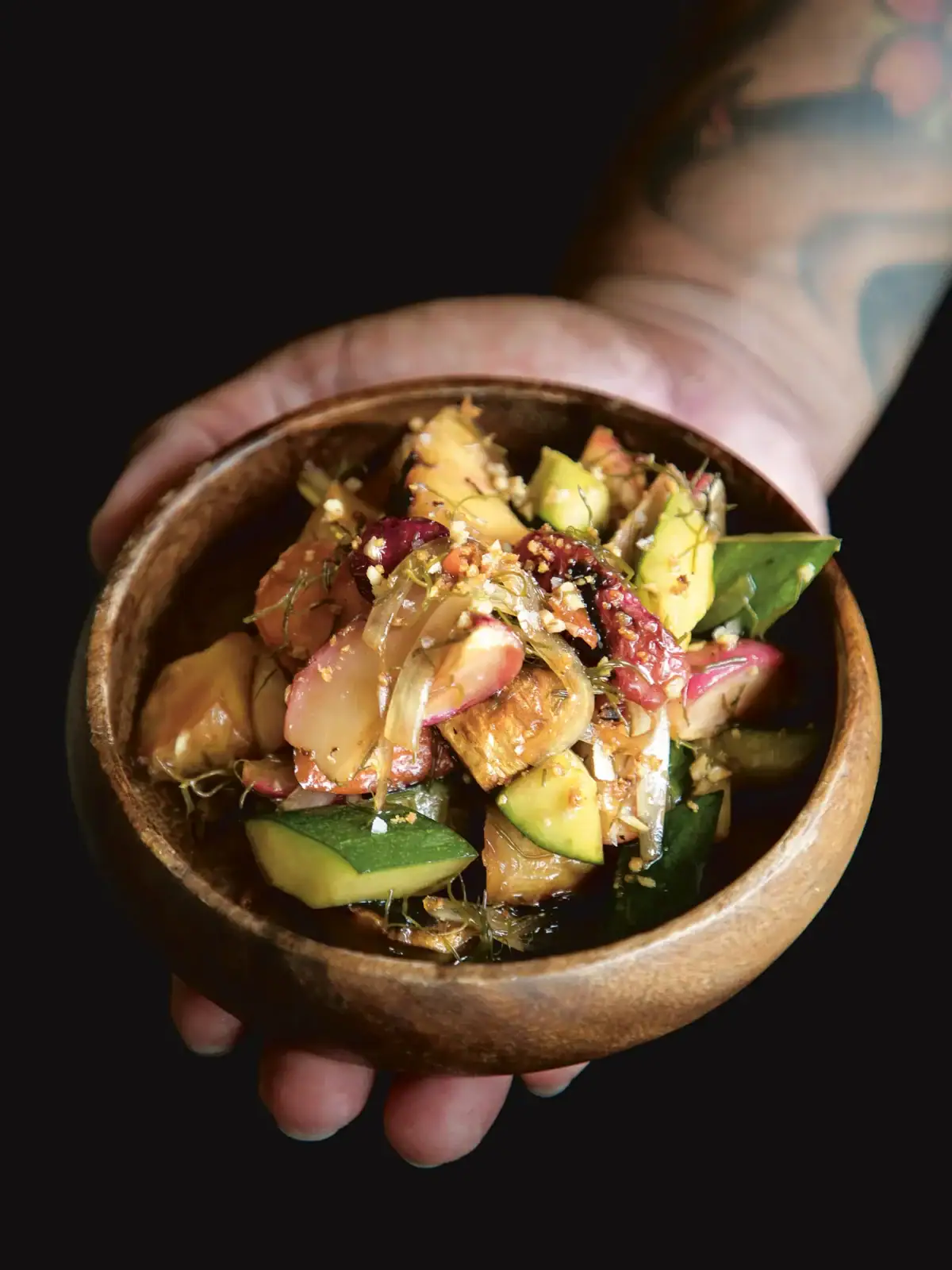
At Lineage, we had these cool rolling pupu carts that my dad welded together from scrap metal. The inspiration was that, like at our house, as soon as you sat down, you were already eating and drinking. I originally wanted to offer little bowls of poke off the carts, but apparently the health department frowns on raw fish circulating around an outdoor dining room in the tropics.

So, instead, we used all the wonderful produce we’d been getting from farmers on Maui and put it through the lens of traditional poke. The more we played around with the dish, the more we loved the idea of a poke that was completely vegan but also captured the spirit and soul of the original.

Any and all root vegetables work great for this dish. The key thing is to roast them long enough so they soften but don’t turn mushy; you’re roughly aiming for the texture of raw tuna, after all. Adding uncooked vegetables like shaved radish, onion, and cucumbers provides freshness and crunch. Snap peas would work well, too.

Here I like to use tamari instead of shoyu. It’s made only from roasted soybeans instead of a blend of soy and wheat, and it has a robust earthiness that goes well with roasted vegetables. – Sheldon Simeon
Sweet Soy Glaze

Use this in Sheldon Simeon’s Pan Sushi Dynamite—or in any other way you’d like.

Pan Sushi Dynamite

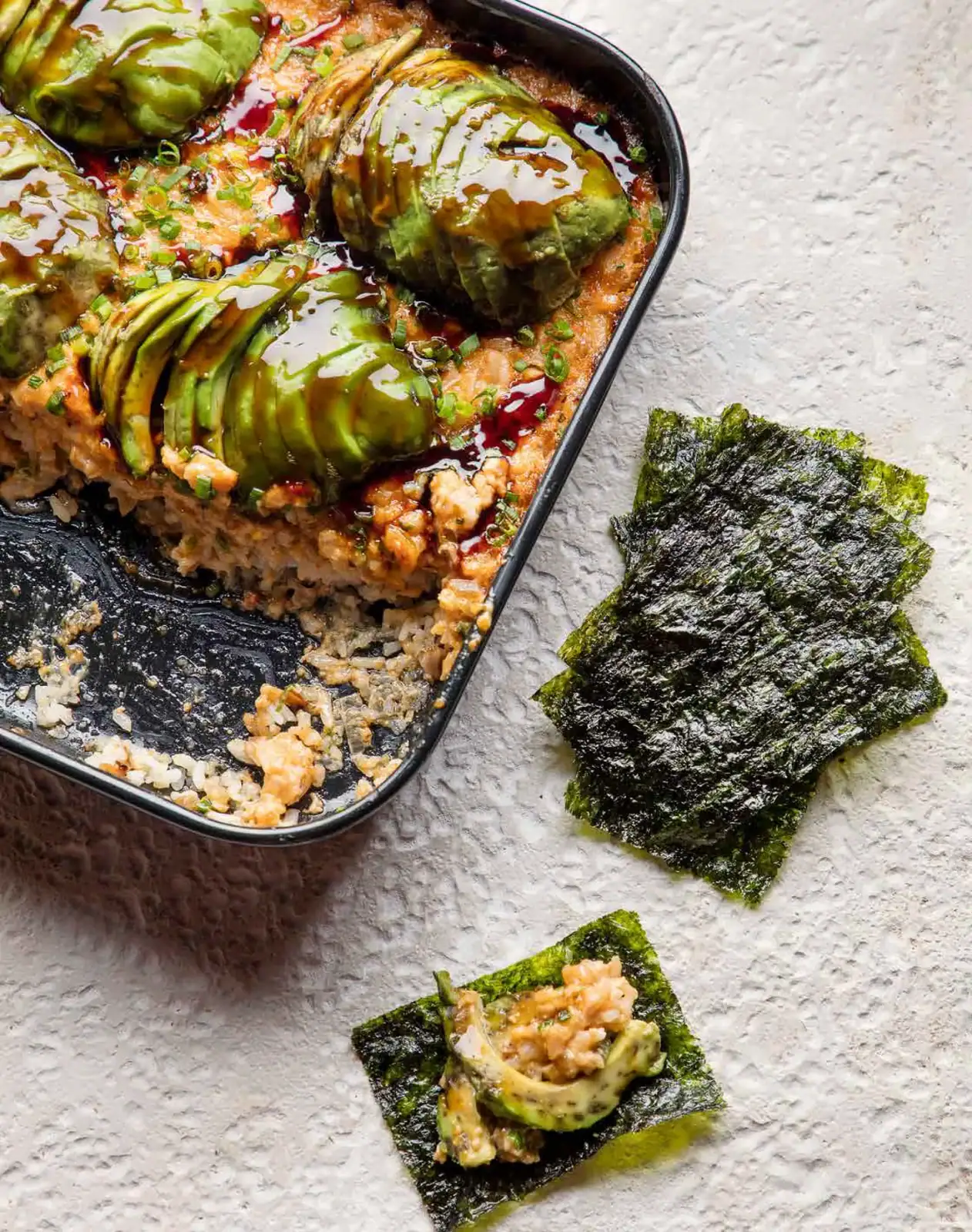
This easy-to-make potluck recipe is a sterling example of local ingenuity. Think of it as a sushi roll without the rolling, or in haole terms: sushi casserole.

The first time I remember having it was when my older brother, Jeremy, started dating Allison, who is now my sister-in-law. Allison’s family is Japanese, so at parties they’d sometimes bring a big pan of vinegar-seasoned sushi rice layered with salmon, avocado, mushrooms, and pickled vegetables. It immediately captured me.

The variations for pan sushi are endless. Some line the pan with sheets of nori. Some alternate layers of rice and fillings, lasagna-style. My method leans simpler: a single layer of rice spread with spicy salmon “dynamite” and topped with scallions, avocado, and a sweet soy glaze, an ode to the flavor-bomb rolls found at American-style sushi bars.

If you’re using canned salmon, broiling the dynamite mixture is optional, but I find it helps marry the ingredients in the sauce. As for the nori sheets, instead of layering them into the rice, I like to serve them on the side so they stay crisp. Scoop spoonfuls of pan sushi onto the dried seaweed and eat it like a hand roll or taco. – Sheldon Simeon

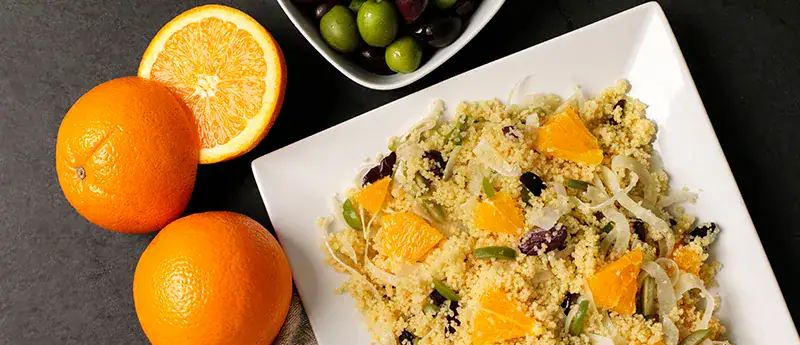
A Juicy Citrus Salad To Brighten Your Day

Today, we have a citrus recipe for the season, in particular, for those of you…

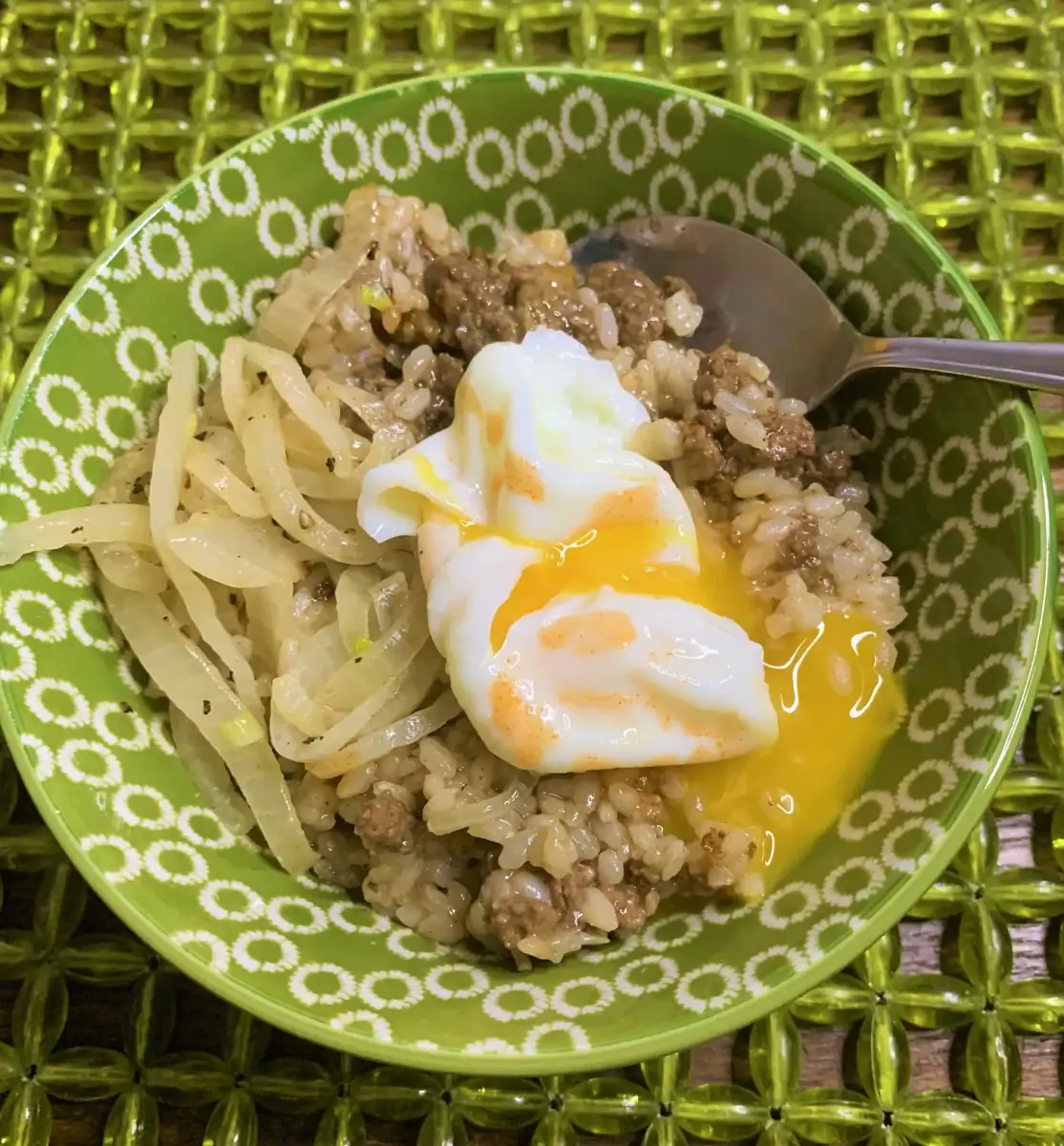
Loco Moco Gravy Rice

Perspective is a funny thing. During my time on Top Chef, and later when I was fortunate enough to travel around the country, I found myself having to explain foods I’d been eating my whole life—saimin, smoke meat, manapua, etc.—to mainlanders who had no idea what I was talking about.

Of course, as a born-and-bred local boy, this was a two-way street. For me, ceviche was poke with lime juice. Everything bagels were covered in haole furikake. And the first time I ate risotto, part of me thought, Ho, brah, this is gravy rice.

Gravy rice, which is what it sounds like, plays a crucial role in loco moco, the famous hamburger-topped dish that was proudly invented in Hilo. If you were a restaurant in Hilo that didn’t have loco moco on the menu, people were suspicious. It’s everywhere. Most people assume the hamburger patty is the most important part of loco moco, but just like a flavorful broth is key to a proper risotto, a good rich brown gravy is what makes the dish sing.

As if to prove this specific point, I made this dish, with all the oniony beefy flavor of classic loco moco but presented like risotto, at a pop-up I did with my friend chef John Tesar in Dallas. And I didn’t have to explain a thing because if there’re folks who deeply understand beef and gravy, it’s Texans. Maybe I should have taken it one step further and called it “Hilo Boy Risotto.” – Sheldon Simeon

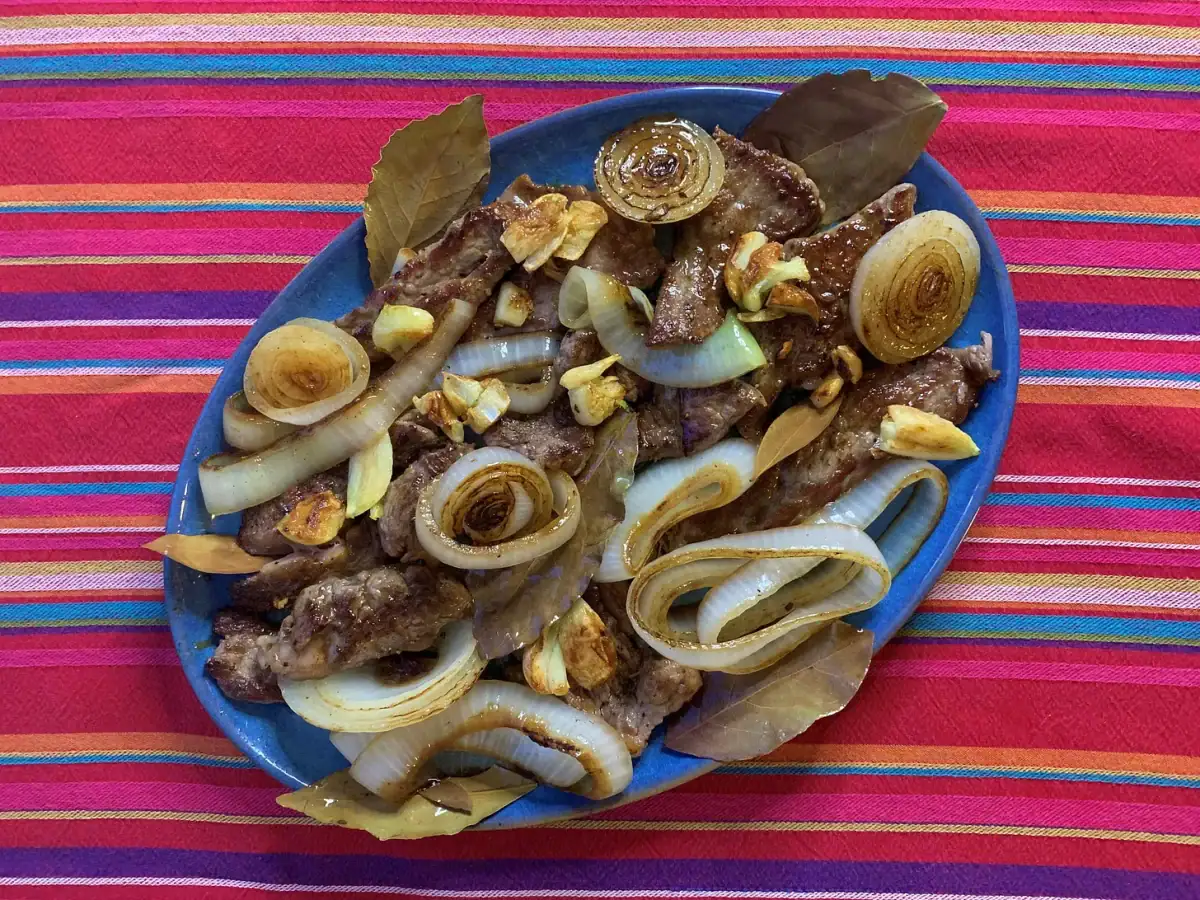
Bistek: Seared Rib Eye with Lemon and Onions

In the 1970s, the chef Nora Daza opened the restaurant Aux Iles Philippines in Paris, in the Latin Quarter on the Left Bank, and the luminaries descended. Brigitte Bardot came for the lumpia (page 107); Simone de Beauvoir put in an appearance, and reportedly so did a Bourbon prince. Among the specialties was tenderloin anointed with soy sauce and calamansi (an indigenous citrus with a bit of the sweetness of an orange but tart as a lime), touted on the menu as Steak Philippin.

This was bistek, and it was one of my Lola’s signature dishes, too. She’d take London broil, a cheaper cut of meat, and pound it into tenderness with a mallet. Then she’d cut onions into rounds 1/2-inch (12 mm) thick) and give them a quick sear before tossing a little water in the pan so it flared up and the onions got extra crisp. I like to use rib eye, which is a splurge but worth it, with the pillowy fat cap and lush marbling of the meat — enough fat to coat your lips—and the bright sting of citrus cutting through it. The dish has only a few ingredients so each one matters, especially good olive oil. (And use calamansi instead of lemon if you can find it.)

When the pan is hot, be ready to move quickly — the mini-steaks should barely kiss the skillet, just enough the meat keeps its blush at the center. – Angela Dimayuga

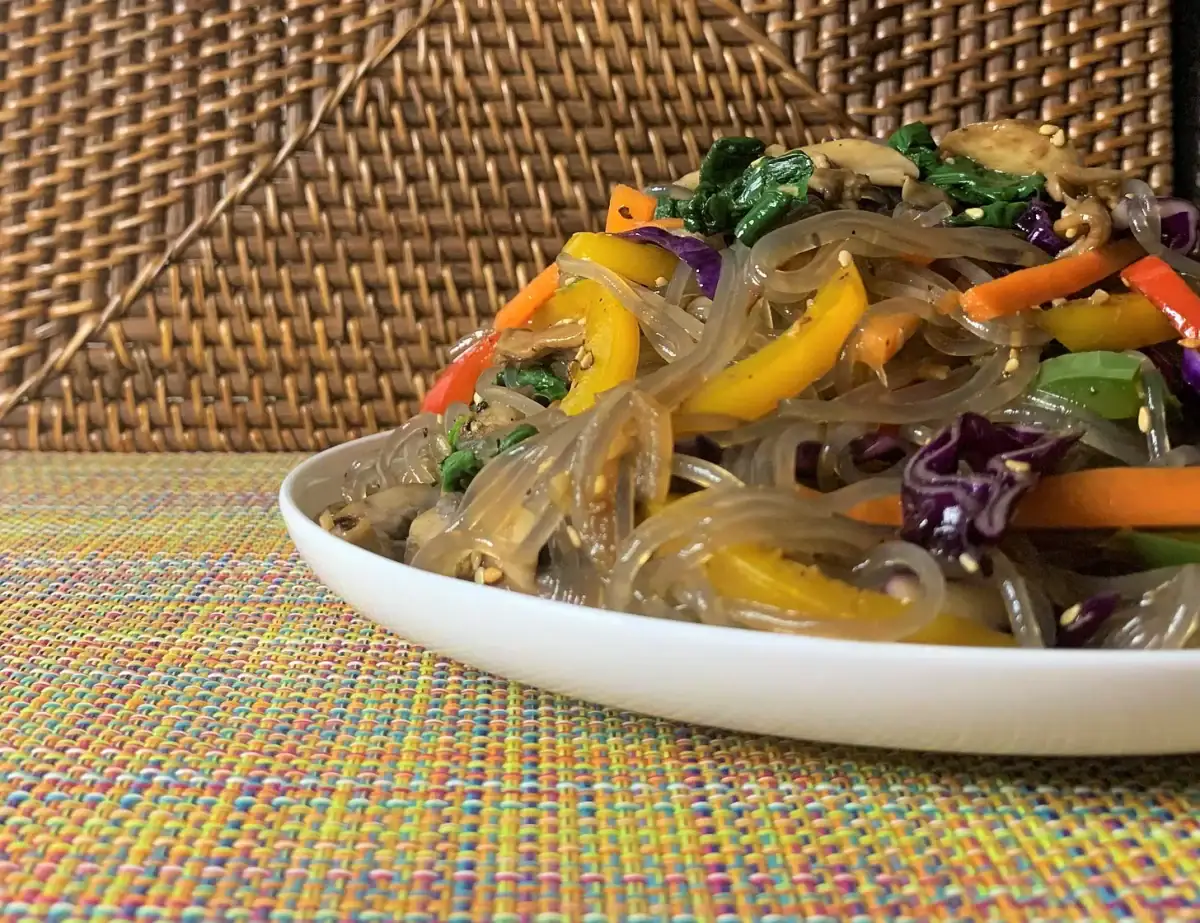
Japchae: Korean Glass Noodles

I am not ashamed to admit that I ask for this dish every single birthday, Thanksgiving, and Christmas. Why? Because it’s so darn delicious. It’s basically a Korean warm pasta salad, with naturally gluten-free pasta (sweet potato vermicelli) and a ton of vegetables. Because the vegetables have to be julienned and separately stir-fried, it can be time-consuming and labor-intensive, which is why I save my requests for only the most special of occasions. – Joanne Lee Molinaro

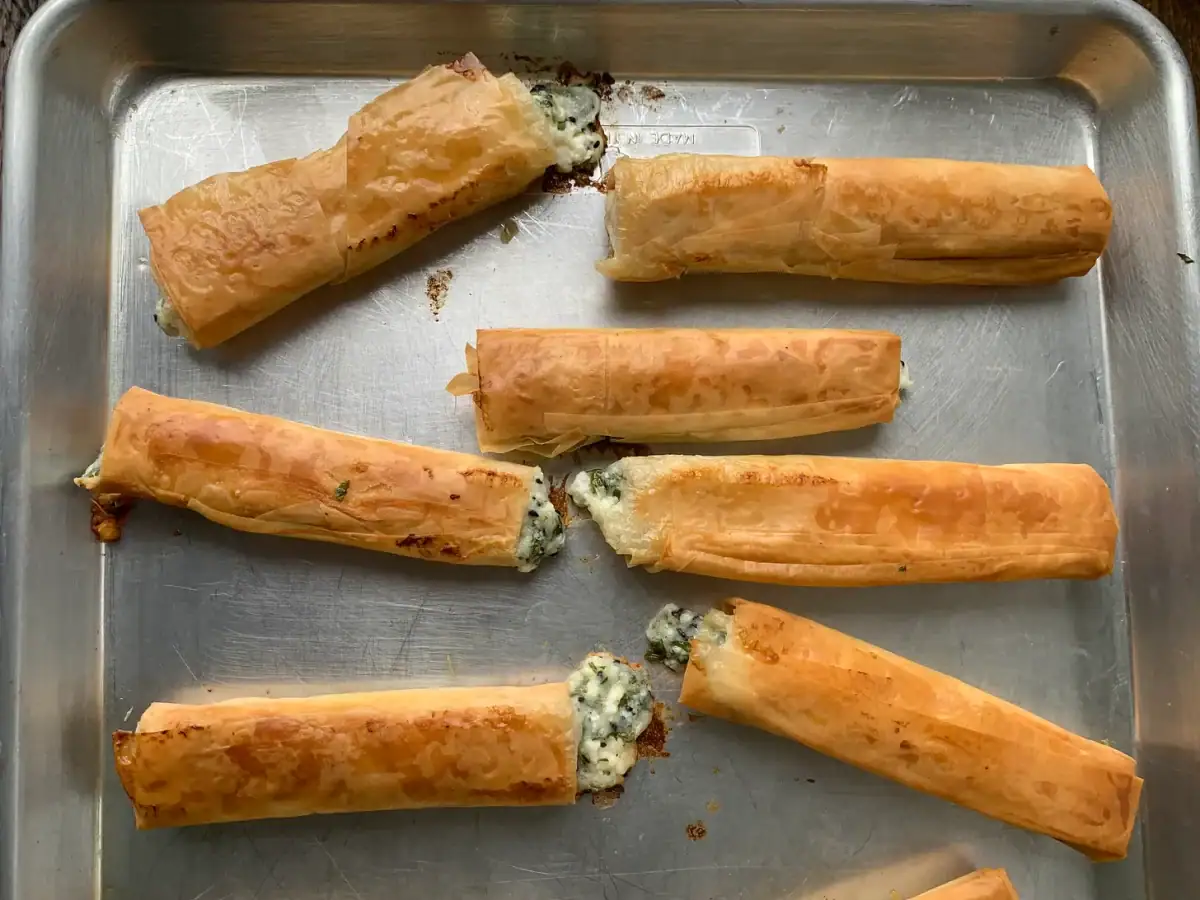
Sambusak: Filo Rolls with Cheese Filling

After a day of fasting during Ramadan, we eat soup with sambusak—crispy pastry rolls filled with either cheese or meat. As soon as you dip a roll into the soup, the cravings of the day melt away and are quickly forgotten.

Traditional sambusak dough is made by hand, filled with akawi cheese (a mild Middle Eastern white cheese), and deep-fried. My version is quicker, lighter, and made with ingredients that are more readily available outside of the Middle East. Even with these substitutions, the result is quite similar to the original. – Anas Atassi

Happy Holidays from The Bittman Project

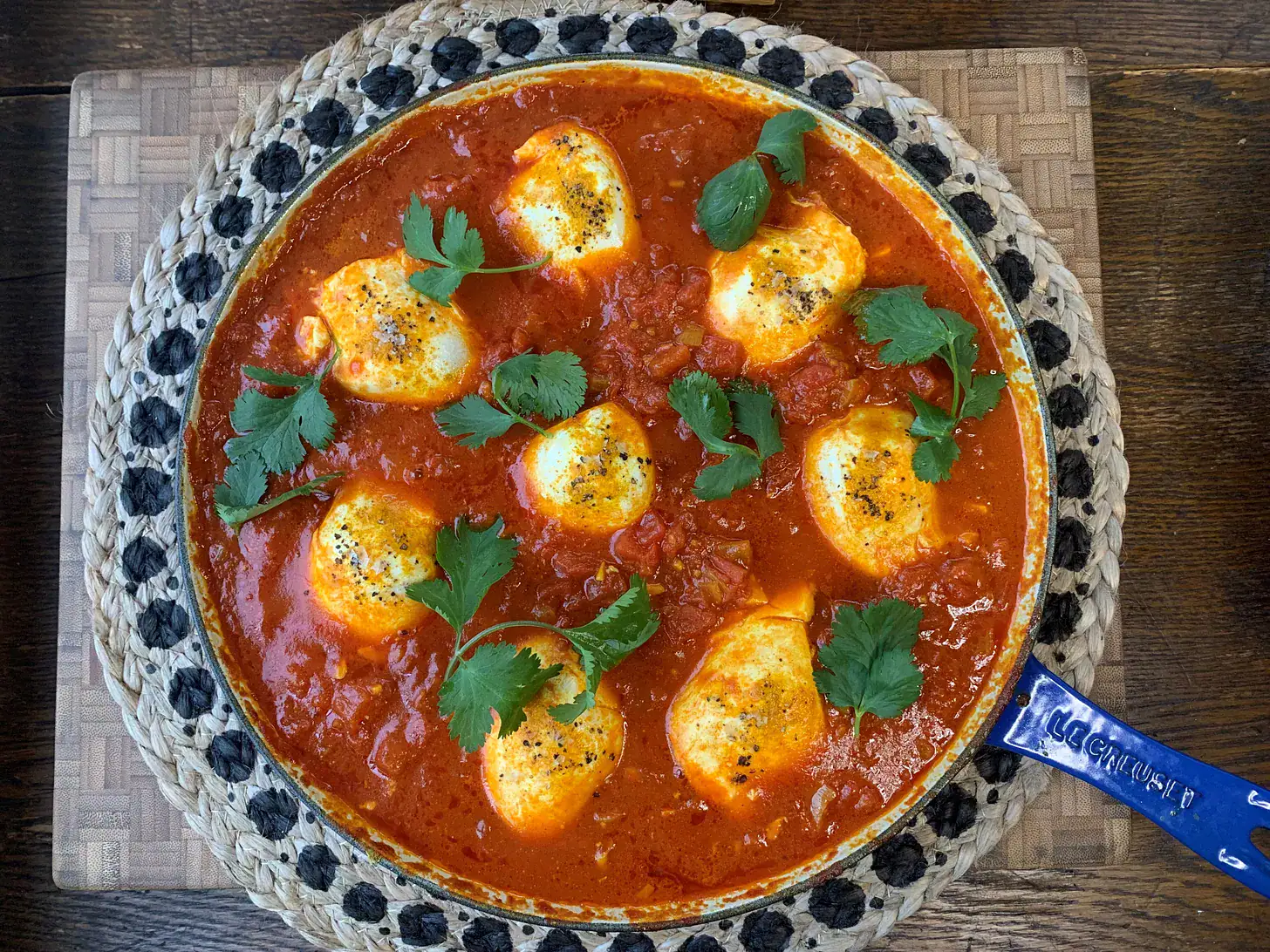
Tofu Poached in Curry Tomato Sauce

The North African and Middle Eastern versions of shakshuka — where eggs are poached in tomato sauce — is gorgeous, satisfying, and easy to prepare in advance. But plant-based it obviously is not. Enter this tofu translation. The sauce is seasoned with lots of ginger and curry powder so choose one as hot or sweet as you like. Other spice blend options are five-spice or everyday chili powder (in which case you might consider changing the ginger to garlic). Serve this with plenty of bread or brown rice or other whole grain, like millet. Cooked greens or salad turn brunch into a feast.

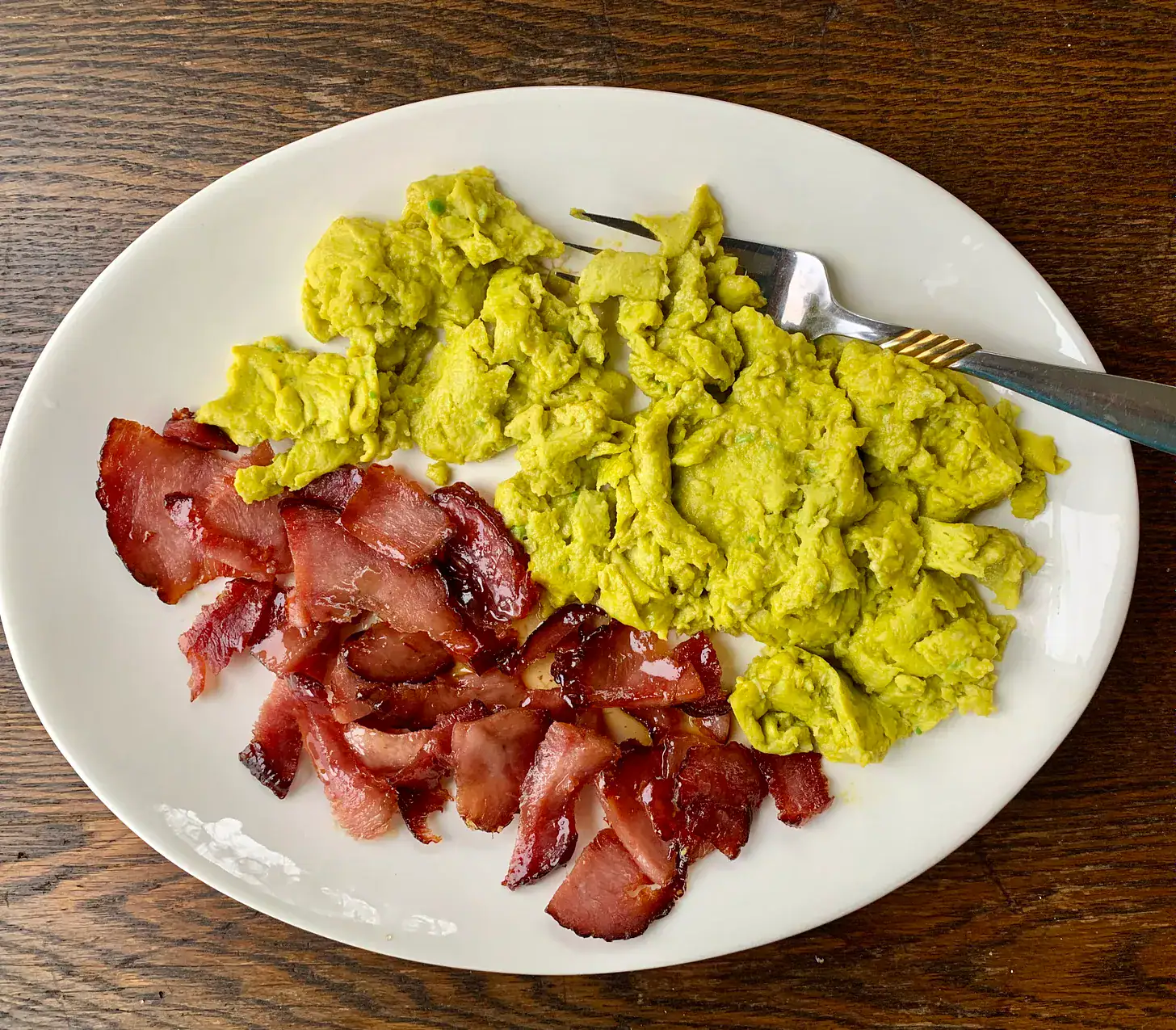
Green Eggs and Ham

Kid food can be quite fun for adults, too, especially if it’s based on real ingredients like these avocado-tinted scrambled eggs (using Mark’s classic cooking technique) and maple-sweetened crisp ham. Since only you know how many eggs to cook, I’ve made the recipe easy to multiply or divide as necessary. Serve with salsa and warm corn or flour tortillas for festive holiday breakfast tacos. And even if you don’t want to make the eggs, ham done this way is a real treat and perfect for leftovers.

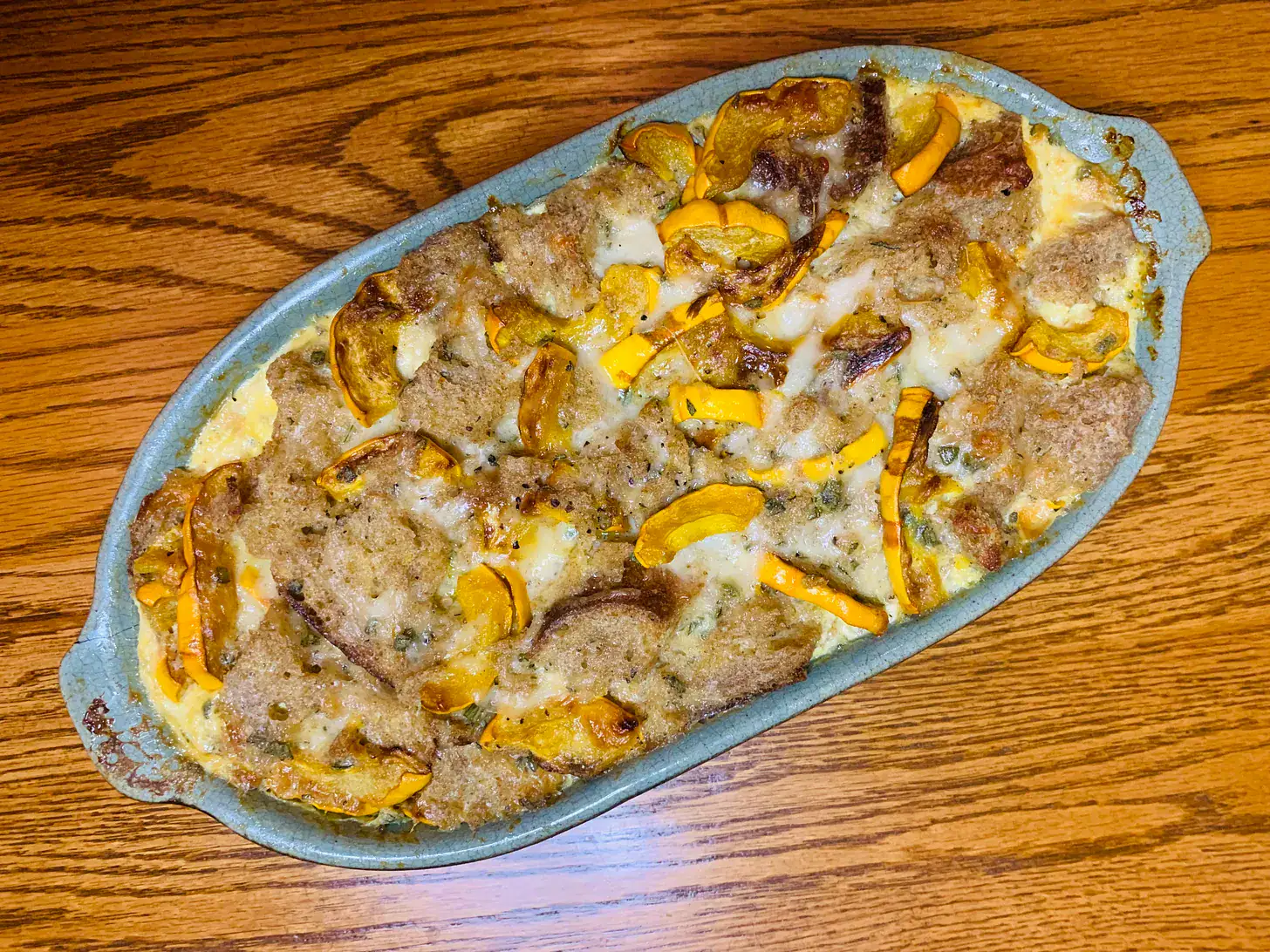
Whole Grain Bread Pudding with Winter Squash and Sage

If you regularly eat (or bake!) good bread, you’re going to have some extra on the counter or in the freezer. I like whole grain in bread pudding for its heartiness. All you need is some dairy, eggs, vegetables, and seasonings and you’ve got a delicious winter whole-meal casserole. You can splurge on the cheese, but don’t need to. This time of year, odds and ends from holiday snacking are the perfect solution. Nor do you have to make the whole recipe; it halves and even quarters quite easily for four or two servings. And finally, the winter squash is also easy to adjust: Either roast some other root vegetable, sauté some greens instead, or use whatever you cooked last night. You can serve hot; or cool the pudding, cover, and refrigerate for up to 2 days. To reheat, cover with foil and heat in a 325°F oven for about 15 minutes; remove the foil and heat for another 5 minutes or so for a crisper top and edges. It also microwaves on medium quite well. Enough with imagining the possibilities. Let’s start baking.

A Handful of Holiday Sweets

Gentl & Hyers

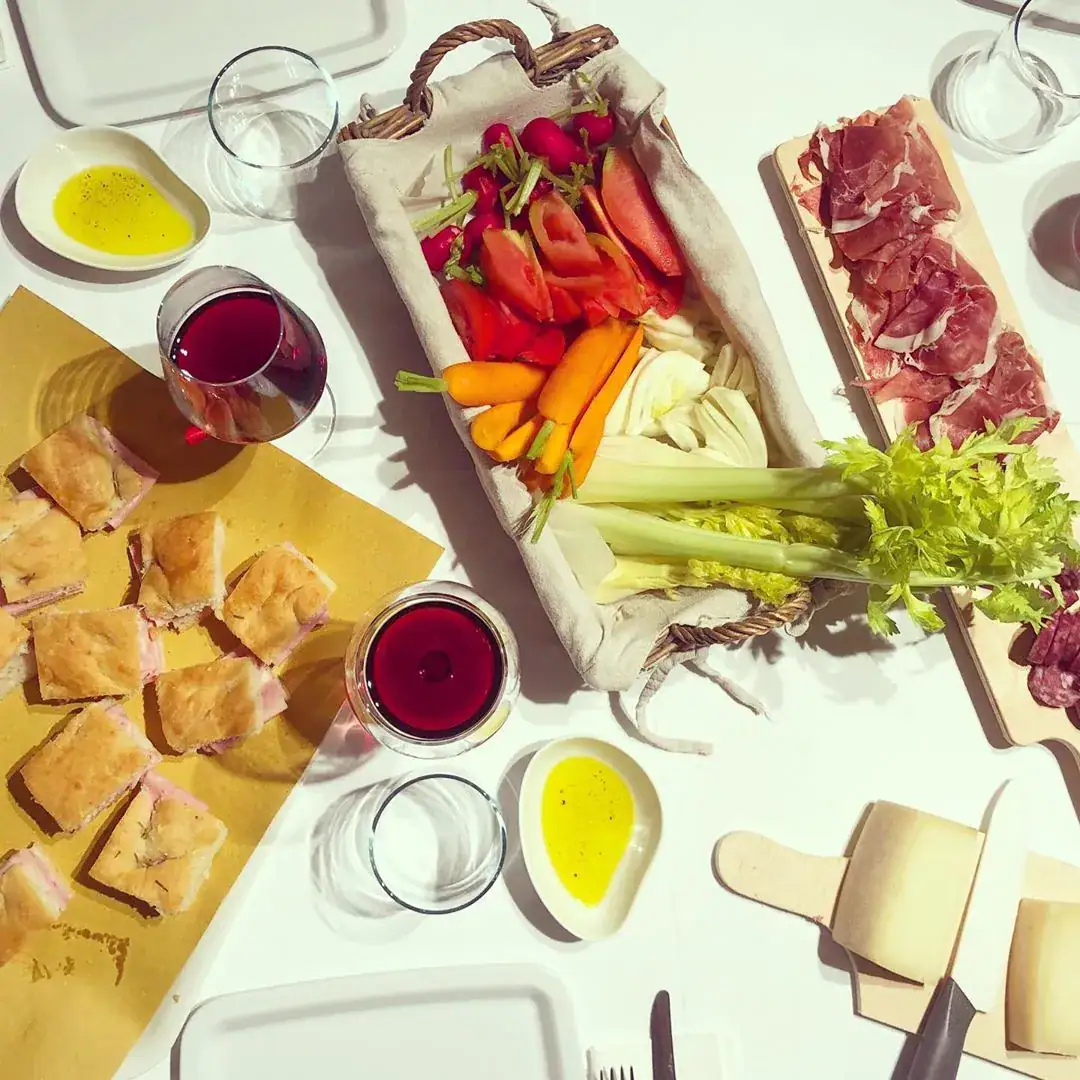
Claudia Roden's Mediterranean Pantry Salad

Claudia Roden’s Mediterranean Pantry Salad

This is a snack for when people visit unexpectedly and stay on. I make it as we sit in the kitchen with a drink. It is inspired by a bar in Barcelona that displayed a huge array of jars and cans and specialized in tapas made entirely from preserves. I’ve added fresh tomatoes and hard-boiled eggs and serve it with good bread. — Claudia Roden

A Handful of Potluck Dishes for the Season

Savory snacks, sides, and mains

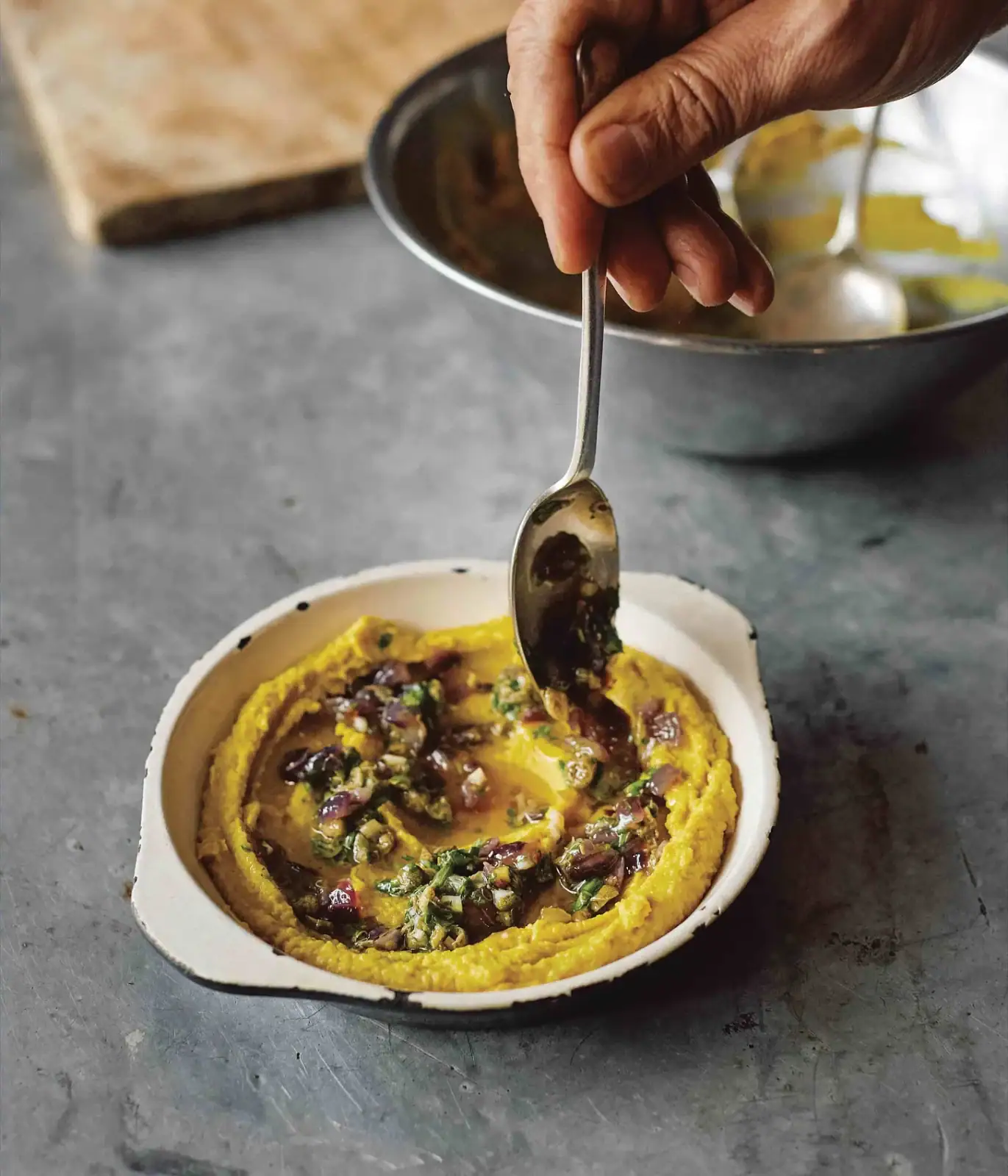
Yellow Split Pea Purée with Buttered Onions and Caper Sauce

Yotam’s love affair with the Mediterranean means those signature staples—fatty olive oil, salty feta, briny capers!—permeate both his home kitchen and the OTK. This purée is a take on fava, a Greek mezze dish of yellow split peas with capers and red onion. It’s fantastic served as a dip, but also works alongside broiled fish or roasted meat. – The Ottolenghi test kitchen

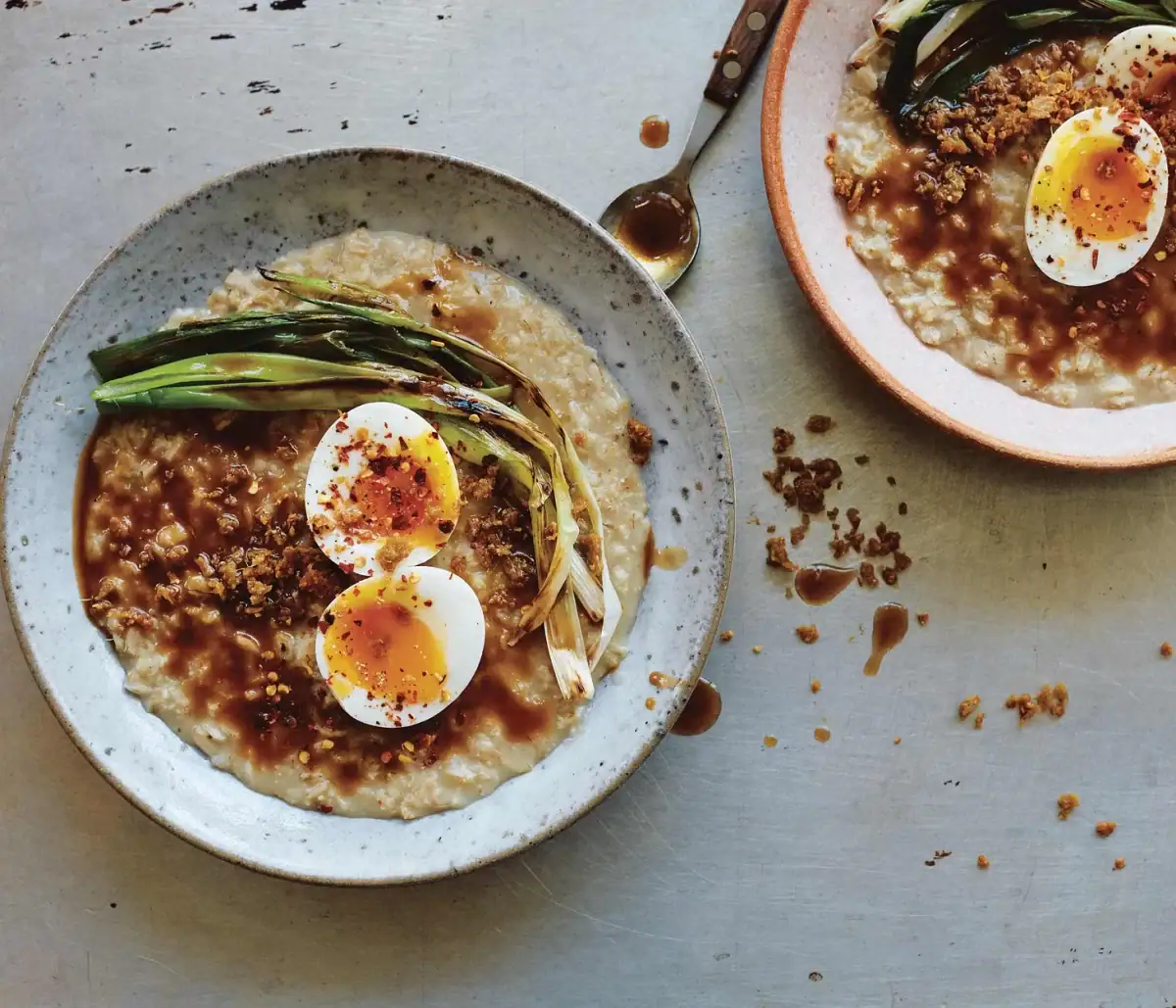
Savory Oat Porridge with Ginger-Garlic Crumbs

This porridge gets a savory twist, thanks to the addition of an umami-rich soy butter and crispy ginger-garlic yumbits. Feel free to quadruple the amount of said yumbits— they’re so good sprinkled onto eggs, rice and every other food group (we think). –The Ottolenghi test kitchen

How To Make Starter, the Easy Way

Jim Henkens

Sweet Potato Grits

For as long as I can remember, my grandmother always had a pot of grits on the back of her stove. Sometimes they were fresh, ready to be paired with scrambled eggs and a piece of sausage. Other times, they were from a previous day with the weird film that formed a tint over the now clumpy and dry cornmeal. I’ve never known a day without grits while I was living with her, especially for breakfast and lunch.

It is a known fact that proper grits need only milk, salt, and a pat of butter. The late Edna Lewis said, “People should really leave grits alone,” but I see good grits as a beautiful creamy vehicle that, if handled responsibly, can result in some tempting combinations. The roasted sweet potato adds a sweet and earthy element to these grits and only ups the creamy, custardy mouthfeel.

I would definitely eat these grits with shrimp smothered in a bacon gravy, fried catfish, or mushrooms simmered in a red curry. You can also enjoy them as our ancestors intended, with just a simple pat of butter. — Kia Damon

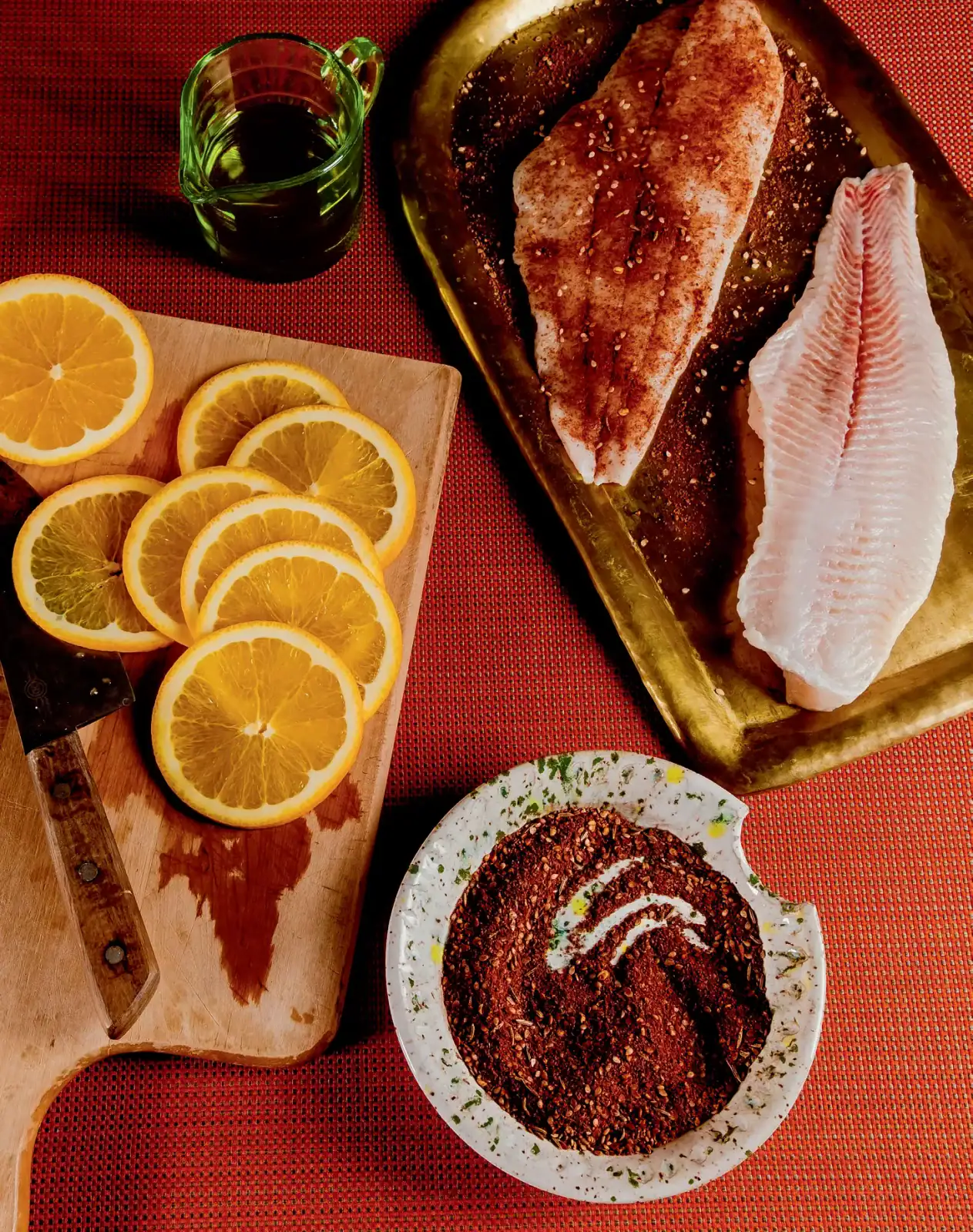
Cocoa-Orange Fish

Cocoa powder transforms both savory and sweet dishes. Its luxurious earthiness adds depth to proteins, like the fish in this recipe. Be sure to use unsweetened cocoa powder; swapping out the benne seeds with sesame seeds and maple sugar with light brown sugar is fine. Any variety of hot chile flakes works here, too. Other fish fillets, such as wild Alaskan salmon or snapper, can be substituted for catfish. –Nicole Taylor