Quick Cucumber Salad for One
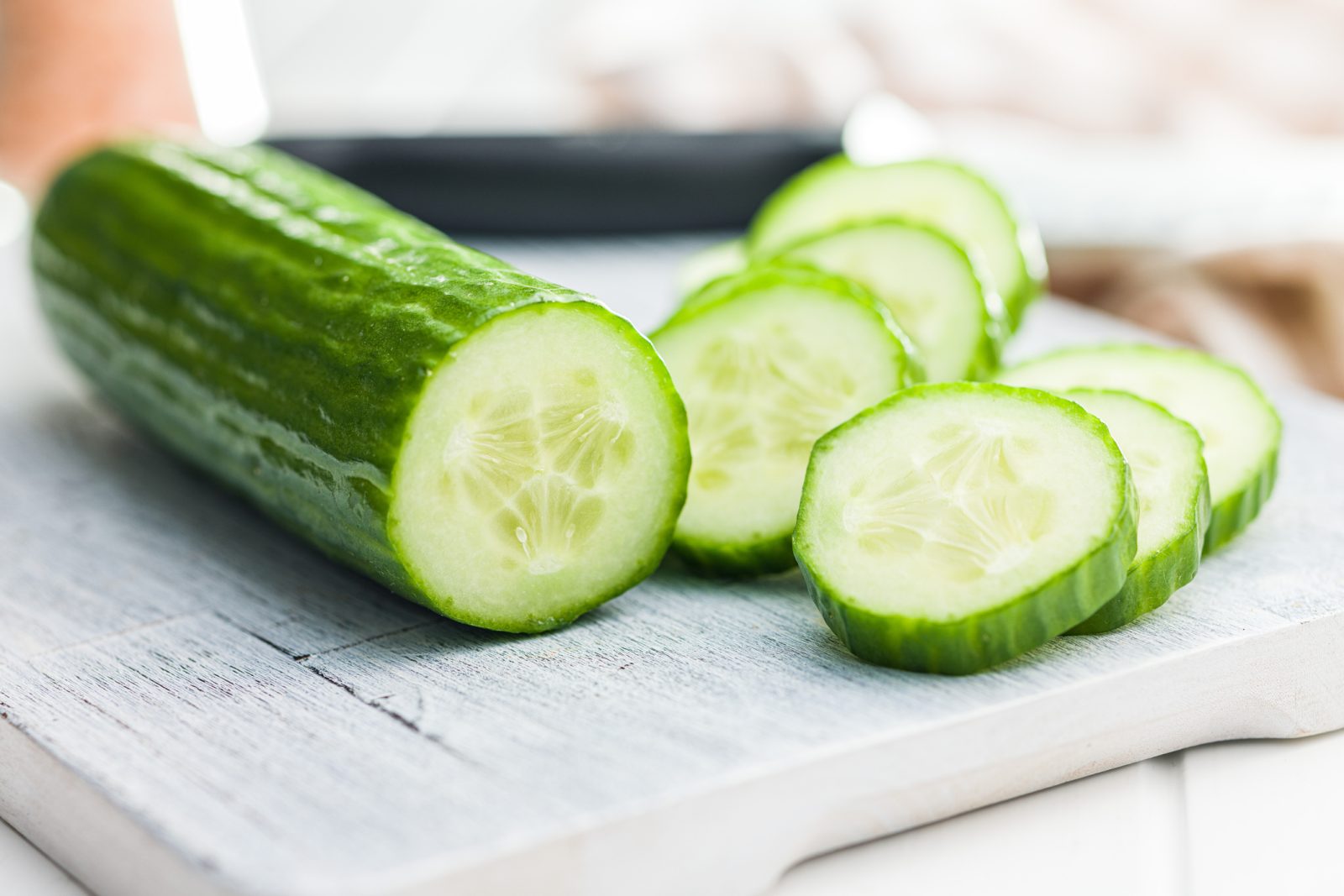
I like the long, hothouse (sometimes called English) cukes here, but any cucumber will work. If yours is particularly seedy, consider scraping out the seeds.
Filters
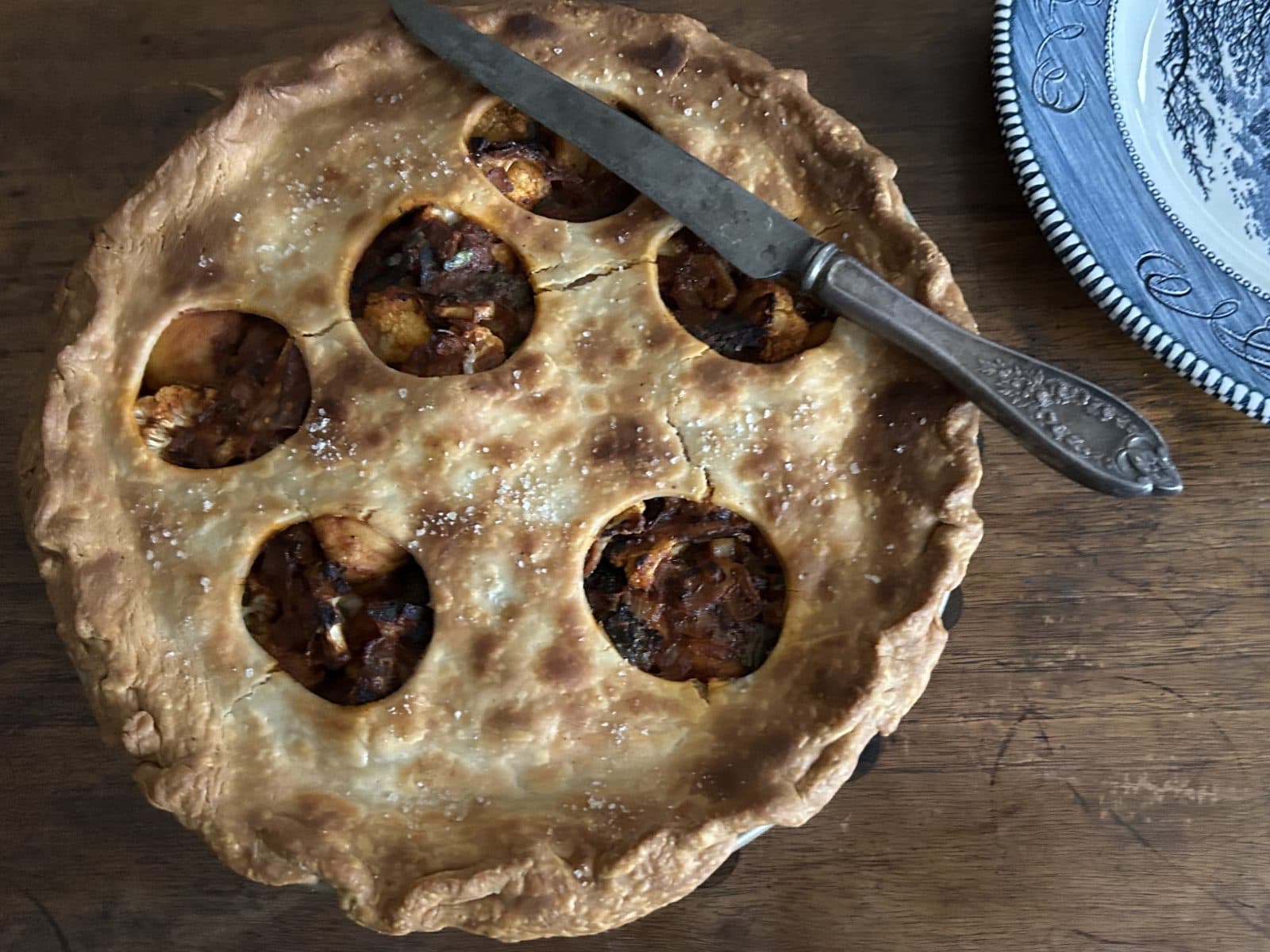
For this next-day pie, I’ve bolstered the leftover paprikash filling with cauliflower which, like chicken, is one of paprika’s best friends. By par-cooking the florets in a skillet, you drive off some of its steaminess and amplify its nutty flavors. (If you’d rather par-cook the cauliflower in the microwave rather than the stovetop, zap it in a covered bowl with two tablespoons of water for about five minutes, stirring halfway through.) Use your favorite pie dough, omitting any sugar called for. Punching out circles in the dough offers ample ventilation so the cauliflower doesn’t go mushy. Toasted pine nuts tossed into the filling offer a delicate texture contrast, and a generous spoonful of capers adds surprising pops of briny complexity. Serve the pie with a few leaves of radicchio or endive that you’ve lightly dressed with olive oil and lemon juice. The crunchy bitter greens lift the whole experience, making everything feel refreshed.
This recipe is part of “Dinner Tonight, Dinner Tomorrow.“
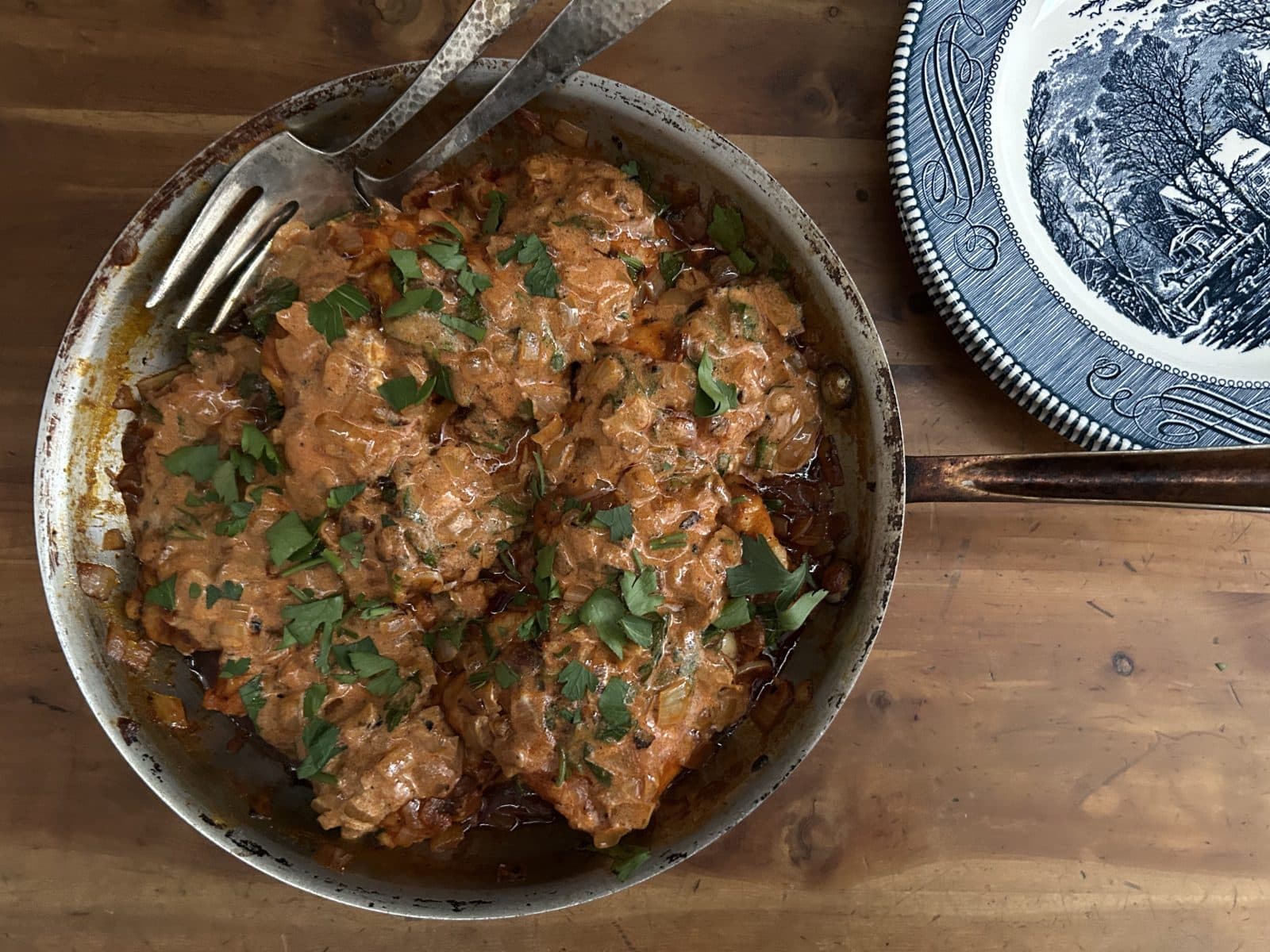
My version of paprikash is non-traditional in many ways (boneless chicken, a mix of sweet and smoked paprika, and the addition of cayenne for punch) so I call it Boneless Chicken Paprikash-ish. Feel free to substitute olive oil for all the butter in this recipe, it’s just as delicious. I use two kinds of paprika for a more complex mix of flavors, but it’s also delicious with four tablespoons of sweet paprika. If your skillet doesn’t have a cover, simply lay a square of foil over the simmering mixture and press it down lightly (don’t crimp it tightly shut). This recipe serves four, or two with just enough leftovers for the ensuing pie.
This recipe is part of “Dinner Tonight, Dinner Tomorrow.“
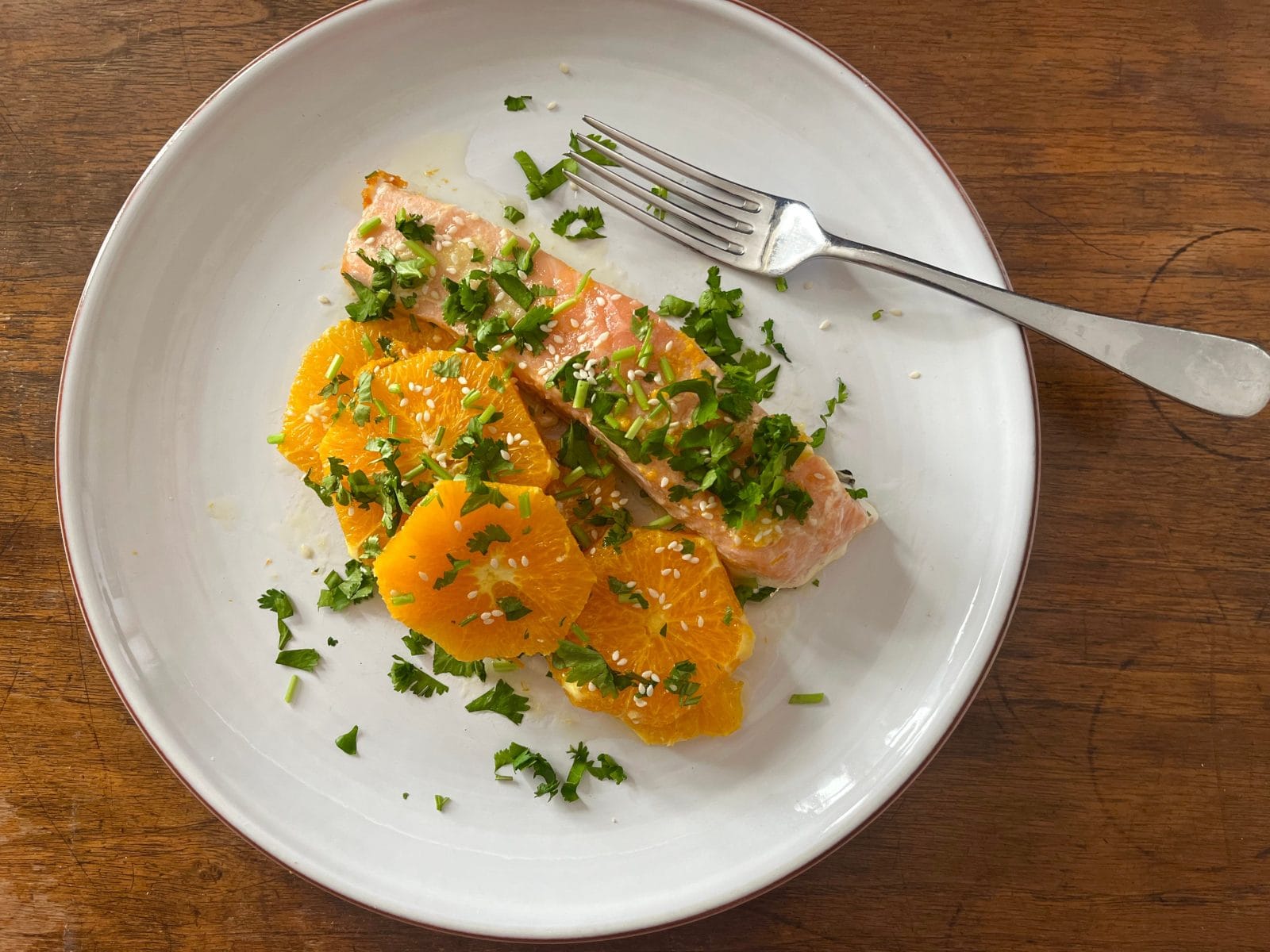
Clarissa Dickson-Wright, the esteemed culinary scholar who became famous as half of the Two Fat Ladies team of TV cooks, cited 17th-century English cook Robert May as one of the first to codify preparing salmon with slices of orange. Layering it under and over the fish produces sweet, soft, juicy flesh, with a pleasant warm acidity and faint but welcome bitter note.
Be sure to harvest the zest before you peel the oranges. In this version, I make up for the missing salt with a few extra flavor bombs: fresh ginger for a little punch, nutmeg for its mysterious background bolstering effect, shallot for its sharp bite, toasted sesame seeds for a roasty crunch, and a ton of cilantro for pizzaz. If you don’t love cilantro, (you’re not alone), chop up some chives instead, or tarragon, or mint, or whatever. It’s your dinner.
This recipe is from Tucker Shaw’s piece, “Turns Out Not Eating Salt Is Not the End of the World.”