How-to: Melons
Melons taste of summer, and the widest variety and most flavorful are at farmstands and farmers’ markets in peak season.

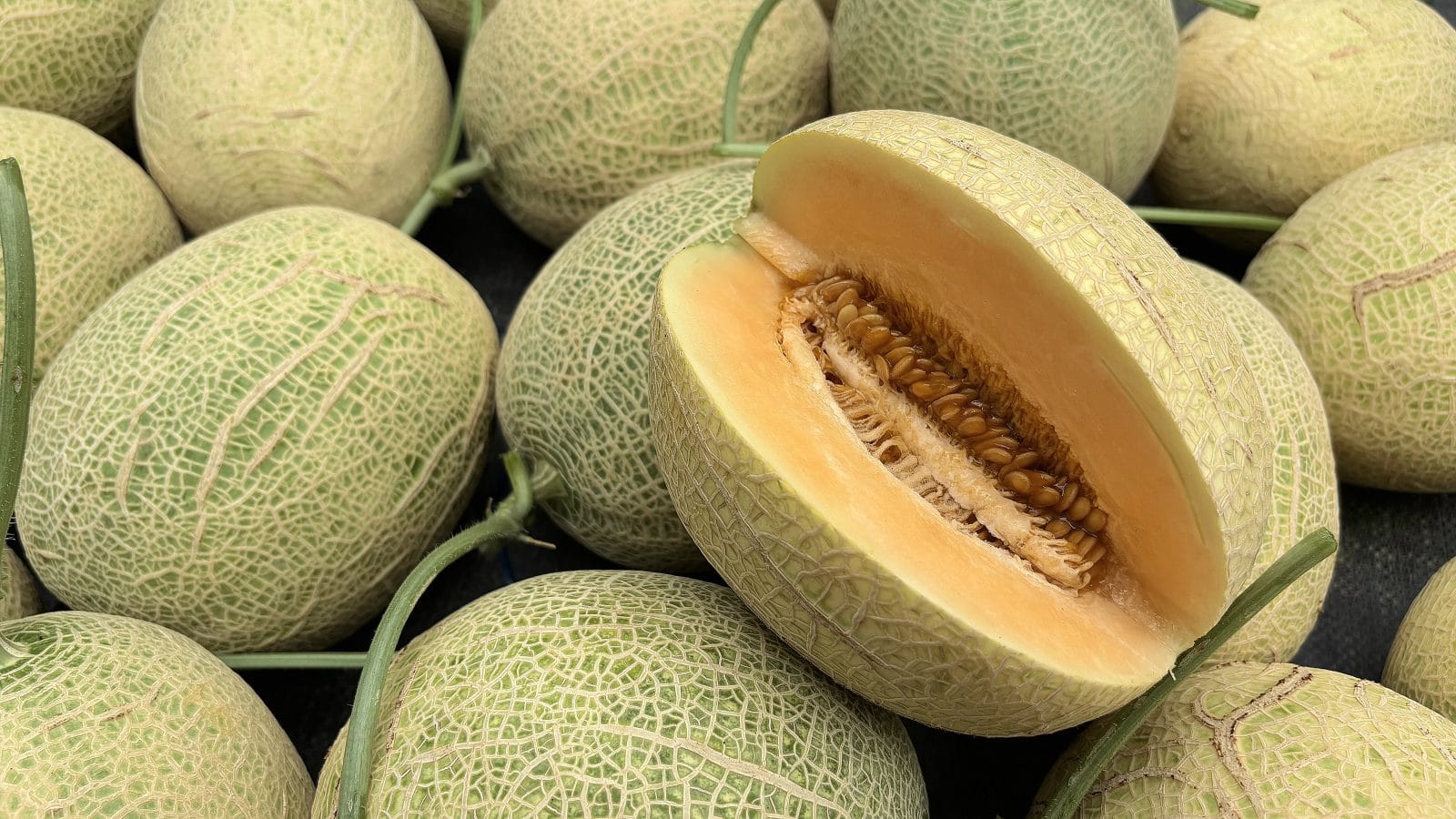
Melons taste of summer, and the widest variety and most flavorful are at farmstands and farmers’ markets in peak season. Selecting the right melon is part skill and part luck. You might ask for help from the farmer. Otherwise, start by smelling it; if it smells sweet and like a melon, that’s a good start. For watermelons, slap the side and listen for a hollow sound.
Preparing: Cut the melon in half and scrape out the seeds with a spoon; continue cutting it into quarters or slices. Use a paring knife to slice off the rind, if you like. A melon baller easily lets you scoop out spheres of melon. Or you can simply cut the flesh into pieces. Grated melon is good in yogurt sauces and raw salsas; just be sure to grate it over a bowl to save the juices.
Watermelons can be cut casually into wedges with seeds. But if you want to seed them, cut into wedges and slice off the top or “heart” to reveal the row of seeds. Remove them with the tines of a fork. Then cut to the desired size.
Allow a chilled melon to come to room temperature before serving; when it’s chilled, the flavors are muted. Try serving with a squeeze of lemon or lime juice—it adds flavor to an underripe melon and complements a ripe one. A sprinkle of salt is an interesting change of pace (as is a dash of ground chile).
Other fruits you can use: melons are interchangeable with one another; papaya, mango, (sometimes) cucumber
Melons taste of summer, and the widest variety and most flavorful are at farmstands and farmers’ markets in peak season.
Filters