

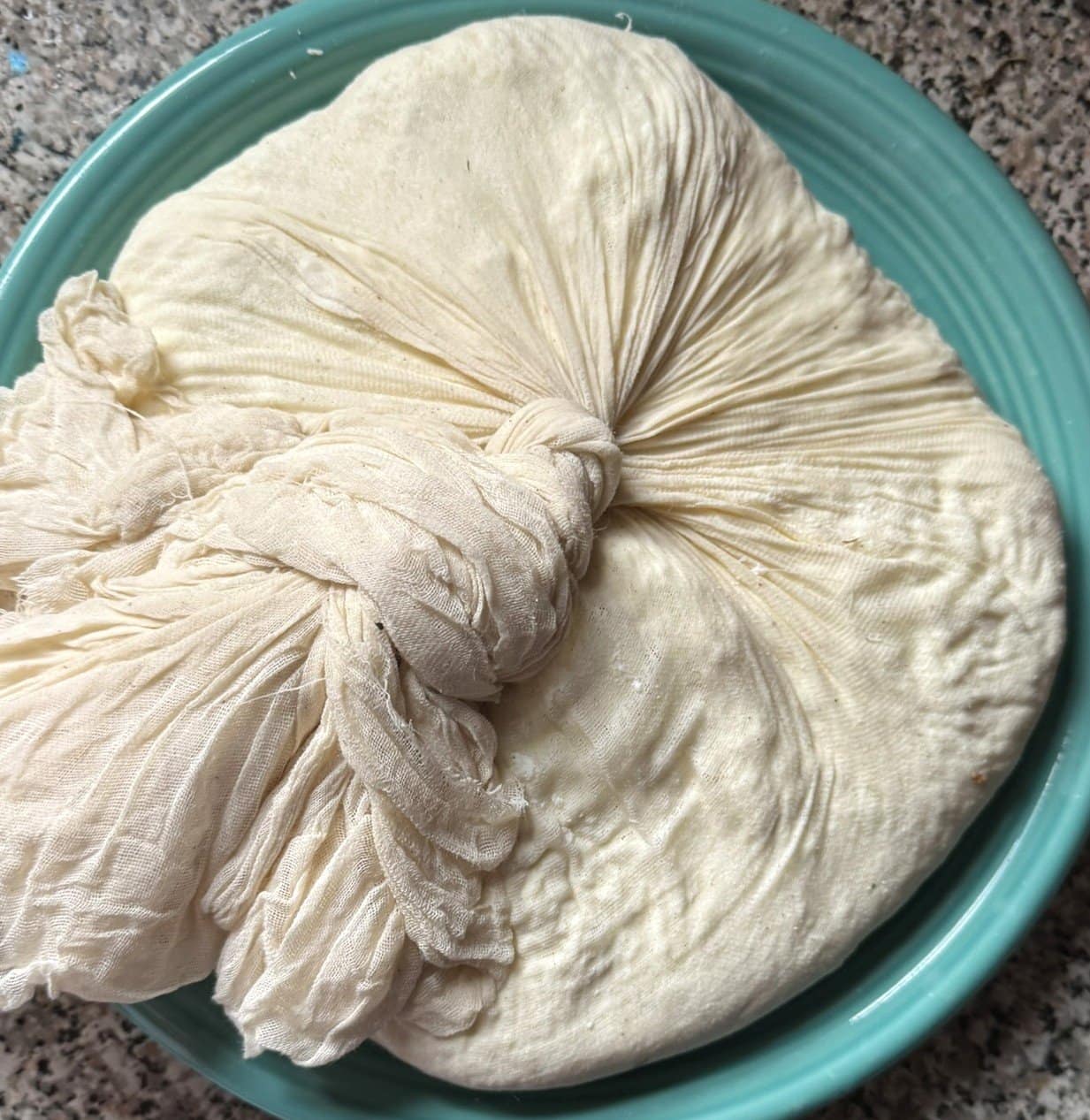
The elemental pleasures of dairy products are dulled in their supermarket forms, their subtler essences erased by the demands of industrial production, storage, and distribution systems. Cured cheeses take months or years to finish, so making them at home is beyond the reach of almost all of us. But fresh cheese—paneer in South Asian cuisines, queso fresco in Mexican, ricotta in Italian—is a day’s work.
Fresh cheese is simply all milk’s protein and fat in solid form. Flavorwise, it’s a blank slate, more of a texture than a taste, which means you can make it wear any spice jacket you like. This, plus the ease of creating it, is why it’s such a worldwide staple.
All you need to get in touch with humankind’s dairy culture is a gallon of milk, a pot, lemon juice or vinegar, and cloth. Once the acid makes the proteins in hot milk clump together, strain out the watery whey and rinse the curds. From there, three different cheeses are possible: ricotta, made by whipping the curds or simply using them as is; queso fresco, created by draining the curds in cheesecloth overnight; or paneer, my favorite, which is made by pressing the drained curds into sliceable form.
Whole milk works best for paneer. You can also add heavy cream to 2 percent milk at a 1-to-8 ratio for richer, firmer paneer. In either case, if you can find better-than-supermarket milk–from a single-herd dairy, for example–your investment will pay big dividends. That includes goat or sheep’s milk. Calcium chloride helps stiffen the curd. Adding 1 teaspoon to a gallon of milk produces firmer cheese. It’s available online or at home-brewing shops, which often carry cheesemaking supplies. It’s also sold with canning supplies as “pickle crisp,” as in Ball Pickle Crisp Granules.
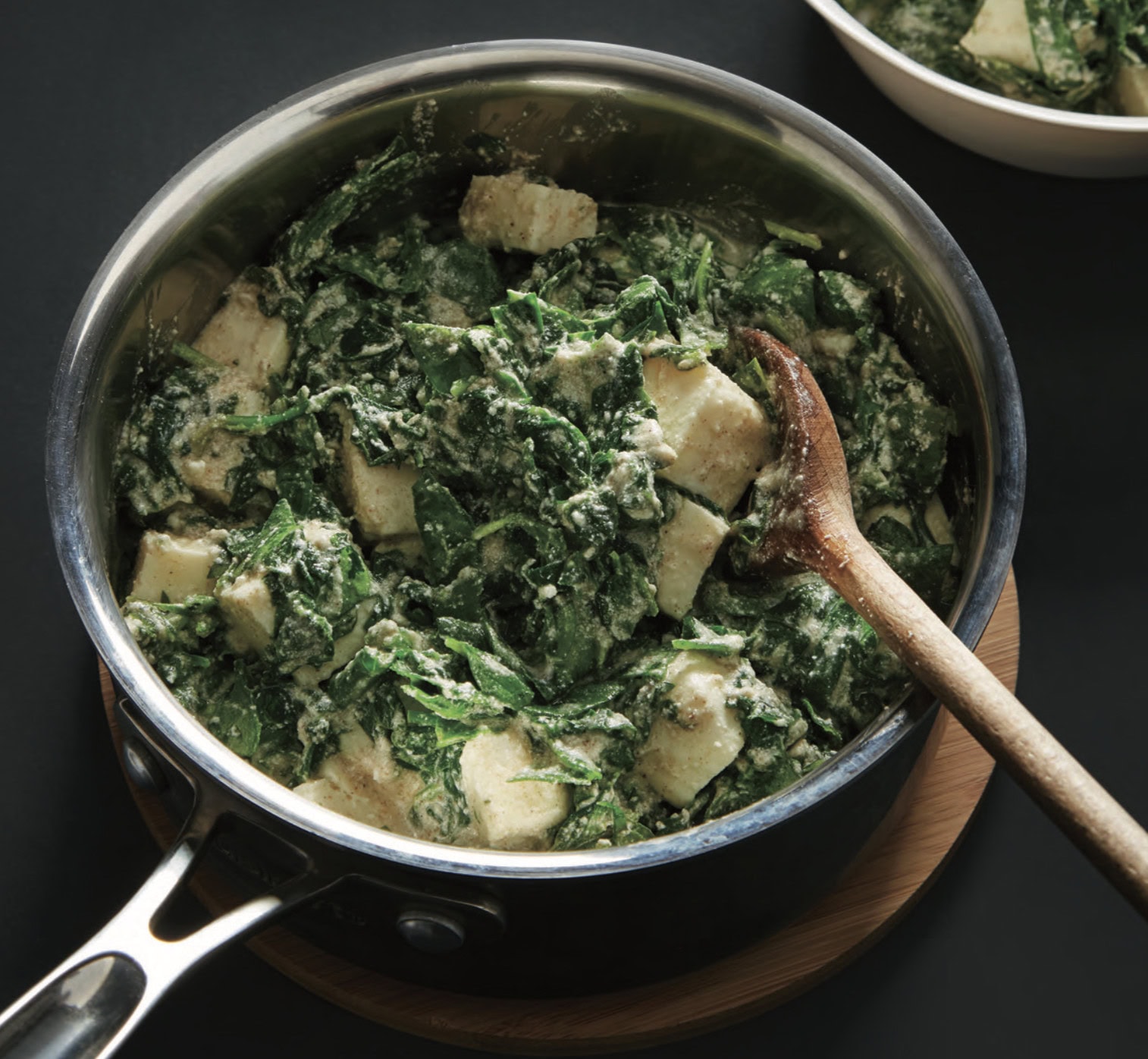
Paneer can be glazed and grilled, fried into crunchy cheese dominoes, or browned and stewed with tomatoes and peas for classic Indian Matar Paneer.
Paneer, a.k.a. Queso Fresco
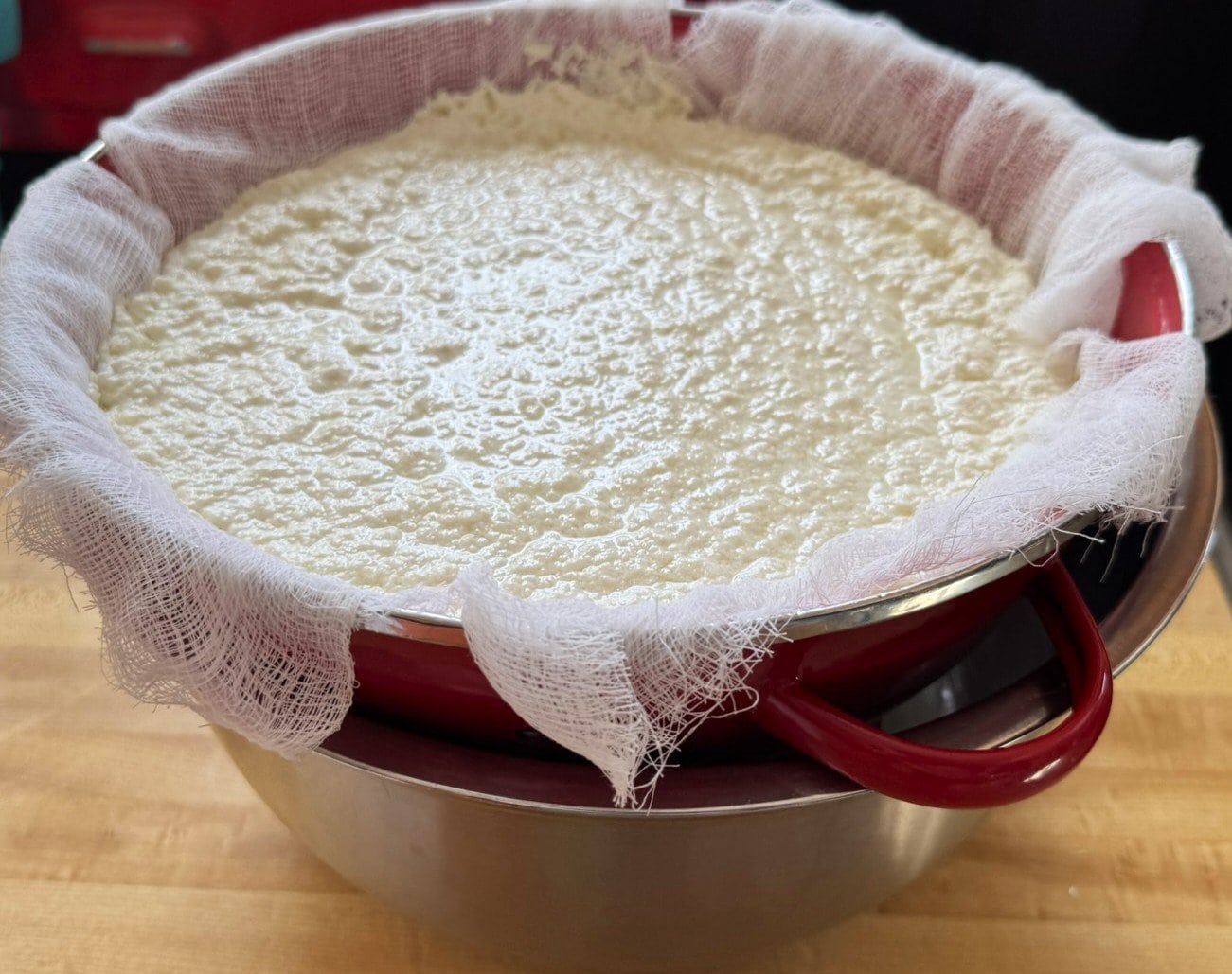
Whole milk works best for paneer. You can also add heavy cream to 2 percent milk at a 1-to-8 ratio for richer, firmer paneer. In either case, if you can find better-than-supermarket milk–from a single-herd dairy, for example–your investment will pay big dividends.
Kitchen Tip: You don’t need much to make milk curdle— lemon juice, vinegar, or citric acid dissolved in water will do the trick. Lemon gives you a nice brightness, vinegar is sharper, and citric acid stays neutral.
Paneer Pakora
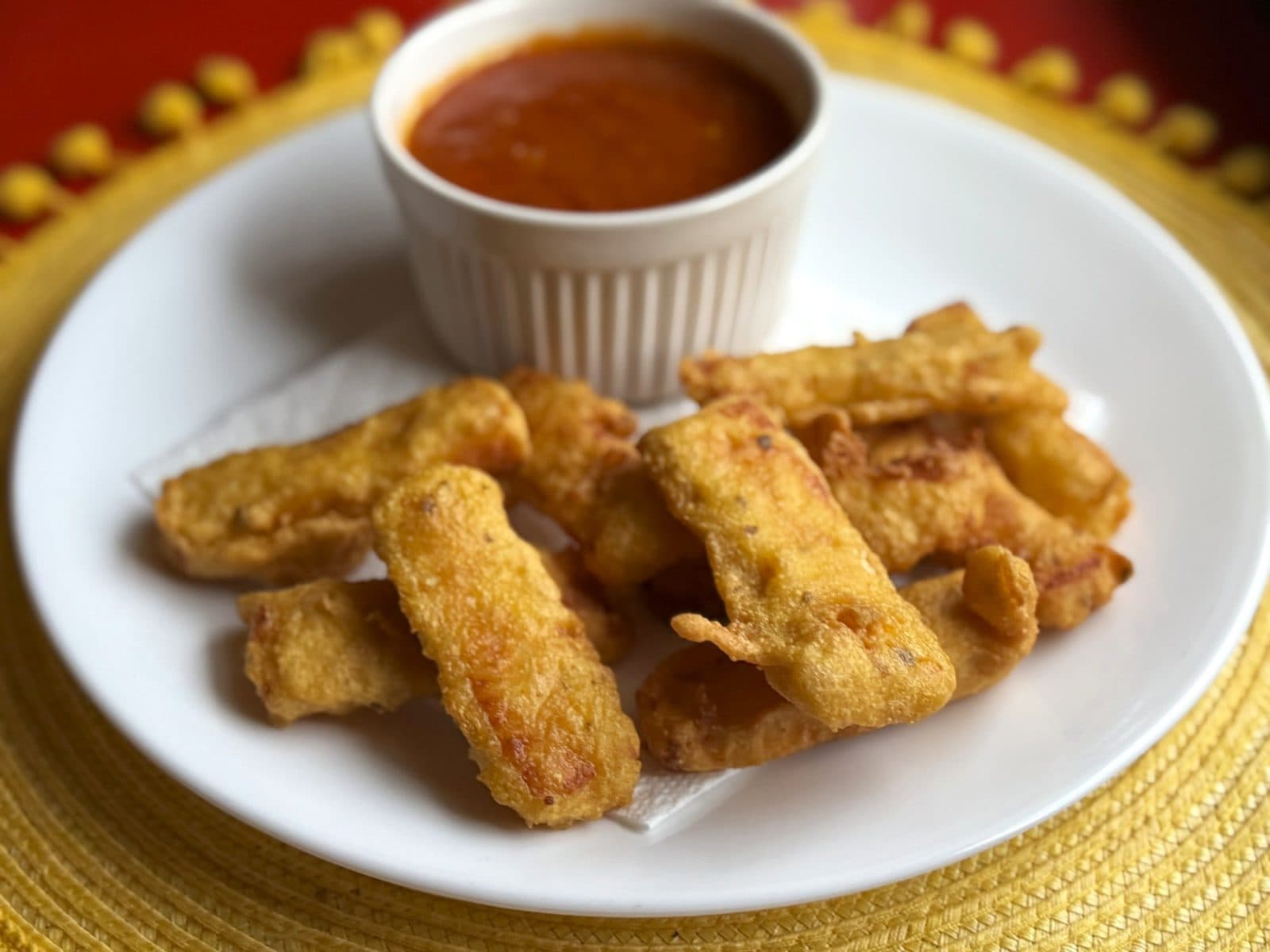
Once you learn how to rub fat into chickpea flour, whip it with water and spices, and let it rise to fluffiness, you’ll make pakoras every time you deep-fry. Crushed coriander seeds and gluten-free crunch make paneer into a cheese stick that outshines mozzarella batons. This batter also glorifies cauliflower spears and is the base for onion pakora, making sturdy fried snacks that won’t wilt on a buffet table. (Inspired by the version in Julie Sahni’s Classic Indian Cooking.)
Yogurt-Glazed Grilled Paneer (Paneer Tikka)
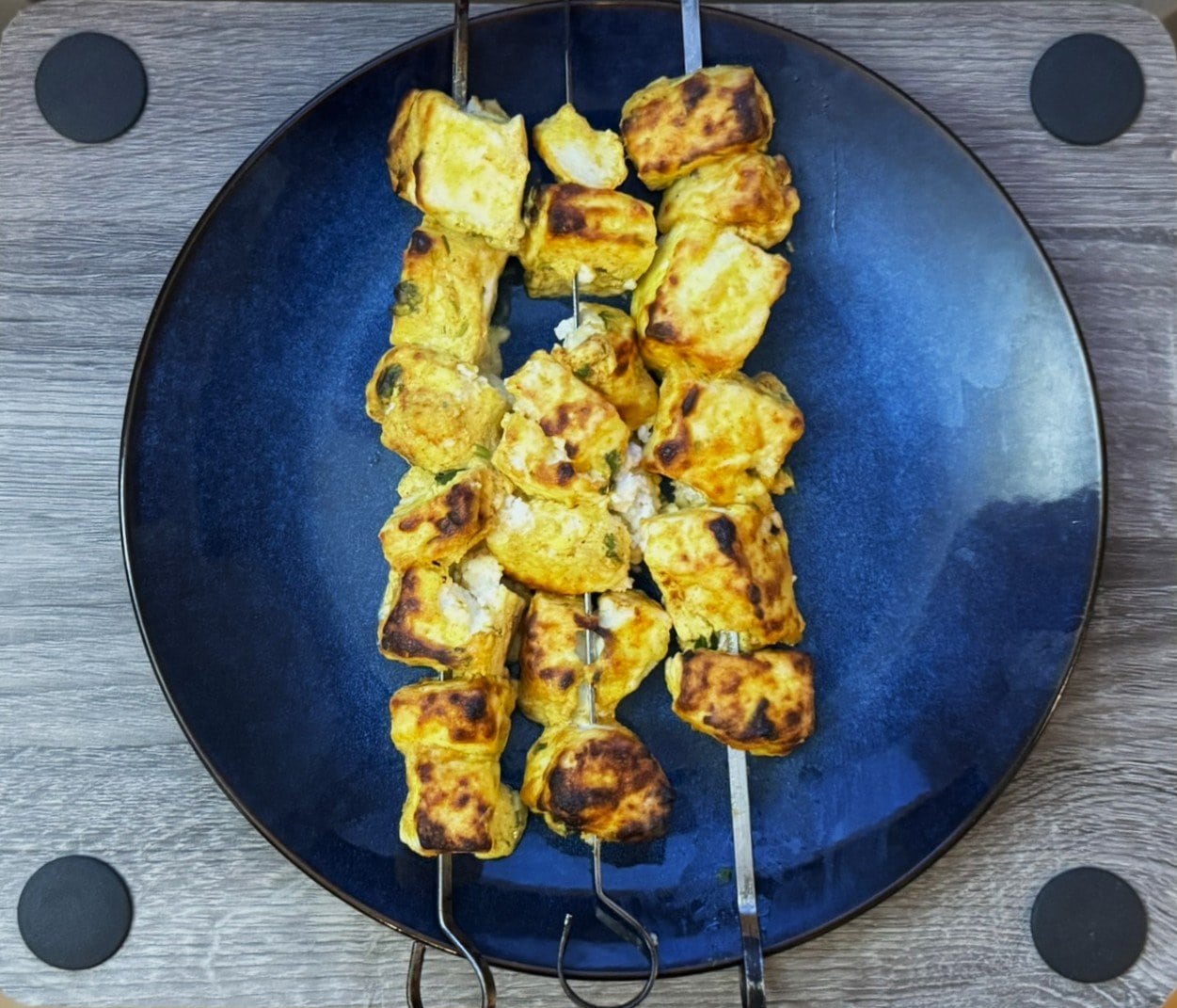
“Marinated” isn’t the right term for Paneer Tikka. Despite its spice payload, the yogurt coating’s flavors won’t penetrate fresh cheese. In the intense heat, it welds to cheese cubes, becoming a savory lacquer that only chars at the corners. This version swaps out vegetable oil for mustard oil to give it a lit flavor to match its golden hue.
Matar Paneer
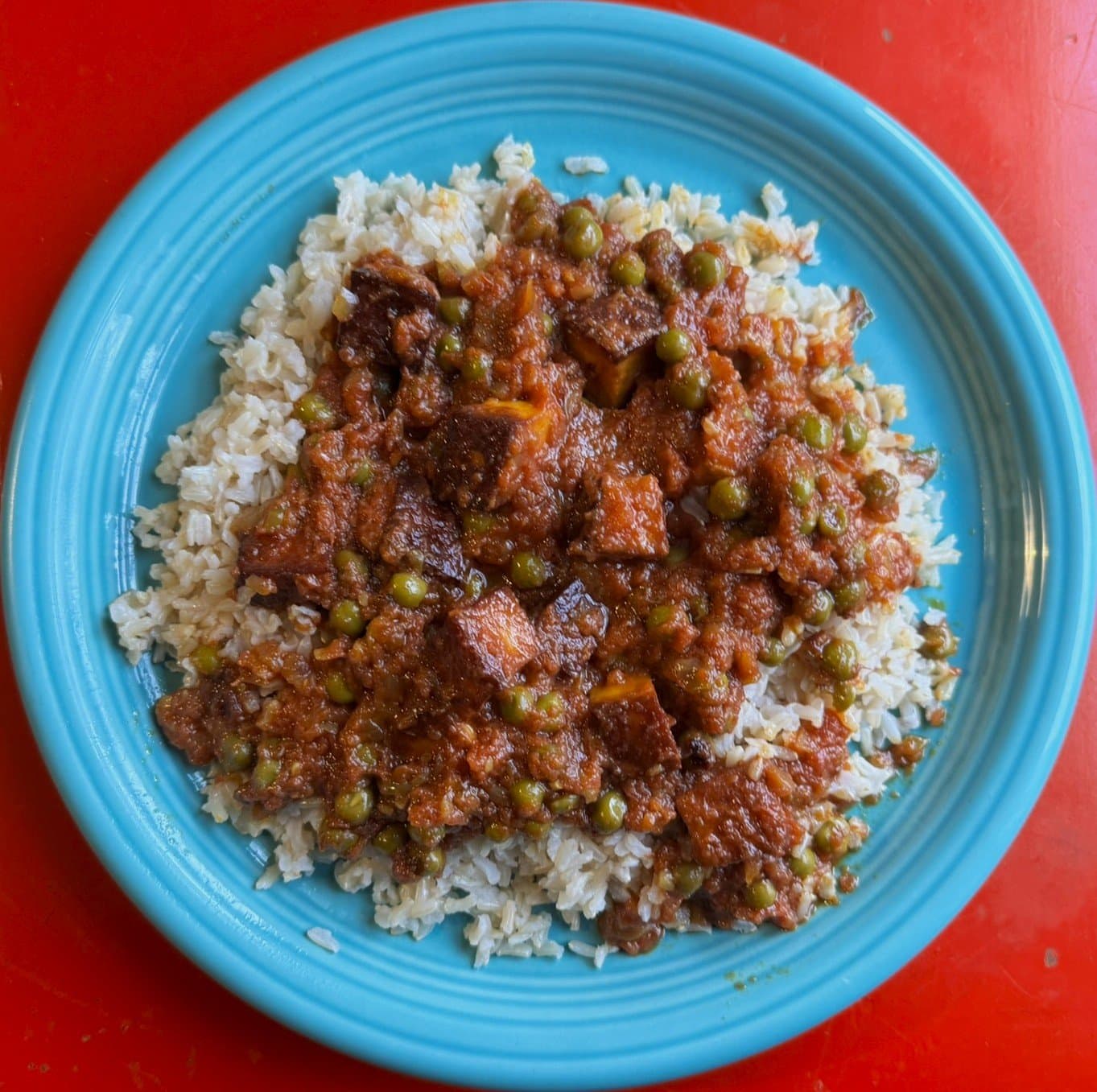
If you’re looking to make a cheese-centered center-of-the-plate dish, the combination of peas, spiced tomato gravy, and browned paneer cubes is a classic answer. Better yet, its flavors blossom overnight, making it a heat-and-eat answer to dinner. This version has just enough spices to matter, a placid antidote to the bad rap Indian cuisine has for flamethrower food.
Comment