

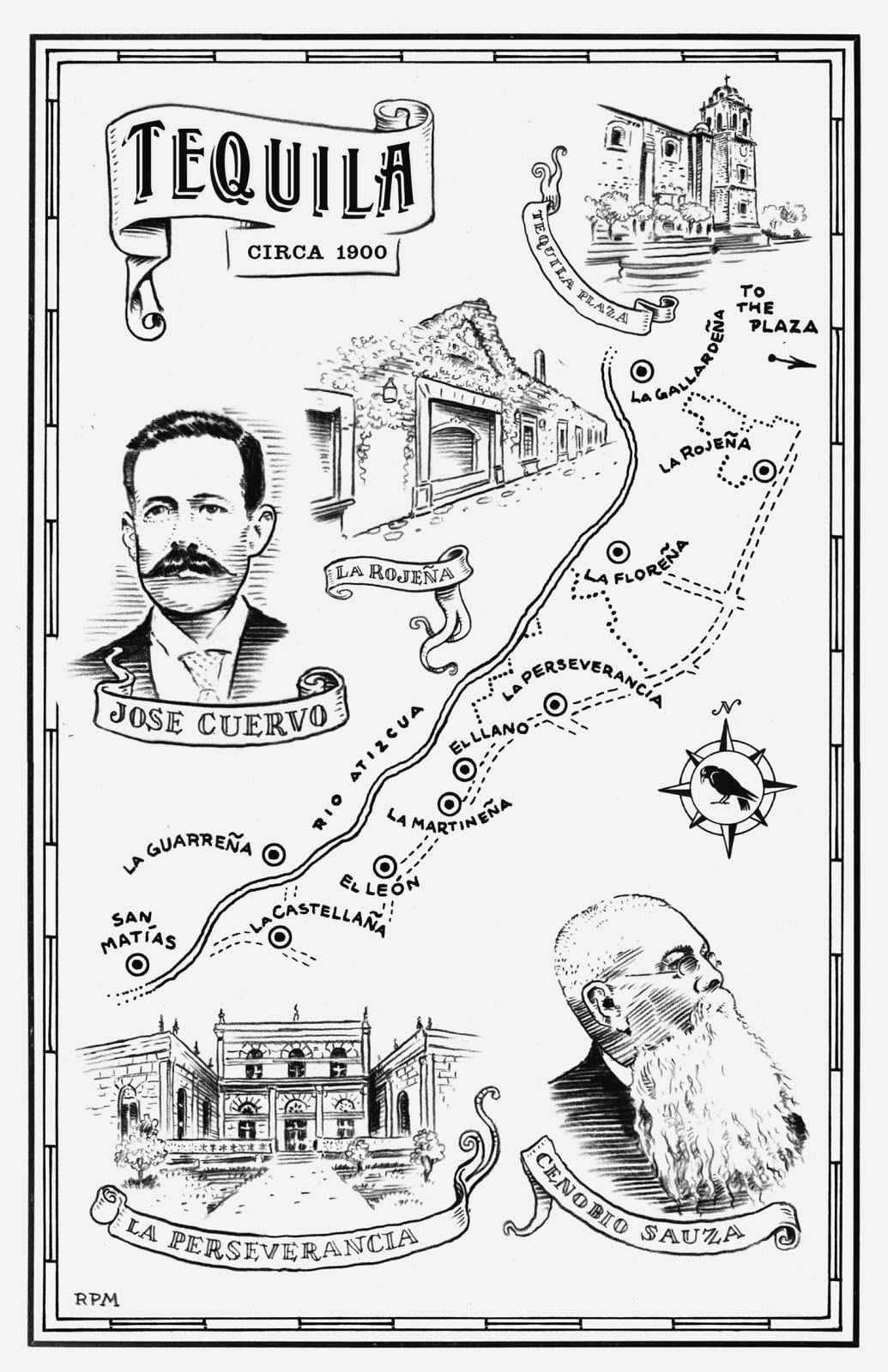
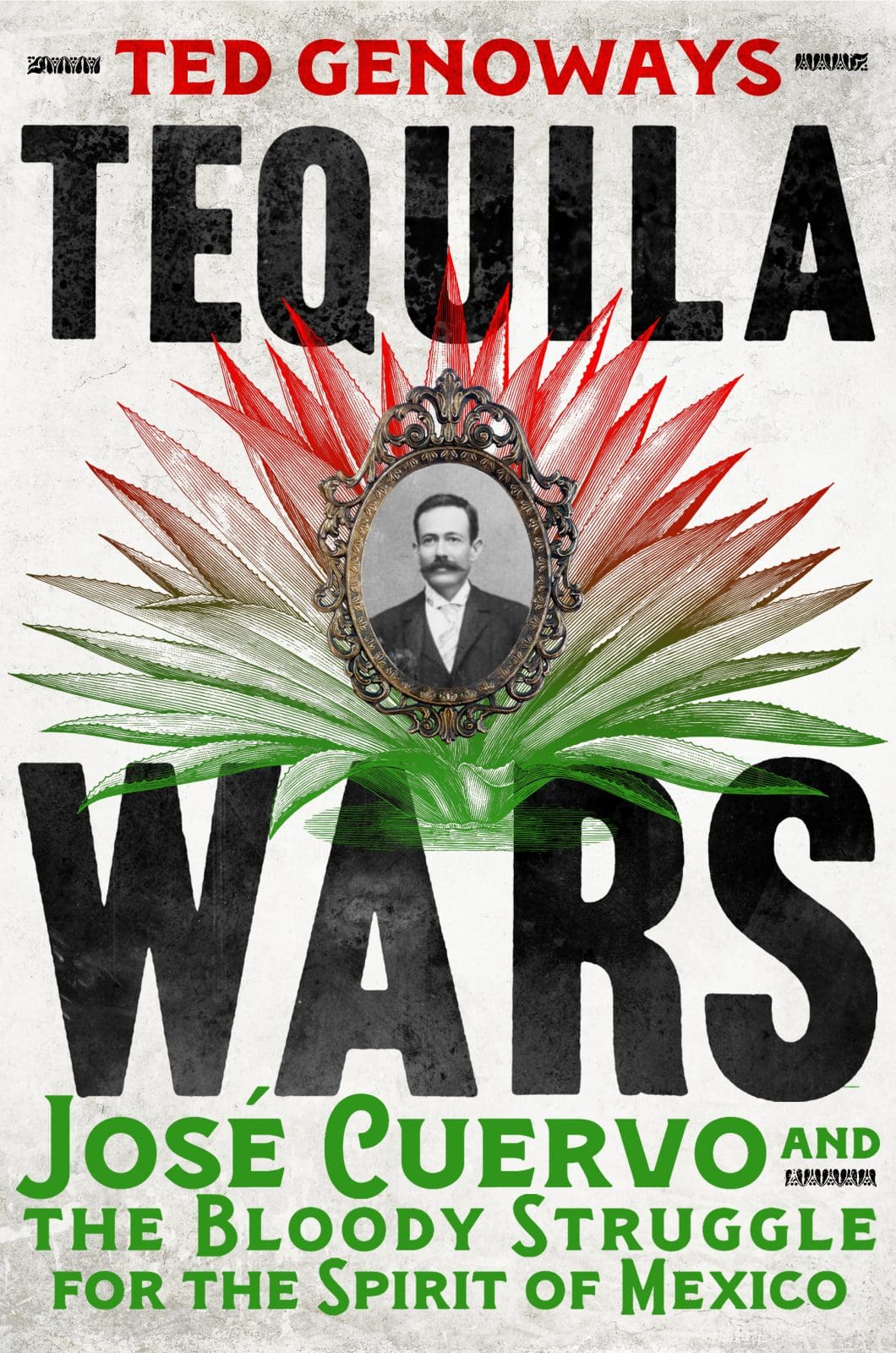
The following excerpt is from Tequila Wars: José Cuervo and the Bloody Struggle for the Spirit of Mexico, by Ted Genoways.
March 1914
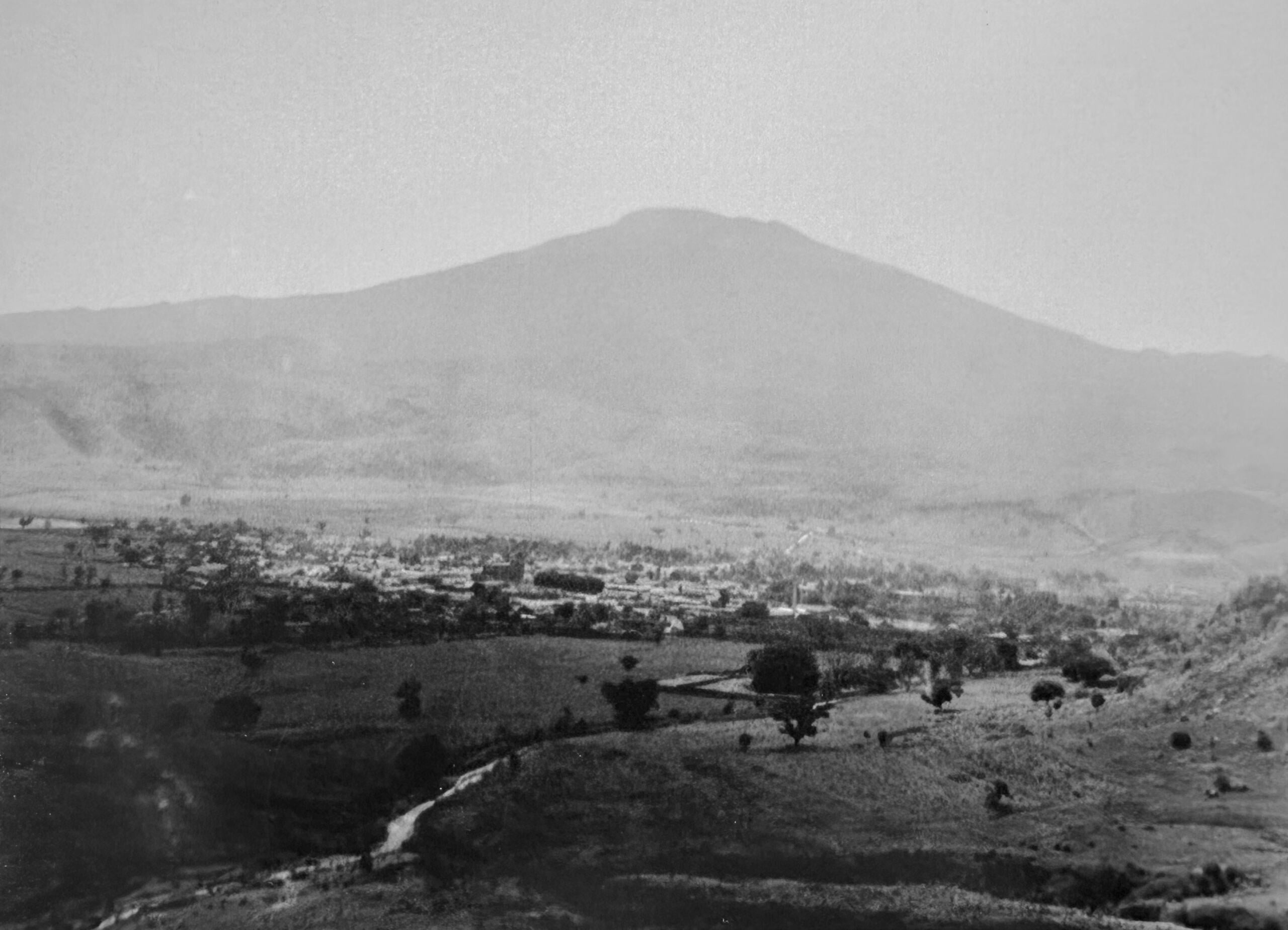
The sun was already rising when José Cuervo crested the ridge. He halted his horse and looked out across the valley for what he feared might be the last time. The volcano loomed in the distance, darkly outlined in the predawn blue. The town of Tequila with its red-tiled roofs sat nestled at the foot of the western mountains, the first fires of morning unspooling thin threads of smoke from the kitchen chimneys. Before him, the narrow switchbacks of the cobblestone road to Agua Caliente zigzagged into the canyon. Cuervo dismounted and steadied his horse, its black coat foaming and glistening with sweat. He had been riding nonstop for hours, ever since a stranger slipped to the rear entrance of his mansion in Guadalajara to warn the house staff of loose talk at the headquarters of the military command. Pancho Villa’s rebel army was closing in on the city, and the faltering government of President Victoriano Huerta had begun rounding up suspected sympathizers. Cuervo, as a wealthy industrialist who had backed revolutionary uprisings in the past, was on the list of men marked for arrest.
Amid the rash tempers of his time, Cuervo’s calm, reserved exterior was sometimes misread as indecisive or even weak.
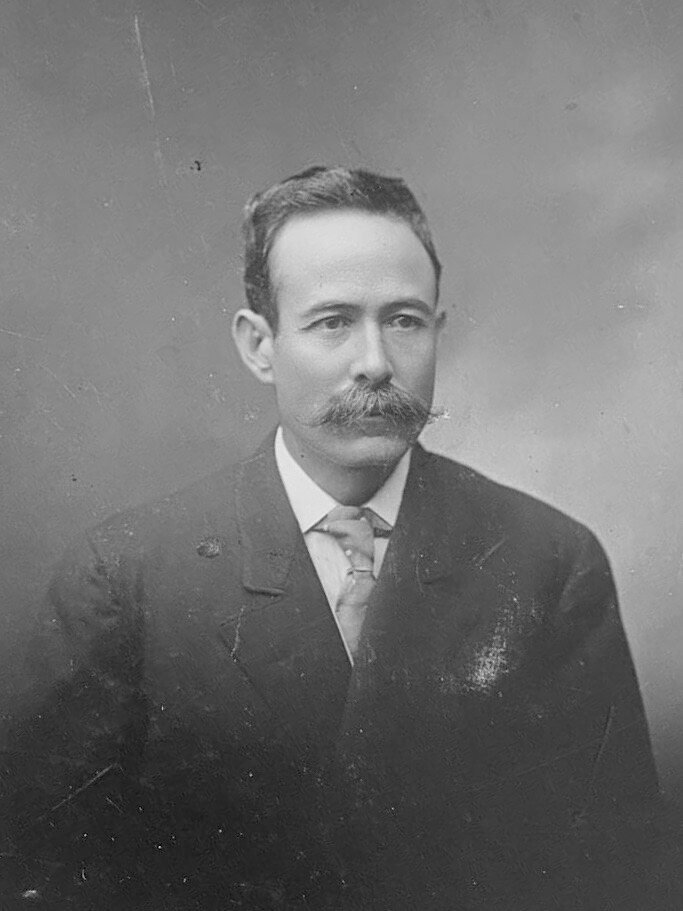
In his rush to escape, Cuervo hadn’t changed into riding clothes or boots, so his formal English jacket, long and loose in the style of the city, was covered with grit, and his shoes were dust-caked and scuffed. He stepped carefully, quieting the horse, scratching its long, black jaw. Cuervo was a soft-spoken man, slump-shouldered and thin with a broad gray mustache and wide, plaintive eyes. Even around family and friends, he rarely spoke, and when he did, he always chose his words carefully, often adopting a formal, almost professorial tone, held over from the locution classes of his youth at the Lancastrian Academy. “Above all,” wrote one of his close associates, “he is an impeccable gentleman, a man of inherent kindness with a common touch that wins him widespread affection wherever he goes.” Amid the rash tempers of his time, Cuervo’s calm, reserved exterior was sometimes misread as indecisive or even weak. More than seventy years later, his own grandnephew and heir would remember simply, “He was a nice man, not a great businessman.” This mistaken impression of Cuervo as a benevolent, hardworking forefather who built a kingdom but then fell victim to history remains the dominant narrative of his life, even at the company that still bears his name. In reality, he was an active and aggressive molder of his moment and milieu—as a technological innovator, a business tycoon, and, perhaps most of all, as a political power broker.
When Cuervo got a second chance—inheriting the distillery La Rojeña by marriage at the dawn of the new century—he plotted meticulously to outwork and outsmart his enemies.
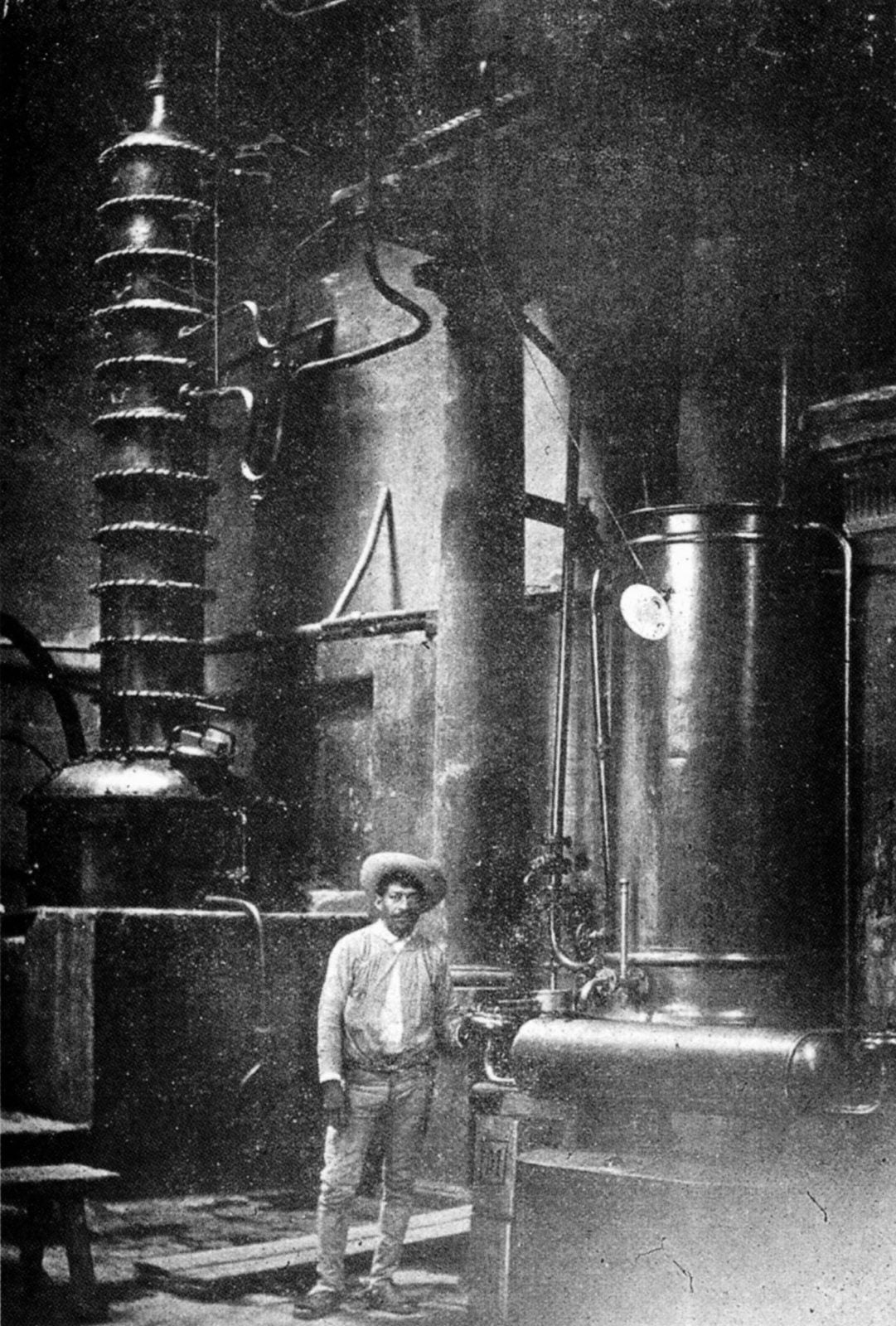
When he was a boy on Hacienda El Pasito in the foothills west of Tequila, Cuervo watched his father build an empire of agave but then, as a young man, lost that fortune to competitors who were willing to rob, raid, and even kill to succeed. So when Cuervo got a second chance—inheriting the distillery La Rojeña by marriage at the dawn of the new century—he plotted meticulously to outwork and outsmart his enemies. He acquired thousands of acres of agave estates throughout the Tequila Valley; he brought electricity to the town and installed improved ovens and stills for his factory to increase production; and he lobbied the government to lay a railroad line so he could reach drinkers across the country. In a little over a decade, he transformed a single distillery in his provincial hometown into a complex, national network with distribution offices in Guadalajara and Mexico City and wholesale accounts as far north as Hermosillo and Chihuahua. Before long, his acclaim had spread worldwide, as he won gold medals at fairs in St. Louis, Paris, Madrid, and London. In early 1911, ahead of the International Exposition in Naples, one Italian writer raved that Cuervo “produced the ultimate tequila” whose “fame has now crossed the ocean.”
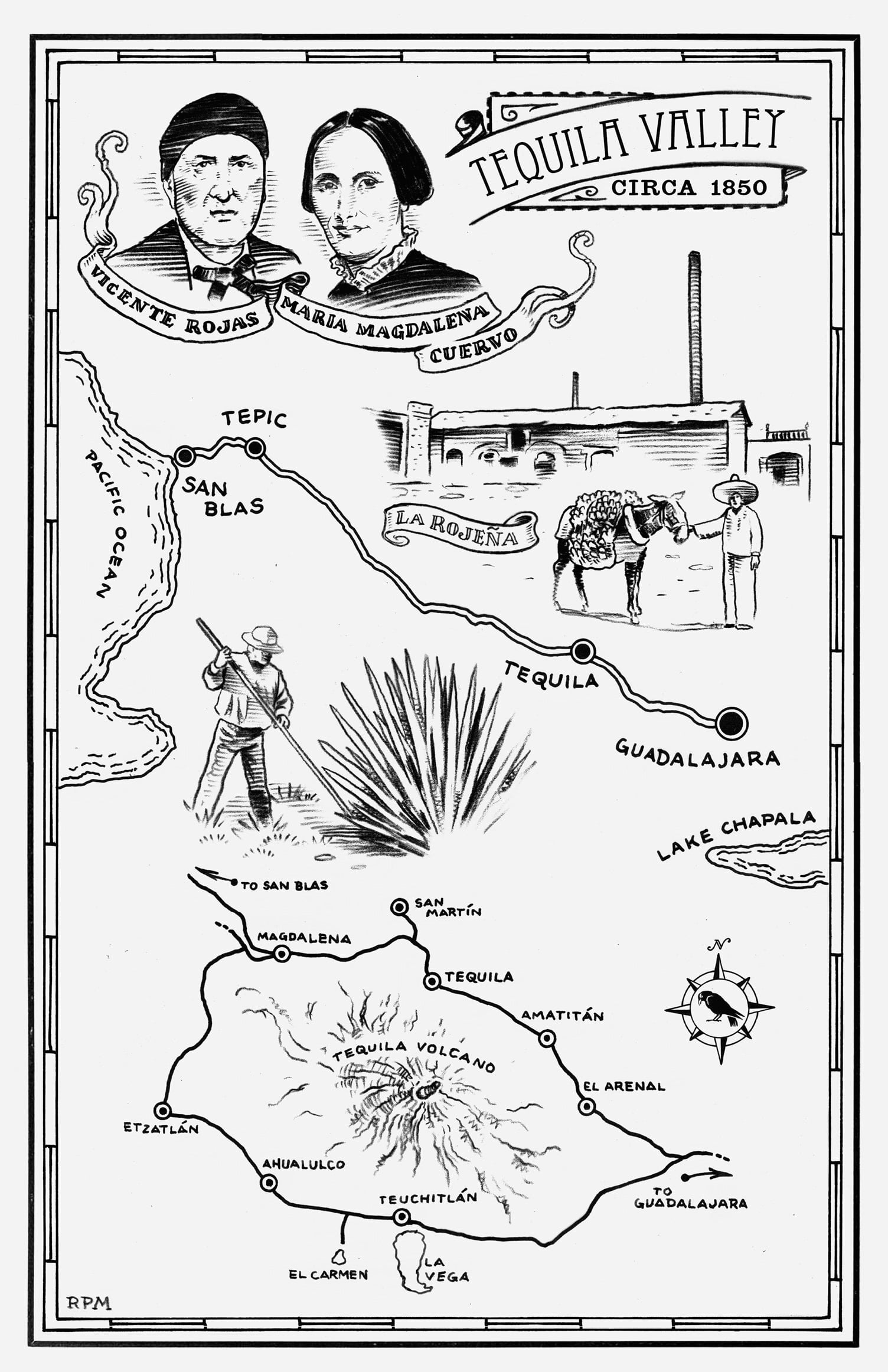
But soon after, the country had descended into the gory warfare of the Mexican Revolution, and Tequila’s conspicuous prosperity made the town a repeated target for rebel marauders and plundering government forces alike. By the time Cuervo went into hiding in 1914, Tequila’s cobblestone roads had been the scene of several pitched battles, and the dozen distilleries lining the western edge of town, long the lifeblood of the community, had been cannonaded, looted for supplies, and set on fire. During the worst of the assaults, the town’s tequila makers had been forced to flee, while the Southern Pacific railroad line was dynamited, city hall was burned, and telegraph and electrical lines were cut. If Cuervo sometimes seemed to map his moves deliberately, it was not because he lacked resolve but because he had learned that determination and diligence were not enough in Mexico. Success during peacetime required quiet alliances and finely attuned political instincts. Survival when war arrived sometimes demanded putting pride and vanity aside to disappear under cover of darkness.
The sun peeked above the eastern horizon. Cuervo stroked the coat of his horse and unlatched his saddlebag, withdrawing a bottle of tequila. He pulled the cork with his teeth and took a deep, slavering draw, filling his cheeks. The alcohol was harsh but sweet, the herbaceous flavor of the blue agave mixing with a deeper minerality like a paving stone on his tongue. Cuervo steadied himself, the clear liquid trickling down his chin. With the Rural Corps sweeping the countryside and daylight coming on, there was no time to rest or water his exhausted horse. He tightened the reins to bring the animal’s nose close to his lips and blew the tequila into one nostril. The black steed tossed its head and stamped, chomping against its bit. The alcohol would numb its aching hooves and ankles for the hard descent. Cuervo quieted the horse again and blew a second mouthful into its other nostril. Then he was back in the saddle, kicking hard down the craggy path toward the secluded enclave of Agua Caliente.
His willingness to disappear made Cuervo into an enigma in his lifetime, a seeming bit player in the unfolding national drama.
This may have been Cuervo’s greatest gift, the trait that both kept him alive and, until now, concealed his importance from view. His willingness to disappear made Cuervo into an enigma in his lifetime, a seeming bit player in the unfolding national drama. As a result, he has never been the subject of a book. He has never received the attention of historians or cultural scholars. Even in Mexico, there is only one brief academic study that examines Cuervo’s rise in the years surrounding the Mexican Revolution, researched primarily by poring over surviving records of property acquisitions, trademark applications, a few patents, and the tax assessment of his estate. There are no previous books that quote him, none that examine his life, his family, or even his influence. Cuervo so successfully evaded scrutiny, so effectively covered his tracks in the midst of crisis, that he has essentially disappeared from history.
On top of this intentional absence are the multiple silences created by the destructive forces of the revolution itself and the disorder of the ensuing decades. Between the years of 1913 and 1915 alone, the municipal records of Tequila were burned four times; all government records in Guadalajara—administrative, legislative, and legal, for the city and the state—were torched at least five times. A government official investigating one attack on Tequila observed how the blackened pages of the city archive blew through the streets. The French consul to Guadalajara, in the hours before Pancho Villa entered the city, described watching bonfires of government files set alight in the plazas. At the archive of the Supreme Court of Jalisco, where many of the most important records of the state have been collected and preserved, there is a physical space left open on the shelves of the stacks should any documents from those years ever surface. For now, they are empty.
José Cuervo is arguably the most famous name in Mexican history, but because of his own reticence and carefulness, because of the documentary absences in public and private archives, and because of his tight-lipped community and the passage of time, many people today do not even realize he was a real person.
Some stories do survive in memory, often with surprising details. There are people in the town of Tequila who carry family stories of Ana González Rubio’s marriage proposal to José Cuervo, who can recount the discovery of Malaquías Cuervo Jr. hiding in a fermentation vat at La Rojeña after he had killed members of the Sauza family, who describe the wailing of Ignacio Cuervo’s wife after he fired his pistol on government forces and was killed in the doorway of his own home. But the people of Tequila, for the most part, hold their secrets close. It is a place where family rivalries often outlast memory of their origin, and disputes and lawsuits over land boundaries and easements, partitions and property ownership, and water and mineral rights can stretch on for decades. No one wants to invite trouble.
Thus, we arrive at the paradox: José Cuervo is arguably the most famous name in Mexican history, but because of his own reticence and carefulness, because of the documentary absences in public and private archives, and because of his tight-lipped community and the passage of time, many people today do not even realize he was a real person. In fact, Cuervo was not just real; he was central. He was a key figure in his nation’s most tumultuous and formative period, as an empresario, as a kingmaker, as a cultural force. He also helped set the mold for Mexico’s covert form of cross-border commerce with the United States, in the face of his own government’s corruption and the racism and nationalism of his northern neighbors.
Still, to uncover Cuervo’s story, one must carefully piece together fragments—his scant writings, a few surviving personal letters, a little professional correspondence. The most important records by far are the memories of Cuervo’s niece, Guadalupe Gallardo González Rubio, who lived with him from the age of about six until he died when she was twenty-four. Lupe’s ornate, sensitive, and marvelously detailed accounts are also frustratingly short on basic facts. When she provides dates, they are most often wrong. When she provides motives, they are usually incomplete or incorrect. What she does effectively provide is the perspective of a brilliant but highly sheltered young person swept up by events that were beyond her control or comprehension. Her ground-level view makes her an invaluable observer, and, when compared against newspapers and other contemporaneous reporting, she is never wrong on the finest and most singular details. She had a writer’s eye and described her uncle with love and great clarity—including his midnight escape from Guadalajara.
Gallardo recounts how, in the days to come, Cuervo would be joined in his forest hideout by the owners of the largest and most important distilleries in the Tequila Valley, all fleeing arrest. What she did not know was that, as the tequila makers collectively came to accept the severity of the threat to their industry amid the unraveling of the nation, her uncle would lobby for suspending normal competition in favor of a business model borrowed from her brother-in-law, Juan Beckmann, who was a partner in a German-owned foundry in Guadalajara. The Germans, in preparation for war in Europe, had begun establishing wide-reaching, vertically integrated monopolies. These complex syndicates would allow German industrialists to control every step in the production of critical goods, such as iron and steel, heading off the possibility of shortages or price surges even in the event of wartime disruptions. Cuervo believed that tequila makers were facing a similar emergency amid the revolution and had to assert control over their own supply chains and distribution channels. But it would only work if they also averted “the calamity that continued competition could bring.”
Cuervo envisioned forming “a union of tequila makers,” where distillery owners would work together—profit sharing equally and pooling resources to maintain output. They would operate in secret to avoid attention from US lawmakers, who were drafting antitrust legislation to protect American manufacturers from “unfair competition” from abroad and had already tested the legality of such measures domestically by breaking up the so-called Whiskey Trust.
But before anything else, the tequila makers would need to take two steps that Cuervo considered crucial to self-determination: retaking control of the railroads that they had worked so hard to build, in order to maintain access to American drinkers and dollars, and employing their own fighting force to defend their distilleries and fields against all enemies, whether they were revolutionaries or the army’s Rural Corps.
Many of the distillery owners hiding in the barranca north of Tequila had heard Cuervo argue for some form of cooperation before, but in the coming nights, sitting around the campfire, smoking and plotting a new future, they would come to understand that he was talking about something different now, not just coordinating their sales efforts but forging a single manufacturing and distribution body. His nephew’s native language even had a word for this kind of tight-knit alliance. “The new group,” a Mexico City newspaper reported, “will be structured in the style of German ‘kartells.'”
Excerpted from Tequila Wars: José Cuervo and the Bloody Struggle for the Spirit of Mexico. Copyright © 2025 by Ted Genoways. Used with permission of the publisher, W. W. Norton & Company, Inc. All rights reserved.
Ted Genoways is a two-time James Beard Award winner and the author of five books. His reporting on the tequila industry has appeared in Bloomberg, the Daily Beast, and Mother Jones.
Comment