

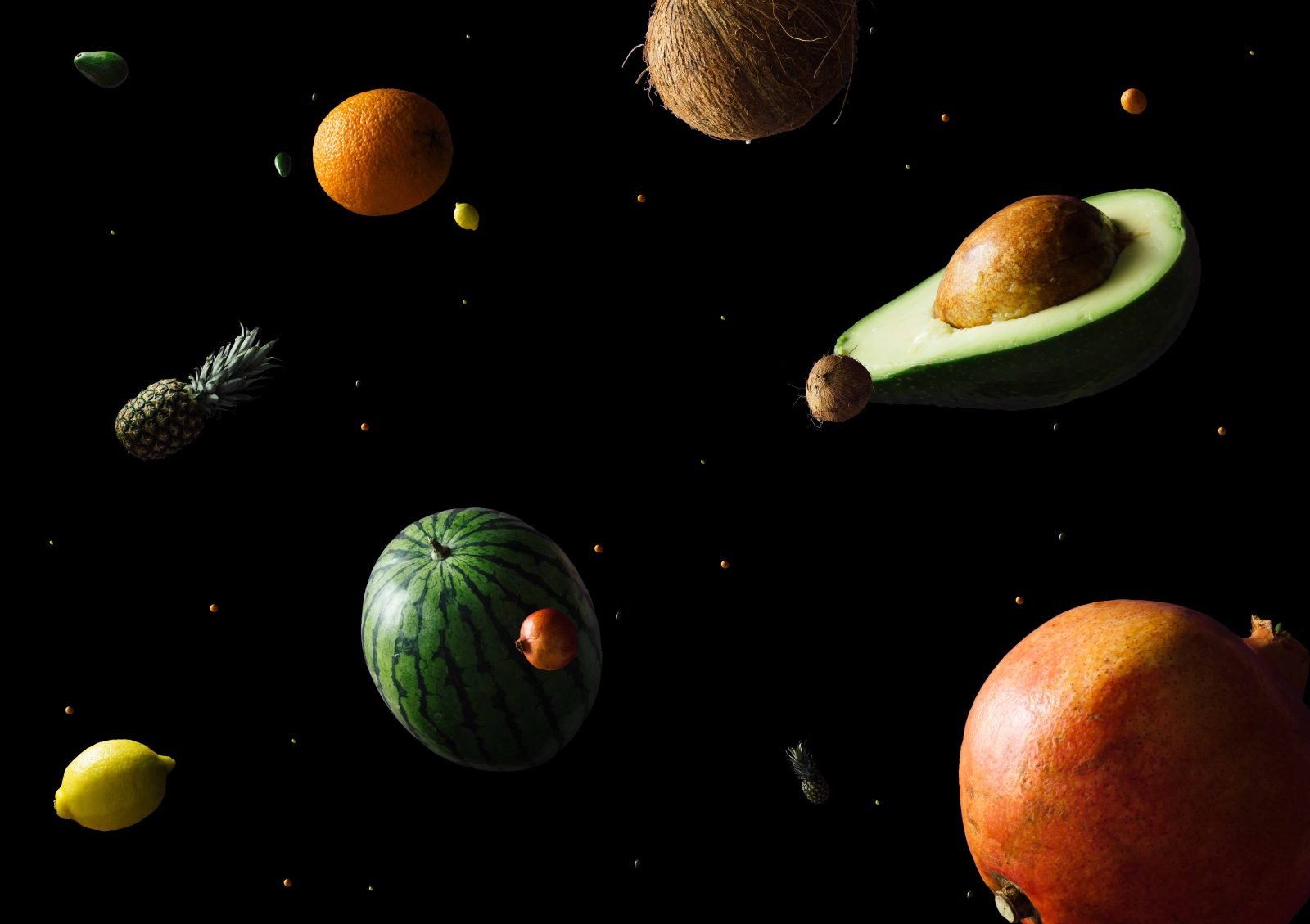
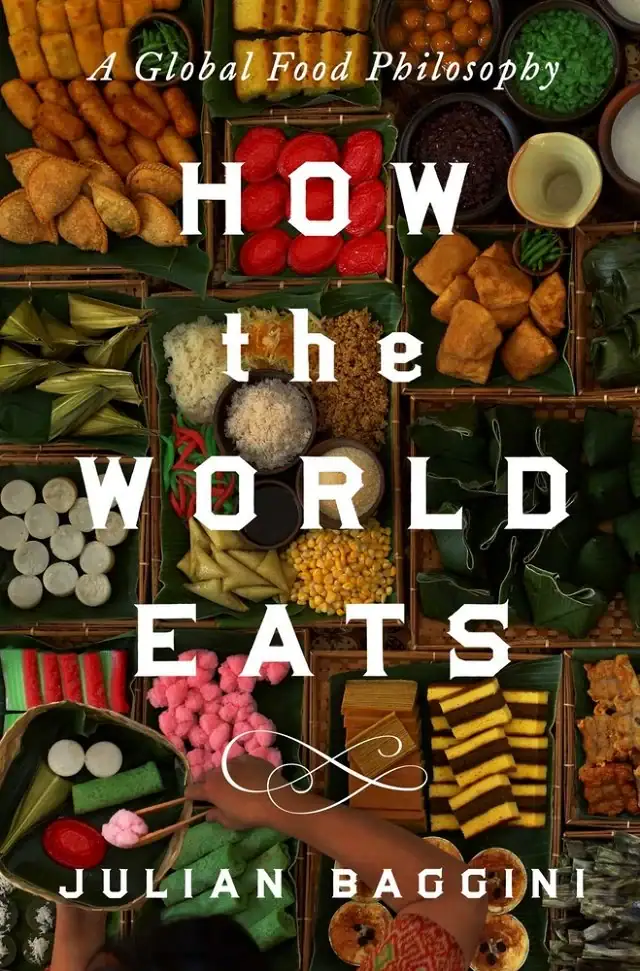
The following is an excerpt from How the World Eats: A Global Philosophy, by Julian Baggini. Listen to Julian Baggini on Food with Mark Bittman here.
Which foods best represent your part of the world? If you are in Maharashtra in western India, you might think of your prized local produce, the Alphonso mango. In South Africa, it could be biltong, a speciality product. Many Persians would nominate Ghormeh sabzi, a traditional stew. Delicious as all these may be, none are truly indicative of how we typically eat today, at least not in the industrialized world. Asked to bring back the most typical Earth foods, an anthropologist from Mars would fill its shopping basket with sliced bread, frozen pizzas and ready meals, picking up a burger and fries on the way back to the spaceship.
Curious extraterrestrials might also want to know how this food is produced. But if they stopped a random person and asked them, they probably wouldn’t discover very much. Despite the growth of interest in healthy eating, provenance and fair trade, most of us still have only a sketchy idea of the stories behind the foods in our fridges and cupboards. Our ignorance should embarrass us. Every well-informed citizen should know the basics about how food is grown, reared, processed, traded and controlled. We should all know how it affects our culture, economy, health and environment. There is a lot to learn, and the first lesson is that it is all much more complicated than you could ever imagine.
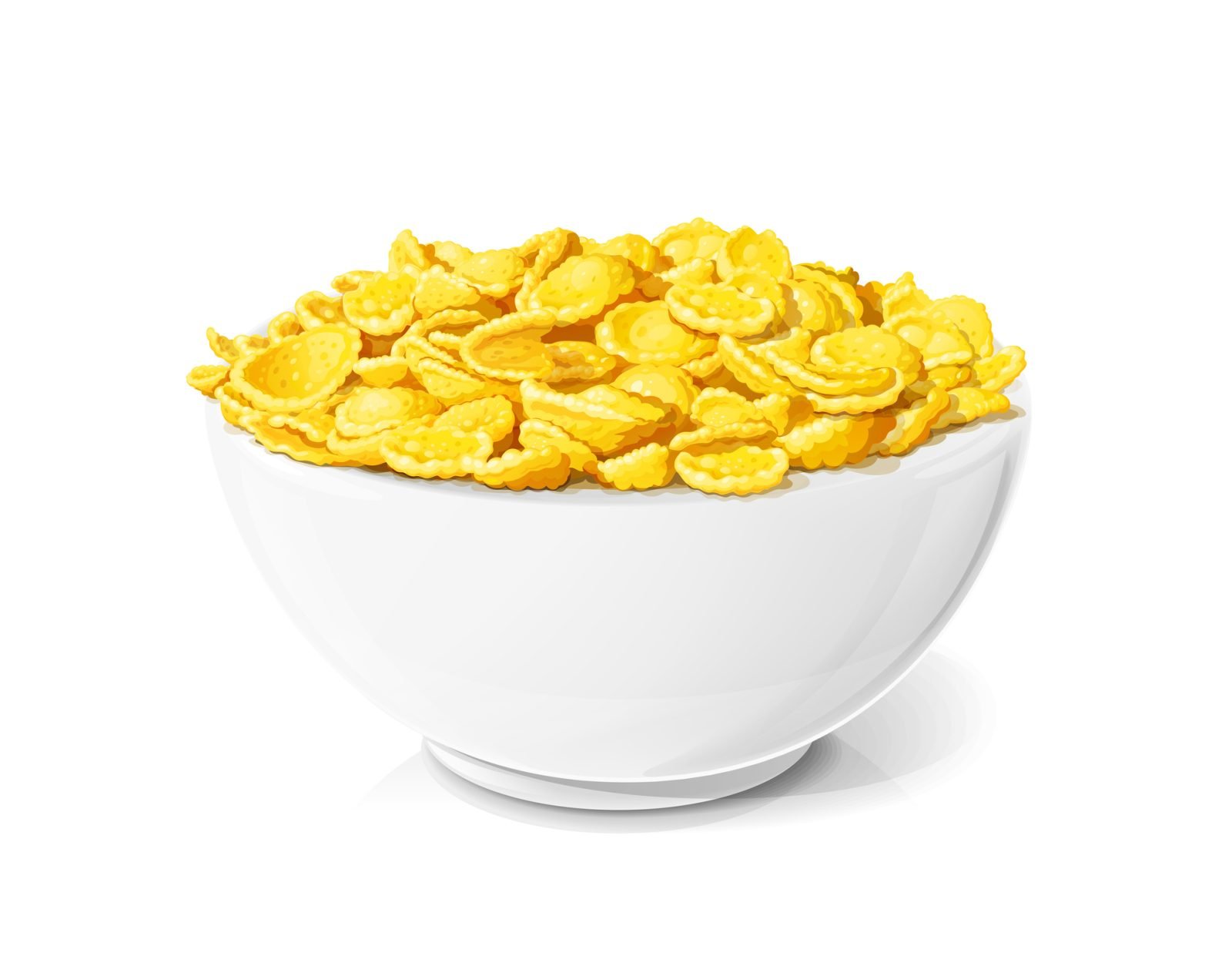
Consider a bowl of cornflakes, the kind of meal that is usually given no consideration. It is bought out of habit, eaten in a hurry and quickly forgotten. But think for a moment about how it got into the bowl. You might imagine that it starts with a farmer, but there is no way to trace your breakfast back to a single farm. The maize, for example, would have been bought from an intermediary, whose bulk containers would hold grains sourced from many different farms, all mixed up together. The chances are that most of this corn was grown from patented seeds, bought from one of a handful of big companies that dominate the global market. That seed would have been bred by one of a number of modern techniques, perhaps even genetic modification.
Each farmer would have been dependent on a number of pieces of machinery, and almost certainly on synthetic fertilizers, herbicides and insecticides. Irrigation was unlikely to have been provided by rainwater alone. Computers would have helped to plan harvests, which would have required storing and then transporting.
Cornflakes are usually fortified with vitamins and minerals, all supplied by specialist manufacturers. Other more sugary cereals may include highly processed ingredients such as high-fructose corn syrup or invert sugar syrup. Once made, the flakes will be packed, shipped to vast distribution centers and delivered to shops at just the right time so they don’t have too much or too little in stock. All of this depends on laborers throughout the supply chain, who are often badly paid and working in poor conditions.
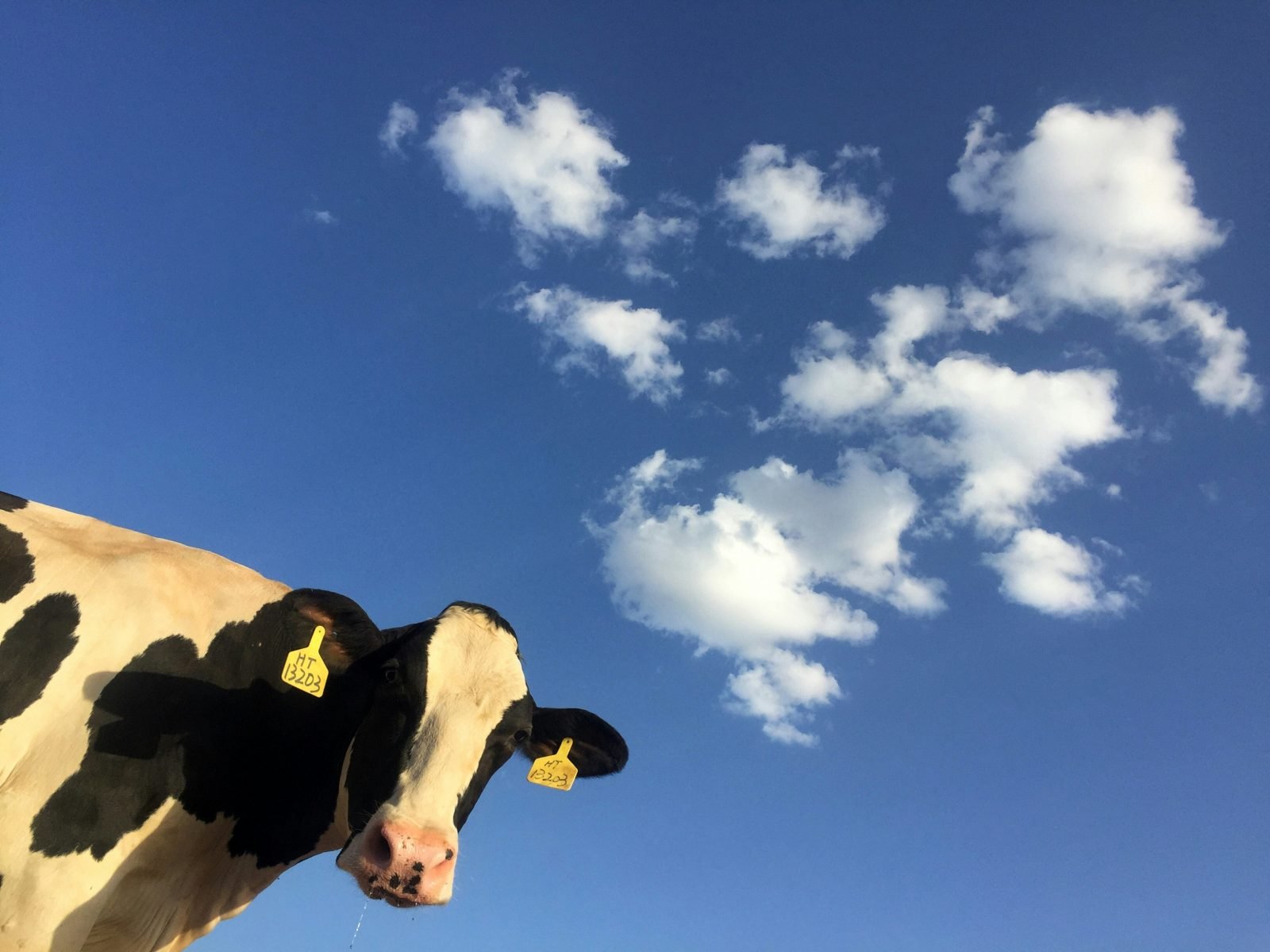
Then there’s the milk. Most dairy cows are kept indoors, where every aspect of their environment is carefully controlled. Their feed may have come from the other side of the world, possibly grown on land that was cleared from rainforests. Their milk has to be heat-treated, packaged and shipped, chilled the whole time, if it is fresh.
All of this results in more than just the food you eat. The packaging needs to be disposed of, ideally recycled, but all too often not. The manure and urine from the industrial dairy cows need to be treated and disposed of, and when, as is often the case, this isn’t done properly, local water supplies can be polluted. If the corn growers are not careful with their fertilizers, these too can run off and contaminate neighboring land and waters. If the farm is a liberally sprayed monoculture, with nothing but corn as far as the eye can see, local wildlife suffers. And, of course, there are the greenhouse gas emissions both from the energy required at each stage and the methane released by the animals and their waste.
Let’s not even get going on the tea or coffee you’re having with your breakfast.
Cornflakes are relatively simple by the standards of modern breakfast cereals. Apart from the added vitamins and minerals, the most famous brand has only four ingredients: maize, barley malt extract, sugar and salt. Yet when you think of everything that needed to be in place for you to be able to eat it, you uncover a tangled, complicated story. Imagine what is involved in your total weekly shop.
Picture a map of the world, with places and routes lighting up whenever and wherever some part of this process of making and selling cornflakes is taking place. You would see a kind of spider’s web of flickering filaments and nodes. Now imagine the illuminated web for another foodstuff. If every food’s earth print were superimposed on one image, all detail would be lost and almost the entire world would be glowing.
[The food system] has become the hidden wiring of the modern, industrialized lifestyle, an essential part of the engine that keeps us going, and that nobody even notices unless it breaks down.
This incredibly complex network is usually called the food system, which is difficult to clearly define, let alone describe. The Food and Agriculture Organization (FAO) of the United Nations (UN) says that food systems “encompass the entire range of actors and their interlinked value-adding activities involved in the production, aggregation, processing, distribution, consumption and disposal of food products that originate from agriculture, forestry or fisheries, and parts of the broader economic, societal and natural environments in which they are embedded.” More pithily, Henry Dimbleby, who led the independent report for the UK government’s National Food Strategy, defines the food system as “the sum of all the elements that combine to produce, process, market and sell the food we eat.” It has become the hidden wiring of the modern, industrialized lifestyle, an essential part of the engine that keeps us going, and that nobody even notices unless it breaks down.
Food systems change and vary across time and space, often considerably, but there is always a sphere of human existence which they govern, guide and control. This can be thought of as the sum total of all the agents, practices, flora, fauna, land and water that are involved in and affected by the process of producing, eating and digesting food. Strangely, we do not have a word for that domain. In the absence of the proper Latin- or Greek-derived name it deserves, such as the nutrosphere, I’ll refer to it simply as our food world. This domain is not a discrete, separable part of the wider world but, rather, every feature of the world that would show up if you had a kind of infrared camera that captured everything that affects and is affected by human food.
Whereas “food system” evokes associations of a massive global machine, controlled by pulleys and levers, the idea of the food world invites us to think of an organic ecosystem, in which every part is connected to every other.
Using the concept of the food world subtly but importantly reframes our thinking. The food system is something outside ourselves that we sometimes participate in as consumers and workers. But as people who eat daily, we are always within the food world. Whereas “food system” evokes associations of a massive global machine, controlled by pulleys and levers, the idea of the food world invites us to think of an organic ecosystem, in which every part is connected to every other. And while asking how our food system should operate sounds technocratic, thinking about how our food world should be managed foregrounds the ethical and existential import of how we feed ourselves. We have to think about values as well as processes.
The contemporary food systems debate is highly polarized and contested, but on one thing there is remarkable agreement: it is broken and we need to fix it urgently. Ask how and why it is wrong, however, and discord reigns once more. At the heart of the problem is a paradox: while humanity’s perennial challenge has been to provide enough food to feed the world adequately, many of our current difficulties are the result of overproduction. The worry is that we have only been able to produce large surpluses by depleting natural resources far more quickly than we can replenish them. The price of producing too much today could be that we cannot produce enough in the decades to come. In the meantime, we face both hunger and obesity, bumper crops and unprecedented environmental damage, food that is at the same time cheap for many and unaffordable for others.
There is no shortage of people offering solutions. Unfortunately, most proposals are far too simplistic: use technology to fix everything, return to traditional practices, go organic, let the market decide. All such prescriptions defy the incredible complexity of our food world, which can only be fully understood with a mastery of agronomy, ecology, biology, geography, sociology, anthropology, psychology, politics, history, economics, meteorology, chemistry, nutrition, business, cookery and more. It is precisely because a comprehensive understanding of the food world is beyond any single expertise that I dared to think I was in as good a position as anyone to take on the task of identifying its key features, joining the dots and sketching the big picture. I am by background a philosopher, and as Wilfrid Sellars put it, the aim of philosophy is “to understand how things in the broadest possible sense of the term hang together in the broadest possible sense of the term.” Substitute “the food world” for “things” and there is no better description of my goal: to understand how the food world in the broadest possible sense of the term hangs together in the broadest possible sense of the term. To enable me to do this, I have interviewed more than two dozen people for this book, and have surveyed the most important reports and studies from leading academics and authoritative bodies such as the United Nations. I see my endeavour as a form of “philosophical journalism”: finding the key facts, speaking to reliable informants, and using my philosophical skills to bring a picture of our food world together into a theoretically coherent and conceptually clear whole.
1 Comment