


Do you ever feel tempted to buy a full set of new pots and pans? Especially given all the shiny, exciting choices out there. But what you buy should be dictated by how you cook, not what manufacturers can make look good; it should be chosen to fit your style of cooking and the foods you like to make.
Cookware, of course, is made of all sorts of materials, and some materials require more care than others (see: cast iron, but if you love it, you love it!) Recently, I was swimming in cookware and needed to make some serious decisions about what I was going to use and what I wasn’t. We arguably still have too much, but I cook a lot and there’s something about cooking with a really nice piece of cookware that can make me feel giddy. (See: Made In’s stainless clad sauté pan, my favorite.)
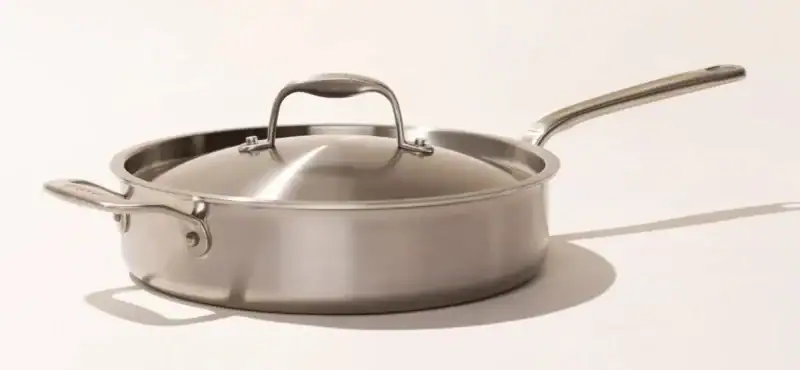
Luckily for anyone who’s in the market for some great pots and pans, Made In’s annual Memorial Day sale is currently in full swing (it goes through May 27). I’m seizing this as the perfect opportunity to go over the must-haves and the nice-to-haves when it comes to cookware and bakeware – and I also talked to Jake Kalick, the president and co-founder of Made In, about what he sees as must-haves. (There are five, and much of the time they intersect with ours.) Most of our product recommendations are from Made In – it’s really our favorite stuff. In the instances where Made In doesn’t offer an item, though, we have alternatives that will work beautifully.
One thing: I was going to get into the various cookware materials today – carbon steel, nonstick, cast iron, copper – but there’s already plenty of information for you to process here, so I’m saving that for another day. Jake basically gave me a tutorial, and I’m excited to share that with you soon. (“Copper is a flex,” Jake told me. “That being said, it has been the best cooking material for a very long time for a reason.” More on that to come!)
Essential: a large skillet
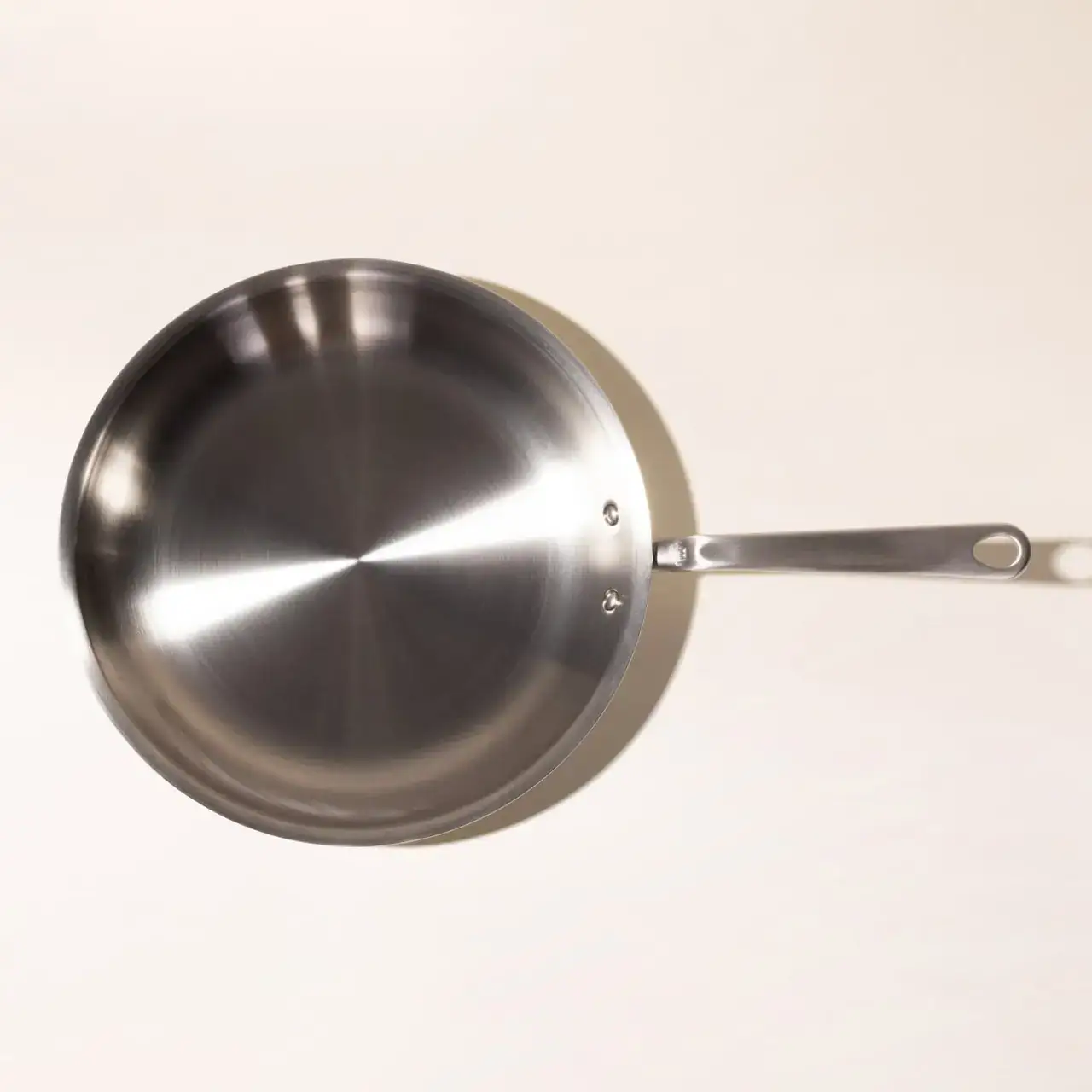
Cast iron, nonstick, or stainless steel, around 12 inches across and 2 inches deep, with a lid. Sloped or straight sides are both fine.
- Made In stainless clad frying pan ($20 off)
- Made In enameled cast iron skillet ($20 off)
- Made In nonstick frying pan ($20 off)
- Made In silicone universal lid ($20 off)
Use it for: Stir-Fried Snow Peas and Tofu Skins

Essential: a large pot
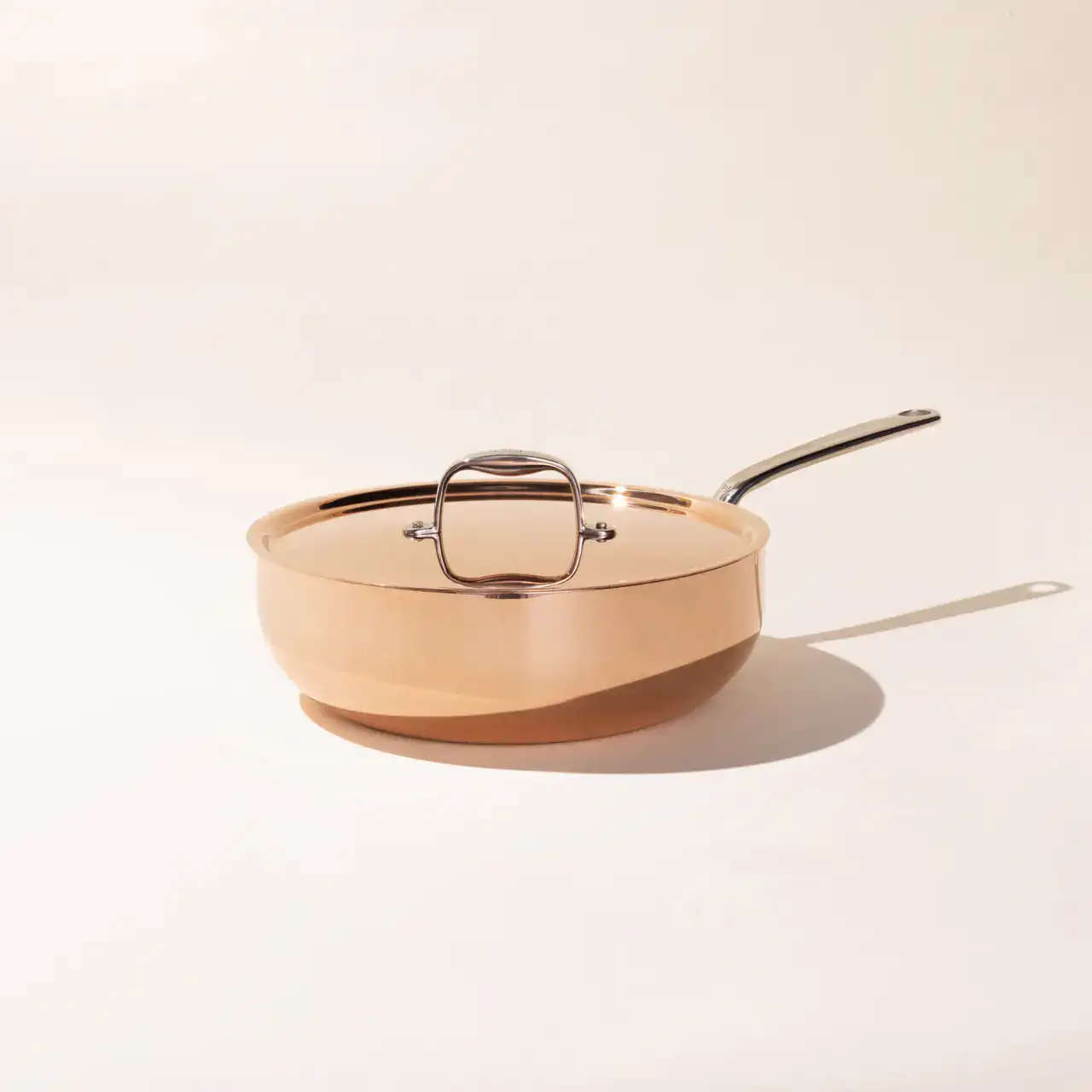
4-quart is ideal. Must be nonreactive, flameproof, and ovenproof, with a lid. Doubles as a vessel for boiling pasta.
- Made In round enameled cast iron dutch oven ($50 off)
- Made In stainless clad saucepan (4 qt)
- Made In copper saucier: One of Jake’s top five essentials. “I love the 5 quart saucier,” he says. “You can use it as a typical saucepan, for boiling something, but you can also use it for sauteing.” It’s rounded so you can use it for vegetables, onions, meat. “And it’s also really fun for finishing pastas and things like that, too. A super versatile pan that also feels very cheffy.”
- Made In stainless clad rondeau ($30 off): One of Jake’s top five essentials. Depending on the size of kitchen you have, go for a 6 or 10 quart rondeau; they’re great for roasting and braising. “You can use it as basically a giant fry pan surface; it’s a super versatile tool that allows you to do a lot.”
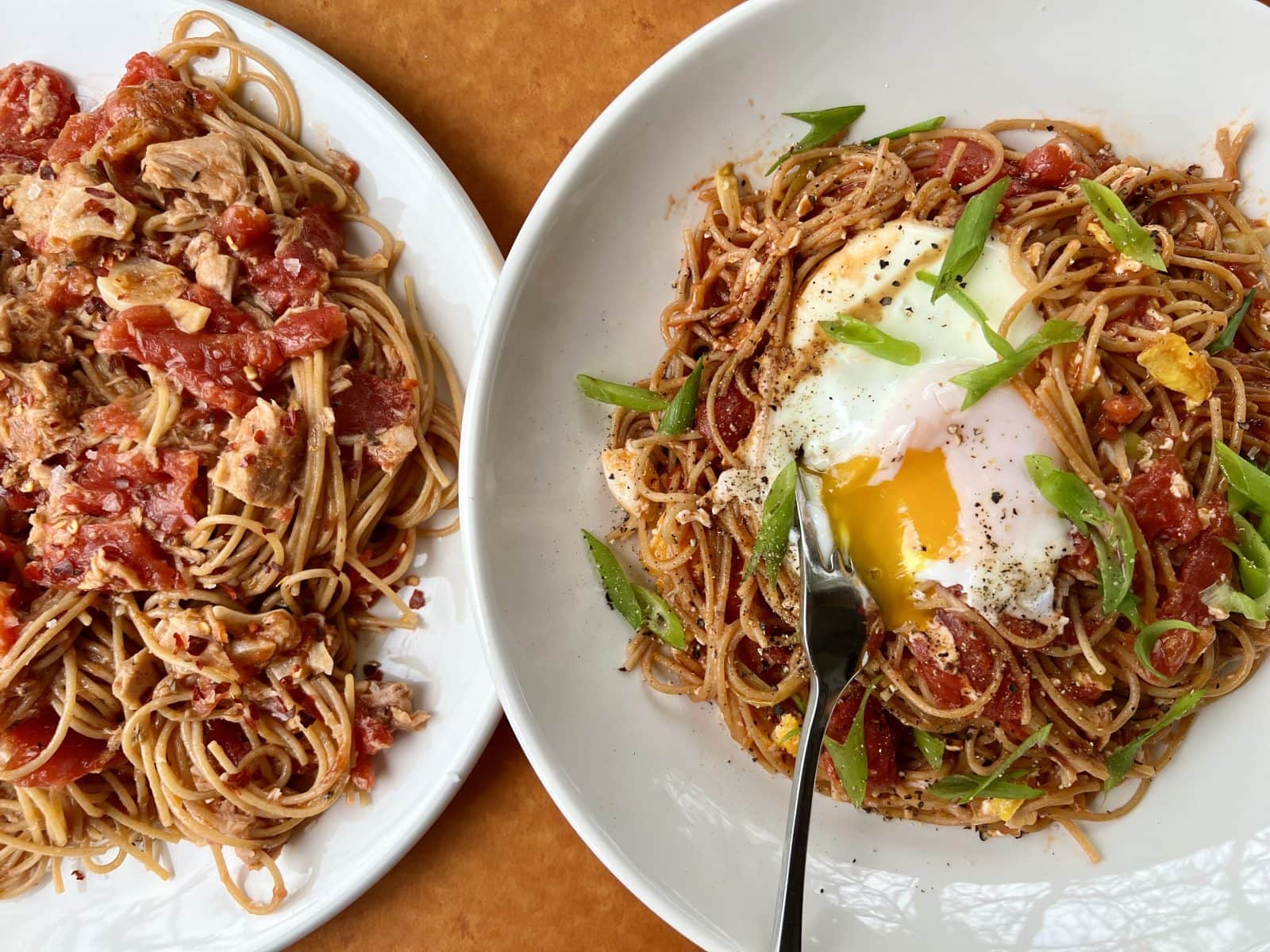
Use it for: One-Pot Pasta with Tomatoes and Eggs
Essential: a medium skillet
Cast iron, nonstick, or stainless steel, 8-10 inches across, for small-batch sautéing, frying, cooking eggs, etc.
- Made In stainless clad frying pan ($20 off): One of Jake’s top five essentials. “We have a lot of arguments over whether Made In has a ‘hero product,’ he says. “I would argue that this is it. It can do everything — and you’ll notice the difference with a clad frying pan vs. a cheap frying pan.”
- Made In nonstick frying pan ($20 off): Another of Jake’s top five essentials, for eggs and delicate fish – and for those times when you just want a more convenient cleanup.
Use it for: Frittata with Anchovies and Fried Capers

Essential: a small or medium saucepan

2-quart, with a lid.
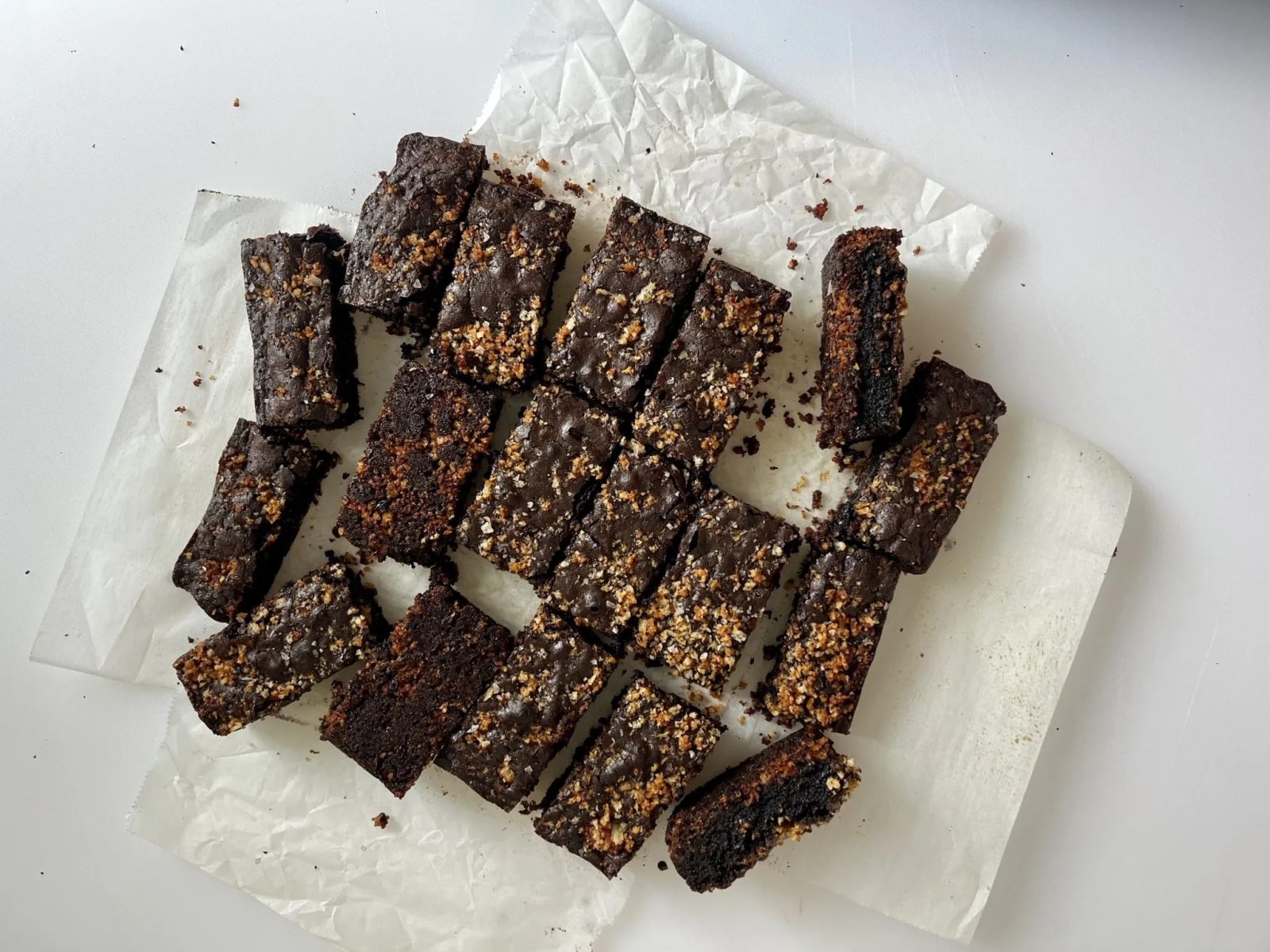
Use it for: Panko Brownies
Essential: 13 x 9-inch roasting pan
Metal if you’re only going to have one; glass or ceramic is good for a second. Make sure it holds at least 12 cups.
Use it for: Pernil

Essential: large rimmed baking sheet (and, really, you should have two)

Make sure it’s heavy duty or your food will burn.
Use it for: Baked Red Chile Falafel with Tahini-Lime Sauce
Essential: square pan
Either 8- or 9-inch is fine. The batter/dough will be a little thinner in a 9-inch square pan and baking time a little less; thicker and more time in an 8-inch. And did you know these sizes hold roughly half the volume of a 13 x 9-inch pan?
Use it for: Cockeyed Cake
Essential: a wire rack
You’ll want several of these, for both cooling baked goods and roasting. Make sure it fits in both your roasting pan and baking sheets. Grid-style is most foolproof, but it’s also more difficult to clean than those with simple parallel slats.
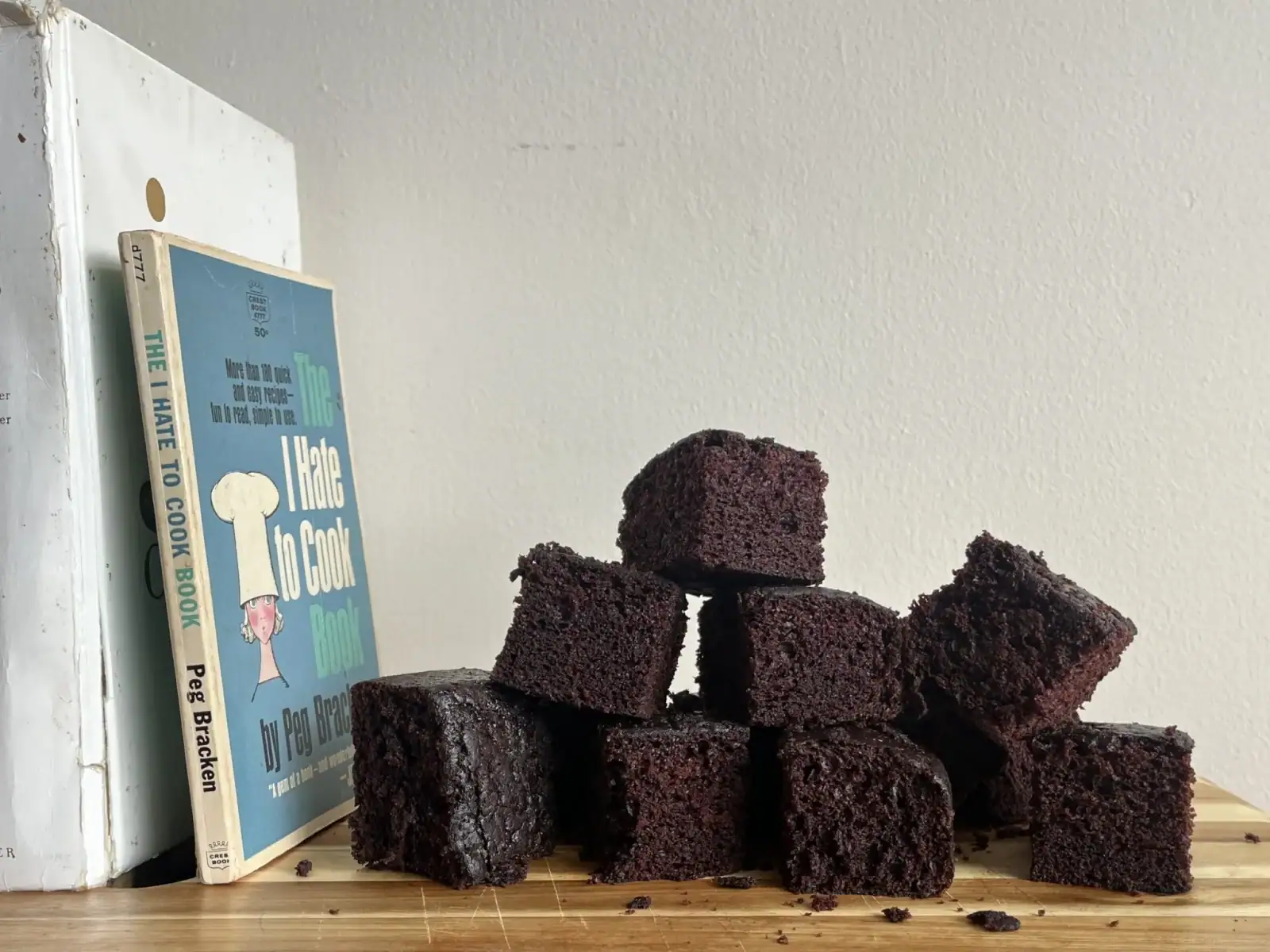
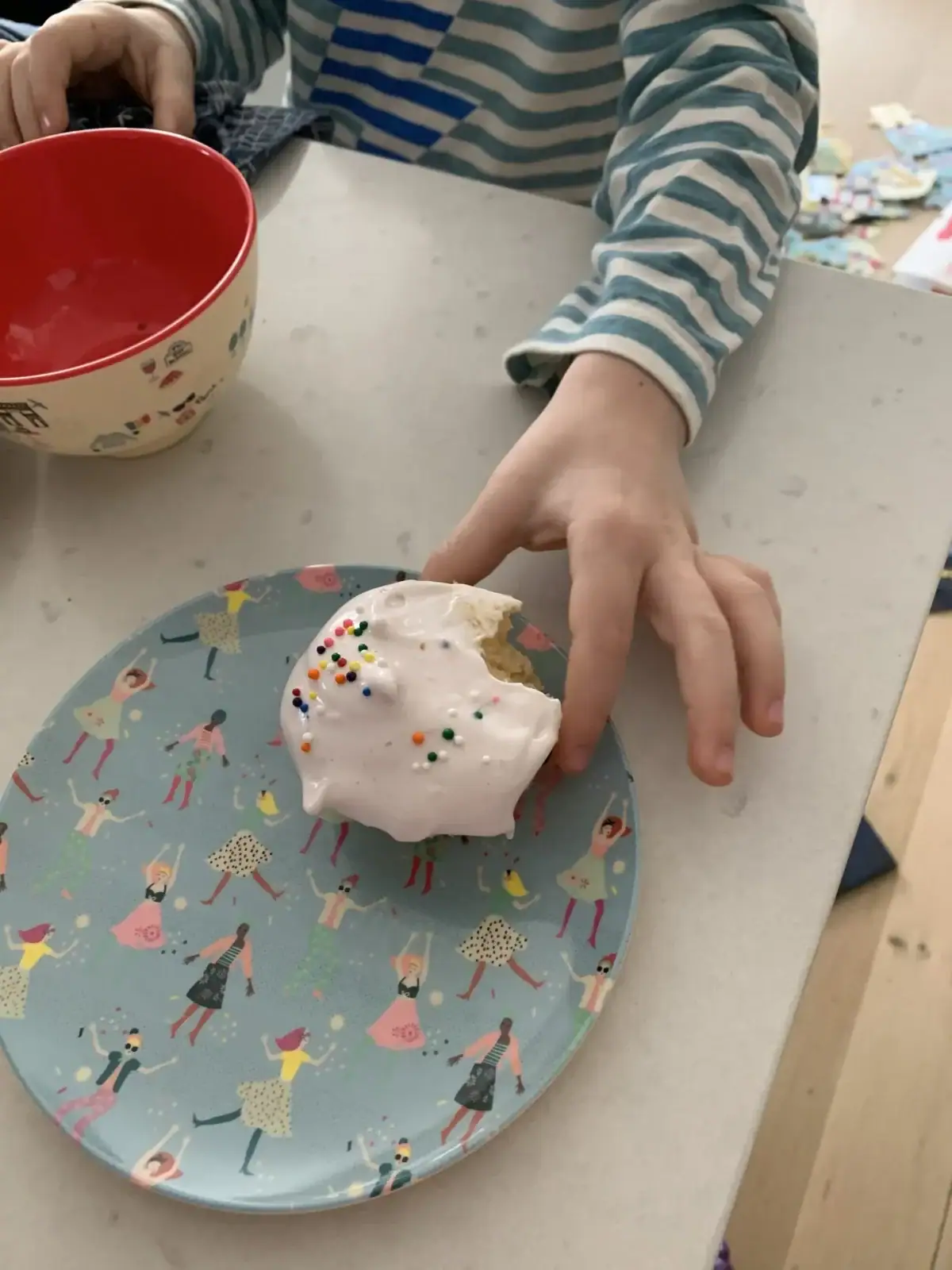
Use it for: Homemade Yellow Snack Cakes
Essential if you like quick breads and/or meatloaf: a standard loaf pan
Should be 8 1/2 x 4 1/2 x 3 inches; avoid glass.
Use it for: Banana Bread with Candied Ginger
Essential if you bake even one pie a year: a pie plate

9-inch is the standard. Mark’s recipes are almost always designed for standard depth, not deep-dish. This is one piece where glass is really nice, so you can see the color of the pie crust sides and bottom as it bakes and browns. (Especially helpful when “blind-baking” before filling and finishing.)
Use it for: Vanilla Cream Pie

Essential for certain types of cookies: a cookie sheet
Not having rims makes it easier to transfer cookies, especially if you use a silicone mat, too. These are a must-have for delicate cookies; otherwise a rimmed baking sheet is fine. If you bake a lot, get two.
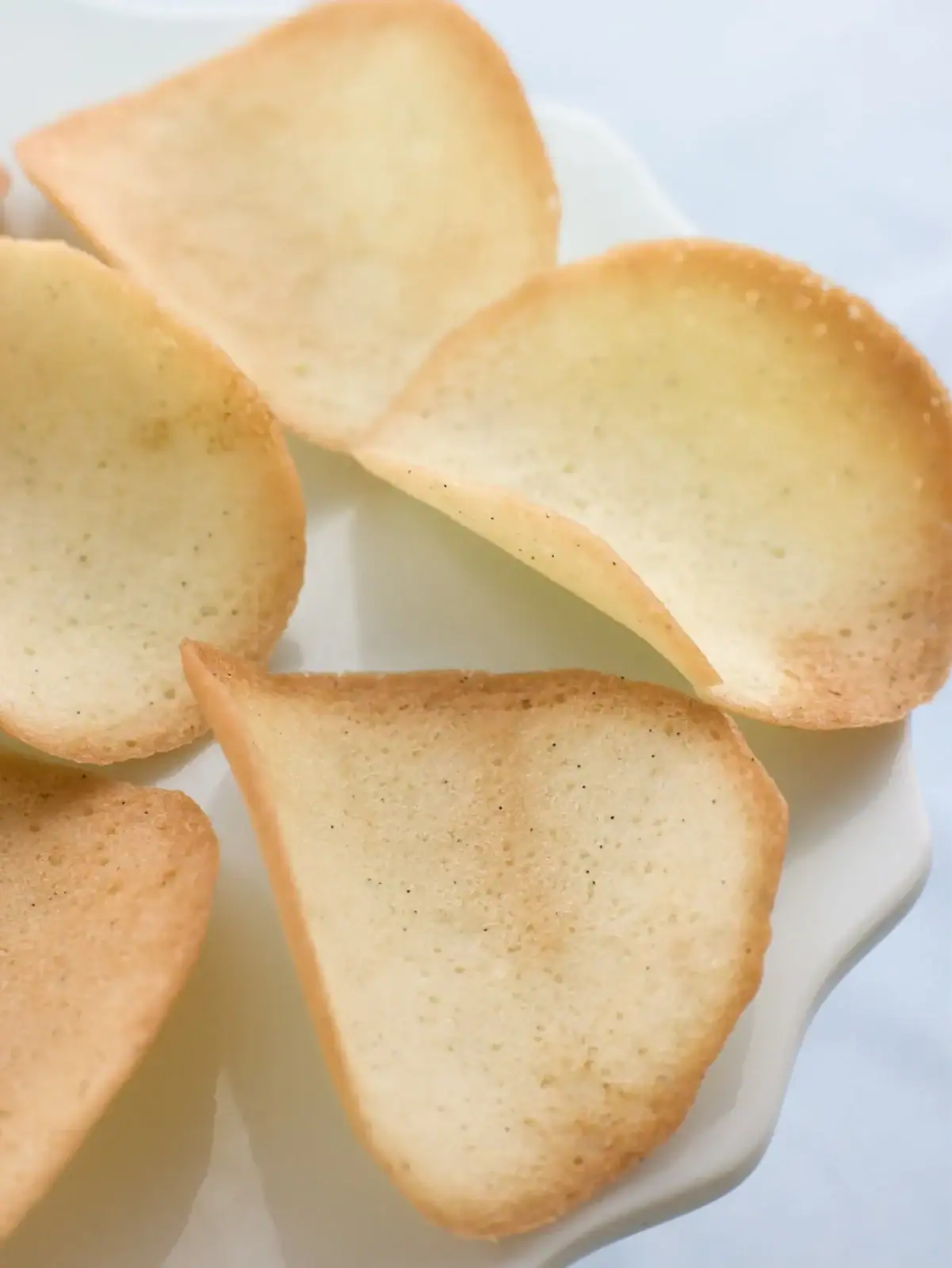
Use it for: Tuiles
Essential if you like to bake: a 9-inch round cake pan
For when you want to bake a layer cake. Nonstick is a nice option. You’ll want at least two pans.
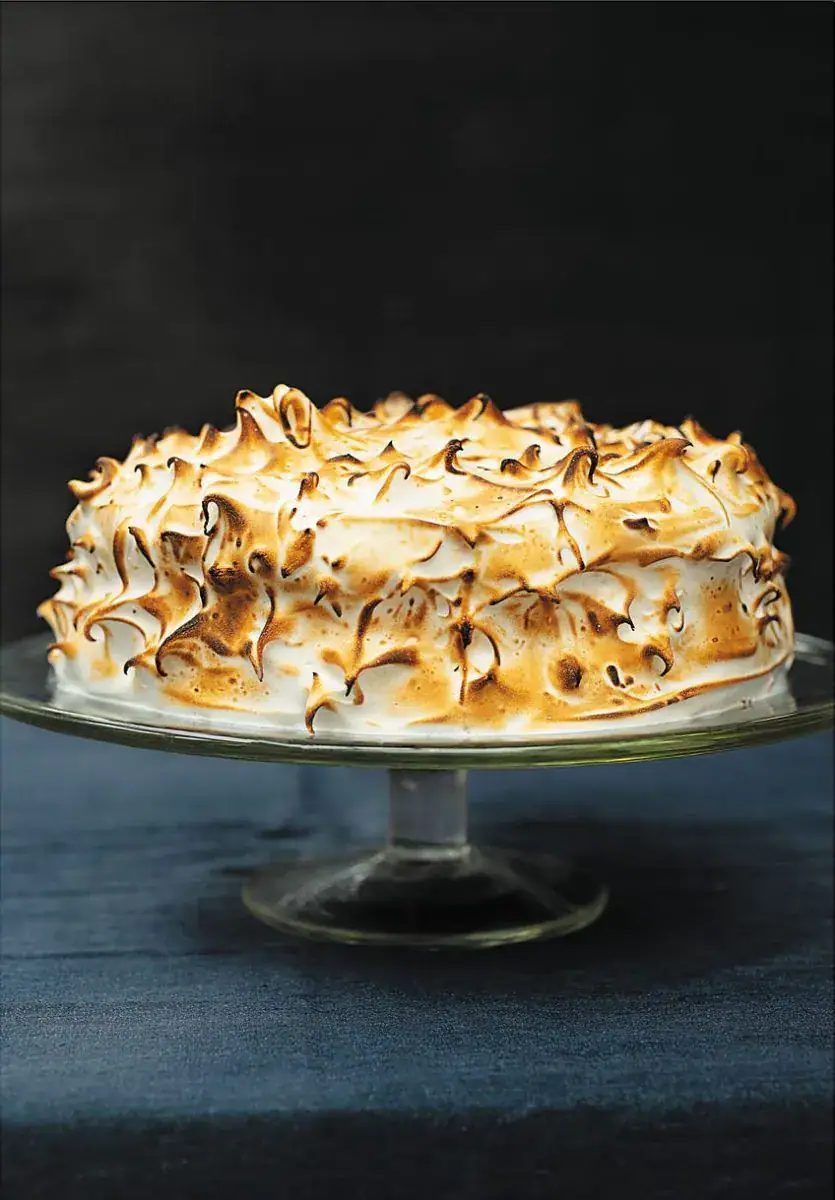
Use it for: Nigella Lawson’s Toasted Marshmallow and Rhubarb Cake
Essential if you like to bake cupcakes and/or muffins: a muffin tin
You probably already know if you’re the kind of person who likes to bake muffins and cupcakes. If you’re not, then don’t worry about getting a tin – any muffin recipe can be converted to quick bread and baked in a loaf pan. For the tin, you’ll want a standard 12-cup pan (jumbo and mini pans are also available).
Use it for: Muffins, Many Ways
Essential if you love to make desserts: ceramic cups or ramekins

Also great for holding chopped ingredients before cooking. 6-ounce size is standard, and 8 is the right number to have.
Use it for: Jerrelle Guy’s Baked Smoked Okra Dip

Essential for bakers: specialty cake pans like springform, tube or Bundt, and a fluted tart pan
Look for 9-inch pans for all; make sure they’re heavy-duty material to prevent scorching.
- Nordic Ware nonstick springform cake pan
- Williams-Sonoma nonstick tube cake pan
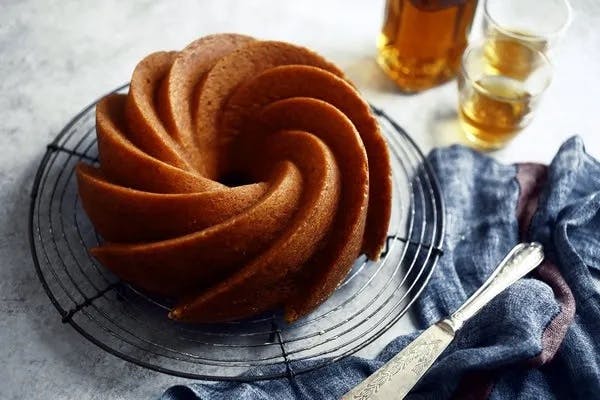
- Nordic Ware nonstick Bundt pan
- Williams-Sonoma tart pan
Use it for: Bourbon Apple Cake
Arguably essential: a stockpot

According to Mark, a stockpot isn’t totally necessary, but it’s nice as a backup for your large pot. An 8-quart stockpot is one of Jake’s top five essentials, though. “Kind of limited in use, but batch cooking, boiling water for pasta – you need it.” You’ll want stainless steel or heavy aluminum, with a lid.
Use it for: Tortilla Soup
Not necessarily essential, but nice as a backup for your 13 x 9-inch roasting pan: a large gratin dish
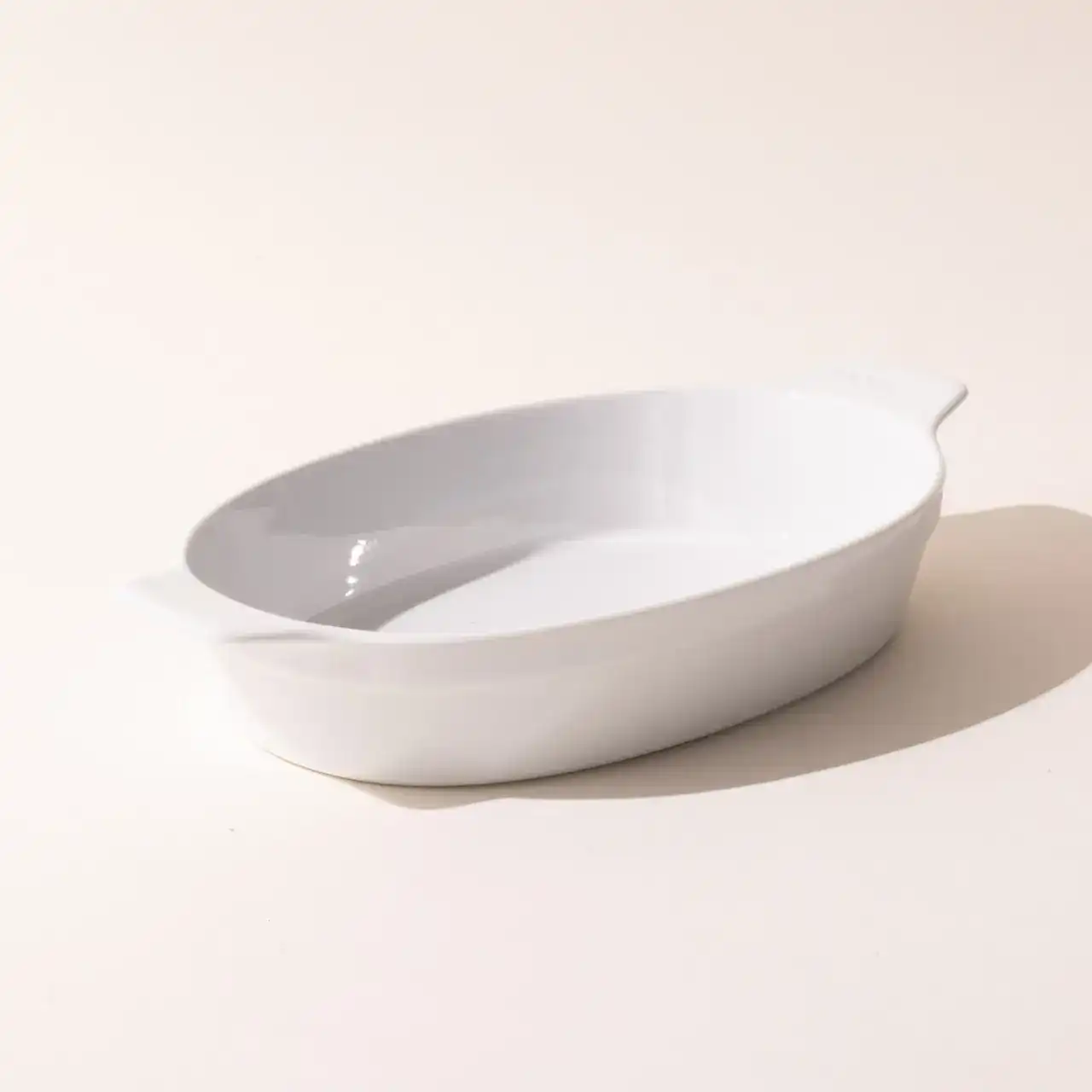
Holds 2 quarts. Oval or square, no more than 3 inches deep. Glass, ceramic, or metal is fine.
- Made In oval gratin dish ($10 off)
Use it for: Gnocchi Gratin

This post contains affiliate links for which we earn a small commission. Thank you for supporting us in this way!
1 Comment