

Plus: Is there actually “Jewish” food?

This Week’s Marksisms
Food with Mark Bittman: Jacques Pépin
My old friend Jacques Pépin has a new book out called Cooking My Way: Recipes and Techniques for Economical Cooking, which focuses on how to save money, time, and effort in the kitchen. Jacques is obviously a famous chef, and a brilliant one, but he’s also the best home cook I’ve ever met. He’s a chef with a home cook’s sensibility, and has never stopped being inventive.
We had him on the podcast a year ago, and it was an episode that many people loved, so we thought now would be a good time to bring it back. (The recipe I talk about on the episode, Eggs Jeannette, is here.)
Follow Food with Mark Bittman on: Apple Podcasts | Spotify | Overcast | Pocket Casts | Amazon Music
Is There “Jewish Food,” Really?
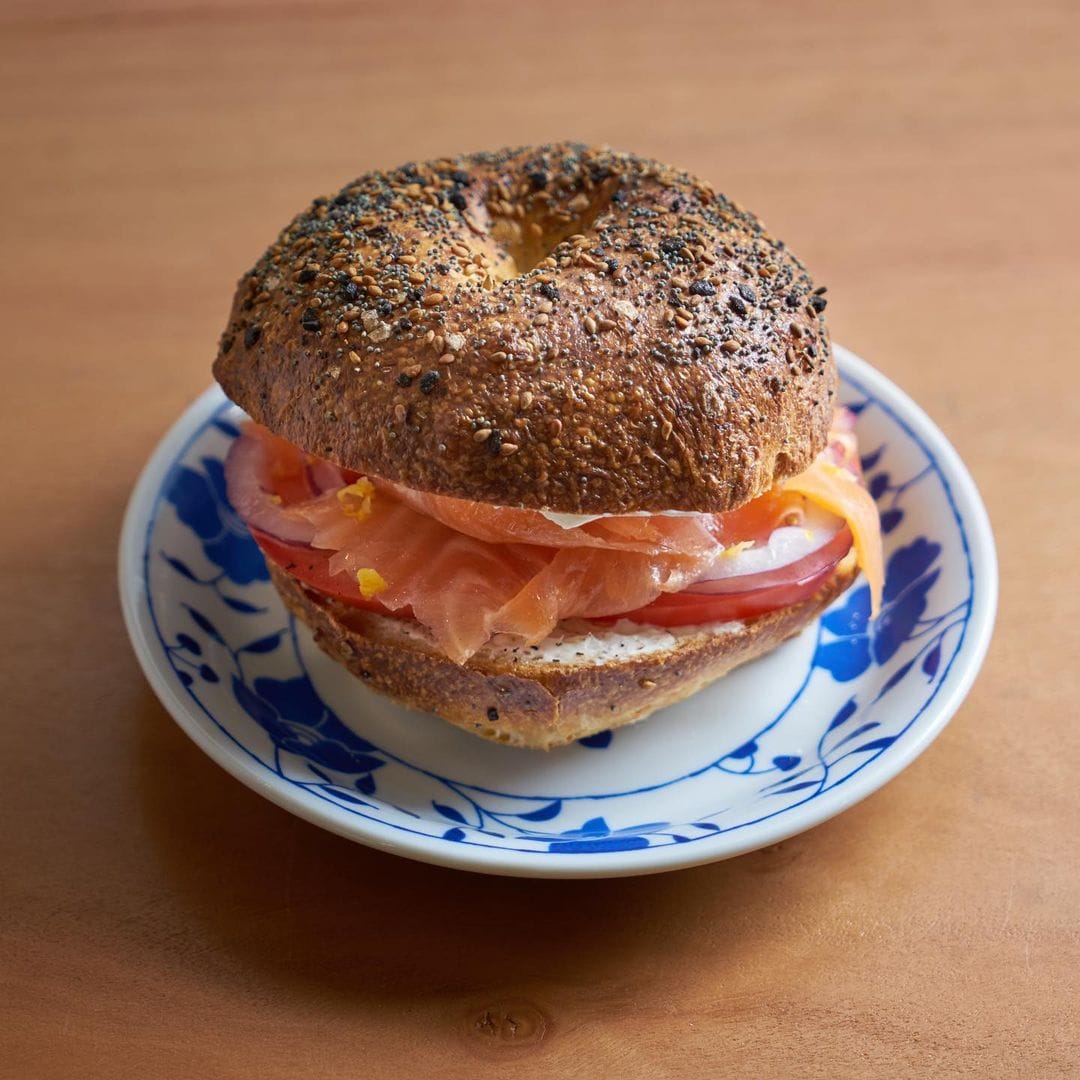
You can take the word “British” out of the question “What is British Jewish food, really,” which is discussed in this Vittles post. Because “What the hell is Jewish food?”
The content below was originally paywalled.
is a very thorny question, no matter the country, since Jews, until recently, had no official homeland, and Israeli food is no more the total of Jewish food than is what I grew up eating (and thinking was all there was to Jewish food), the Ashkenazi food of The Pale.
I kinda think it’s a silly question. (Does anyone ask “What’s Catholic food?” I don’t think so.) Where Jews live and cook is Jewish food, and Jews have long been international. Still, it’s an interesting piece and, if you’re in the mood for reading, it’s surrounded by half-a-dozen other interesting pieces. (Thanks to Raj Patel.)
Evil, Surreal Cooking
I love this description of crazy, imaginative, surreal cooking, which – this is what is striking to me – probably didn’t exist outside of the author’s ripe imagination, but really could have. The writing predates what we consider imaginative cooking by fifty years or more, and is from Italo Calvino’s The Baron in the Trees; Battista, the at first unnamed woman, is the narrator’s sister.
Her evil schemes found expression in cooking. She was a really excellent cook, for she had the primary gifts in the culinary art: diligence and imagination; but when she put her hand to it, no one ever knew what surprise might appear at table. Once she made some paté toast, really exquisite, of rats’ livers; this she never told us until we had eaten them and pronounced them good; and some grasshoppers’ claws, crisp and sectioned, laid on an open tart in a mosaic; and pigs’ tails baked as if they were little cakes; and once she cooked a complete porcupine with all its quills—who knows why, probably just to give us all a shock at the raising of the dish cover, for even she, who usually ate everything, however odd, that she had prepared herself, refused to taste it, though it was a baby porcupine, rosy and certainly tender. In fact, most of these horrible dishes of hers were thought out just for effect, rather than for any pleasure in making us eat disgusting food with her. These dishes of Battista’s were works of the most delicate animal or vegetable jewelry; cauliflower heads with hares’ ears set on a collar of fur; or a pig’s head from whose mouth stuck a scarlet lobster as if putting out its tongue, and the lobster was holding the pig’s tongue in its pincers as if they had torn it out. And finally the snails; she had managed to behead I don’t know how many snails, and the heads, those soft little equine heads, she had inserted, I think with a toothpick, each in a wire-mesh; they looked, as they came on the table, like a flight of tiny swans. Even more revolting than the sight of these delicacies was the thought of Battista’s zealous determination in preparing them, of those thin hands of hers tearing the little creatures to pieces.
That’s it from me today. I’ll be back tomorrow — see you then!
Comment