

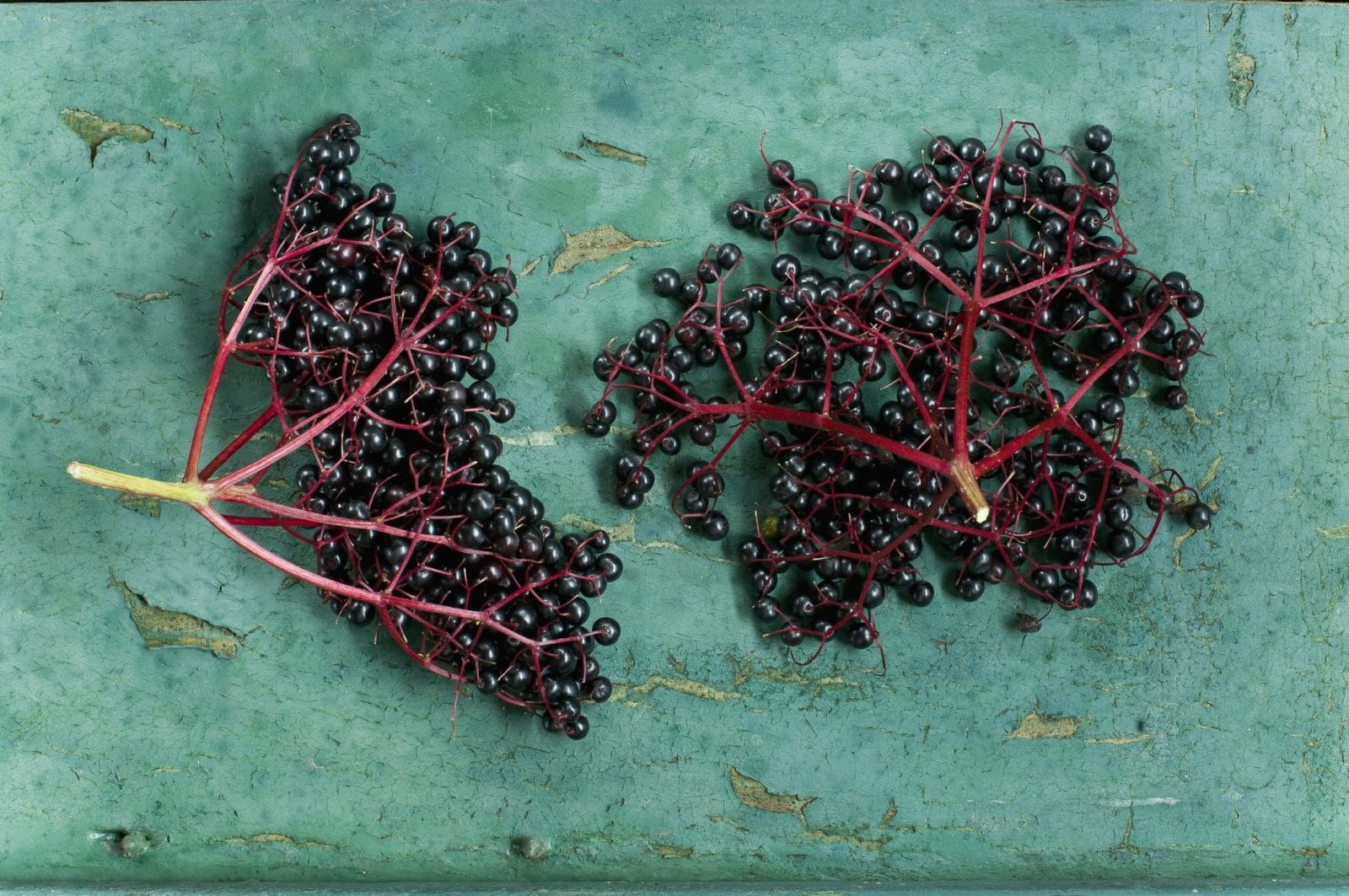
This spring seems strikingly beautiful, and although maybe I always feel this way, in a dark and painful time for so many people it’s helpful to remember that some things remain at least marginally “normal.”
One normal thing is that perennial plants still exist.
The topic of perennials cannot possibly be a new one, but it is having a moment, because polyculture, farming to encourage pollinators, the need to care for soil forever, to recognize that it’s a living thing, and of course to sequester carbon are all related to the increased use of farming perennials; think, for example, of interplanting trees and crops, or of having livestock grazing among perennial crops such as fruit and nut trees.
Anyway, we talk about these and other things—including Living Roots: The Promise of Perennial Foods, Liz Carlisle and Aubrey Streit Krug’s new book—on this week’s podcast. The below excerpt, written by Liz and Aubrey, is from Living Roots. – Mark
There’s something particularly lonely about attending to the minutiae of daily life while the planet is burning. You take your child to day care. The ocean warms to unprecedented temperatures. You drive to work. Your city sets another heat record. It feels like everything that really matters is somehow out of reach.
Right now, our food systems often function like the agricultural equivalent of fast fashion.
But all around us are fellow beings whose very metabolic nature proclaims their ongoing allegiance to the living world. Mussels filtering water. Bees pollinating wildflowers. Sheltering trees bearing fruit. This begs the question, Why can’t we humans sustain ourselves in ways that sustain others too?
Right now, our food systems often function like the agricultural equivalent of fast fashion. Plants are only in the ground for this season. A handful of these annuals—corn, soy, wheat, and the like—dominate the landscape. Commodity crops are shipped out in tremendous volume, harvested and processed by people whose work puts their health and livelihood at risk. These crops are hurriedly assembled into cheap, low-quality products. Fossil fuels are squandered at every stage of the process, and it all ends in a stupefying amount of waste. Indeed, our food systems are currently responsible for a third of global green-house gas emissions, from the carbon dioxide lost when clearing land to the methane emitted from all that wasted food in the landfill.
As environmental scholars and educators, we found ourselves wondering, How do we build a food system that is made to last?
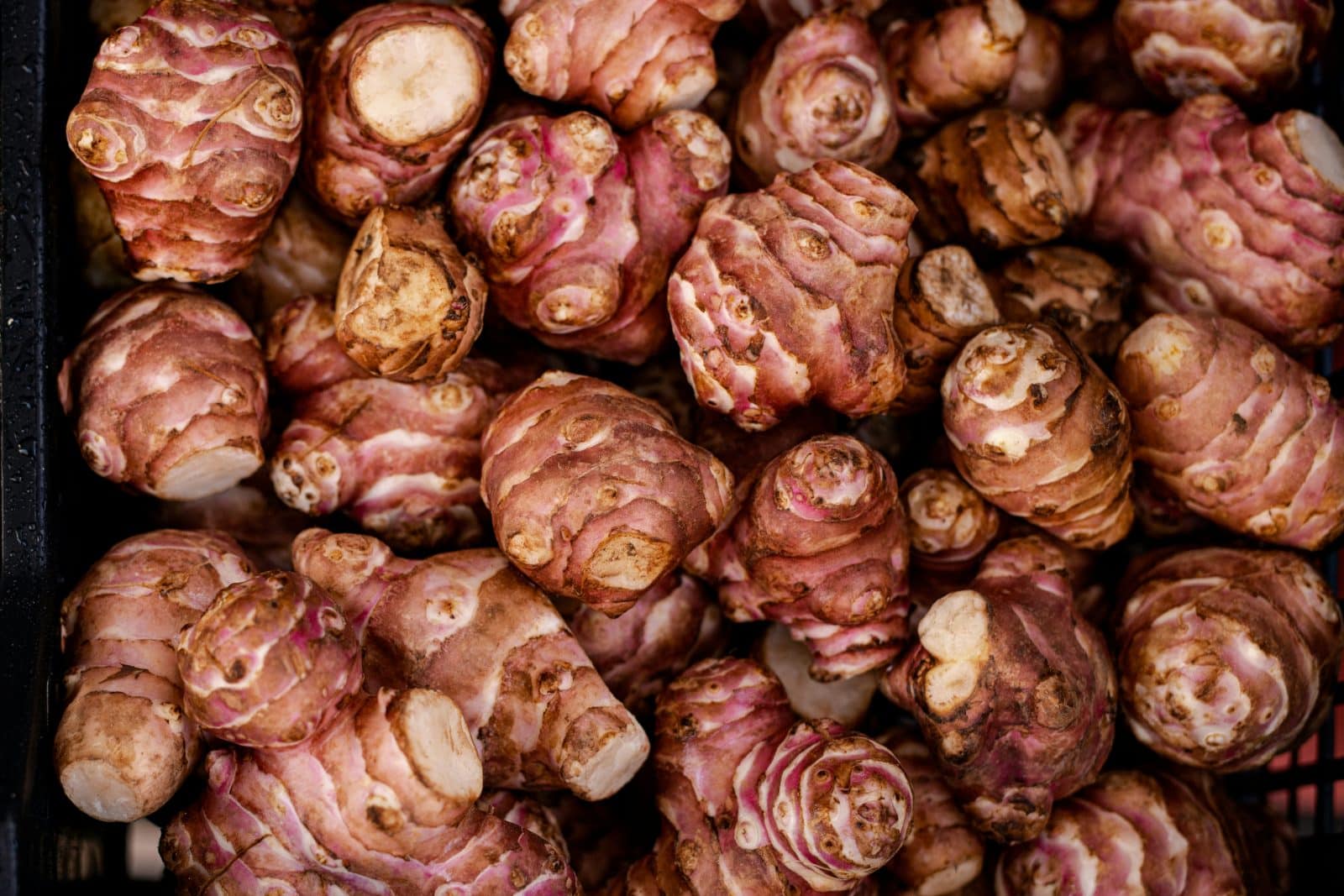
In both of our places, we started to learn about the diversity of food systems that flourished a few hundred years ago. In coastal California, where Liz lives and works, acorns featured as a staple food, alongside holly leaf cherries and elderberries. Chumash and other Indigenous peoples tended these prolific food forests with fire and an epic collective pruning effort. In the central Great Plains, where Aubrey lives and works, grasslands have been stewarded by the Kaw, Pawnee, Osage, Omaha, and other Indigenous nations. Prairies fed bison, elk, rabbits, prairie chickens, and the many people who relied on these creatures along with plums, berries, and a bevy of tasty roots.
The key to both of these food systems is that they worked with, rather than against, the creativity of the plants that evolved to live most abundantly across Earth’s landscapes: perennials.
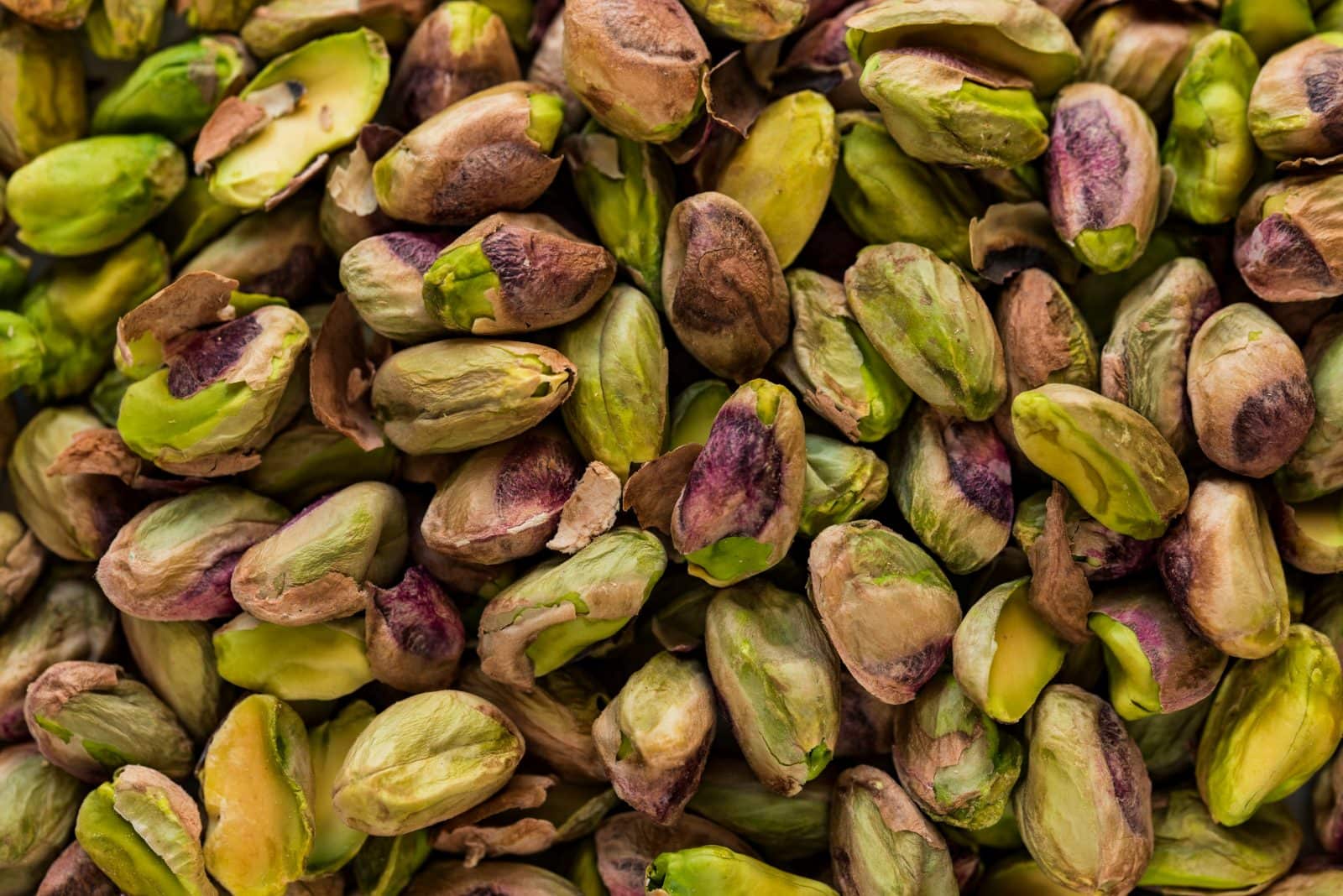
Perennials, roughly speaking, are plants that live for more than one year. You’re probably familiar with many perennial plants already: Trees and bushes are perennial, as are the long-lived grasses you might see out in the rural parts of the country where we are from. You might have even eaten some perennial foods today: Tree nuts and tree fruits are obvious ones, but grass-finished meat raised on perennial pasture might be a candidate for this designation as well. What these foods all have in common is that they come from farms where plants stay in the ground for multiple seasons. Which means their roots can go to work.
Year after year, perennial plants allocate a quarter to a third of their solar harvest to their microbial mutualists, pulling carbon down out of the atmosphere and building up the terrestrial life support system commonly known as soil.
Perennials stay in place for decades—and sometimes centuries—precisely because their roots are so active. Roots seek and exchange; they push and pull, tense and release; they brace, rub, infiltrate; they decay and turn over. Roots go deep, sometimes dozens of meters. Critically, they take sunlight energy harvested by the plants’ leaves and deliver it into the ground to provide food for microbes, with which they form a sort of belowground superorganism. Microbes gather nutrients and water needed by the plants, while plants feed microbes the sugars they need to survive. Year after year, perennial plants allocate a quarter to a third of their solar harvest to their microbial mutualists, pulling carbon down out of the atmosphere and building up the terrestrial life support system commonly known as soil.
This rooting movement of matter and energy happens in the dark, mostly out of sight. But it is integral to how sunlight powers precious cycles of life.
From the earliest days of civilization, many communities developed intimate knowledge about the perennial plants they harvested to feed their families, fuel their hearths, and weave the tools of everyday living. Eighty thousand years ago, people in what is now southern China were likely eating carbohydrate-rich nuts as part of a varied diet. Sixty-five thousand years ago, people in what is now Australia were grinding the grainy seeds of native perennial grasses. These plants helped people develop ways of life that fit their places, rich with stories and skills passed down to children and grandchildren.
And yet, today, some 60 to 80 percent of global cropland is dedicated to annuals, just four of which (corn, wheat, rice, and soybeans) account for 75 percent of the calories consumed by people.
A bold movement into a more just, perennial food future is no small task. It will require badgering our elected officials, having courageous conversations with our neighbors, and embracing new flavors and rural aesthetics.
There are deep-seated reasons for this dramatic shift toward a handful of annual foods, entrenched political and economic forces that have pushed agriculture toward short-term profits rather than long-term human and environmental health. Building robust perennial food systems means challenging these forces and the corporations and decades of received wisdom arrayed behind them. We’ll also need to repair the damage already wrought by extractive annual agriculture, regenerating soils and social bonds so we can sustain people and the land. And we’ll need to build systems to ensure that the ecological and economic benefits of more perennial landscapes will be fairly distributed. A bold movement into a more just, perennial food future is no small task. It will require badgering our elected officials, having courageous conversations with our neighbors, and embracing new flavors and rural aesthetics.
And yet we think people are up for it.
Liz Carlisle is an Associate Professor in the Environmental Studies Program at UC Santa Barbara and the author of Lentil Underground, Grain by Grain, and Healing Grounds.
Aubrey Streit Krug is the Director of the Perennial Cultures Lab at The Land Institute, where she investigates relationships among humans, plants, and places.
Comment