

Of note: This is a product review; we were not compensated for this post. However, we like the Mill so much that we secured a special discount, exclusive for annual subscribers of The Bittman Project. More details are in today’s newsletter. (If you’re an annual subscriber and don’t have the email, get in touch at members@bittmanproject.com and we’ll send you the link.) Thank you for being a member!
Not an annual subscriber yet and want in? Join now, and we’ll send you an offer for $100 off the Mill.
When I walked into the kitchen one morning a few weeks ago, my husband, Nick, was in there doing dishes. “Hello, my love.” I said.
“You’re not talking to me, are you?” he said.
“No,” I admitted. He knew exactly what I was doing: I was talking to Joshua, our food recycler.
Roughly one-third of all food produced worldwide is wasted. Food degrading in landfills is horrendous for the planet – 58% of methane emissions from landfills come from wasted food and, in general, food waste is responsible for 10% of global greenhouse gas emissions. Shrinking that number is our best opportunity to reduce emissions over the next 30 years, according to Project DrawDown. I’m the first to admit that I’m a bit of a nut on the subject, but every time I put wasted food into the trash, I feel bad. So when I heard about the Mill, I was immediately intrigued.
Meet Mill, the copy on the website reads. The odorless, effortless, fully automated food recycler. After using the Mill – I named it Joshua, because the accompanying app prompts you to give your gadget a name – for around two months, I can confirm that this tagline is true.
The Mill arrived on a day when Nick was about to leave town for a few days, and I – uncharacteristically, I might add – decided to unpack it and set it up by myself while he was gone. Weight aside (it’s 68 pounds) the Mill is super easy to set up. Once you get it out of the box, you basically just have to plug it in and you’re ready to go.
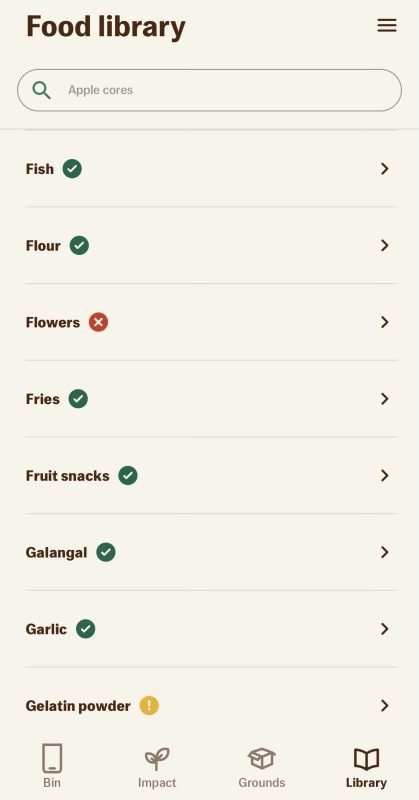
There it sat, in a nice empty spot in our kitchen. I got started right away. Cucumber peels, eggshells, questionable strawberries, you name it. On the Mill app, there’s a comprehensive list of what you can and cannot put in the recycler. Artichoke hearts are okay, but their leaves and stalks are not (they’re so fibrous that they don’t really grind and often result in jams); meat is fine; dog food, all good; small bones and avocado pits are no problem; candy, dessert, and baked goods you should be mindful about – two cups or more can make a mess of the bin. The list is rich with information and has so far answered any questions I have about what is and isn’t cool to put in there. And relatively speaking, there aren’t a lot of restrictions.
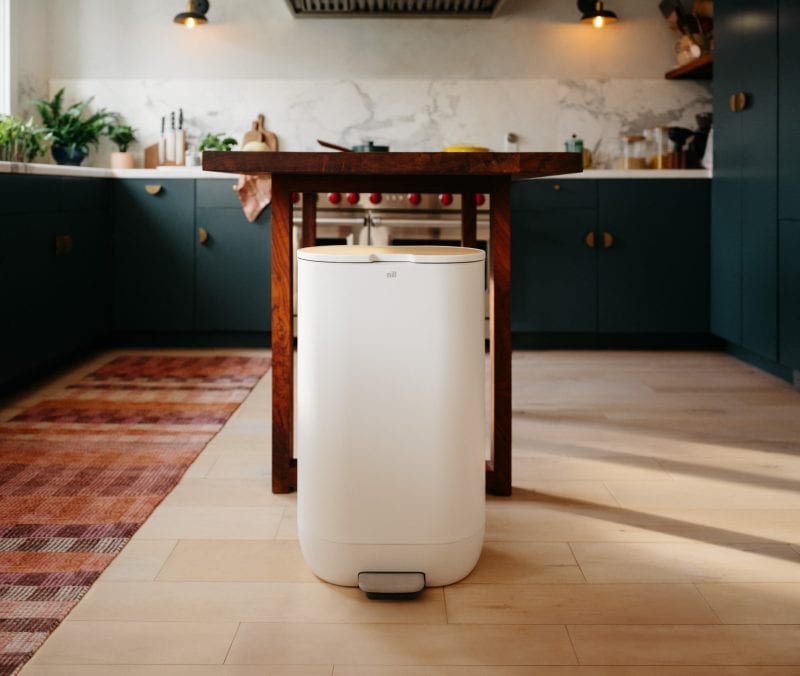
The Mill looks like a chic garbage can; it’s sleekly designed and blends in well. Open it up and there’s a bucket that sits at the top – that’s where your scraps go. You can set the machine to run automatically – it will only run when the amount of mass added that day is past a minimum threshold, which is about the weight of two banana peels – or you can run it manually. Ours is set for nightly at 10pm, and we generally have enough in there such that it runs every night.
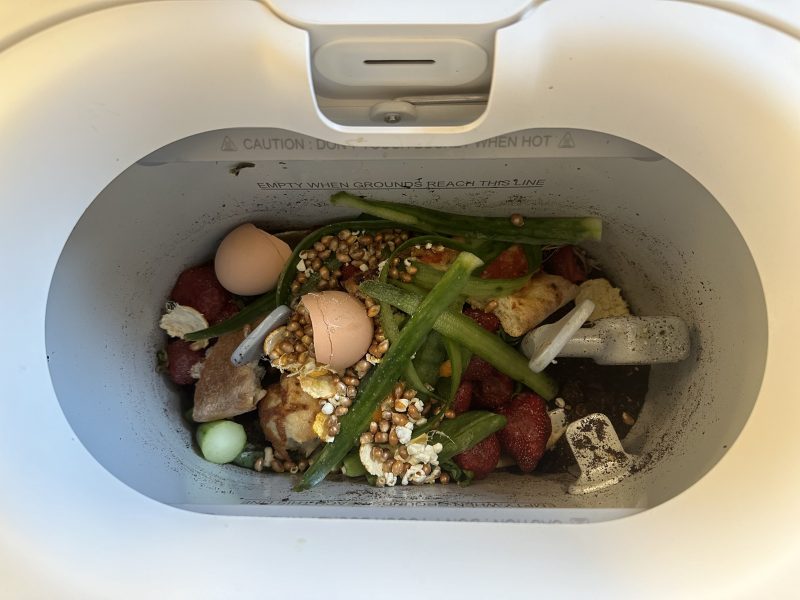
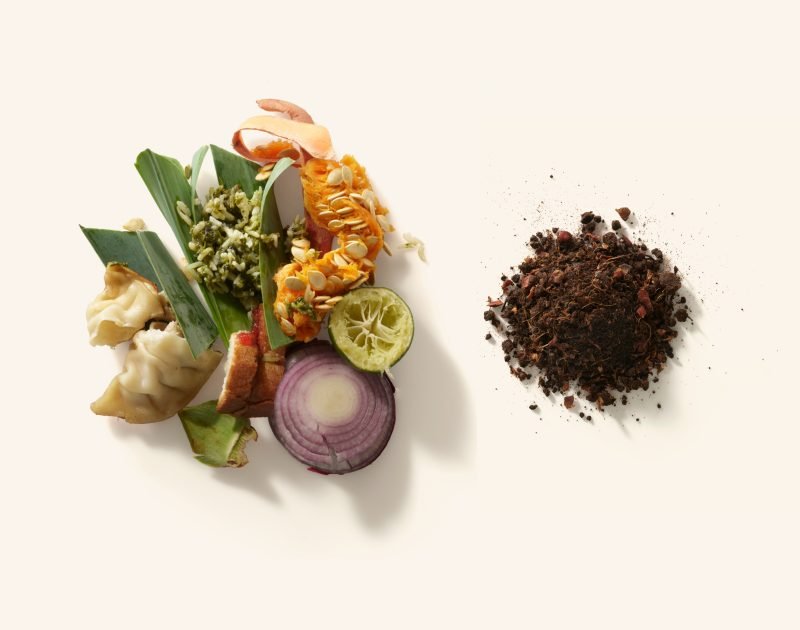
In the morning, our food scraps have been turned into what looks like coffee grounds. Using an automated dual grinding system, the Mill takes the scraps and dehydrates them, then grinds them up into a nutrient-rich powder. Once the scraps have been processed, they’re shelf stable and can stay in the bin for weeks without rotting. Seriously: It can take weeks for the bucket to fill up, but the grounds will not smell. (Nick is a compulsive smeller, and he was dubious when Joshua entered our lives – “it smells a little,” he said one day, which is high praise, coming from him – but really, give it a whiff and you’ll be astonished.) The odorless feat is accomplished through the Mill’s activated charcoal filters (made from upcycled coconut shells, of course) which are made to last for up to a year before they need replacing ($60).
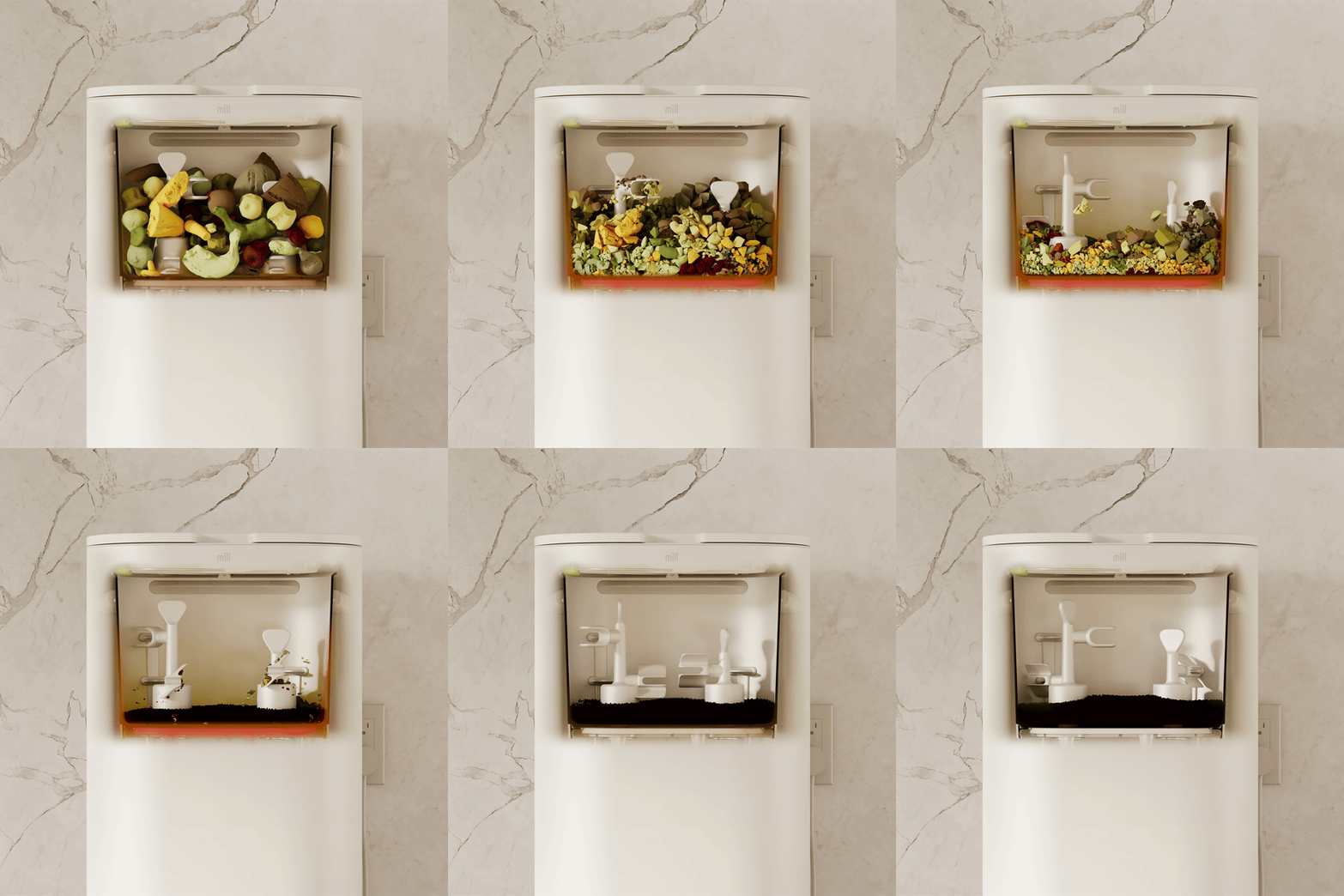
This tidy little process reduces your food’s volume by 80%, and with the 6.5L capacity of the Mill – and its stink-free nature – you can get around 40 pounds of food waste in there before you have to empty the bucket.
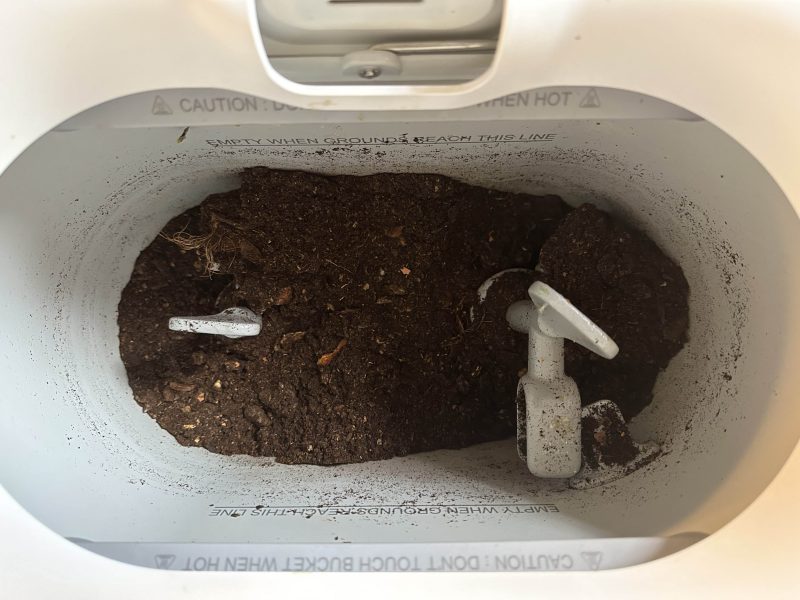
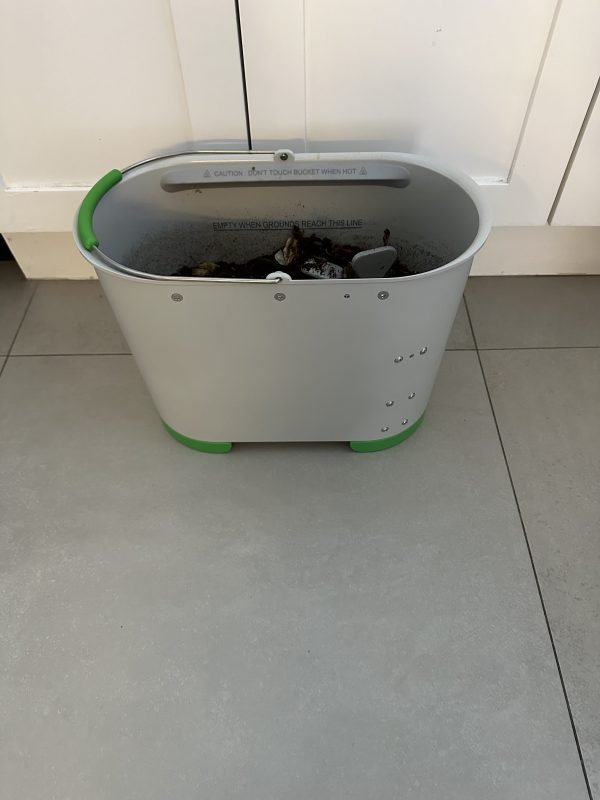
When your bin is ready to be emptied, the Mill alerts you. You can hand off your grinds in a number of ways – by sending them back to Mill, where they’ll be used as feed for small farm chickens; by using them in your garden (if you choose this route, there’s guidance about how to do it); or by dropping them off in a city compost bin (this is what we do).
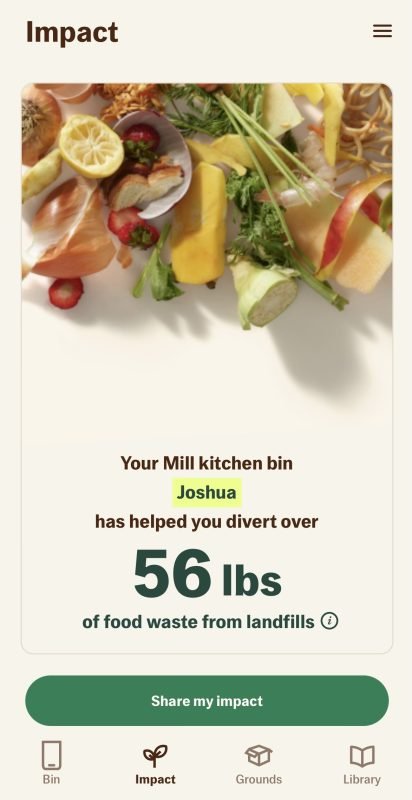
So what’s the downside? At $999, the upfront cost will be prohibitive for many. (There’s a 90-day trial period, though, with free shipping and returns, and a monthly payment option with 0% APR; a year’s warranty and charcoal filters are included in the cost.) Price aside, Nick and I were both concerned about the amount of energy the Mill would end up using. According to my Mill app, Joshua has helped us divert more than 56 pounds of food waste from landfills (the Mill team says that thus far, the total number is more than 1.5 million pounds among all users). That’s terrific – but what if the energy we were using in order to process that food waste was negating the good it ended up doing? The cycles can last for hours, depending on how much food is being wrangled. Nick said he’d withhold judgment until he saw our electricity bill. In the meantime, concerned with the product’s run times, I asked the Mill PR team about it.
Because of the advanced mass and humidity sensors in its bin, the Mill is designed only to run when and for as long as it needs to, and its “intelligent cycles” are based on how much food you put in. Your energy use will depend on the amount and kind of kitchen scraps you add to your bin, but it’s estimated that, assuming you generate about 1.5 pounds of kitchen scraps per day, the bin will use about 1 kilowatt-hour of electricity per day, averaged over multiple weeks of usage. This is about the same amount of energy per day as an energy-efficient dishwasher.
The dishwasher anecdote sounded good to me, but our electricity bill didn’t provide much clarity. In June 2023, we used 317 kWh; in June 2024, we used 473 kWh. It feels like we’ve been using our air-conditioners more often, but at the moment we don’t have enough data to narrow down the sources of that extra 156 kWh. Based on Mill’s preliminary study, households using the gadget can avoid about a half-ton of greenhouse gas emissions per household per year. (You can read more about the climate impact here.) So if my math here is correct, the good work that the Mill does outweighs the energy that it’s using. (I can give you an update after AC season is over.)
It’s worth noting here that many Mill customers have shared that this is the first time they’ve been consistently keeping their food out of the trash – and I echo that sentiment. In a world and a time when it’s easy to feel helpless, a food recycler (or an electric car, or eating less meat — or having plants, for crying out loud) can go a long way towards making us feel like we’re contributing. Plus, Joshua is a treasured member of our family now.
Comment