

You asked, and we answered. We love hearing from our community and can’t think of a better way to get a conversation going by answering your questions. Email us yours for a chance to be featured in a future “Question Mark” email.
Q: We desperately need recipes for low-income people using the four vegetables which are always available and (usually) cheap, namely: cabbage, carrots, potatoes and onions. Could also include rice and beans. Almost everything online is oriented towards people who have a roof over their heads and few, if any, money worries. We need more easy and nutritious recipes for the food bank crowd. –E.D.M.
A: It’s true that many, if not most, recipes continue to be written as if money were no object. There’s little question that baking a potato while broiling a steak or roasting a chicken is about as easy as it gets, but most people in the world, and plenty of people in this country, cannot routinely (if ever) afford that steak or chicken.
A problem we confront, over and over, is that it’s now three or four generations— five, seventy-five years even—since people learned to cook from watching their parents (mostly, of course, mothers). The post-World War Two generation of cooks was encouraged to take shortcuts and use “convenience” food, to combine, for example, a can of green beans with a can of tuna and a can of cream of mushroom soup. That may not be the least healthy dinner in the world but it’s hardly cooking. And as we all know, things have only gotten worse: “Cooking,” in many cases, has become baking a frozen pizza or microwaving a lasagna. That food isn’t cheap and it isn’t good; it’s just fast and easy.
Yet the real ingredients are out there, and they’re not expensive: root vegetables, including potatoes, beets, carrots, onions; squash, from acorn and butternut in the winter to zucchini and others in the summer; rice and an almost infinite number of other grains; beans, and more. In much of the world, the most important source of protein is legumes, and the most important source of calories is grains. Everything else—everything, from broccoli to steak to fish to tomatoes—is a seasoning or a condiment. That kind of cooking is inarguably more time-consuming than take out or pre-prepared ultraprocessed food—but it’s also inarguably healthier and less expensive.
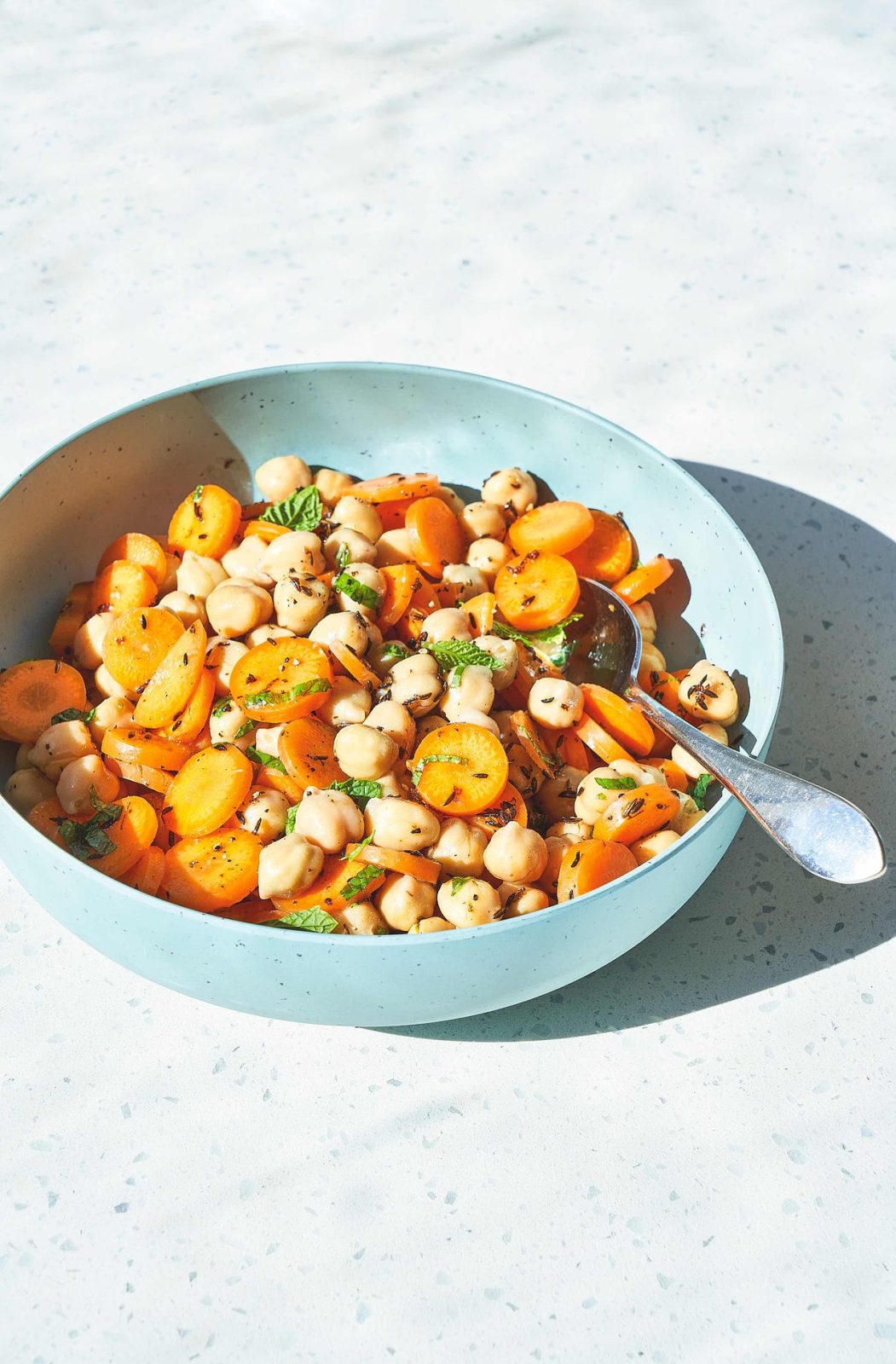
I’d love to direct you to a piece Kerri and I wrote, in partnership with the Economic Hardship Reporting Project, ”What if Recipes Were Written for Everyone?” As for cabbage specifically, try Cabbage, 12 Ways; Caramelized Roast Cabbage; Rice with Cabbage, Scrambled Eggs, and Scallions; Cabbage, Leeks, and White Beans with Pasta; and Braised Red Cabbage with Apples. You can also try Our Favorite Ways to Cook Beans, Buttery Roasted Carrots, Carrot-Coconut Soup, and Chickpea and Carrot Salad with Warm Cumin Oil. –Mark
Q: “I’m hoping for ideas on what to take to someone who is on the mend, but bedridden for the most part. So the food, I feel, should be tasty and easy to warm up, with minimal or no prep and if need be, nutritious. I am making two meals. The patient does have help from the spouse, but [the spouse] is super busy.” –Claudia
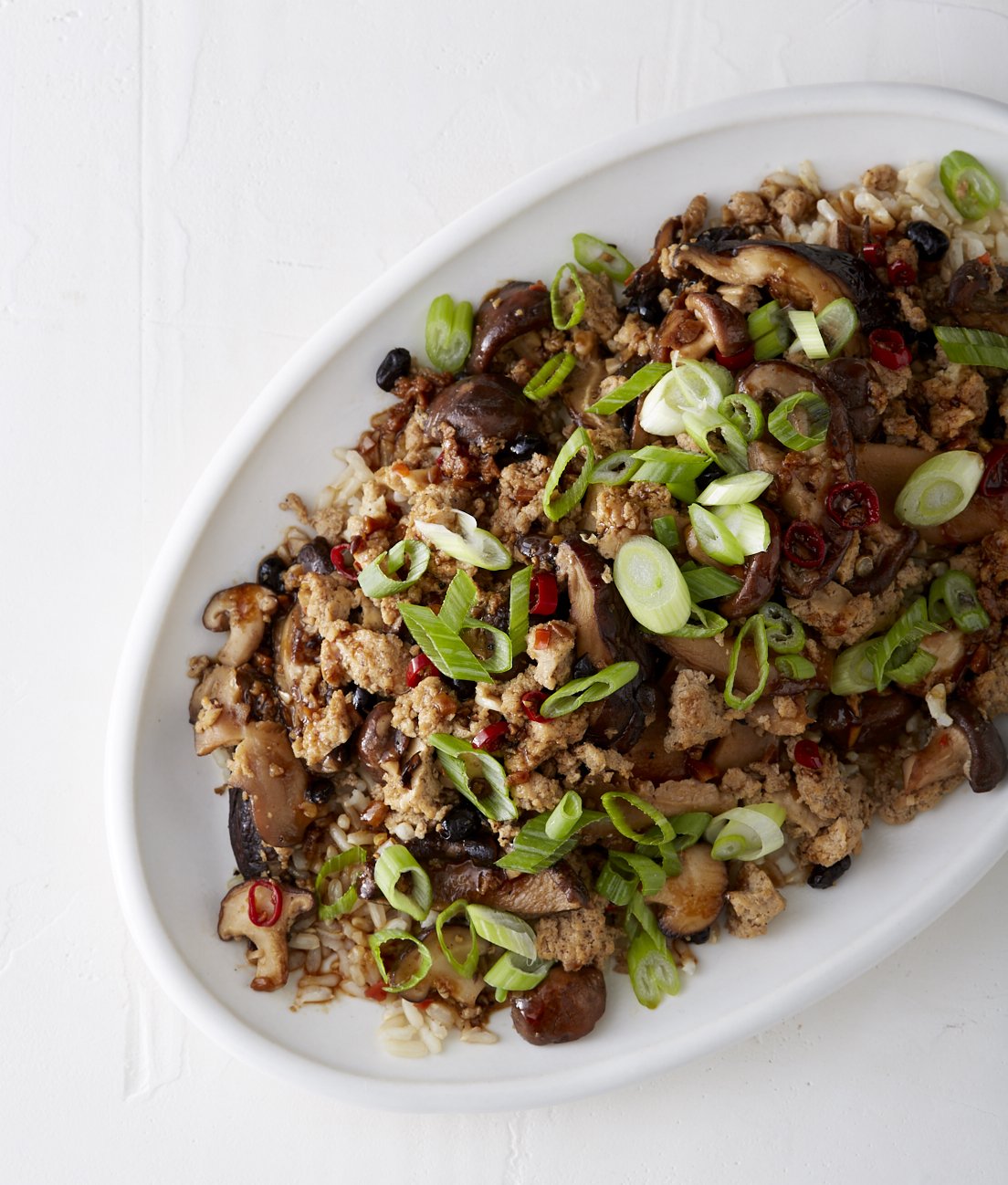
A: If you’re cooking from scratch, there’s going to be prep. And if you’re cooking for someone on the mend, then, yes, let’s try to keep the dishes nutritious. One idea that might help ease some of the load is to cook a batch of grains—like brown rice, quinoa, or farro—in advance once a week, then use the grains in stir-fry bowls that can be microwaved. Sauté some vegetables (you can even buy precut produce, frozen, and kits) and different meats. I can’t tell how much seasoning is appropriate for your needs, but quality vegetables usually only need a little good-quality cooking oil, salt, and pepper; and maybe lemon juice, vinegar, or soy sauce. Assemble the bowls in microwave-safe containers and refrigerate or freeze them for reheating. You can check out our full selection of recipes here, but you can also start with Oven-Baked Ratatouille, Szechuan Mushroom Ragu, or Braised Tofu and Peas in Curried Coconut Milk. Try some Roasted Eggplant and Meat Sauce, which reheats beautifully; just add pasta. There’s also a versatile minestrone (with a bunch of variations) that reheats fine, a bulgur chili that tastes better by the day, and basic recipes for beans and grains. Good luck with your mission! –Kerri
Q: “I noticed in the beginner recipe [of Bittman Bread] I just completed and in at least two or three other recipes of yours I quickly looked over, that you are specific about adding salt to the recipe in a separate step, after other ingredients have been added and mixed. The step at which sodium is introduced requires its own hands-on activity. It isn’t difficult and I don’t especially mind doing it, but are you convinced that it makes an important difference?
I try to eliminate any unnecessary labor if possible: My inclination would be either to mix that salt in with other dry ingredients at the very beginning or to dissolve it in the water used in the initial mixing with dry materials. Either way gets the salt added and thoroughly distributed. I know that there are yeast-inhibiting properties to sodium but also that it is vital to enhancement of gluten structure. Is the timing of when it is introduced into the recipe absolutely essential?” –George
A: When working with slowly fermented, naturally leavened doughs—and especially with fiber-heavy whole grains—the science leans toward giving the dough a chance to develop unhindered by salt after mixing, during the resting phase technically known as autolyse. This is when the gluten in the flour reacts with the water and yeasts in the starter to start forming a web-like structure. Will early salt break the deal? No. But since you have to handle the dough every 30 minutes or so anyway, why not give the chemistry a chance to work its magic? Whole grain baking needs all the help it can get. –Kerri

Comment