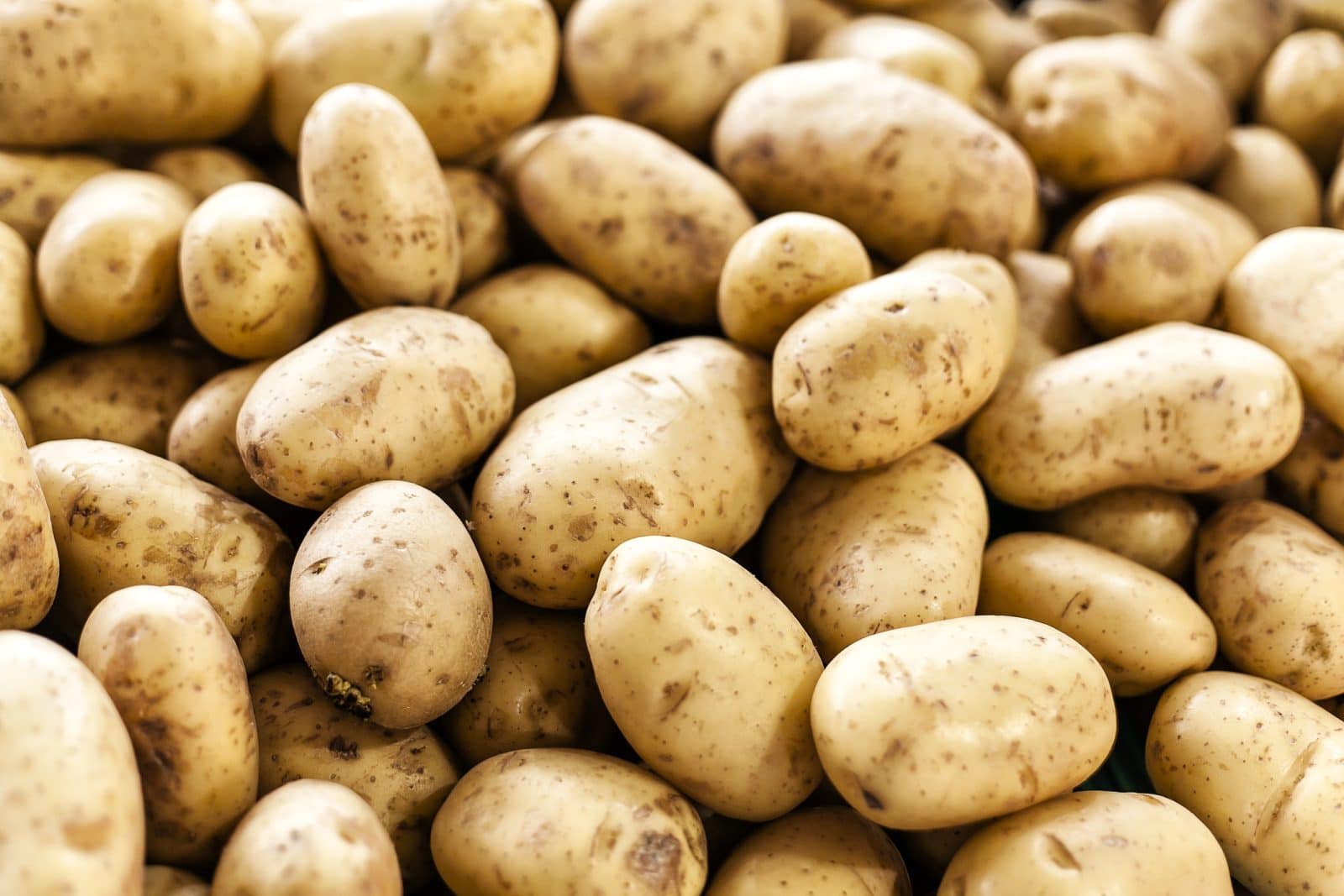
All potatoes fall into one of three basic categories: starchy, waxy, or all-purpose.
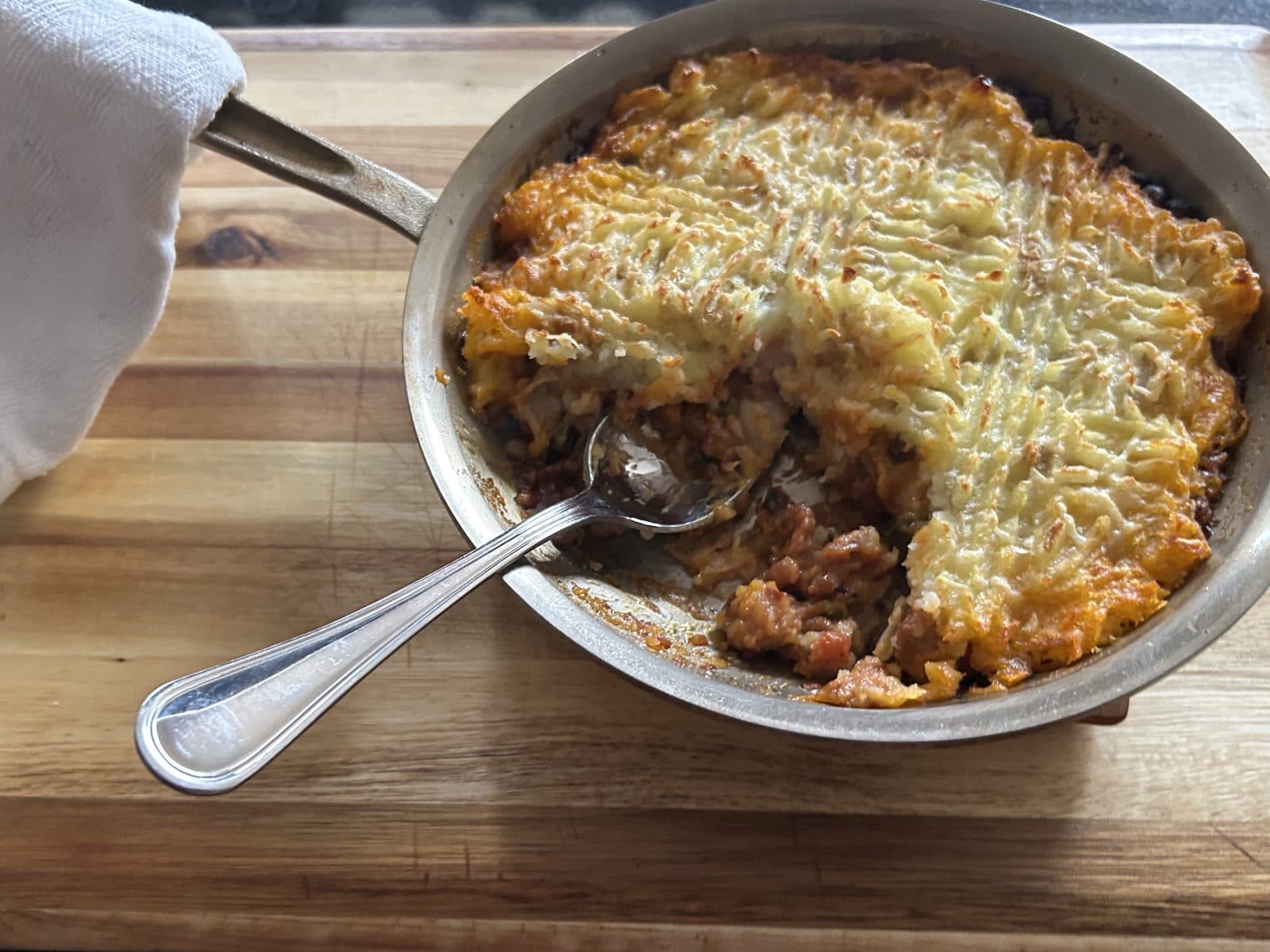
Starchy potatoes: These cook to a dry, fluffy, mealy texture that’s ideal for baked, fried, and mashed potatoes, but not boiled—unless you want to exploit their crumbly quality in stews and soups, where their starch thickens and adds body. Russet potatoes, which include Idaho but are also grown elsewhere, are the archetypal starchy potato and are often called baking potatoes. They are large and oval-shaped with sandy-feeling, brown skin and off-white flesh.
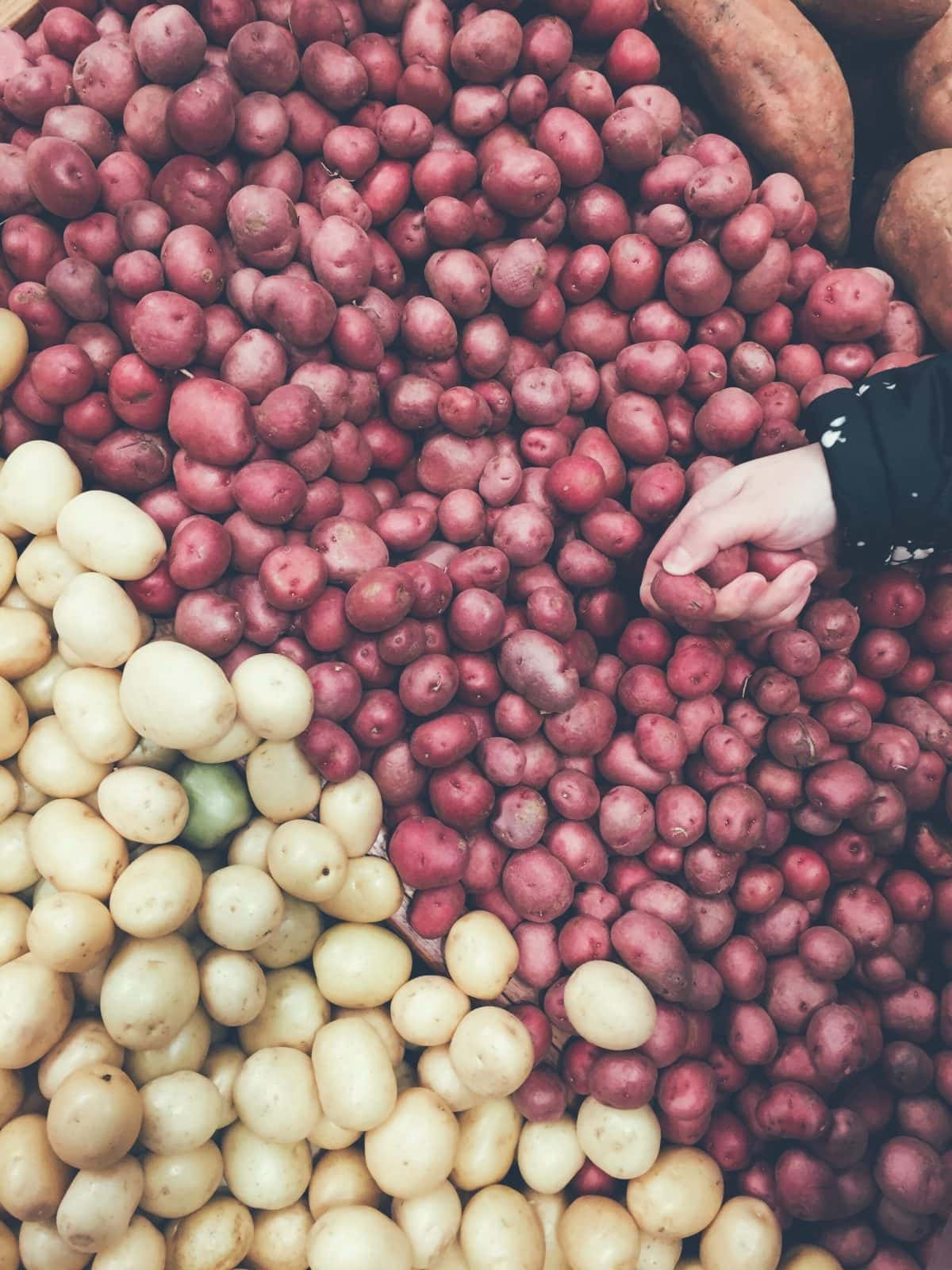
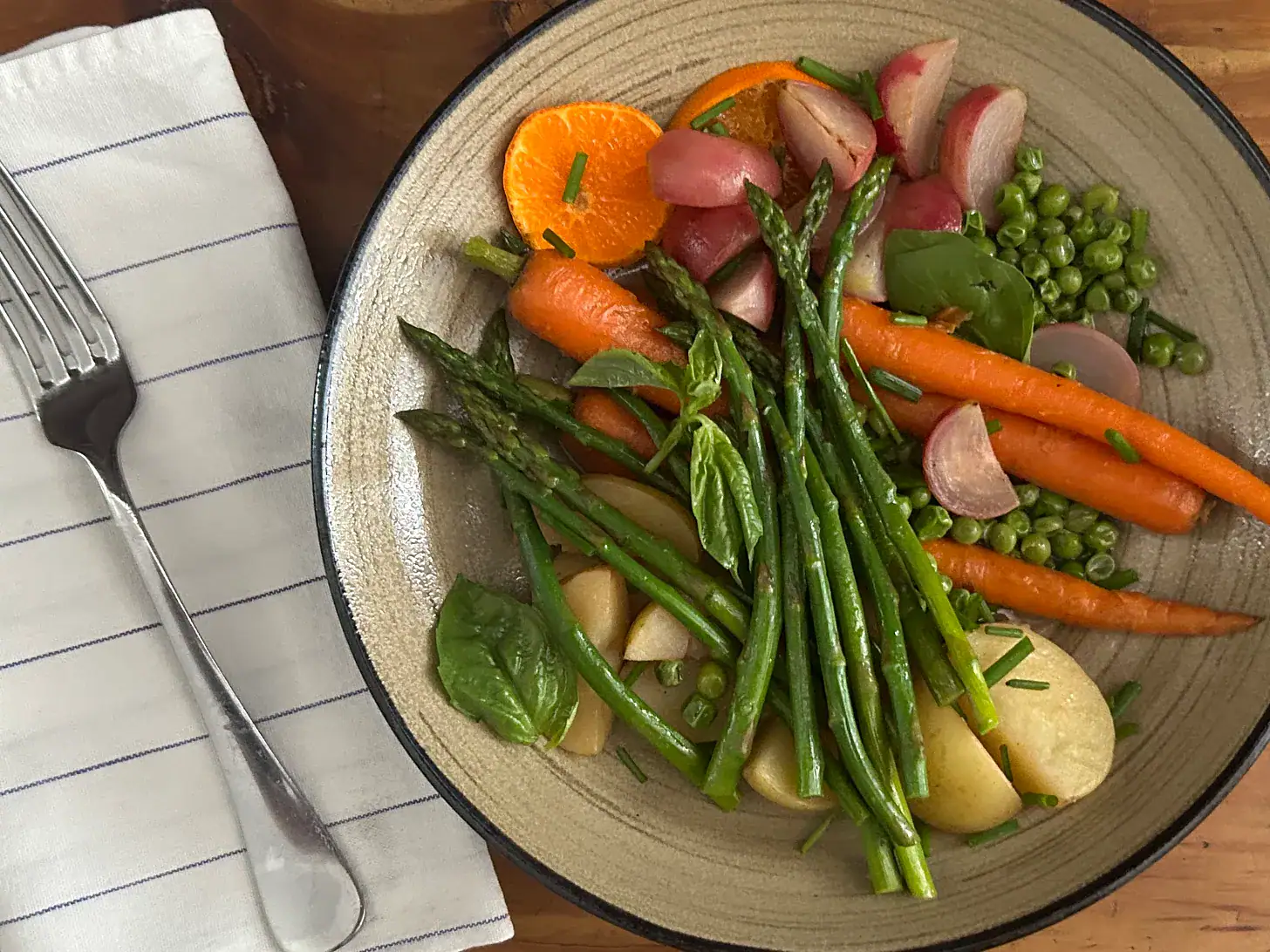
Waxy potatoes: Sometimes called new or boiling potatoes, have a low starch content; their texture is moister, creamier, and firmer. They are typified by their smooth, thin skin, which may be a rosy-red or yellowish-white color, depending on variety. They hold their shape well during cooking and are ideal for boiling, steaming, and roasting.
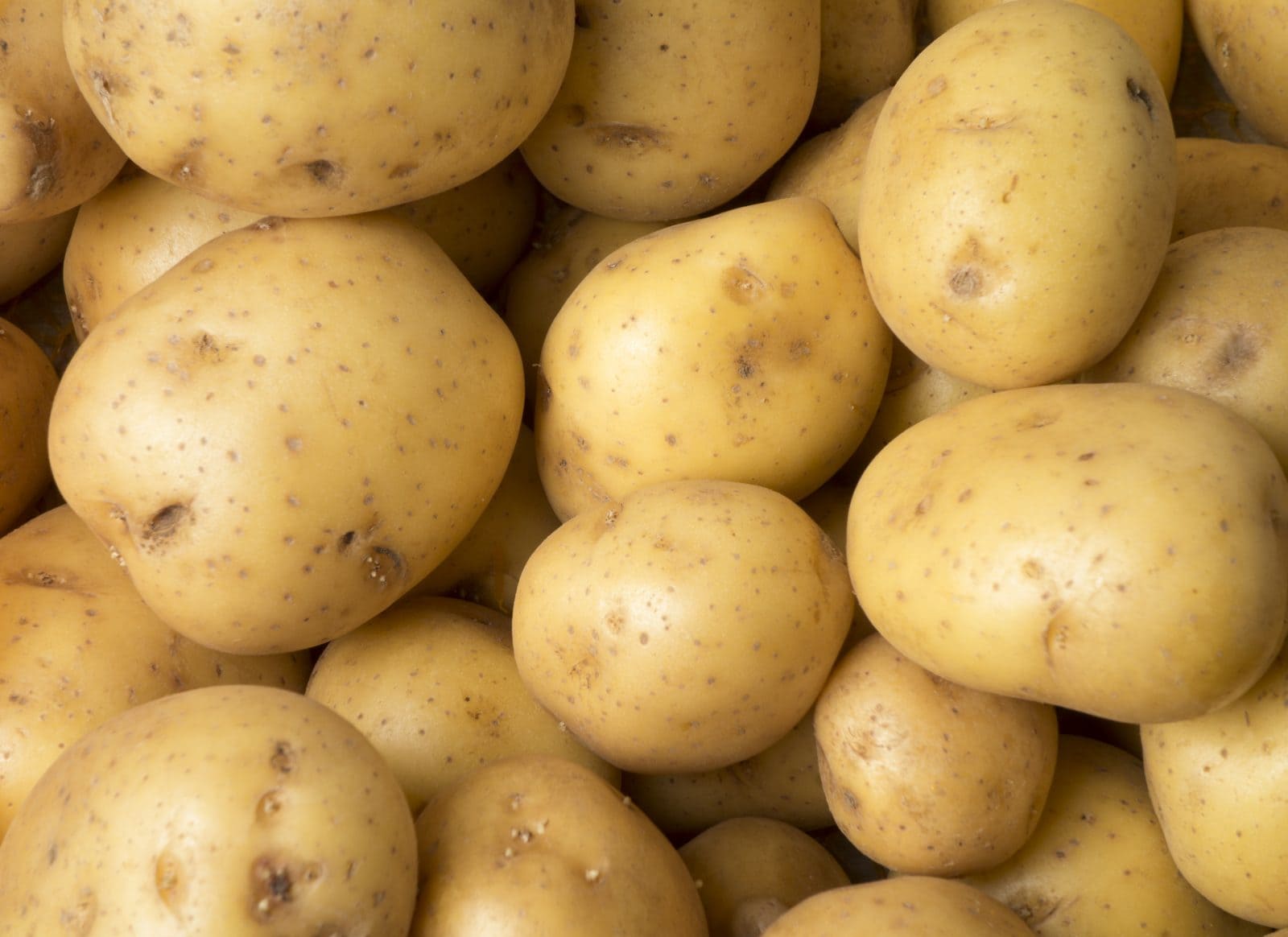
All-purpose potatoes: In between starchy and waxy potatoes. They’re good mashed, fried, and baked, whenever you want potatoes with some fluffiness that don’t fall apart easily; they contain too much starch to make them ideal for boiling. Yukon Gold potatoes are the classic all-purpose potato.
Preparing: Rinse. Peel if you like. Remove any eyes, dark spots, or greening. If the potato is largely green or has rot, discard it.
When are they done? When a skewer or thin-bladed knife inserted into one meets almost no resistance
Other vegetables that you can use: sweet potato, taro, cassava, boniato, green plantains, or malanga
Read
By Mark Bittman
Potatoes, 12 Ways
The recipes below will feed about four, but adjust up or down as necessary. The first recipe in each category is the main recipe, then the two that follow are variations. Salt and pepper are assumed. Mashed dishes are best made with russet varieties, and new potatoes are better for cooking in fat. (Use the latter type of potato for...