

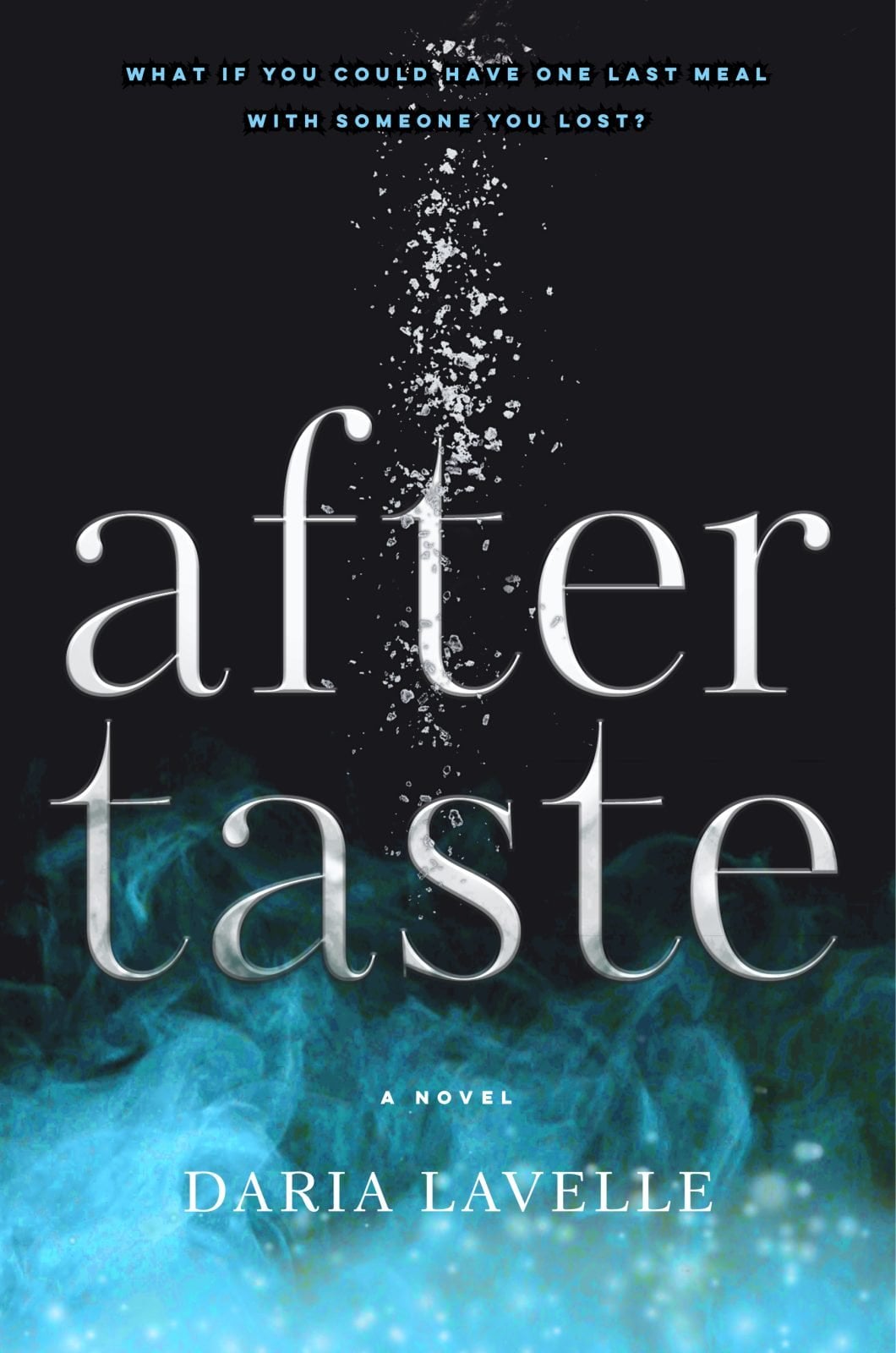
We love grilling as much as anyone who loves food. And we fully acknowledge the fact that Memorial Day is the beginning of “grilling season.” But we’re tired of traditional grilling features, so instead of doing that, we a) put together a collection of some of our best grilling recipes for you; and b) are publishing an excerpt from a strange and lovely new novel called Aftertaste, by Daria Lavelle. Because it’s also the start of “beachy” reading season, isn’t it?
Full disclosure: I haven’t finished the book yet, but the plot is so unique and the writing is beautiful, so I feel more than comfortable recommending it. (Plus, Nigella Lawson calls it “a haunting evocation of pain and pleasure, and the power of food.”) – Kate
When Kostya pictured Michel Beauchêne, he’d imagined a refined French gentleman in his early sixties, hair going slightly grey, belly round with years of buttering, a soft accent on the tongue, and kind, fatherly eyes that would see into Konstantin’s soul and take pity on him.
The real Michel Beauchêne was not old, or fat, or even particularly French. He was young (an executive chef at just forty-two) and built lean and strong (body by Jivamukti) with cold, calculating eyes and a flat, New York edge to his voice. His parents were French expats, and he’d grown up in Manhattan, attended prep school in the city, and then slummed around Paris for a few years, living off his parents’ dime and apprenticing in some formidable kitchens—this from his well-rehearsed opening spiel.
He wasn’t interested in Kostya’s familial connections to cuisine—Vanya’s Victuals was nowhere near the stratosphere of Saveur Fare suppliers—and Beauchêne was decidedly unimpressed by Kostya’s experience dishwashing at The Library of Spirits. (“But that’s a bar, isn’t it? So did you actually wash any dishes, like from food service? . . . I see.”)
After about ten minutes of excruciating Q&A, Michel closed his notebook, the page empty except for Kostya’s name, and steepled his fingers beneath his chin.
“Thank you for . . . all that,” he said slowly.
Kostya felt a masochistic kind of relief. He’d failed, but the torture was over; he could slither back out to the curb where he belonged. But then Michel threw him this curveball:
“Okay, I’m going to need you to spell this one out for me.” He leaned back in his chair. “Normally, the people that walk through that door and sit in that chair do so with a sense of wide-eyed wonder about what goes on here. They come in with a list of references this long, with notches in their culinary belts you wouldn’t believe. And then there’s you.
“You had a single dishwashing job at a bar—glassware only—and things went so swimmingly there that apparently I cannot call over for a reference. You have no experience in a professional kitchen.” He gazed dubiously at Kostya’s folded, unblemished hands. “And if I asked you to cook something for me right now, something you and Frank have been, uh, practicing, I’d get, what, a grilled cheese? Why are you even interested in working here? I’m dying to know. I really am. Is it the money? Because trust me, with the hours you’d be putting in, it would be less than minimum wage. The reason people come into my kitchen is because they want to be the best at something; they’ll kill themselves to get there. And, forgive me for being blunt, but I don’t really get that vibe from you, Mr. Duhovny. I mean, do you even like food?”
Kostya just blinked at him, which only seemed to prove his point.
“Seriously. What’s the best thing you’ve ever eaten? And for the love of all that is good and holy do not tell me salad and breadsticks from the Olive Garden.”
Kostya chewed his lip.
Should he tell him about the best things he’d ever eaten, the detail of their component parts? Or was that cheating? The best things, after all, weren’t things that he had technically eaten. He’d only tasted them secondhand; they weren’t animal or vegetable or mineral, but memory—comestible desires, the fantasy food porn of anonymous ghosts. To describe those to the chef would be a kind of lie.
The other option—the honest option—was to just let it go, to slink back and confirm this Wüsthof toolbag’s cutting observations about his intentions, his experience, and his palate.
“What’s the matter?” Beauchêne prompted. “Can’t decide between a Big Mac and a Whopper?”
Something inside Kostya, deep in his gut, lunged. He could take the digs about being unqualified and a liar and even a bad cook—all those things were true—but he couldn’t let this guy insult his taste buds. His tongue was special. It was maybe the only special thing about him.
“Nevermind. I can see that we’re not going to—”
“Duck.” Kostya spat it at him like another four-letter word. “Duck ragout. It had this thick sauce, cinnamon cognac. A demi-glace, I think.”
Kostya closed his eyes, remembering where the aftertaste had happened, trying to reincarnate it. He’d been on the sidewalk outside his mother’s apartment two New Years’ ago, pacing around and nursing tea that had gone cold, delaying the inevitable argument about how he was living his life when it had hit him.
“The onions were sliced so thin they fell apart to almost nothing in the stew. And these dried fruits that reconstituted in the duck fat—peaches and apricots and plums and cherries—they exploded between my teeth like tapioca pearls.”
Kostya’s eyes were still closed, but the stony silence from Beauchêne invited him to keep going.
“And a couple years ago, there was this coconut curry and Kaffir lime fried chicken.”
That one happened to him at a Gristedes. He’d been in the refrigerated section, his fingers closing around the handle of a gallon of milk.
“The skin was so crispy, paper-thin, covered in these tiny, burnt coconut shavings and desiccated slivers of zest, and underneath, the chicken was so moist. The juices dribbled down my chin.”
He’d invented that last part for effect, and it seemed to be working. Kostya could feel the air change around him, sizzling. He thought he heard the chef swallow.
“I have to say, I wasn’t expecting—”
“I once had young goat,” Kostya cut him off, his eyes squeezing tight in focus. “The whole thing was fire-roasted, charred, the meat brined and rubbed with garlic, thyme, rosemary. Hand-crushed juniper.”
This one had choked him awake one morning in bed a few months prior; he’d drooled so much he nearly drowned in his own spit.
“It fell apart in my mouth. Every bite, I got a little of the ash from the fire pit, the grit of the sand, the scent of pine from the dried needles on the lumber burned to cook the thing.”
“Who are you?” the chef wondered aloud.
“But the best thing”—Kostya smiled triumphantly, the memory reigniting across his taste buds—“has gotta be the fish head.”
Four summers ago, he’d been driving through Chinatown in Vanya’s delivery truck, stopped at a light and staring into a storefront with a Lucky Cat on the counter and a flock of dead chickens dangling in the window. A teenage girl walked out of the store, twisting the white cord of her headphones through her fingers, and as he watched her unlock her bike, the taste had come exploding into his mouth.
“It was dorade. Just the head. Grilled over charcoal. The skin was so charred that it curled away from the flesh. It was insanely sweet inside. Delicate. Like shaved butter. It was finished with this flaked salt that just balanced every bite: the bitter skin, the sweet fish, the acid from a roasted lemon, and the brightness of this very herby chimichurri. The taste of the eye, all the jelly behind it, was just, mmm,” he moaned, remembering, “like thick, gelatinous soup. Like half-melted aspic.”
The chef didn’t say anything more. He just clicked his pen a few times, then opened and closed a desk drawer. Cautiously, Konstantin opened his eyes.
Michel Beauchêne met his gaze. “Okay.”
“Okay?”
“Okay,” he repeated. “We’ll give this a shot. Against my better judgment. You start tomorrow.”
Excerpted from Aftertaste. Copyright © 2025 by Daria Lavelle. Reprinted by permission of Simon & Schuster, LLC.
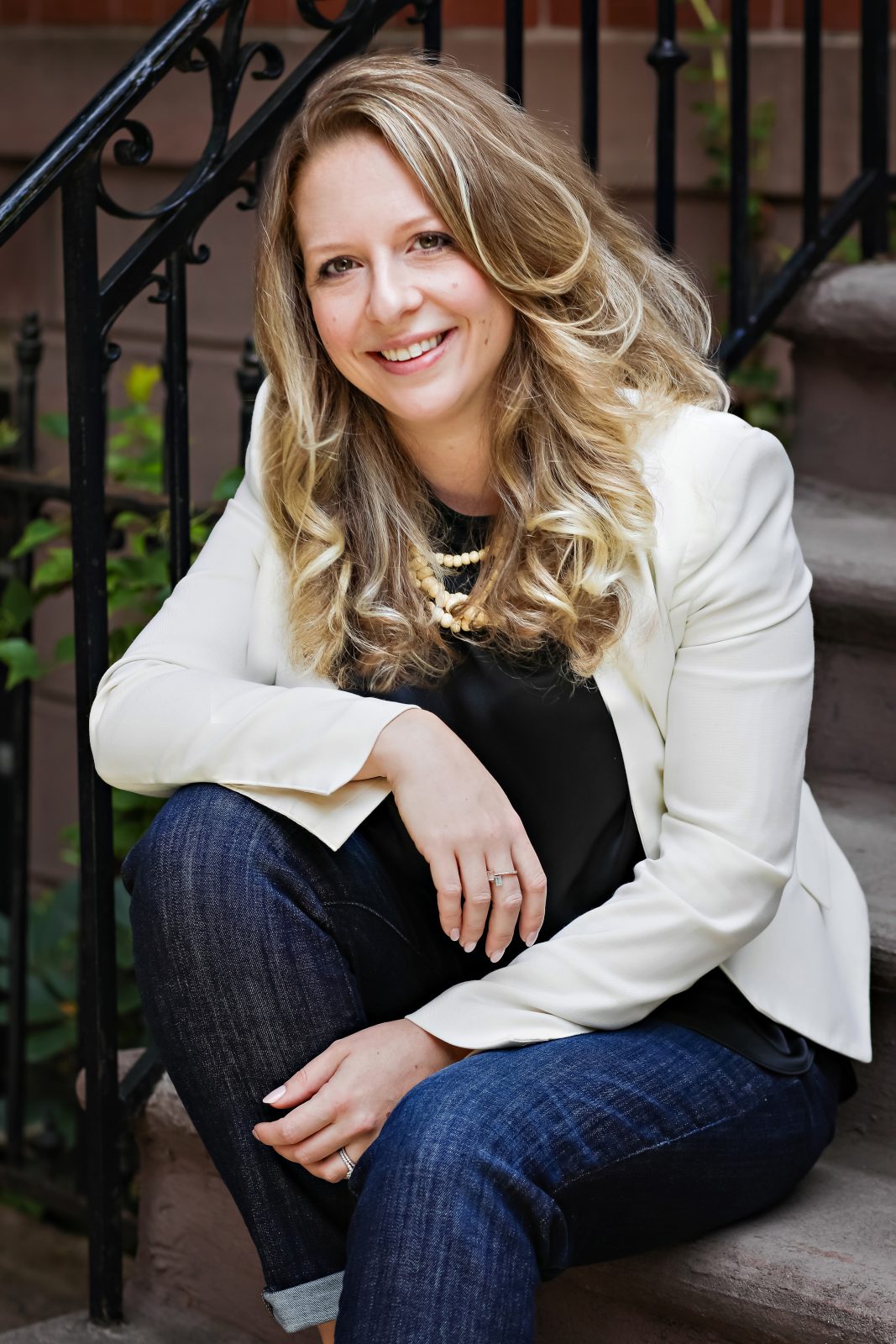
Daria Lavelle is an American fiction writer. Born in Kyiv, Ukraine, and raised in the New York metro area, her work explores themes of identity and belonging through magic and the uncanny. Her short stories have appeared in The Deadlands, Dread Machine, and elsewhere, and she holds degrees in writing from Princeton University and Sarah Lawrence College. She lives in New Jersey with her husband, children, and goldendoodle, all of whom love a great meal almost as much as she does. Learn more at DariaLavelle.com.
Comment