Cooking

Filters

Sort by date

Author

Viewing

Chickpea Flour Is the Ultimate Convenience Food

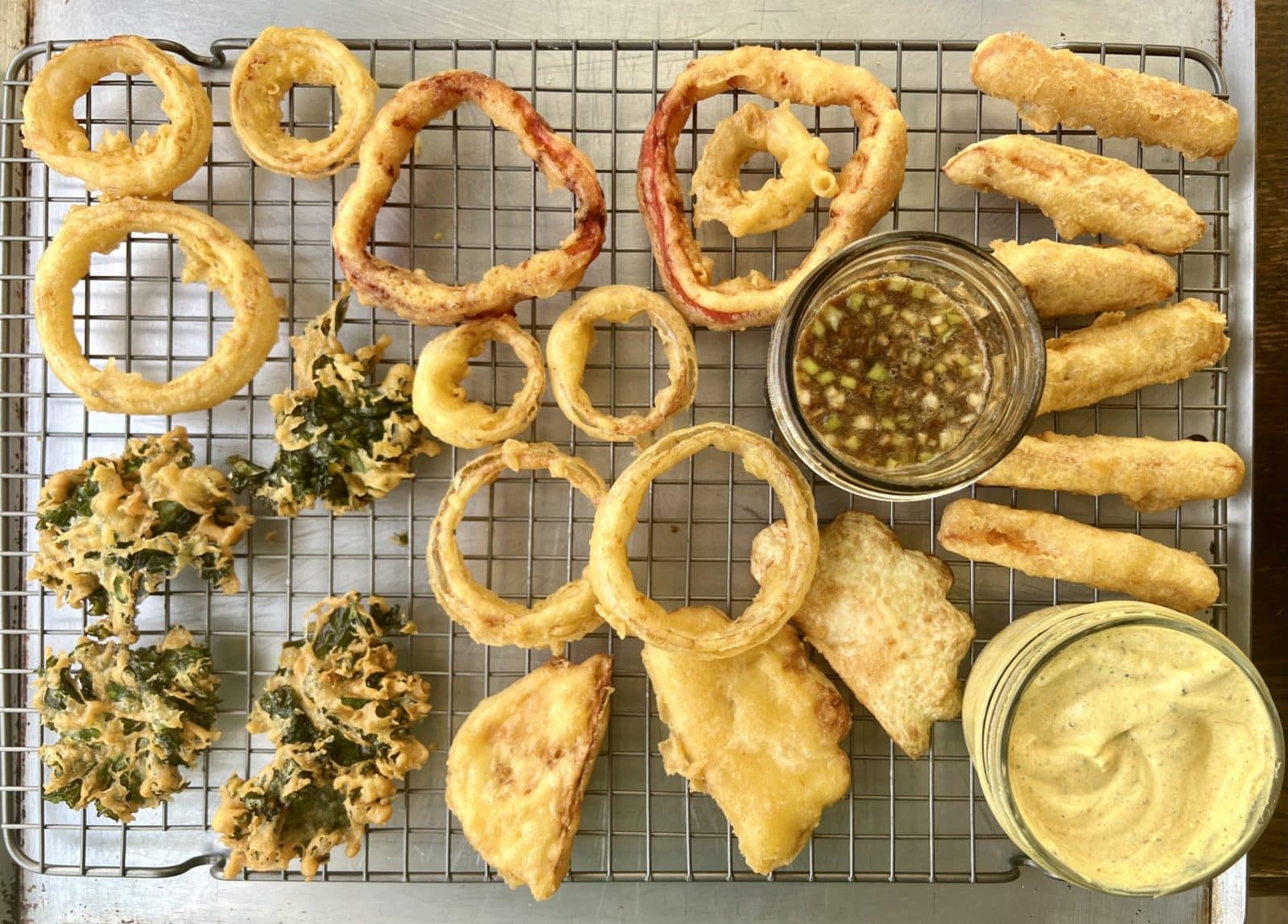
Somehow, aside from making socca, we haven’t been utilizing chickpea flour as much as we should be. So effective immediately, we’re making room for more recipes using this terrific ingredient, starting with a panzanella-style bread salad made with torn socca, a rich and deeply flavored gravy, and many fried things.

This Is the Last Tomato Recipe You’ll Ever Want

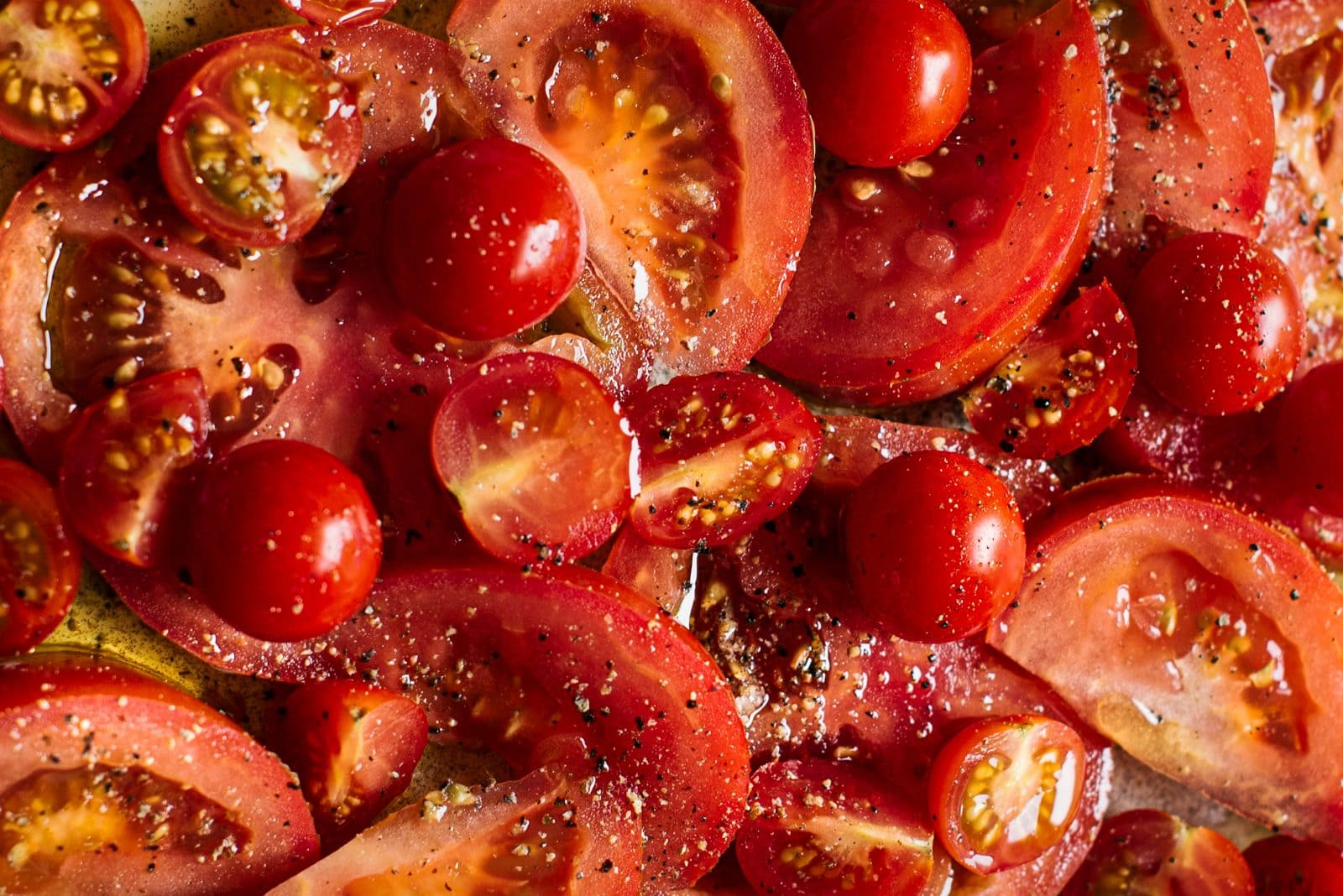
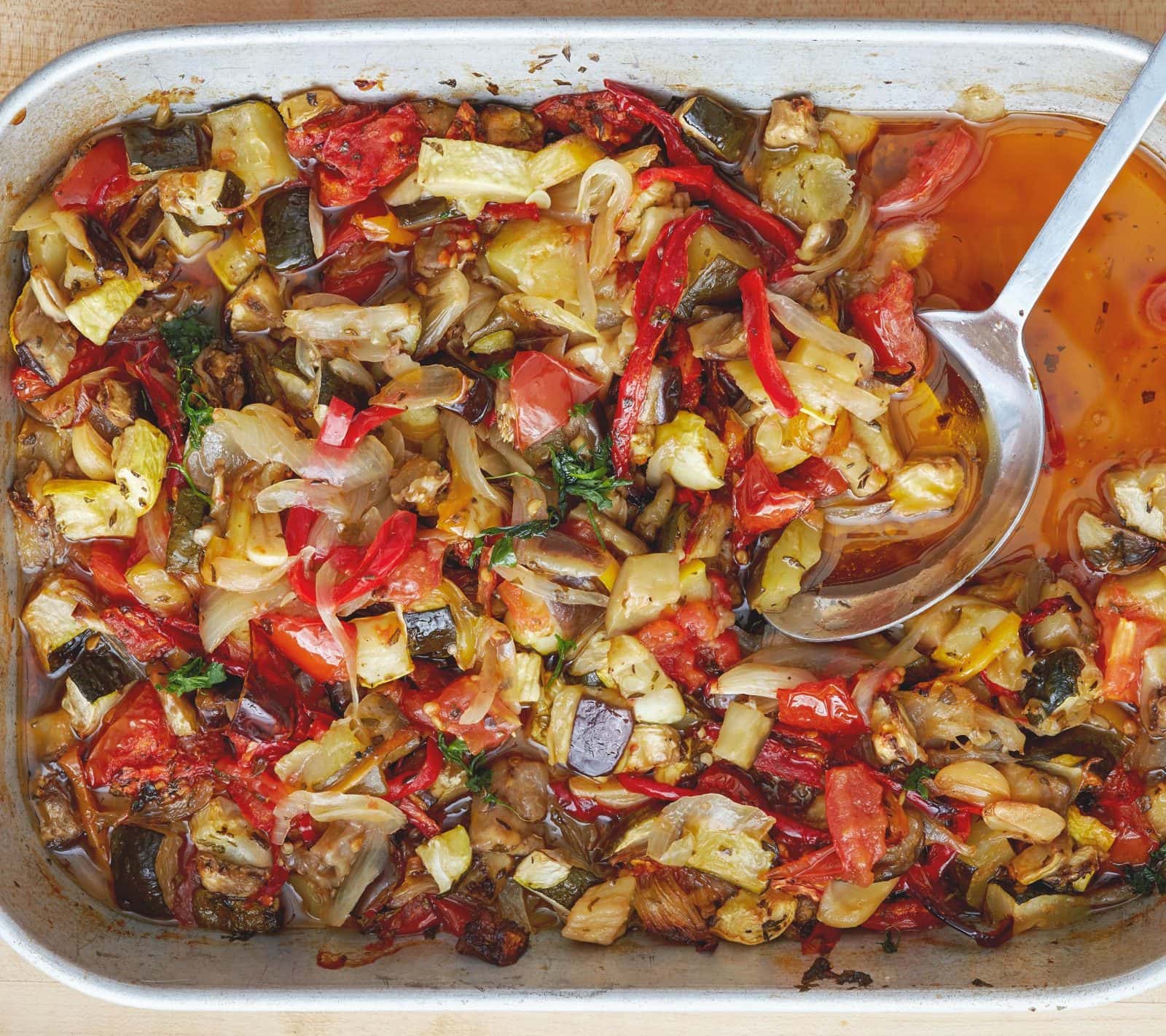
A while ago I ran into a recipe by an Italian chef — don’t remember who, or where I saw it — that treated five or so different kinds of tomatoes in five or so different ways raw and cooked, ending up with what sounded like a delicious plate of spaghetti. As vague as I am about the details, the basic notion of combining raw and cooked tomatoes stuck with me, and so I finally did something about it.

You Don’t Have to Drink It, but You Should Definitely Cook With It

I’m a big fan of single ingredients that can, all by themselves, bring deep, complex flavors to the pot. In other words: little work, big flavor. And in the world of malt beverages, that means stout. If you’ve ever tasted this dense, dark brew, you know why: Along with its edge of bitterness, it brings rich undertones of chocolate, coffee, caramel, even a bit of smoke; and it’s great for braising, grilling, baking, and glazing.

Yes, You Can Cook Tonight!

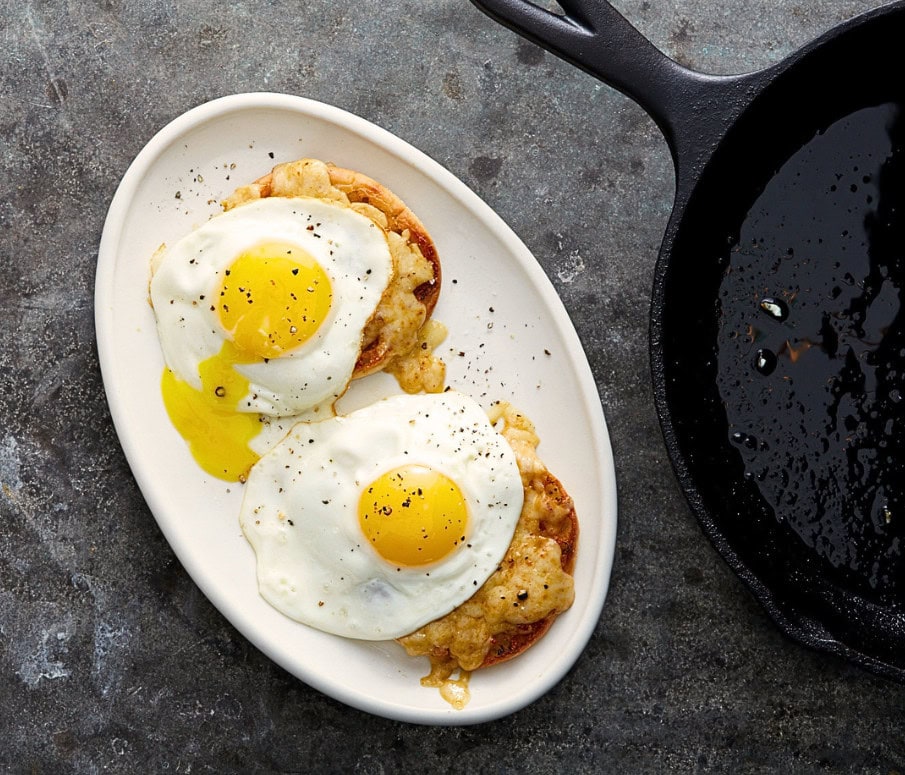
We often judge recipes by sight: We look at the picture — Nice? Great! — and then we look at the ingredient list. That can be an immediate turn-off. Because one thing that makes a recipe simple, easily executed, less-than-intimidating, is a short ingredient list.

Honestly, Pie Is a Pain in the Butt

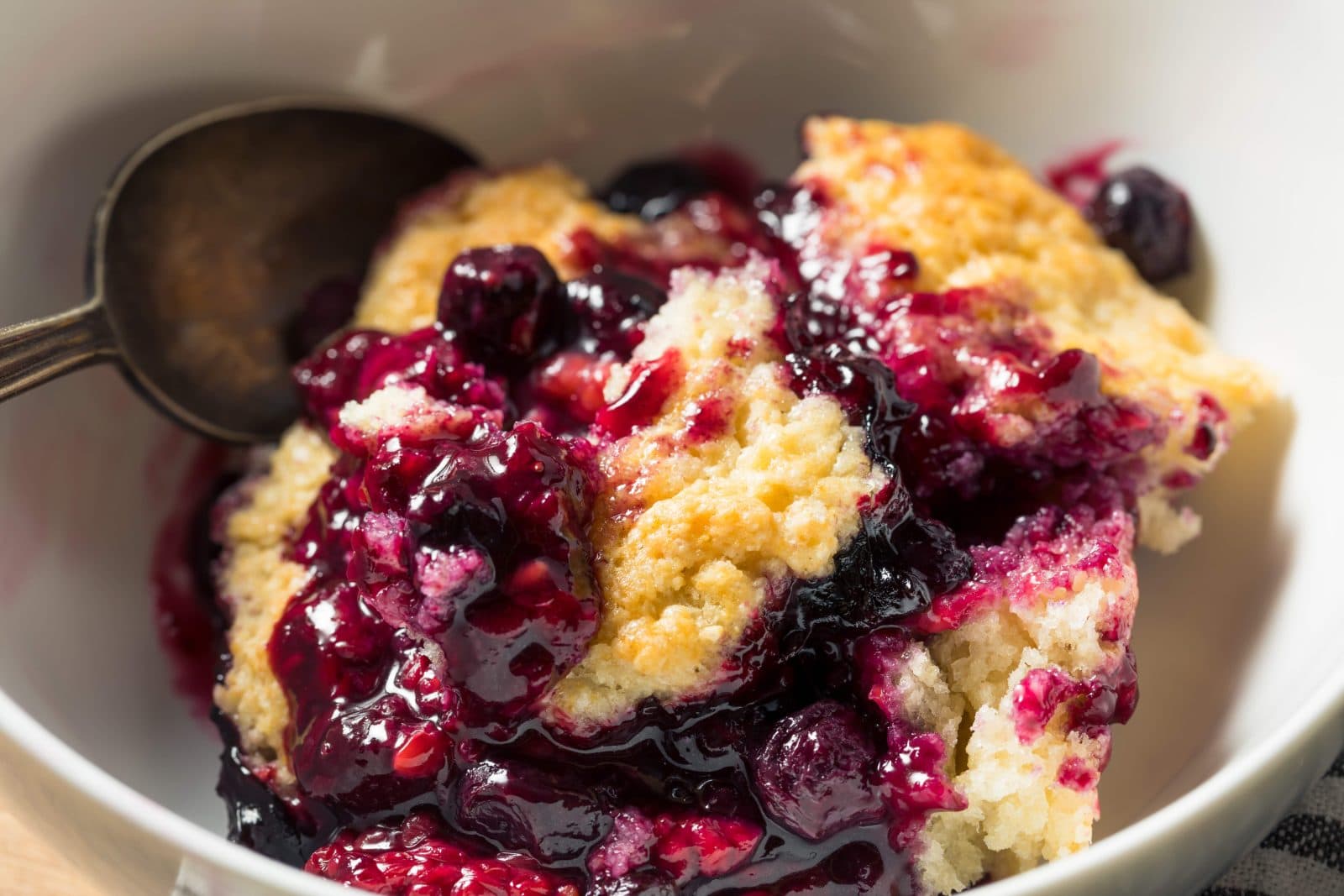
For me, a two-crust fruit pie is more of a romantic notion than a dish I’m realistically going to make again and again. Tarts I like better, but they still require some combination of patience, practice, and work. I’ll take cobbler over those two any day. Objectively, they’re way less elegant; subjectively, they’re way more irresistible.

We All Love Tinned Fish. Here’s How to Love It Even More.

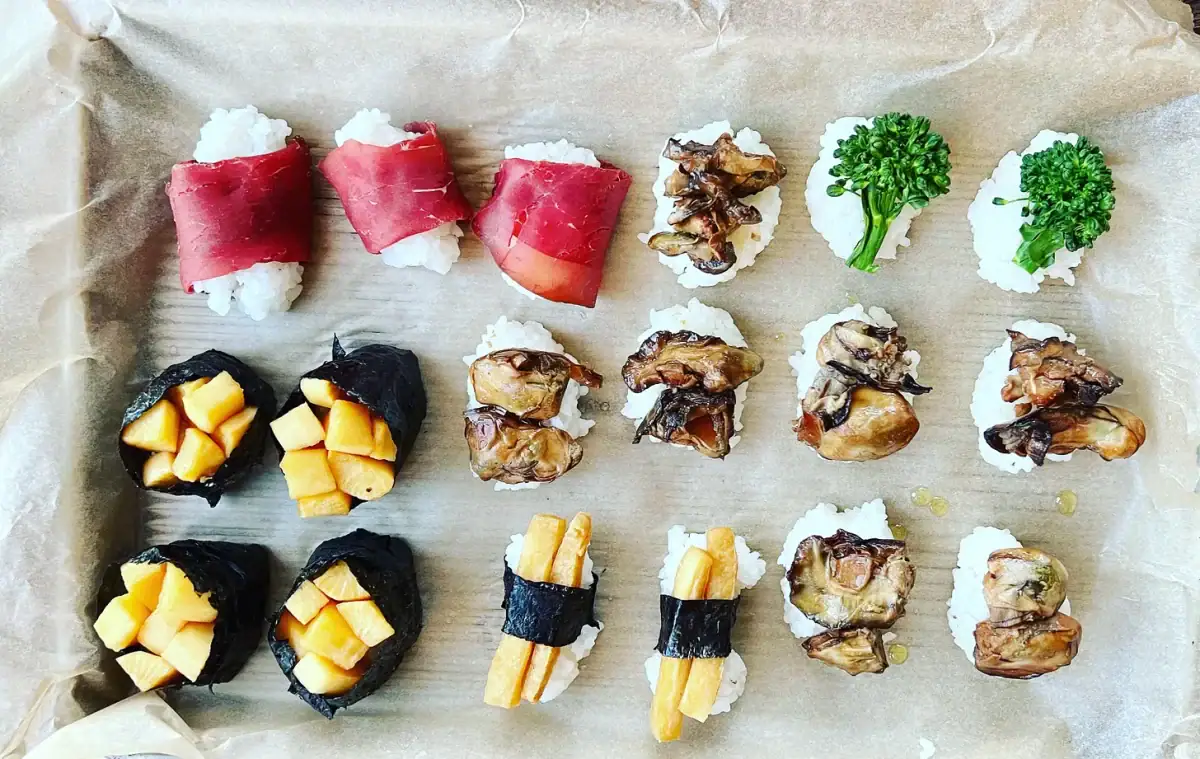
If there was ever something most of us could agree on, it’s this: Tinned fish has legs. There was always tuna, of course, now alongside sardines, several kinds of salmon, kippers, mackerel, and smoked oysters and mussels. And all of them can easily find a home on top of something. Greens, socca, mashed potatoes – the list goes on.

It’s Millet Time.

When cooked, millet – those itty bitty spheres that dot many multi-grain breads and provide some gentle crunch – “explodes,” morphing from pleasantly gritty kernels to fluffy clouds, capable of anything from soups to patties. Here, a mash, a chowder, and millet “munchies,” inspired by a millet snack Mark had and loved on his recent trip to India.

The Beet Goes On: Mark’s Fave Way to Cook Them

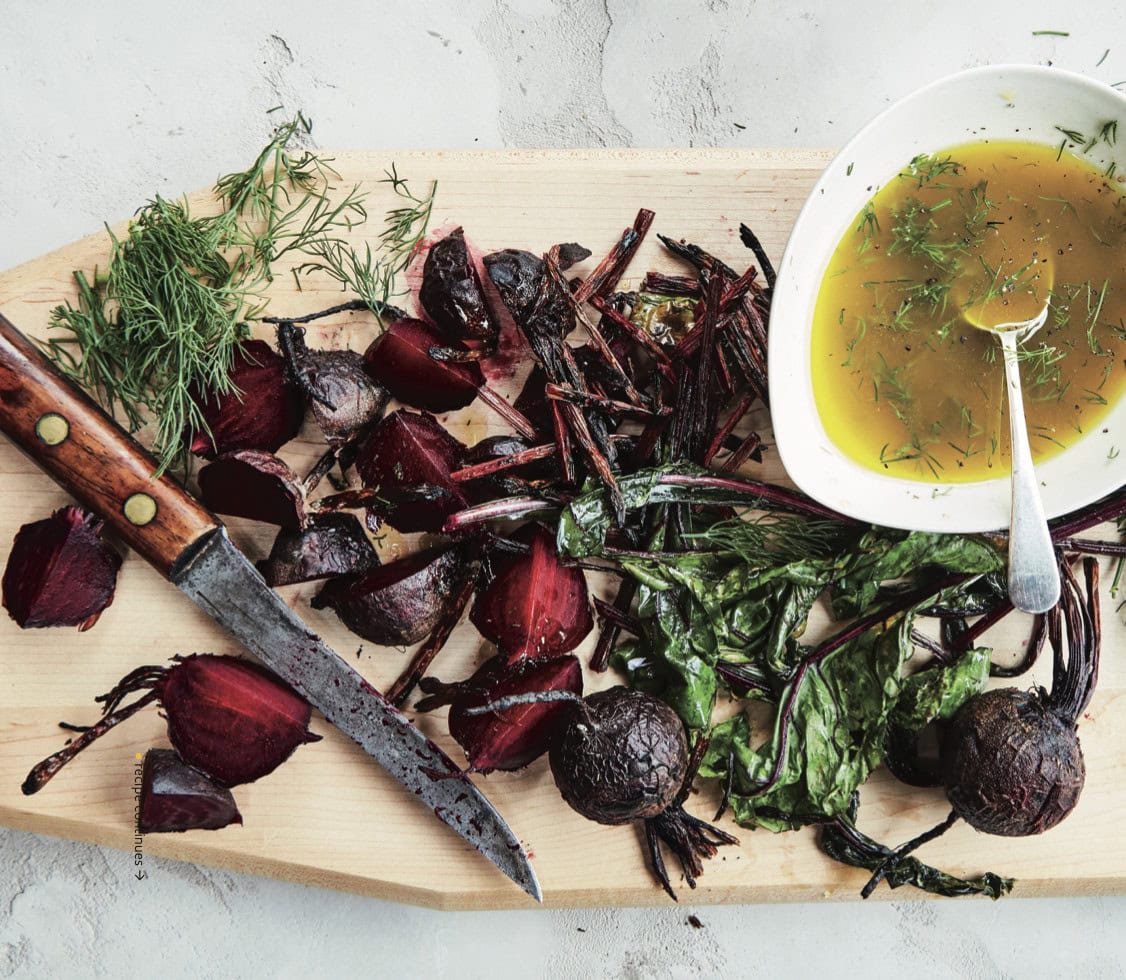
Some people plain don’t like beets (to the point where some plant breeders have tried to produce a beet that doesn’t taste like a beet—really), but I think most people are just afraid of ruining their shirt or simply can’t deal with the potential stainage. There are ways to cook them without mess, also. Here’s the one I’ve relied upon for thirty or so years (taught to me by Jean-Georges), plus the one it turns out I like best of all.

How Can I Find a Dessert I Actually Like?

If you were to ask me about desserts, I’d tell you that I don’t love them … In fact, there are times when even the word “dessert” makes me crinkle my nose. There are some exceptions, of course: Payday bars, one or two very specific cakes, candy in general. And all these exceptions to my I-don’t-like-dessert rule led me to think that maybe it’s not so much about the type of dessert we like—cake, cookies, ice cream—but about the flavor dictating the dessert.

How Do You Get Really Good at Cooking?

When a reader asked us “how do you become really good at cooking?” (or, as she also put it, “how do I develop nonna skills?”) I couldn’t resist the temptation to take a crack at the “answer.” Here’s the email, along with responses from me, Kerri, Kate, and our pal and former colleague Daniel—some of my favorite home cooks.

These Are, Hands-Down, My Favorite Pickles

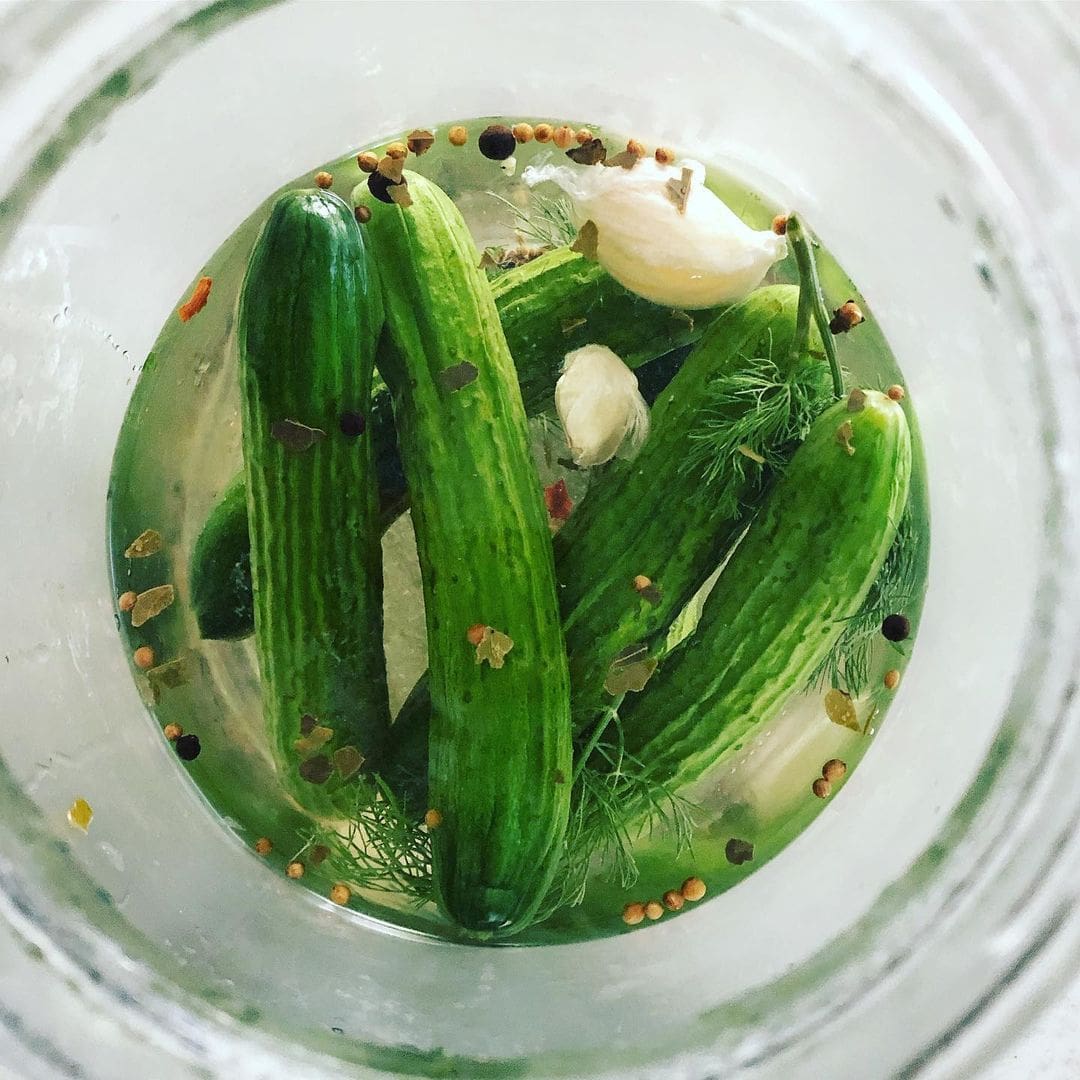
My definition of “real” pickles is this: the kind you put up in jars and eat in January and think of summer, the kind that in my mind a real pantry is full of. But I’m rejecting that notion, because not only is canning a hassle of the first order, but I don’t even like those kinds of pickles. What I like are vinegar-free, salty-garlicky half-sours, which is not surprising since that’s what I grew up with. They’re pickle-barrel pickles and, as it happens, they’re among the easiest things in the world to make.

Summertime, and the Eatin’ Is Easy

Eating-wise, for a large part of North America this time of year, is as good as it as it gets — in fact, you could say it’s ideal. Tomatoes, corn, basil, fresh garlic, green onions, juicy cabbage, beets, kohlrabi, stone fruit — and that’s just a partial list. All of this is so much better than these same crops are when they’re imported from other regions or countries that it’s worth celebrating, and being grateful. The bounty is almost overwhelming, but I make an effort to cook through it all.

Here’s How to Start Dinner with a Show

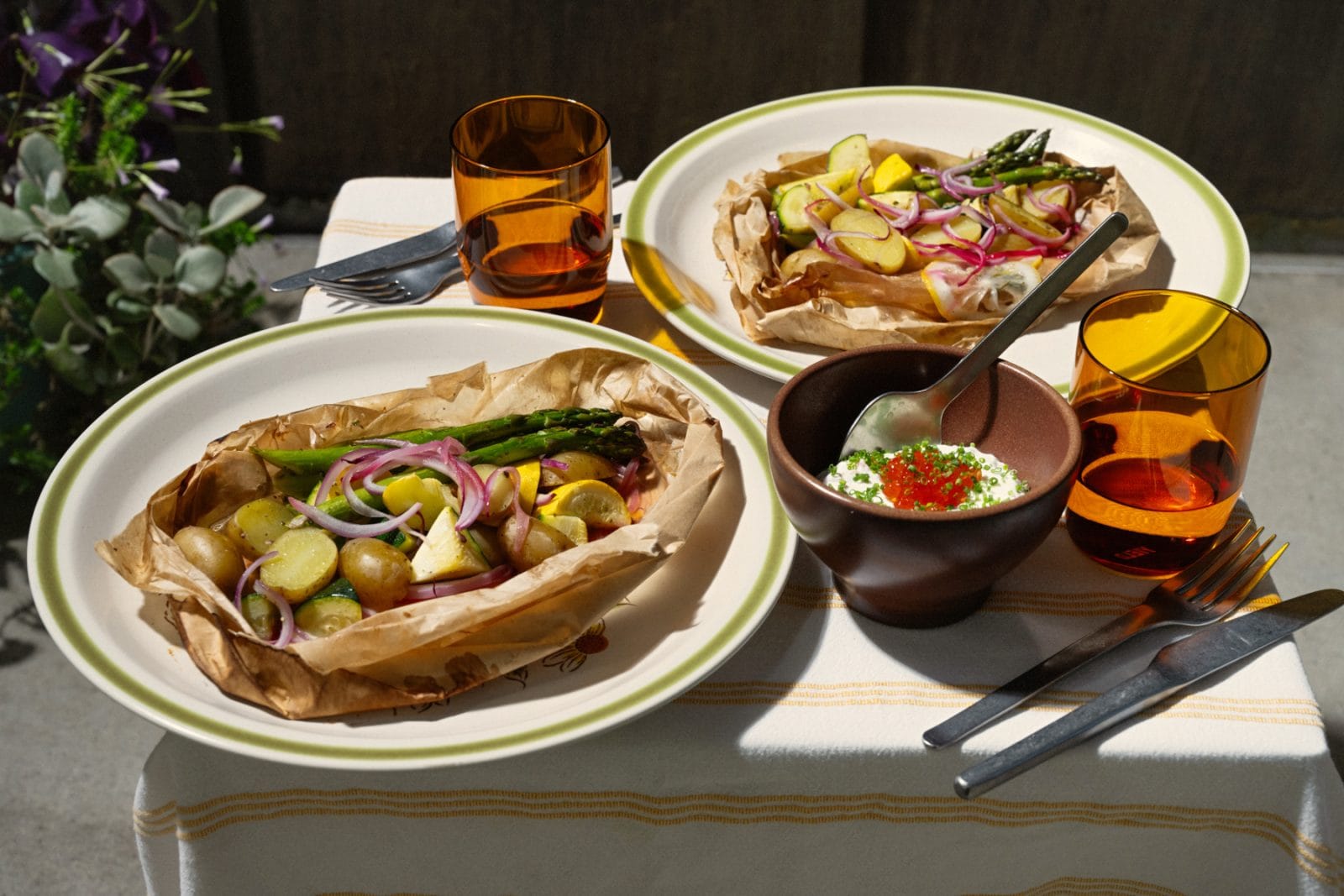
Without trolleys, uniforms, or any grand gimmicks, informal tableside dining takes shape with a sense of play and silliness. Served in the most laid-back environments, these recipes make the season feel less fleeting and more invigorating. Salads, sides, and starters loaded with vegetables and fresh takes on classic dishes come with a show that’s as pleasing as a warm August breeze.

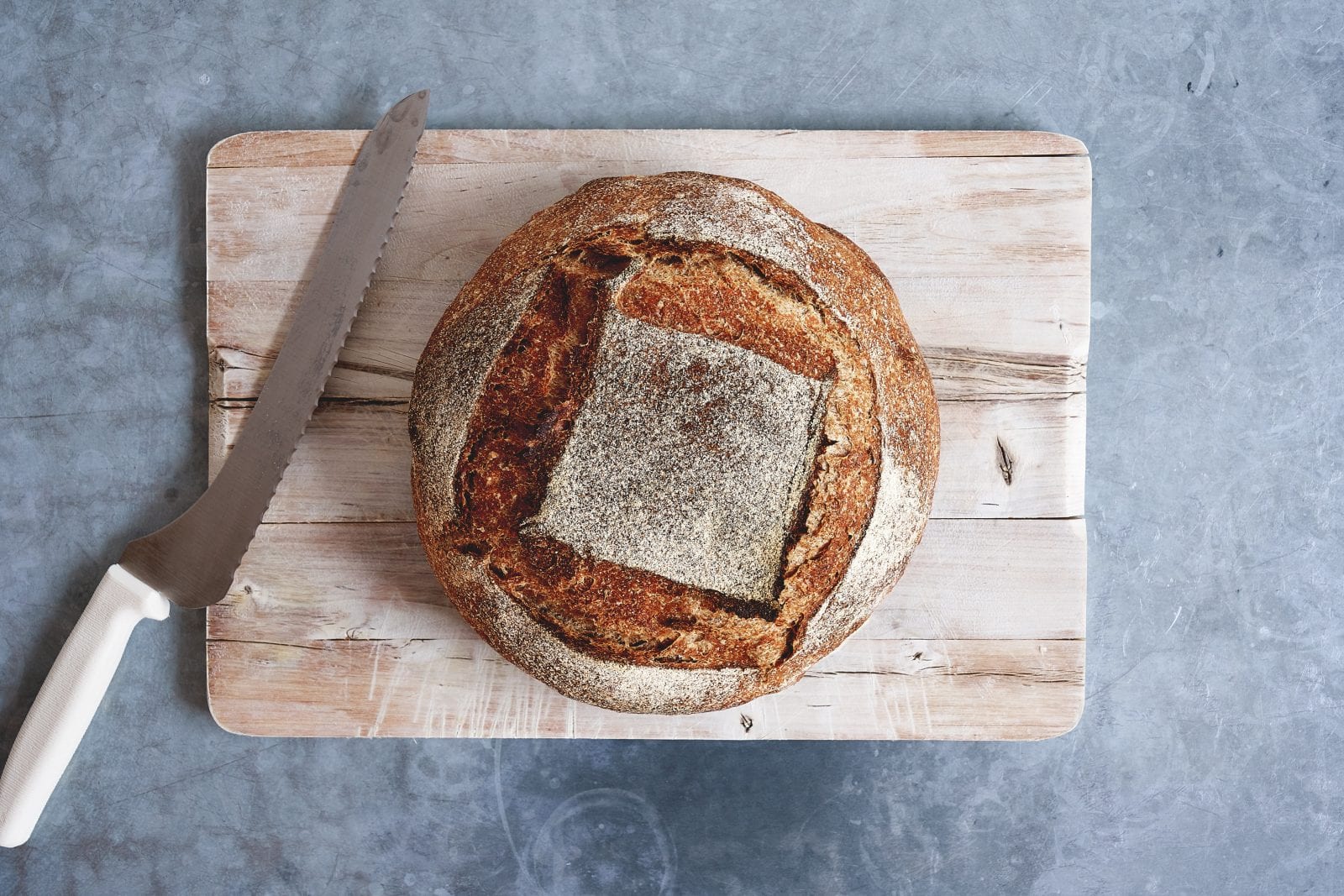
Perfect Bread Every Time?

You can do it — but do you really want to?

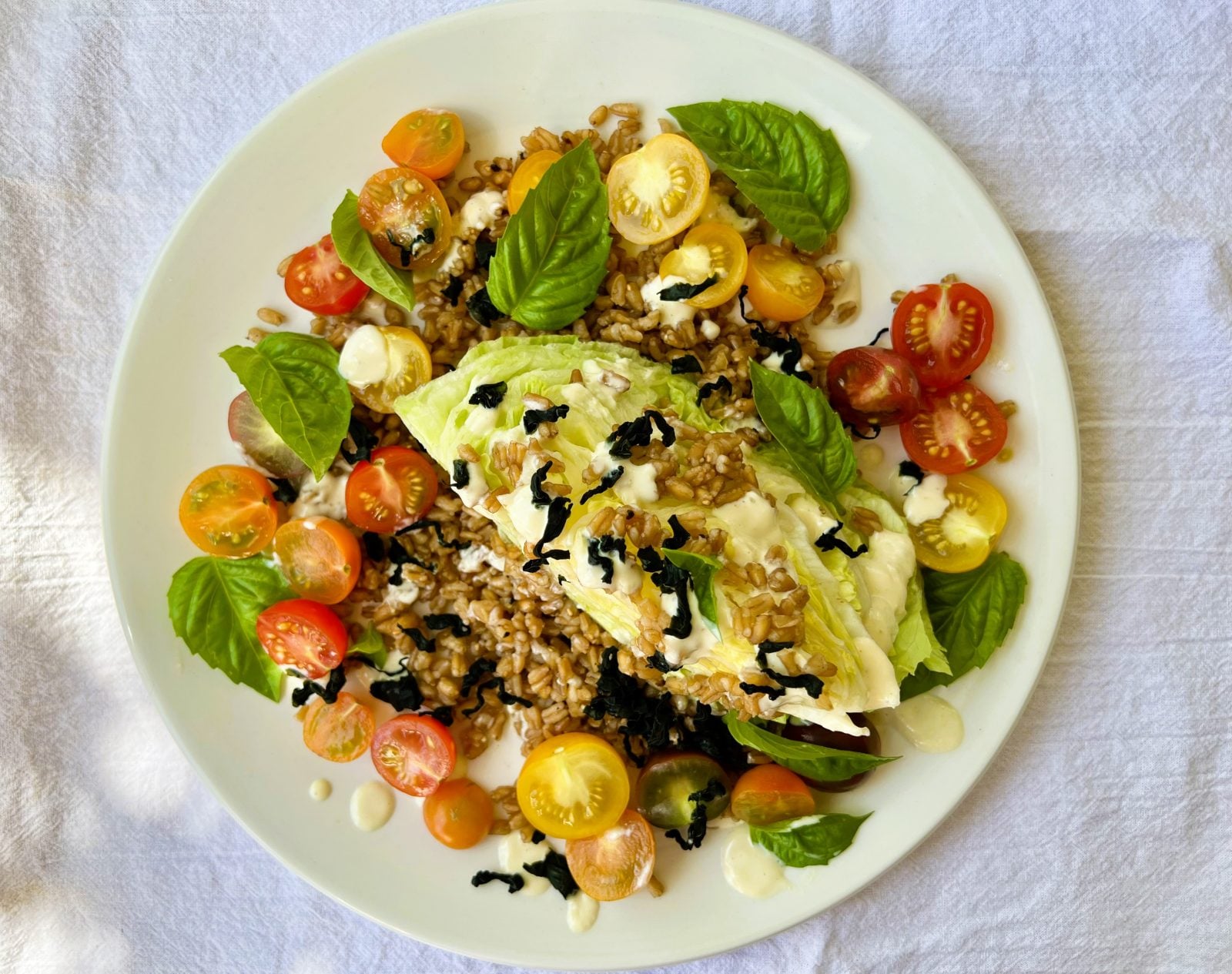
We Feel Your Grain – Three Farro Salads, Flavored from the Inside Out

Once you discover the easy impact of flavoring cooking water with simple additions, whole grains can stir up some real mealtime excitement. It only makes sense: If dried foods absorb liquid as they cook, isn’t that another seasoning opportunity? We put this technique to the test with a summertime favorite – the farro salad.

We’re Big Fans of Chewable Milk

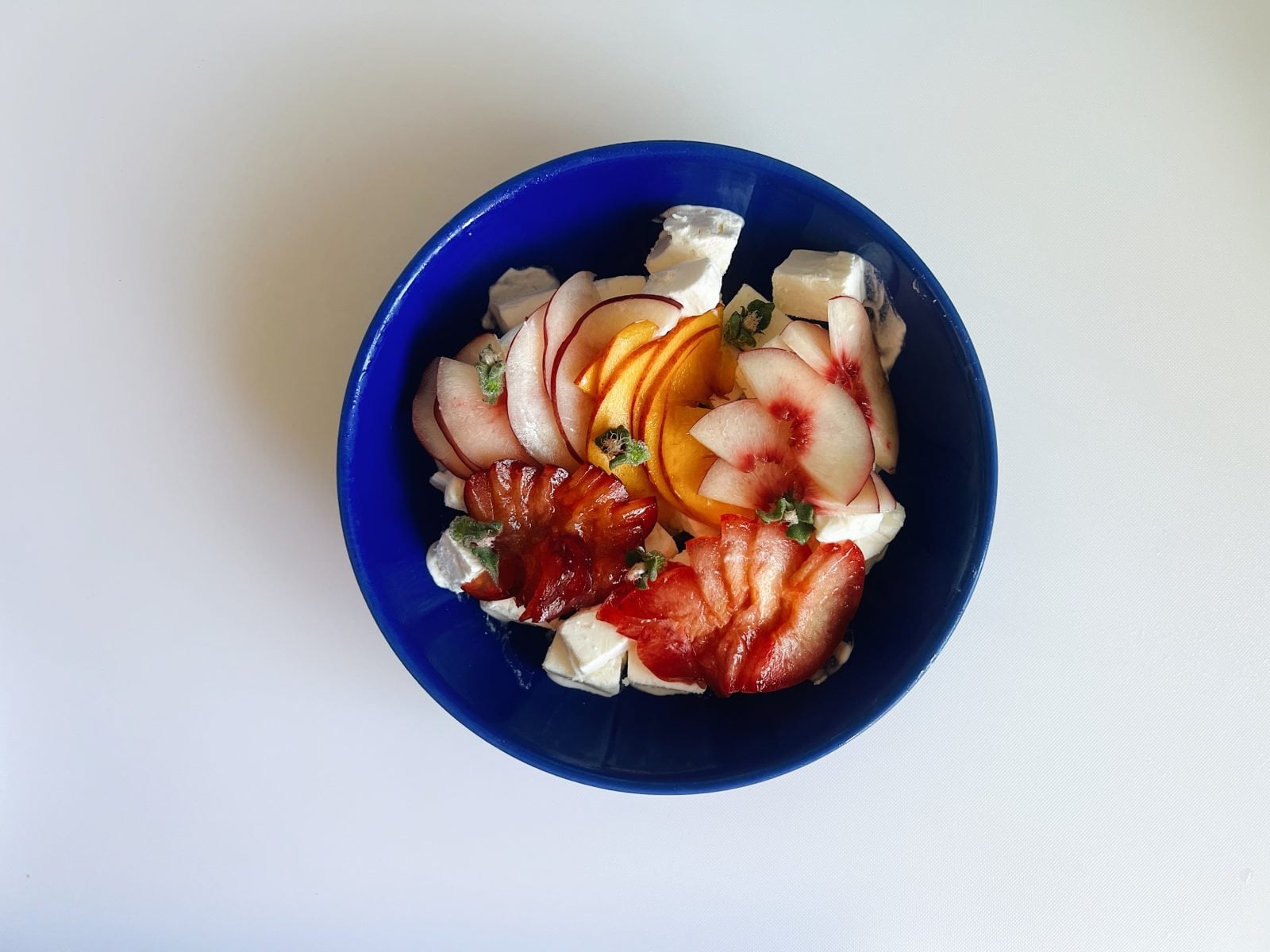
Holly has a Lindy West-inspired ​series on Instagram called Chewable Milk​ (it’s our favorite genre of dessert), where she shares all types of dairy in various stages of viscosity — poured custards, crémeuses, rice puddings — anything thick and milky. Today’s recipe is Chewable Milk in maybe its purest form: panna cotta. The texture is much lighter than traditional panna cotta and it’s such a nice complement to cold, seasonal fruit. Since the recipe is so simple — there’s not even any vanilla to mask the sweet, milky flavor—try to find the absolute best milk you can get your hands on.

5 Culinary School Tricks That Turned Me Into a Vegetable Lover

Before she started culinary school in Florence, Sara Cagle was, to her embarrassment, vegetable-averse. But after several lectures emphasizing the proper preparation of different vegetables and learning how best to preserve their colors and optimize their textures, she became a full-blown veg head. Here are five of her favorite techniques to give vegetables the love they deserve.

The Many Ways in Which You Should Be Using Rose Water

Imagine walking past a garden, cool and green in the summer sun, and detecting a faint, slightly sweet, delicately aromatic fragrance of roses lingering gently in the air. That’s what rose water is like when it’s properly used. A relatively inexpensive product, rose water allows you, with just a drop or two, to add the allure of one of the world’s fragrances to your cooking: a grilled pound cake with peach compote, a rice pudding, a carrot salad – even your martini.

A Project That Made Me Feel Like a Kid Again

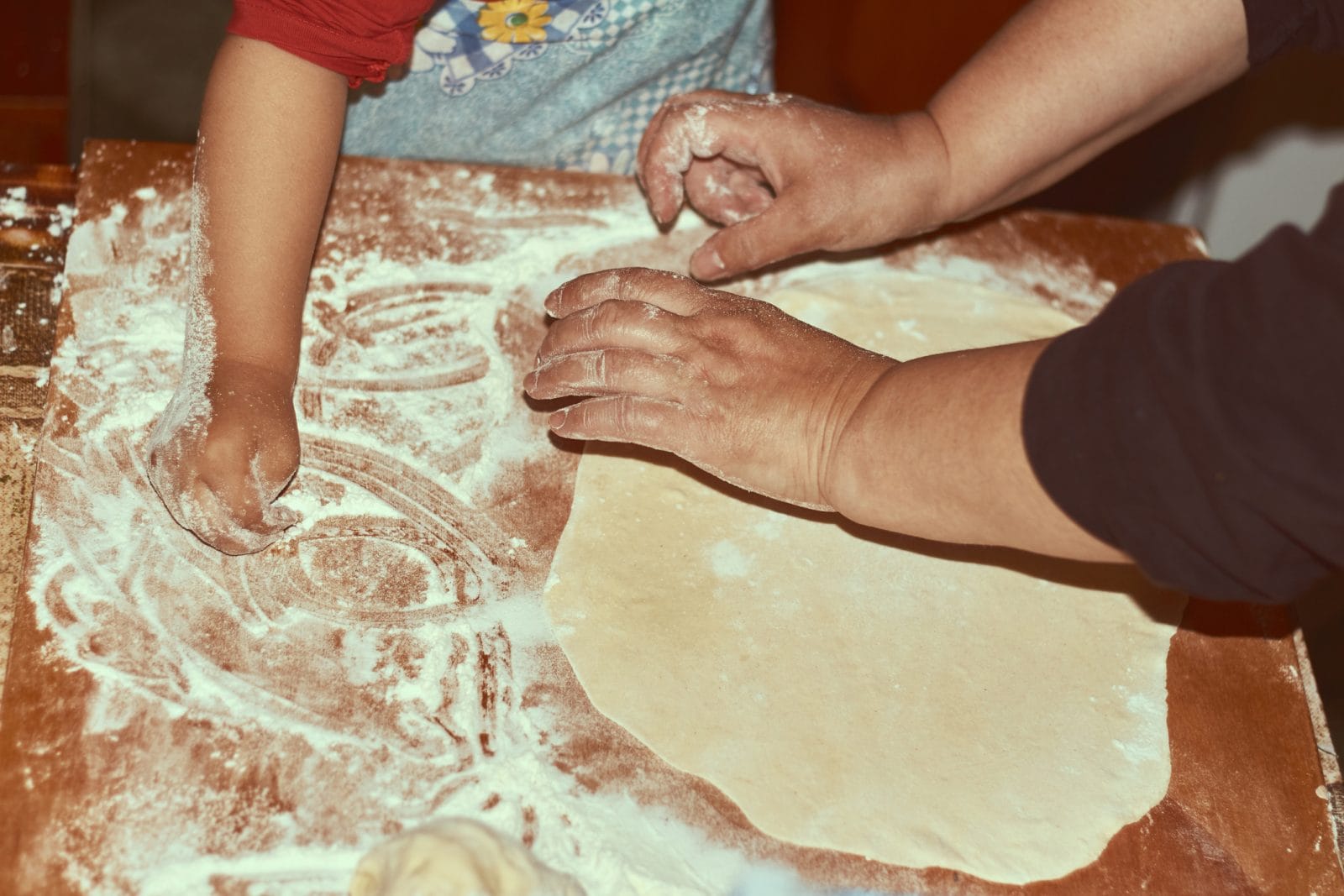
Mark stands by this: the sooner you can get your kids into the kitchen, the better. “I did that with my girls to a certain extent, but maybe not enough. Increasingly, though, I hear from people whose kids love to cook.” These conversations are what inspired his new book, the latest in the How to Cook Everything series, ​How to Cook Everything Kids​ – here’s a sneak peek, plus some recipes.

How to Make Homemade Chile Paste – And How to Use It

It’s tempting to reach for a can of chile paste when a recipe calls for it, but once you start making it on your own, you’ll realize that whatever you lose in convenience (little), you make up for in flavor. A combination of chile types will deliver more interesting flavor and be less incendiary than a single variety. The variations here build on the all-chile base.