Stay Stalked
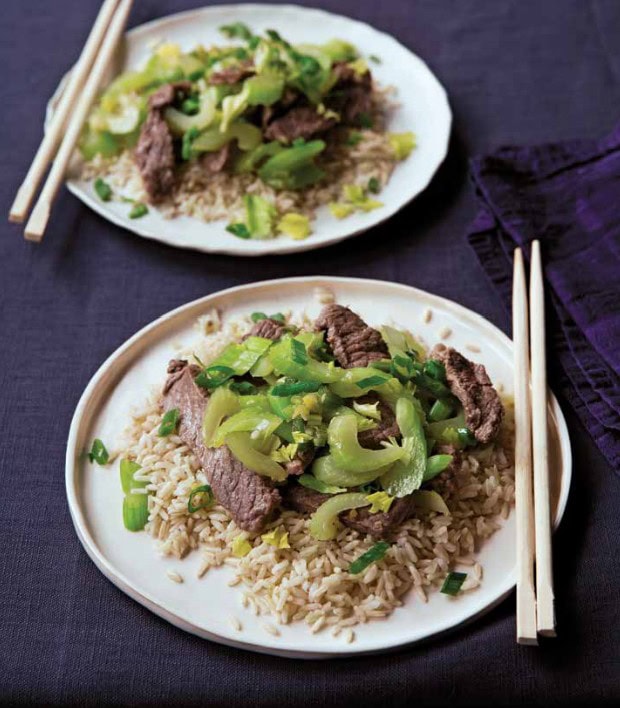
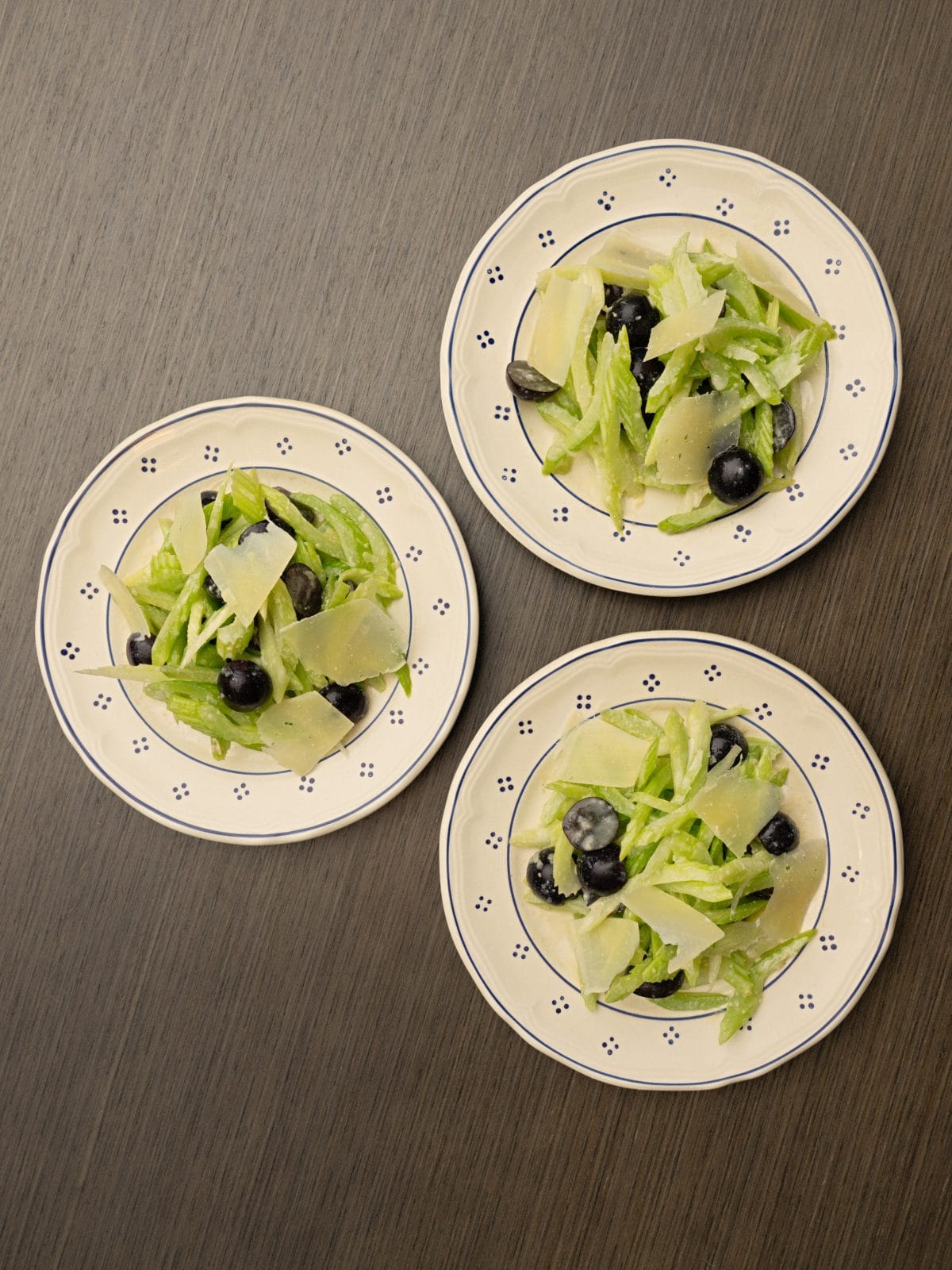
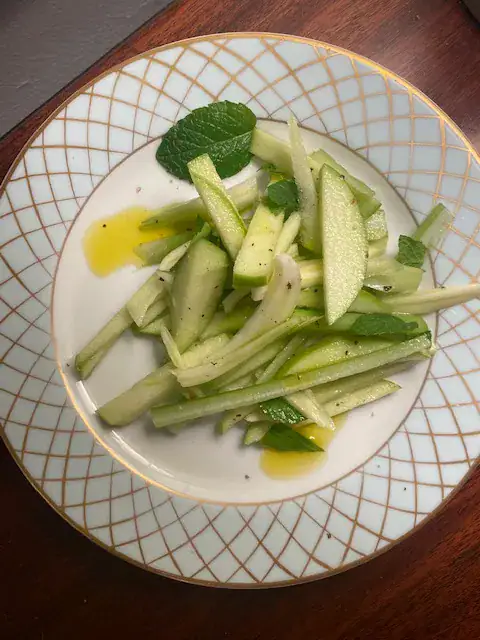
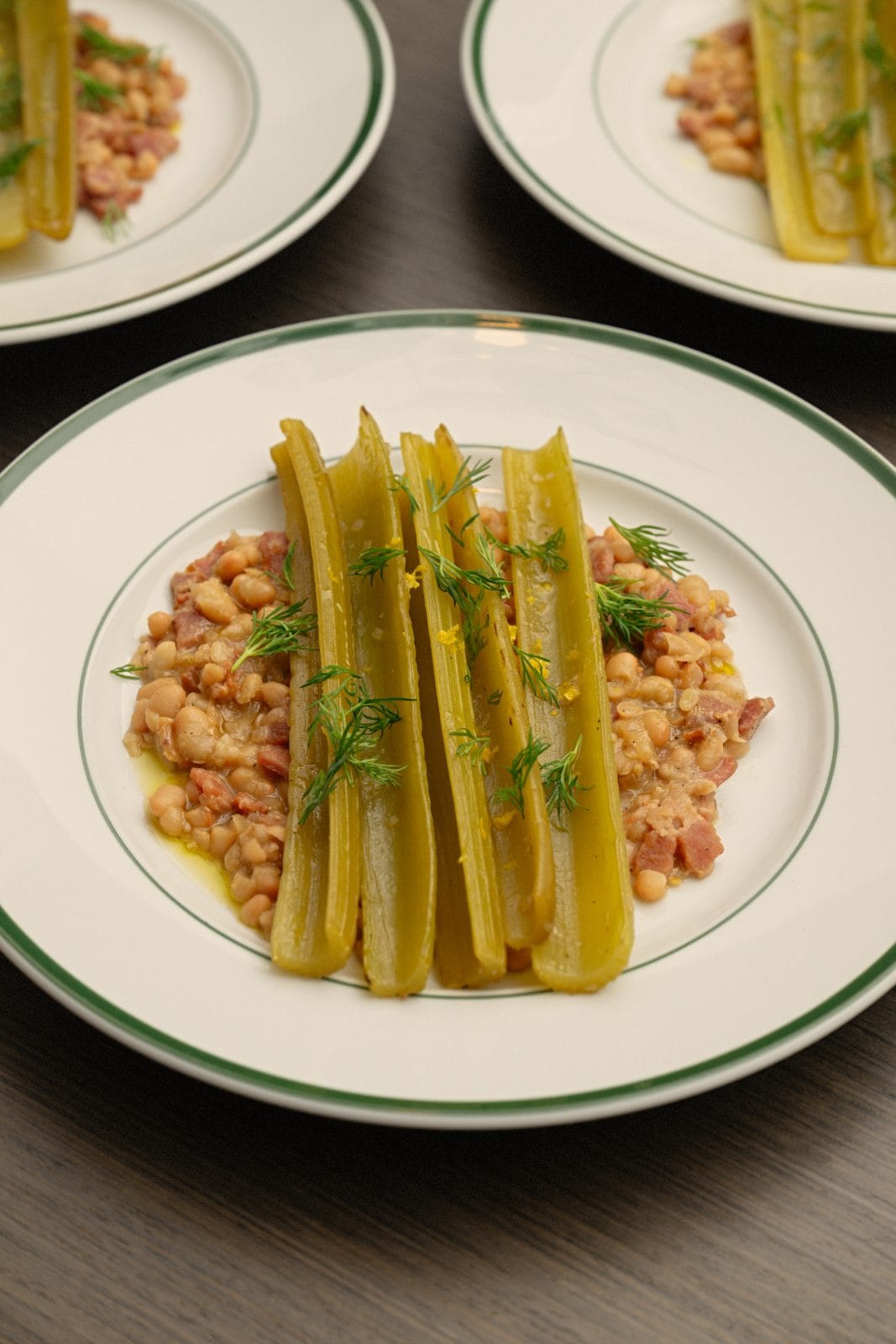
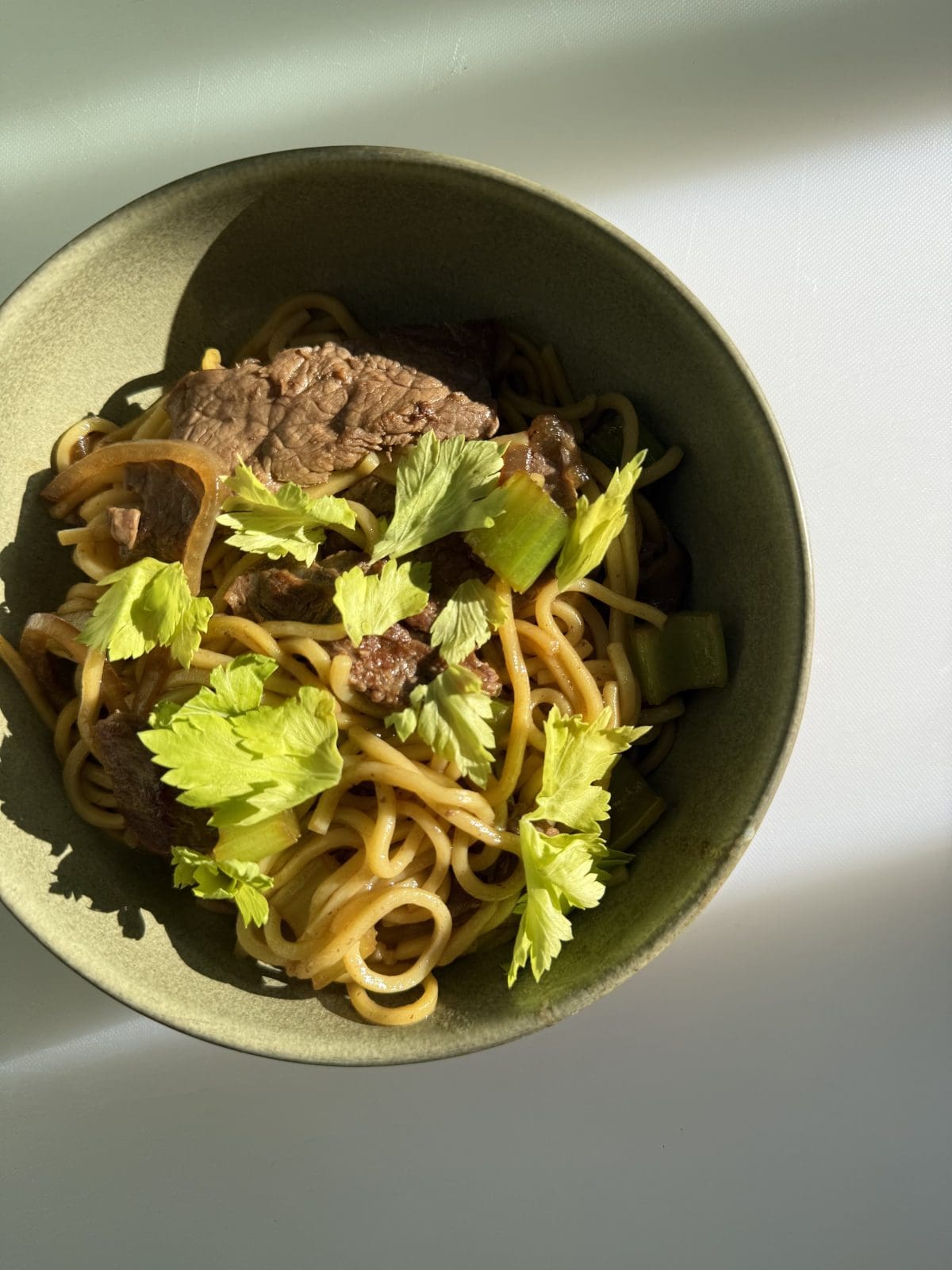
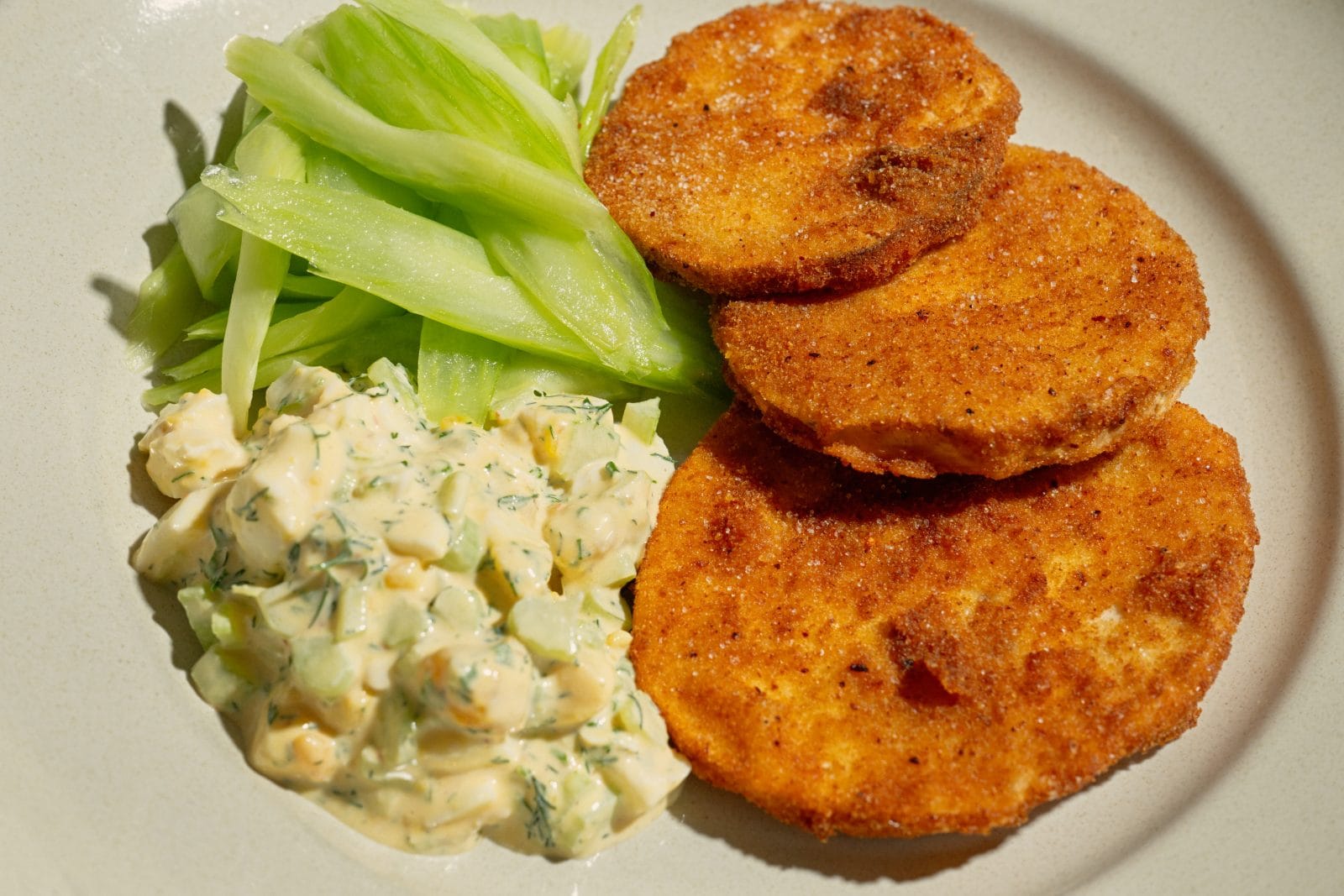
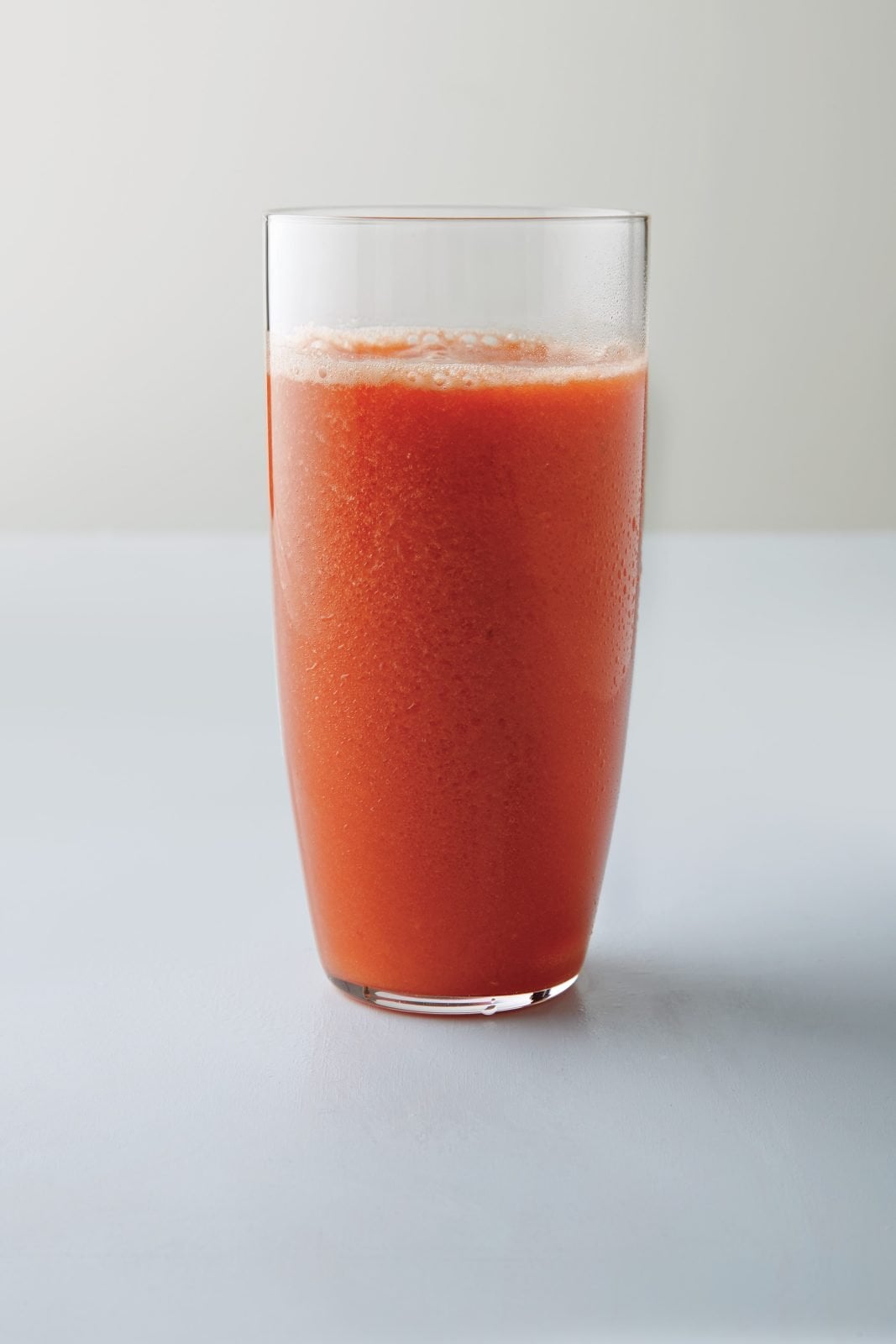
Bright and crunchy breakfasts, childhood snacks-turned-grown-up-salads, and braised side dishes or entrées for when you’re tired of roasted vegetables: When you treat celery well, the favor is always returned.


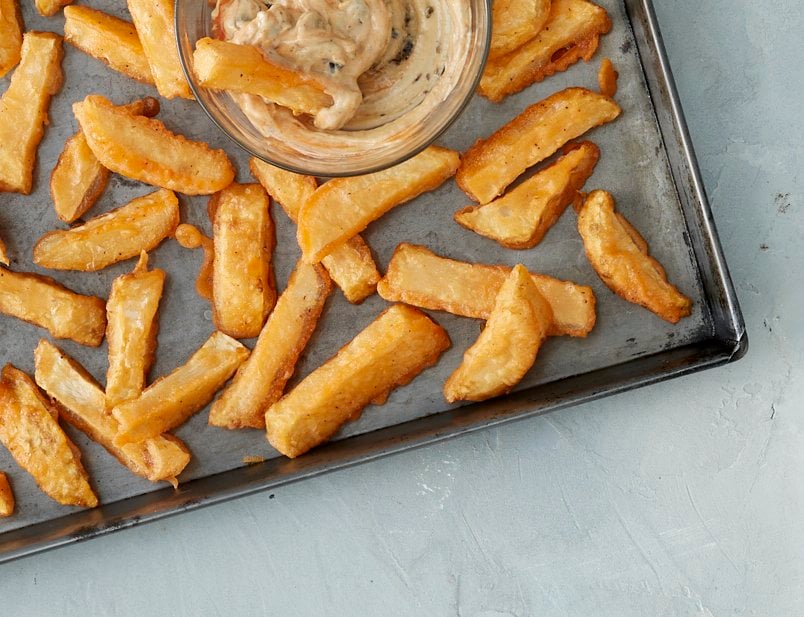
Celery is ubiquitous, but rarely cooked; when it is, it’s always with something else, which is a shame. Celery root (also known as celeriac) has a mellower flavor and is better for long cooking methods. Celery root has knobby, gnarled skin with a slightly green tinge and a porous ivory interior. It can range from fist size to bulbs weighing more than 1 pound.
Preparing: Trim the leaves from the celery—reserve them for use as a garnish if you like—and cut off the bottom core or remove as many stalks as you need. String the celery if it’s tough and very fibrous, or just cut it into what ever size pieces you need.
Celery root must be peeled; use a sharp paring knife rather than a vegetable peeler and acknowledge from the outset that you will lose a good portion of the flesh. If more than a few minutes will pass between peeling the celery root and using it, you might drop it into acidulated water (1 tablespoon lemon juice or vinegar per cup water) to keep it from discoloring.
Best cooking methods: braising (celery); boiling, sautéing, braising and glazing, roasting (celery root); both also excellent raw.
When are they done? Celery: when either just tender or super tender; taste a piece. Celery root should be soft.
Other vegetables you can use: celery and fennel are almost always interchangeable for texture; for celery root: parsnips, kohlrabi, or turnips
Bright and crunchy breakfasts, childhood snacks-turned-grown-up-salads, and braised side dishes or entrées for when you’re tired of roasted vegetables: When you treat celery well, the favor is always returned.

Filters