Hold Onto Your Seeds!
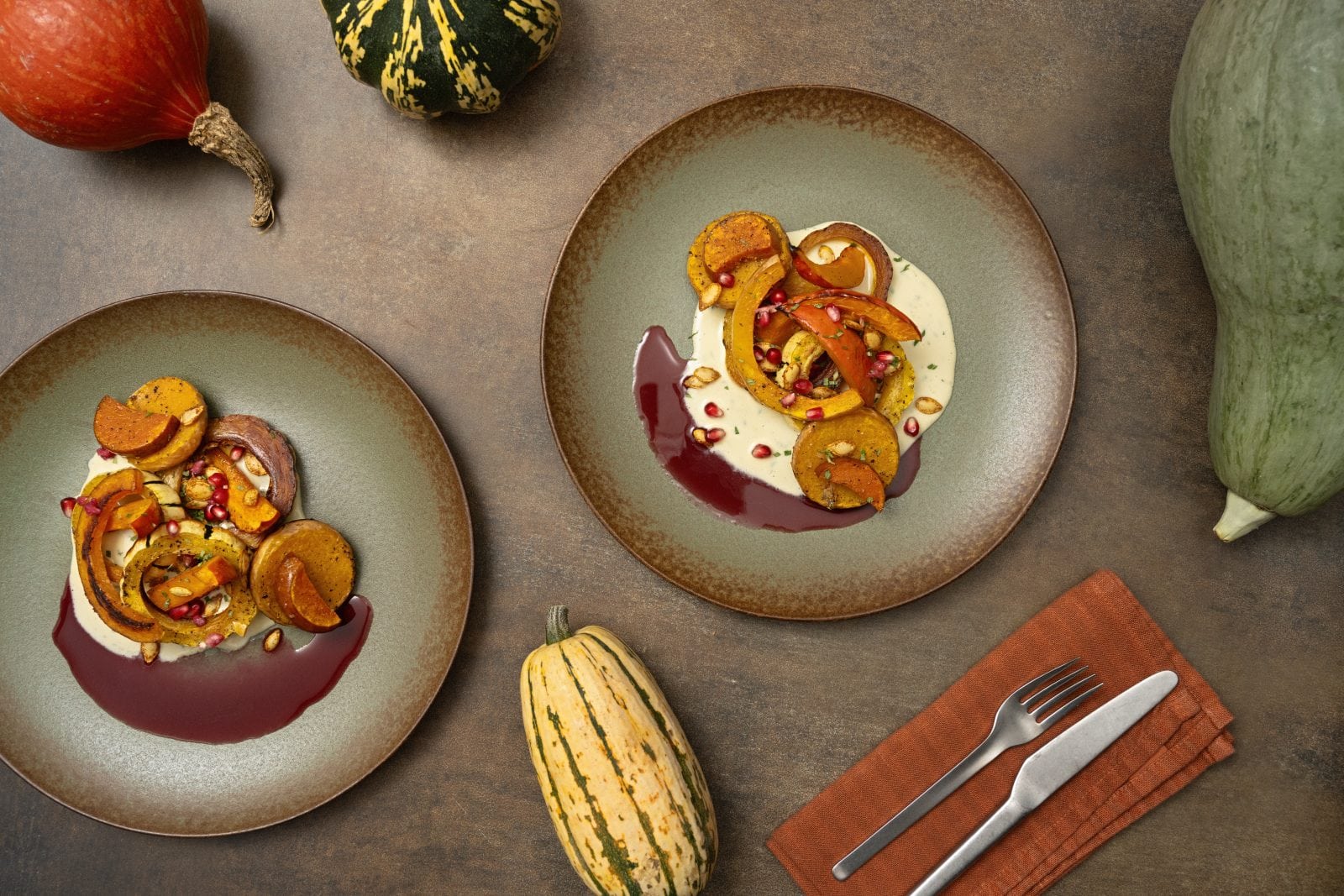
Three ways to embrace all the parts of your favorite fall and winter squashes.

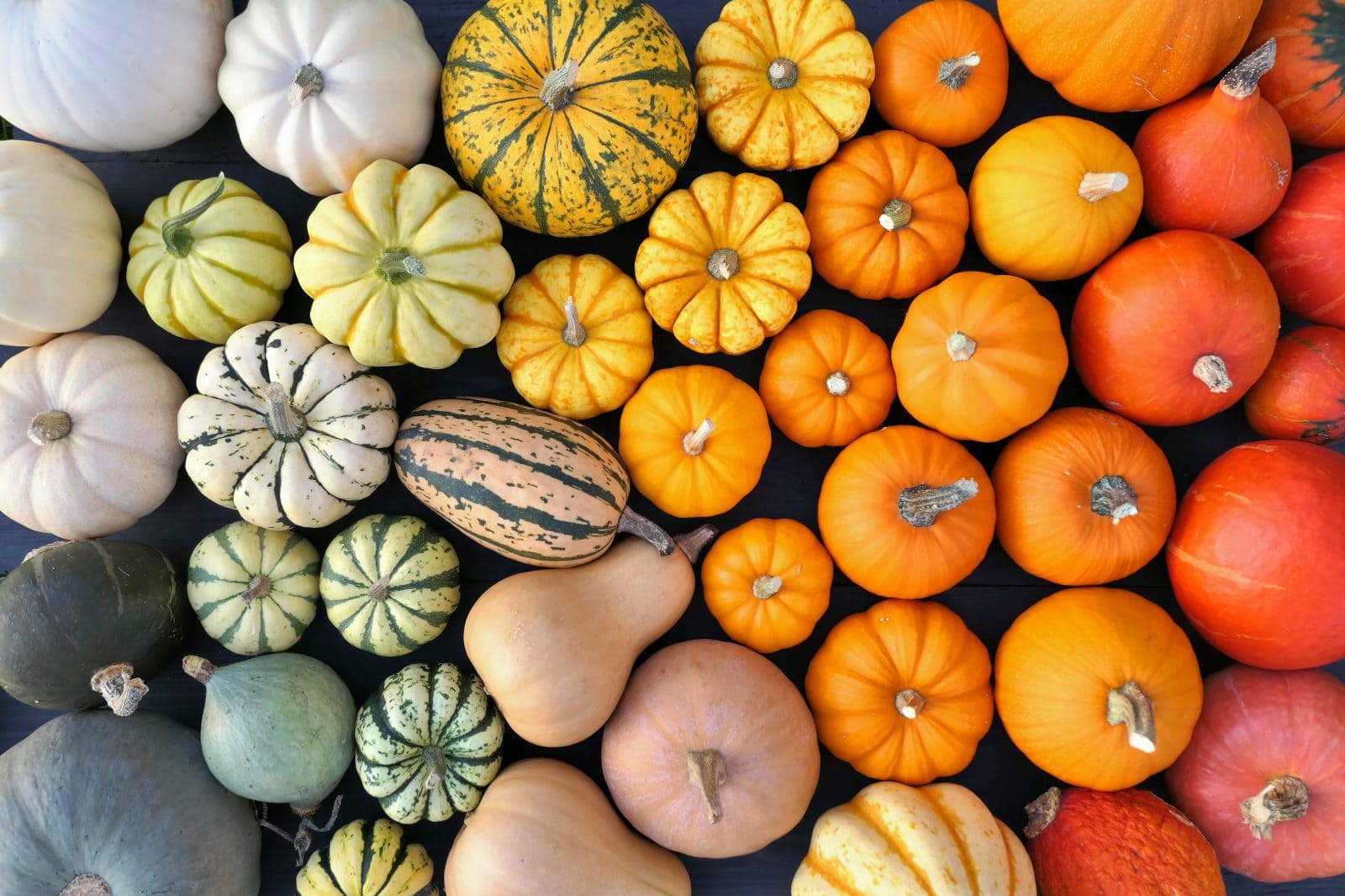
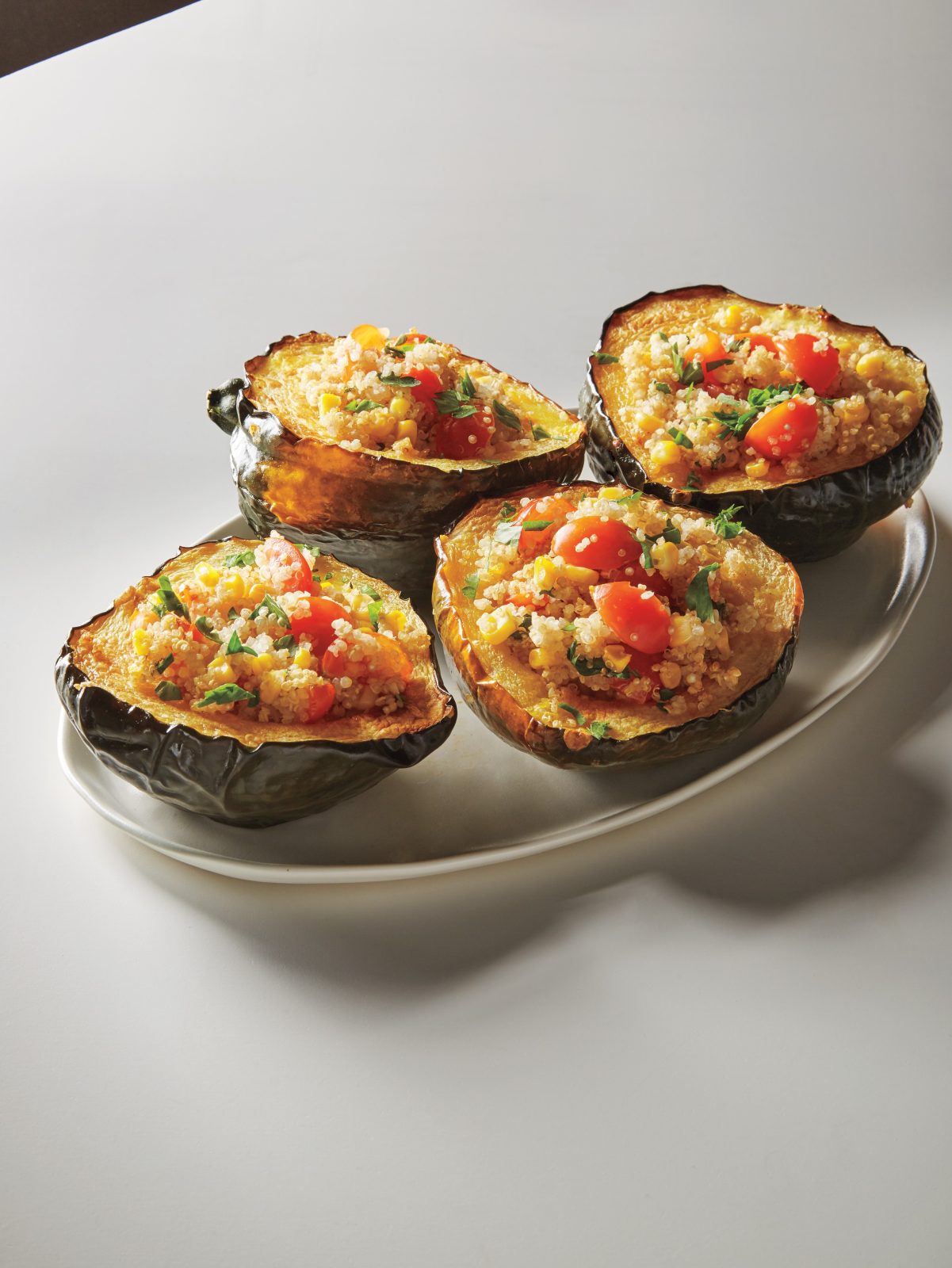
The most noteworthy and accessible of the many varieties of so-called hard squashes are the butternut, acorn, pumpkin, spaghetti, delicata, kabocha, Hubbard, crookneck, and calabaza. You’re bound to see others too.
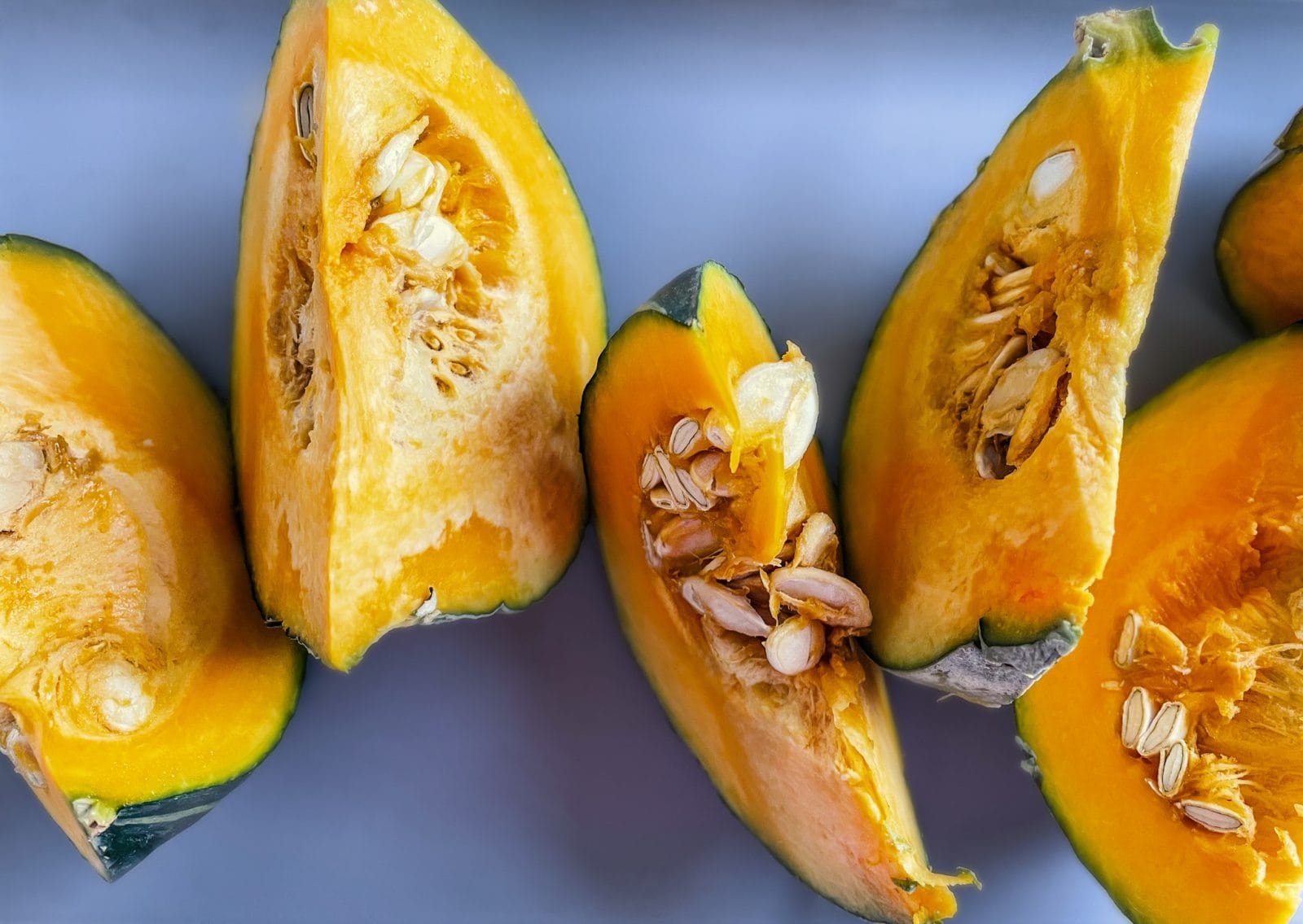
Preparing: All get the same treatment. To peel, use a sturdy vegetable peeler or a paring knife for butternut if you’re more comfortable; but for tougher, ridged squashes, set the squash on its flat end or cut off an end to create a flat, stable bottom. Use a sharp knife (the larger the squash, the larger the knife) and cut off slices of the skin starting from the top where the vegetable starts to curve, slicing down to the cutting board; cut off strips around the entire vegetable, then chop off the unpeeled ends. Split open and scoop out the seeds and stringy fiber; discard or roast the seeds. Spaghetti squash is a slightly different animal because its flesh is super-stringy. Though you can peel and prepare it as you would other winter squashes, it’s best—and easiest—to cook it whole, then split, remove the seeds, and scoop out the flesh.
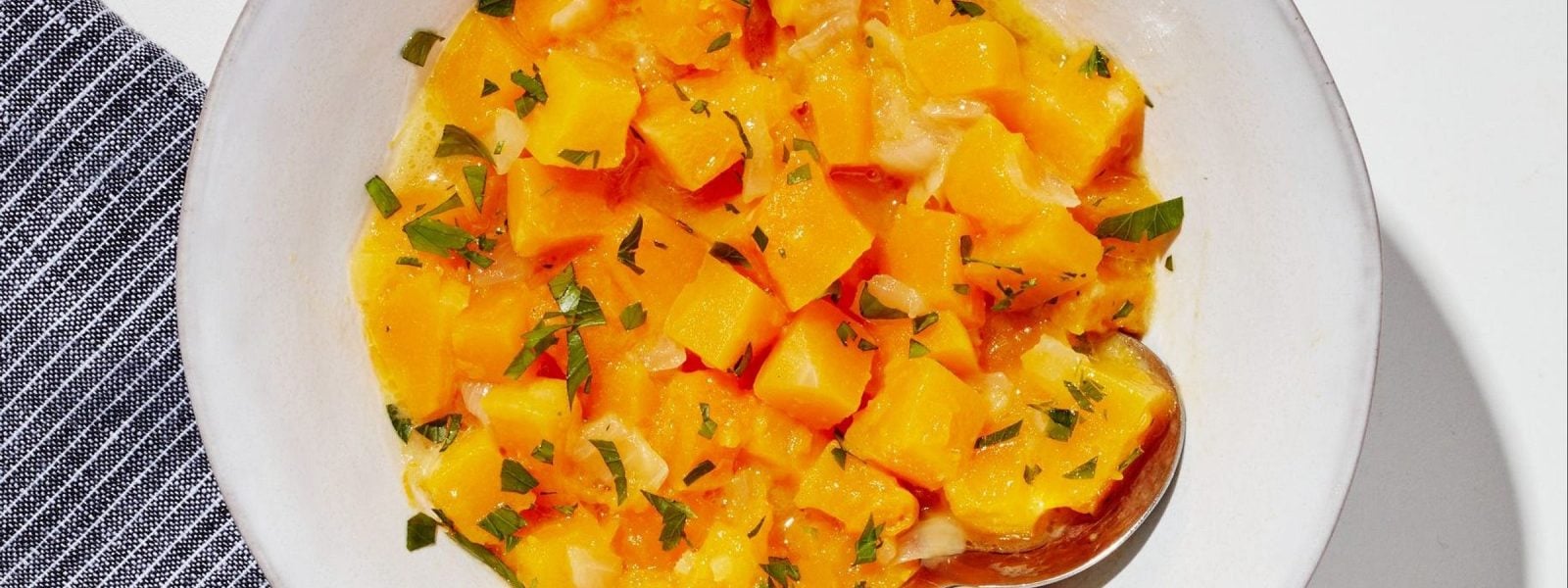
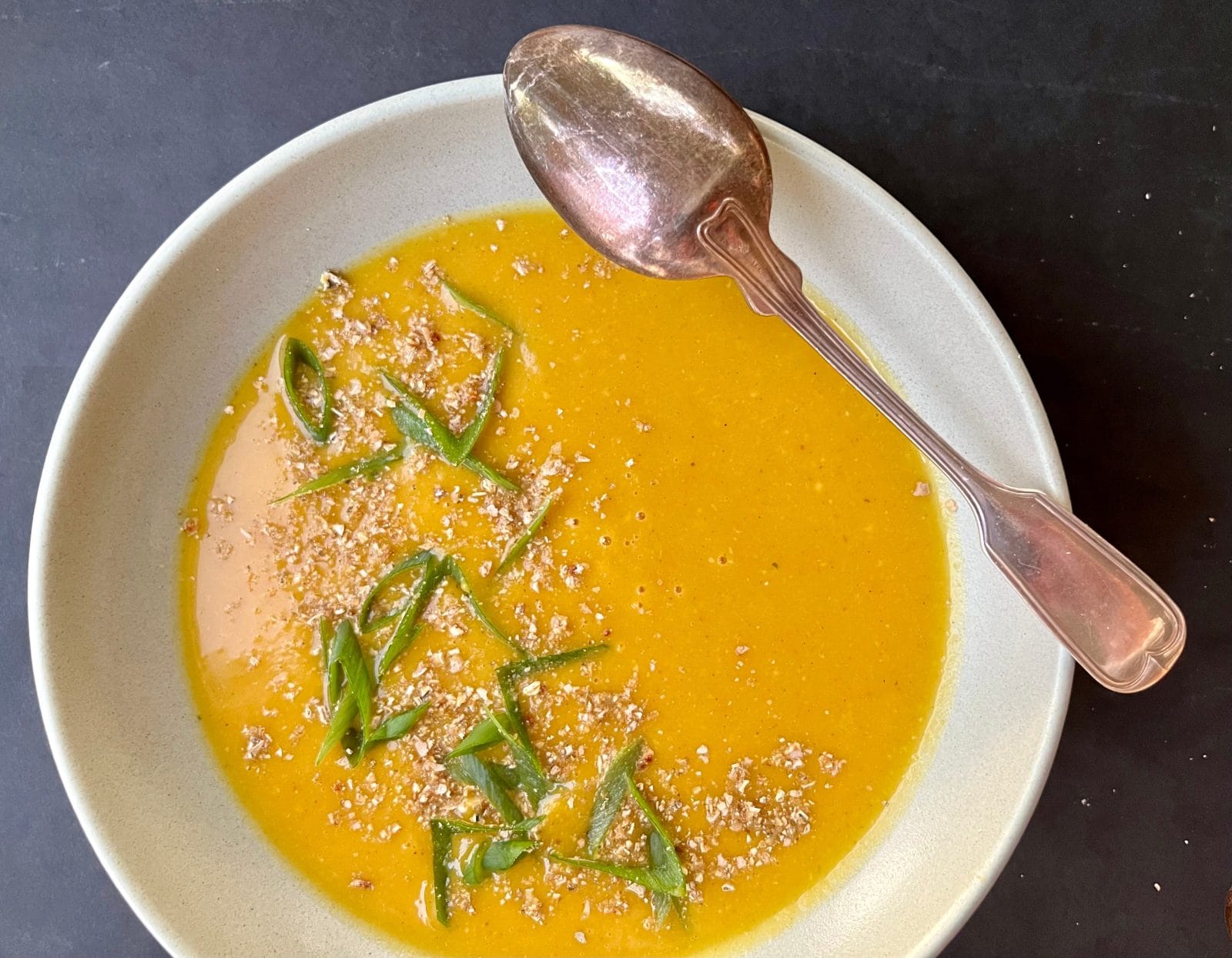
Best cooking methods: boiling or steaming, braising, braising and glazing, pan-frying, roasting; puréeing
When are they done? When very tender and nicely browned (if pan-fried or roasted); when tender but when tender but not waterlogged (if boiled).)
Other vegetables you can use: except for spaghetti squash, winter squash are interchangeable; otherwise, sweet potatoes, yams, carrots, waxy potatoes
Three ways to embrace all the parts of your favorite fall and winter squashes.
Filters