

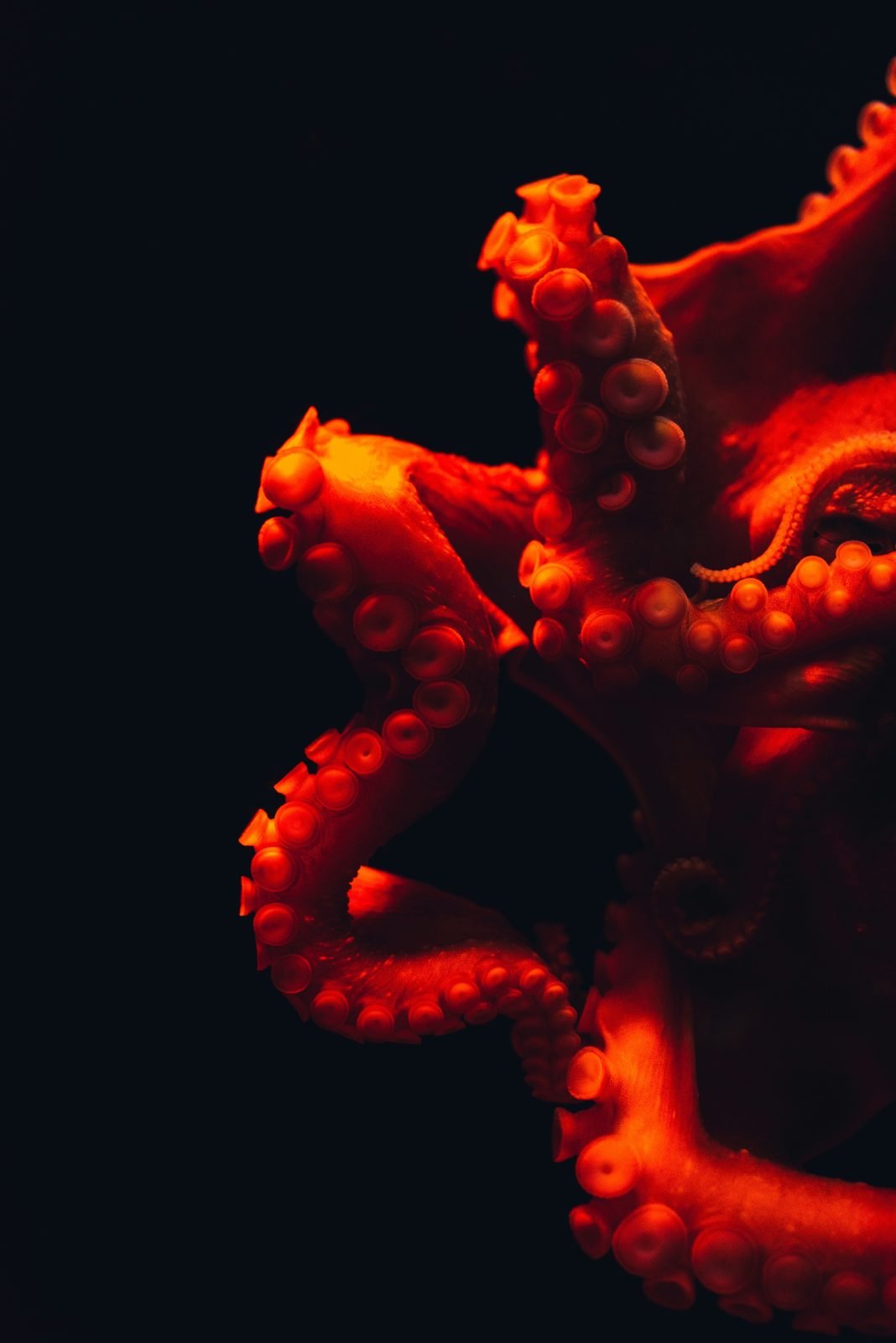
I do not eat veal or foie gras. I do eat octopus, occasionally.
Does that seem arbitrary to you? If so, I understand; it feels arbitrary to me. And if I had to explain my preferences and exclusions, I’d have a hard time doing so. It’s a long term project.
A while back, we introduced you to FoodPrint’s podcast, What You’re Eating, which aims to help you understand how your food gets to your plate and to see the full impact of the food system on animals, the planet, and people.
That episode was about PFAS. Today, we’re focusing on another episode; this one, called “Cruel & Unusual: Veal, Foie Gras, Octopus,” looks at these three controversial foods and the campaigns launched by animal rights activists to stop their production and consumption.
Hosted by the terrific Jerusha Klemperer, this episode provides a lot of food for thought – pun not intended. (But I’m leaving it.) Lots of questions here: How do you measure cruelty? Is it a human quality to oppose cruelty to animals? Do we care more about animals that are cute and smart? Once we’ve said yes to factory farming, does it become difficult, morally, to parse out other specific practices (such as force-feeding a young duck)? And when it comes to change, where does the responsibility lie – who should be driving that change?

A very brief primer on each of these “foods”:
- Veal: Meat from calves that are slaughtered anywhere from two hours old to around 26 weeks old. People ate a lot of veal 30-50 years ago – there was even a veal parm sandwich at Burger King. There’s been a huge public sentiment shift since then, though, and veal, while still eaten, has fallen somewhat out of favor. Here, Klemperer talks to Daisy Freund, VP of Farm Animal Welfare at ASPCA.
- Foie gras: (Meaning “fatty liver” in French.) Ducks, or geese, are force-fed corn mash until sufficiently fatty. Think the equivalent to a human eating 30 pounds of pasta per day – and not just the quantity, but the lack of nutrition. Chefs have been known to advocate passionately for foie gras and the human right to eat this “culturally significant” (French) food. Klemperer talks foie gras with Cheryl Leahy, Executive Director of Animal Outlook.
- Octopus: For the past 10 years or so, octopus has been highly publicized for its intelligence and capacity to feel, causing an outcry around the human consumption of it. (See: Inky, the octopus that escaped from the National Aquarium of New Zealand; and My Octopus Teacher.) It’s worth mentioning here that there have been some animals that are protected by basic animal cruelty or animal welfare laws, and some that are not. Marine animals, however – including octopus – generally have not been considered worthy of these very minimal protections. And people see octopus as representing an opportunity to stop something entirely before it begins. Here, Klemperer talks with Dr. Elena Lara, Senior Research and Public Affairs Advisor at Compassion in World Farming.
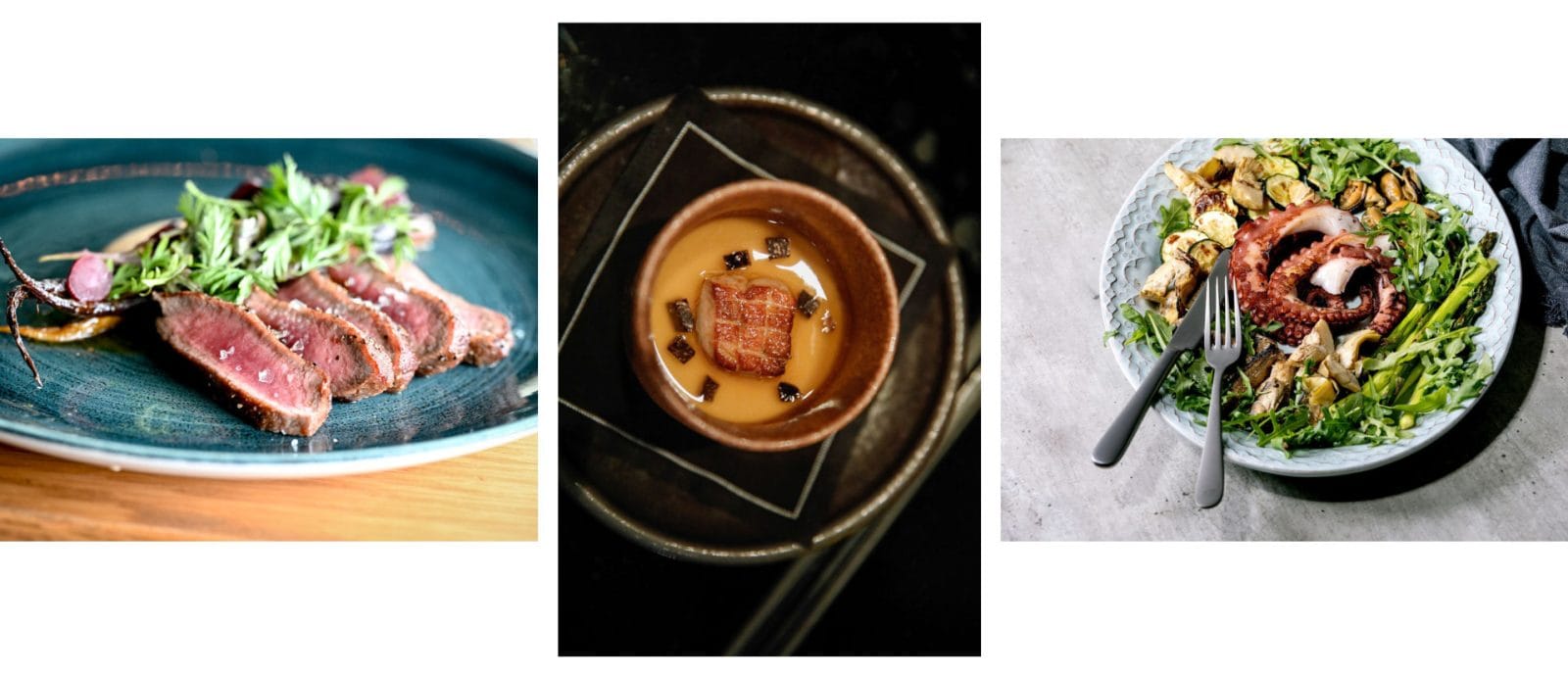
As usual, the issue is this: Even if we’ve made improvements in the amount of veal that’s consumed, even if we ban foie gras in some states (California sort of has – but not really), even if we halt consumption of octopus, at least to an extent, our perennial inability to address the system remains. As is the case for so much in food policy, we need a complicated set of solutions on the federal level.
There is so much information in this episode of What You’re Eating, and it’s fascinating and beautifully reported. And I’ll say this, too, about my “long term project” – this episode affirmed how I already feel, and provided much in the way of clarity on the rest.
Finally, because we’re committed to transparency, we wanted to let you know that we’re getting compensated to promote What You’re Eating. Not a lot, but some. We try to be thoughtful about how we make money, and so we only partner with brands and organizations that we know well and believe in. FoodPrint is one of those, and we’re glad to have reasons to promote them. Hope you enjoy the podcast.
Comment