


Happy early Thanksgiving, to all who celebrate. It’s also the time of year when gift guides are everywhere. We’ll be posting one soon, worry not, but it’s almost Giving Tuesday, another meaningful (quasi) holiday, so we wanted to focus on that this week.
We’ve got so many food and climate organizations that we love, and that we personally donate to and support and work with, and in case you’re looking for a worthy cause to give some dollars to on this day of generosity, we’re listing them below (in no order of preference).
Although this list is big, it’s by no means inclusive, and we were heartened when we did the research to know just how many fantastic people and places are doing such wonderful work.
In case we haven’t said it recently enough, thanks to you for supporting us, every day. We’ll be off the rest of the week, and we’ll see you on Monday, December 2nd.
HEAL Food Alliance is a national multi-sector coalition of 55 organizations and it’s led by members, who represent over 2 million rural and urban farmers, ranchers, fishers, farm and food chain workers, indigenous groups, scientists, public health advocates, policy experts, community organizers, and activists. Together, these groups are building a movement to transform our food and farm systems from the current extractive economic model towards community control, care for the land, local economies, meaningful labor, and healthful communities nationwide, while supporting the sovereignty of all living beings.
As many of you know, Mark is on the Culinary Council of the excellent God’s Love We Deliver. GLWD began as an urgent response to the AIDS crisis, and since then, has been providing medically tailored meals to New Yorkers who are too ill to cook for themselves. In 2024 alone, GLWD has provided more than five million meals to 17,000 people. (Listen to GLWD’s Executive Chef Andre Daquigan on Food with Mark Bittman here.)
Black Farmer Fund was formed out of a series of conversations among Black farmers in the Northeast who were seeking capital that didn’t replicate the discriminatory and predatory lending practices that have been driving Black farmers and land stewards off of their land for over a century. (Listen to BFF co-founders Olivia Watkins and Karen Washington on Food with Mark Bittman here, and read Kate’s Q&A with member Amanda David here.)
If you care about building just and resilient regional food systems so that communities, farmers, and the land thrive — we encourage you to donate to:
- Glynwood Center for Regional Food and Farming. (Mark’s partner, Kathleen Finlay, is President.) Glynwood advances local food production in its own region (New York’s Hudson Valley), and educates a national audience about efforts to regionalize food and agriculture.
- La Semilla Food Center, whose mission is to foster a healthy, self-reliant, fair, and sustainable food system in the Paso del Norte region of southern New Mexico and El Paso, Texas.
- Tahoe Food Hub is building a food system that supports regenerative farming practices and creates fair market opportunities for family farms by increasing local food access for the mountain community in and around Truckee, California.
- Frontline Farming, whose mission is to create greater equity across the food system on the Front Range of Colorado. Frontline Farming specifically seeks to support and create greater leadership and access for women and people of color in our food systems.
- Appetite for Change — in partnership with neighbors and friends and through a number of programs that were born from community feedback — is feeding people, training and employing youth, and bringing individuals and organizations together to lift up North Minneapolis as a leader in food systems change. (Listen to the AFC founders on Food with Mark Bittman here.)
- Make Food Not Waste, a Detroit-based environmental nonprofit focused on keeping food from going to waste, both in the short term — by transforming surplus into 5-star community meals — and by laying the groundwork for long-term change by supporting local governments, training restaurants, and educating home cooks.
- The San Diego Food System Alliance, a diverse and inclusive network of leaders committed to building a food system that works for everyone.
- Sustainable Food Center has been on a mission to improve access to fresh, nutritious food for all Texans for almost 50 years, weaving together efforts to improve the health, land, and livelihoods of local communities by addressing food security holistically to build a sustainable food future for all.
- The Yellow Farmhouse, located on a working farm in Stonington, Connecticut, is a non-profit education center that teaches people of all ages about food and farming so that they have the knowledge and tools to improve the food system.
- Food Education Fund equips public high school students in NYC — most of whom live in underserved communities — for lifelong success through a transformative immersion in hospitality. These initiatives reach hundreds of students each year, and alumni have gone on to thrive in top-tier hospitality and culinary higher education programs, upscale NYC eateries, and leading media marketing roles.
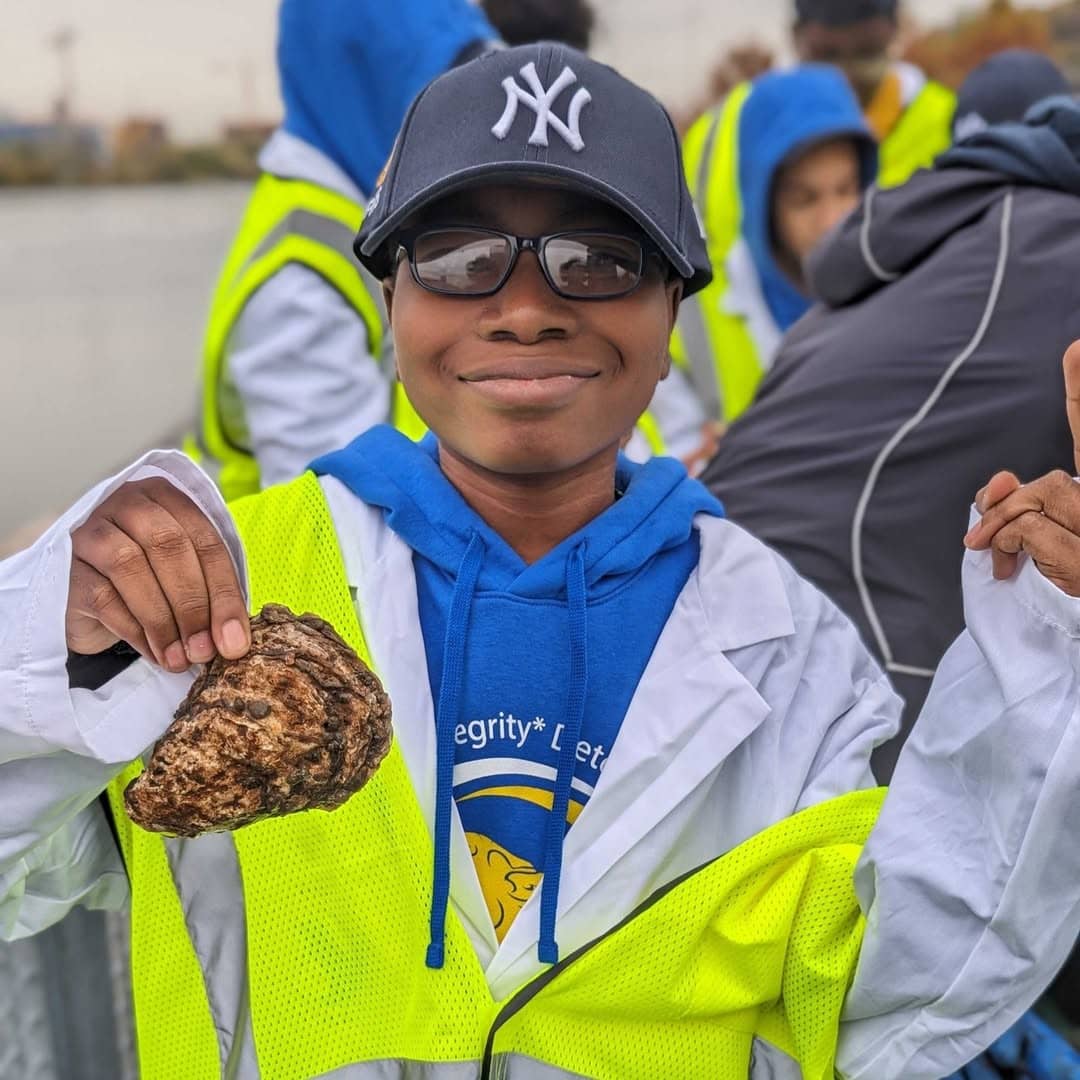
It took less than 100 years for New Yorkers to wipe out the oyster population in New York Harbor. Now, in collaboration with NYC communities (20,000 NYC students included!), Billion Oyster Project is rebuilding this incredible natural resource and habitat. (122 million live oysters restored!)
Made Safe operates under the belief that product performance should no longer come at the expense of human health or ecosystem viability, and its mission is to certify that the products you use on your body, with your family, and in your home are made without harmful and polluting chemicals.
It’s not easy to generate the funding needed to grow better food and fight climate change. And after decades of climate initiatives, it’s become clear that nobody can do it alone. Zero Foodprint pools contributions from all different parts of the food system to make dollars go further; they then equitably distribute those funds via grants to farmers.
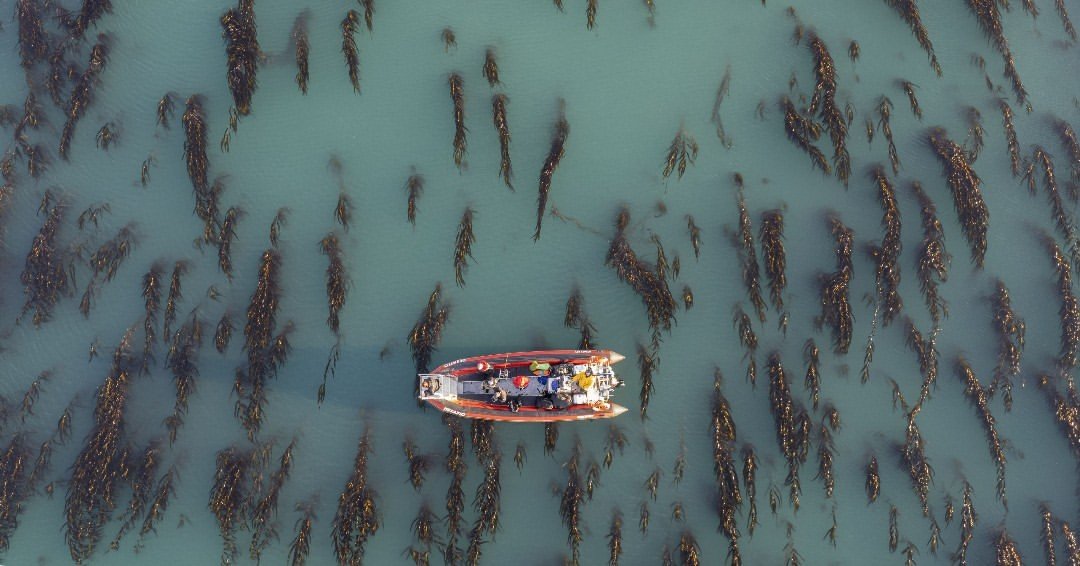
GreenWave is a global network that provides training, tools, and support to regenerative ocean farmers to catalyze the planting of seaweed and shellfish that yield meaningful economic and climate impacts.
Foodshed Capital exists to build more equitable, regenerative foodsheds, and prioritizes lending to borrowers who have historically faced difficulty accessing capital through traditional lenders — low-income, BIPOC, female, immigrant, LGBTQ, or indigenous individuals.
Mad Agriculture offers financing for farmers at all stages, whether they’re just beginning the transition to regenerative agriculture, or are seeking to expand a certified organic operation. Mad’s loan terms prioritize farmers’ success over organizational profit.
Rise & Root Farm is a QT+BIPOC centered farm rooted in social justice. Located in Lenape territory in the heart of Orange County, New York, the focus of Rise & Root is on providing greater food access to those most in need, and to educating people about food, farming and the food system. (Listen to co-owner Karen Washington on Food with Mark Bittman here.)
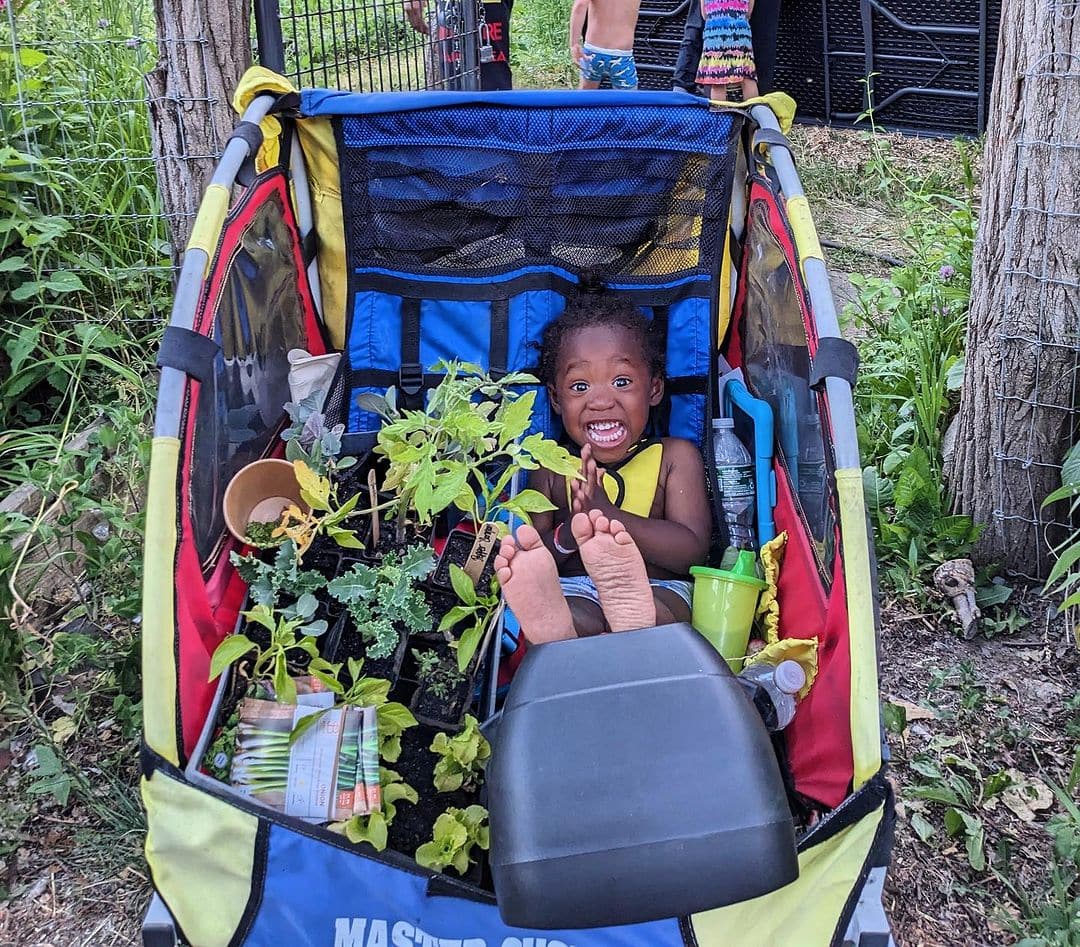
Soul Fire Farm is a well-known community farm committed to ending racism and injustice in the food system. (Read Mark’s Q&A with founder Leah Penniman here.)
Re:wild Your Campus works with students and groundskeepers at schools across the country to eliminate toxic pesticides and support groundskeepers in the transition to organic, biodiverse landscapes, aiming not only to make campuses more climate resilient, but empower young leaders to be changemakers. (Listen to founder Mackenzie Feldman on Food with Mark Bittman here.)
Climate Farm School is the only on-farm, evidence-based, farmer-led experience built for those ready to join the community leading food systems transformation.

Farm To Crag helps you find food and community by hosting educational climbing events at local organic farms; through their interactive map; by taking climbers farming — and farmers climbing; and through climbing gym dinners that celebrate local food, awe-invoking stories, and farm policy tutorials. (Listen to founder Kate Rutherford on Food with Mark Bittman here.)
The E.O. Wilson Biodiversity Foundation works to protect half the land and sea in order to manage sufficient habitat to reverse the species extinction crisis and ensure the long-term health of our planet.
MCE Social Capital is a nonprofit impact investing firm that provides flexible capital to enterprises committed to generating sustainable livelihoods in emerging markets — with a focus on women and the environment — to allow these enterprises to scale and better serve their customers, their employees and their communities.
Comment