The Editors

Filters

Sort by date

Content Type

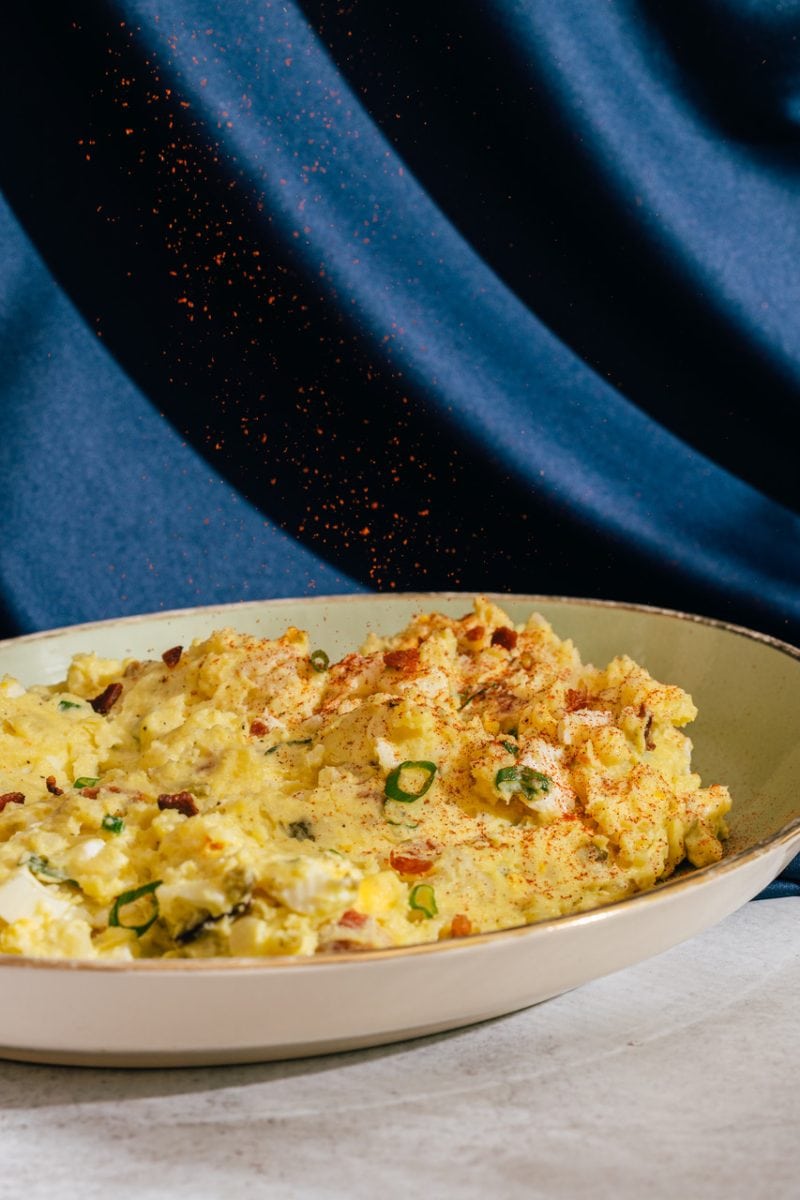
Ed Mitchell’s “I Don’t Eat Everybody’s Potato Salad!”

When we say “I don’t eat everybody’s potato salad” in the Black community, that means either the person didn’t know how to season or prepare potato salad in the old way, or their home was unclean. I recall older Black women at church saying, “She might have all kinds of stuff in her house. I don’t know if I want to eat her potato salad.” As a child, you hear all the gossip at church. – Ed Mitchell’s Barbeque

Smoky Shrimp Scampi

Lots of garlic and olive oil, smoked paprika, parsley, and lemon juice make the best bath a shrimp could ever ask for. Scampi is a perennial favorite that works as a main dish when tossed with rice or pasta or simply spooned over thick slices of toasted bread. Or serve hot or cold on toothpicks as an appetizer.

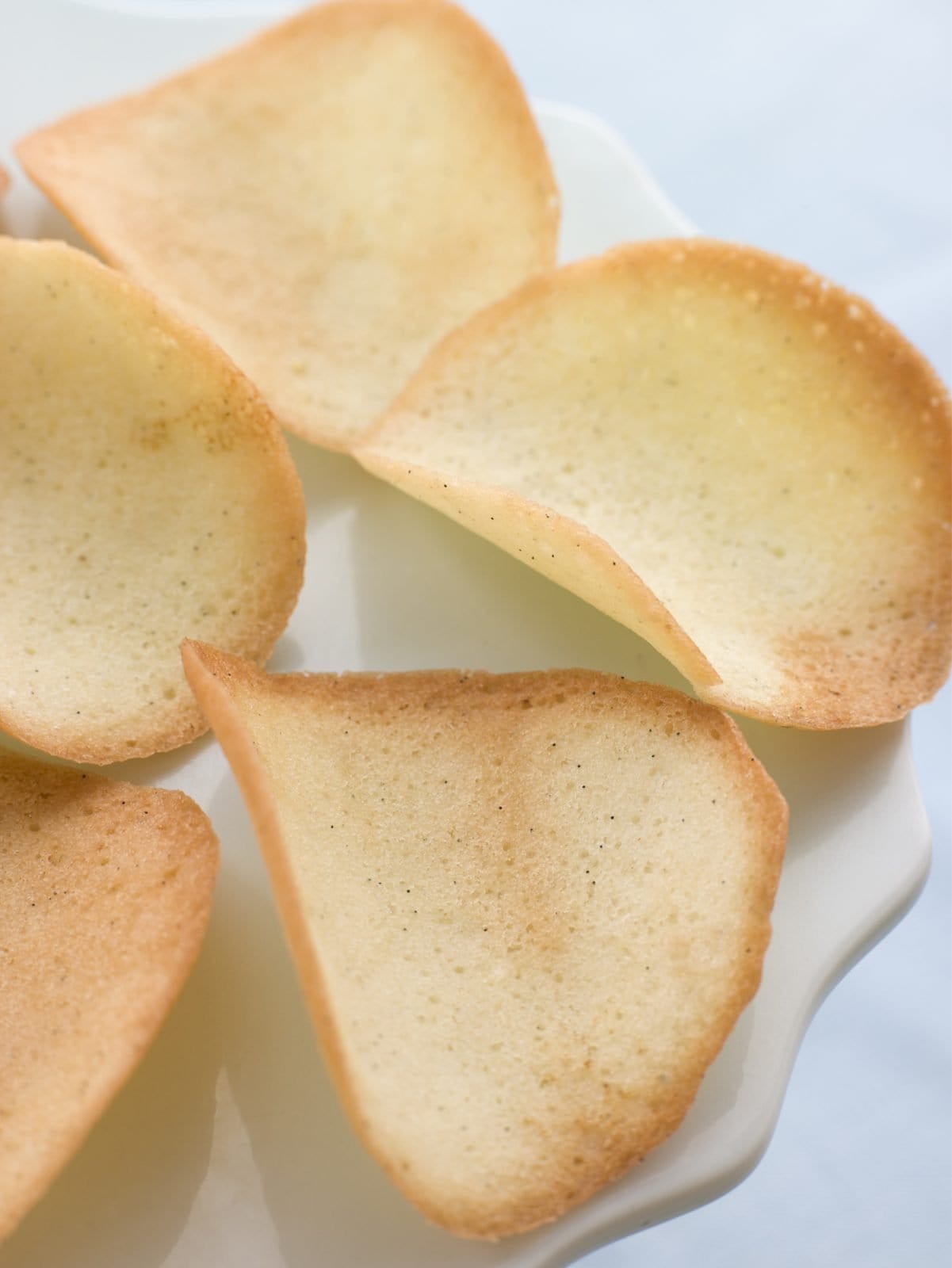
Tuiles

“Tiles” in French, these thin, crisp cookies are traditionally draped over a rolling pin to cool, giving them the curved shape of a Mediterranean roof tile. You can mold them into any shape you like or just keep them flat.

Banana Bread with Candied Ginger

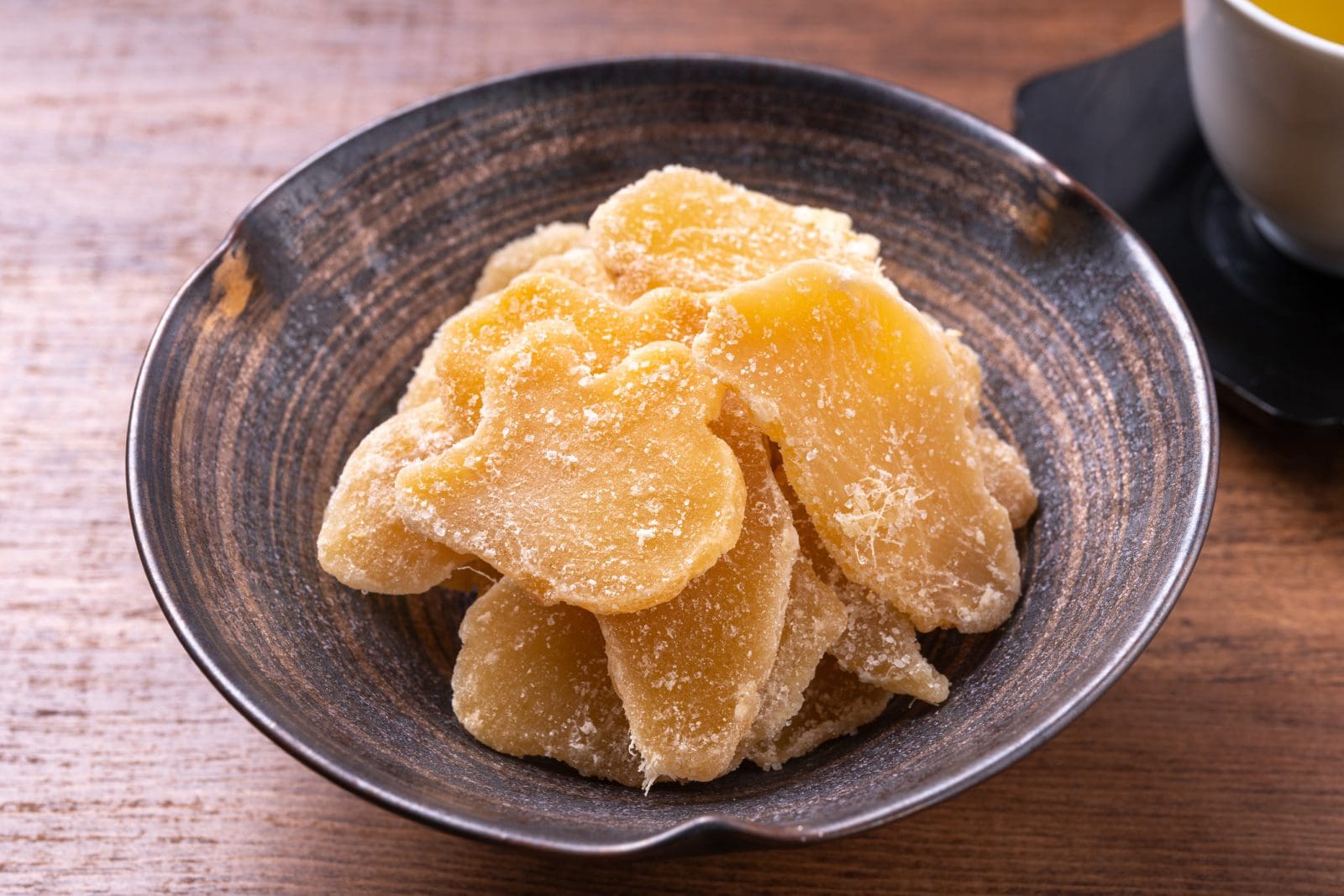
The best banana bread is a balancing act: It requires a fair amount of fat to keep it moist and lighten the crumb, and just enough sweetness without overpowering the super-ripe fruit. The final product should be sweet, but not overly so, crumbly, and tender, with an irresistible crust. The ginger adds heat and (more) sweetness.

Graham Cracker Crust

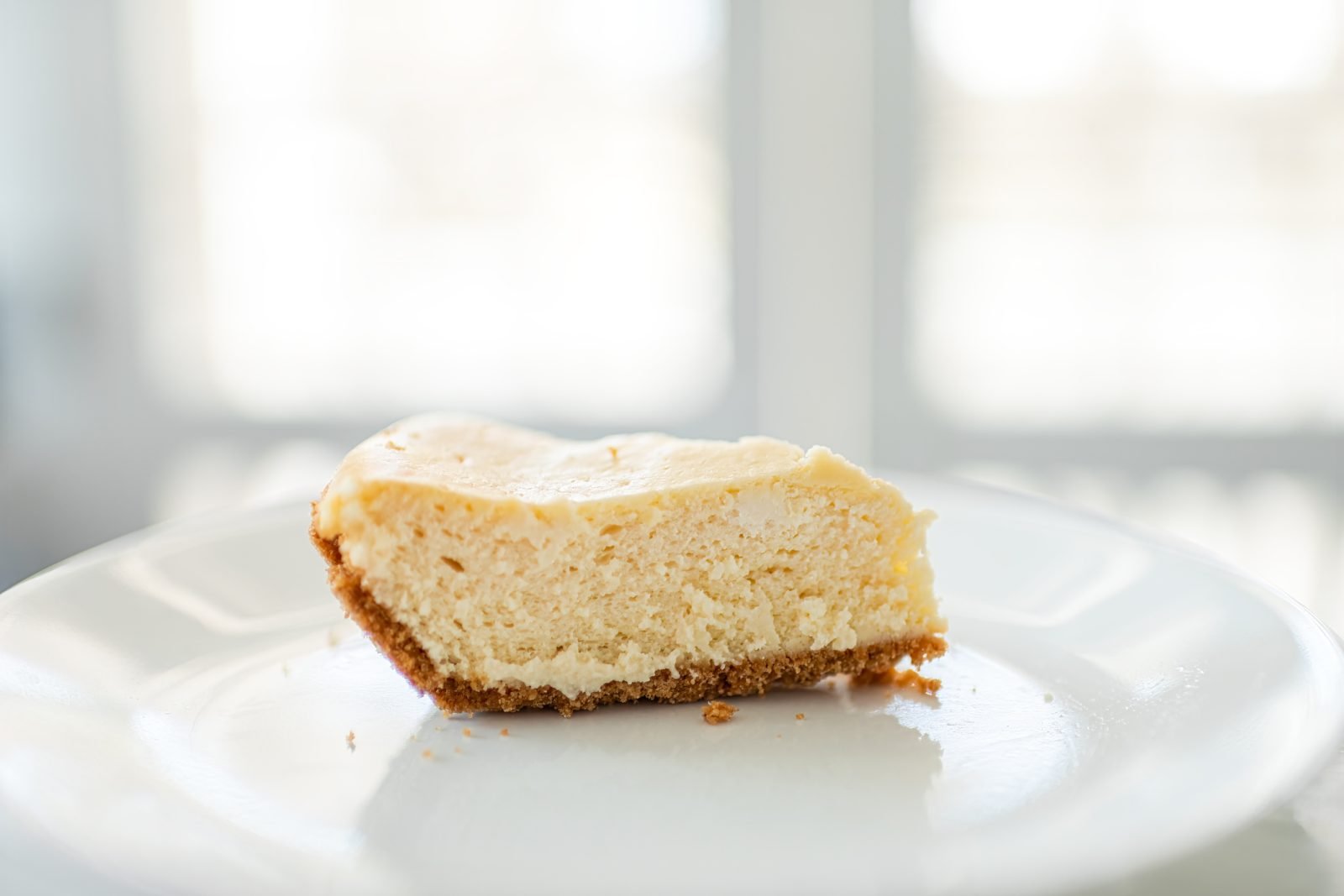
There are times only a crumb crust will do: cheesecakes, for example. It’s also a great option for cream, meringue, or even pumpkin pies. Crumb crusts, including the variations that follow, are almost always prebaked.

Green Goddess Smashed Potato Salad

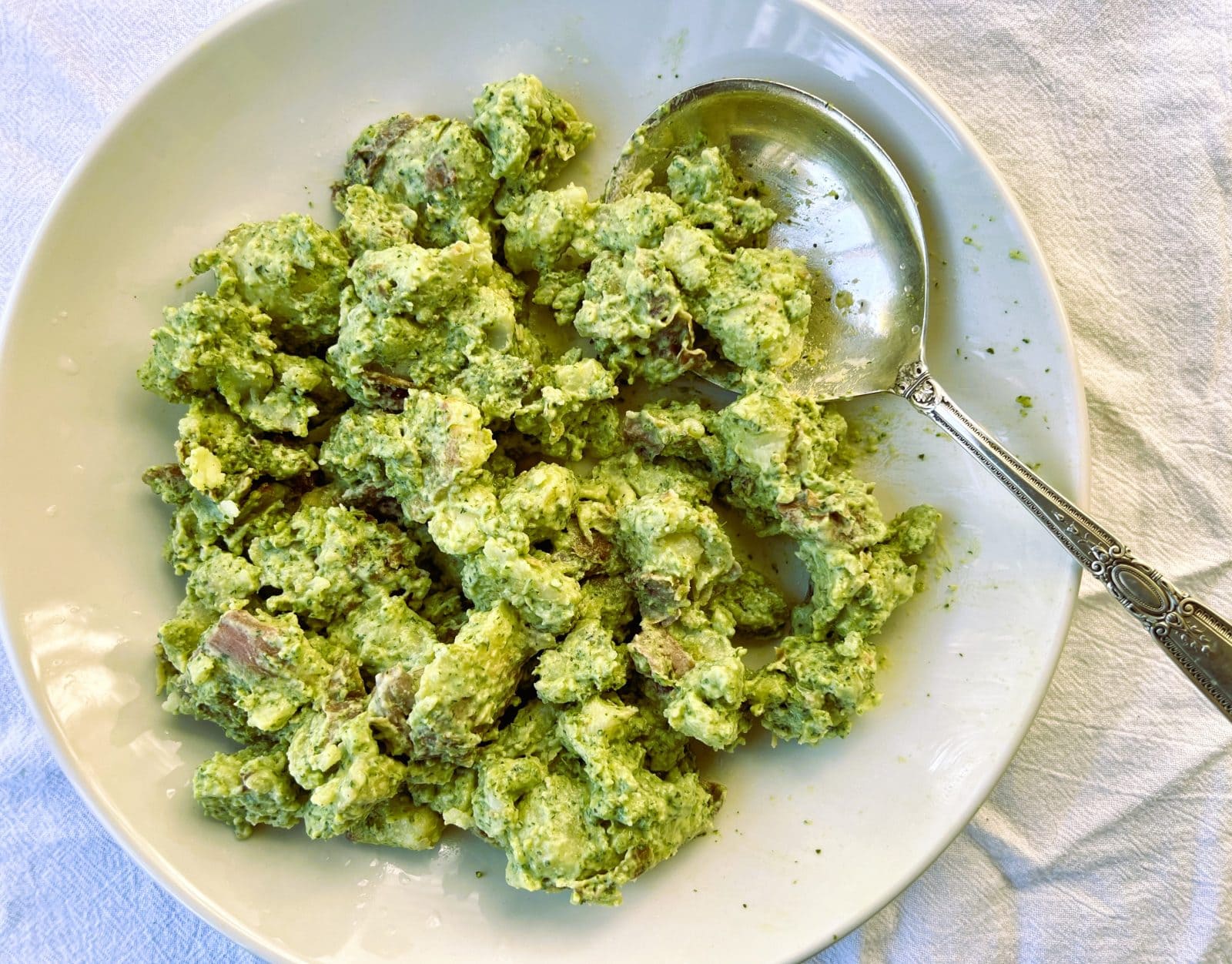
Buttermilk powder is the little secret in this lighter, innovative potato salad turns a ton of herbs and a little mayonnaise into a totally customizable crowd-pleaser.

As for the options, let’s start with the potato. For the main recipe, made with roasted and smashed potatoes, something on the waxy side of the potato spectrum works best. In the “old-fashioned” variation you can use any kind, peeled or not. (We give you specific suggestions below.) You get a lot of leeway with herbs, too. The photo shows what two cups looks like; if that seems too intense, go for less. However, a combination of at least two is key. For the larger quantity in the recipe, choose from “mild” herbs like parsley, cilantro, dill, mint, basil, chervil, or chives; “Strong-flavored” herbs means rosemary, oregano, sage, marjoram, or tarragon. Or take your own path and go with carrot tops, watercress, arugula, or fresh spinach.

Snap Peas with Ranch-y Breadcrumbs

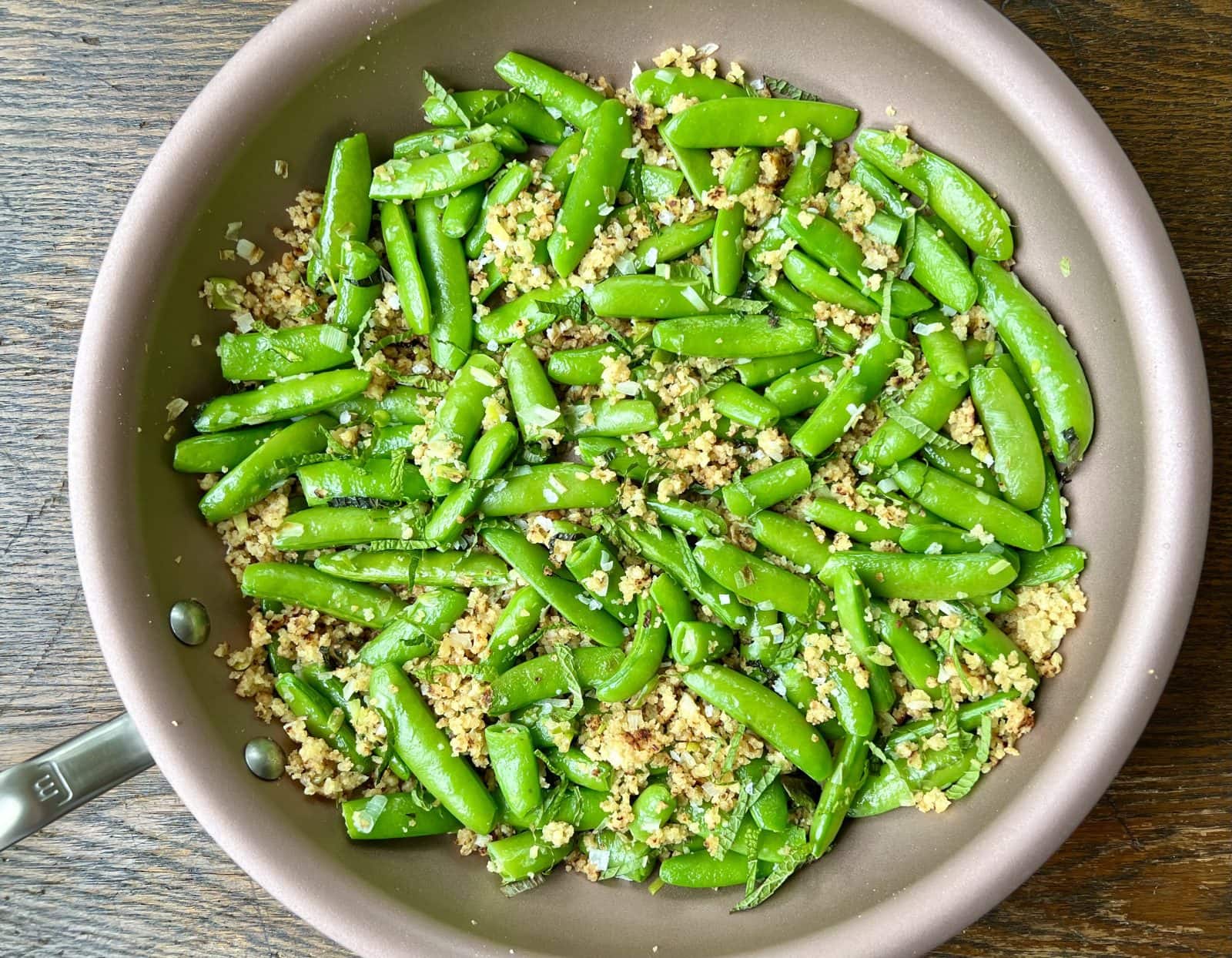
Buttermilk powder works magic in stir-fries. During cooking it dissolves to tame the tooth-breaking crunch of coarse breadcrumbs, which in turn lends the familiar tang of ranch dressing to the whole thing. What you get is a texture explosion that eats like pleasantly chewy couscous, punctuated with the crisp crunch of snap peas.

Store-bought panko are the way to go here, or make your own fresh or toasted bread crumbs. Other vegetable ideas: green beans or snow peas, sliced asparagus, broccoli florets, or ribbons of chard.

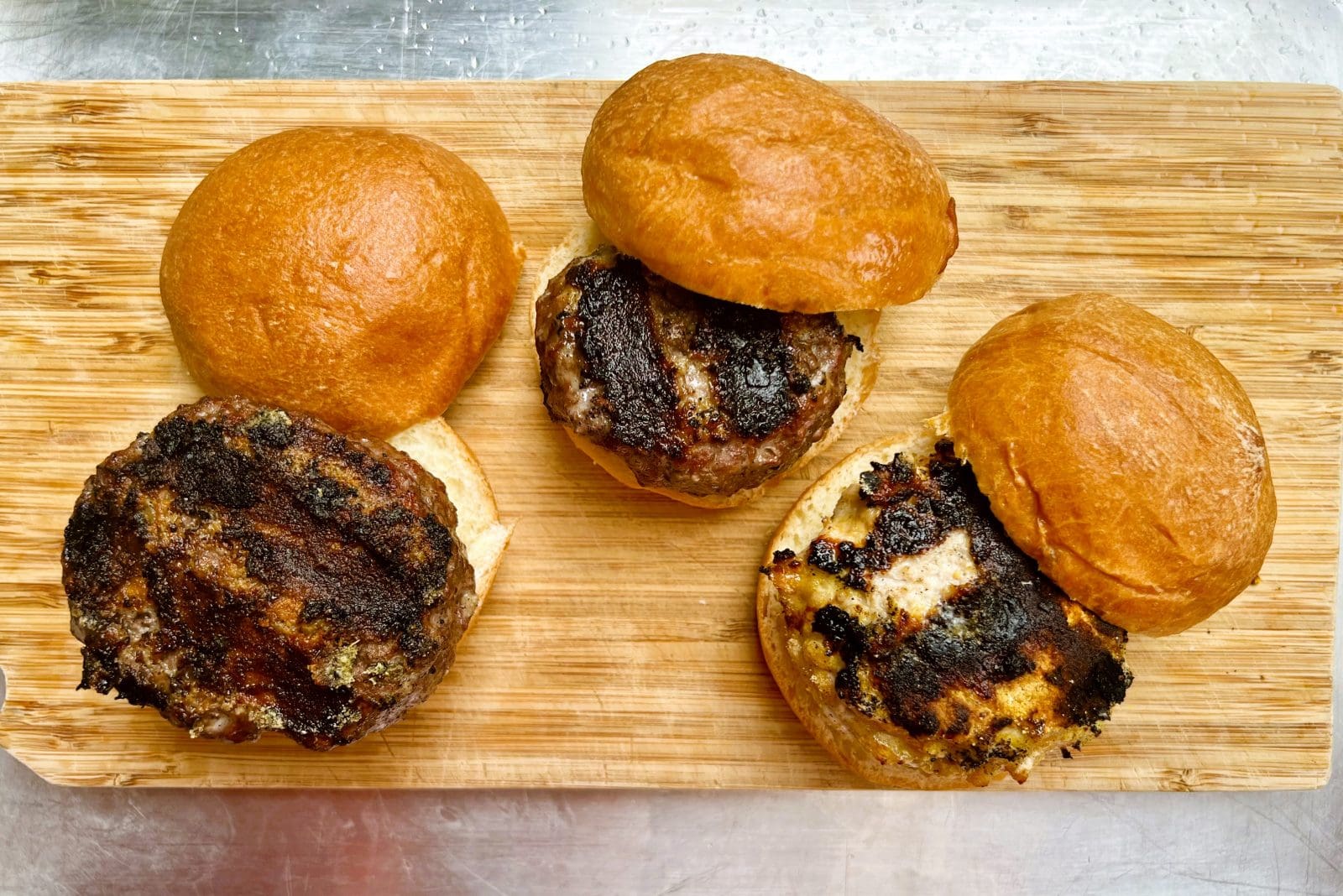
Buttermilk-Crusted Backyard (or Stovetop) Burgers

Blizzarding your burgers in buttermilk powder before cooking has a couple surprising benefits. Most important, it creates a crust and seals in juices, even at relatively low temperatures. So you can get a good char on even the thickest sliders without drying out the inside. (See the main recipe for grilling or the variation that follows for stovetop cooking.)

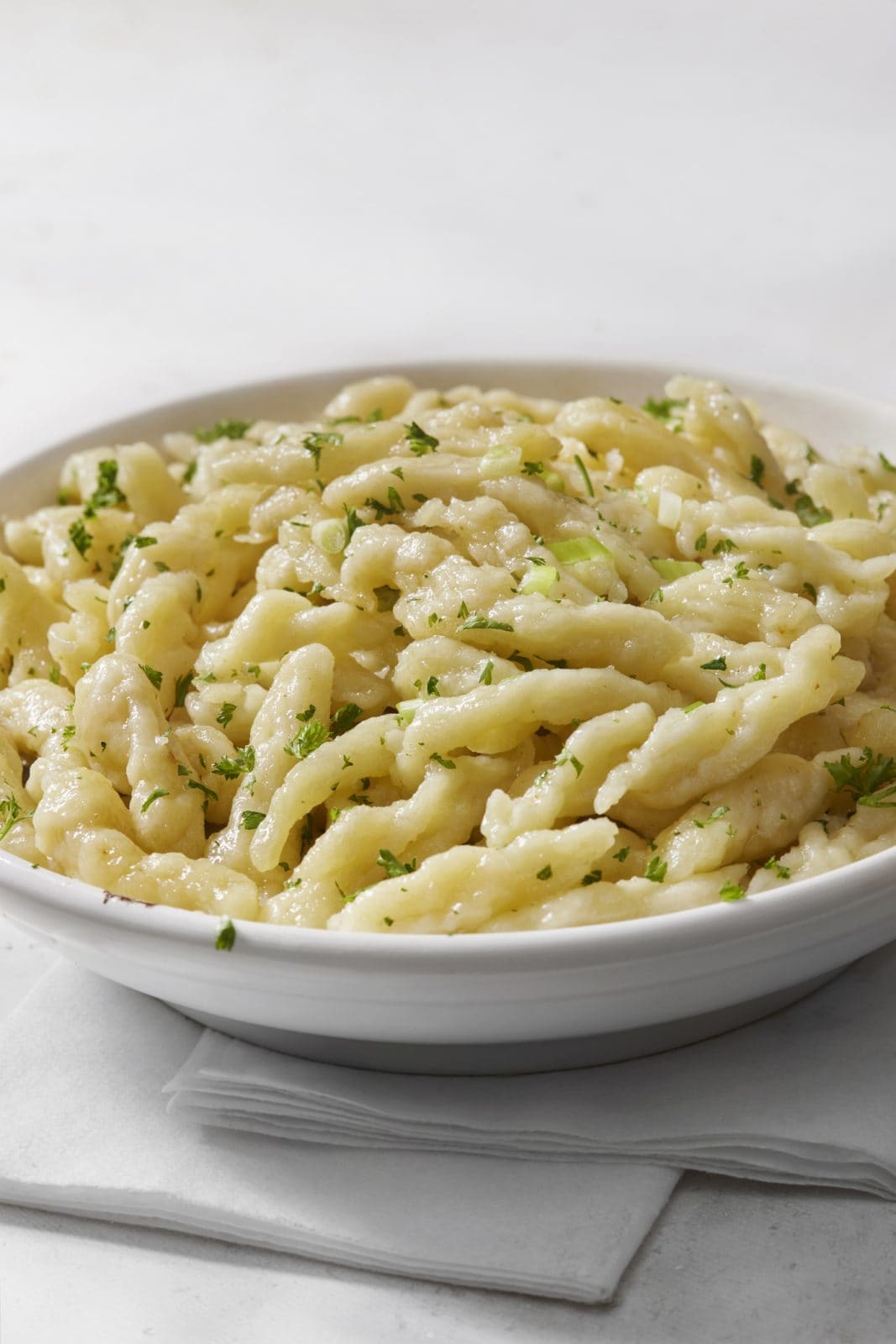
Spaetzle

Spaetzle is harder to spell than make. In fact, it’s one of the easiest and most impressive side dishes there is, a noodle whose dough is about as complicated as pancake batter and that can be crisped up in a pan to create a delicious accompaniment for almost any poultry or pork dish, especially braised ones.

Stir-Fried Asparagus

Stir-fries are among the best ways to use those odd bits of vegetables languishing in your fridge. Just remember: The smaller you cut them, the more quickly they’ll become tender. And if you’ve got some stock handy, use that instead of some or all of the water.

Roasted Asparagus with Crunchy Parmesan Topping

Fresh asparagus can be exciting, with its slightly sweet grassiness and a hint of bitterness. It’s truly a harbinger of spring.

Steamed Asparagus Spears

Anything you can do with green beans or broccoli you can do with asparagus. Otherwise, here are the most basic techniques. To partially cook asparagus ahead of time, use one of the methods here and cook until a smidge less tender than desired, then shock, drain well, cover, and refrigerate for up to 2 days. Finish by heating the asparagus through with a little butter or olive oil, or try one of the ideas that follow.

Fish Steaks with Salsa Verde

A piquant sauce is perfect with sturdy fish steaks. The photograph shows salmon with fresh tomatillos lightly cooked into a pretty green sauce. You could mix and match tomatoes or olives with cod, mackerel, or halibut. Tortillas—flour or corn—are the ideal companion so you can savor all the sauce.

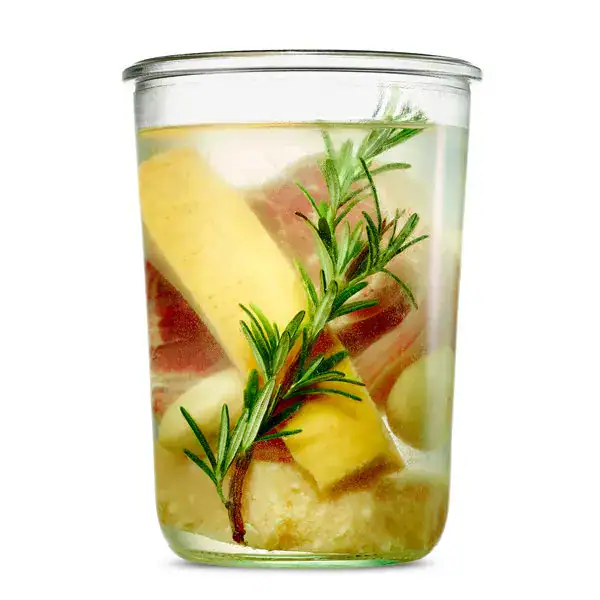
Prosciutto-Parmesan Stock

Here’s the problem with homemade stock: It’s so good that it doesn’t last long. What’s needed is something you can produce more or less on the spot.

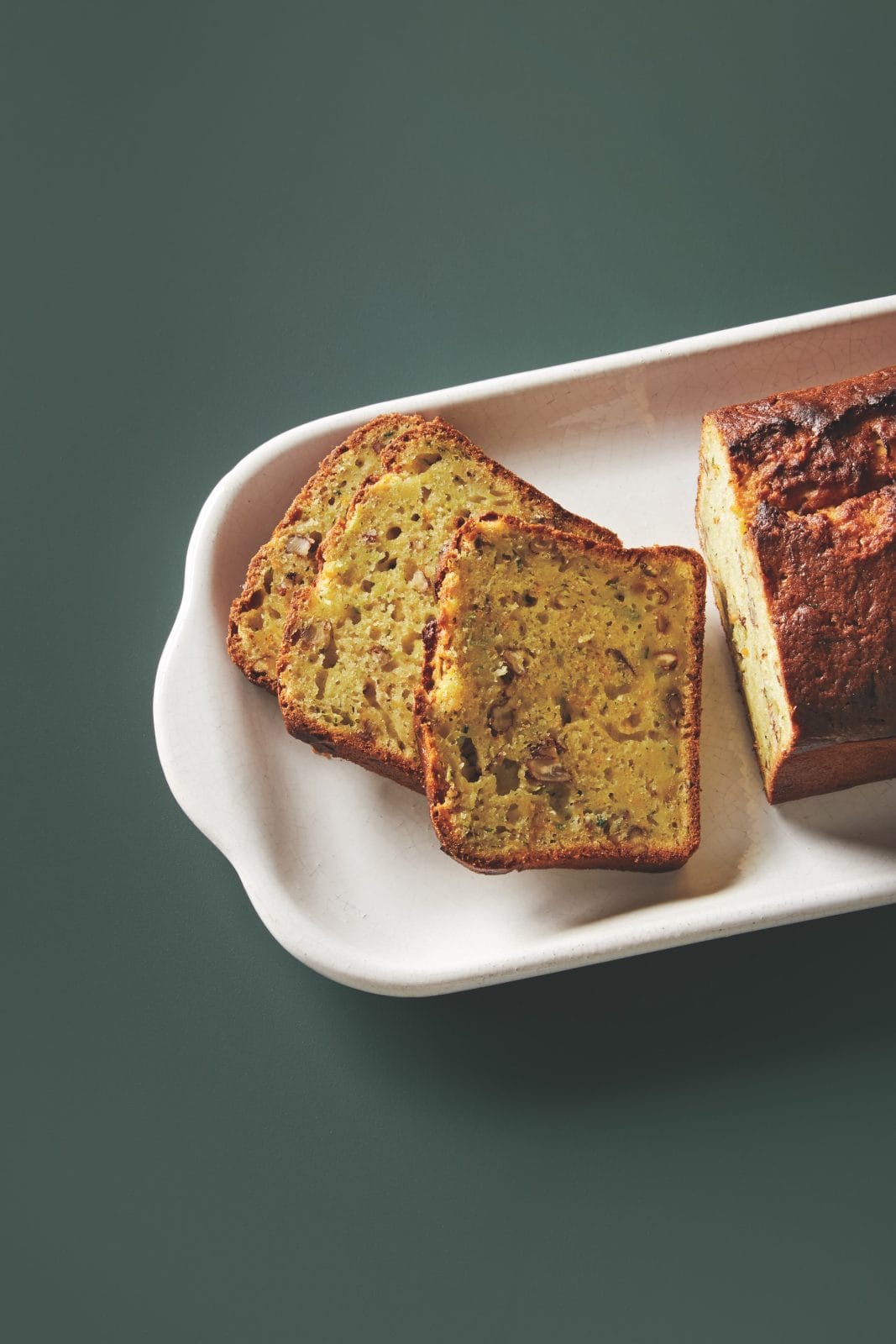
Zucchini Bread

Vegetables are the unsung heroes of the quick bread world; they bring subtle flavor and keep breads moist. This zucchini bread is made with olive oil and is only lightly sweet, which makes it a great bread to top with butter and a drizzle of honey for breakfast. Try combining two different vegetables in one loaf to add depth of flavor.

Blueberry Muffins

This low-maintenance recipe is a canvas for experimentation. Mix and match your fruit with chopped chocolate, nuts, seeds, or spices. If you’re using frozen fruit, there’s no need to thaw it. The only rule here is not to overmix — muffin batter must remain lumpy if you want the muffins themselves to be tender.

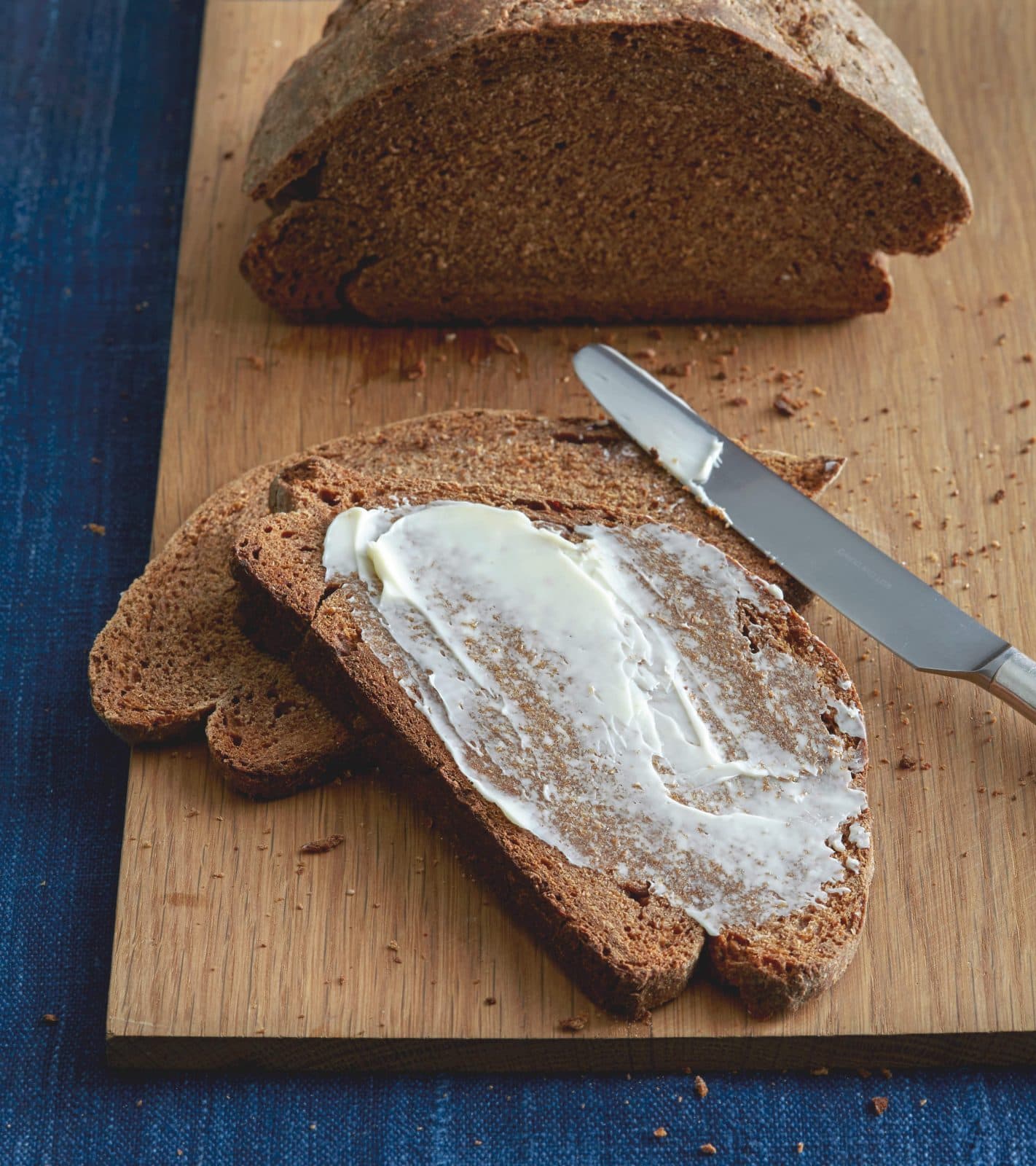
Black Bread

This bread features a one-step mixing technique that keeps the process simple, and in return you get a full-flavored, fairly dense, almost-black Russian-style loaf that’s perfect with hearty soups and stews or a wedge of sharp cheddar cheese, some pickles, and a smear of whole grain mustard.

Vanilla Stovetop Pudding

Not much harder than so-called instant, but with infinitely more flavor. The mixture of cornstarch and half-and-half directed in Step 2 is called a slurry (a term used to describe similar wet mixtures both in and out of cooking). Once it’s stirred into the warm liquid it immediately starts to thicken the pudding. Just make sure the slurry is completely smooth before you add it (it’s easy; that’s the beauty of cornstarch), or the pudding will be lumpy.

Piña Colada Chia Pudding

Chia seeds have the capacity to absorb ten times their weight in liquid while creating a gel-like texture. This chia seed–liquid combo can be used as a substitute for eggs. Here we use them to make a no-cook vegan pudding.

Chantha Nguon’s Sour Chicken-Lime Soup, Village Style (S’gnao Chruok Sach Mouan)

S’gnao refers to a range of simple, brothy soups—the word means “to
boil.” The extremely fresh village chicken soup of my childhood requires a recently chased and slain bird. If you can’t lay hands on one, find a small organic chicken from a nearby farm and cut it into pieces. Grocery-store chicken will also suffice. – Chantha Nguon